THE MIDDLE EAST’S
Top 100 Arab Family Businesses 2026

Arab family businesses are not a footnote to the region’s economic story: they are much of the story itself. Across MENA, family-owned and family-run enterprises play a big role in the private-sector wealth, employ millions, and operate across nearly every sector that matters — energy, construction, retail, healthcare, logistics, financial services, and beyond.
The Arab region’s GDP reached approximately $3.8 trillion in 2025 and is forecast to surpass $4 trillion in 2026, according to the Arab Investment and Export Credit Guarantee Corporation (Dhaman).
This year’s list reflects that durability, but also the pace of transformation. The companies ranked here are not coasting on legacy. They are acquiring businesses, listing subsidiaries, closing infrastructure concessions, and pushing hard in markets where they were not present. Egypt’s Hassan Allam Holding reported a record backlog of $7.2 billion in 2025. Saudi’s Zahid Group-led consortium completed the full privatization of Barloworld in a deal that values the 123-year-old South African industrial company at $1.3 billion. Qatar’s Power International Holding secured infrastructure contracts worth $11 billion in Syria, including the redevelopment of Damascus International Airport and 5,000 MW power projects.
The GCC continues to dominate the ranking, with GCC-based countries together accounting for 86 entries, with 32 companies from Saudi Arabia, 31 from the UAE and 10 from Qatar. But the list also captures businesses from Egypt, Jordan, Morocco, Lebanon, and Algeria. A reminder that Arab family enterprise extends well beyond the Gulf and, in many of these markets, is the primary engine of private-sector employment and economic growth.
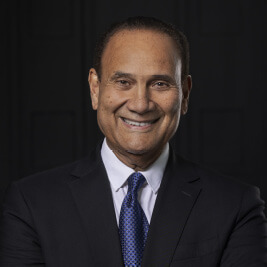
1. Abdul Latif Jameel
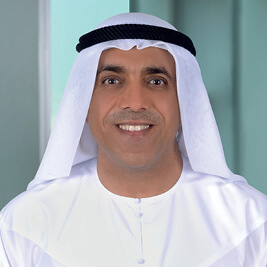
2. Al-Futtaim
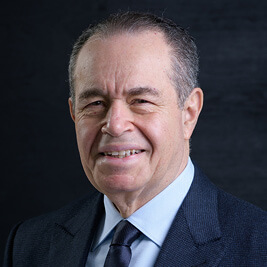
3. Mansour Group
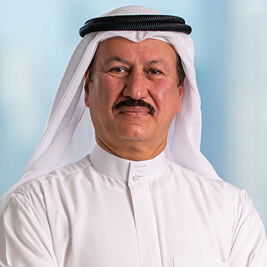
4. DAMAC Group
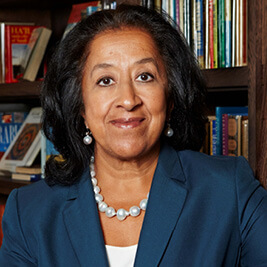
5. Olayan Financing Company (OFC)
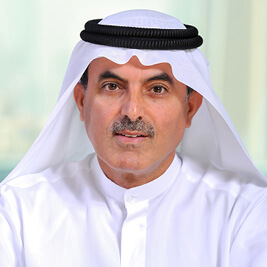
6. Al Ghurair

7. Power International Holding (PIH)
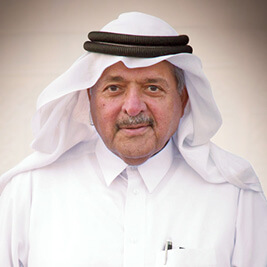
8. Al Faisal Holding

9. Al Ghurair Group
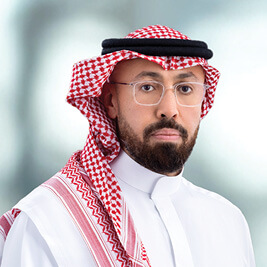
10. SEDCO Holding
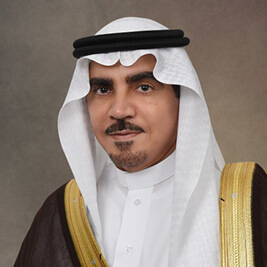
11. Al Othaim Holding Company
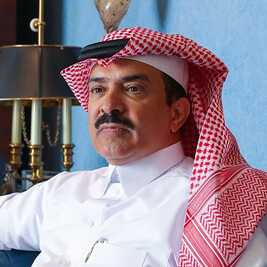
12. Ajlan & Bros Group

13. Hassan Allam Holding
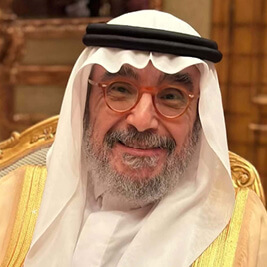
14. Yousuf M.A. Naghi & Sons Group
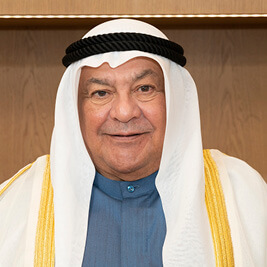
15. Alghanim Industries
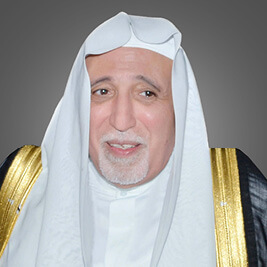
16. Al Nahla Group
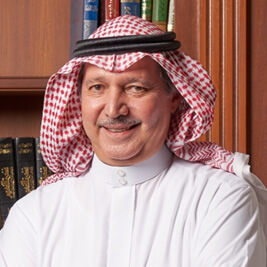
17. Juffali
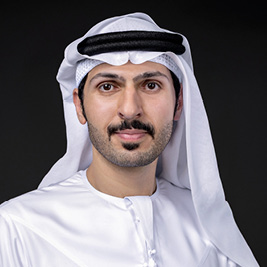
18. Binghatti Holding
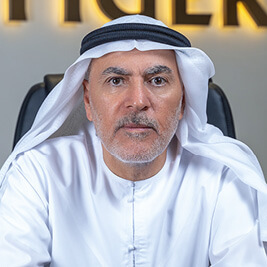
19. Tiger Holding
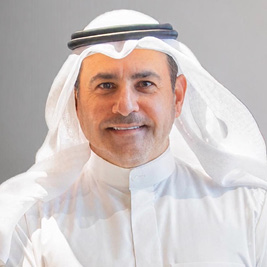
20. Alshaya Group

21. O Capital Group
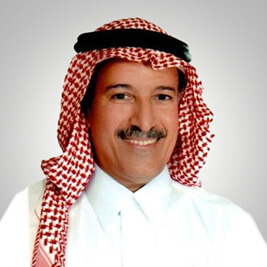
22. AlRashed Group
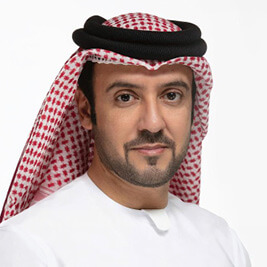
23. S.S. Lootah Group
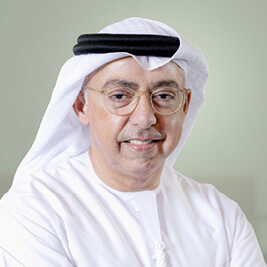
24. AW Rostamani Group (AWR Group)
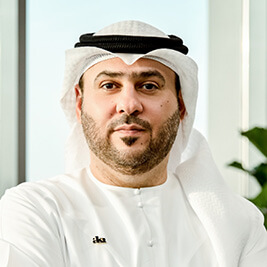
25. Al Khayyat Investments (AKI)
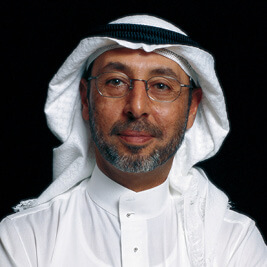
26. Zahid Group
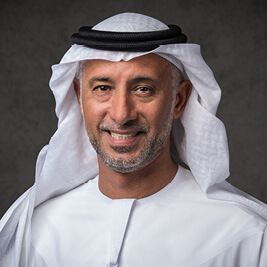
27. Mohamed & Obaid Almulla Group
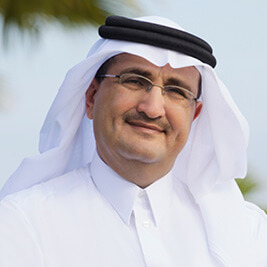
28. Darwish Holding
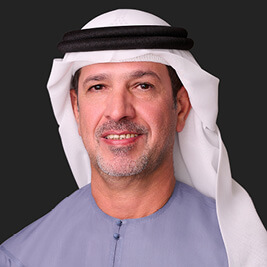
29. Al Masaood Group
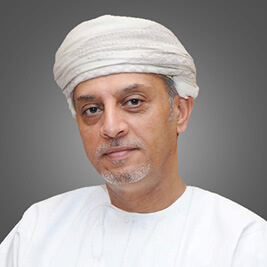
30. The Zubair Corporation
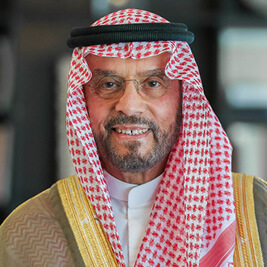
31. Zamil Group Holding Company
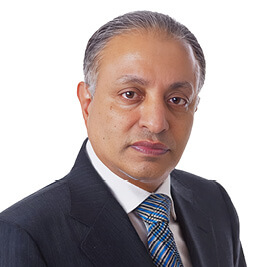
32. HSA Group
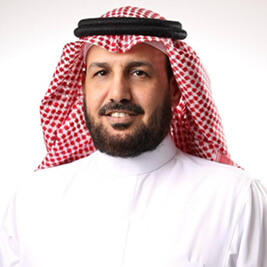
33. Sumou Holding Company
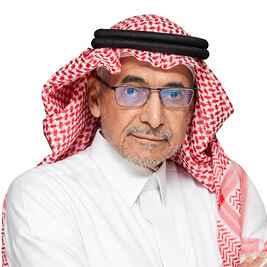
34. Alkhorayef Group
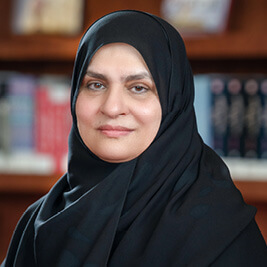
35. Al Gurg Group
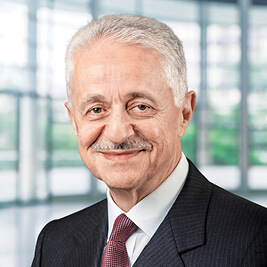
37. Crescent Group

38. Rawabi Holding
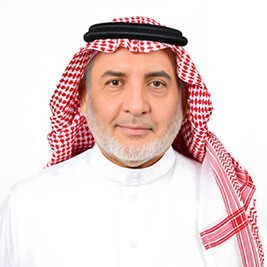
39. Obeikan Investment Group (OIG)
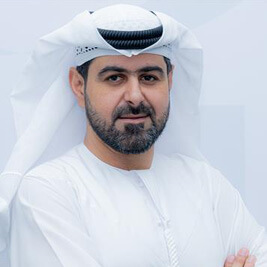
40. GMG
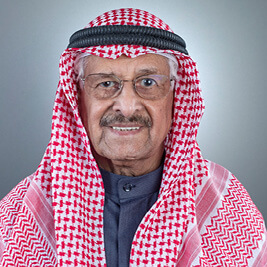
41. ALSAYER Group
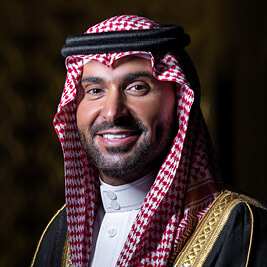
42. Rajhi Invest
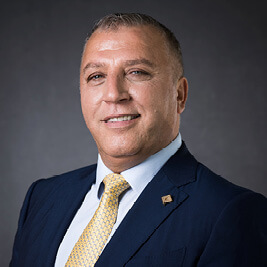
43. Ghassan Aboud Holding
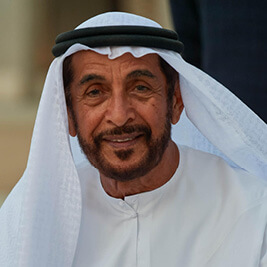
44. Bin Hamoodah Company
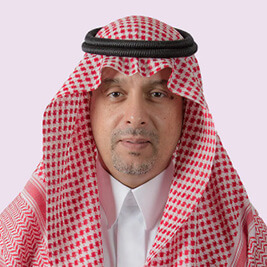
45. Al Faisaliah Group (AFG)
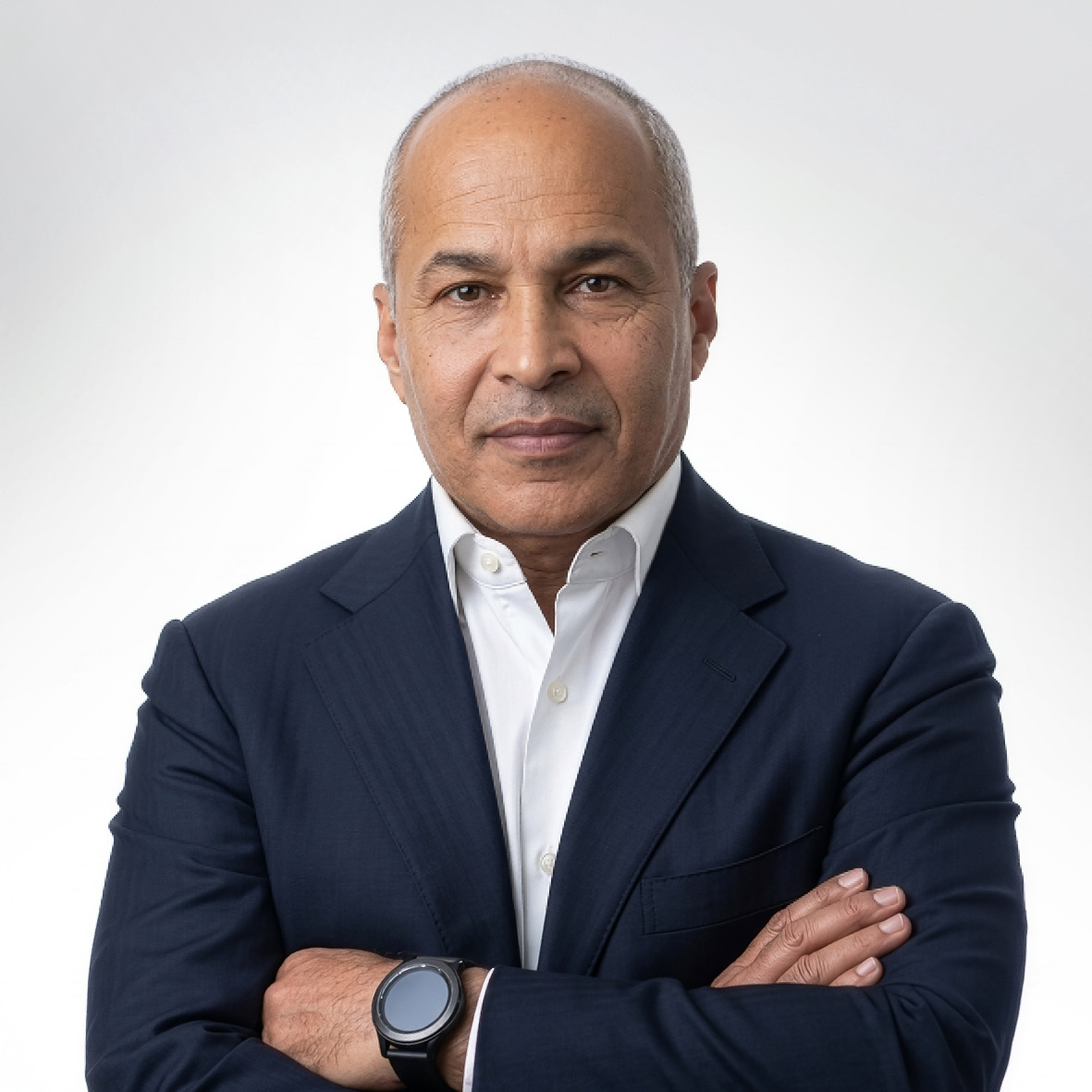
46. Manaseer Group
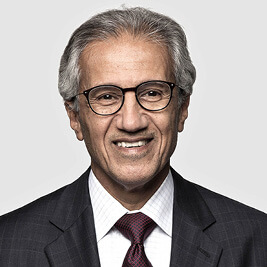
47. Assila Investments
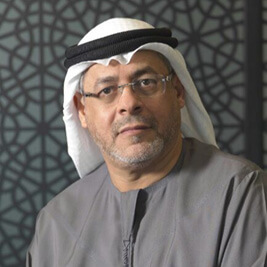
48. AlNowais Investments
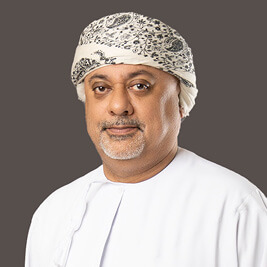
49. Towell Group
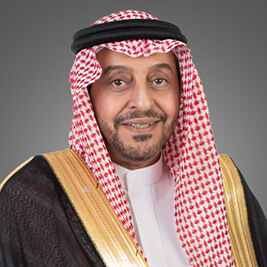
50. Alesayi Holding
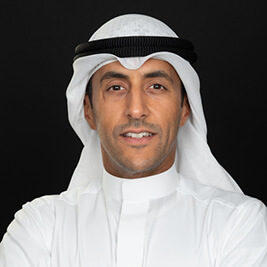
51. Al Mulla Group

52. Naif Alrajhi Investment
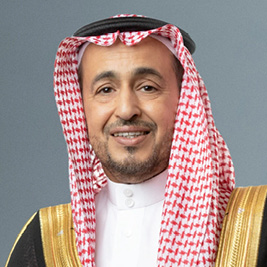
53. Al Nahdi Family Office
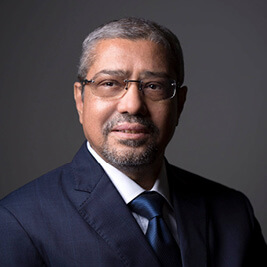
54. ELARABY Group

55. Cevital Group
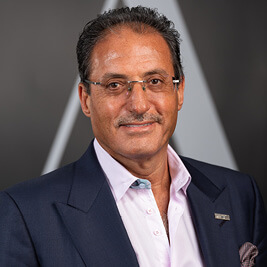
56. MAG Group Holding
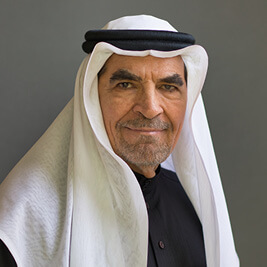
57. Alturki Holding
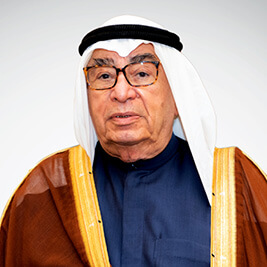
58. Alfardan Corporation
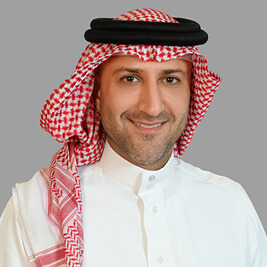
59. Y. K. Almoayyed & Sons
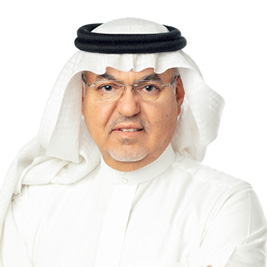
60. MASIC
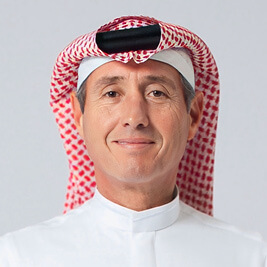
61. Tamer Group
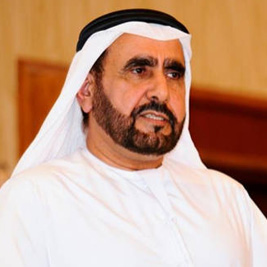
62. Darwish Bin Ahmed & Sons Group (DBA Group)
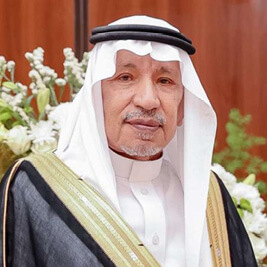
63. Hamad Al-Sagri Holding Company (HHC)
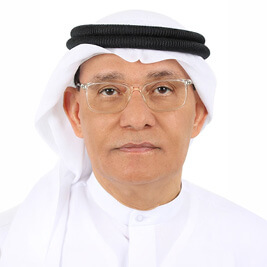
64. Oasis Investment Company (Al Shirawi Group)
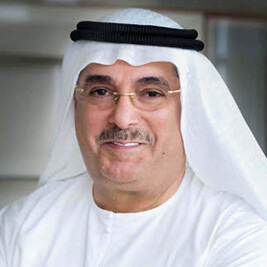
65. Saeed & Mohammed Al Naboodah Group (Al Naboodah Group)
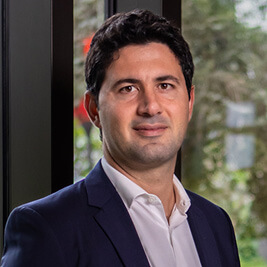
66. Chalhoub Group
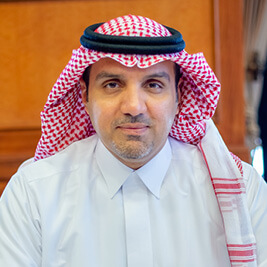
67. Almajdouie Group
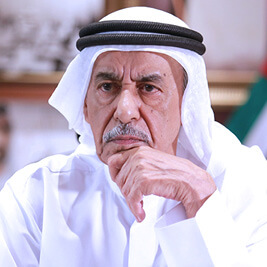
68. Khalifa Juma Al Nabooda Group
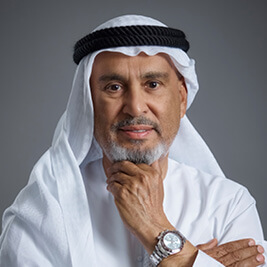
69. Seddiqi Holding
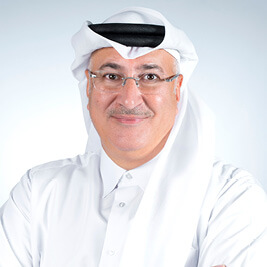
70. Abu Issa Holding
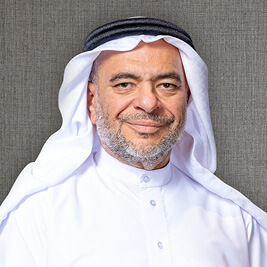
71. Gargash Group
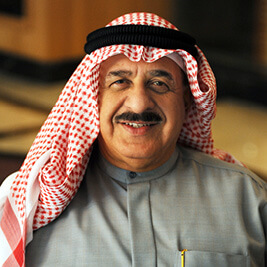
72. Yusuf Bin Ahmed Kanoo Group (YBA Kanoo)

73. Mohamed bin Hamad Holding Company (MBHH)
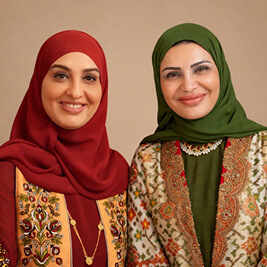
74. Mohsin Haider Darwish
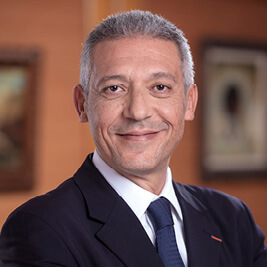
75. Holmarcom Group
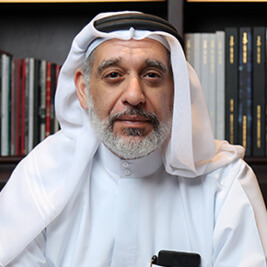
76. The Kanoo Group
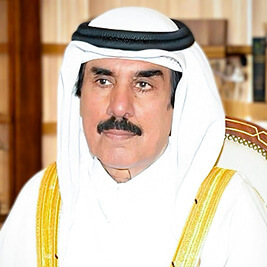
77. Almuftah Group
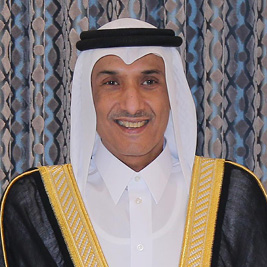
78. Almana Group
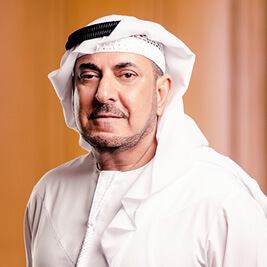
79. Khansaheb Group
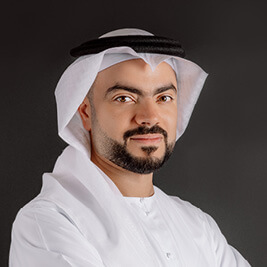
80. Al Gebely Holding (AGH)
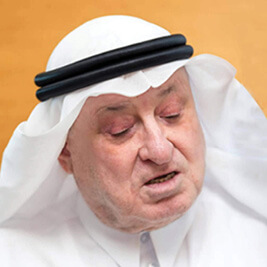
81. Al Othman Holding
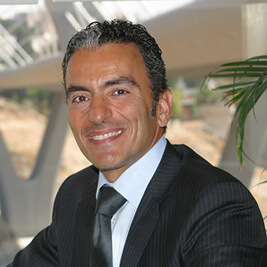
82. Nuqul Group
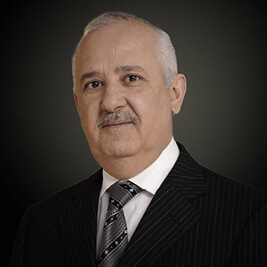
83. Groupe Addoha

84. Diana Holding
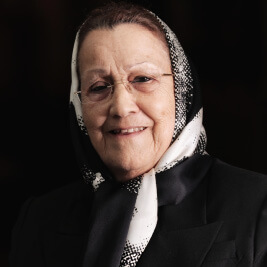
85. YNNA Holding (CHAABI Family Group)
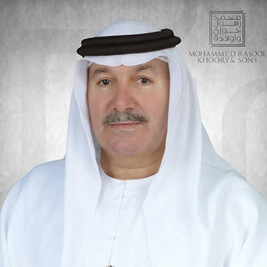
86. Mohammed Rasool Khoory & Sons
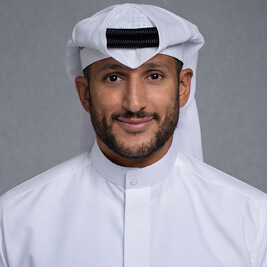
87. AlMudhaf & AlKulaib Group (MK Group)
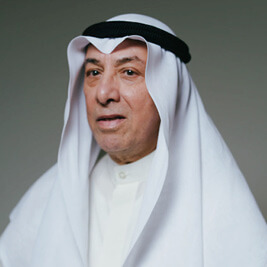
88. Alghanim Sons Group (ASG)
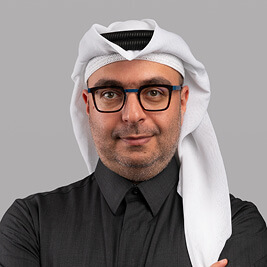
89. Jaidah Group
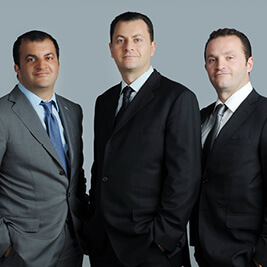
90. Mouawad
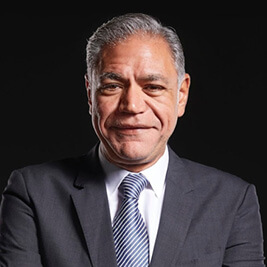
91. Dorra Group
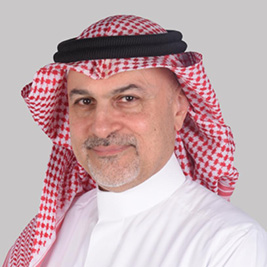
92. Khalifa A. Algosaibi Investment (KAI)
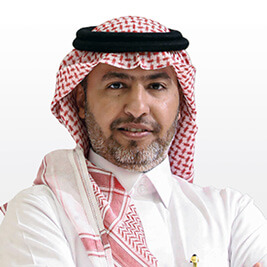
93. Tatweer Group
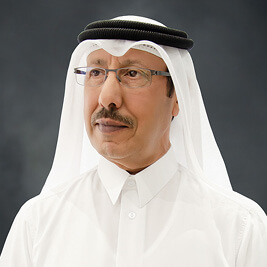
94. Marzooq Shamlan Al Shamlan Holding
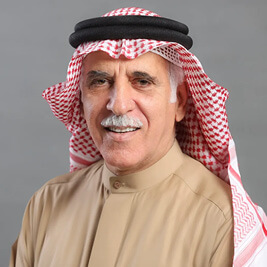
95. AJM Kooheji Group
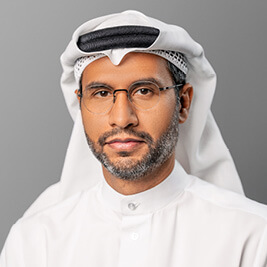
96. Haji Hassan Group
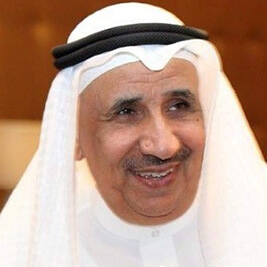
97. Safari Group
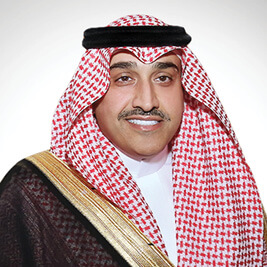
98. Al Rushaid Group
99. Al-Qahtani Holding