THE MIDDLE EAST’S
Fintech 50

Geopolitical unrest has yet to derail MENA’s fintech momentum. The sector remained the region’s largest investment destination in the first half of 2026, attracting $708 million across 51 funding rounds, comfortably outpacing every other vertical, according to Wamda.
Payments remained the leading segment, reflecting continued demand for digital financial services across the region. Tabby tops the list for the second year in a row, boosted by over $18 billion in annual transaction volume and $6.5 billion valuation. It is followed by Egypt’s Fawry and MNT-Halan.
This year, the list features companies from 10 countries, with the UAE the most represented, accounting for 15 companies, followed by Saudi Arabia with 13 entries and Egypt with 10. The list welcomes 18 new entrants, including Network International, Astra Tech, PRYPCO, and Digit9.
New companies are marked with an asterisk (*)

1. Tabby
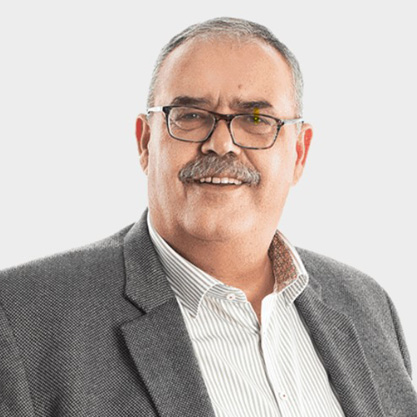
2. Fawry

3. MNT-Halan

4. Network International *

5. Rasan
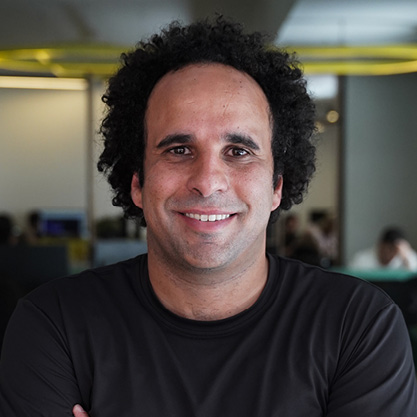
6. Thndr

7. Foodics

8. U Consumer Finance (Valu)

9. Astra Tech *

10. PRYPCO *
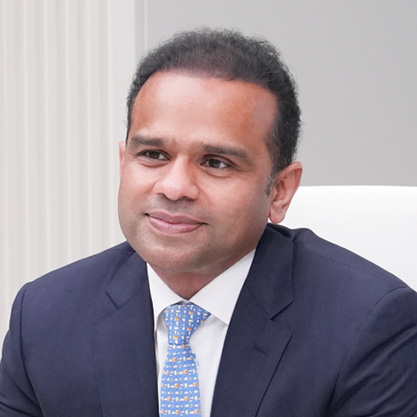
11. Digit9 *

12. Lendo

13. Tap Payments
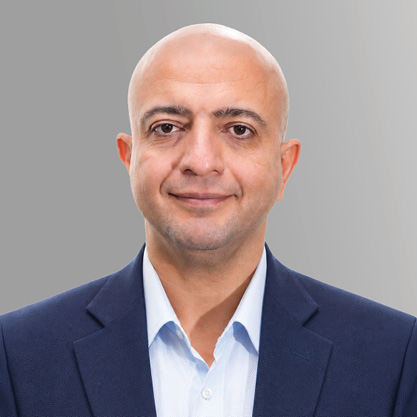
14. MadfoatCom
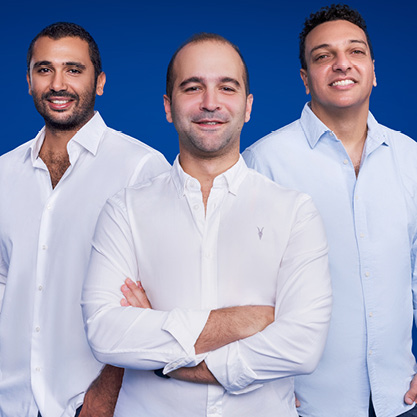
15. Paymob
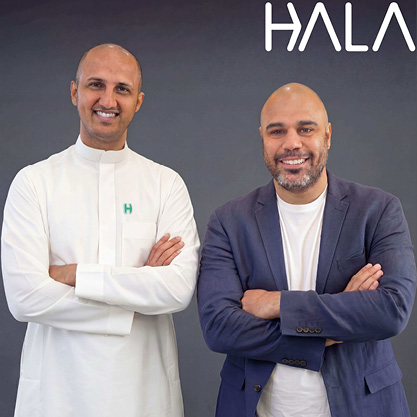
16. HALA

17. Lean Technologies
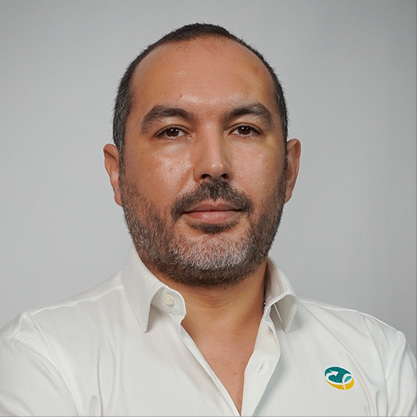
18. CASH PLUS *
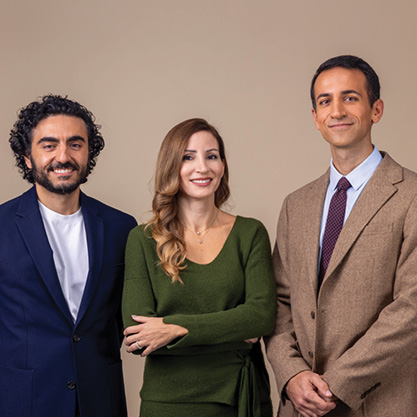
19. Sarwa

20. HyperPay

21. Modupay

22. Tarabut
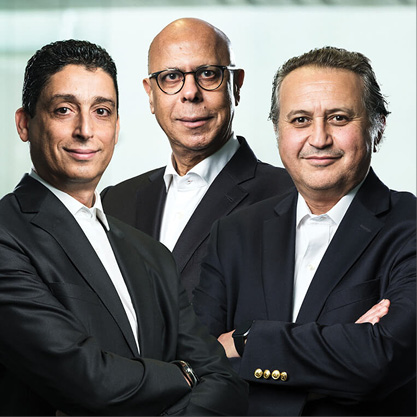
23. HPS

24. Paysky
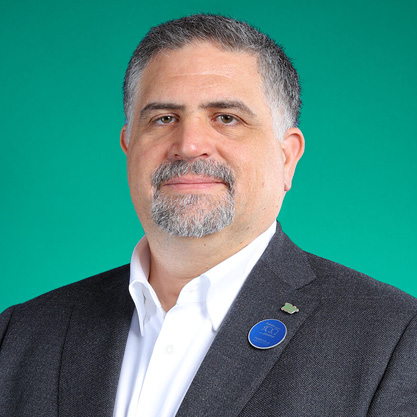
25. Telr

26. MoneyHash *

27. Eazypay.com

28. ONE Cash
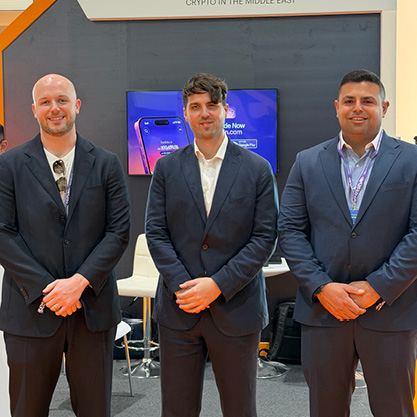
29. Rain

30. NymCard *

31. Dinarak

32. CoinMENA

33. Beehive

34. Alaan *

35. Ziina

36. Lucky
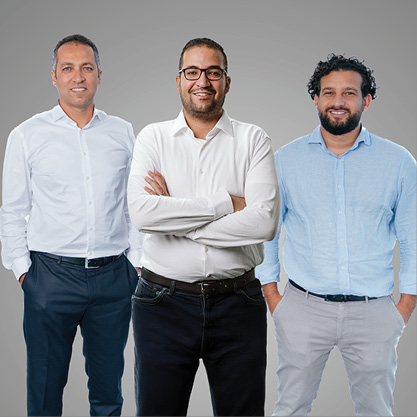
37. Sahl

38. Fuze Finance *

39. Merit Incentives *

40. Huspy *
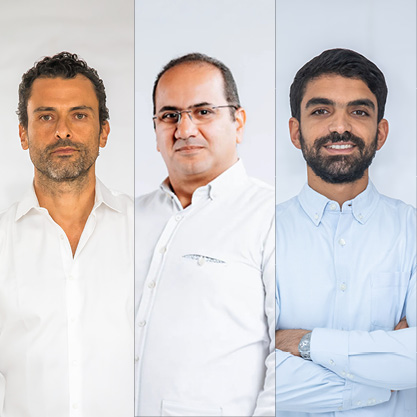
41. Khazna Tech

42. Thawani Pay

43. NEO Pay Iraq
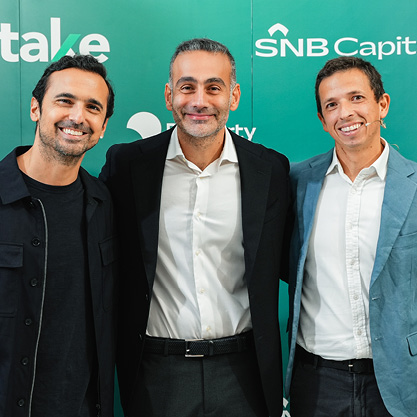
44. Stake *

45. BwaTech *

46. Holo *

47. Rize *

48. Malaa Technologies *

49. Klaim *