The Middle East’s
Top Tech Leaders 2026

As technology reshapes global economies, governments and businesses across the Middle East are facing the same shift: AI and advanced technologies are no longer optional. The region is at a turning point—adapt quickly, or fall behind it.
More than 80% of organizations in the region say they feel pressure to adopt AI, and 69% plan to increase investment, according to Deloitte’s 2025 State of AI in the Middle East report. Generative AI adoption among consumers is notably higher in the U.A.E. and Saudi Arabia, where 58% report using such tools, ahead of the U.K. and European markets.
For the first time, we publish three lists that capture the different forces shaping the Middle East’s technology shift.
The Middle East’s Top Tech Leaders in Government highlights senior public-sector leaders running national entities that regulate, secure, and enable technology ecosystems—setting the rules that let innovation to scale safely. Topping the list is Dr. Mohamed Al Kuwaiti, Head of Cybersecurity for the U.A.E. Government, followed by Abdullah bin Sharaf Alghamdi, President of the Saudi Data & AI Authority (SDAIA), and the U.A.E.’s Faisal Al Bannai, Secretary-General of Advanced Technology Research Council (ATRC).
The Middle East’s Top Tech Leaders Of Global Companies spotlights the regional leaders at global technology firms who are pushing cloud, platforms, enterprise software, and AI across Middle Eastern markets—translating global capability into local delivery. Ronaldo Mouchawar, Vice President—Middle East, Africa, and Türkiye of Amazon tops the list, followed by Anthony Nakache, Managing Director—MENA at Google, and Abdul Rahman Al Thehaiban, Managing Director—MENA & Türkiye at Google Cloud. Fares Akkad, Managing Director—Middle East & Africa of Meta, also features third.
The Middle East’s Top Tech CEOs recognizes founders and executives leading some of the region’s most influential technology companies – from AI and telecom to cybersecurity champions, defense and digital infrastructure. Peng Xiao, Group CEO of G42, leads the list, followed by Hatem Dowidar, Group CEO of e&, and Olayan Alwetaid Group CEO of stc Group.
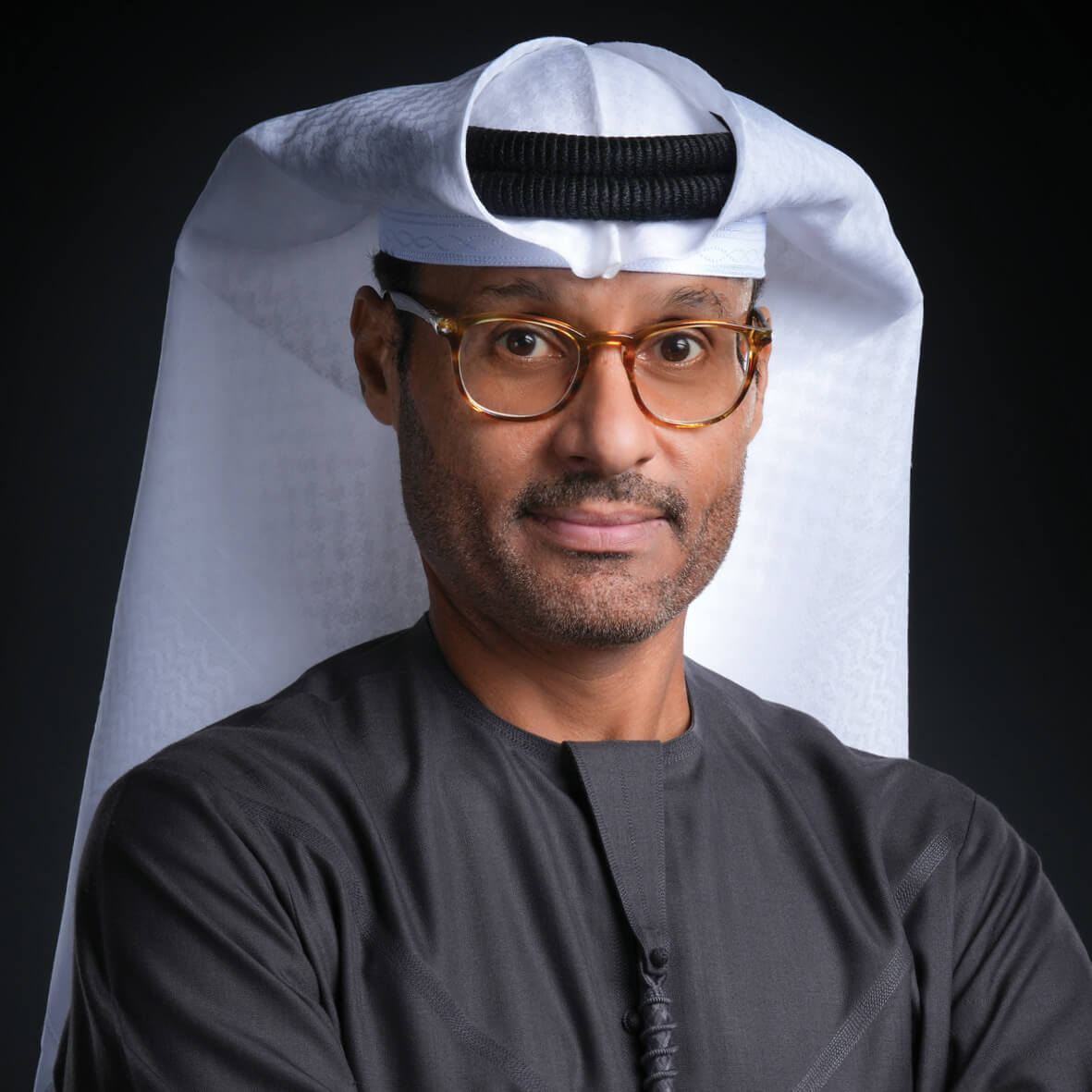
1. Dr. Mohamed Al Kuwaiti
Cybersecurity for the U.A.E. Government
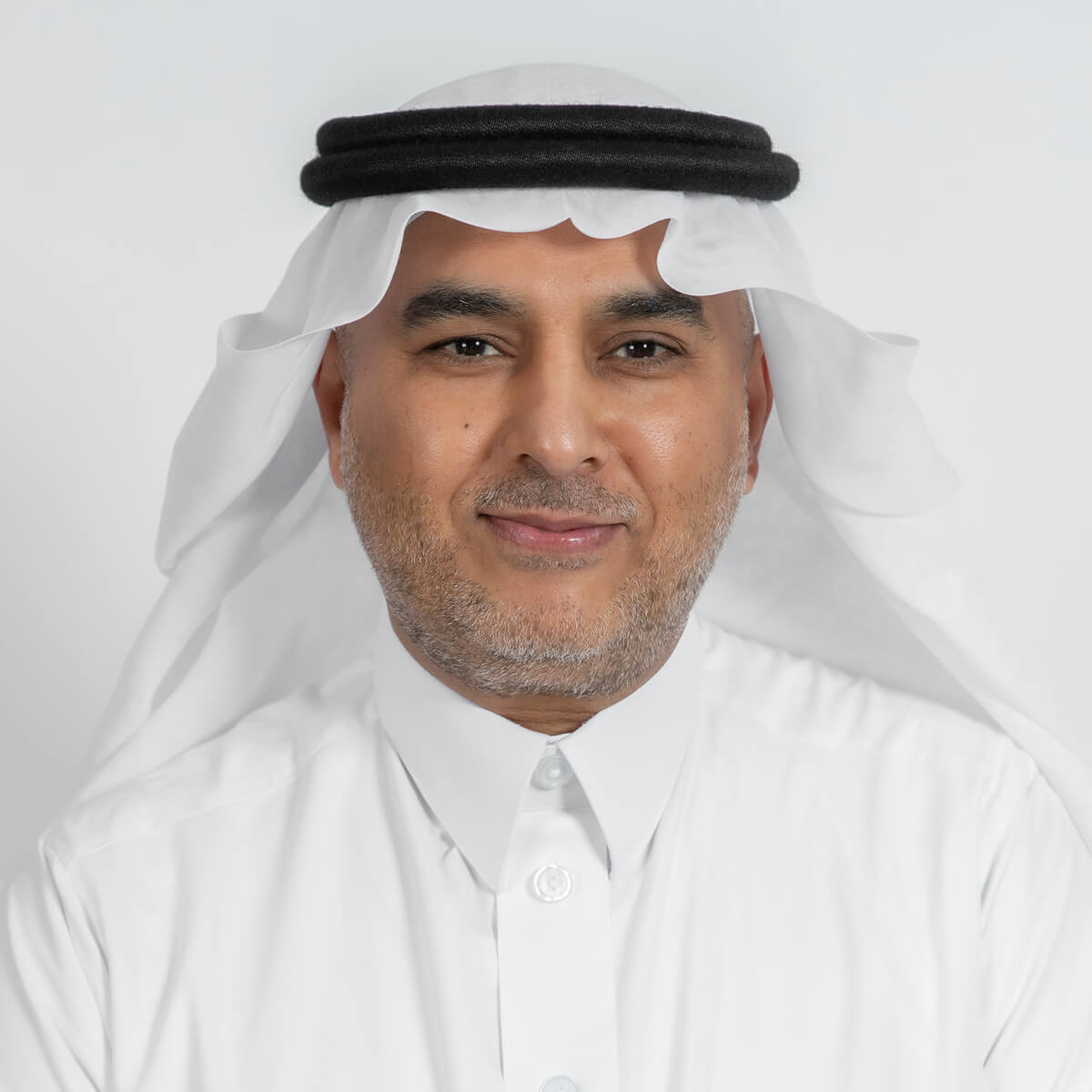
2. Abdullah bin Sharaf Alghamdi
Saudi Data & AI Authority (SDAIA)
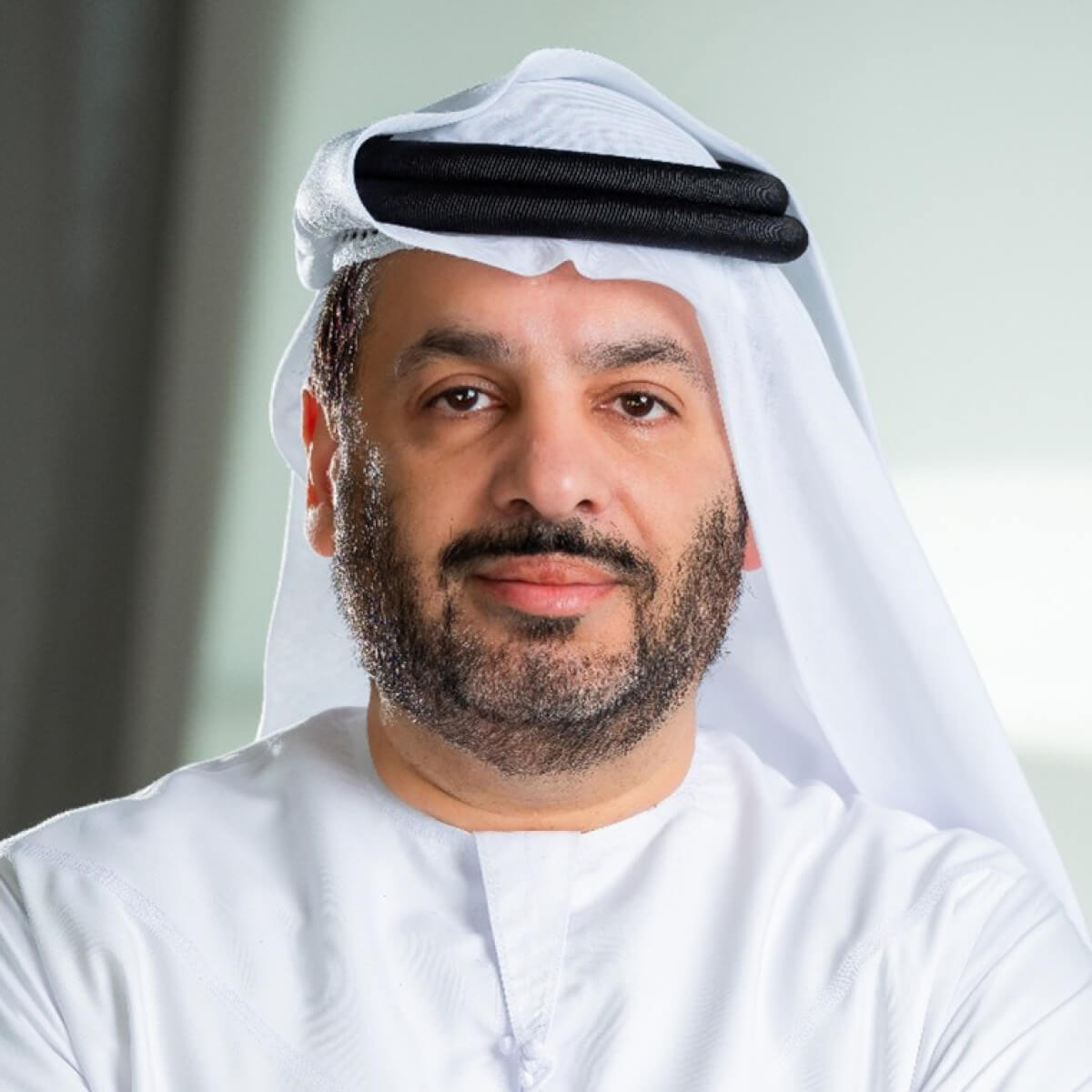
3. Faisal Al Bannai
Advanced Technology Research Council (ATRC)
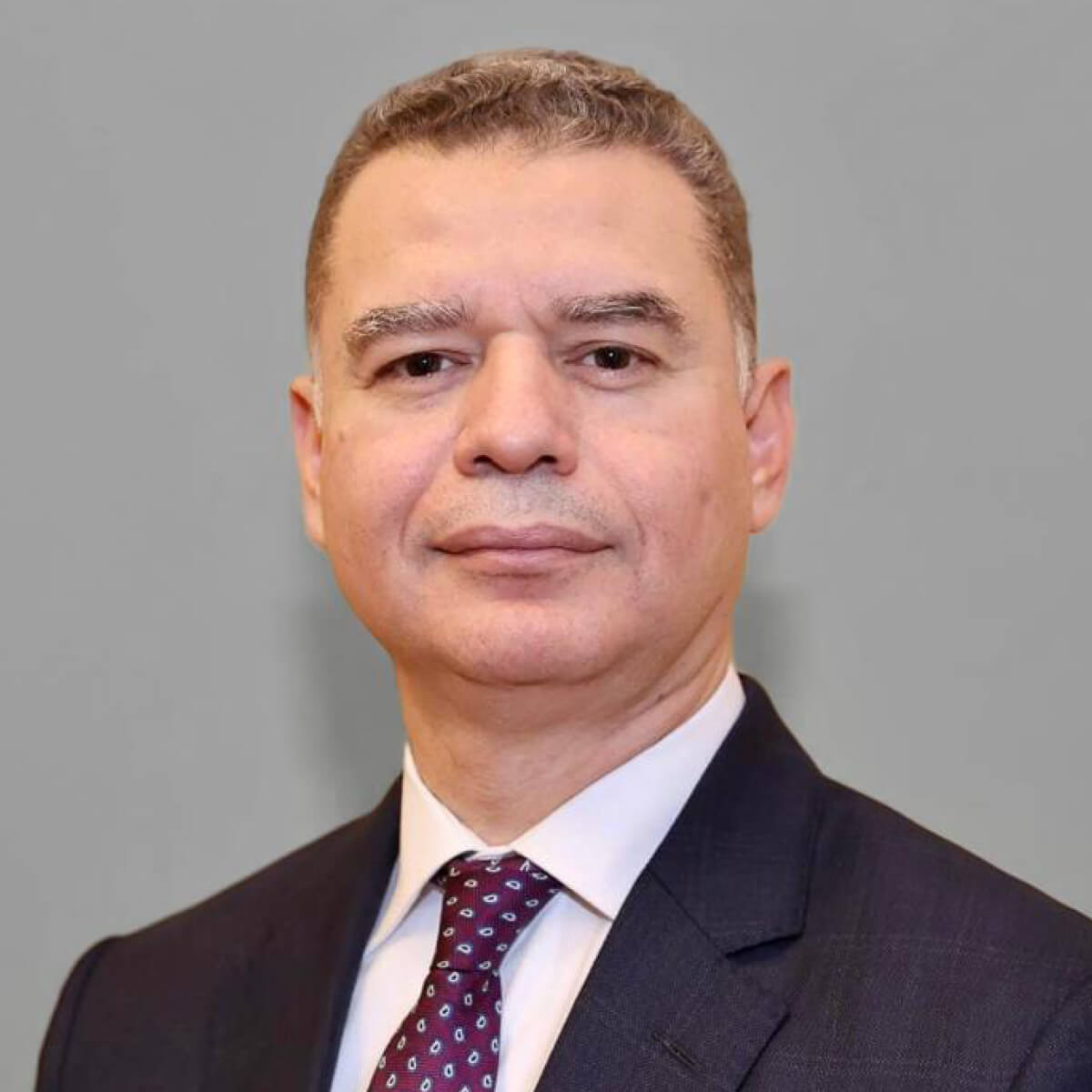
4. Ahmed Elzaher
Information Technology Industry Development Agency (ITIDA)
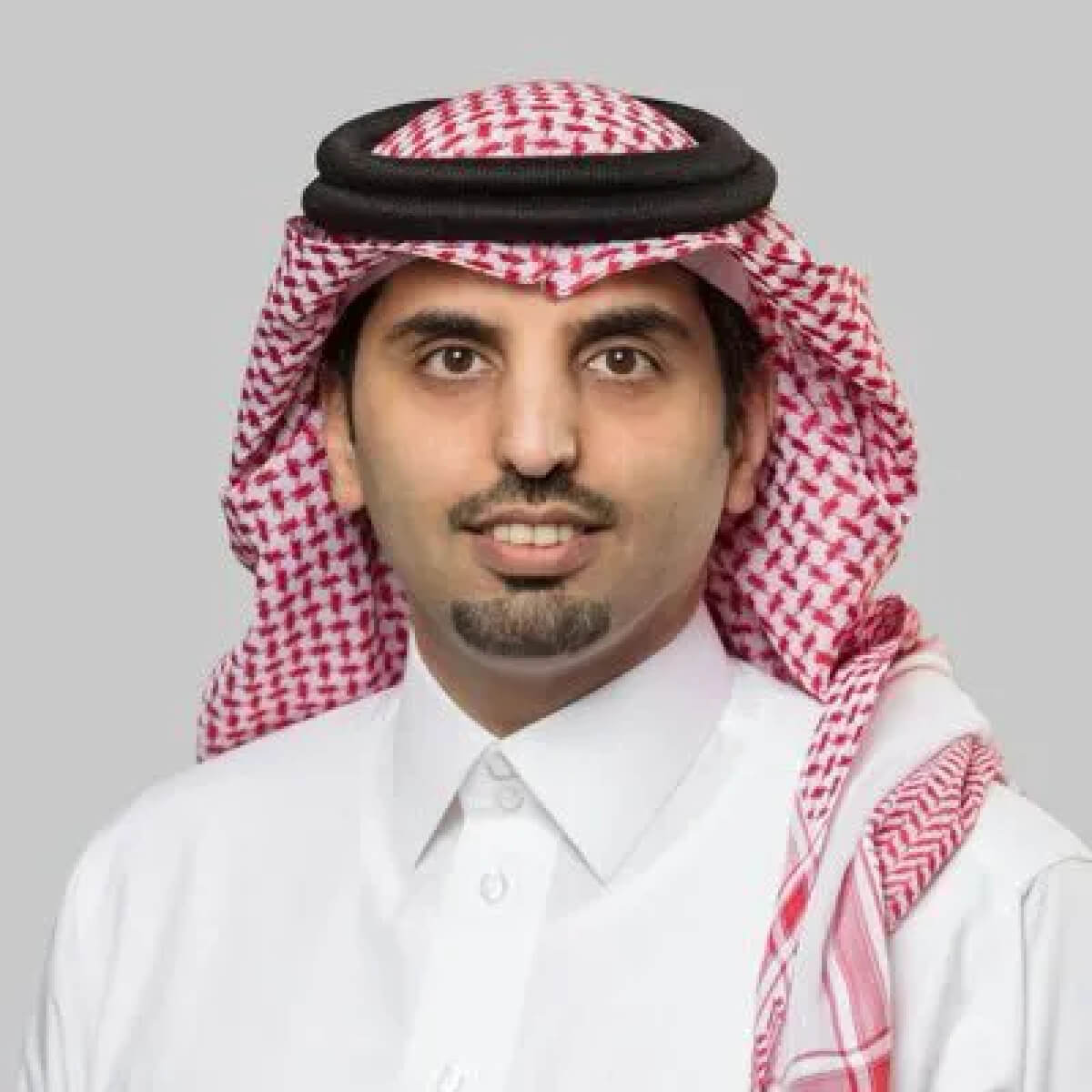
5. Majed bin Mohammed Al-Mazyed
National Cybersecurity Authority (NCA)
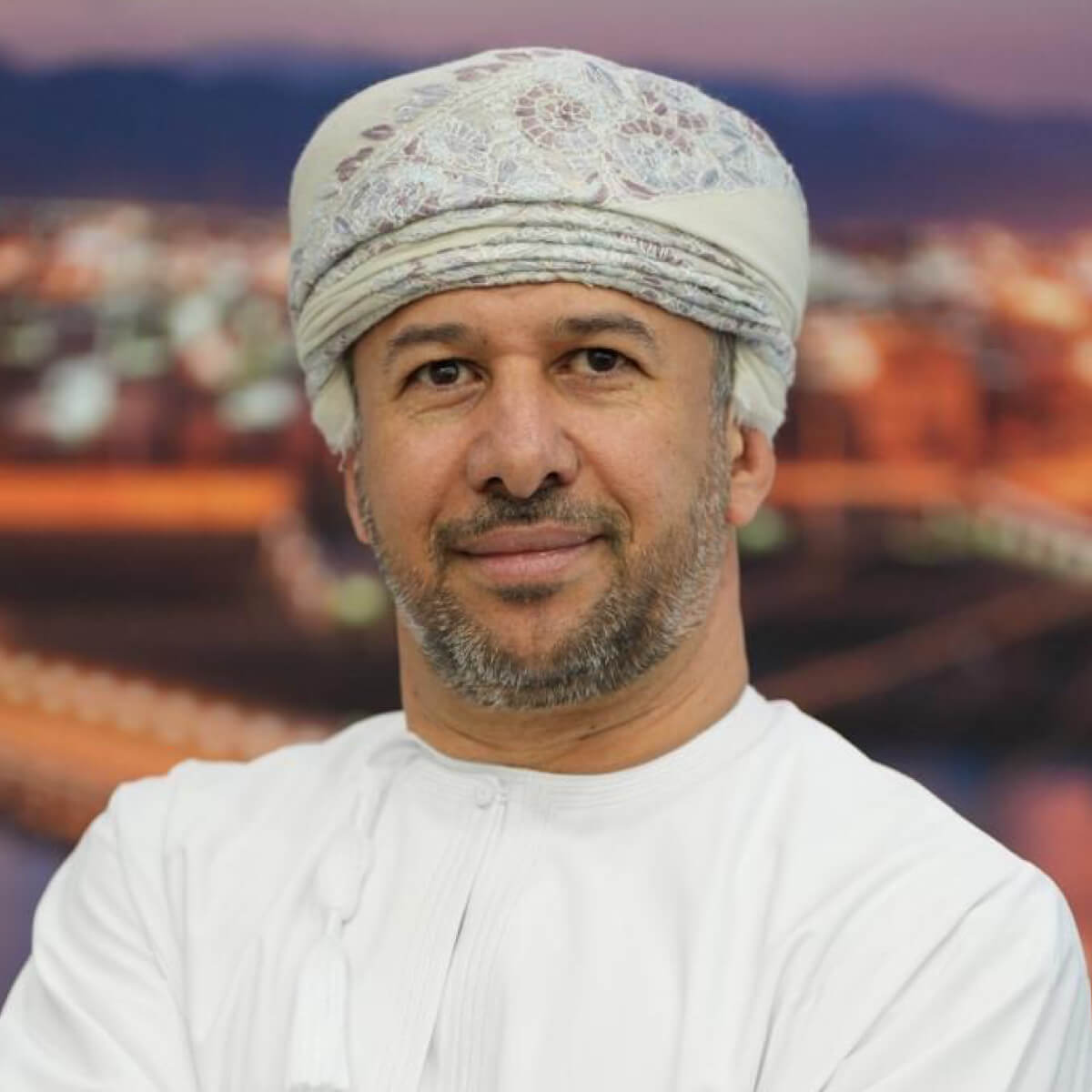
6. Badar Al Salehi
Oman National CERT & Cyber Security
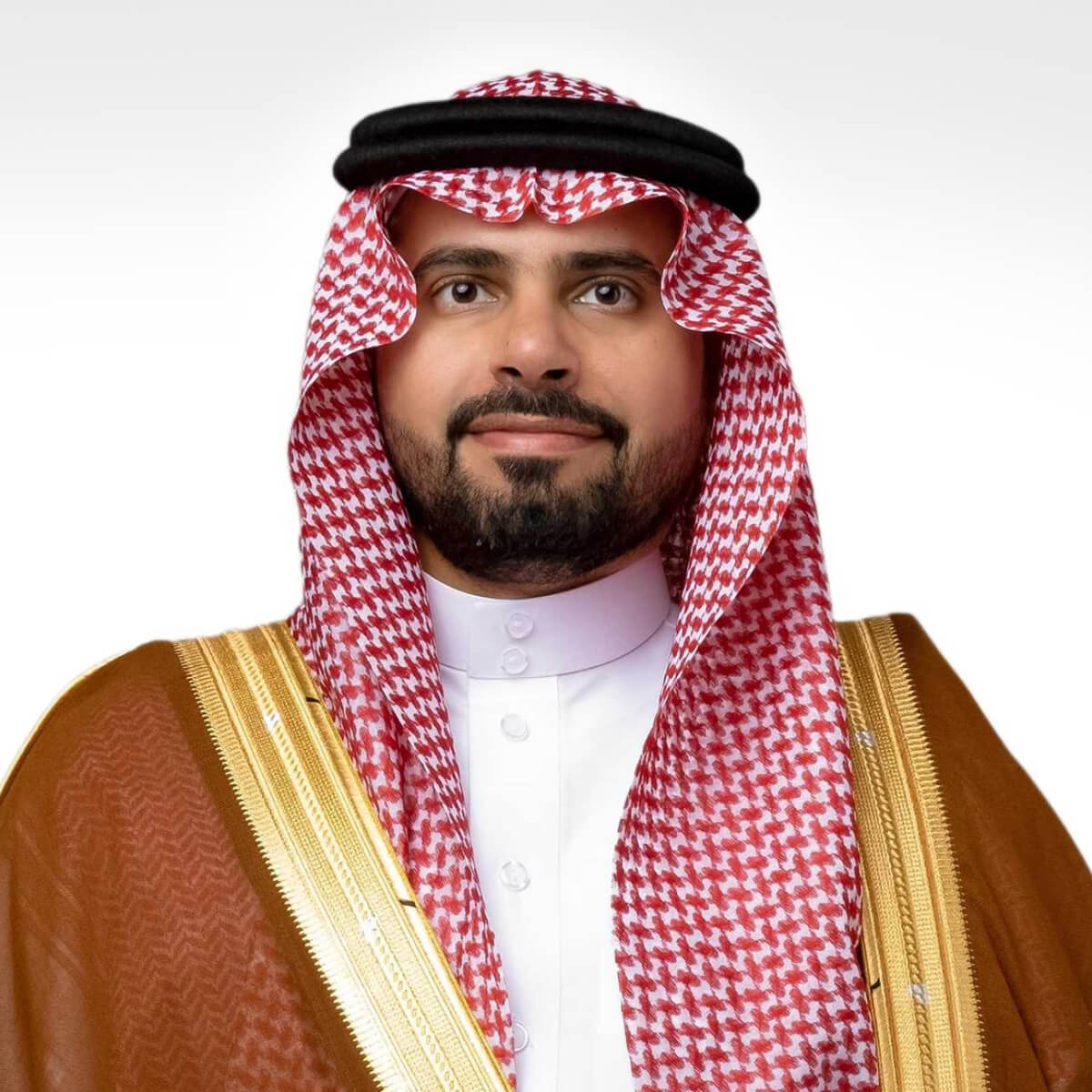
7. Ahmed Mohammed Alsuwaiyan
Digital Government Authority
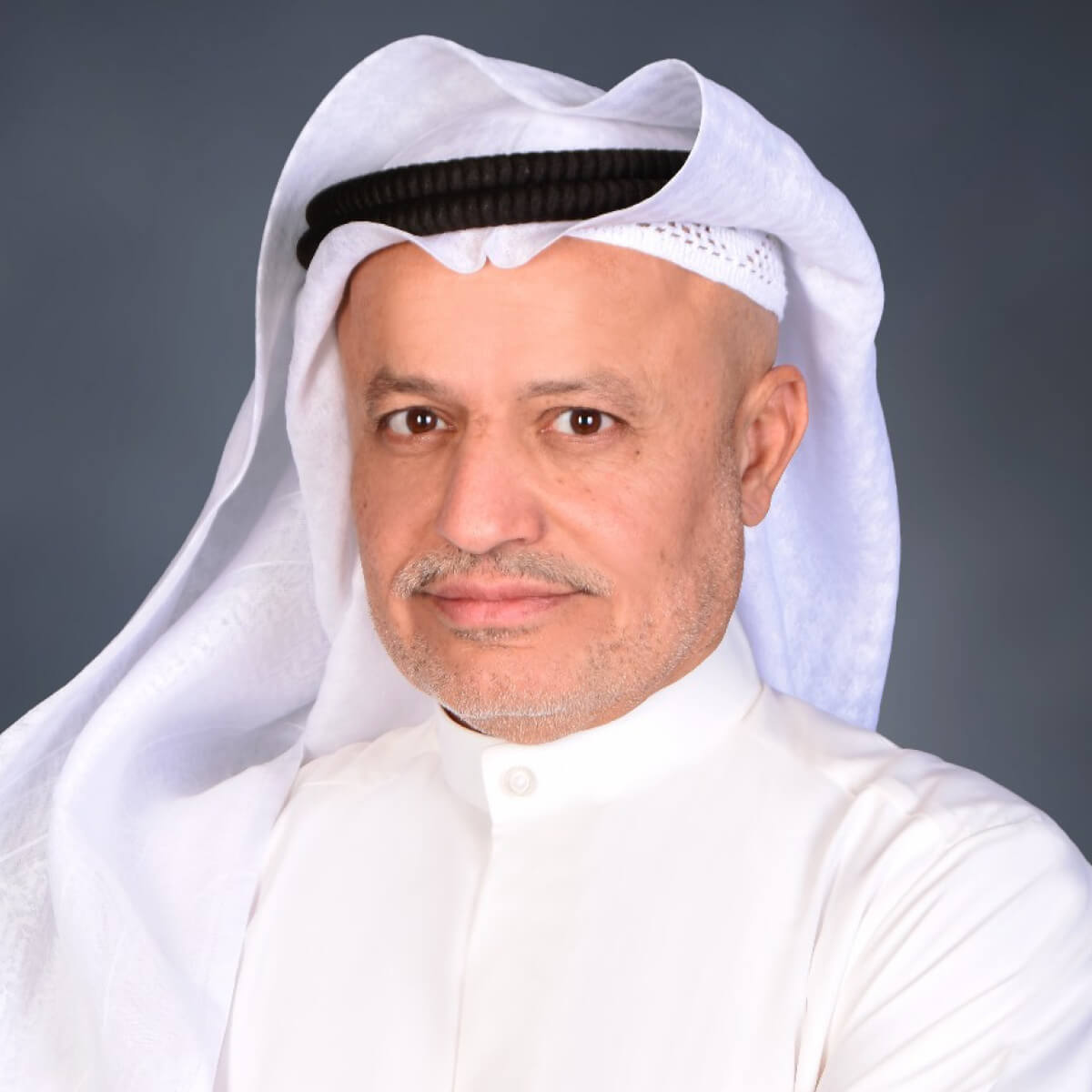
8. Khaled Al Zamel
Communications and Information Technology Regulatory Authority (CITRA)
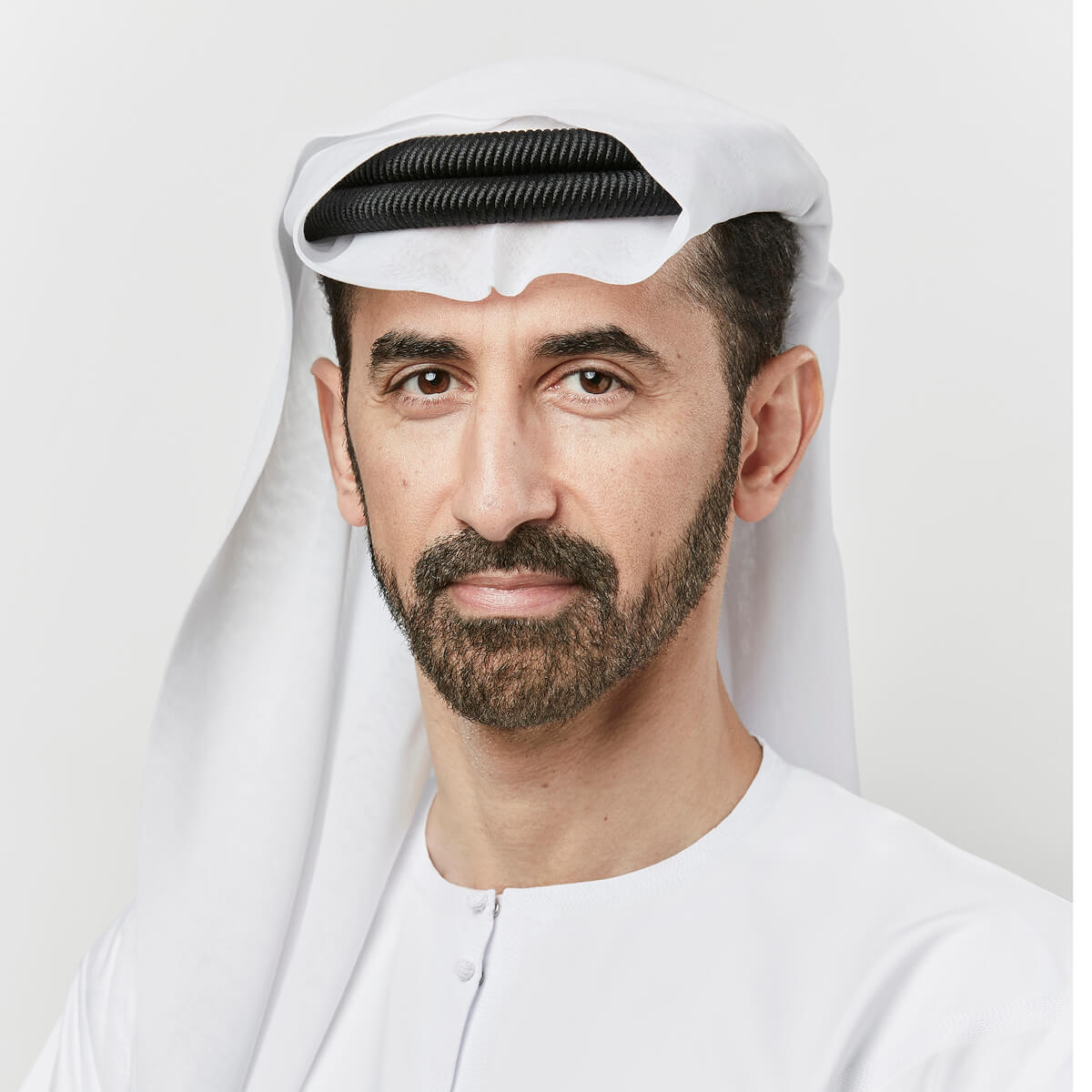
9. Majed Sultan Al Mesmar
Telecommunications and Digital Government Regulatory Authority (TDRA)
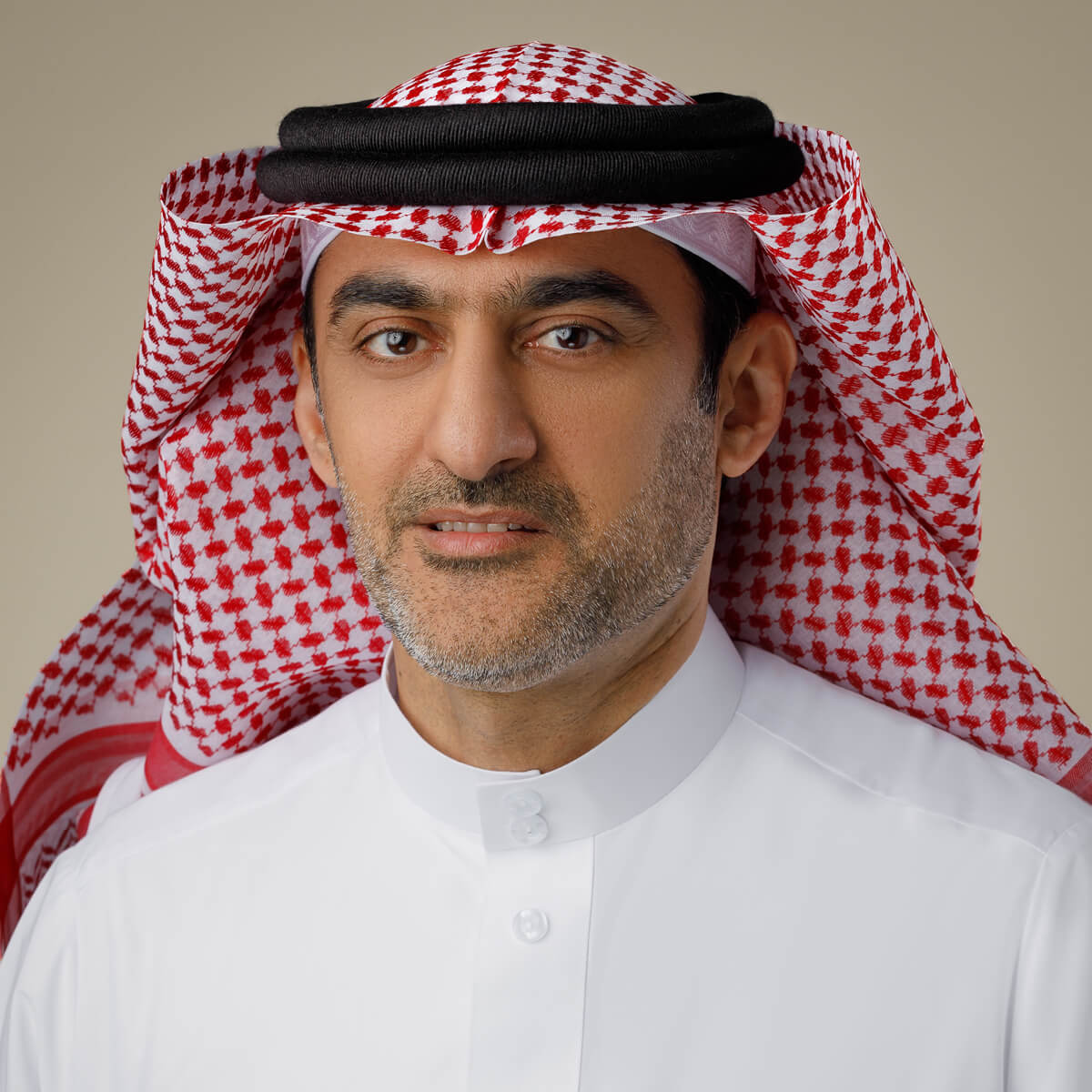
10. Mohammed Ali AlQaed
Information & eGovernment Authority (iGA)
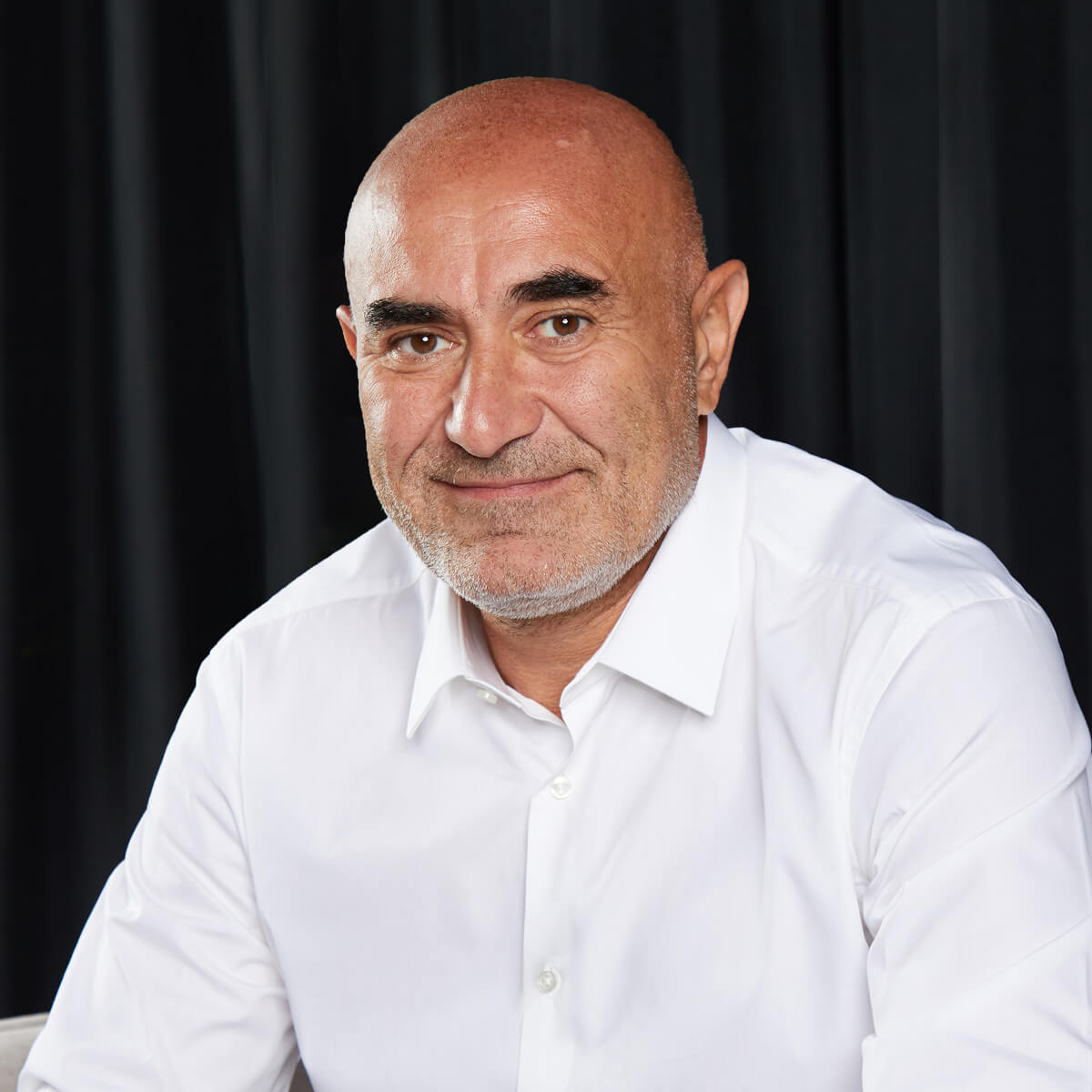
1. Ronaldo Mouchawar
Amazon
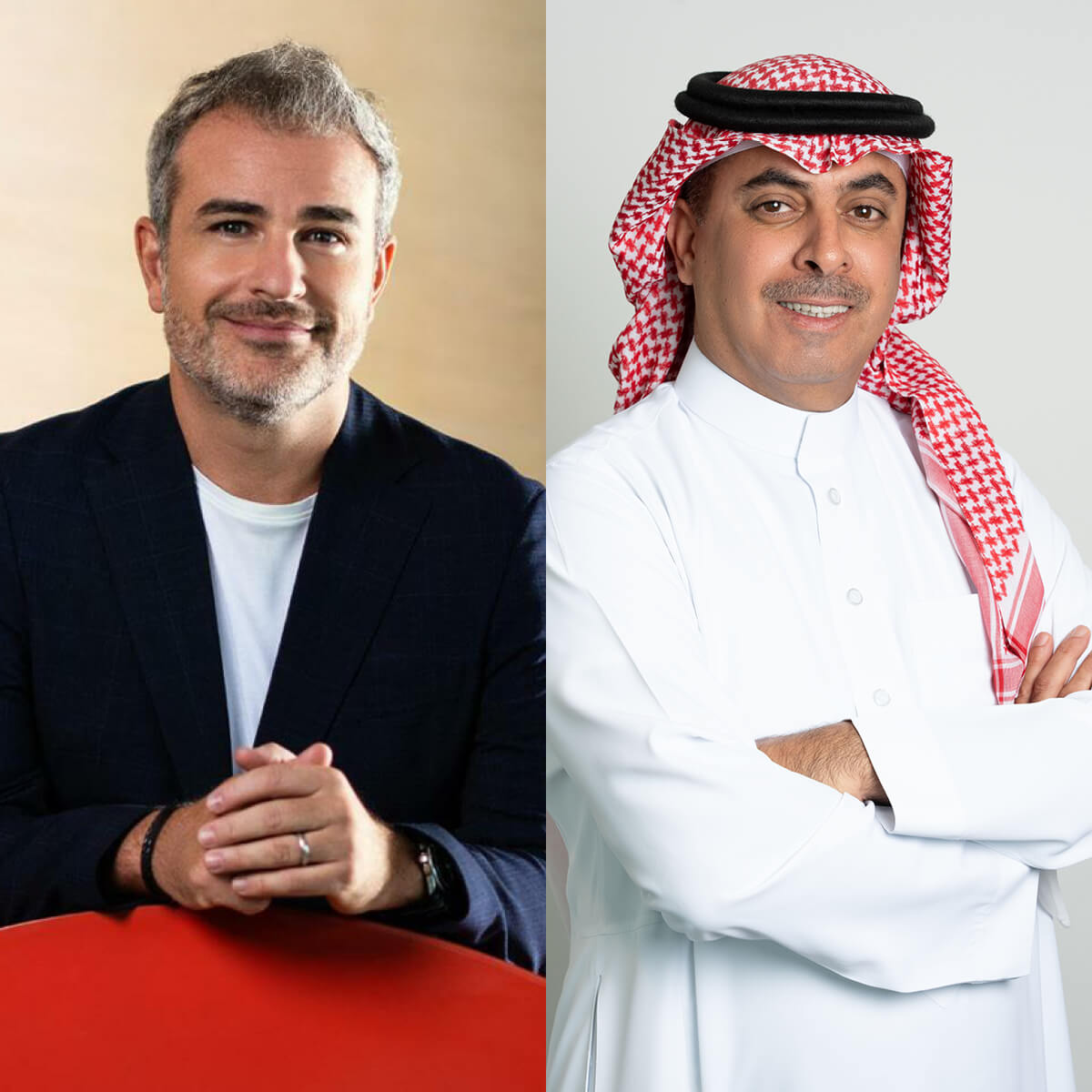
2. Anthony Nakache; Abdul Rahman Al Thehaiban
Google; Google Cloud
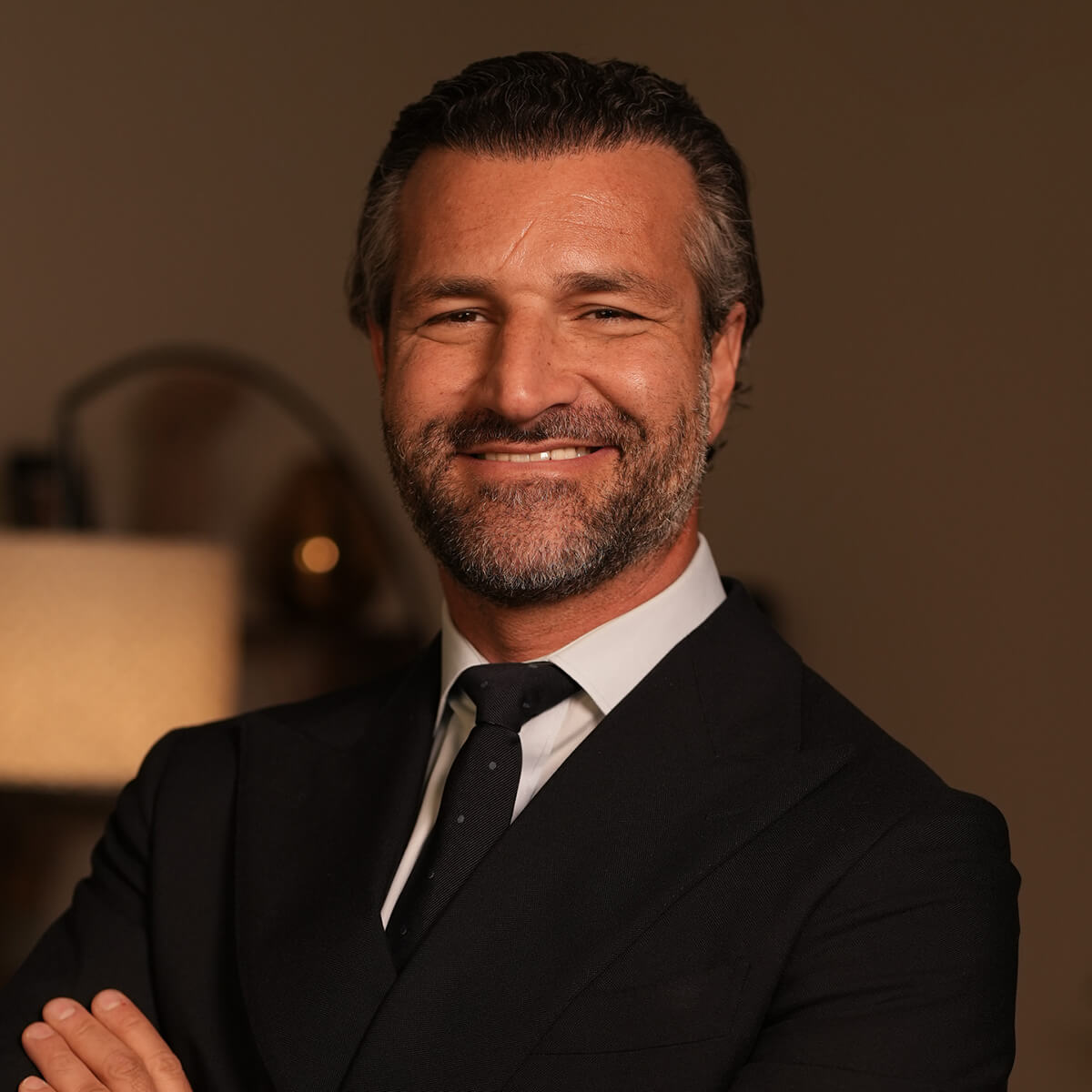
3. Fares Akkad
Meta

4. David Meads
Cisco
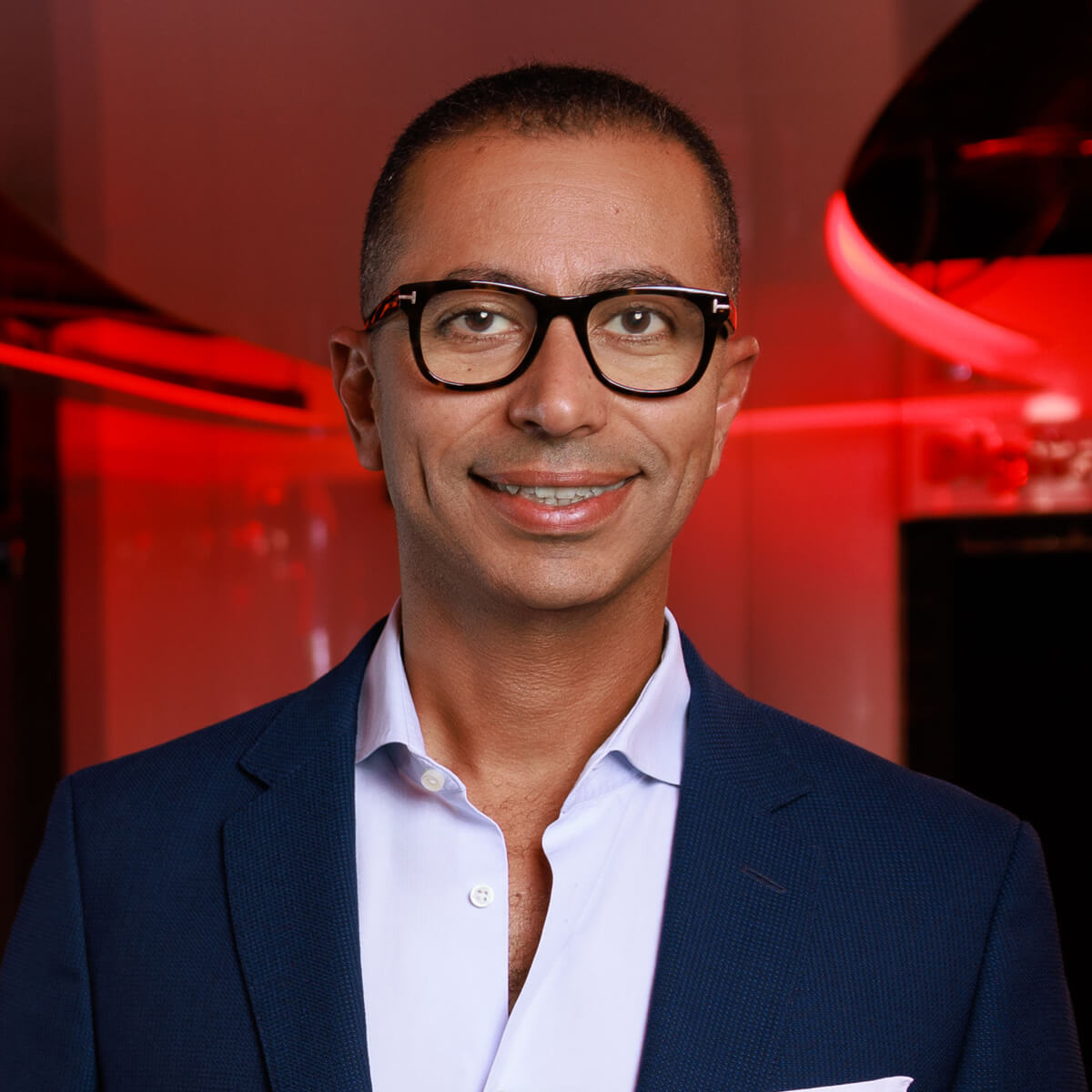
5. Mohamed Abdallah
Vodafone
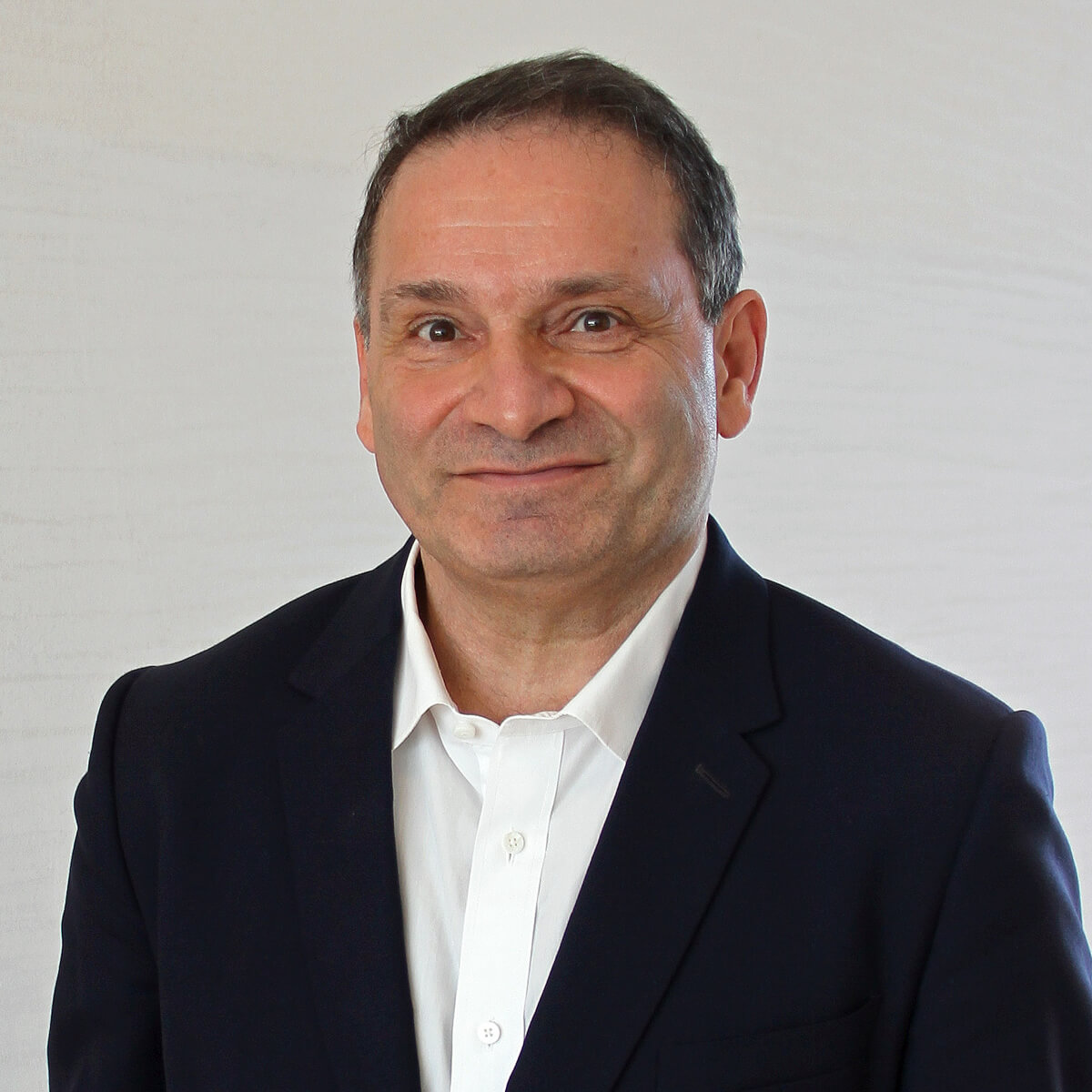
6. Saad Toma
IBM

7. George Bou Mitri
Honeywell
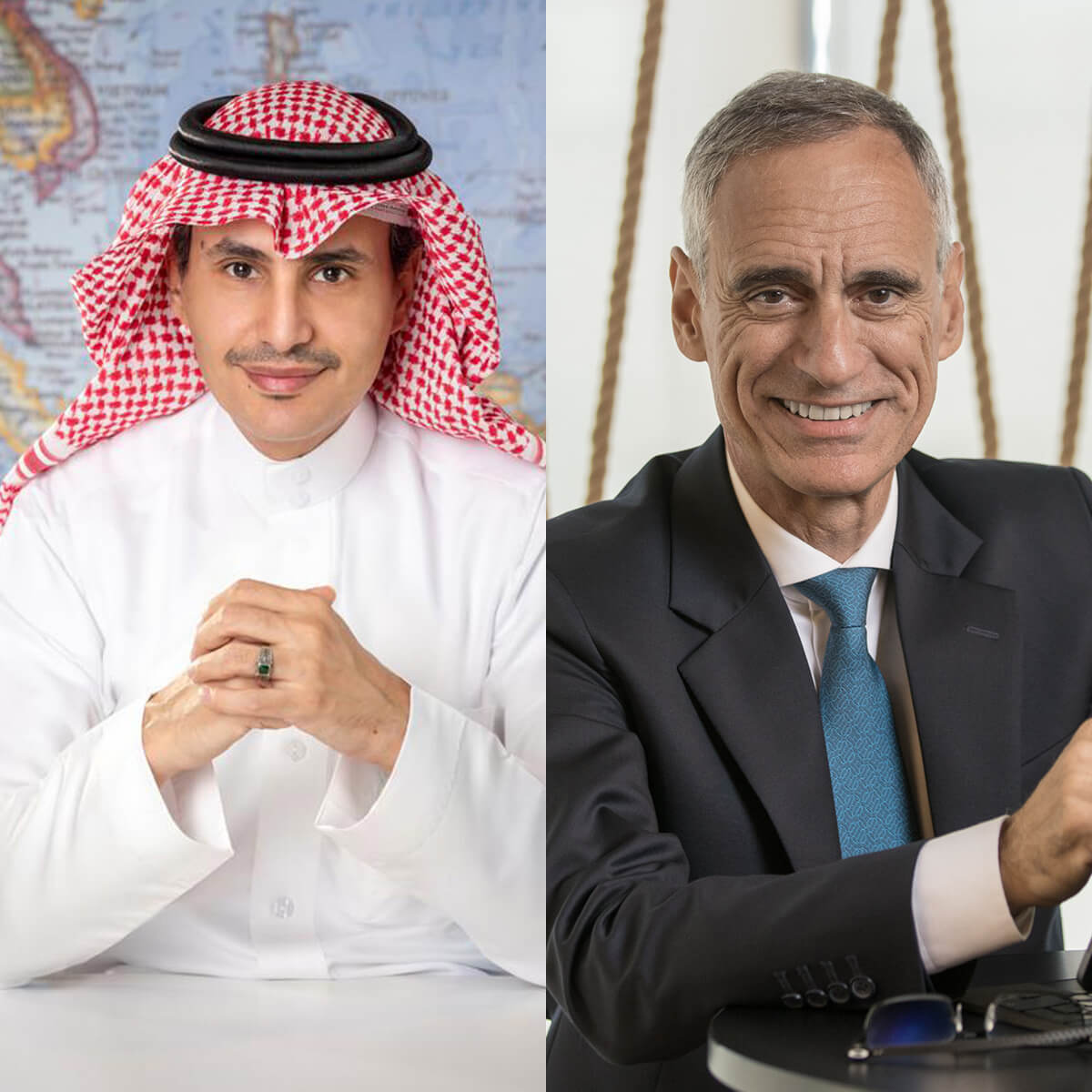
8. Ahmed AlFaifi; Sergio Maccotta
SAP
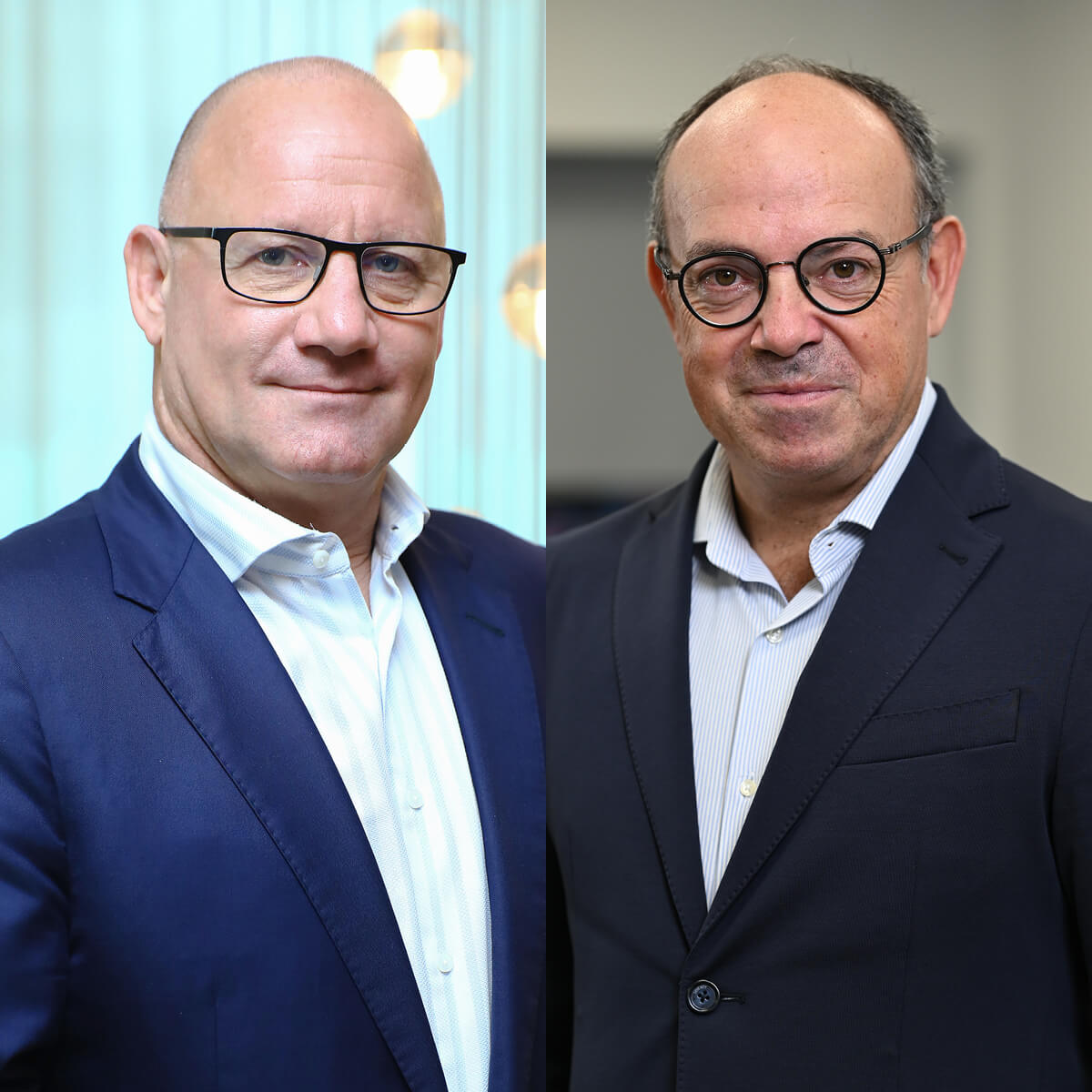
9. Leopoldo Boado Lama; Nick Redshaw
Oracle
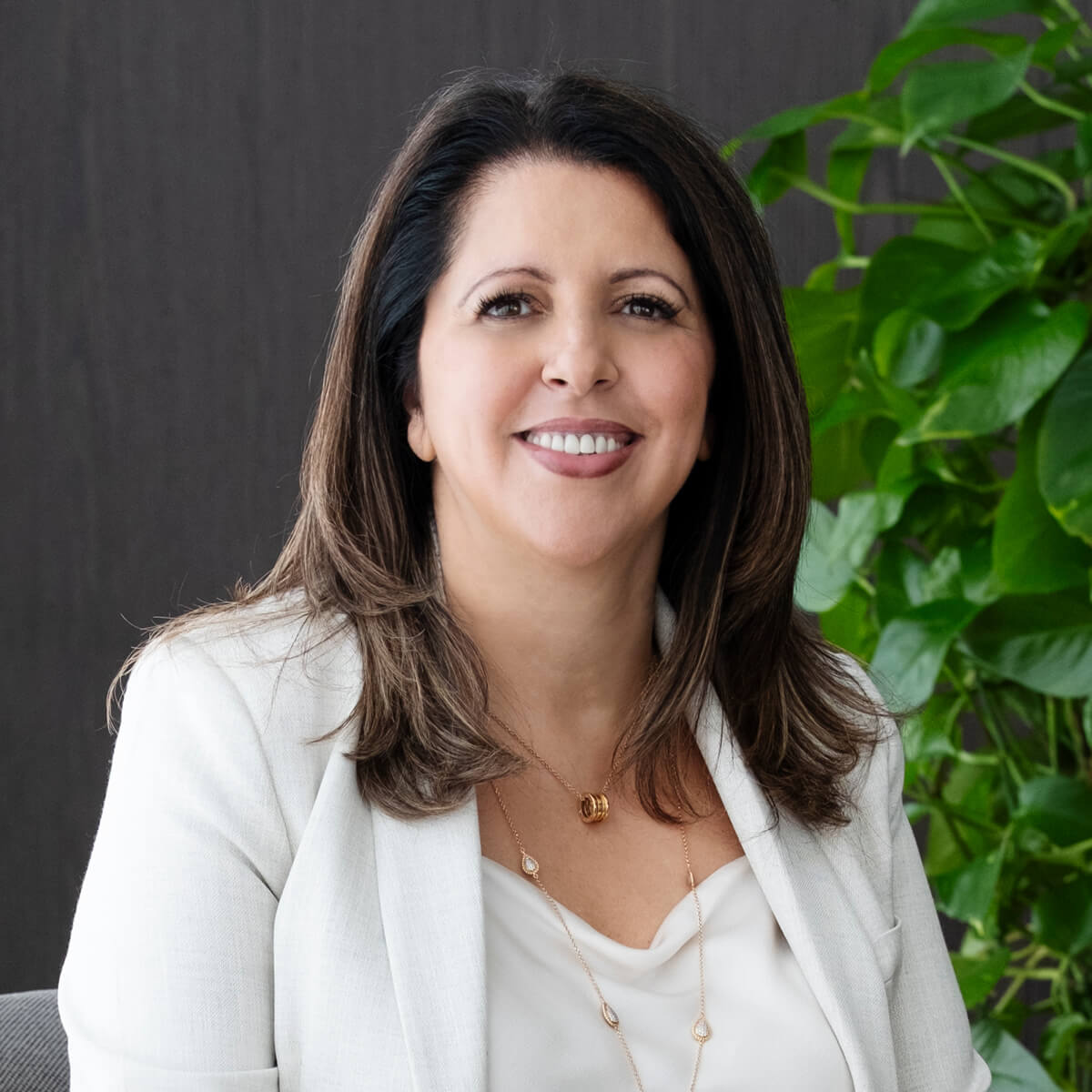
10. Amel Chadli
Schneider Electric
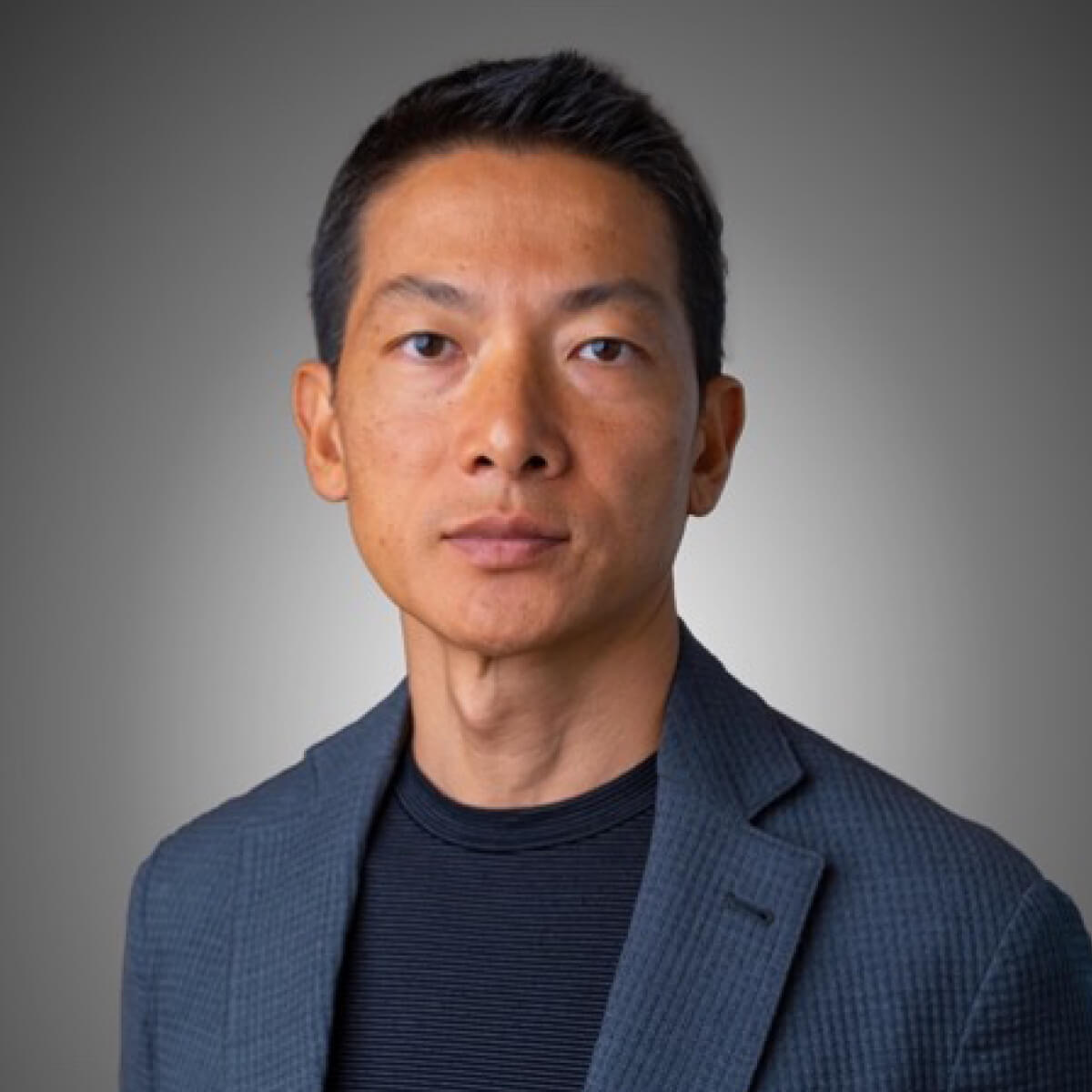
1. Peng Xiao
G42
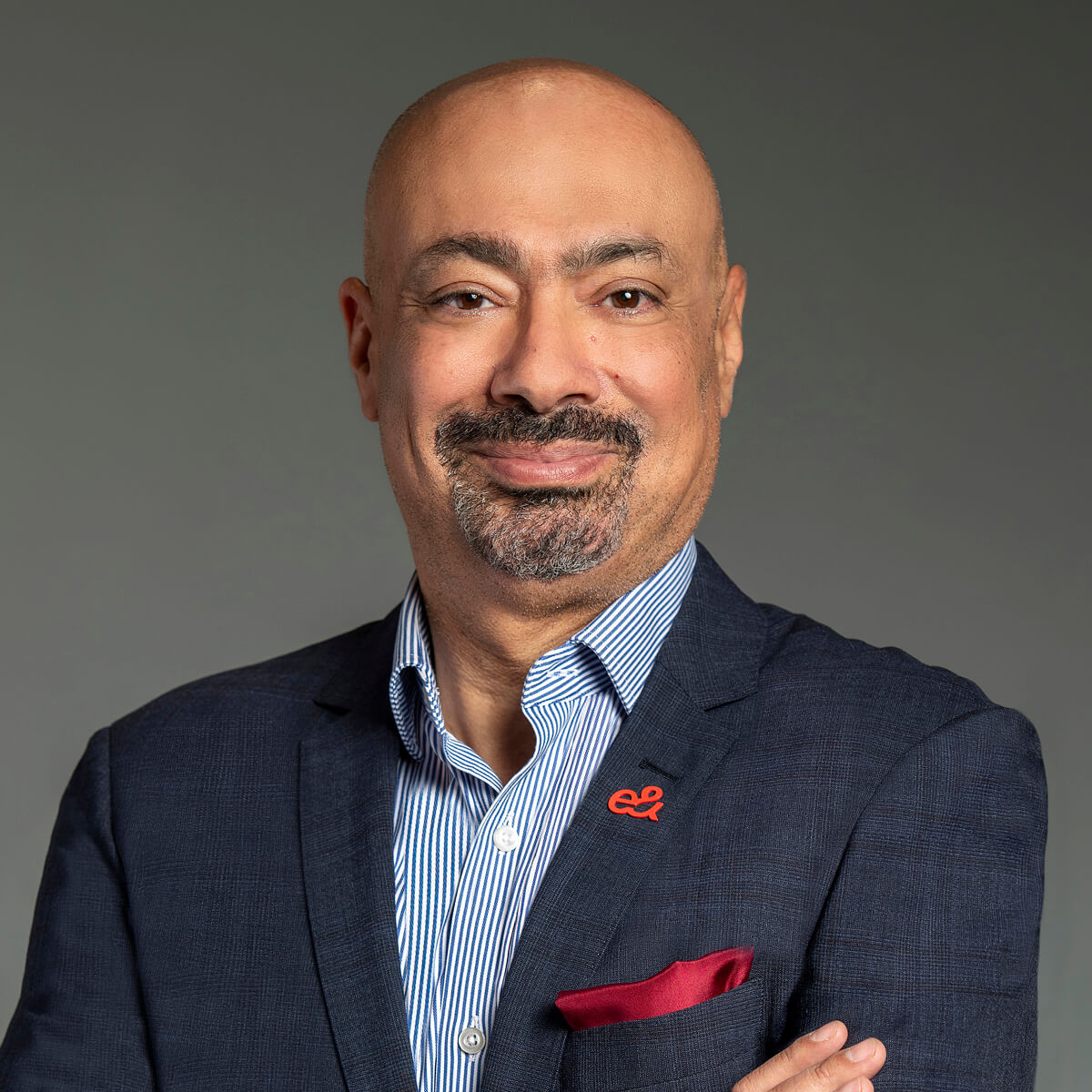
2. Hatem Dowidar
e&
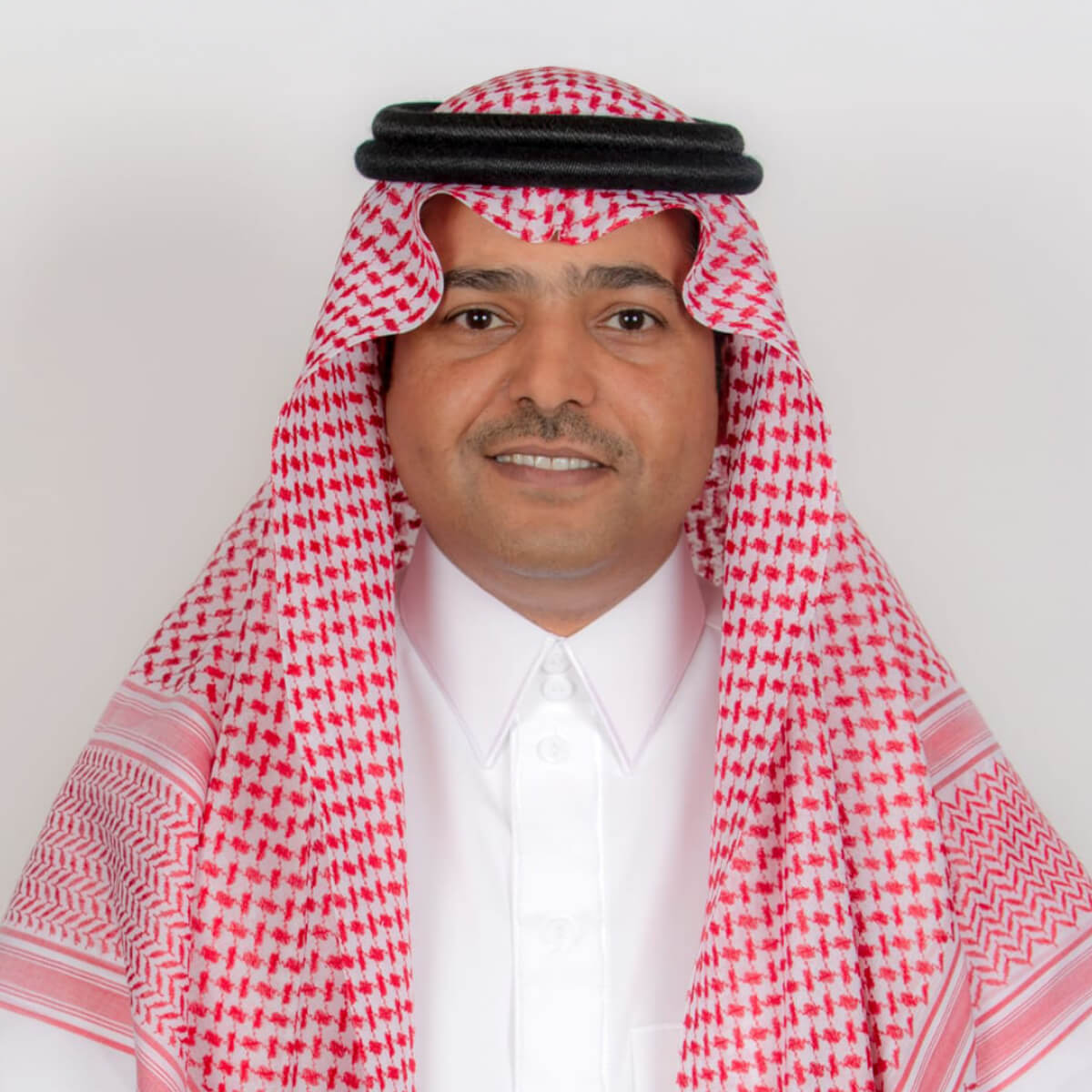
3. Olayan Alwetaid
stc Group

4. Tareq Amin
HUMAIN
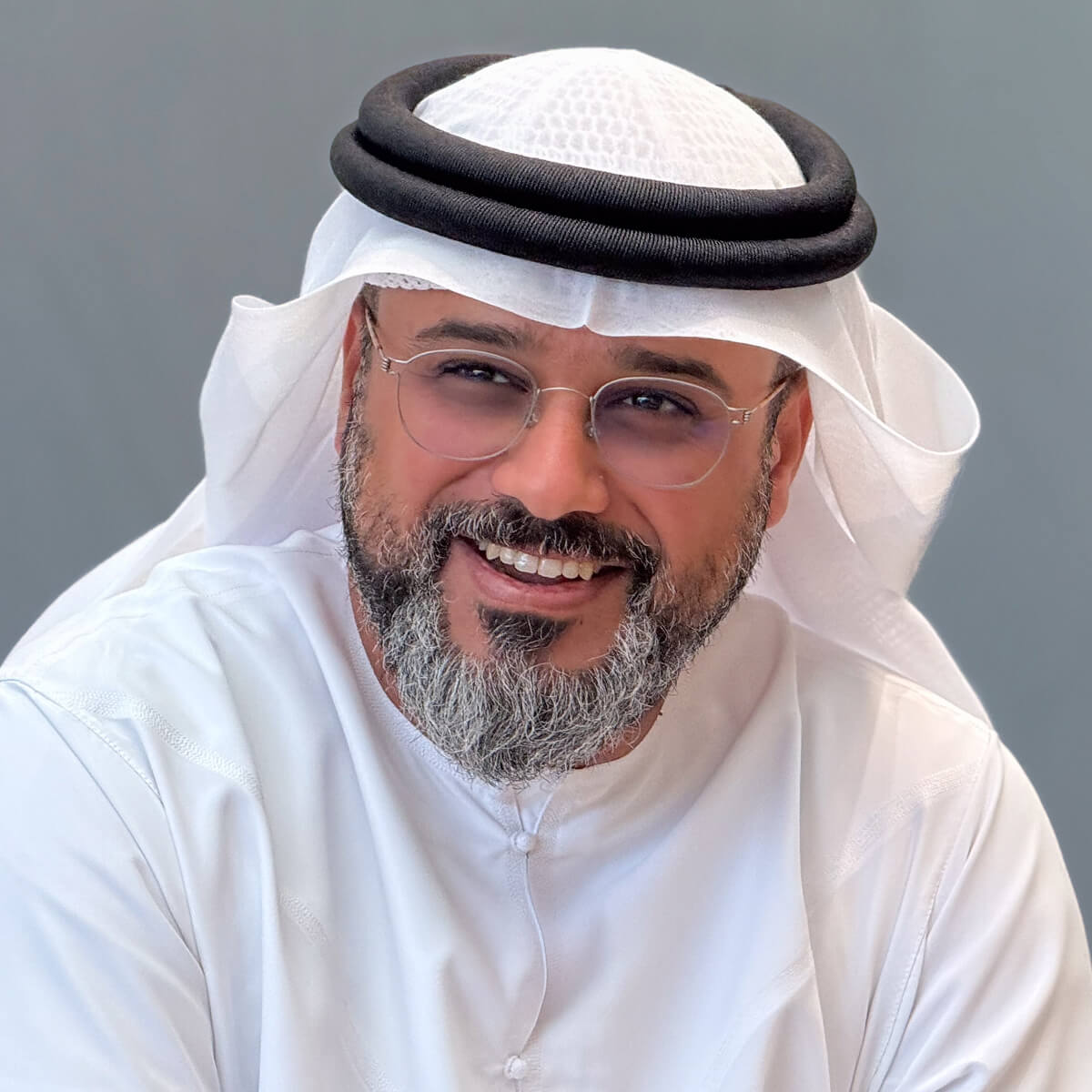
5. Hamad Al Marar
EDGE Group
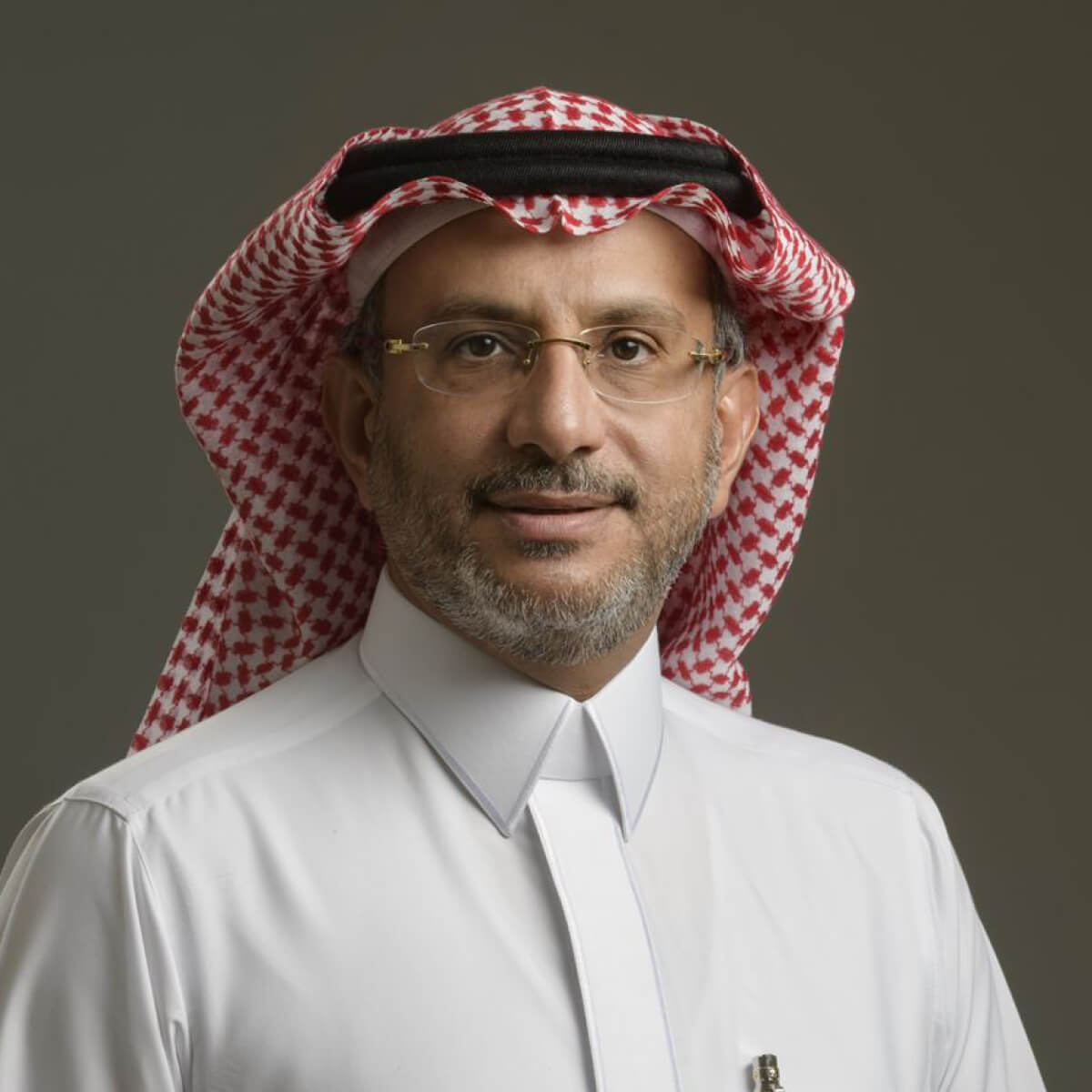
6. Nabil Al-Nuaim
Aramco Digital
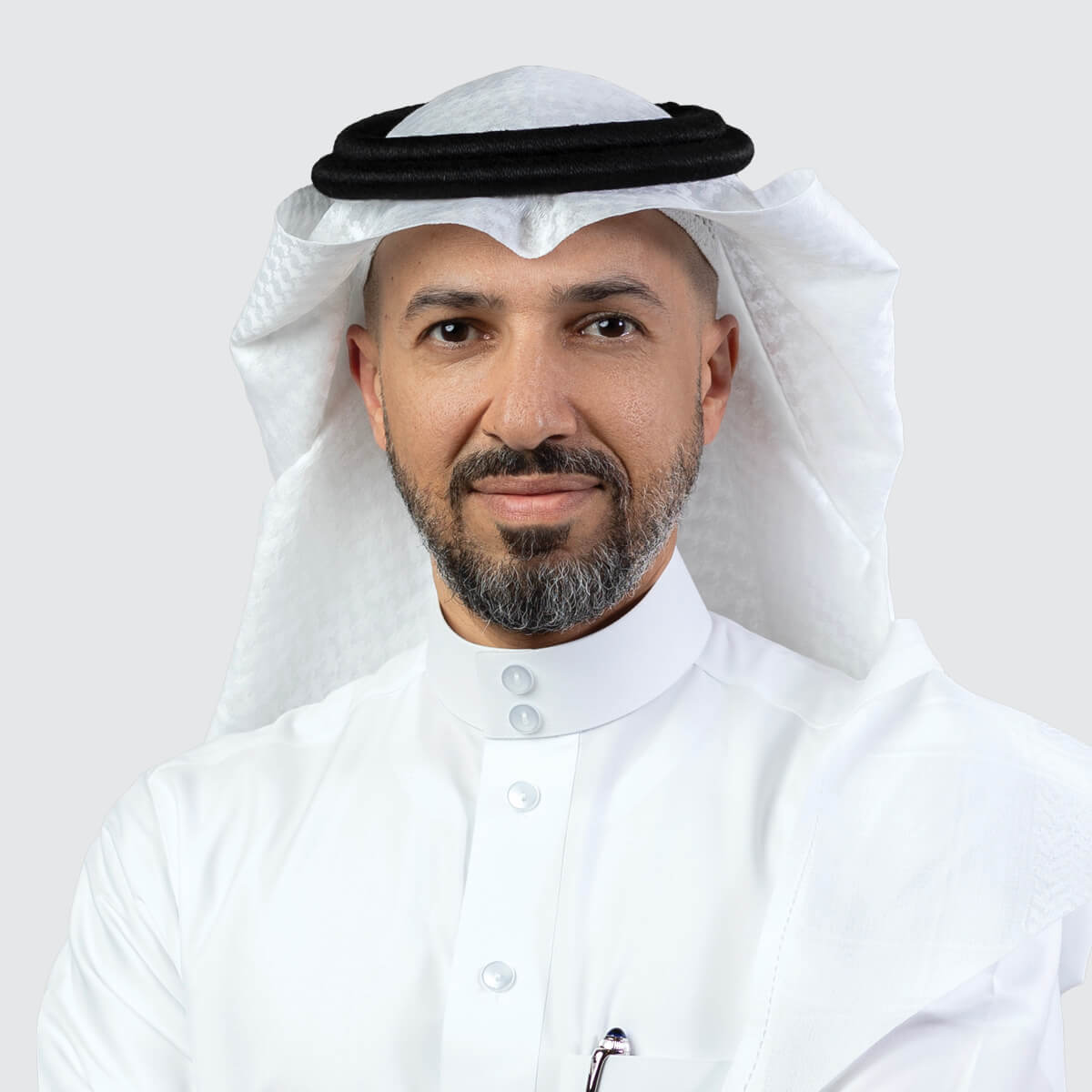
7. Mohammad Alomair
Elm
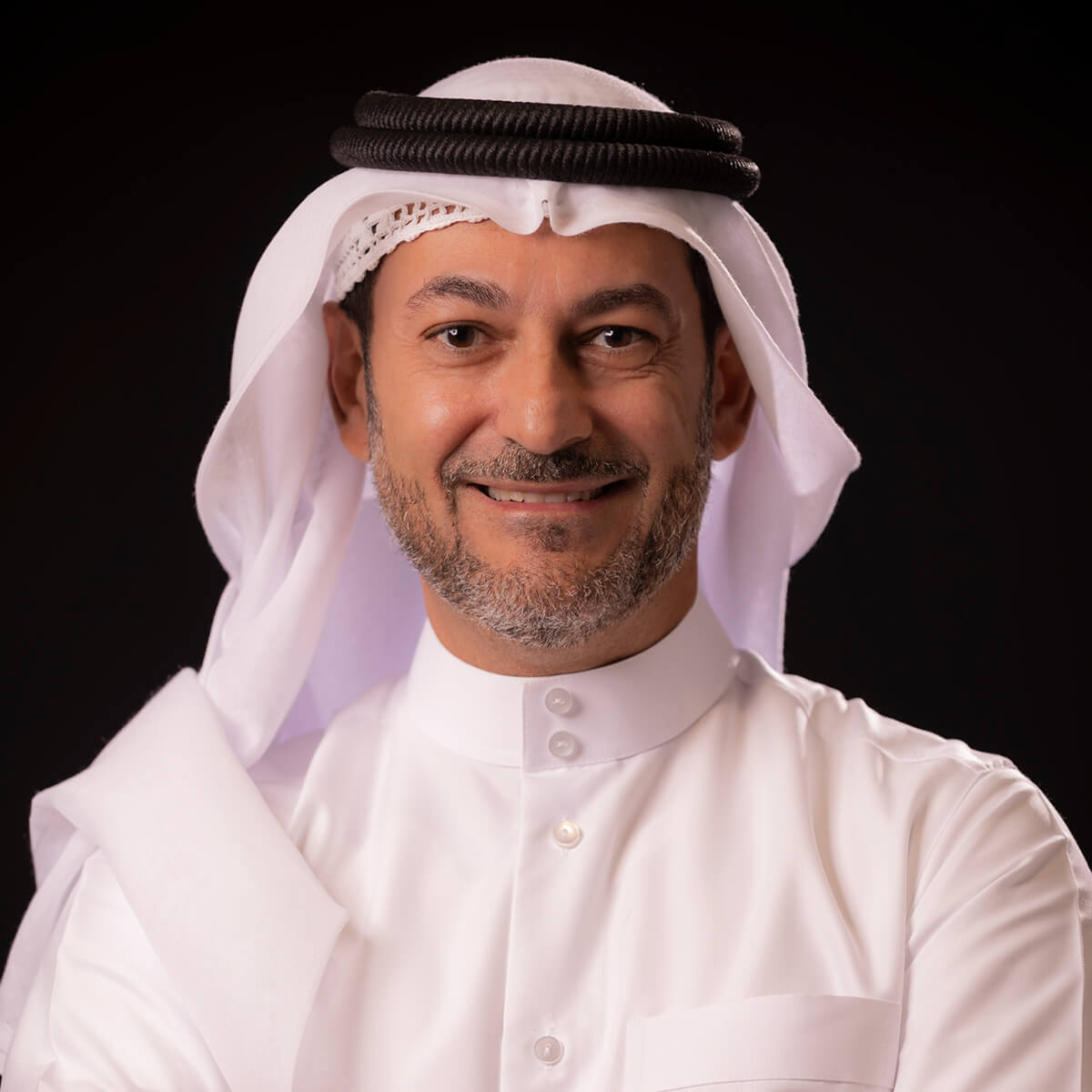
8. Aziz Aluthman Fakhroo
Ooredoo Group
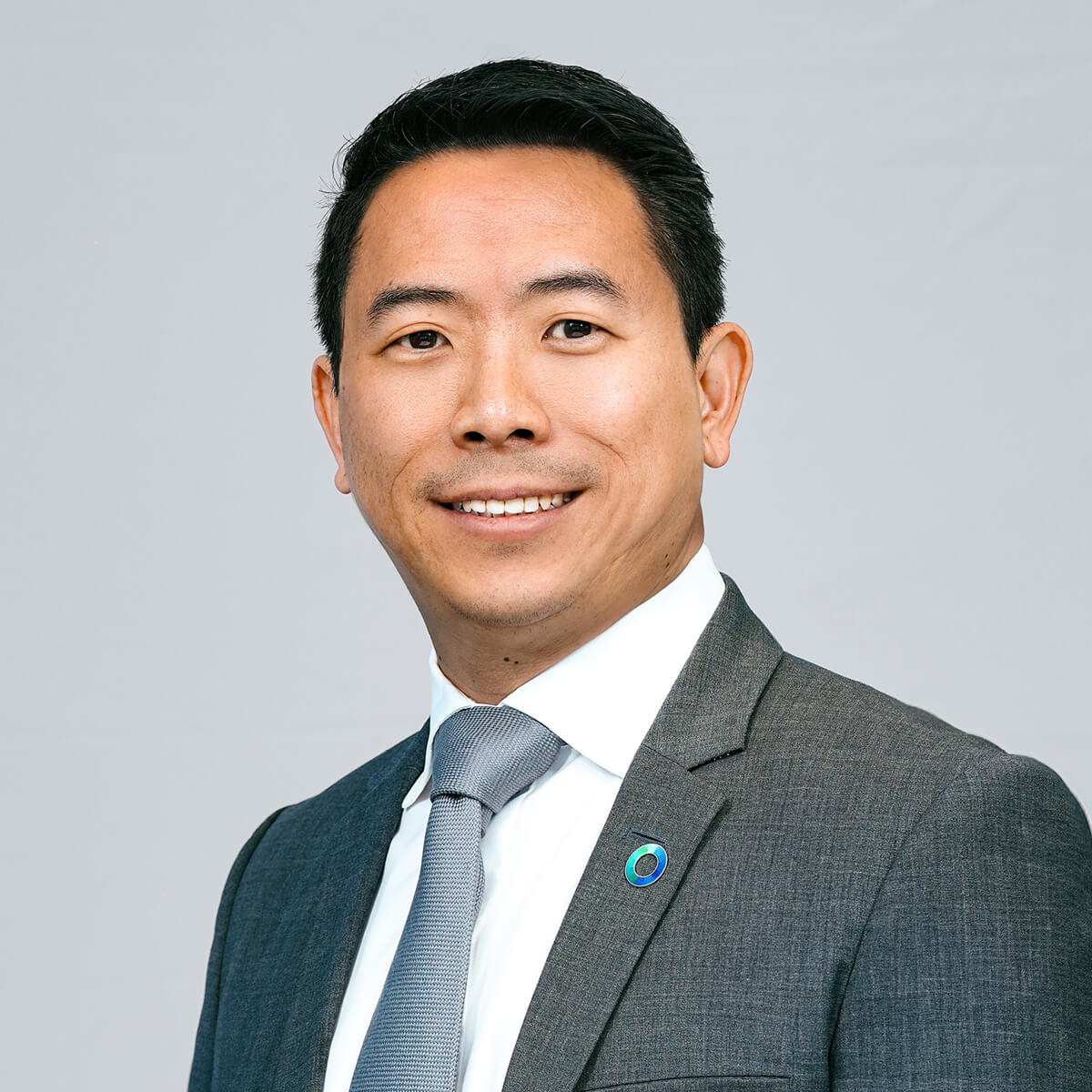
9. Thomas Pramotedham
Presight
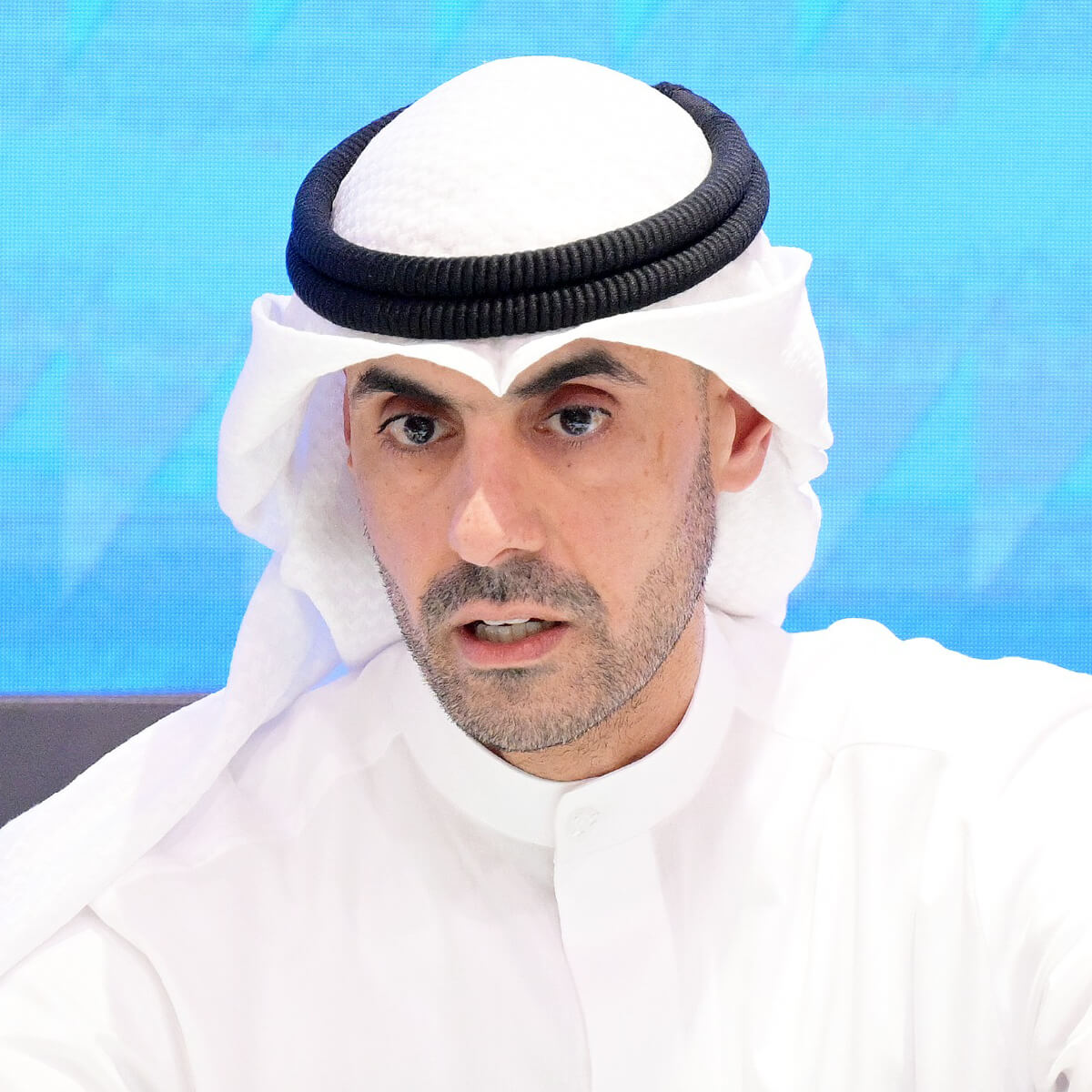
10. Bader Nasser Al-Kharafi
Zain Group
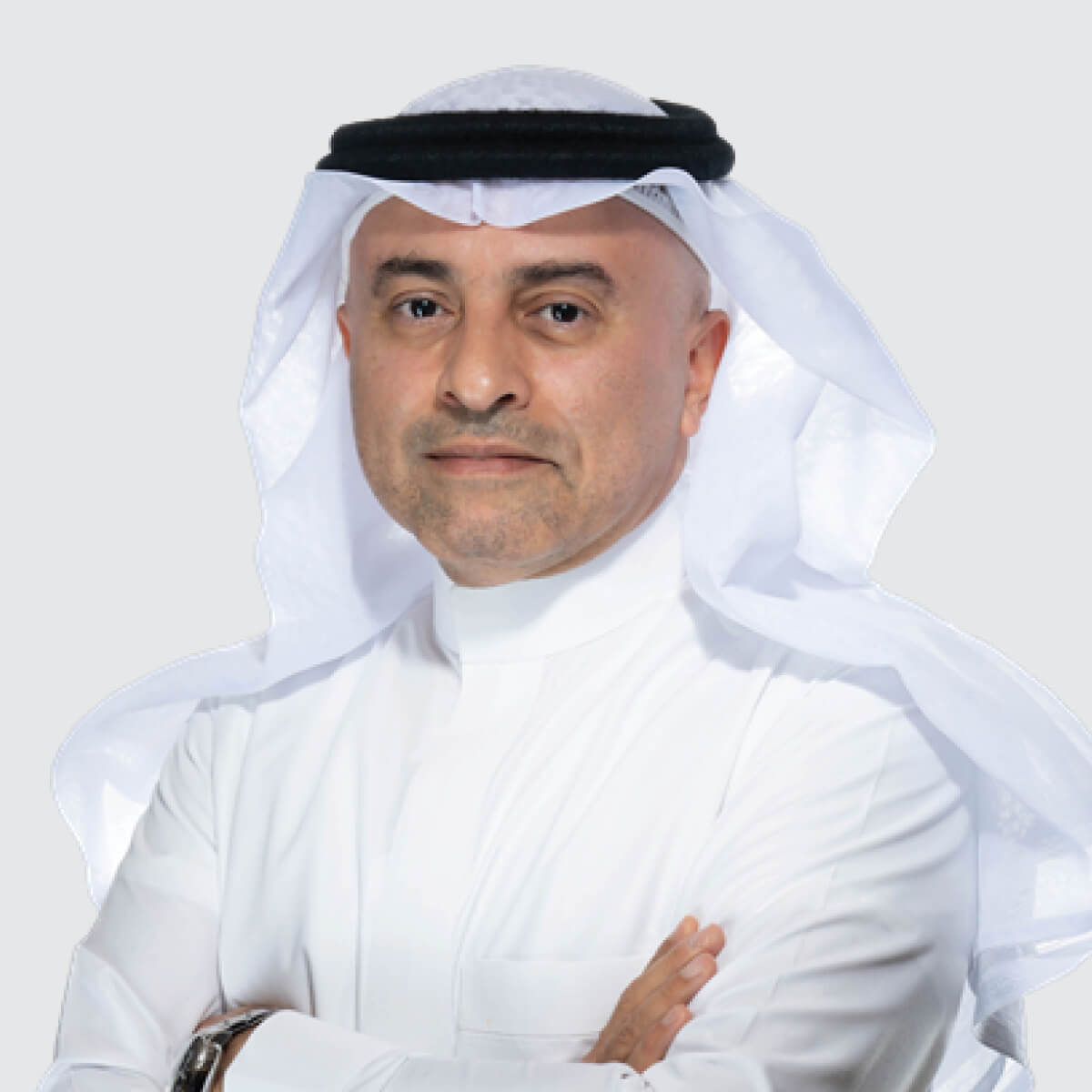
11. Thamer AlMuhid
Saudi Arabian Military Industries (SAMI)
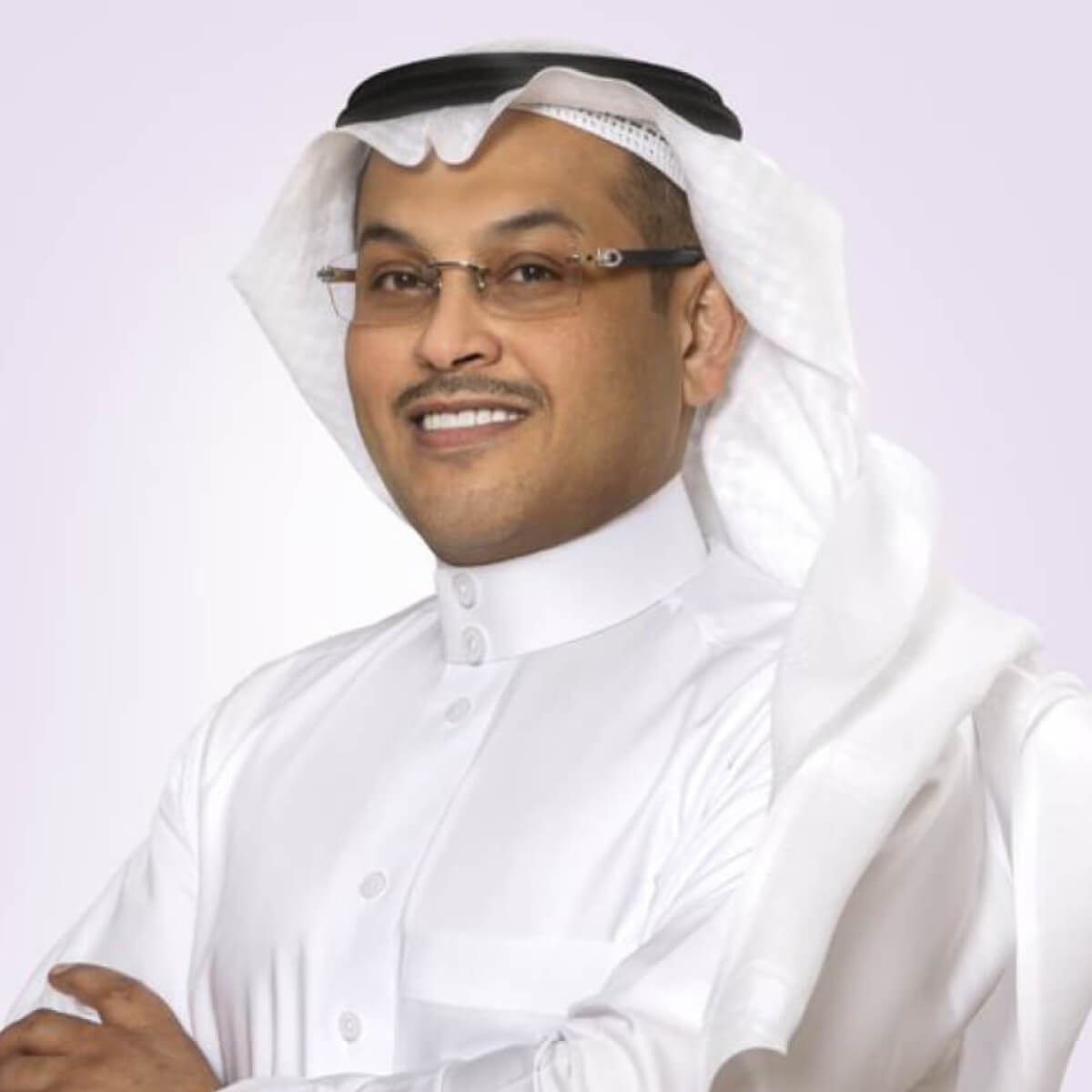
12. Omer Alnomany
solutions by stc
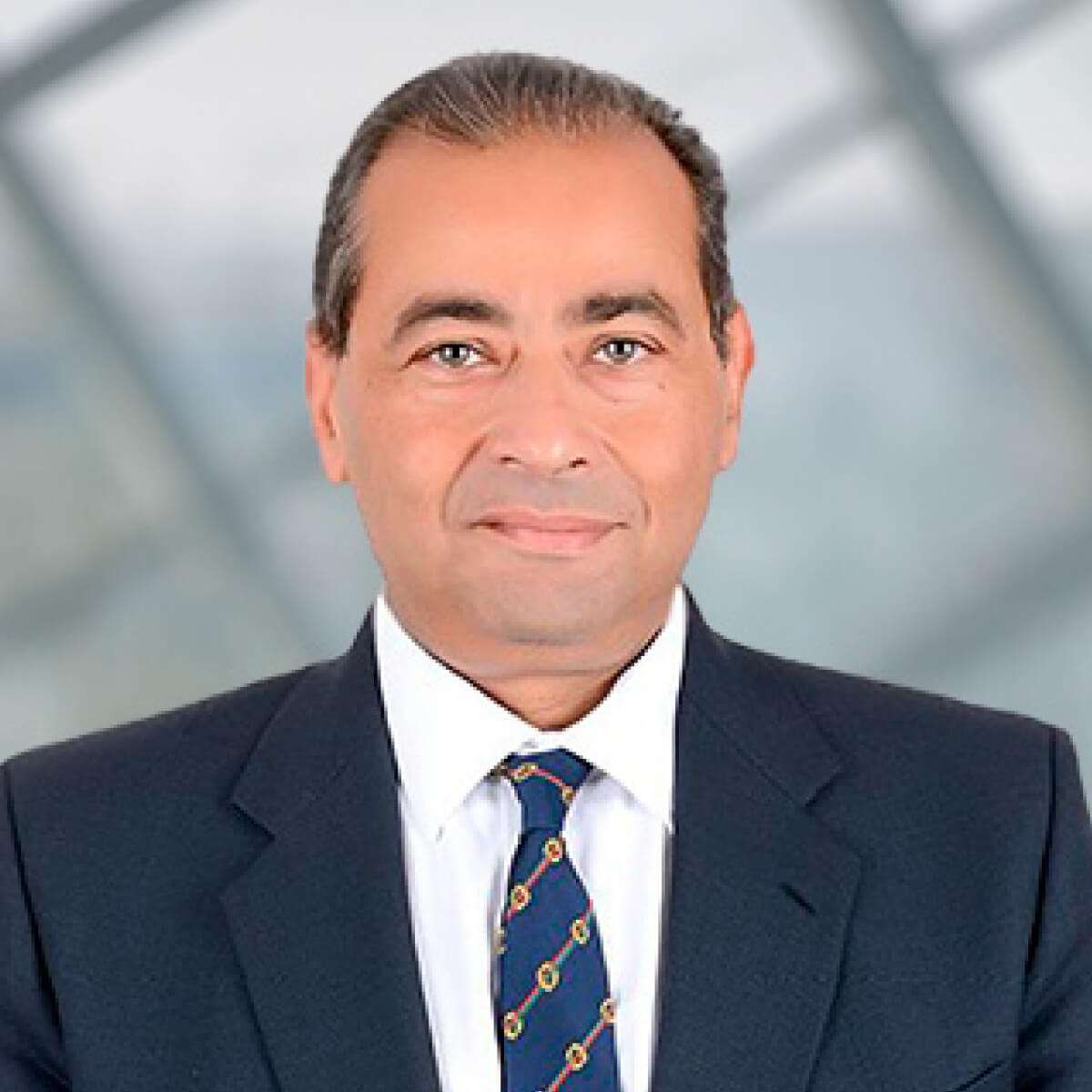
13. Tamer El Mahdi
Telecom Egypt
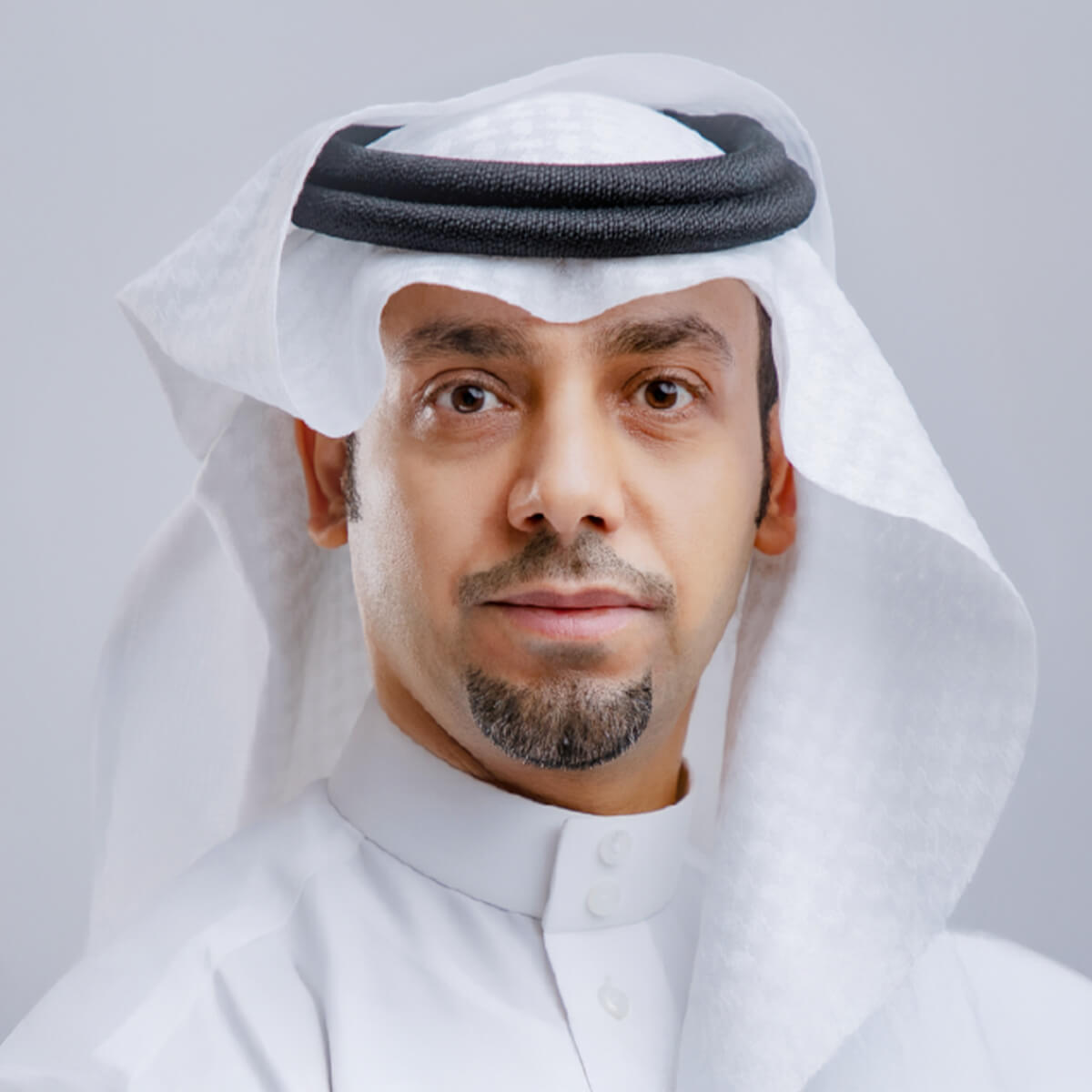
14. Saad Saleh Alaboodi
Saudi Information Technology Company (SITE)
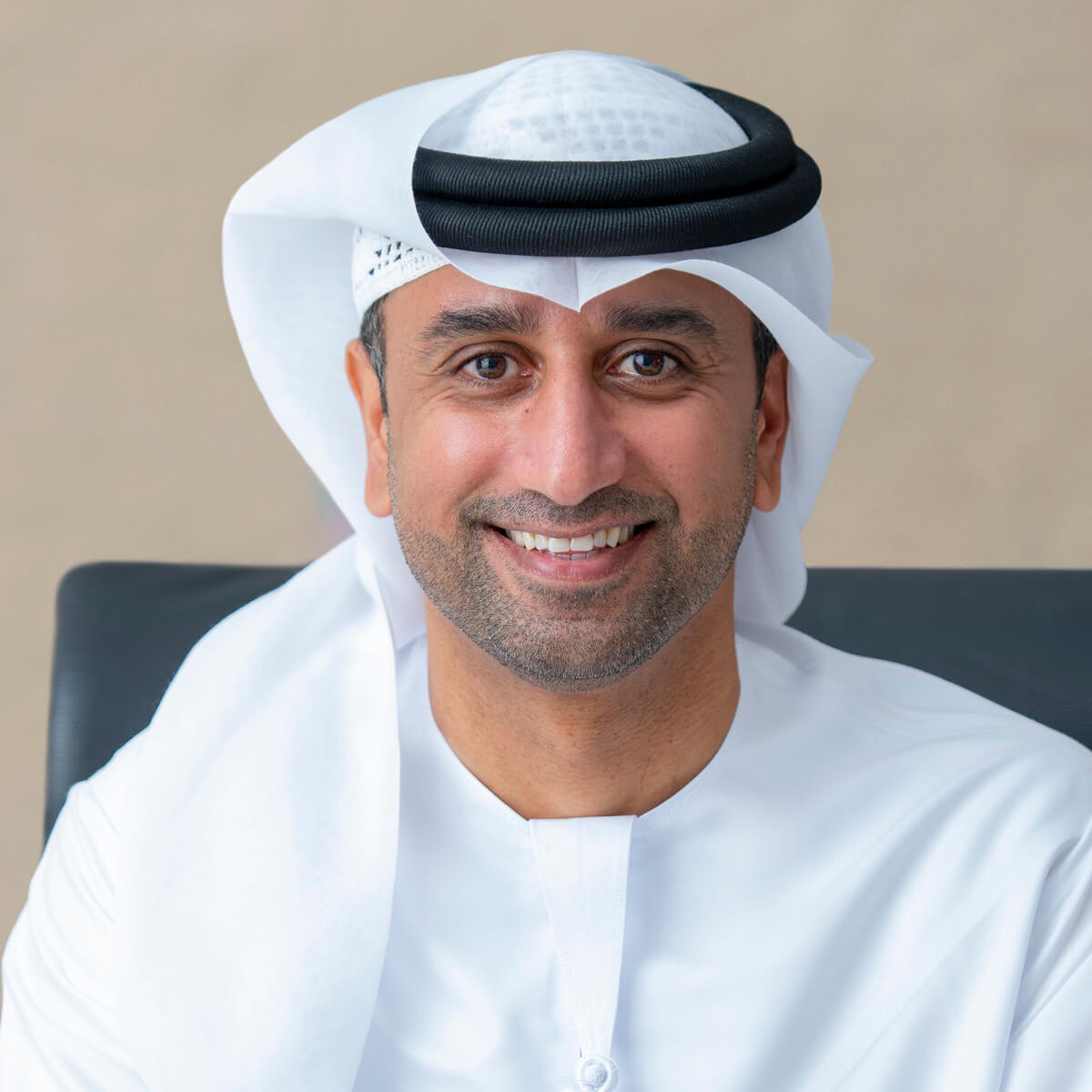
15. Fahad Al Hassawi
Emirates Integrated Telecommunications Company (du)
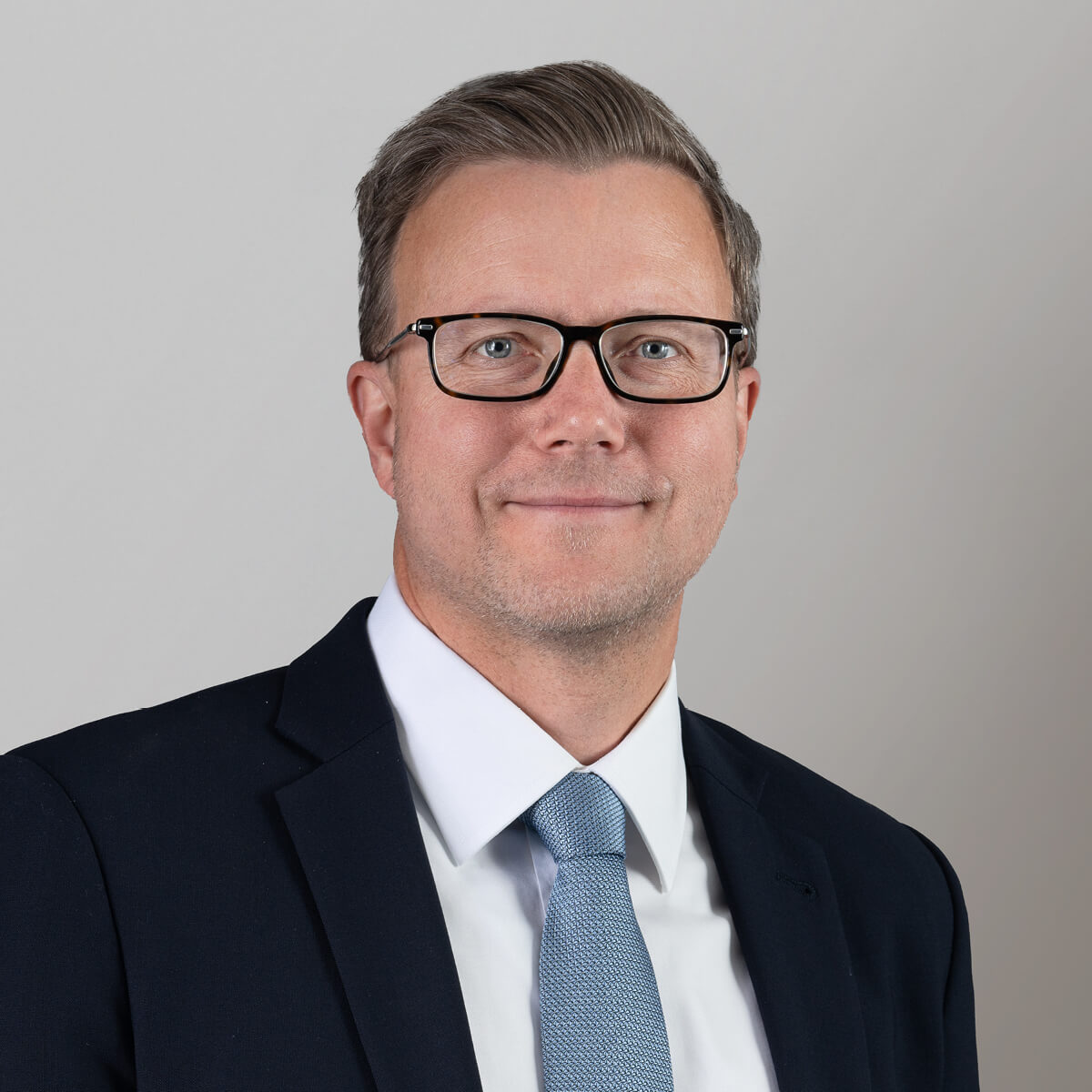
16. Andrew Kvålseth
Beyon Group
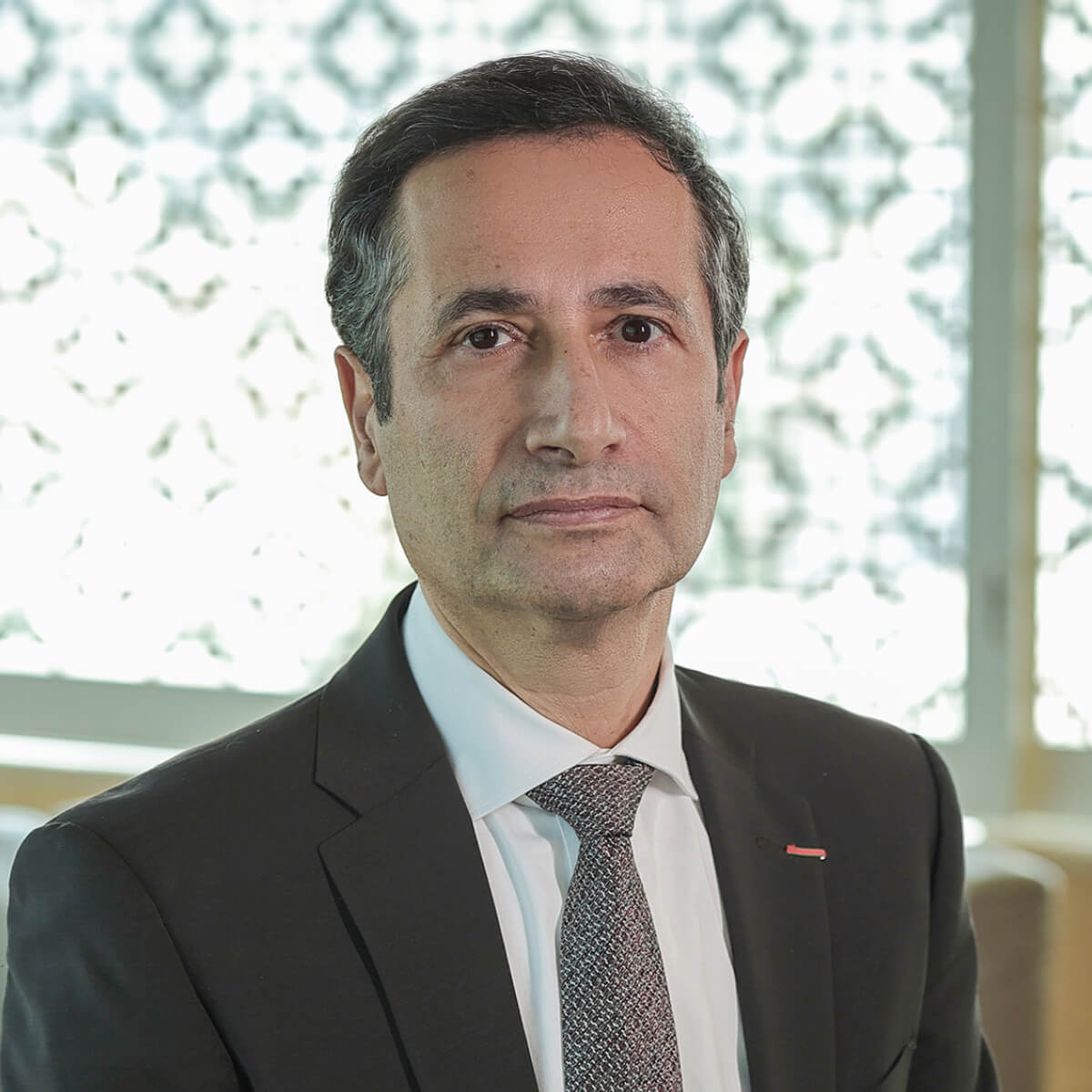
17. Mohamed Benchaaboun
Maroc Telecom
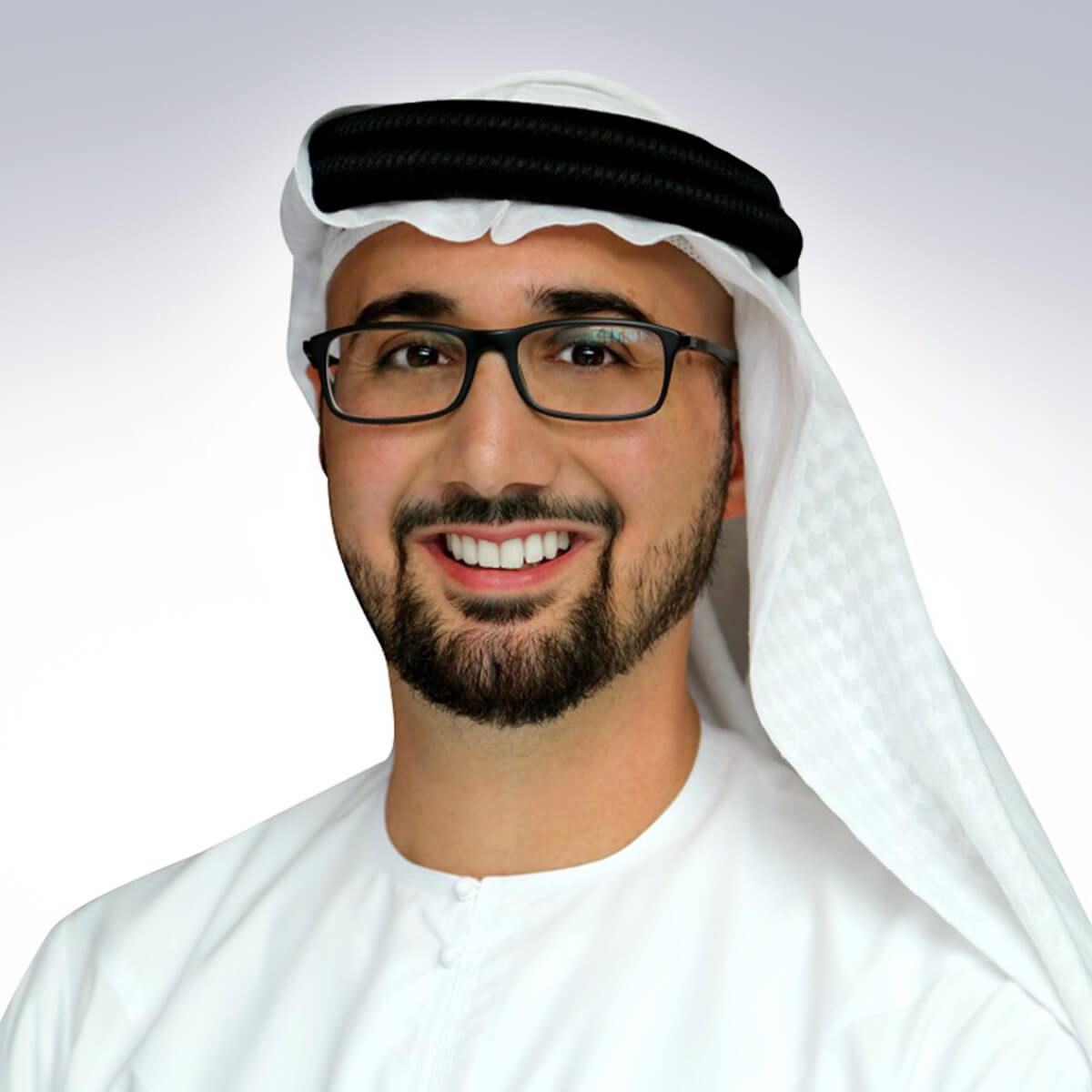
18. Tariq Bin Hendi
Astra Tech
19. Martijn Blanken
Neo Space Group (NSG)
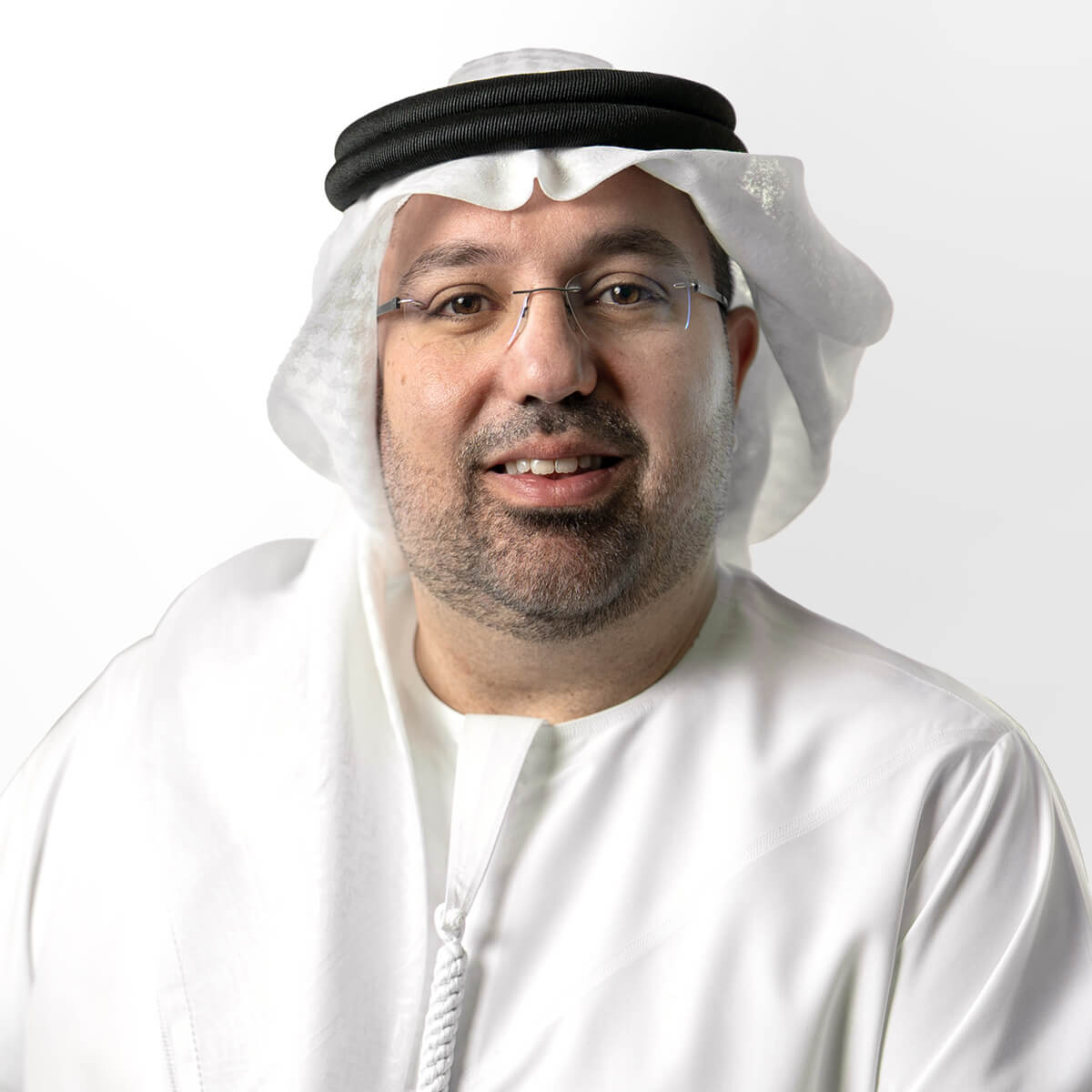
20. Kareem Shahin
Abu Dhabi Health Data Services (ADHDS)
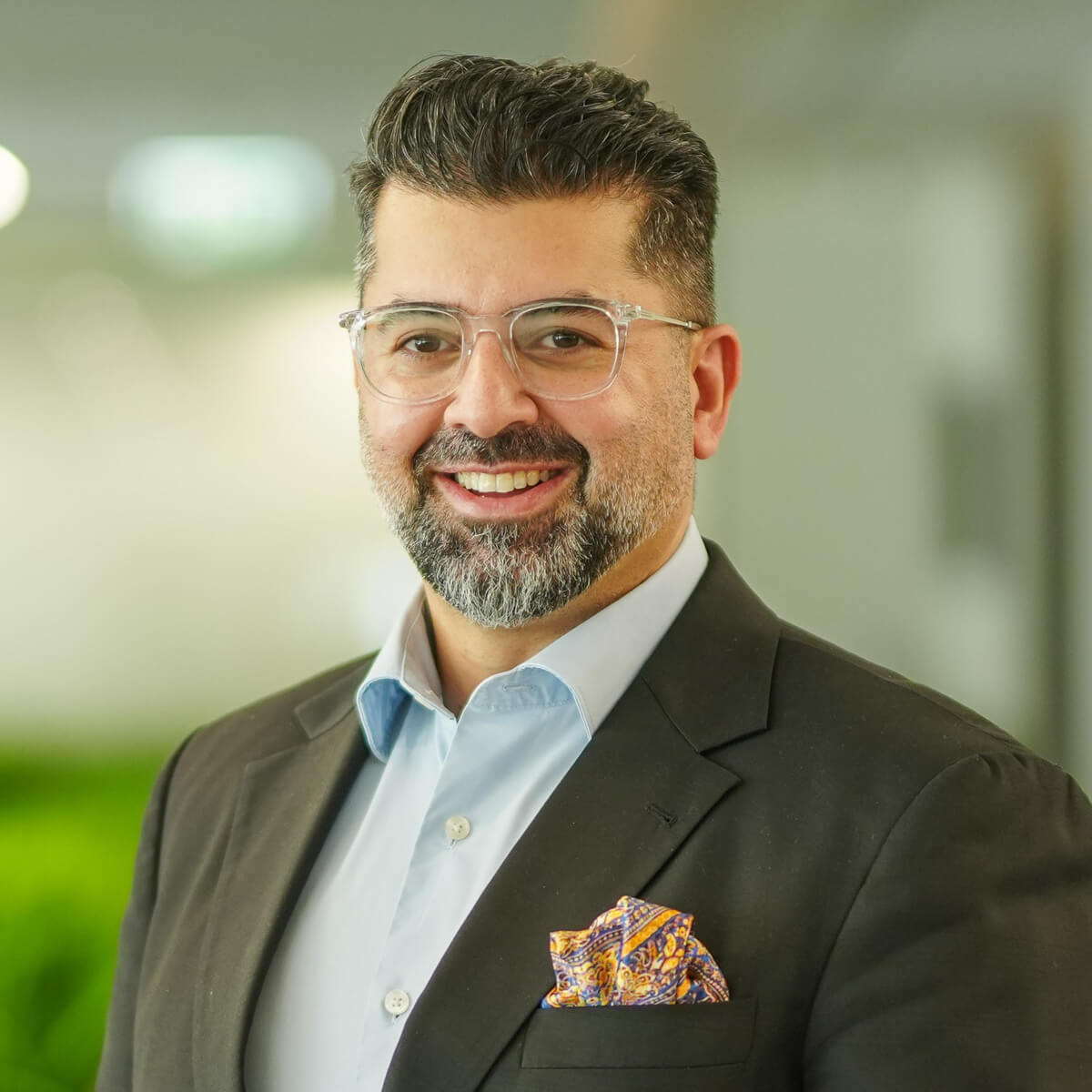
21. Hadi Anwar
CPX Holding
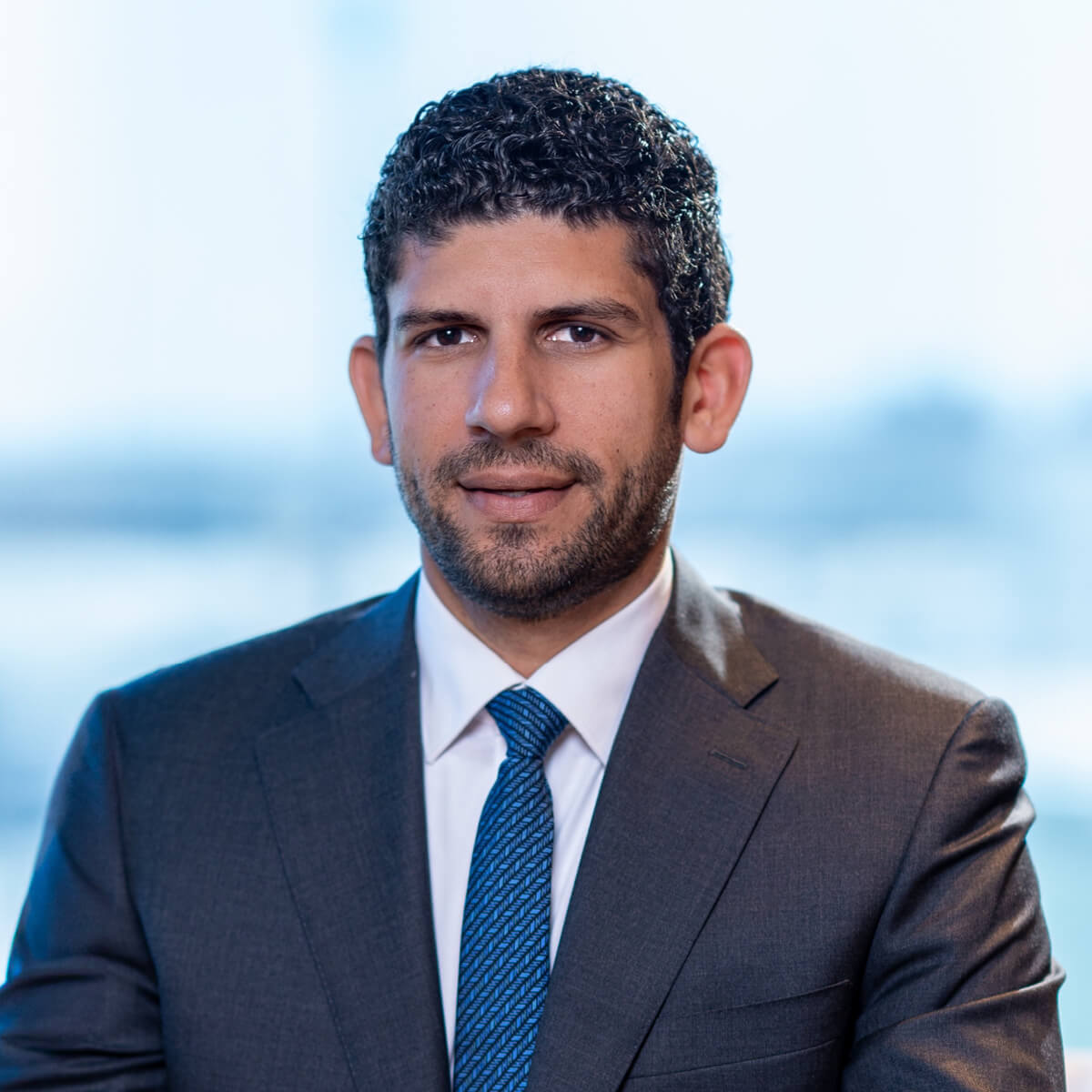
22. Ahmed Khalil
Raya Holding For Financial Investments
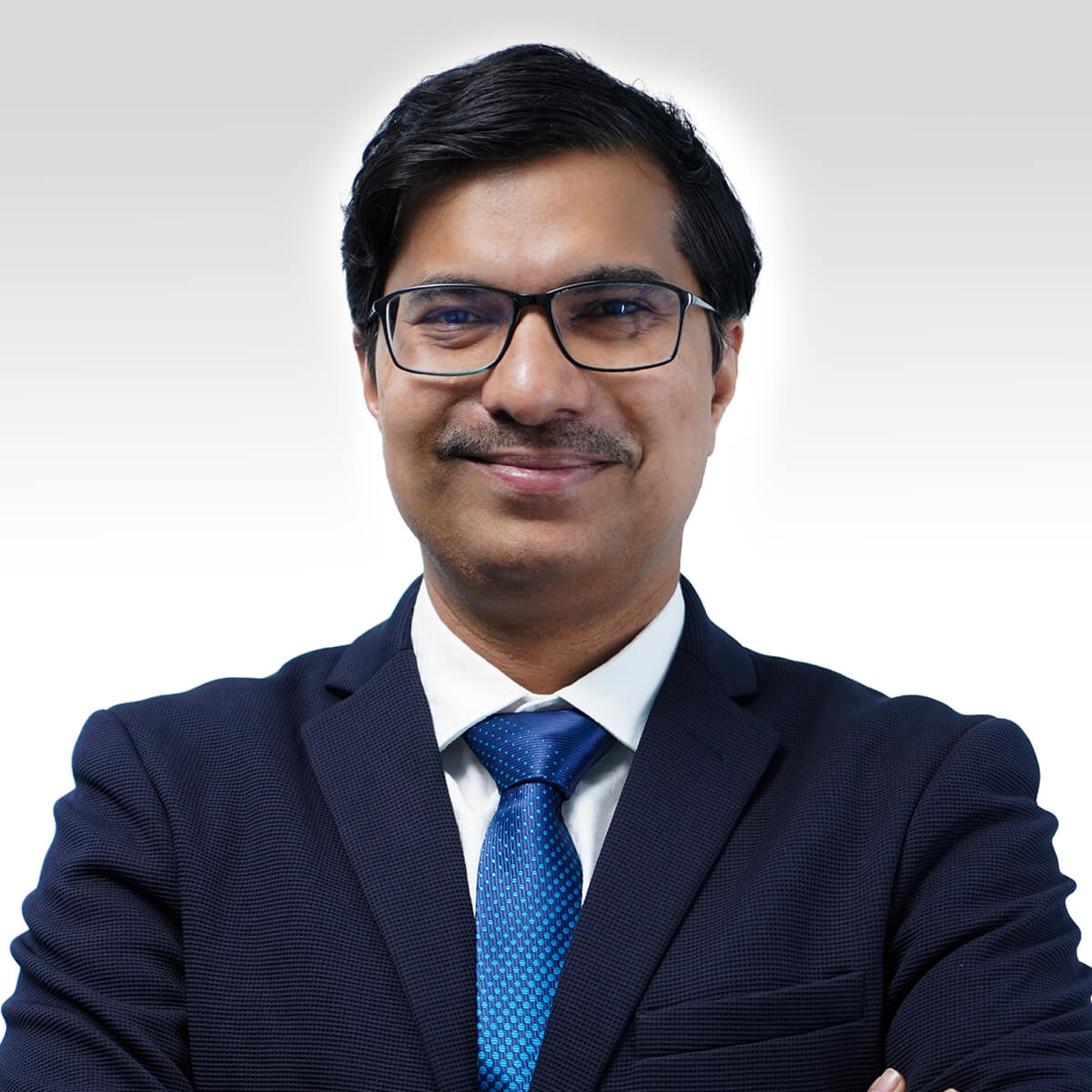
23. Vikraman Poduval
Saal.ai
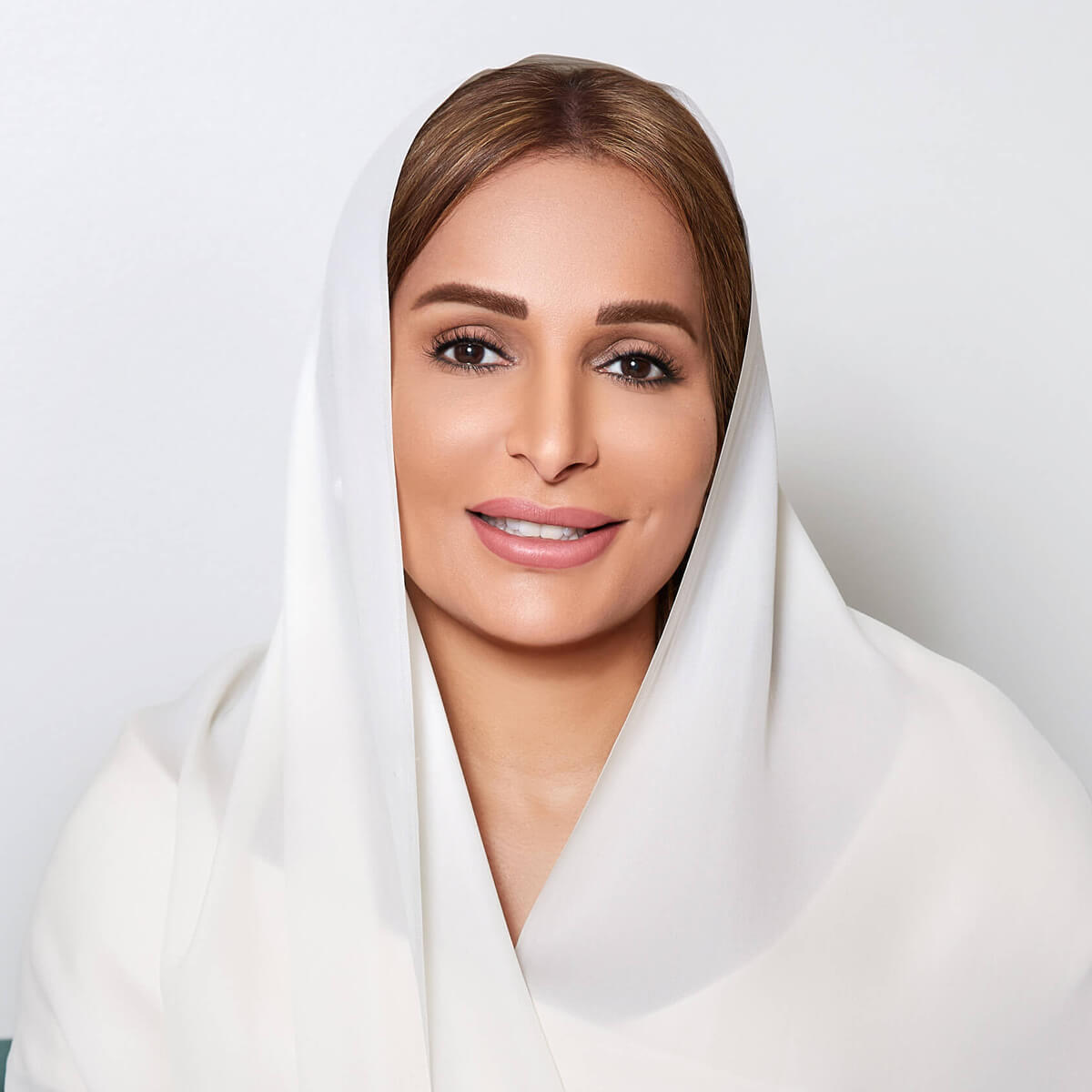
24. Hind Bahwan
Bahwan CyberTek Group (BCT)

25. Anas Meerza
National Technology Enterprises Company (NTEC)
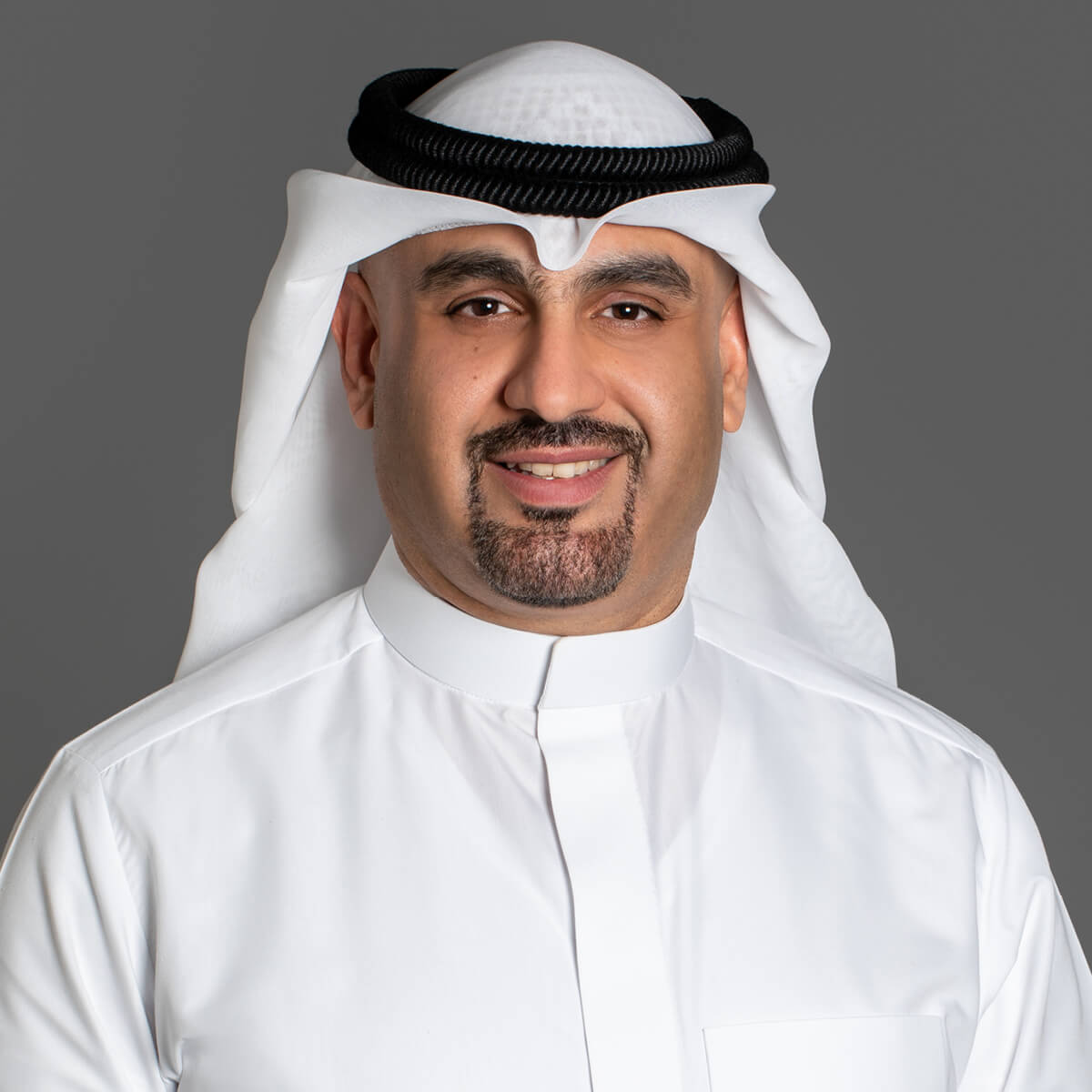
26. Talal Alawadhi
KUWAITNET
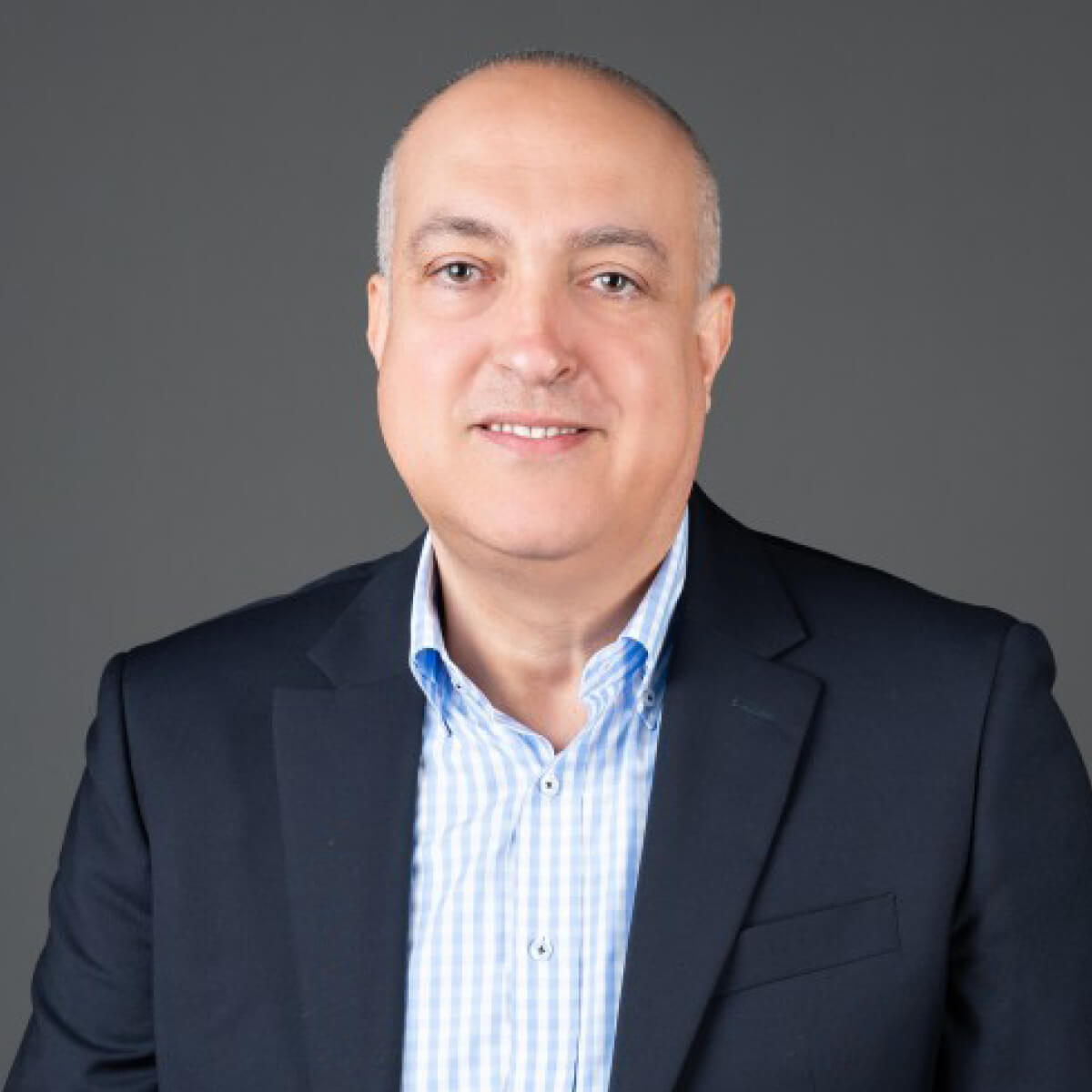
27. Mohamad Abou Zaki
Emircom
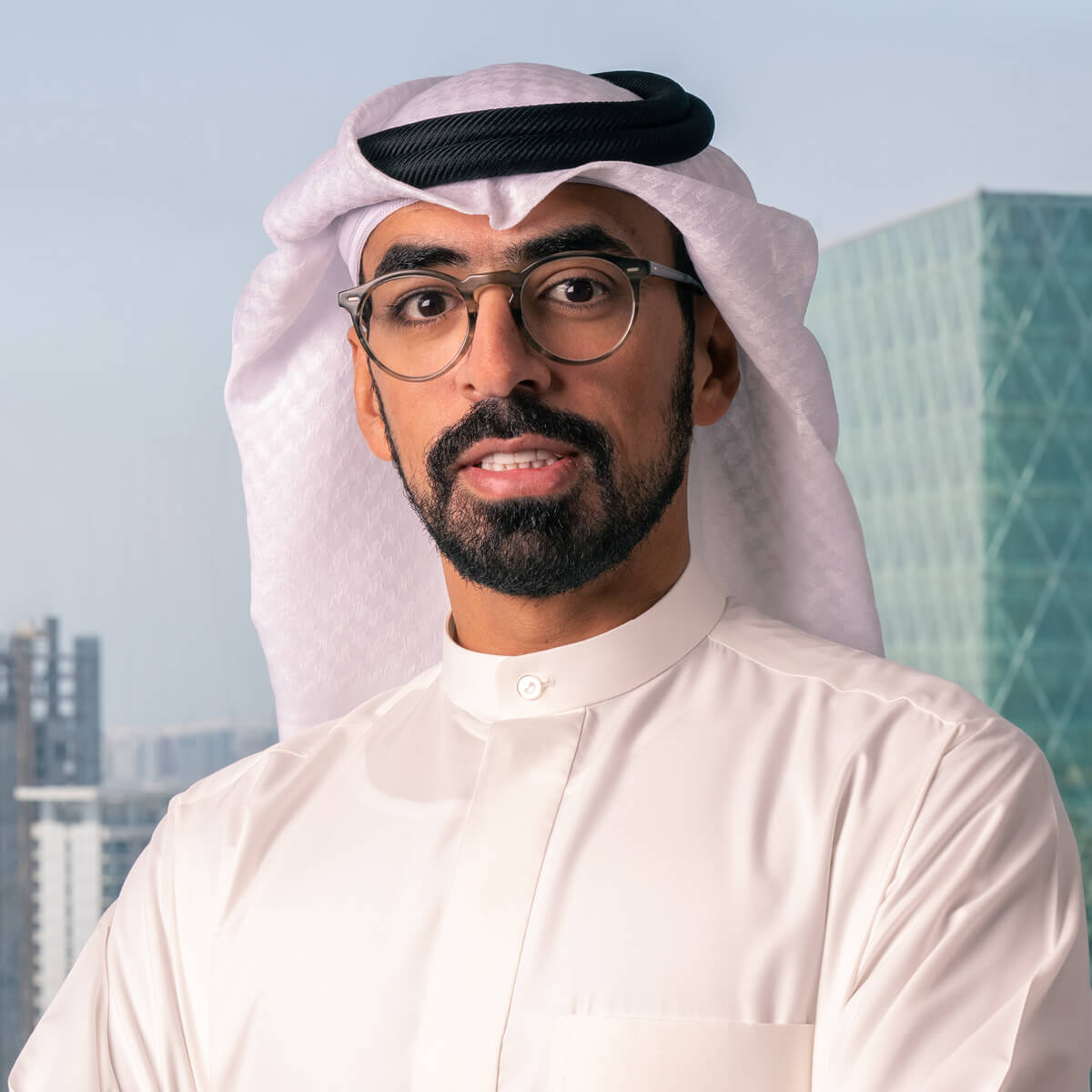
28. Ahmed Alhameli
Zero Two
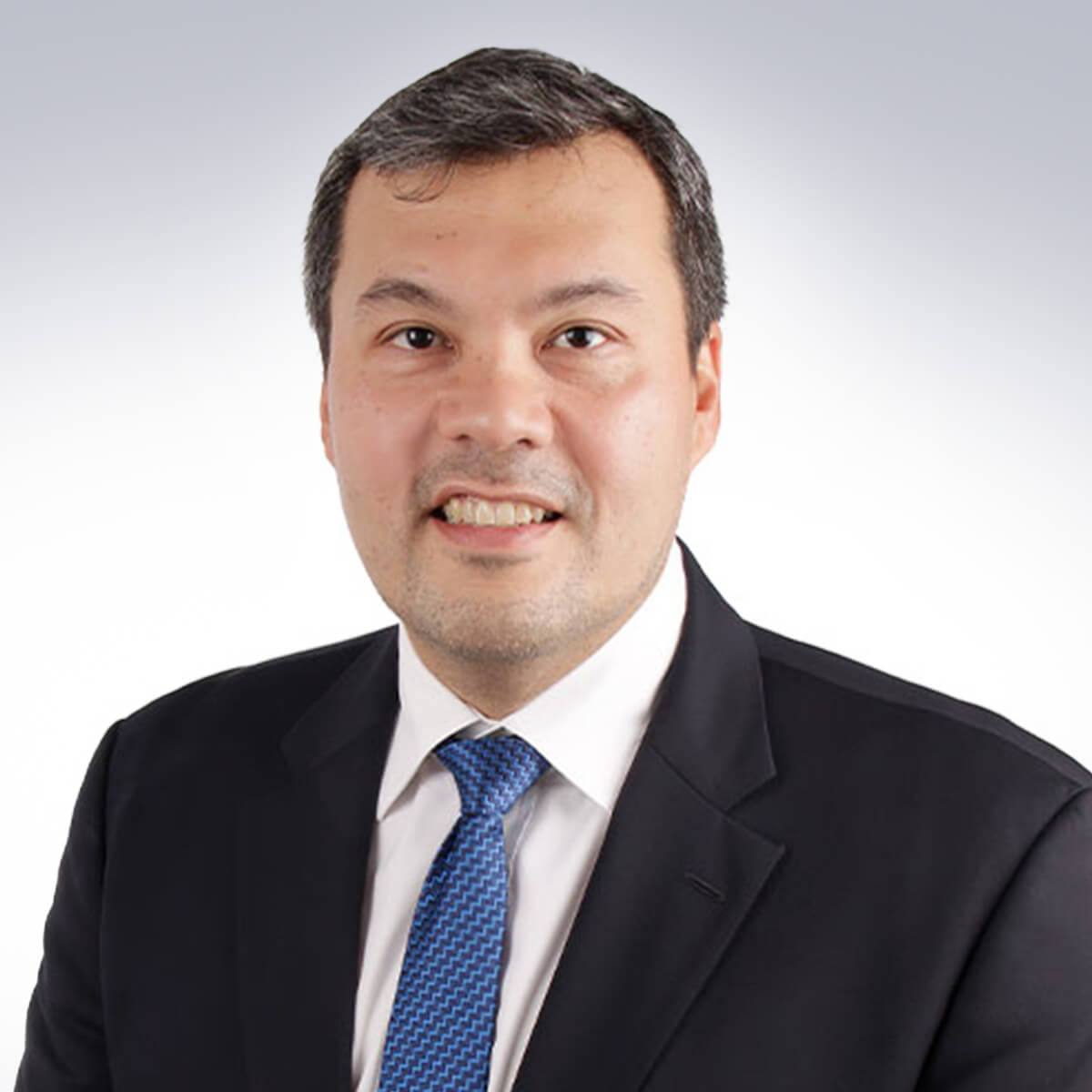
29. Dennis Jol
AIQ
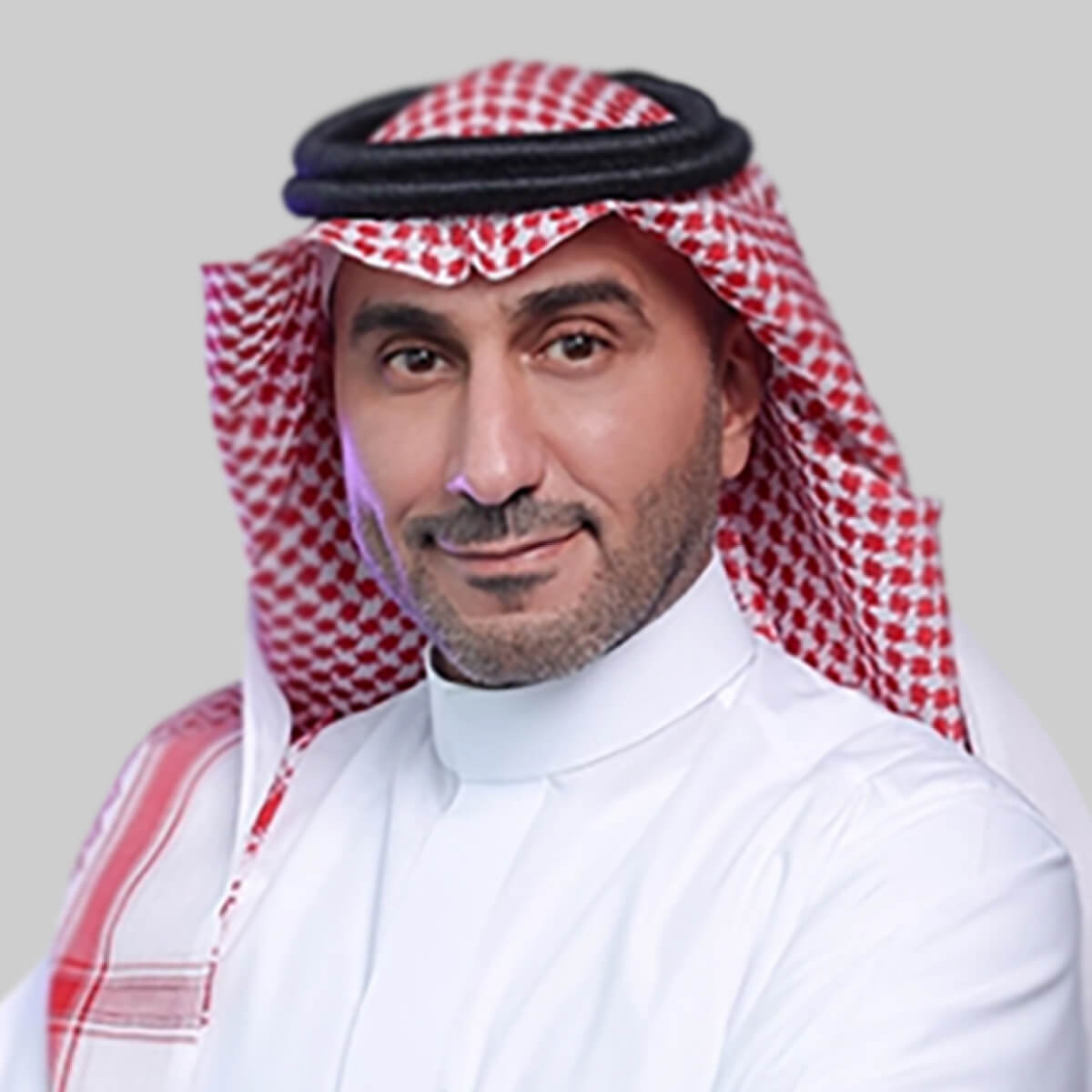
30. Othman AlDahash
iot squared