THE MIDDLE EAST’S
Most Impactful Real
Estate Leaders 2026
The Middle East’s real estate market continues to grow rapidly, driven by rising infrastructure activity and increased investment in non-oil sectors. It was valued at $420.5 billion in 2025 and is expected to reach $849 billion by 2034, according to IMARC Group.
The UAE remains one of the region’s most active markets, driven by strong demand and high transaction volumes. In 2025, Dubai recorded over 270,000 real estate transactions worth $249.7 billion, while Abu Dhabi saw significant growth, with transactions reaching $38.7 billion.
Saudi Arabia’s presence reflects the scale and momentum of Vision 2030-led projects, while Egypt’s expanding developer base signals increasing demand for coastal and mixed-use developments.
Strategic partnerships and branded developments are also redefining the landscape. Among the year’s standout deals, Qatari Diar signed a $29.7 billion agreement with Egypt’s New Urban Communities Authority to develop the Alam Al-Roum area on the Mediterranean coast. Meanwhile, developers are increasingly collaborating with global brands. DAMAC introduced Chelsea Residences in collaboration with Chelsea Football Club, while in early 2026, Binghatti Holding launched Mercedes-Benz Places | Binghatti City, an $8 billion project spanning more than 10 million square meters.
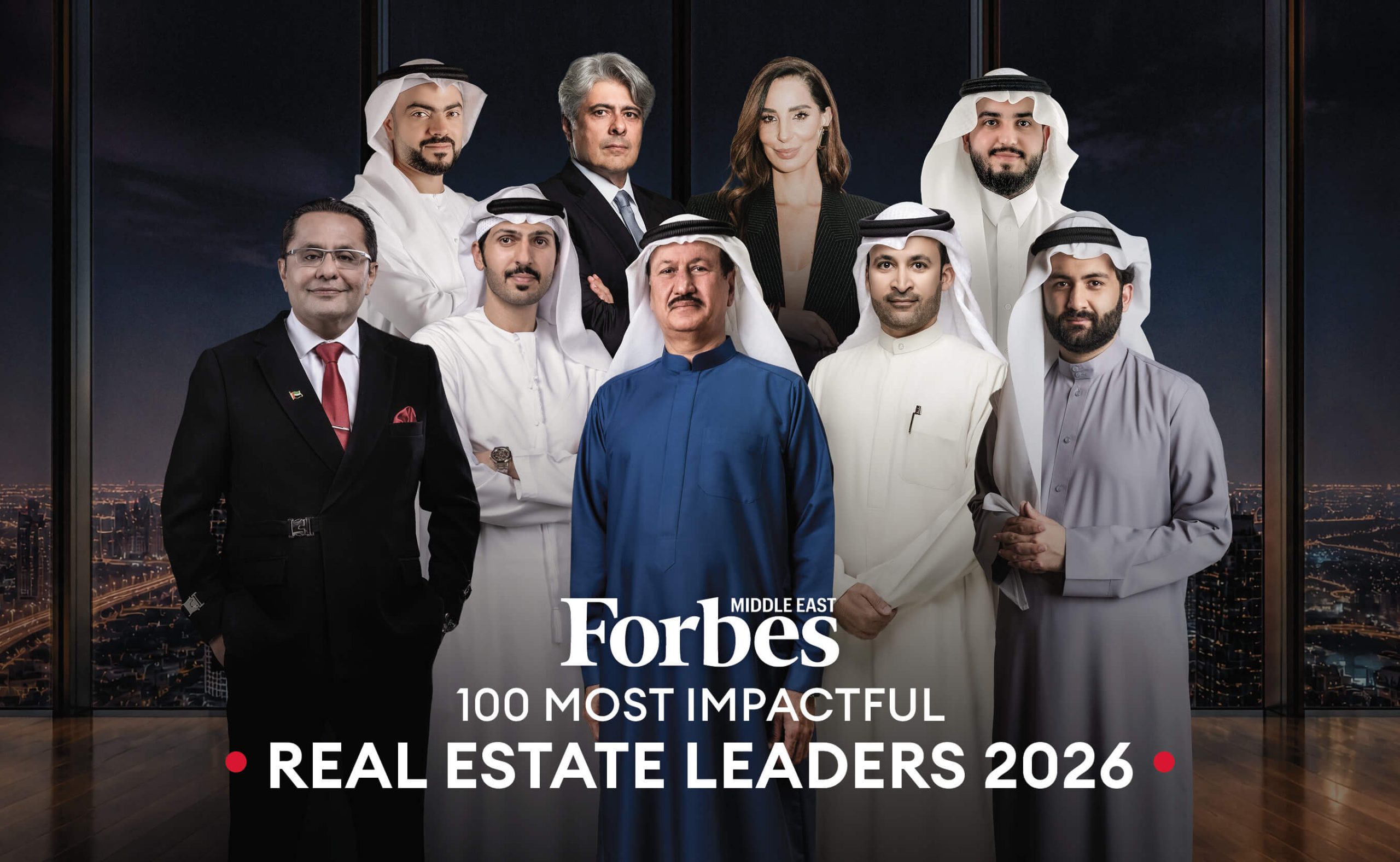
Our list of the Middle East’s Most Impactful Real Estate Leaders 2026 highlights the developers shaping cities and major projects across the region. It reflects a diverse group of companies, from established players to rising developers operating across residential, commercial, hospitality and mixed-use projects.
The list features 47 leaders of companies in the UAE, followed by Saudi Arabia (21) and Egypt (17).
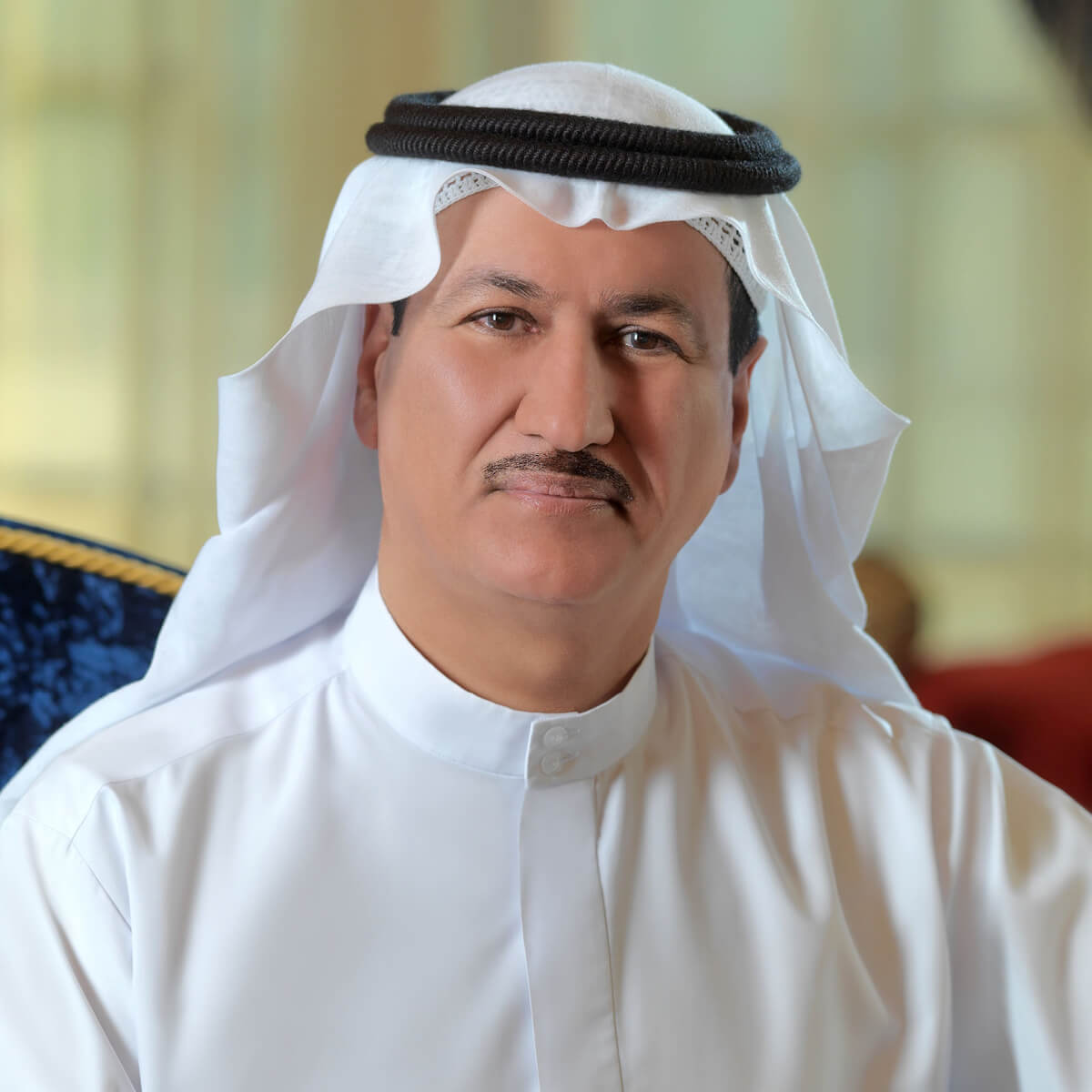
1. Hussain Sajwani
DAMAC Properties
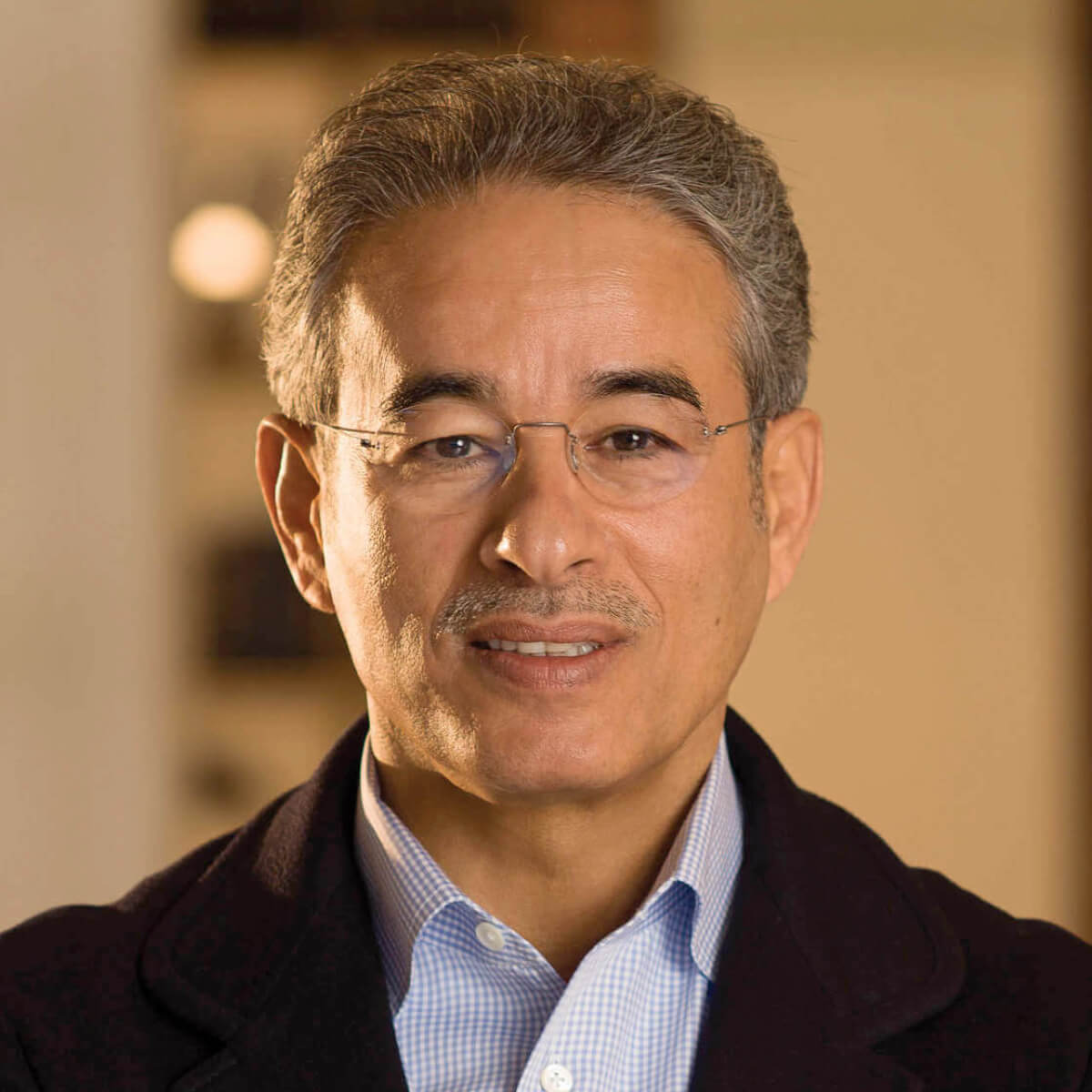
2. Mohamed Alabbar
Emaar Properties
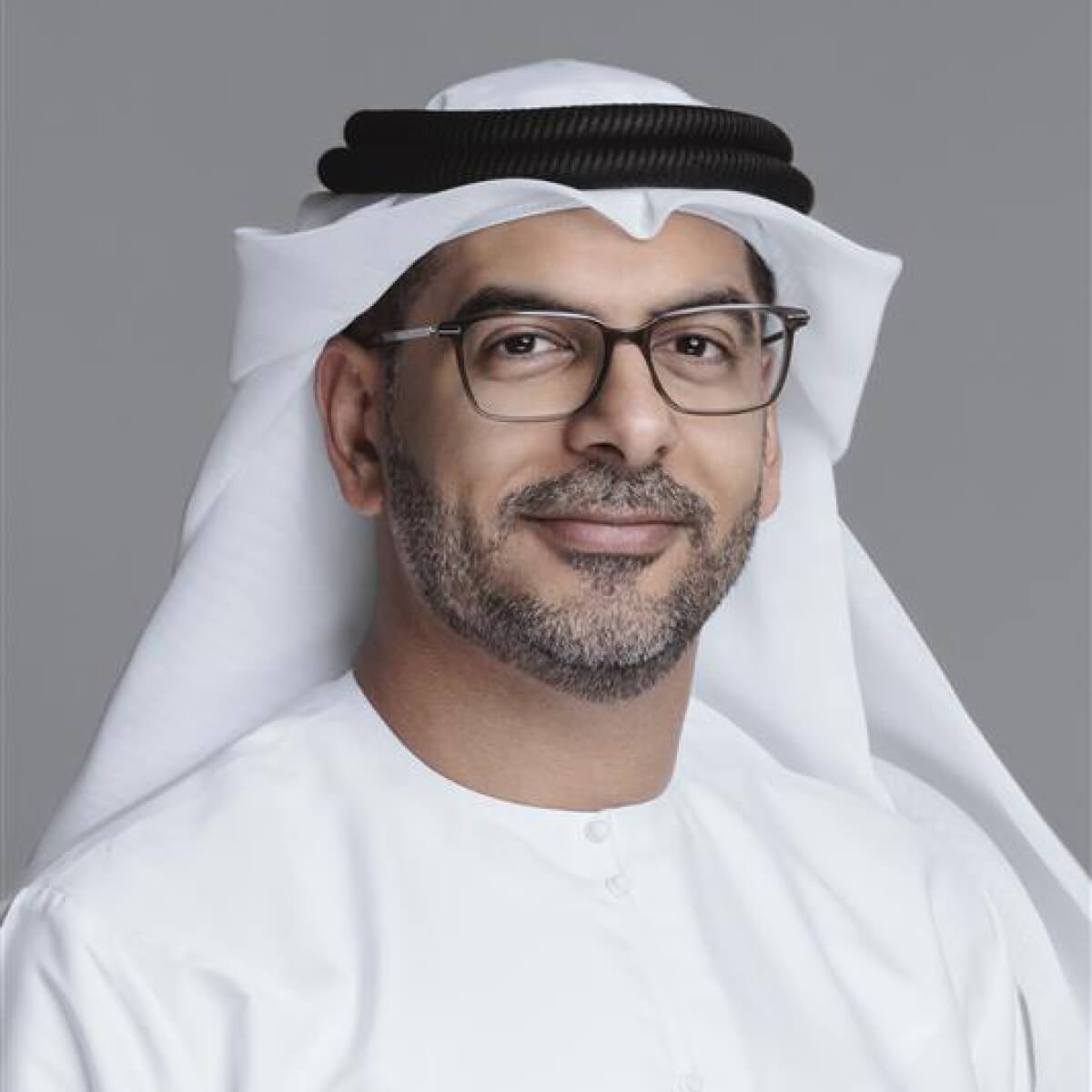
3. Talal Al Dhiyebi
Aldar
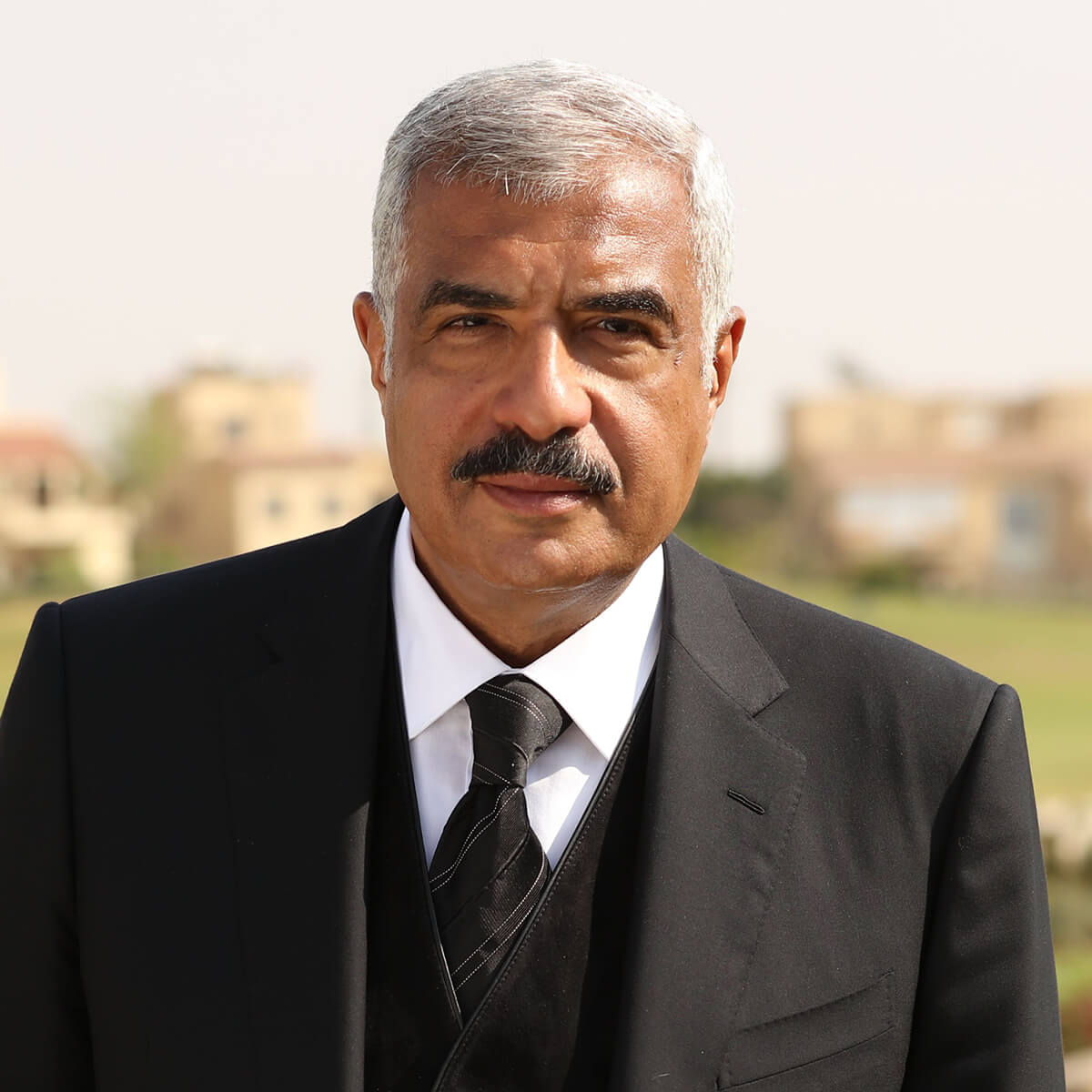
4. Hesham Talaat Moustafa
Talaat Moustafa Group Holding (TMG Holding)
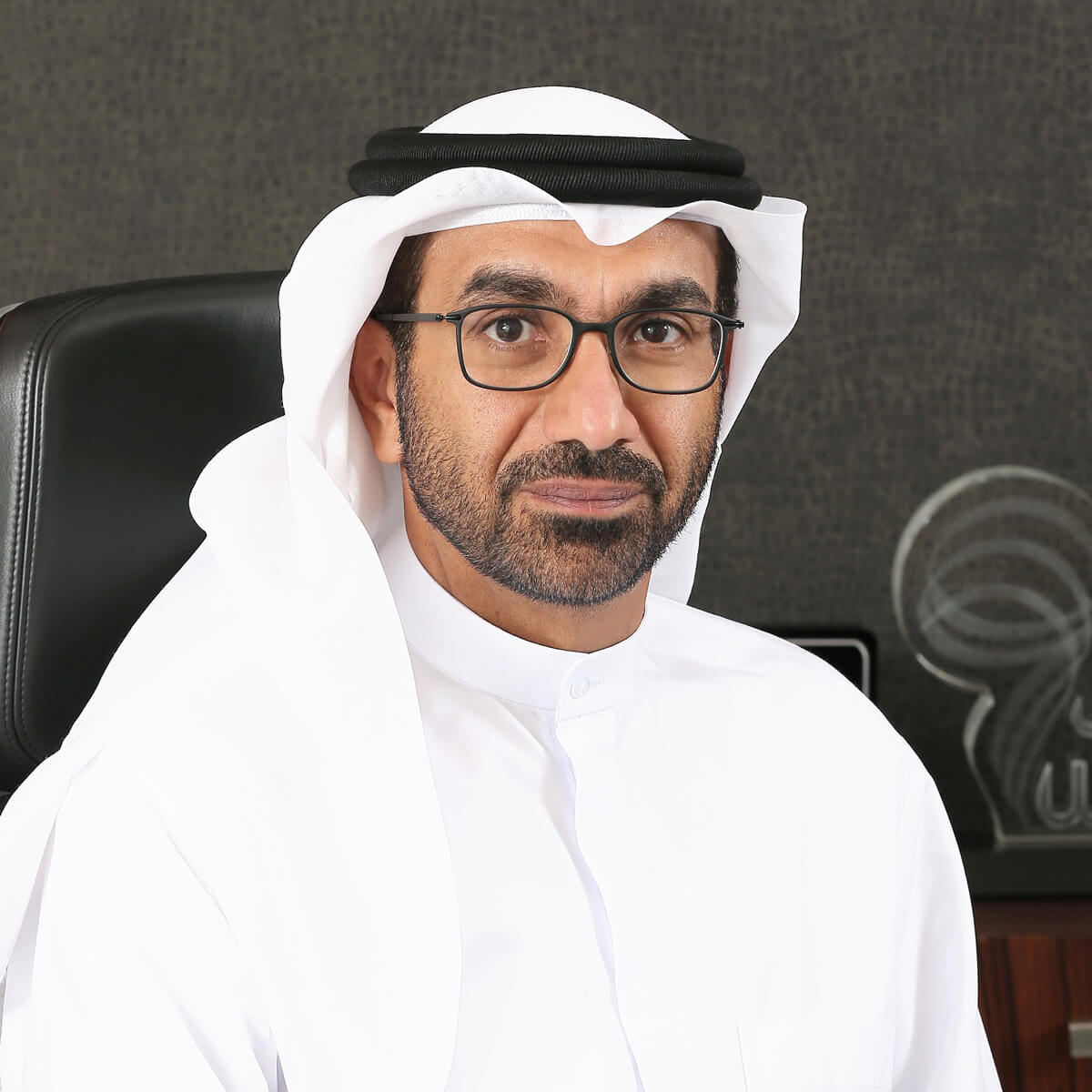
5. Hesham Al Qassim
Wasl Asset Management Group
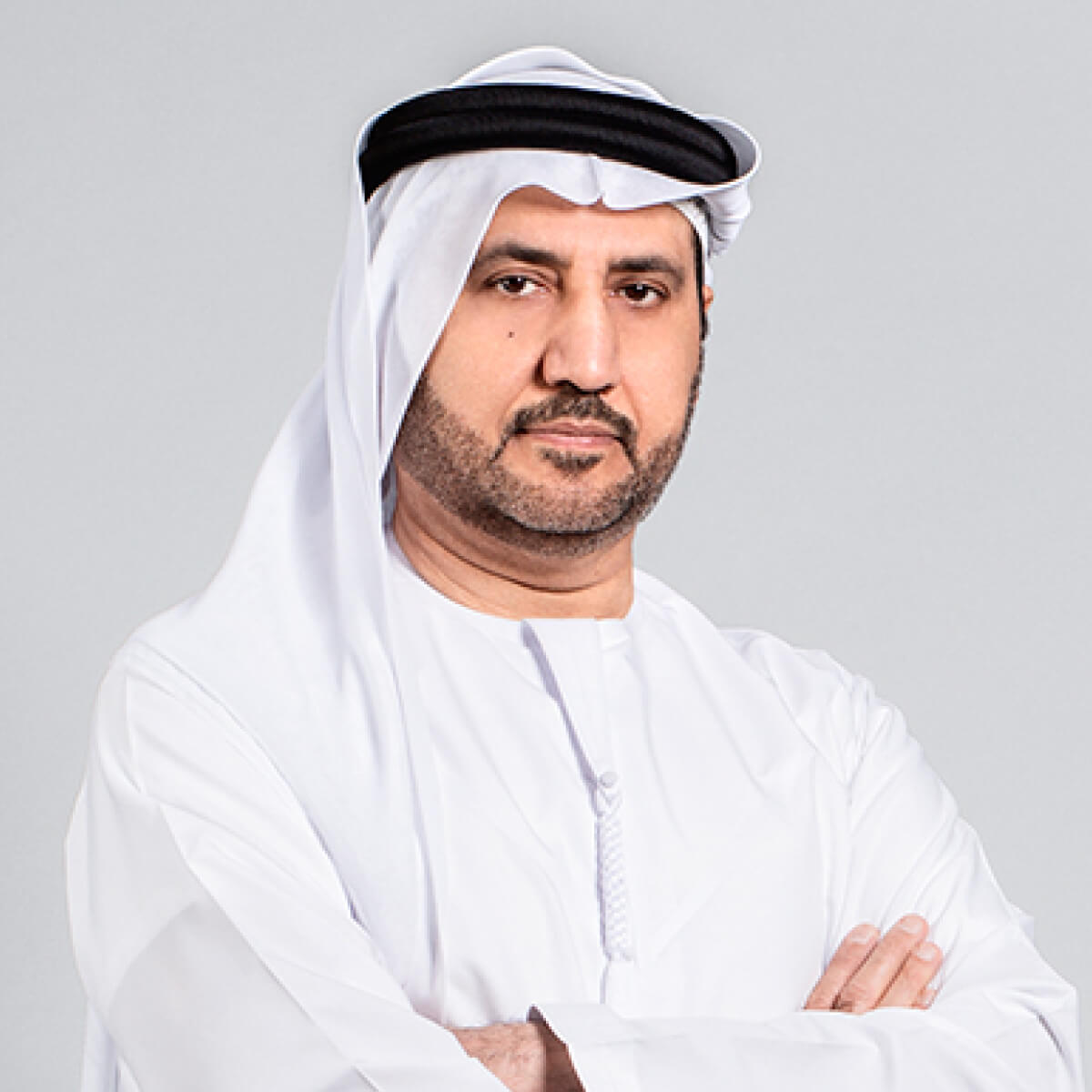
6. Khalid Al Malik
Dubai Holding Real Estate
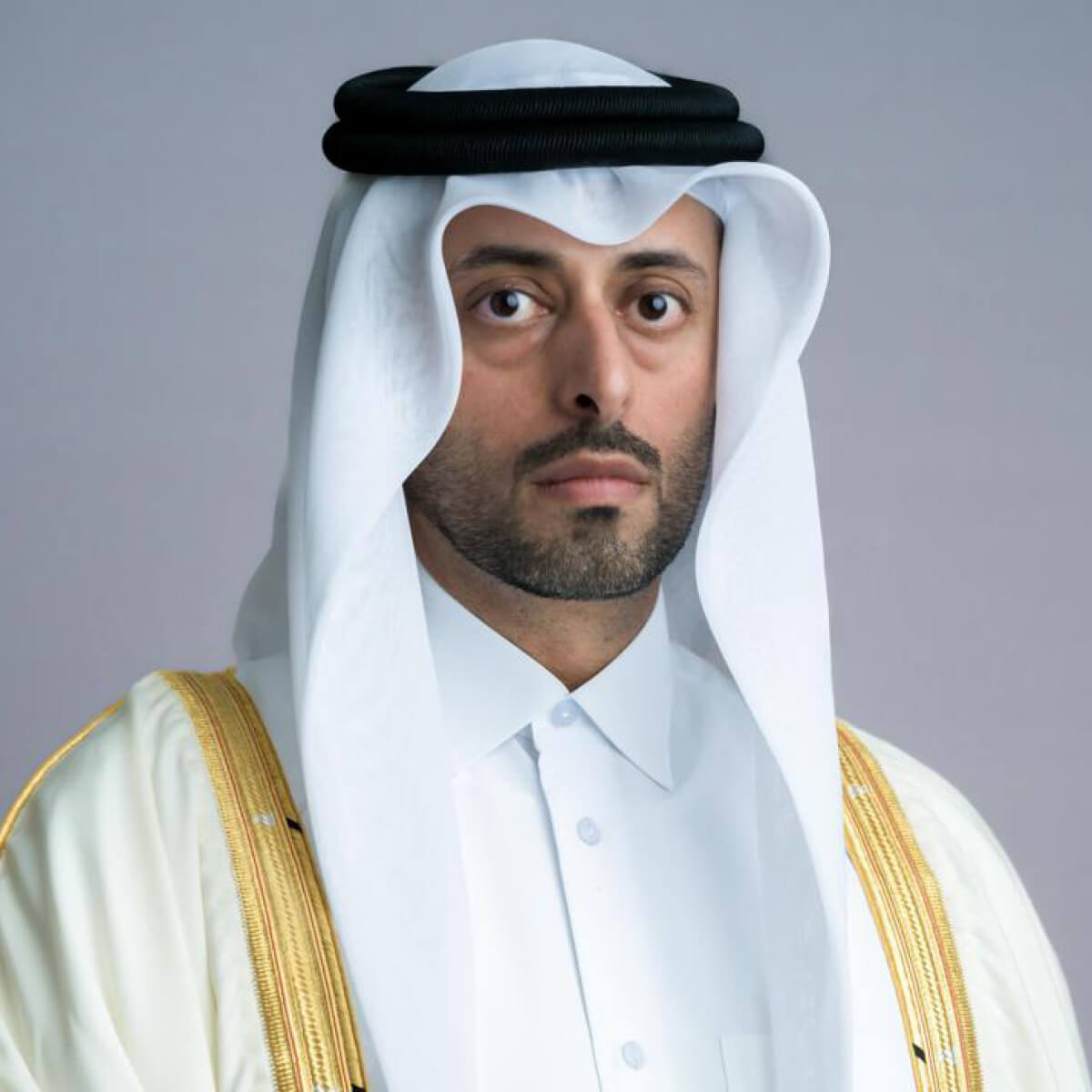
7. Abdullah bin Hamad Al Attiya
Qatari Diar
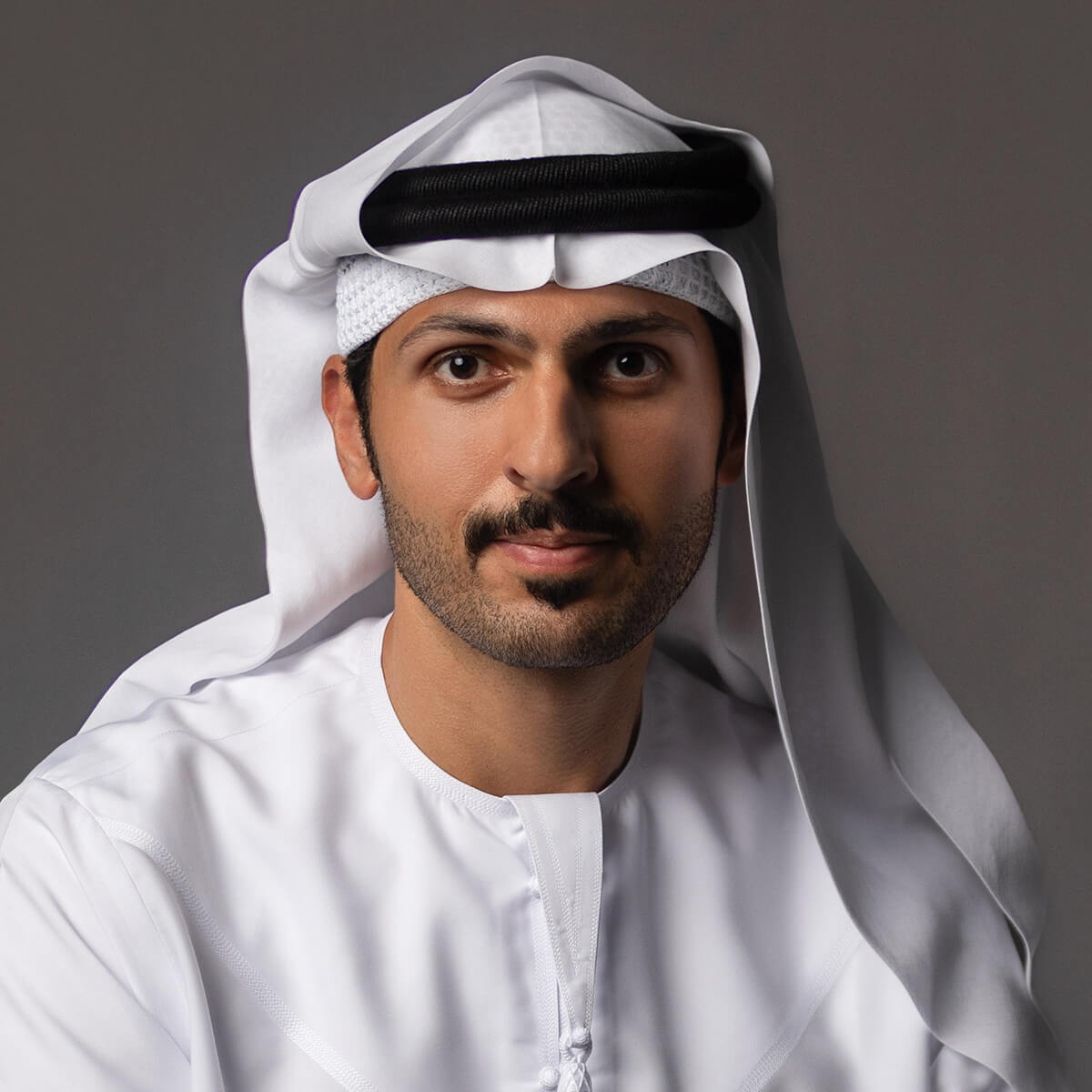
8. Muhammad BinGhatti
Binghatti Holding
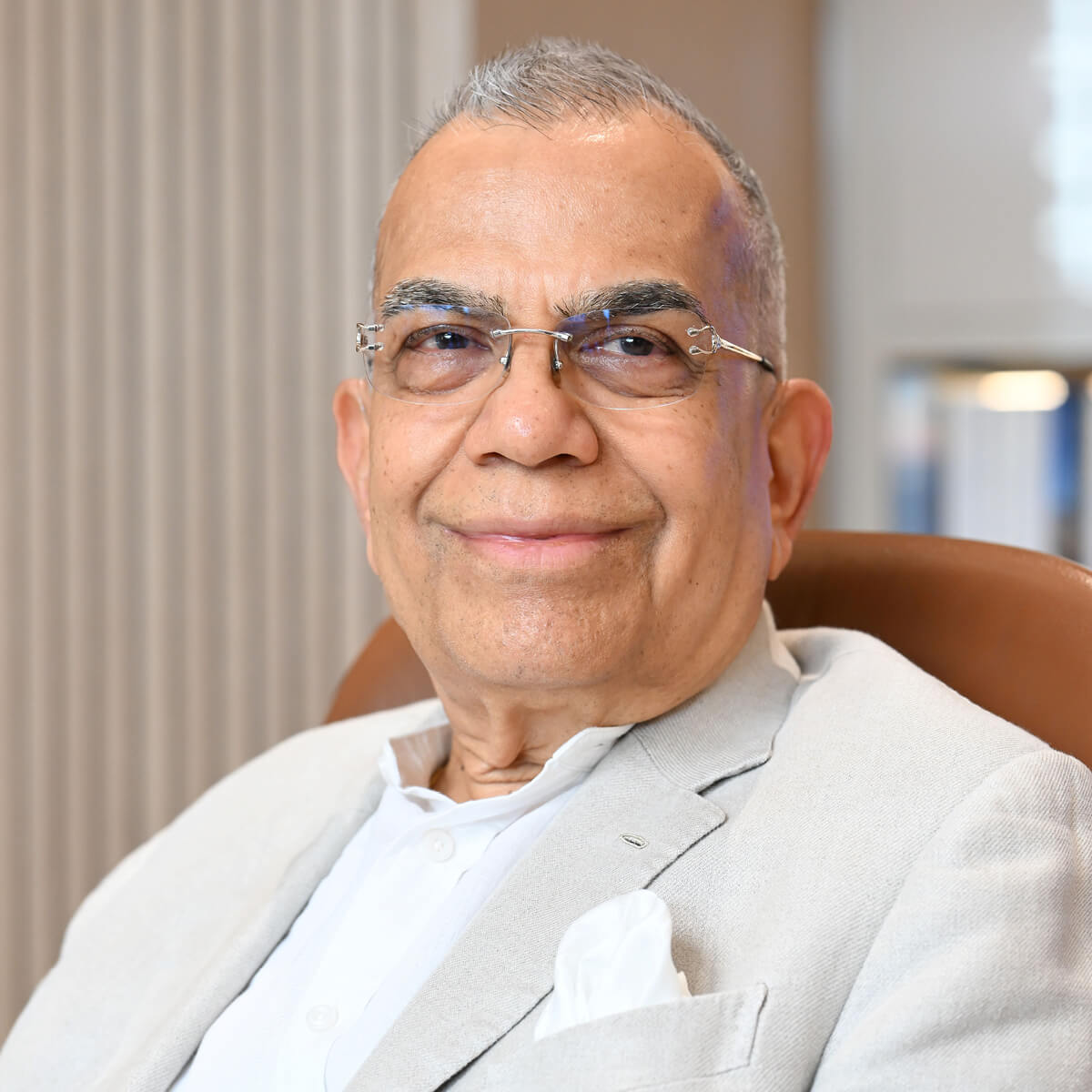
9. PNC Menon
Sobha Group
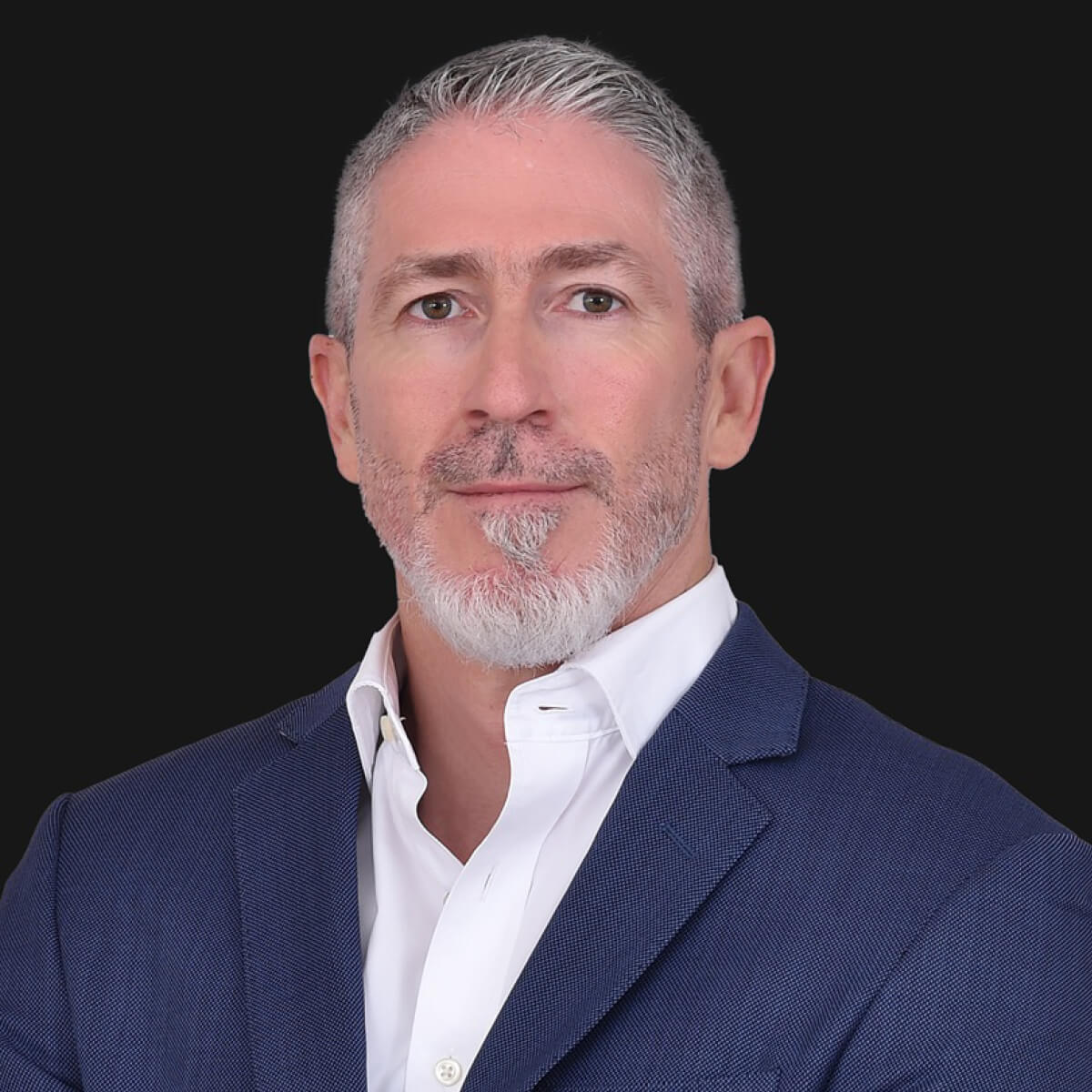
10. Bill O'Regan
Modon Holding
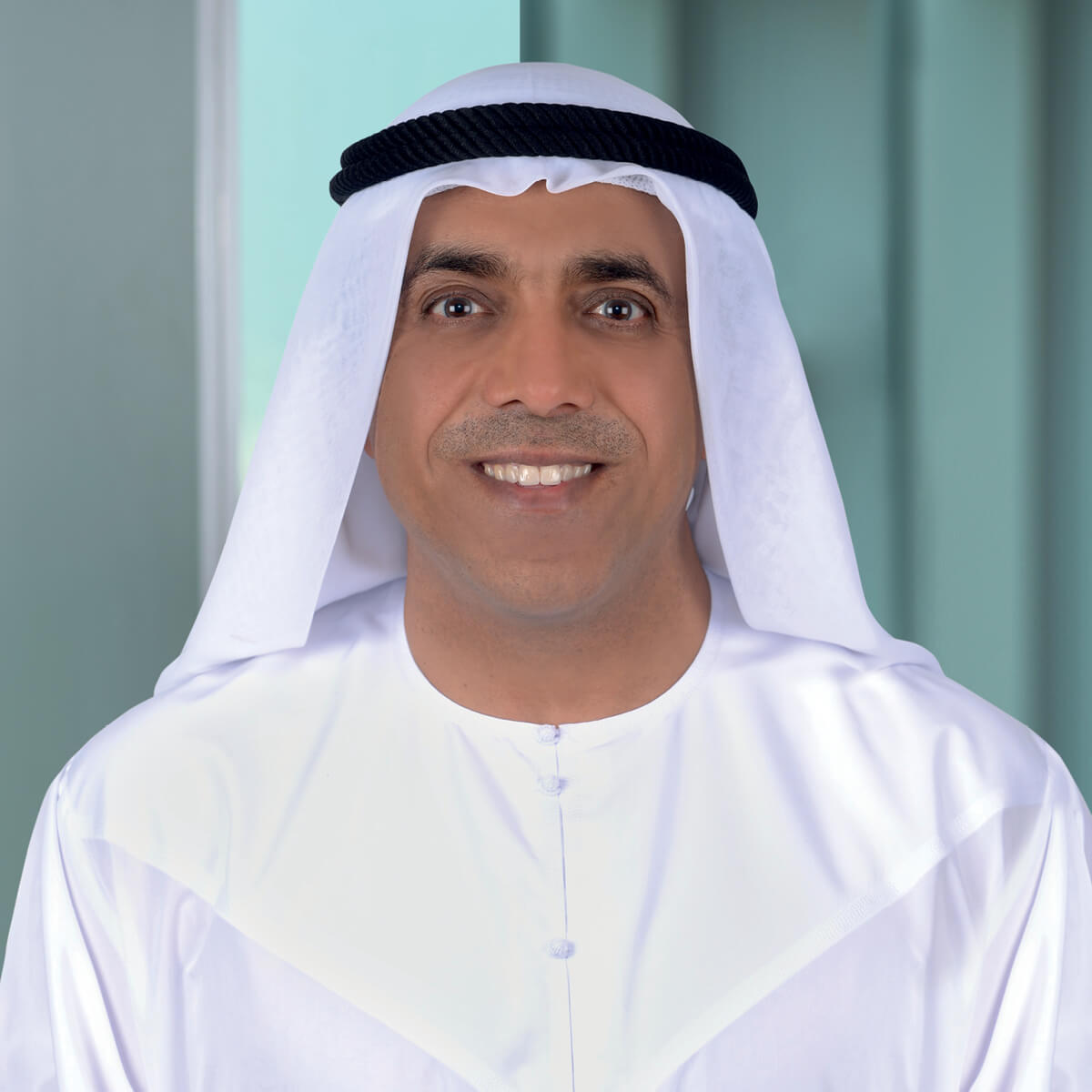
11. Omar Al Futtaim
Al-Futtaim Real Estate
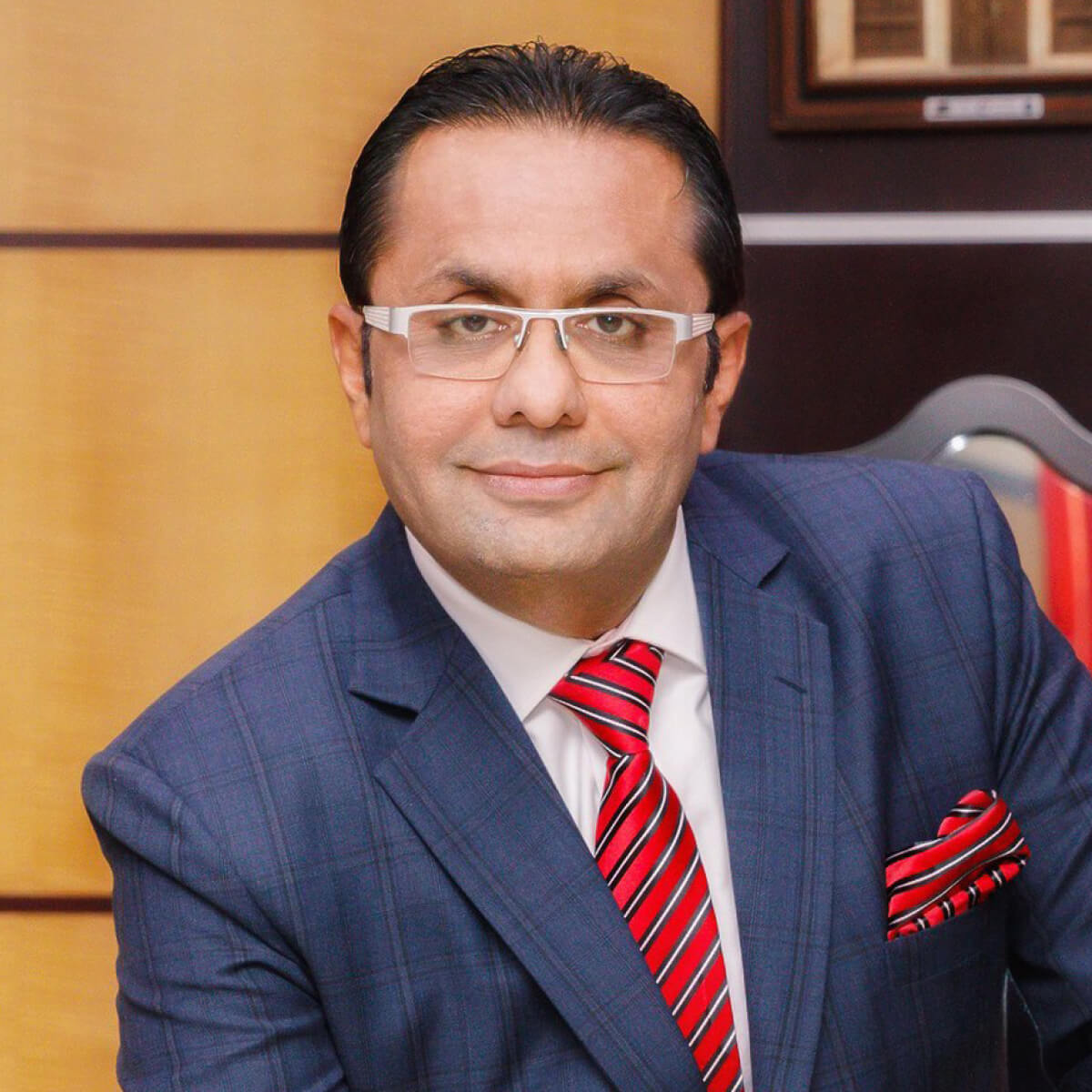
12. Rizwan Sajan
Danube Properties
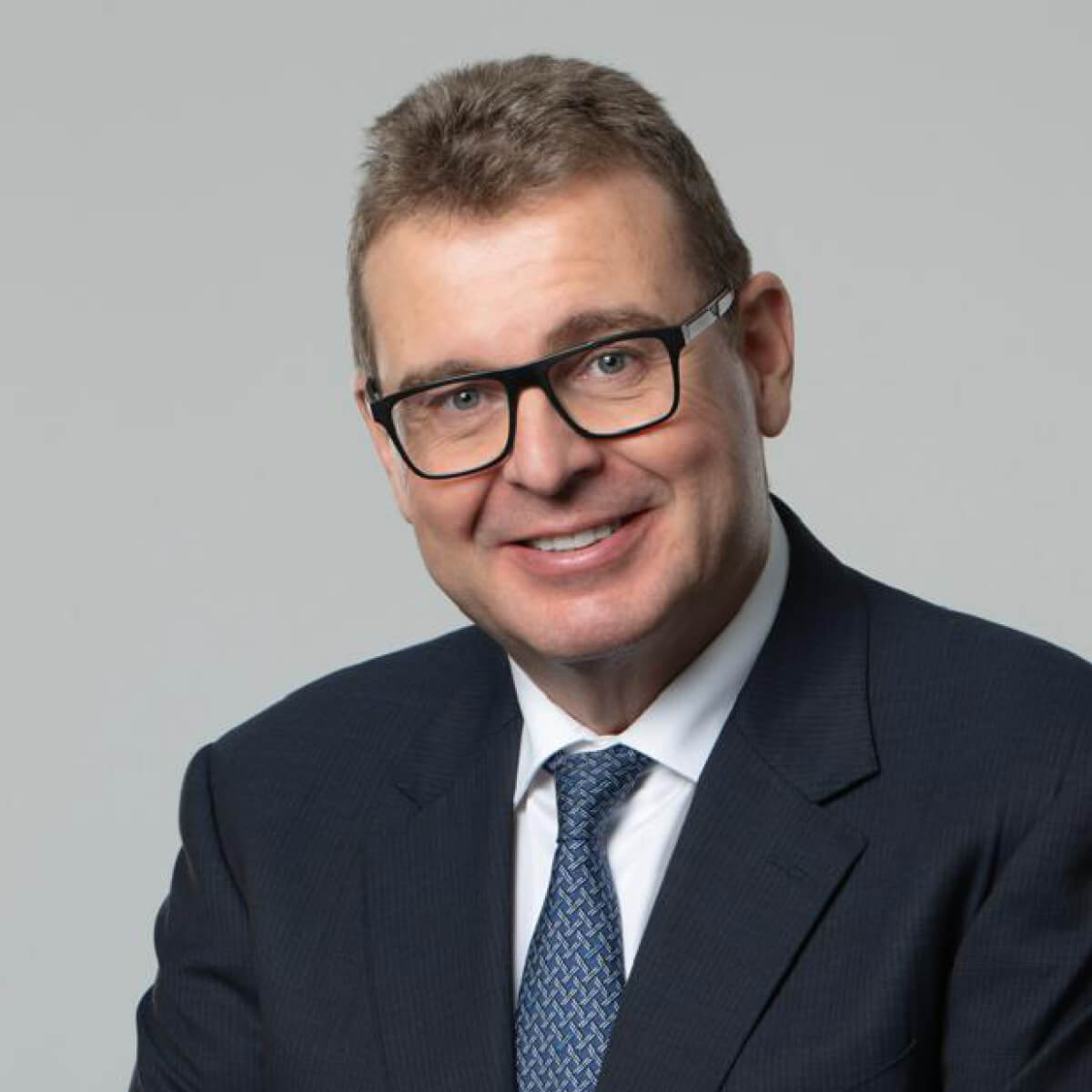
13. Ahmed El Shamy
Majid Al Futtaim – Development
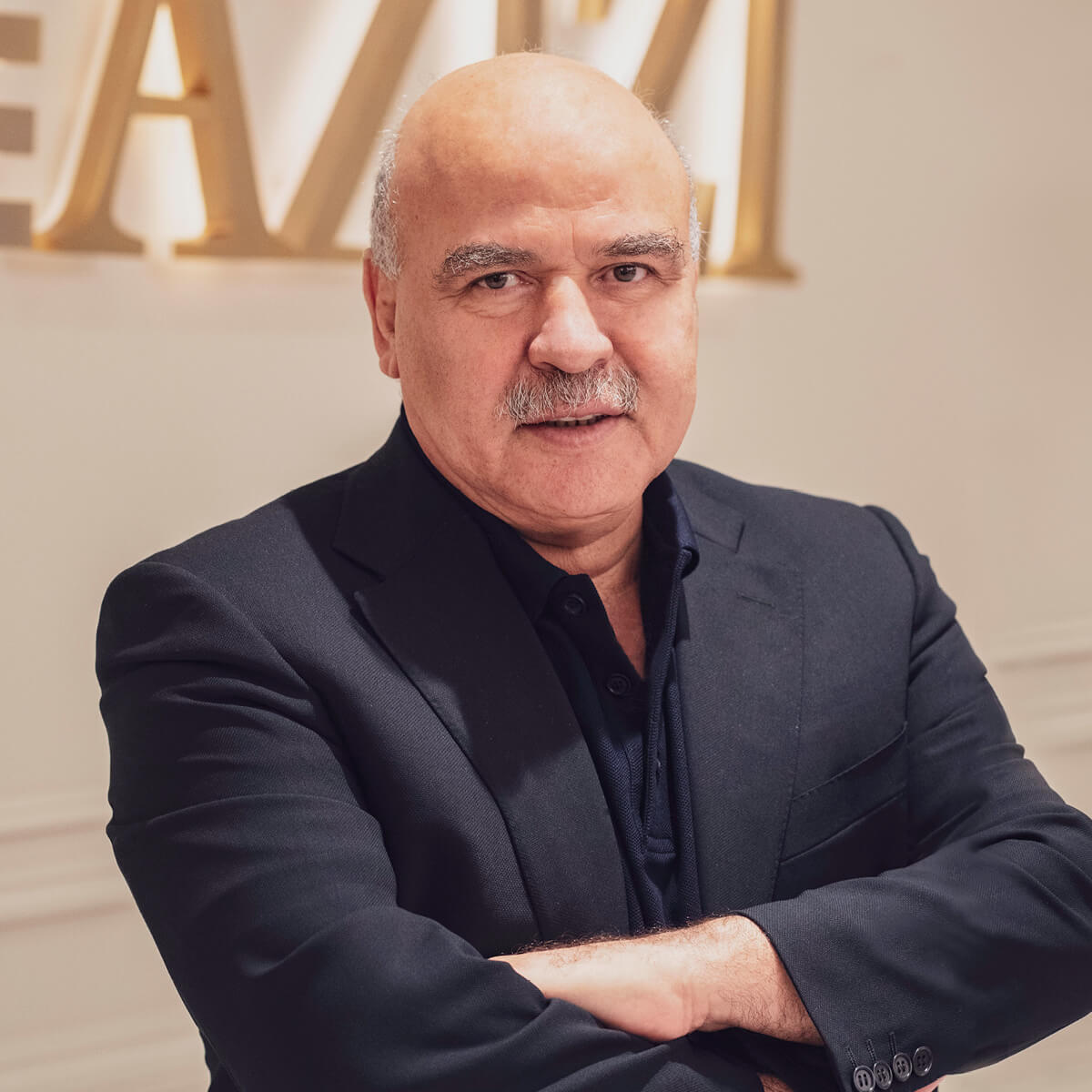
14. Mirwais Azizi
Azizi Developments
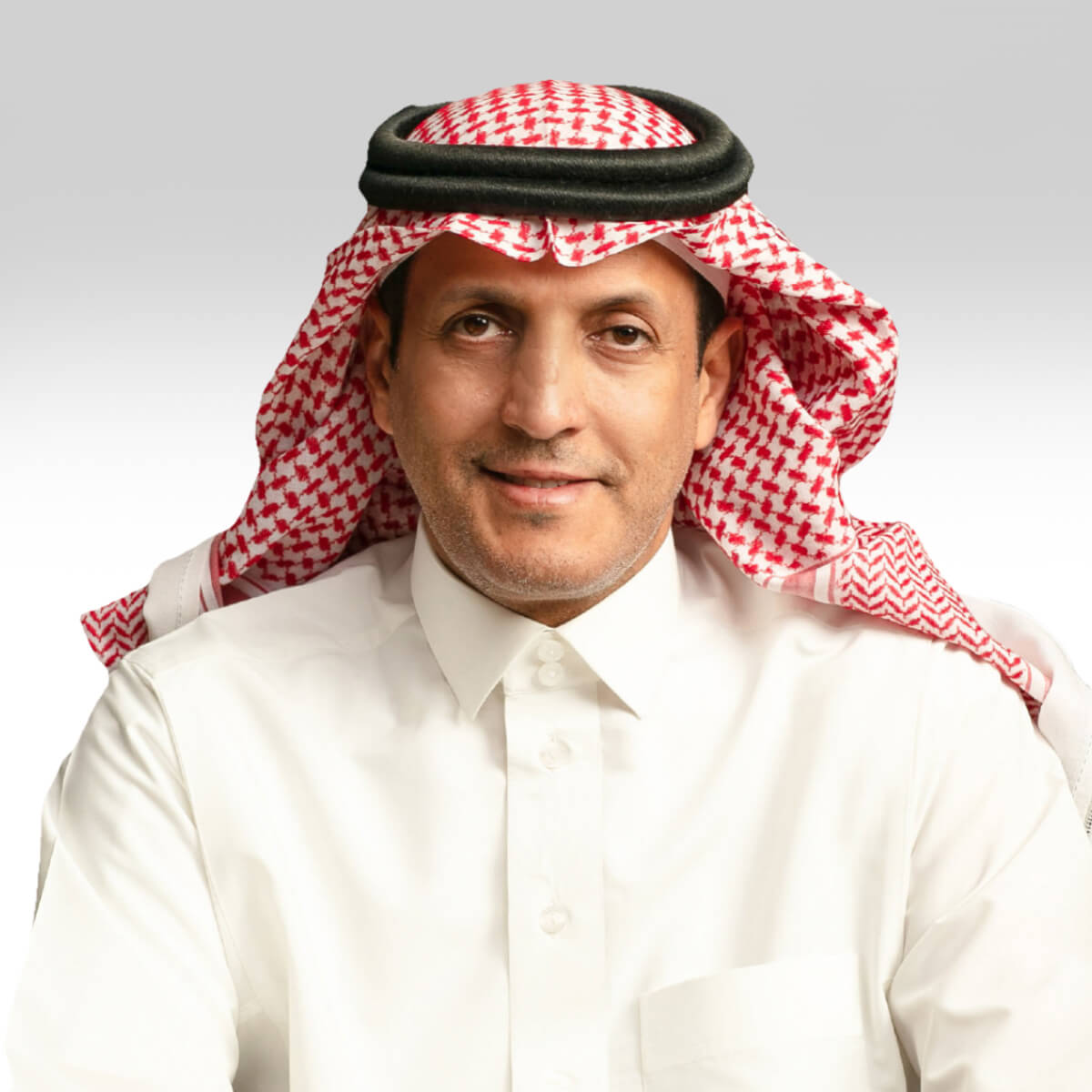
15. Mohammad Albuty
NHC
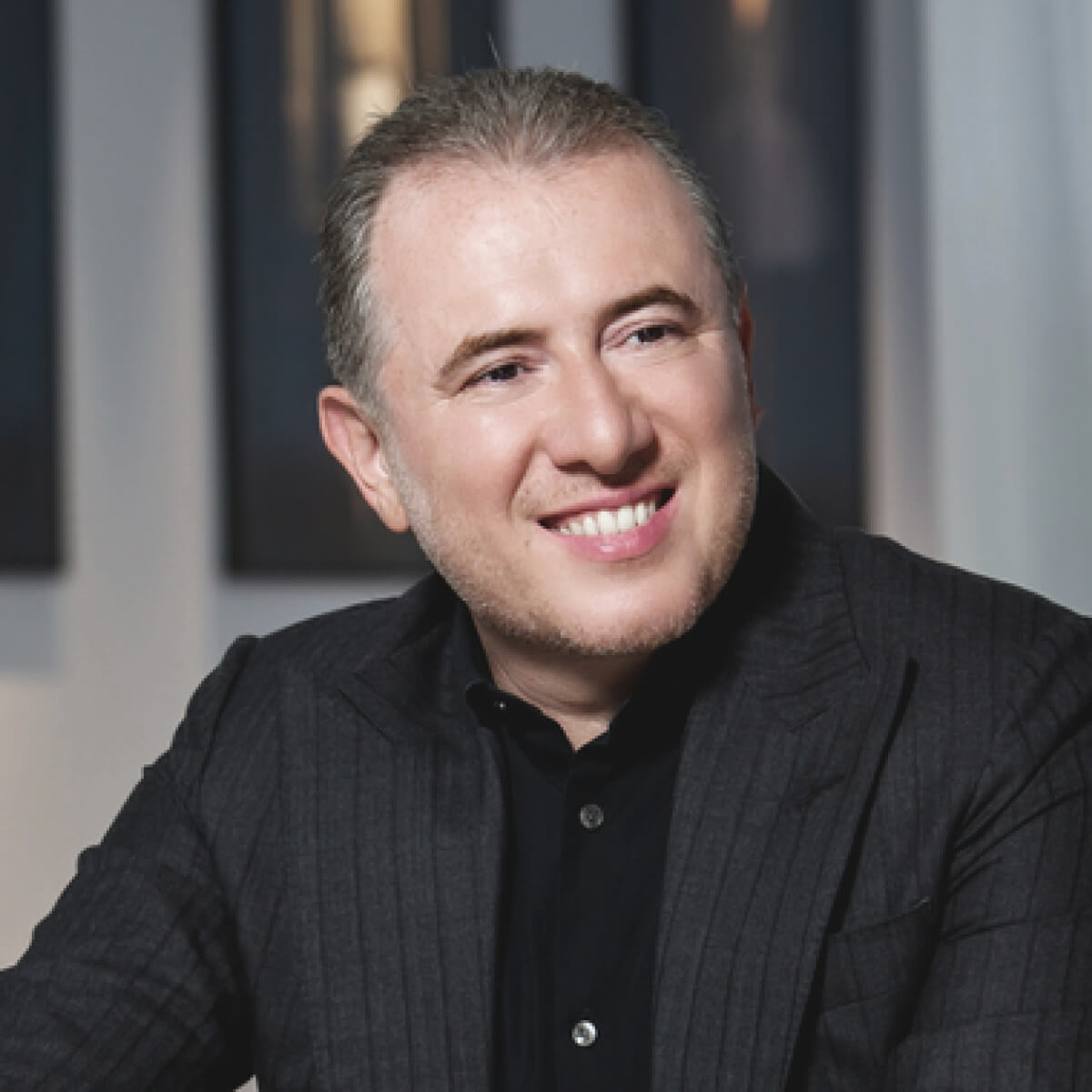
16. Mahdi Amjad
OMNIYAT Group
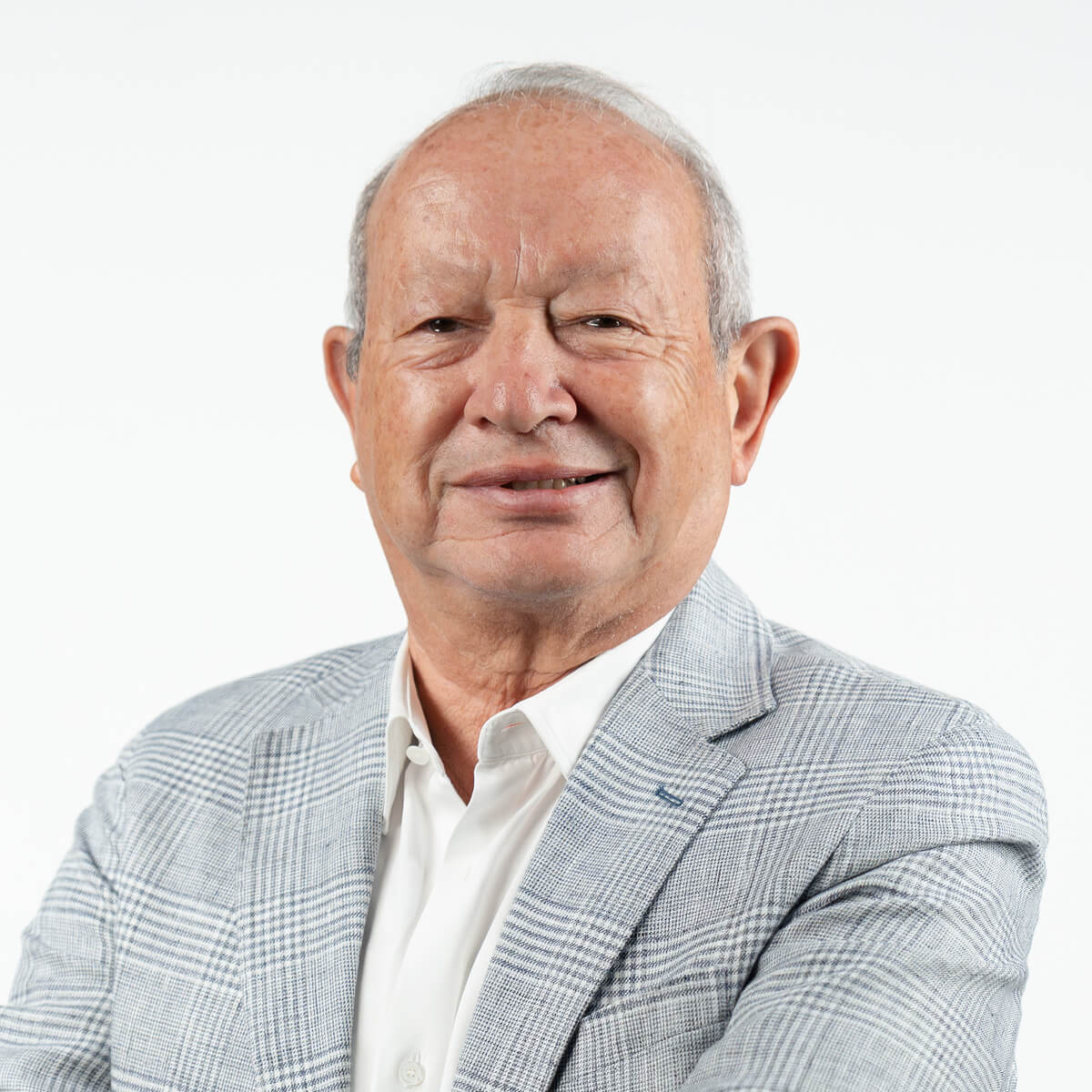
17. Naguib Sawiris
ORA Developers Holding
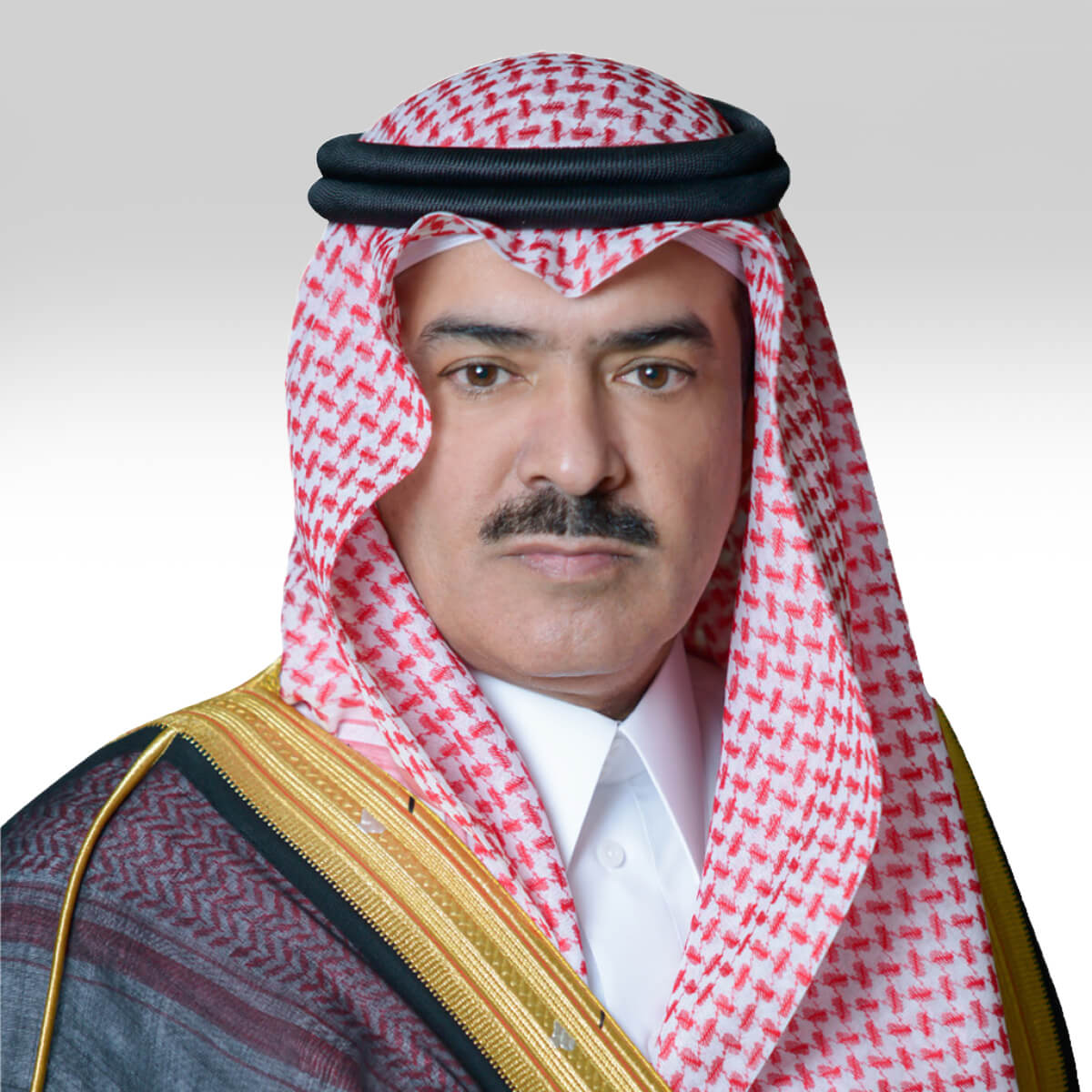
18. Ajlan Abdulaziz Alajlan
Ajlan & Bros Group
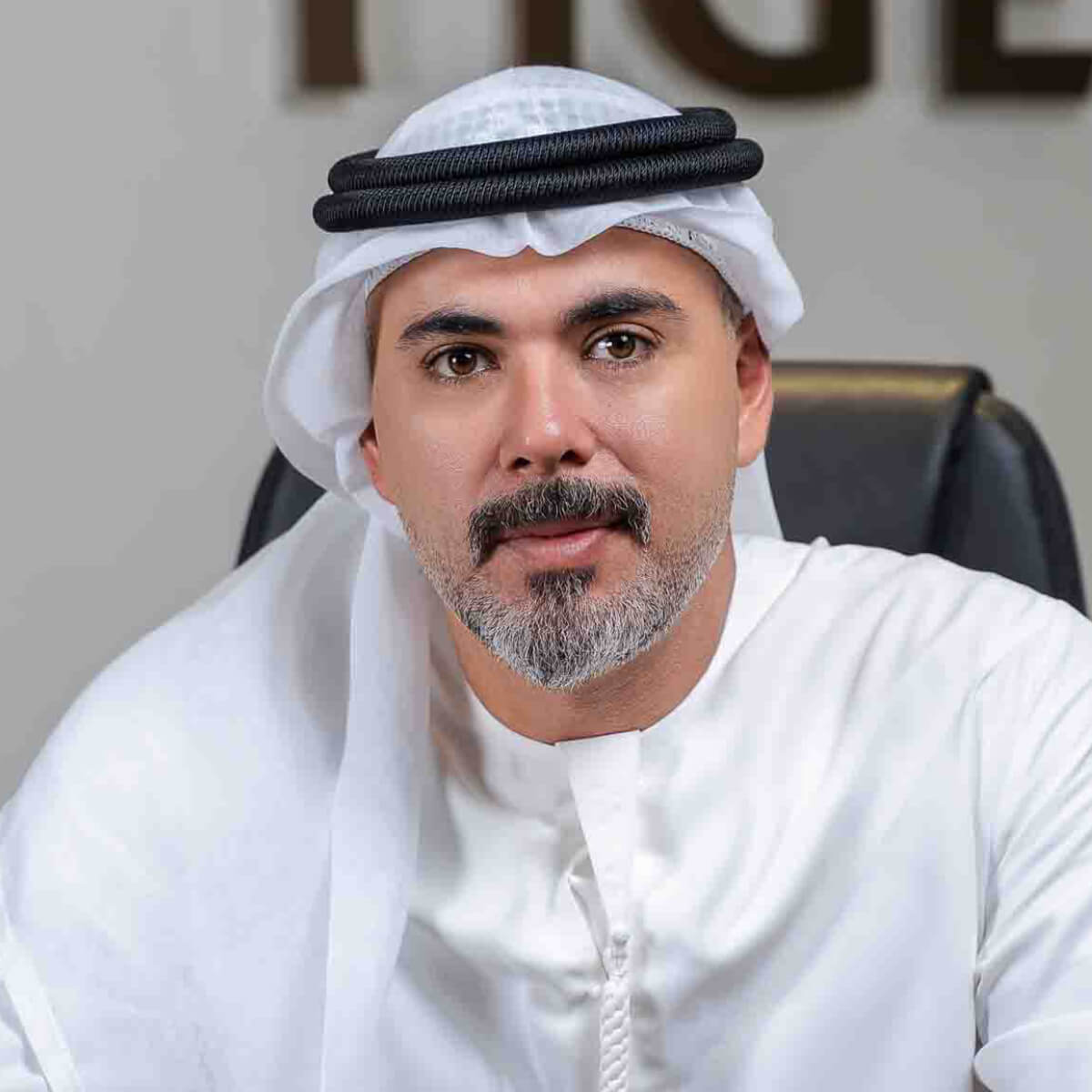
19. Amer Waleed Al Zaabi
Tiger Properties
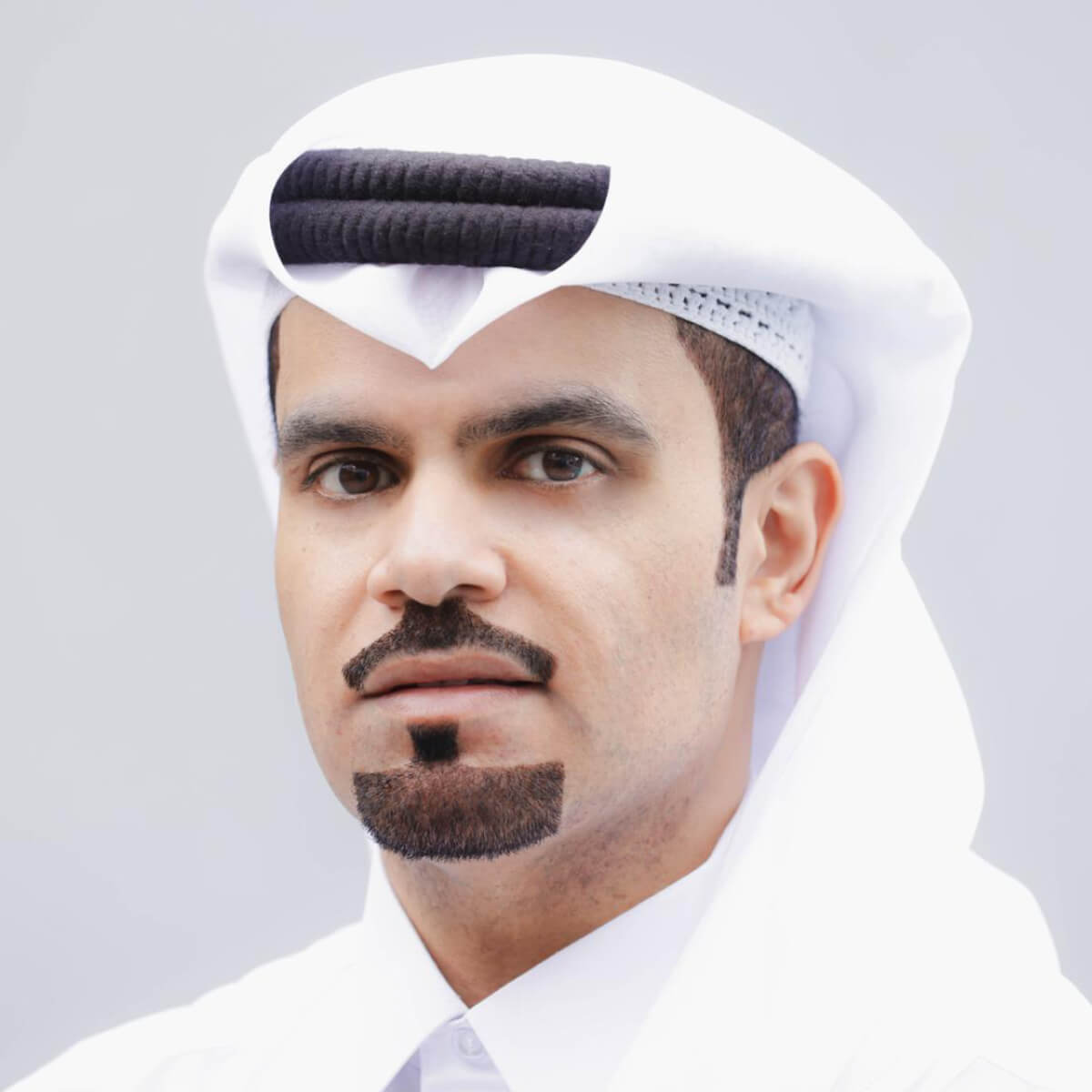
20. Ahmed Mohamed Al Tayeb
BARWA Real Estate Group
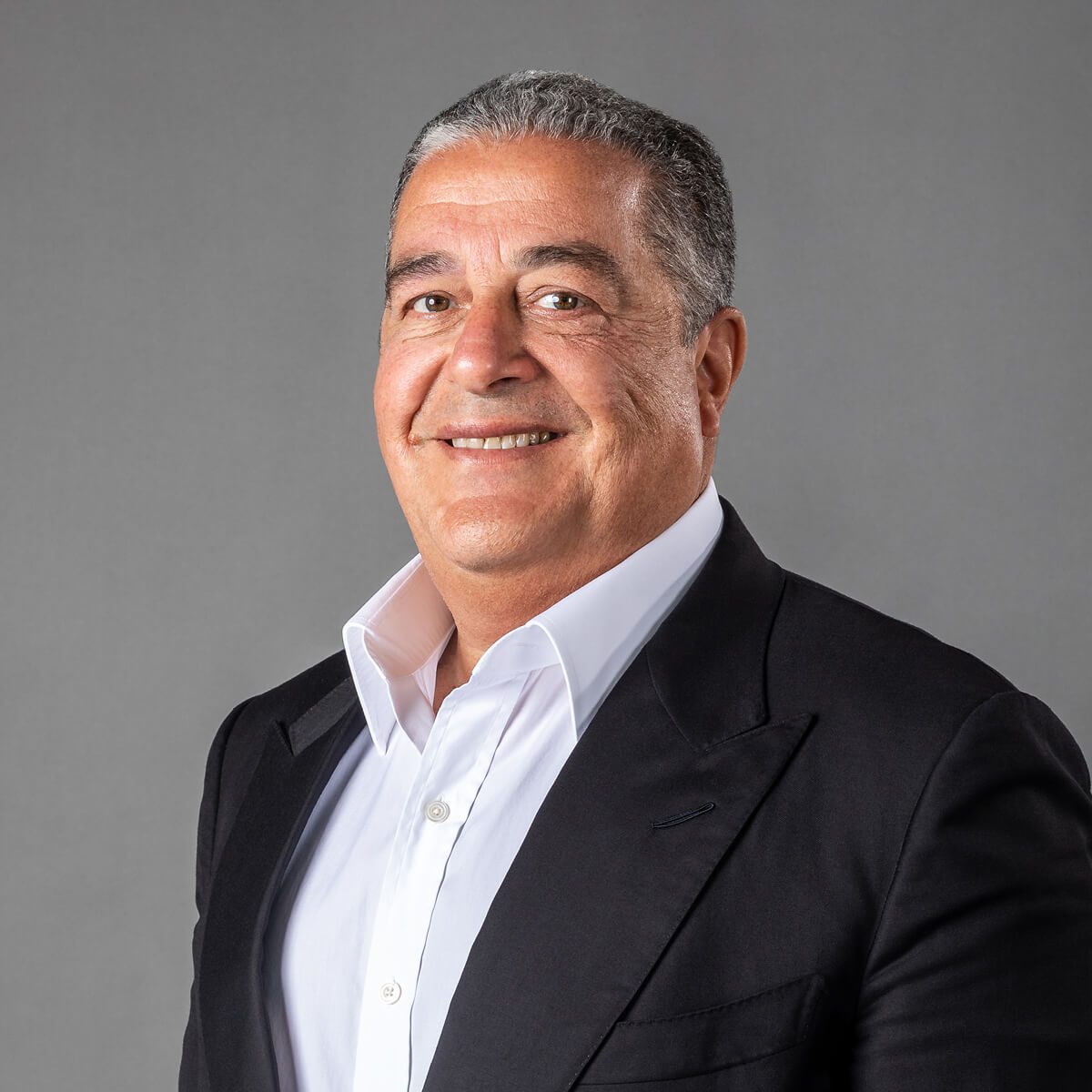
21. Yasseen Mansour
Palm Hills Developments (PHD)
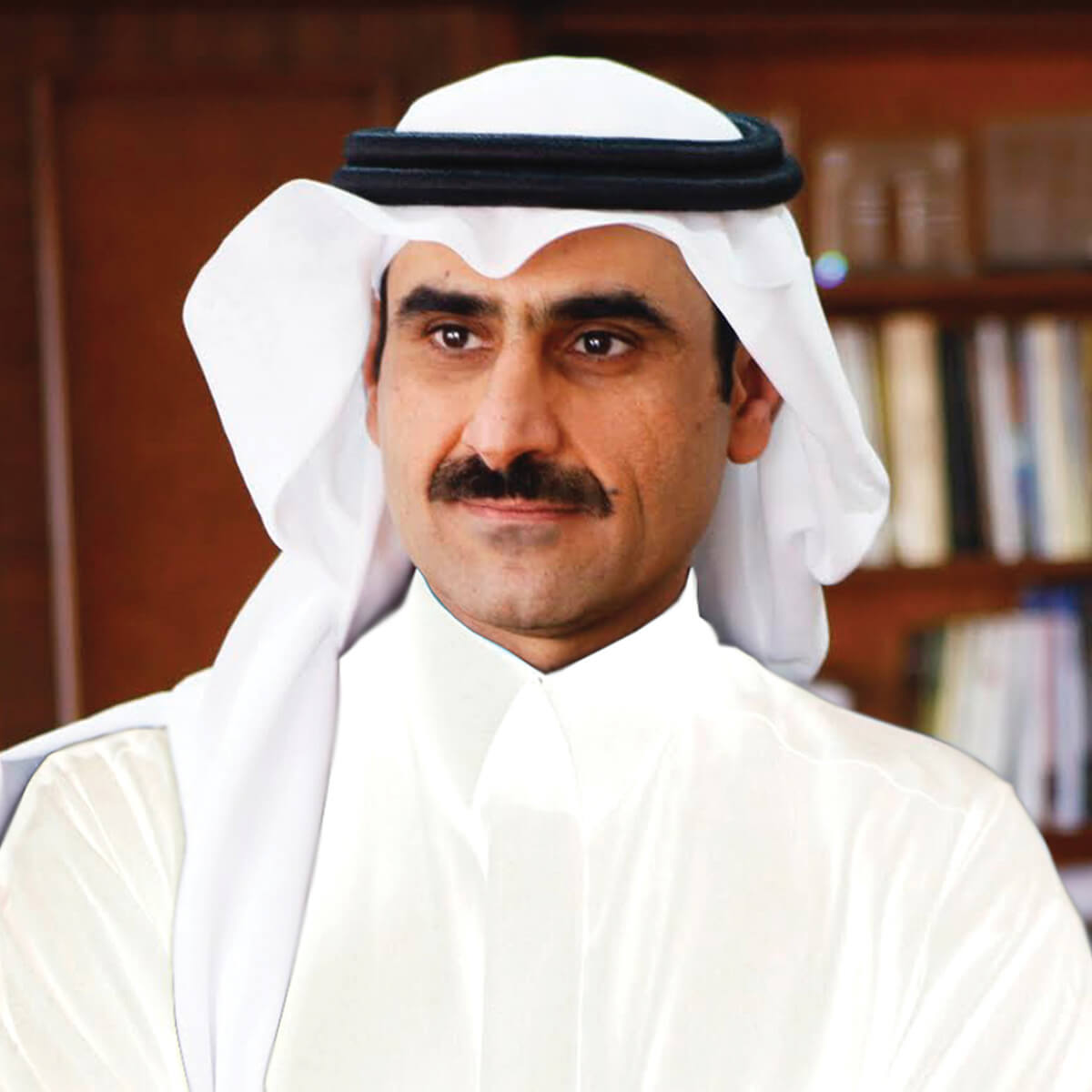
22. Yousef Al Shelash
Dar Al Arkan
23. Kabir Mulchandani
FIVE Holdings
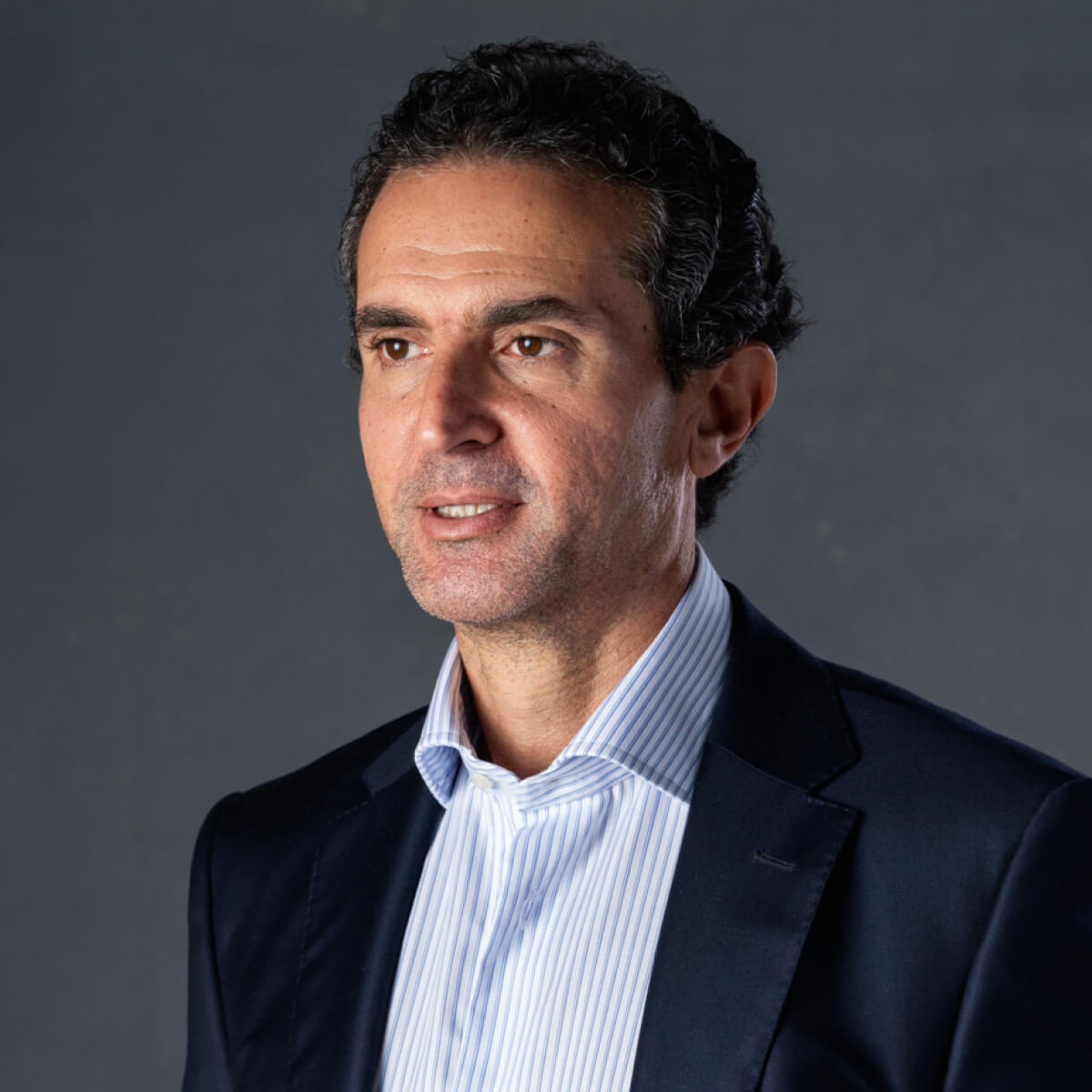
24. Mohamed Hassan Allam
Hassan Allam Properties (HAP)
25. Abdulmalik Al Othaim
Al Othaim Investment
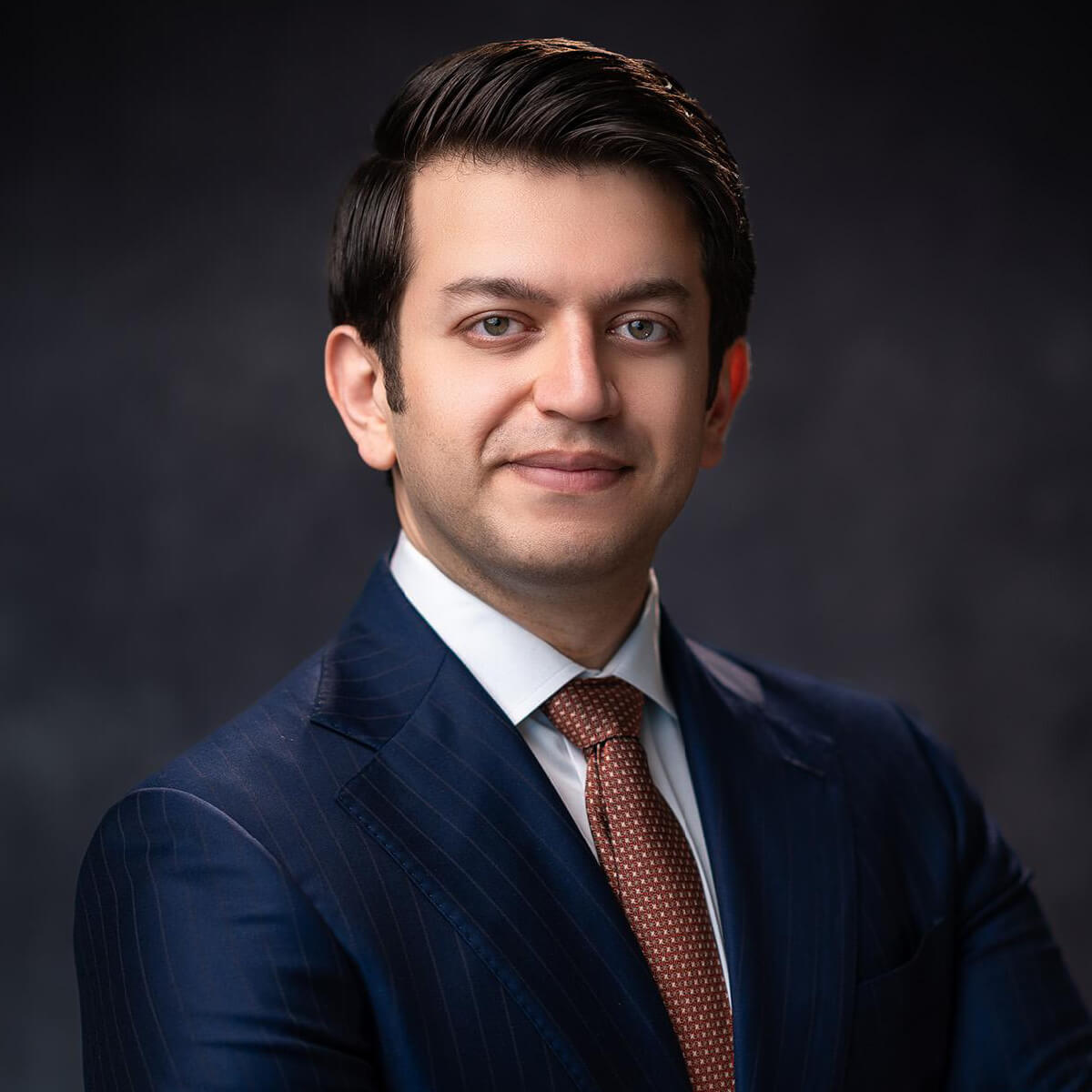
26. Masih Imtiaz
Imtiaz Developments
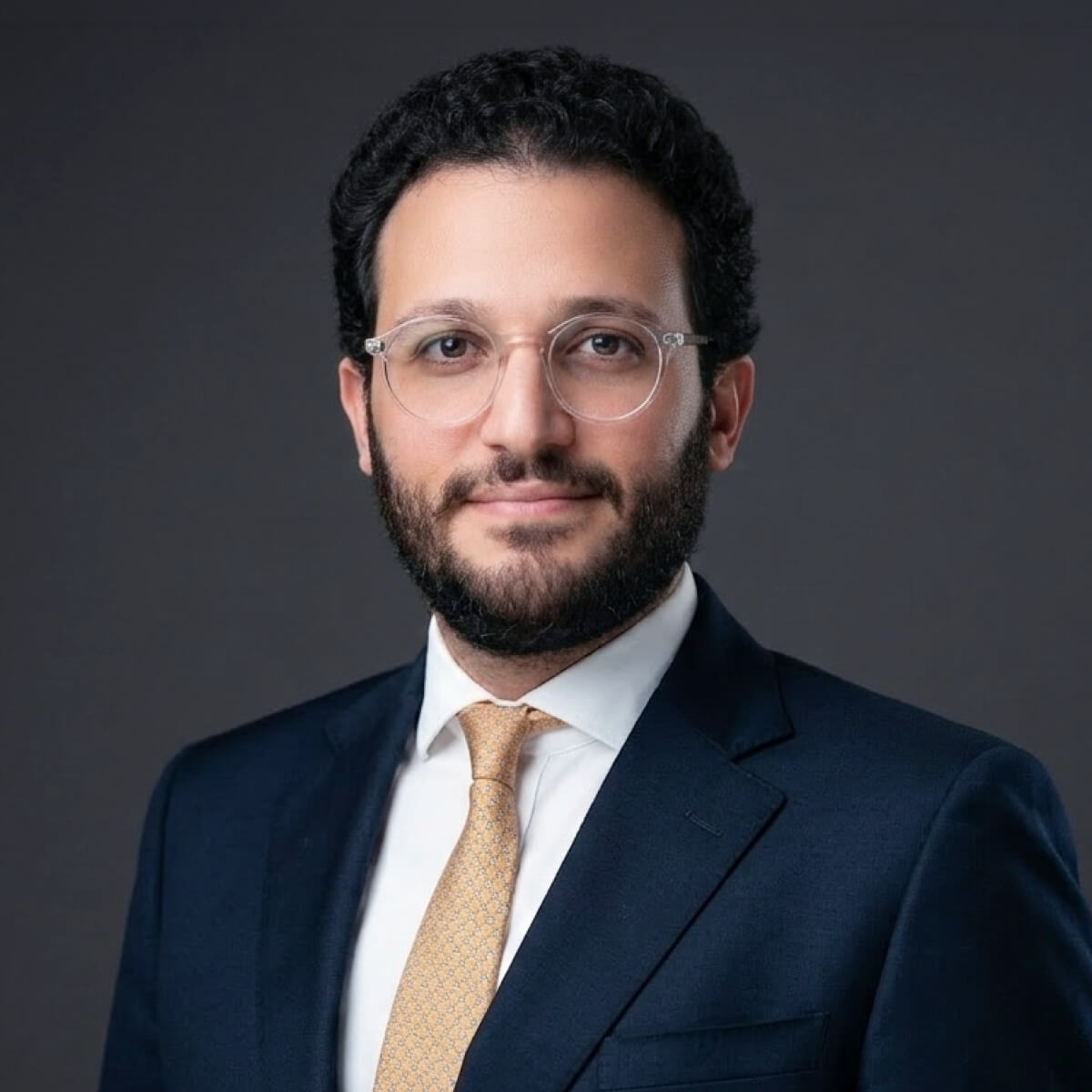
27. Talal Moafaq Al Gaddah
MAG Lifestyle Development
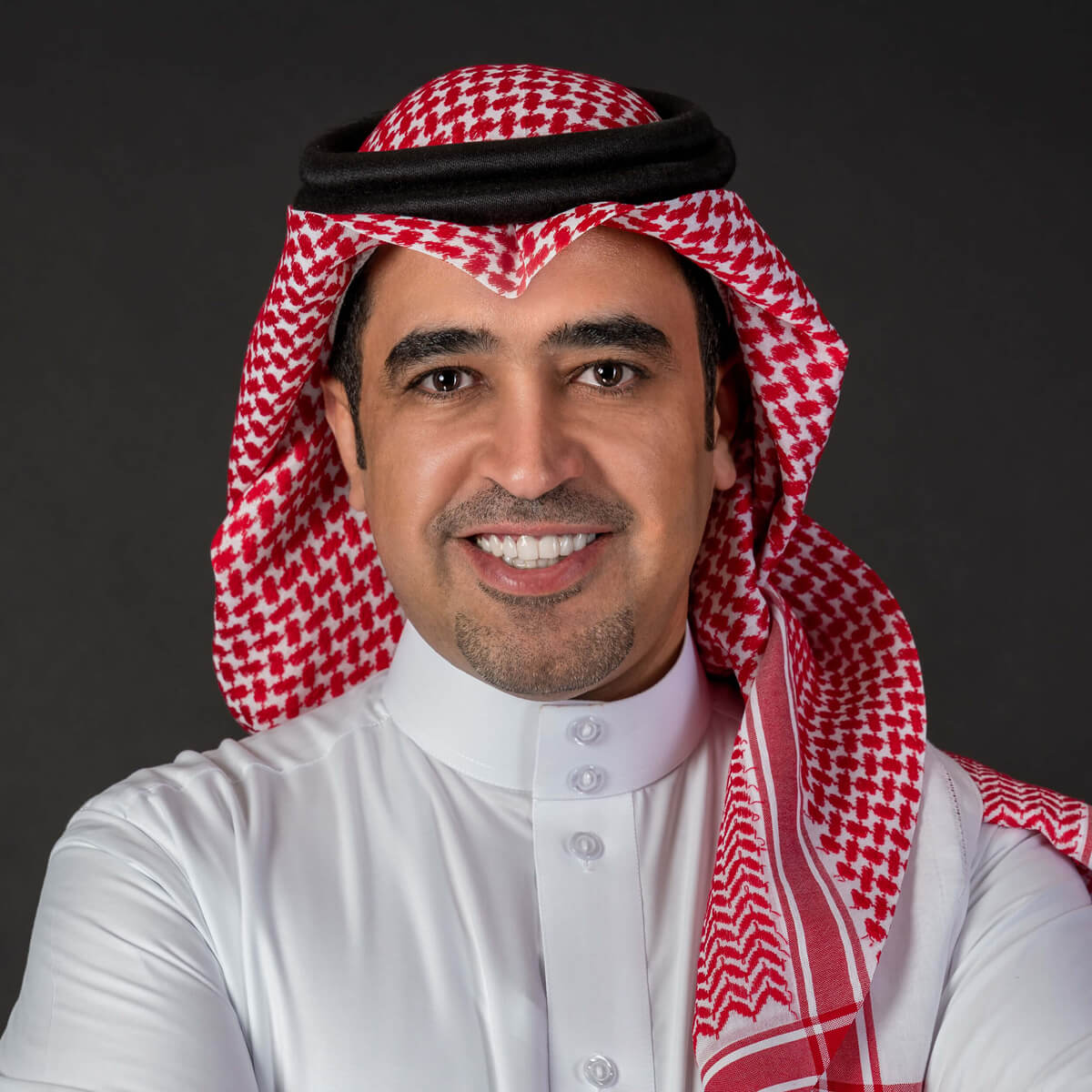
28. Sultan Al-Otaibi
TAIBA
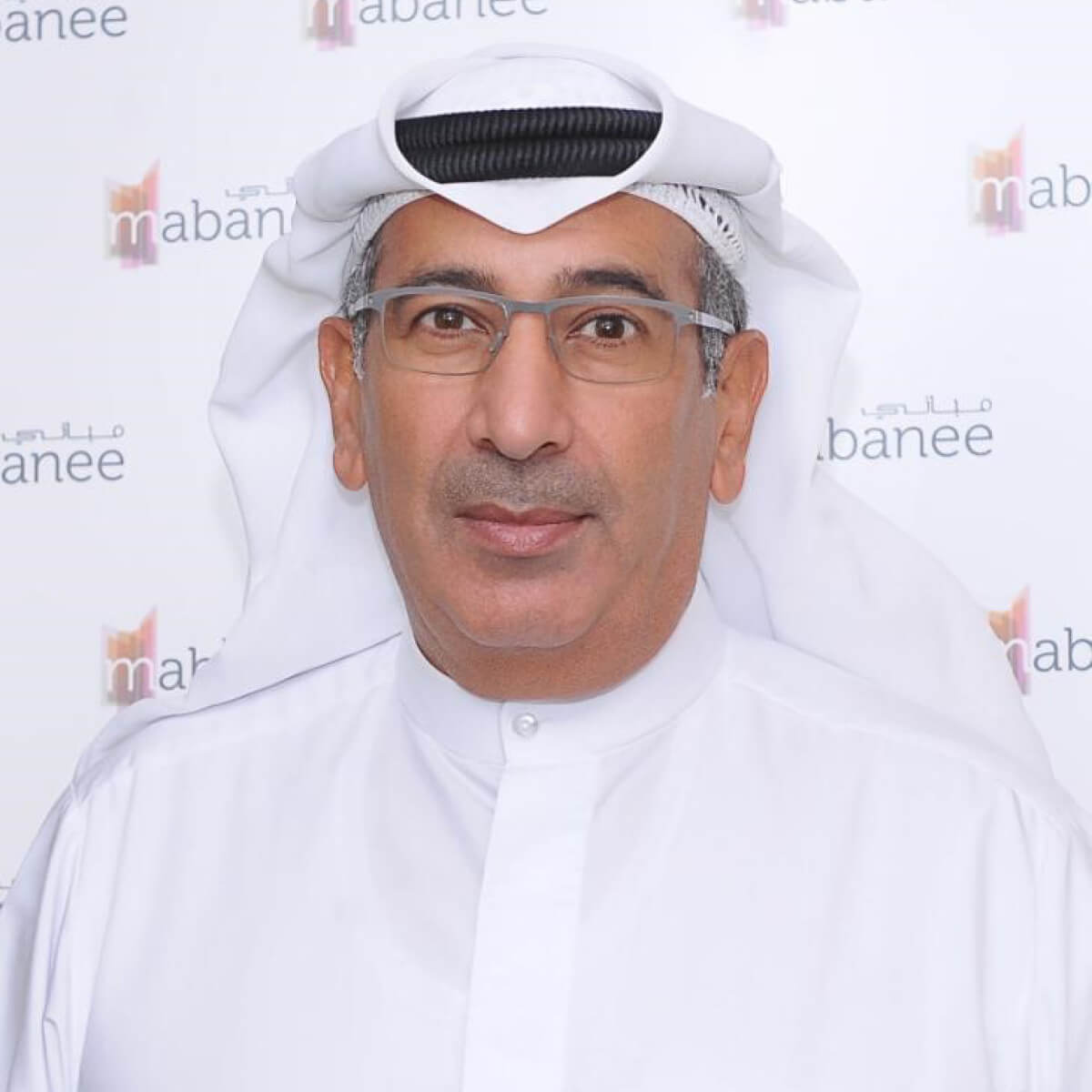
29. Waleed Khaled Alsharian
Mabanee
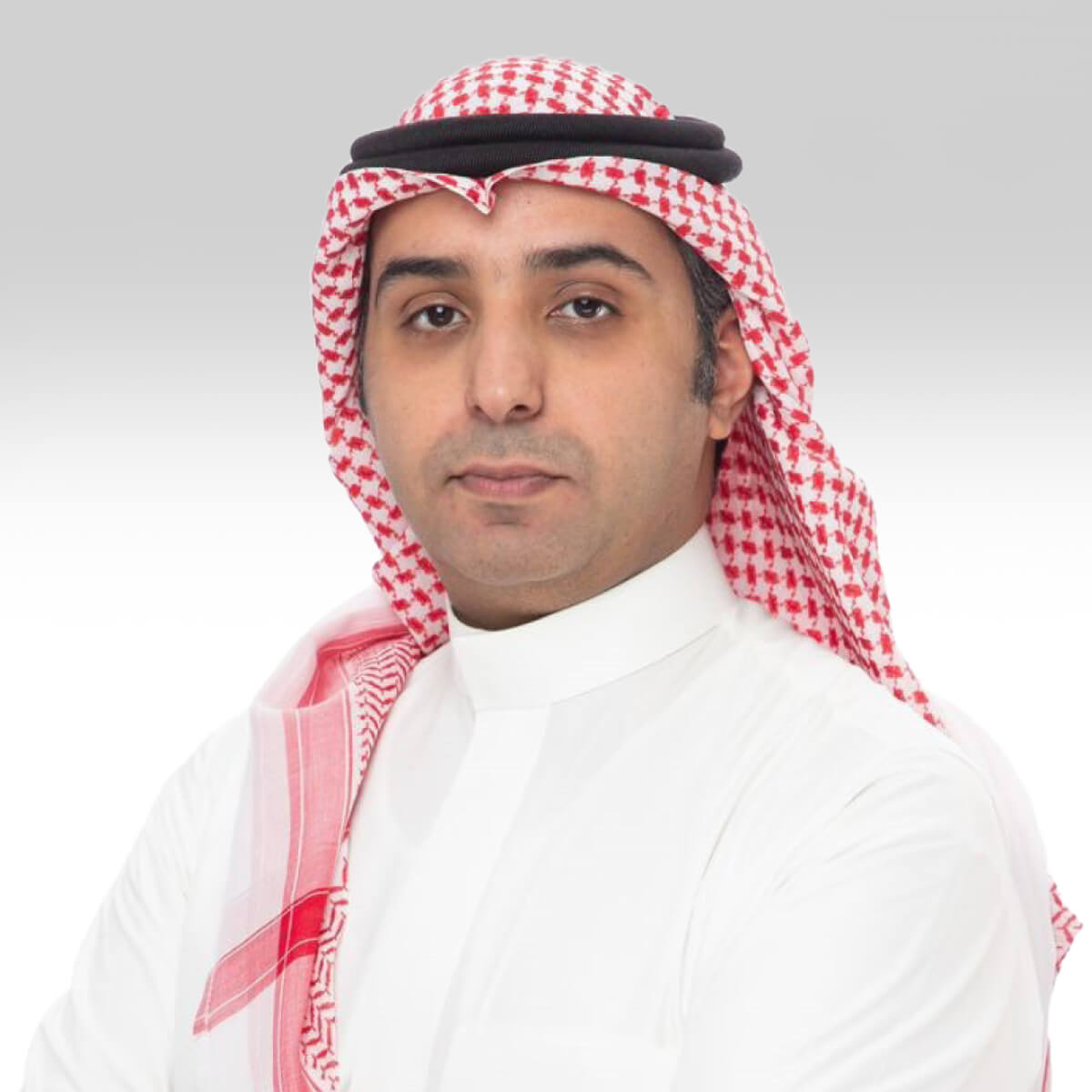
30. Mohammed Al Otaibi
Ajdan Real Estate Development Company
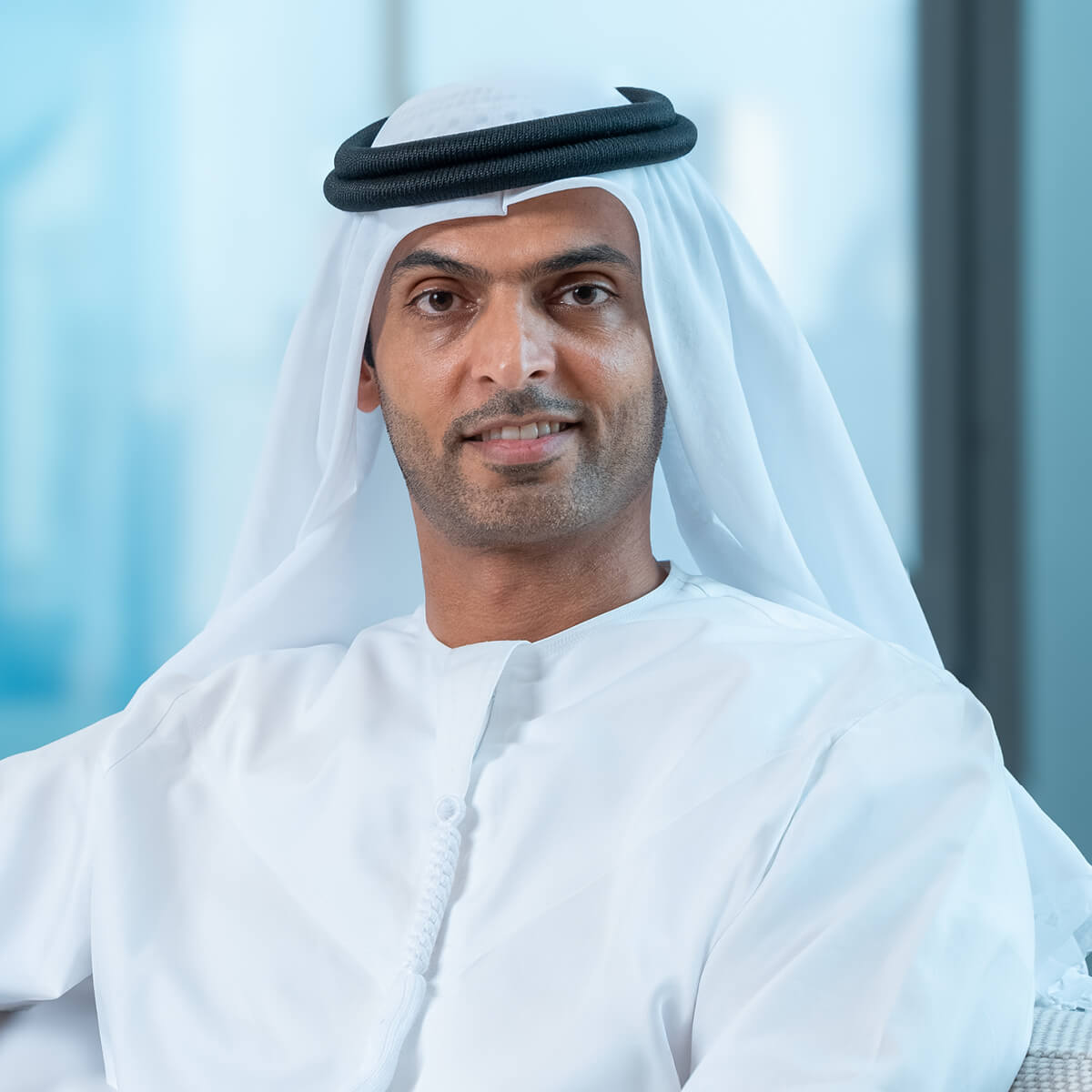
31. Sultan Al Ghurair
Al Ghurair Development
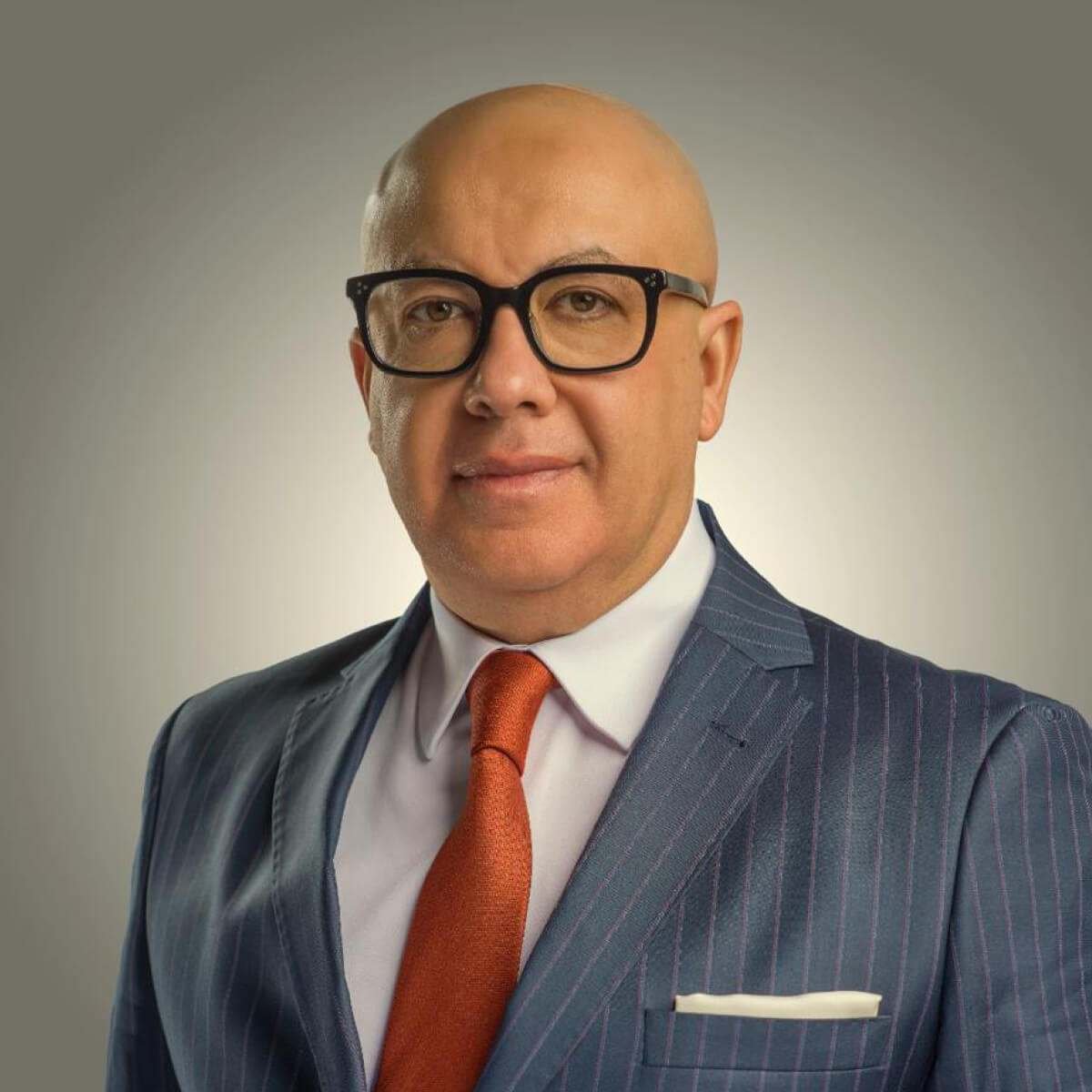
32. Amr Soliman
Mountain View
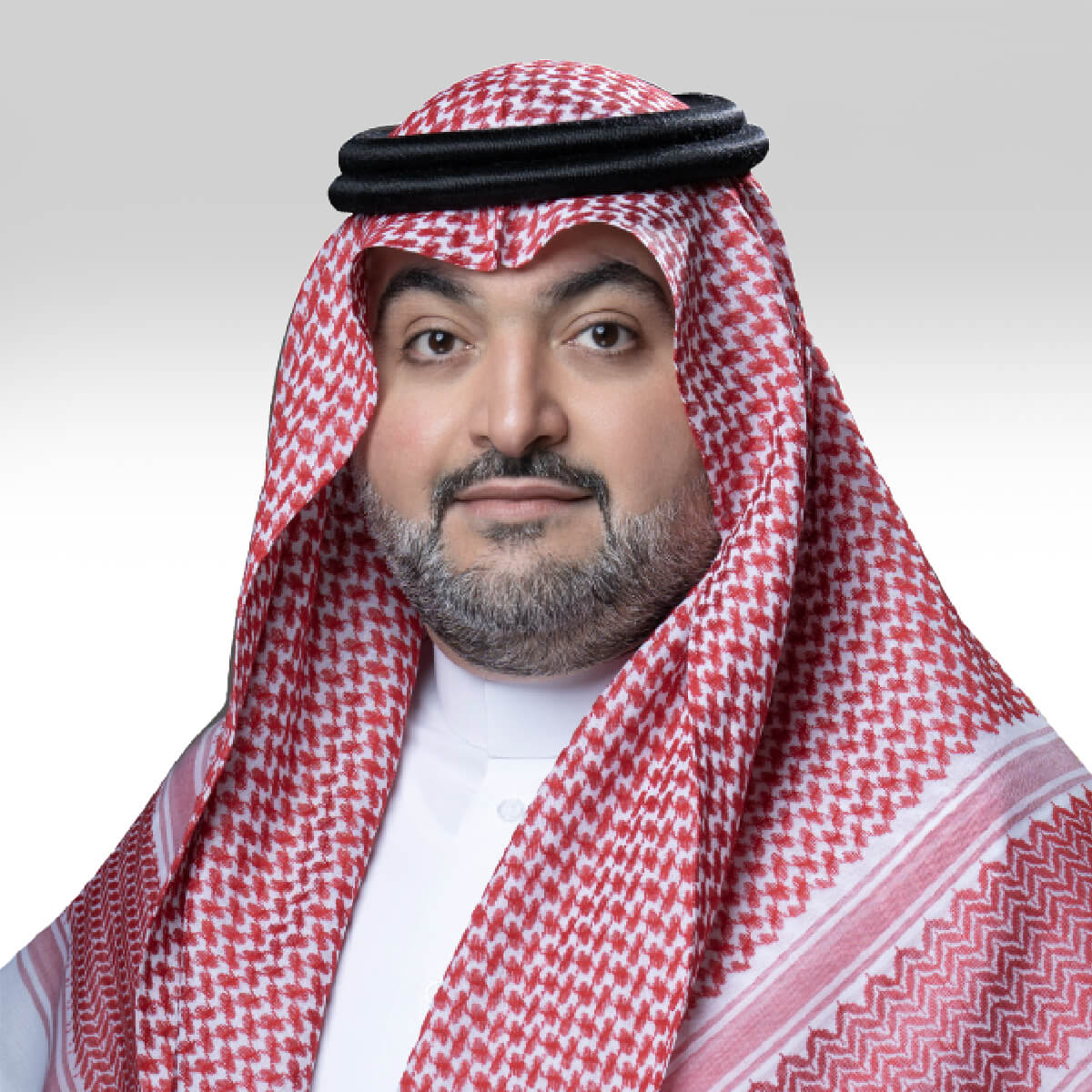
33. Jehad Alkadi
Riyadh Development Company (ARDCO)
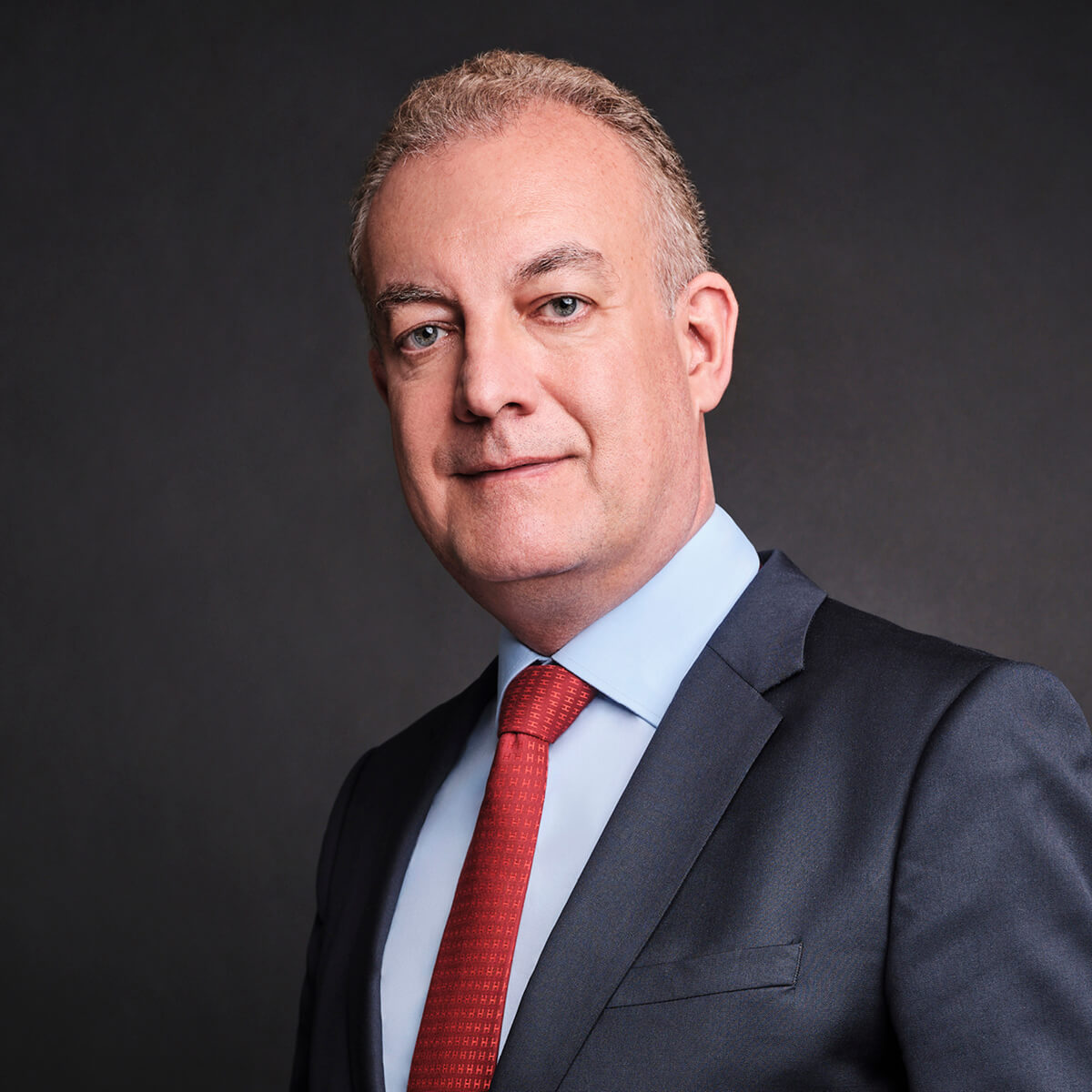
34. Carlos Wakim
Bloom Holding
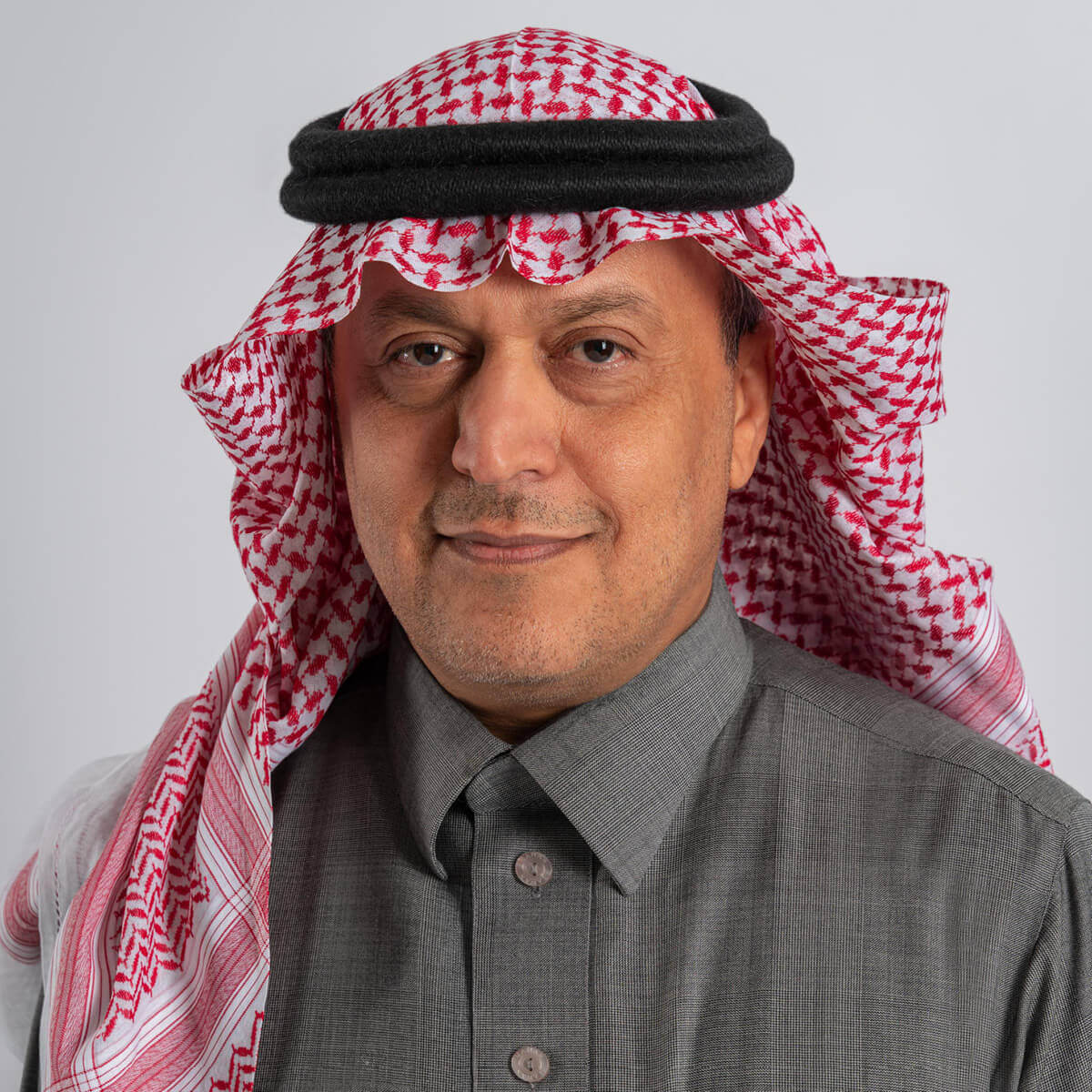
35. Saleh Al-Habdan
Jabal Omar Development Company (JODC)
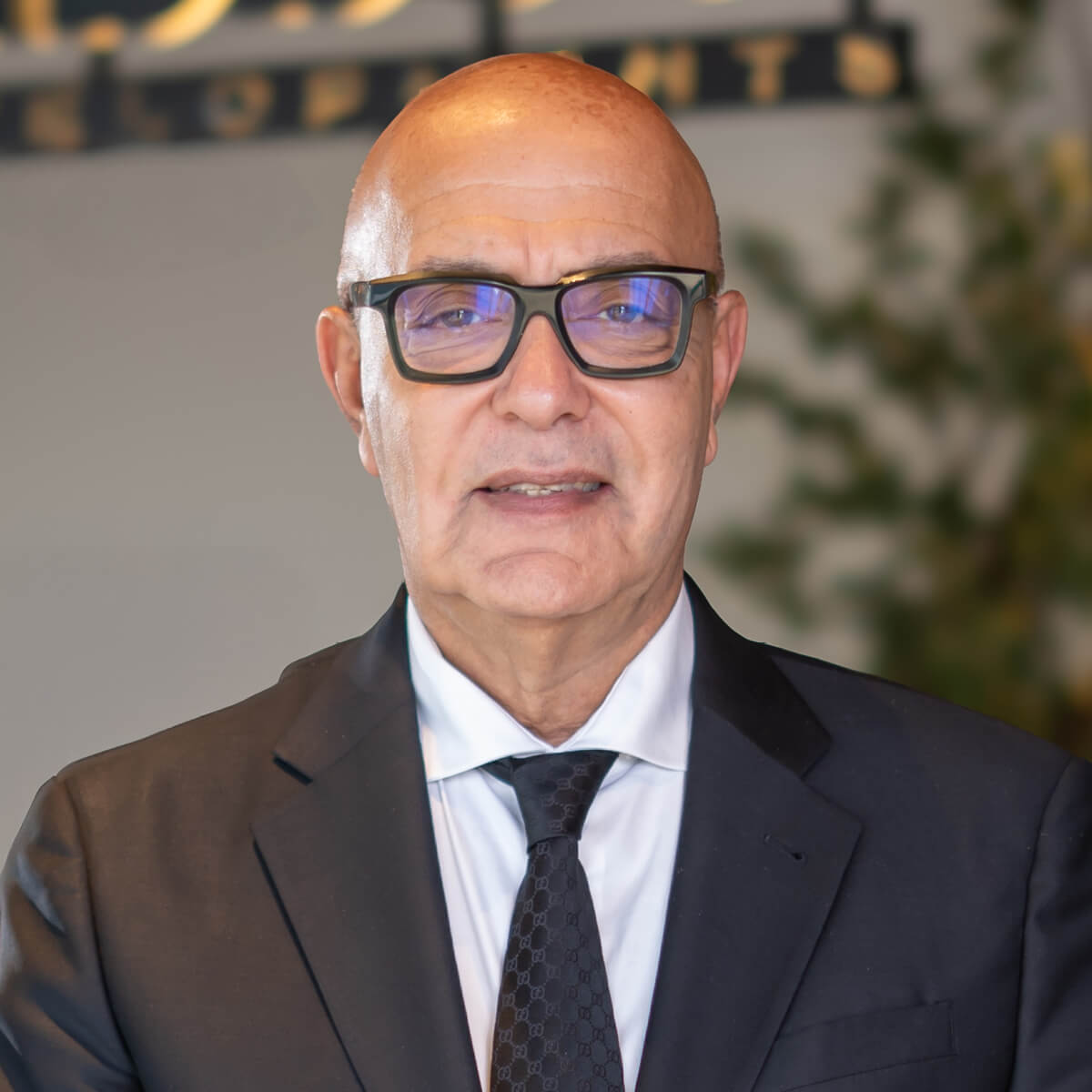
36. Ahmed Sabbour
Al Ahly Sabbour Developments
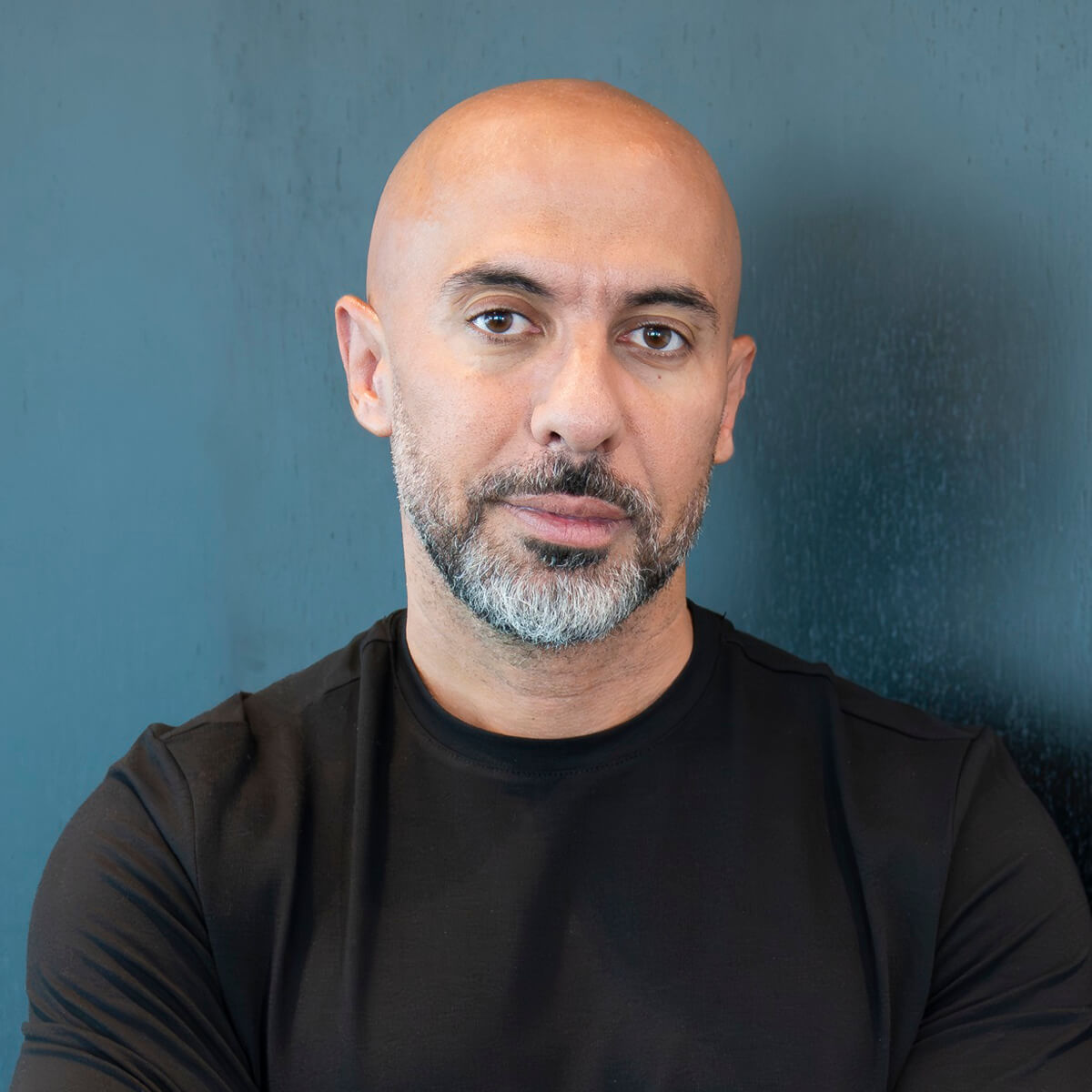
37. Ahmed Alkhoshaibi
Arada
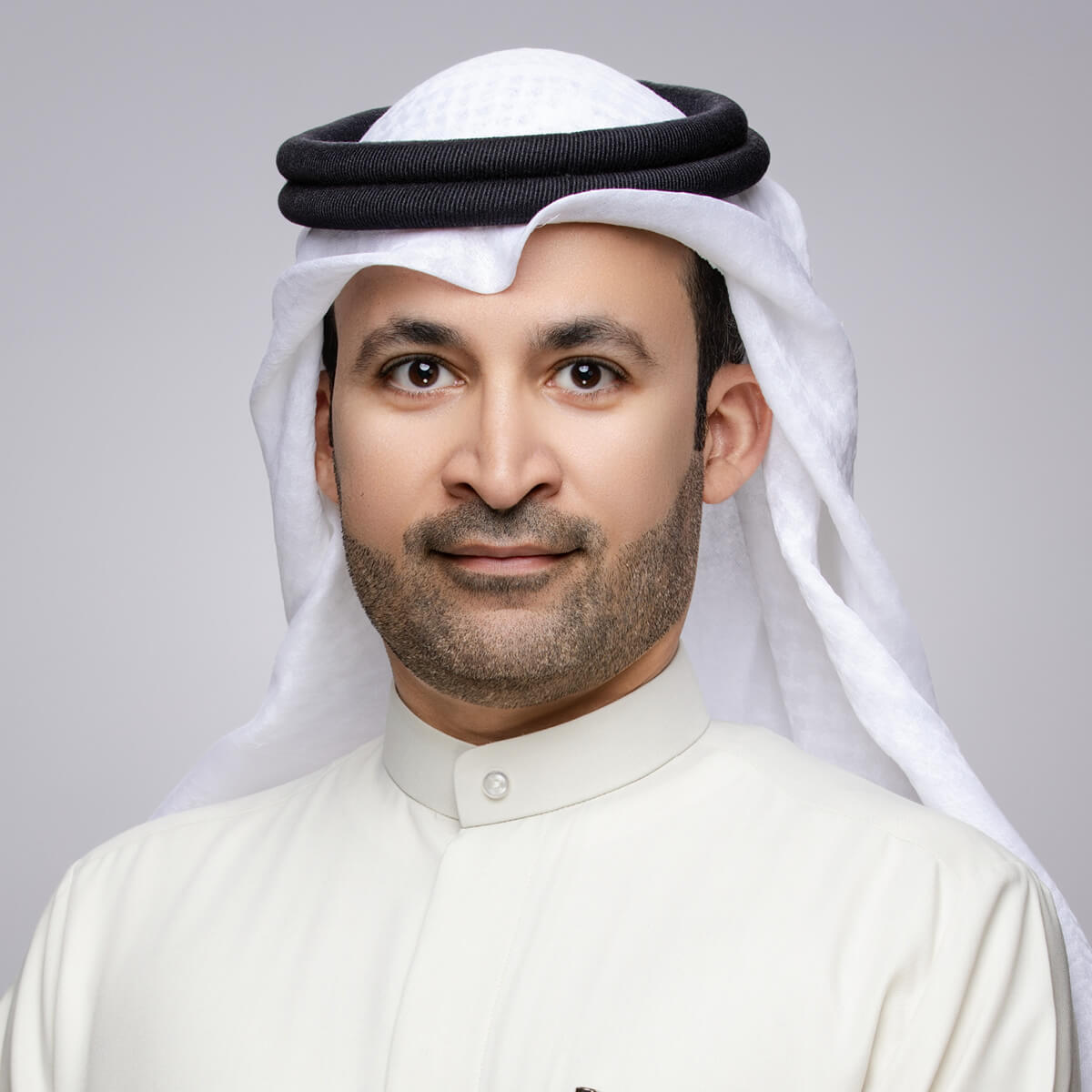
38. Abdulla Rashed Al Abdouli
Marjan
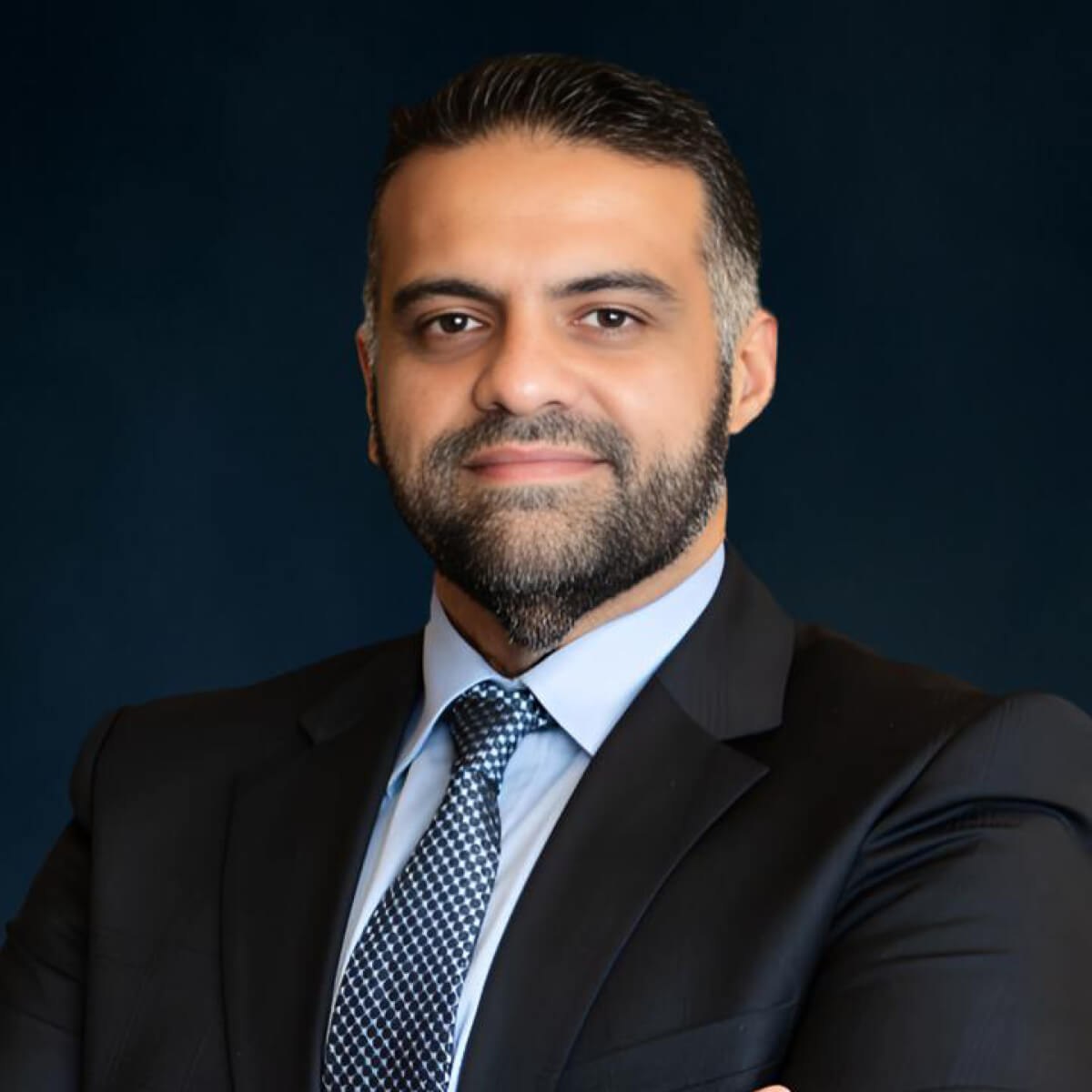
39. Ali Tumbi
AQUA Properties
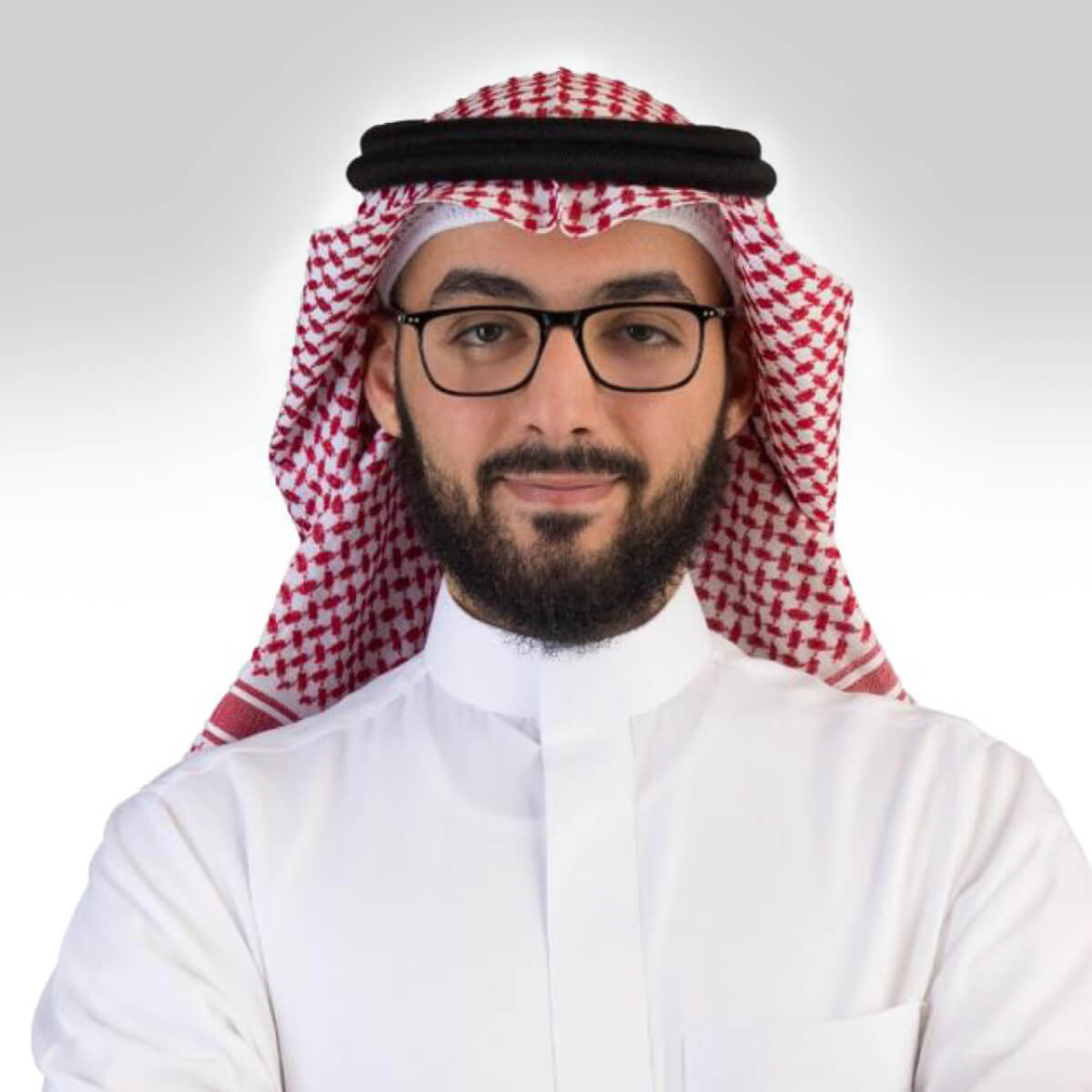
40. Abdulrahman Ayedh Al-Qahtani
Sumou Global Investment (SGI)
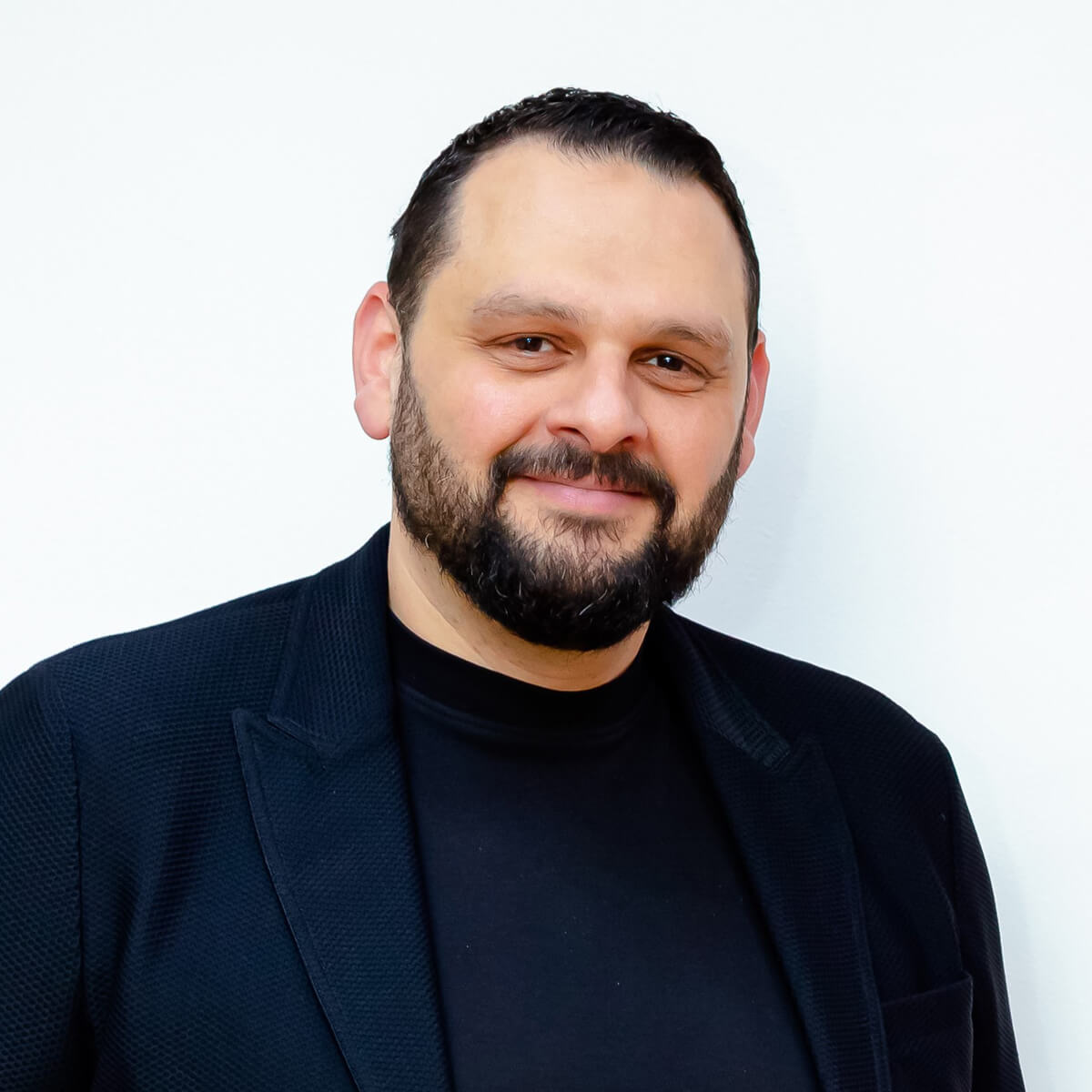
41. Abdallah Sallam
Madinet Masr for Housing & Development
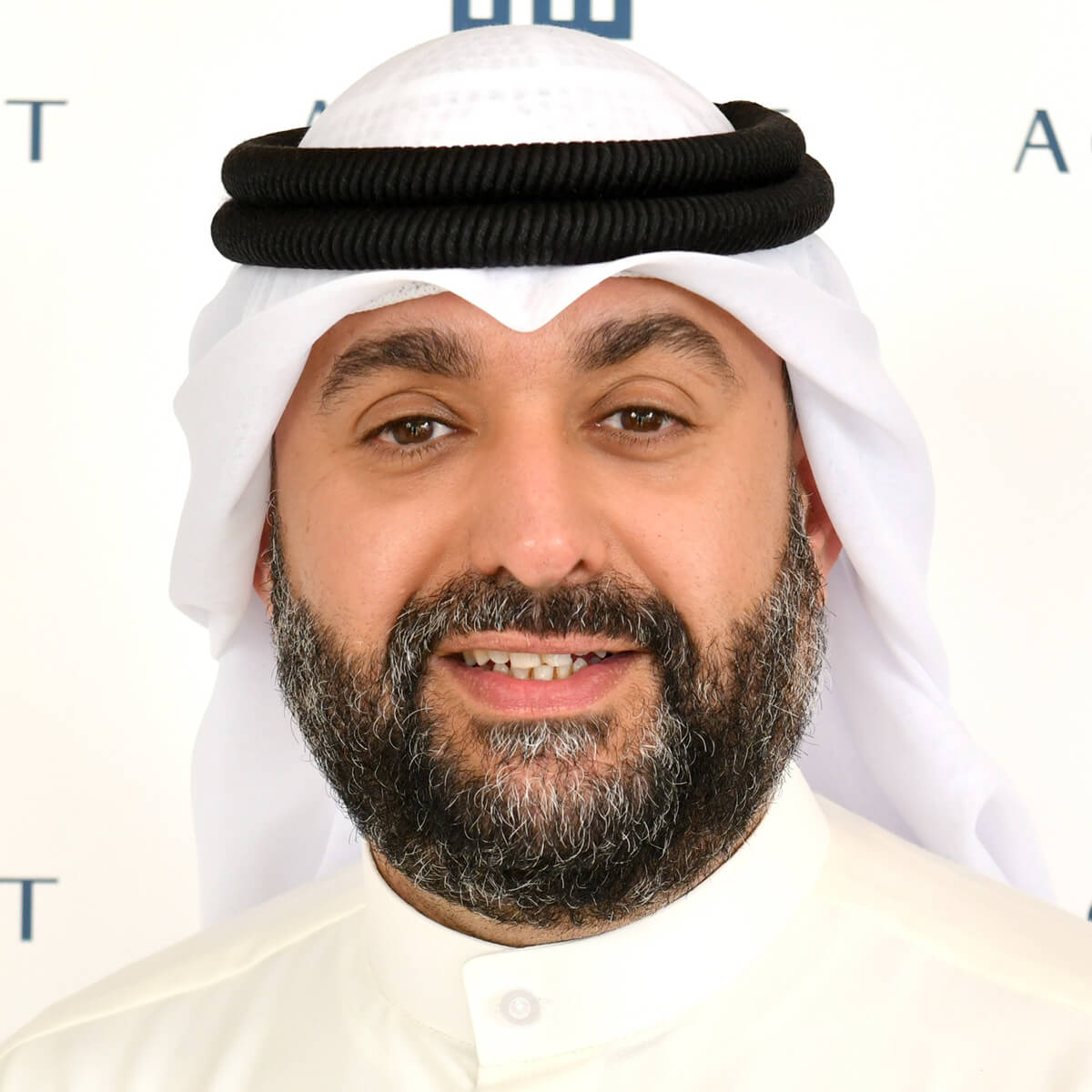
42. Talal Jassim Al-Bahar
Kuwait Real Estate Company (AQARAT)
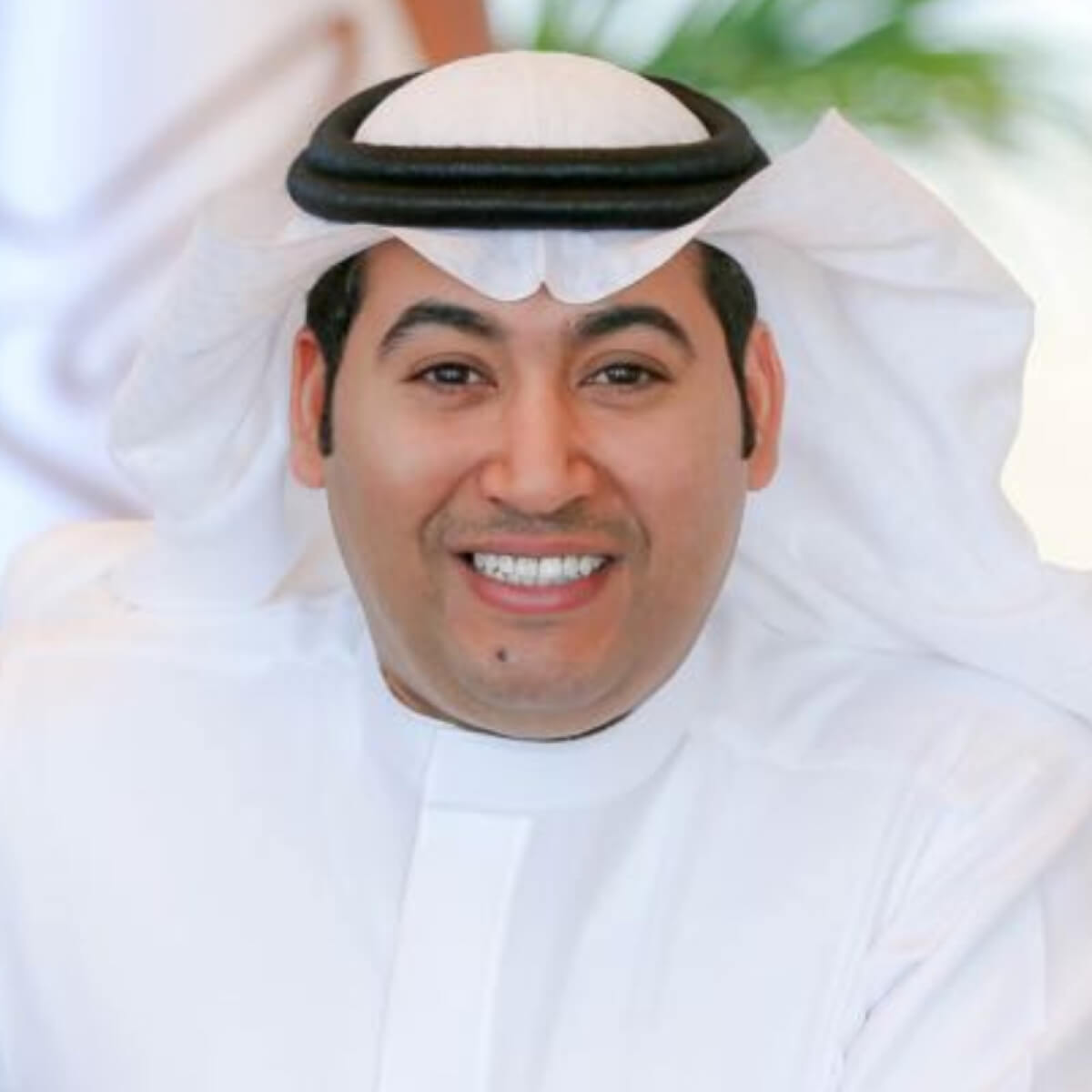
43. Abdullah Al Braikan
Retal Urban Development Company
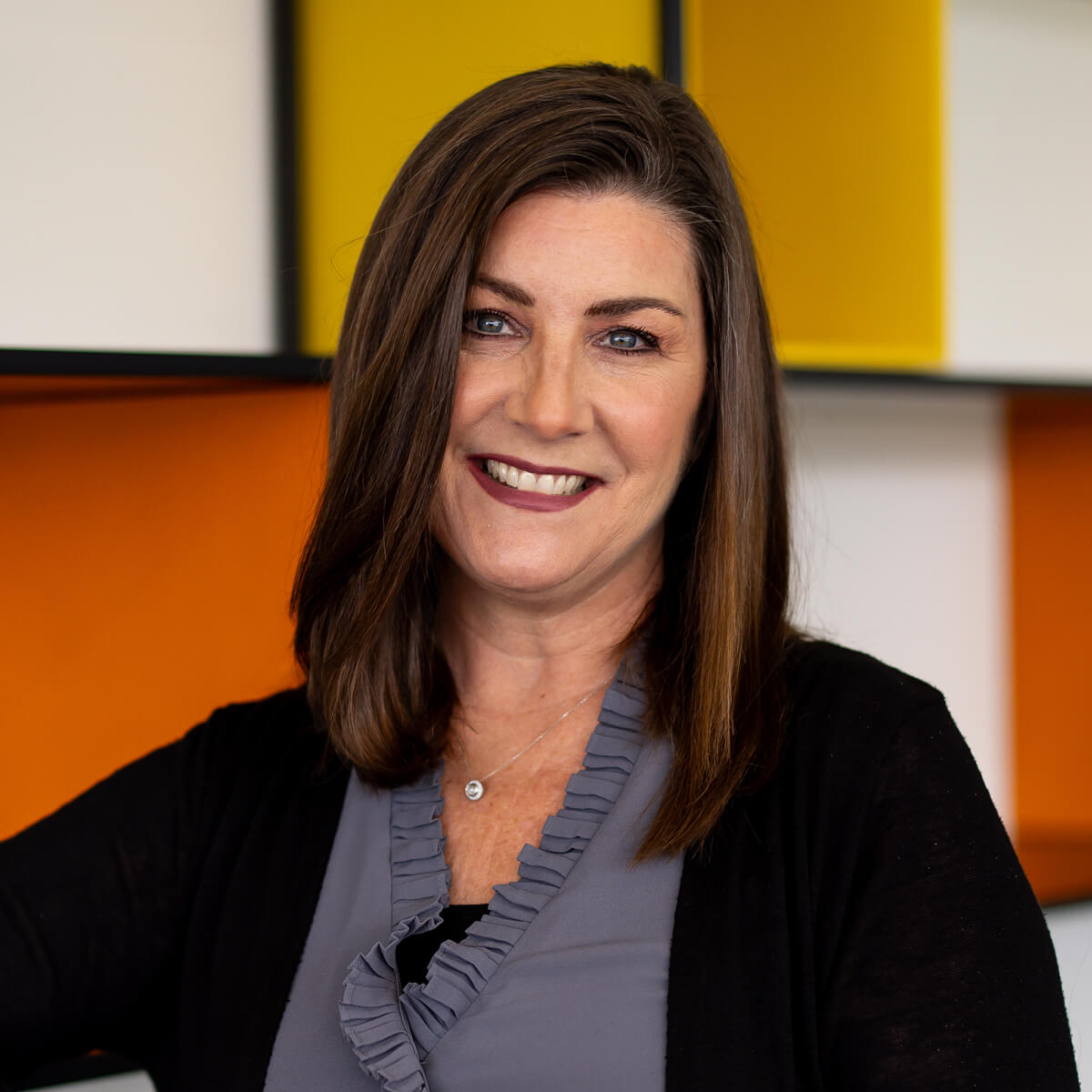
44. Alison Rehill-Erguven
Cenomi Centers
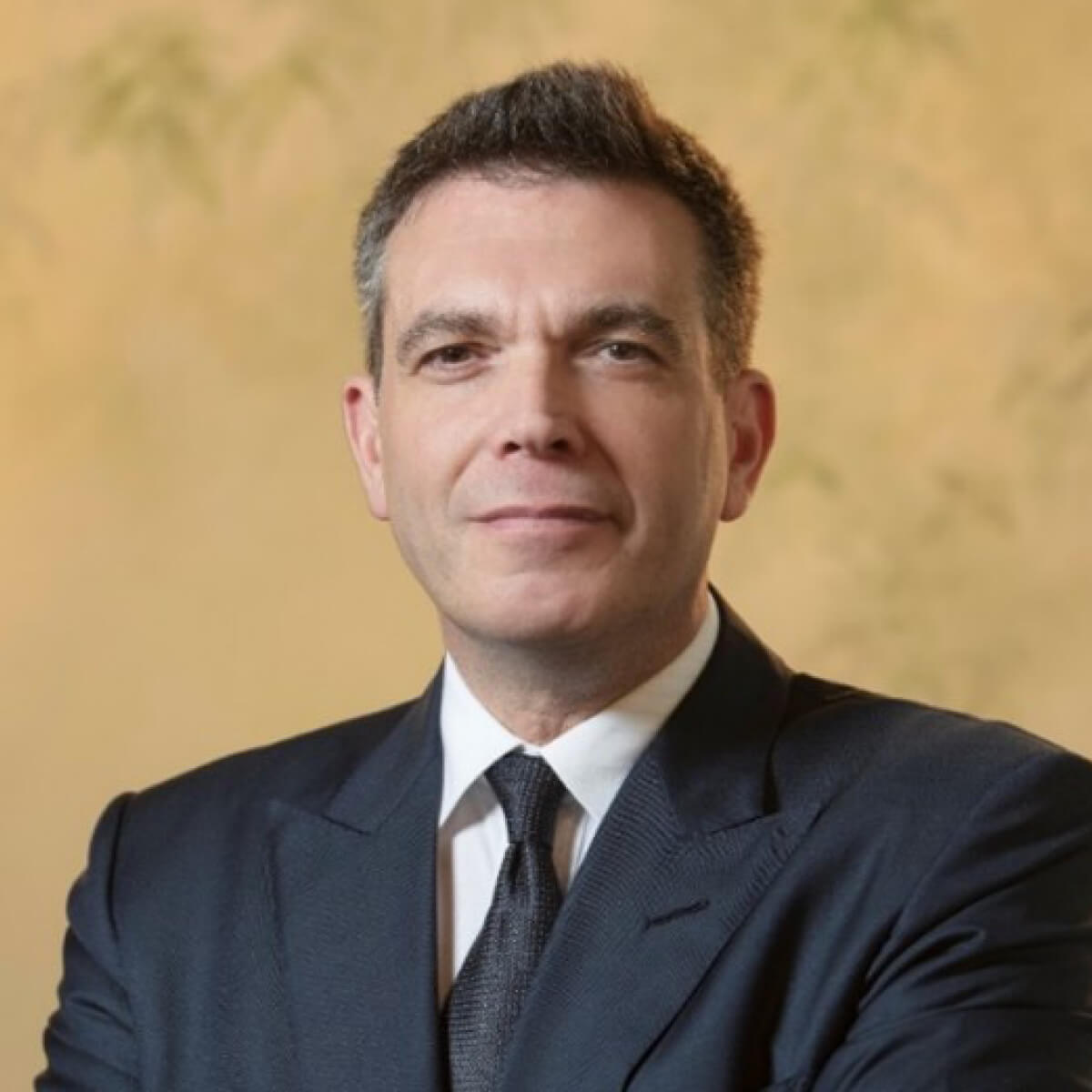
45. Ziad El Chaar
Dar Global
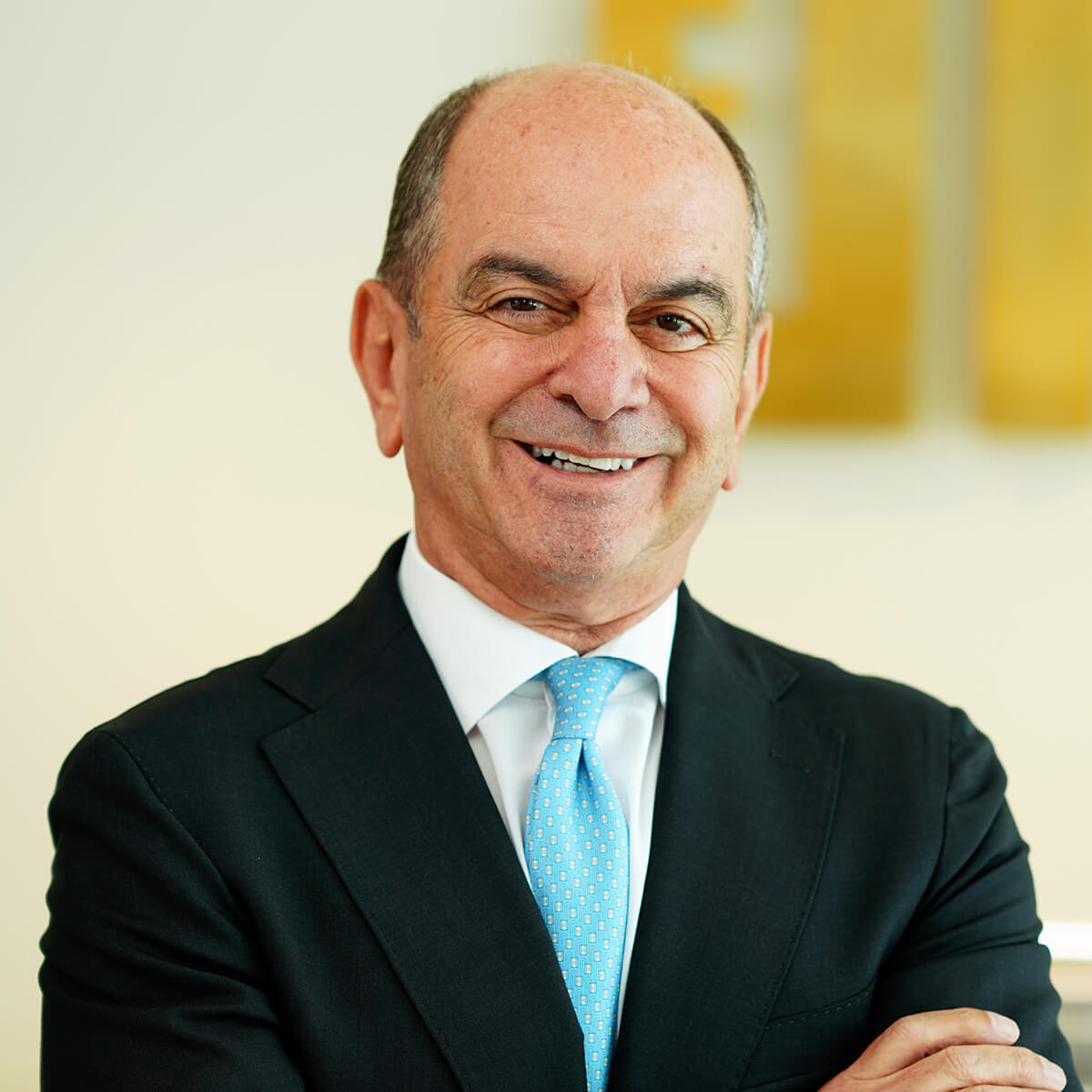
46. Sameh Muhtadi
RAK Properties
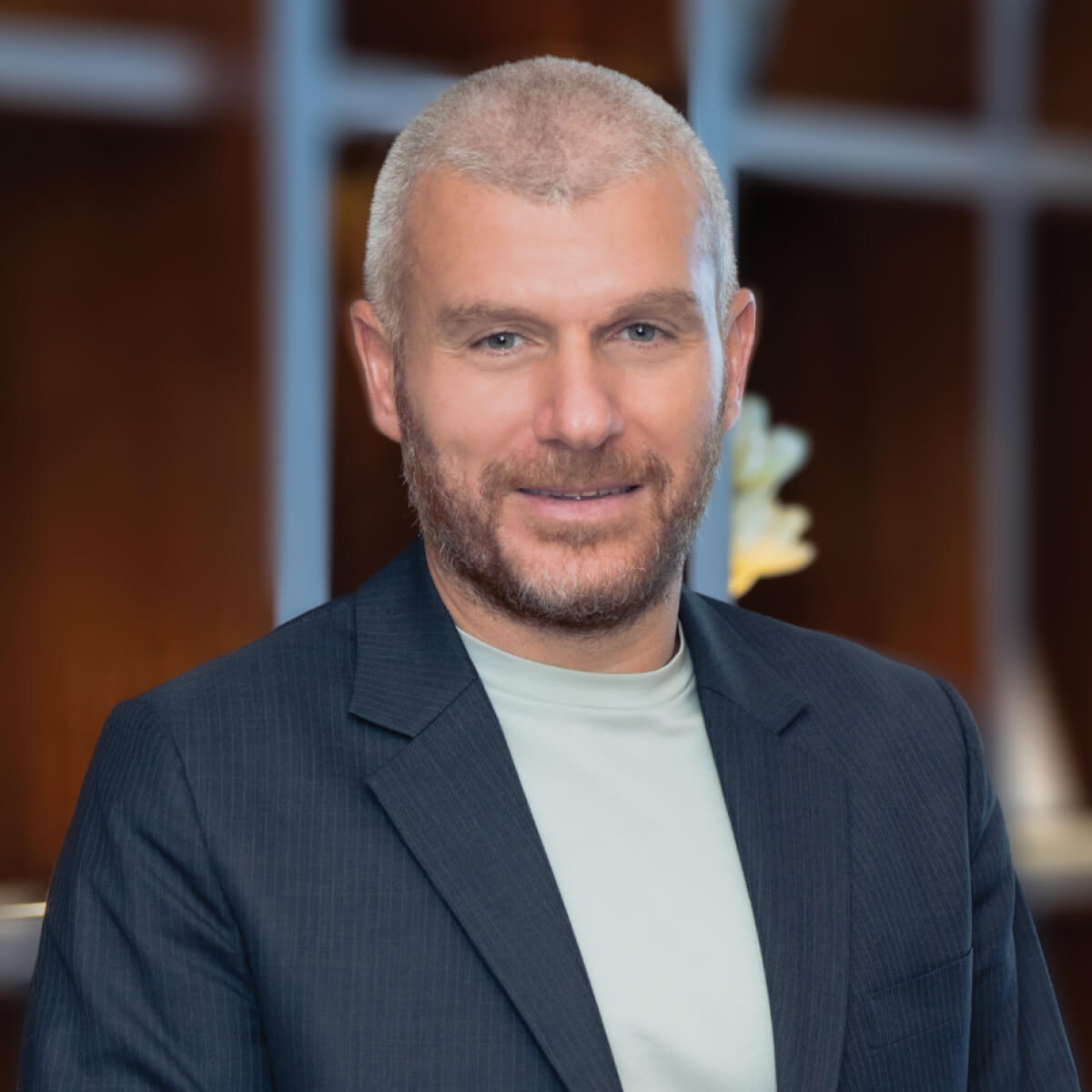
47. Elie Naaman
Ellington Properties
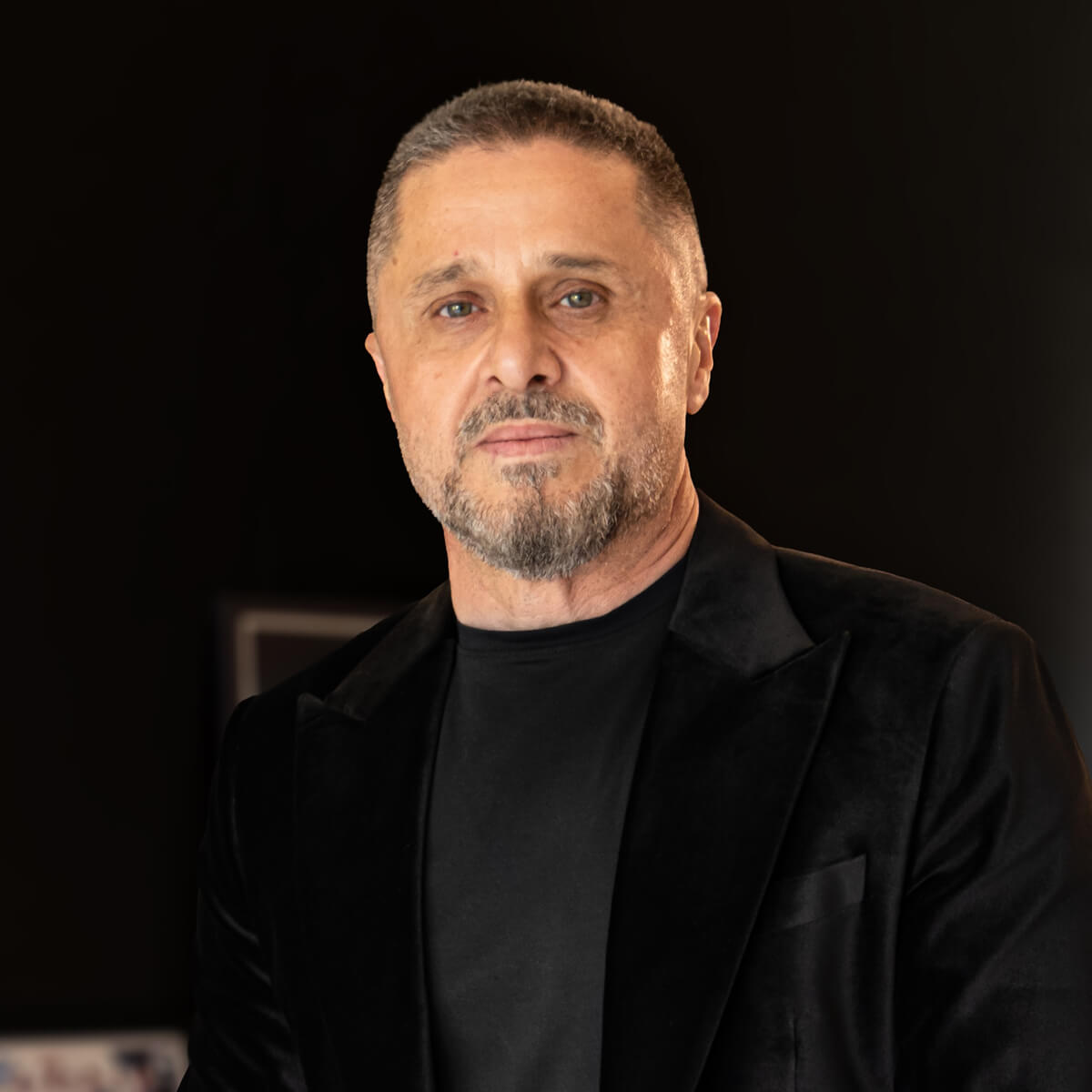
48. Faris Saeed
SEE Holding
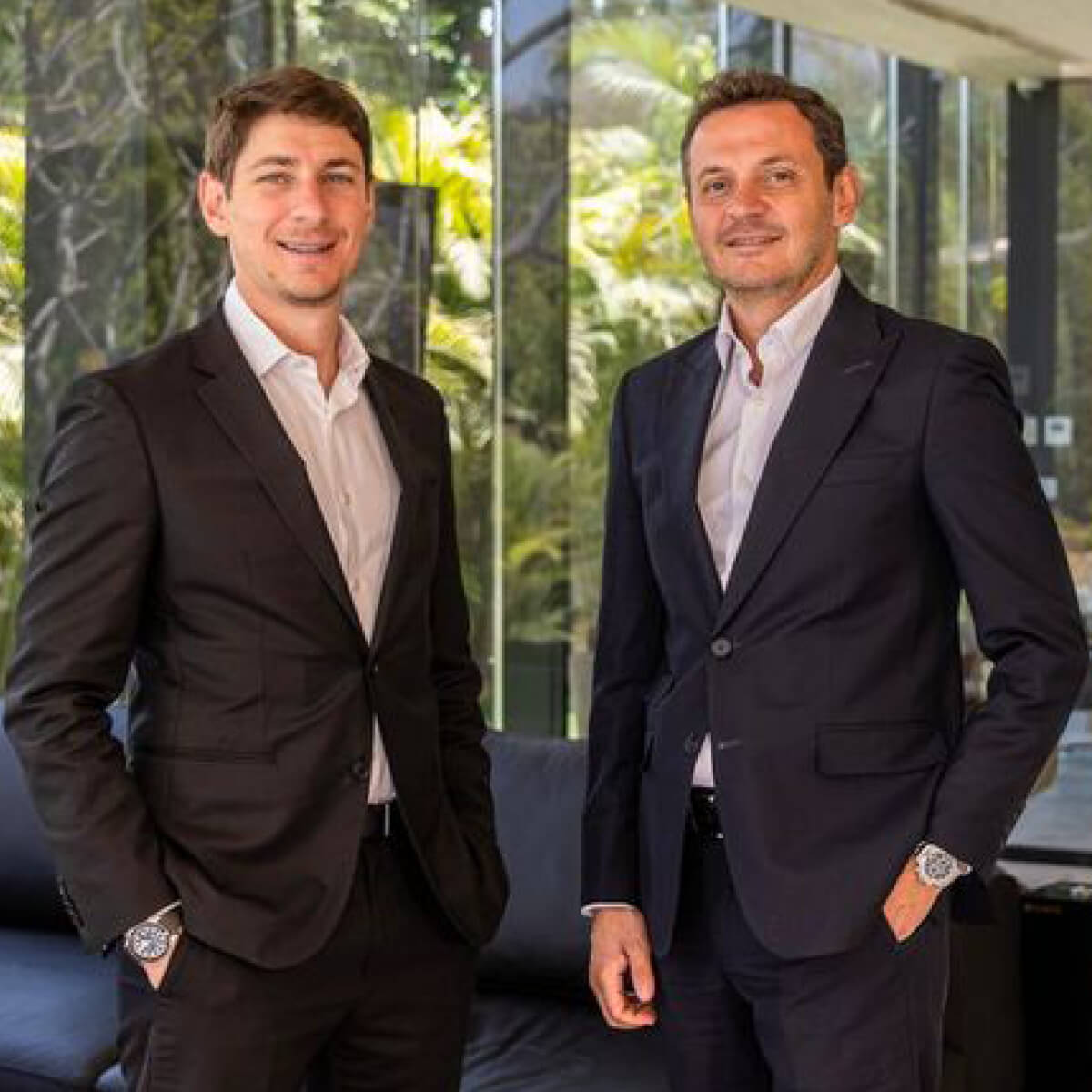
49. Mohamed Khaled El Assal; Karim El Assal
Misr Italia Properties (MIP); People & Places
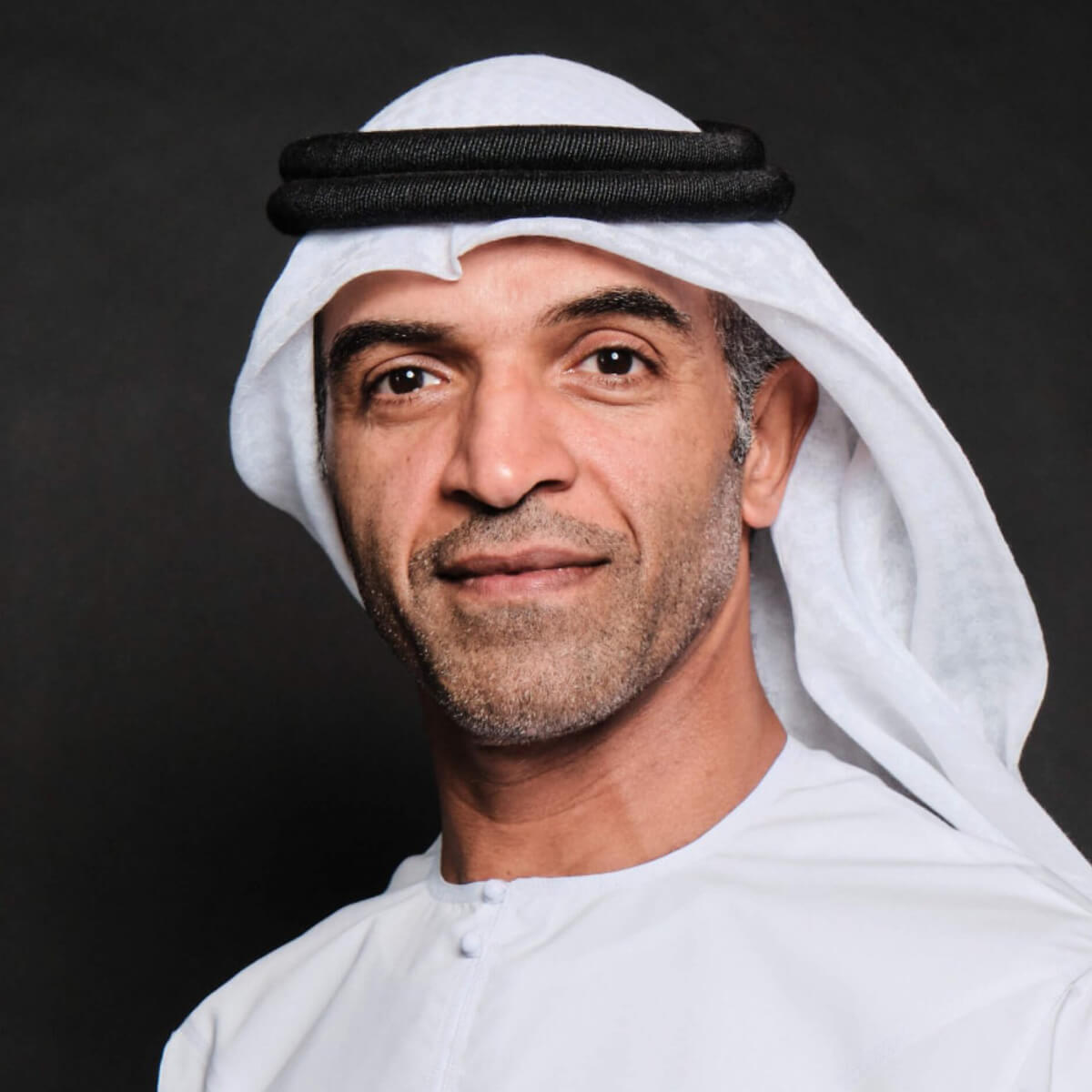
50. Suwaidan Al-Dhaheri
IMKAN Properties
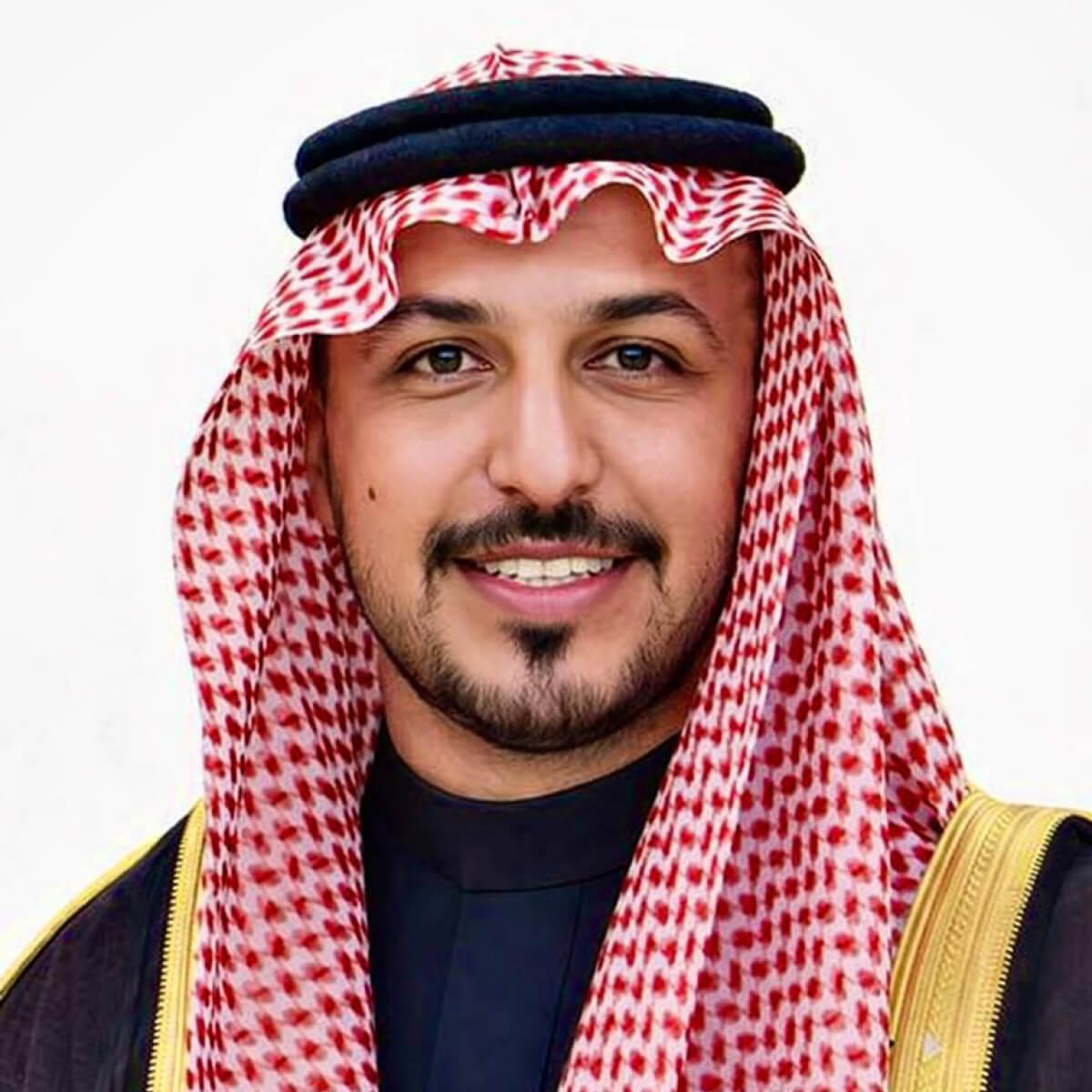
51. Ibrahim Al Muhaidib
HDB Group
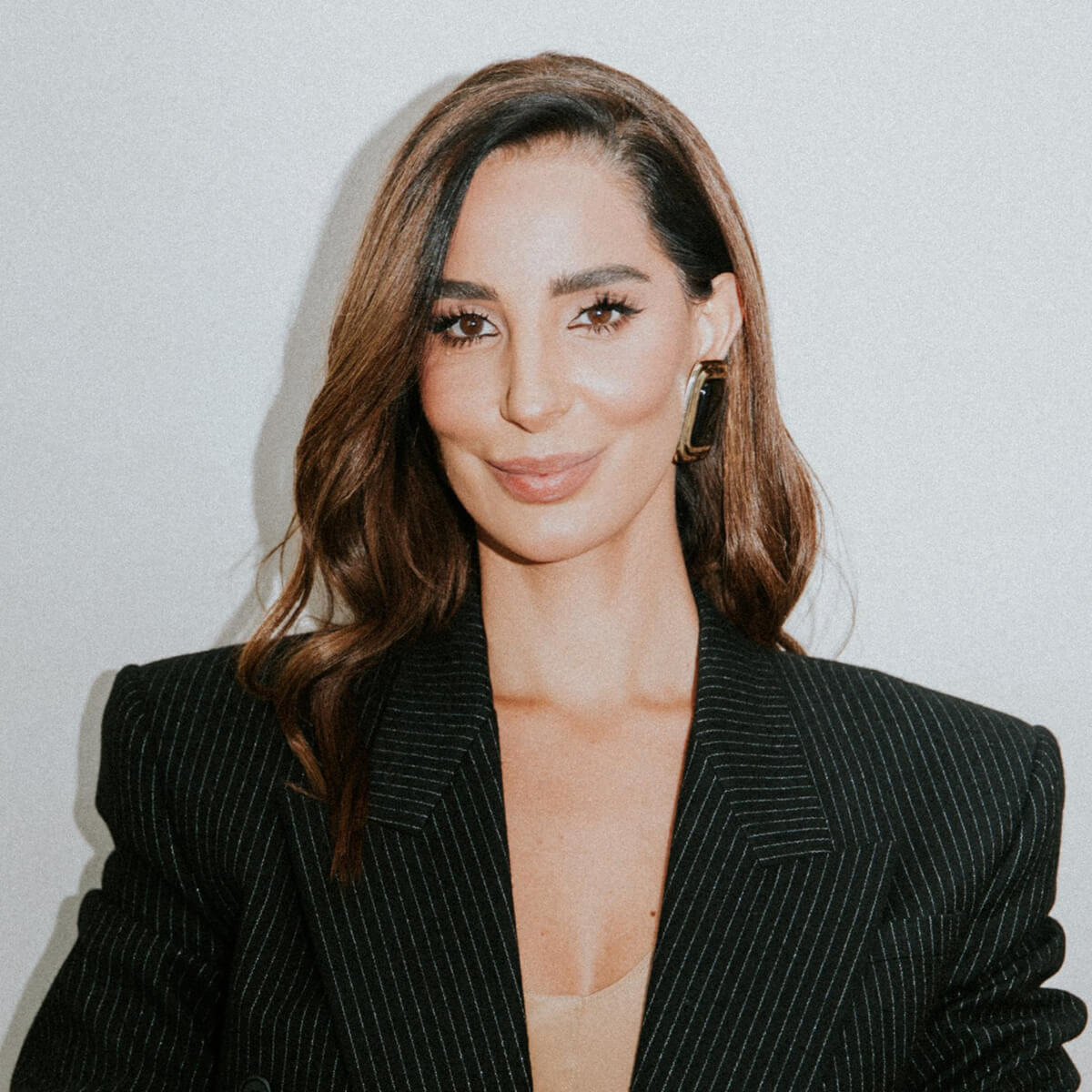
52. Nadia Zaal
Zaya
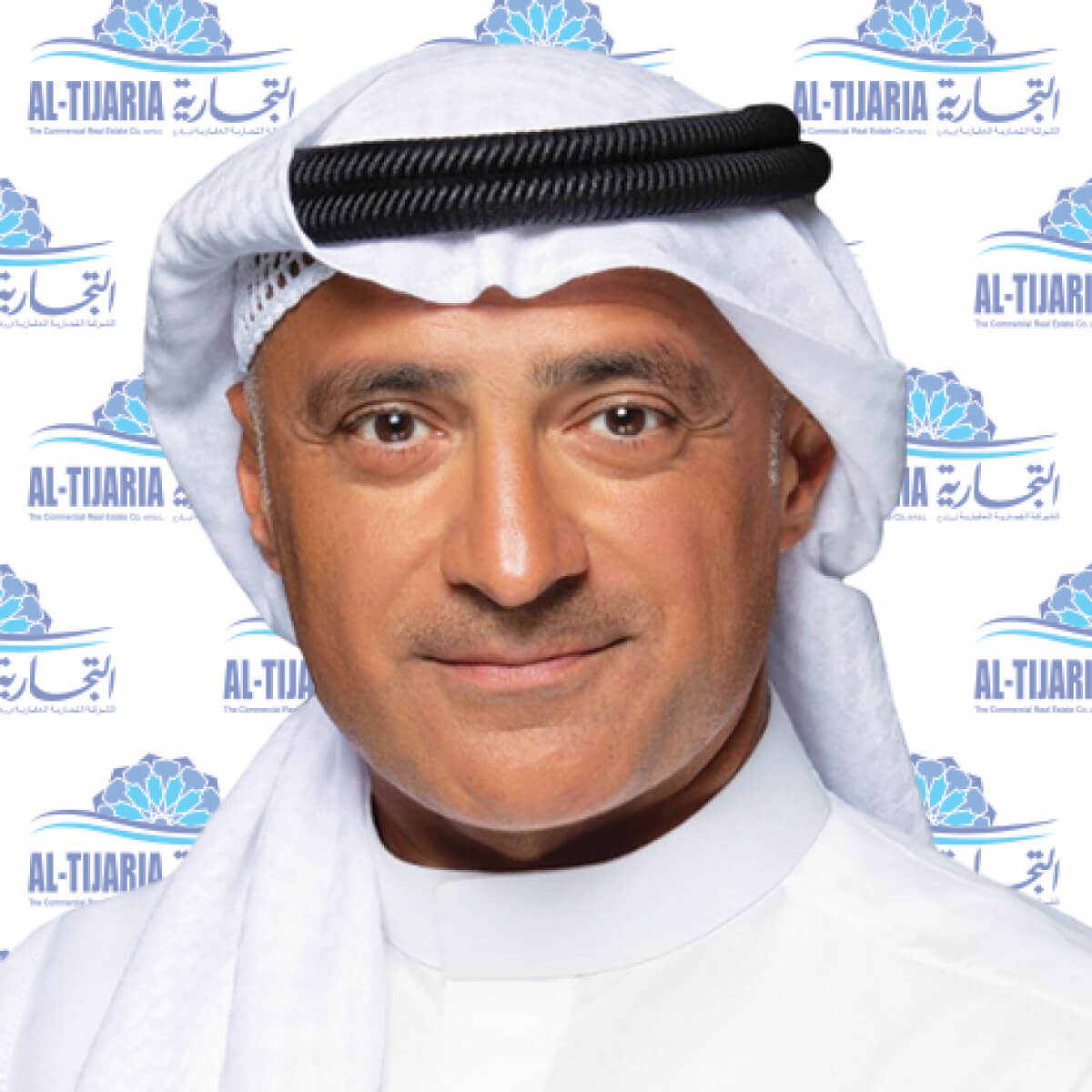
53. Abdulmutaleb Marafie
The Commercial Real Estate Company (Al Tijaria)
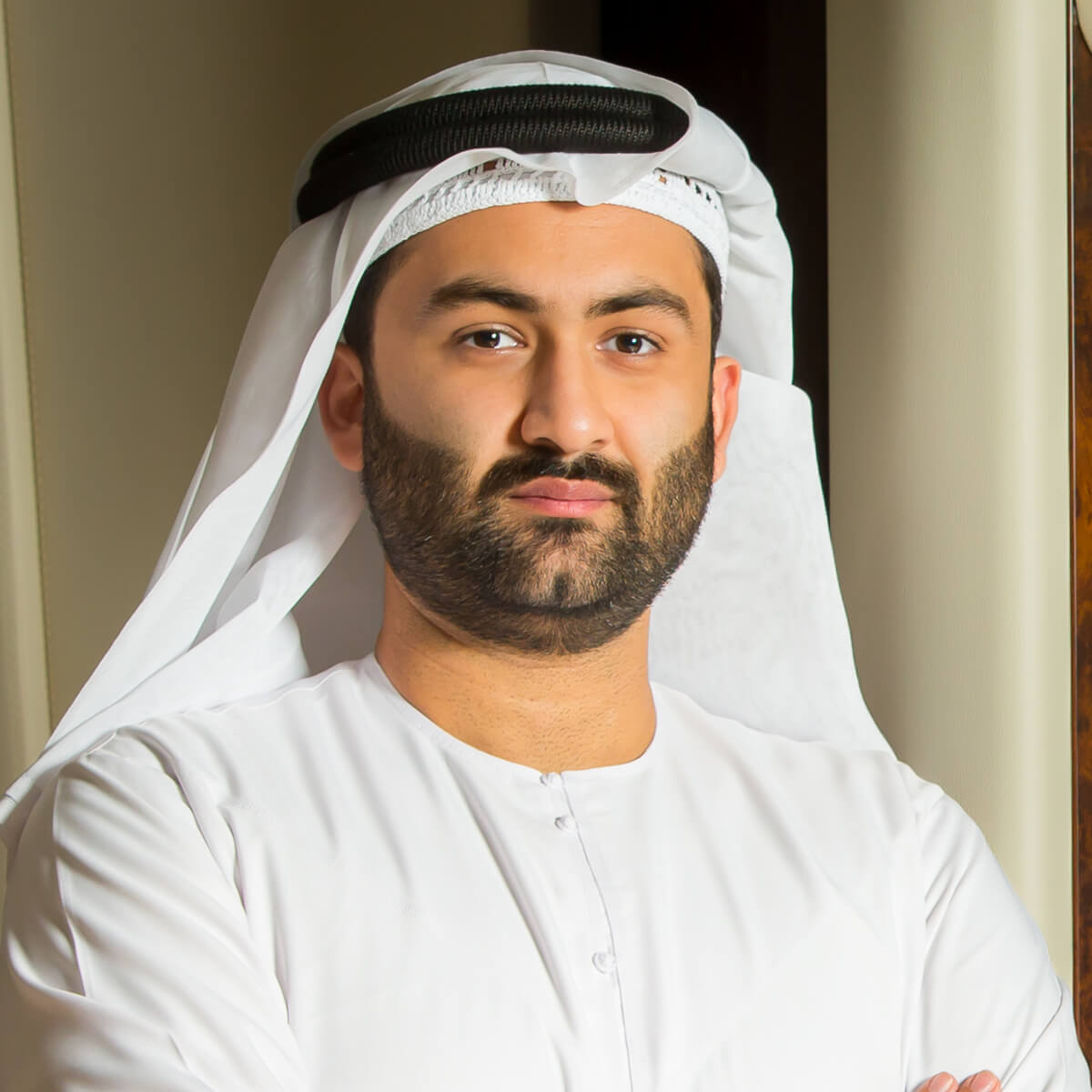
54. Abbas Sajwani
AHS Properties
55. Ayman Amer
Sixth of October Development and Investment Company (SODIC)
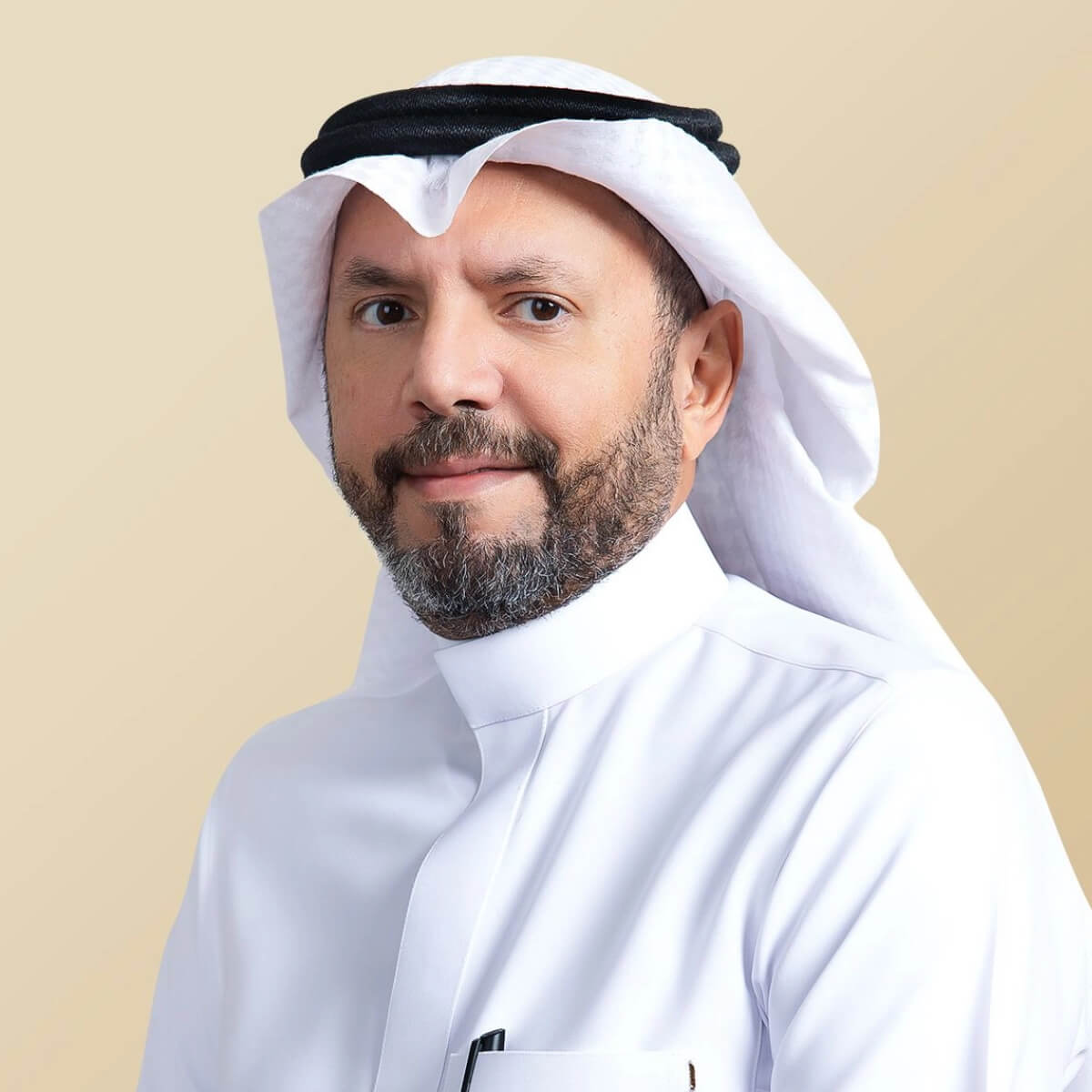
56. Yasser Abuateek
Umm Al Qura for Development & Construction
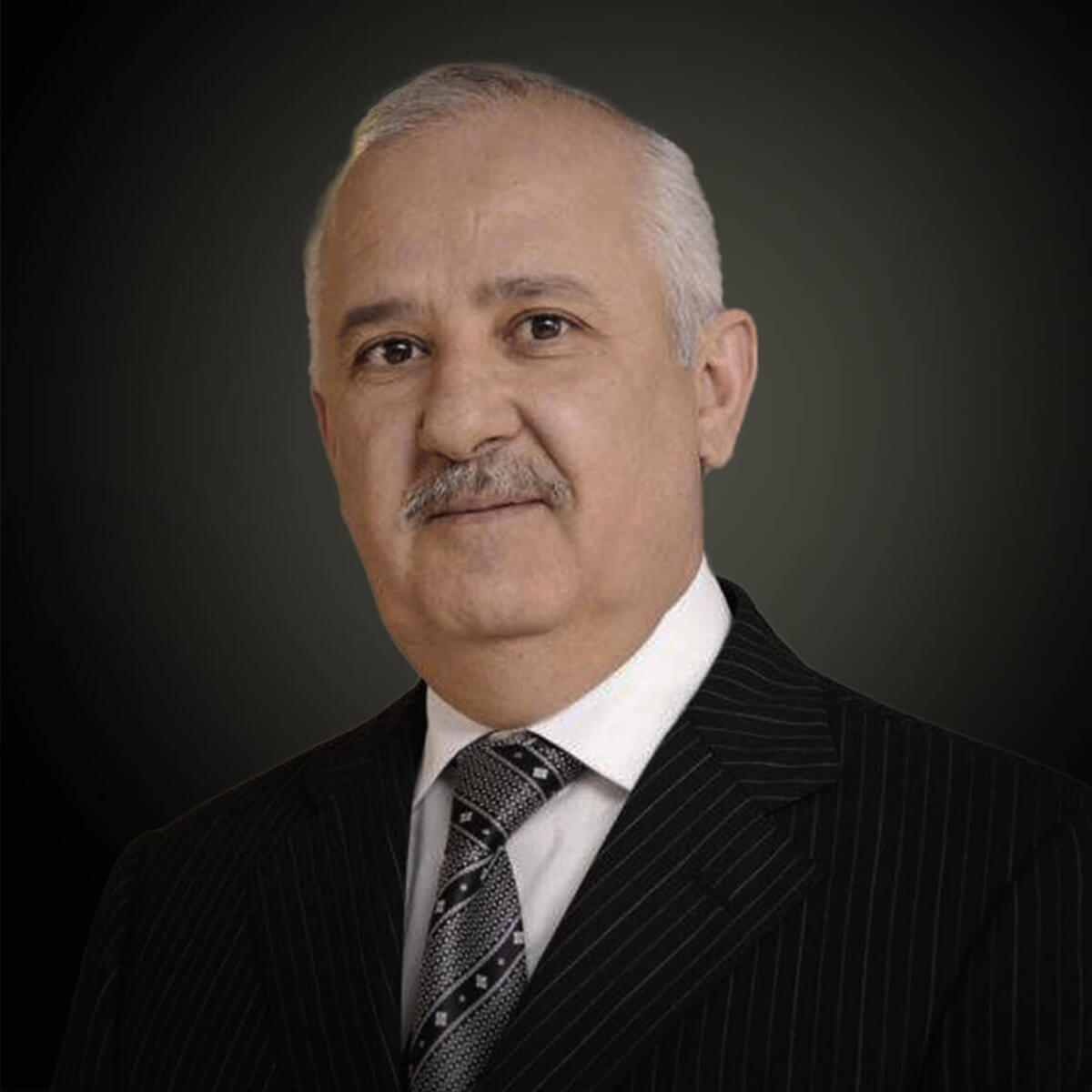
57. Anas Sefrioui
Groupe Addoha
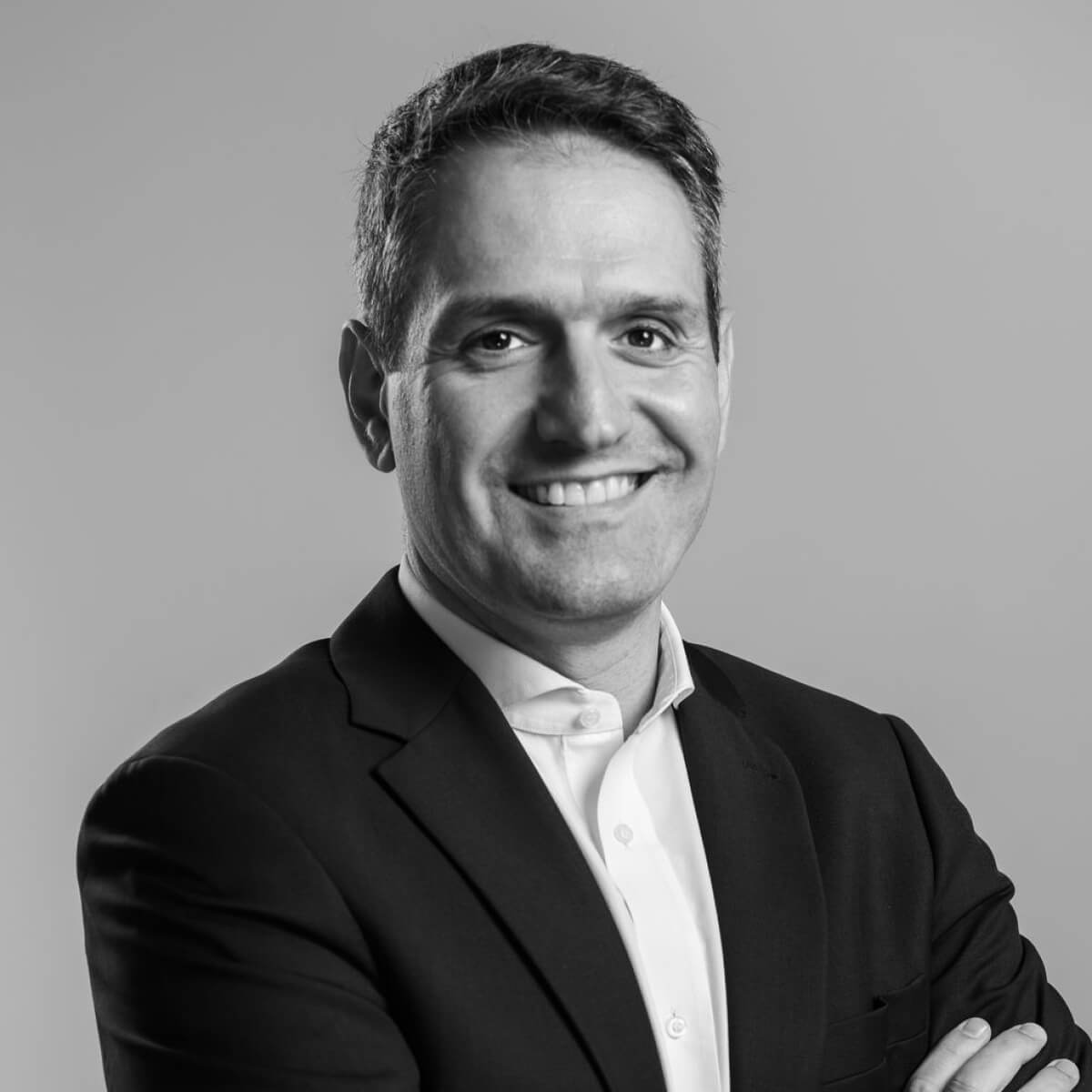
58. Eskandar Tooma
Orascom Development Egypt (ODE)
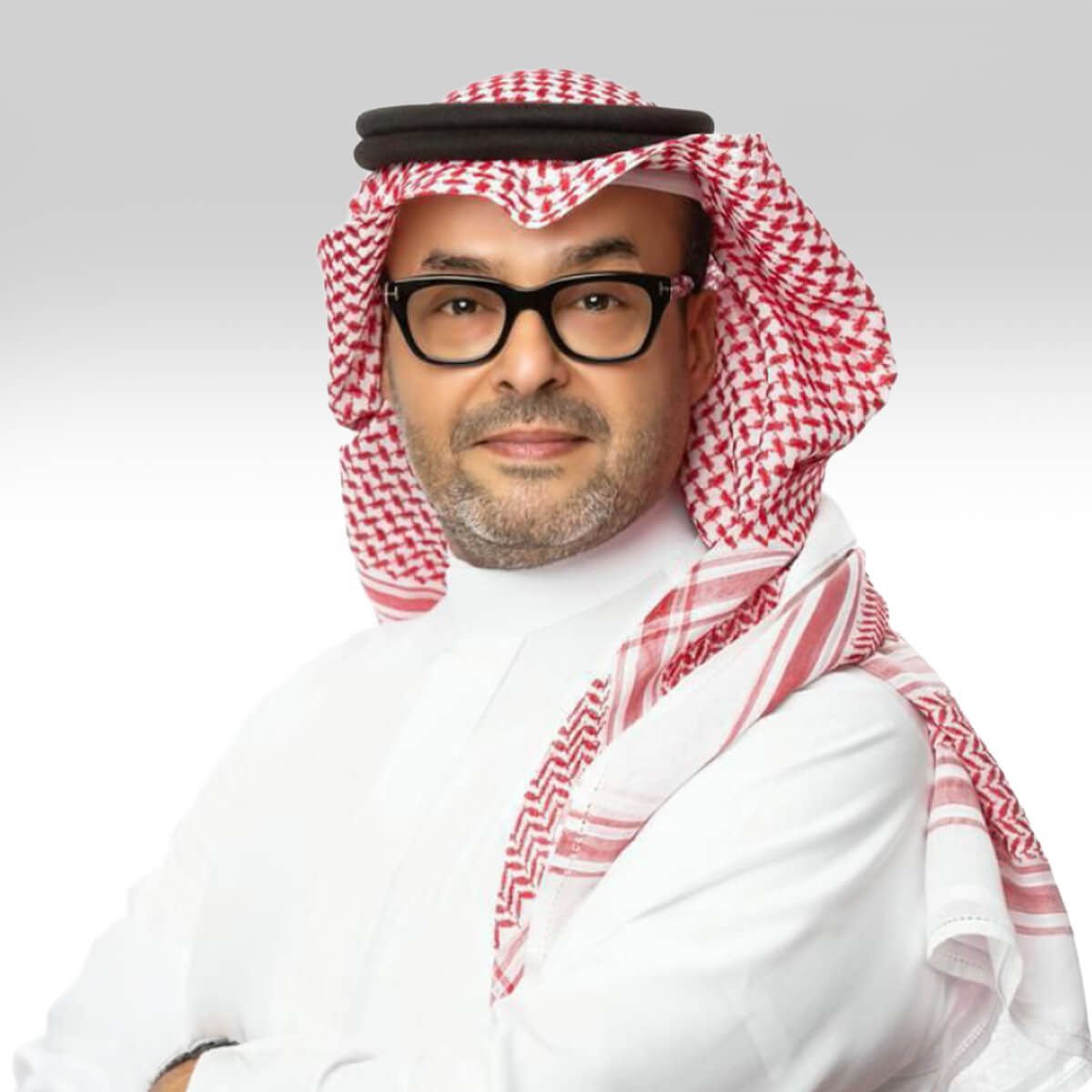
59. Khalid Bin Hassan Al-Gahtani
RIKAZ
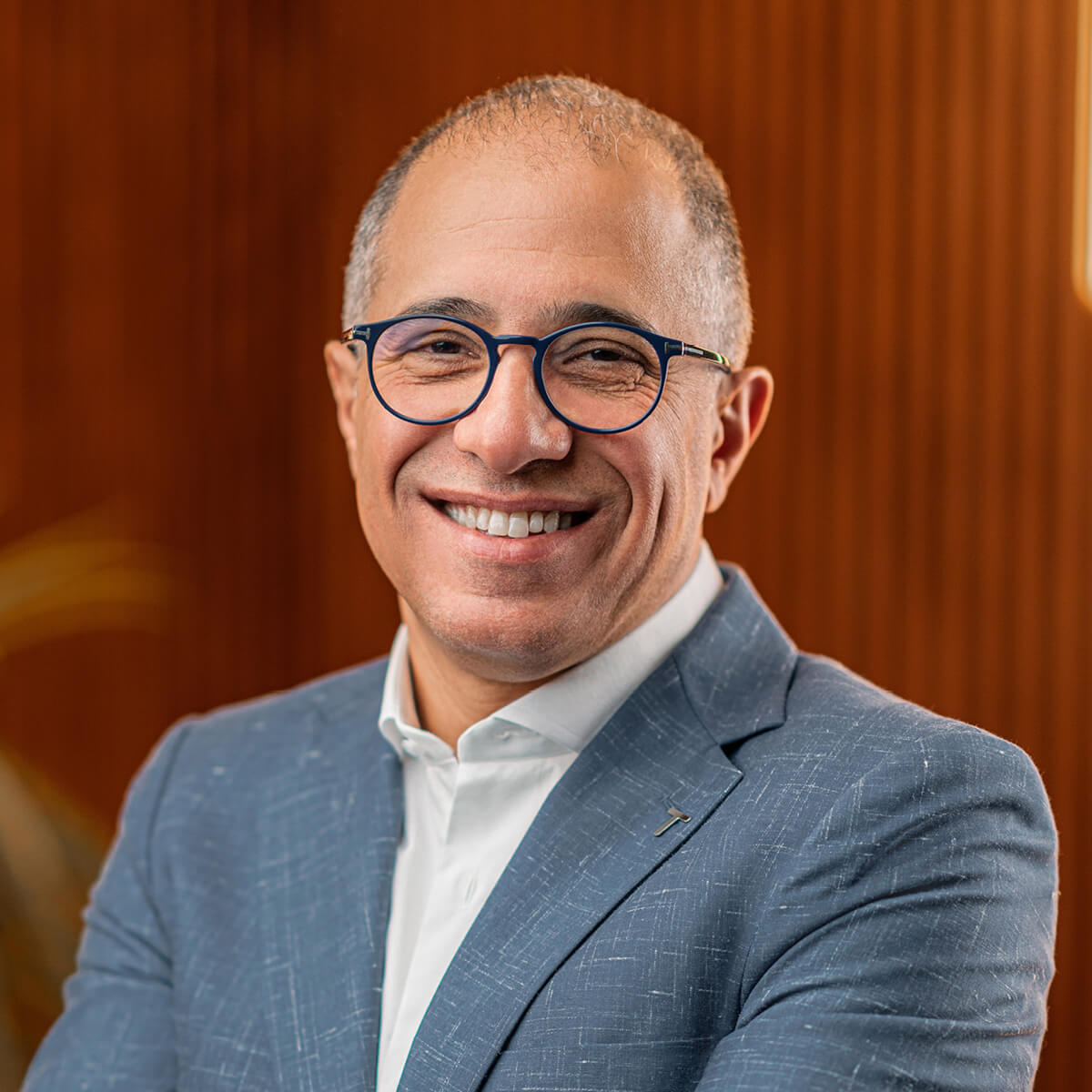
60. Ahmed Shalaby
Tatweer Misr
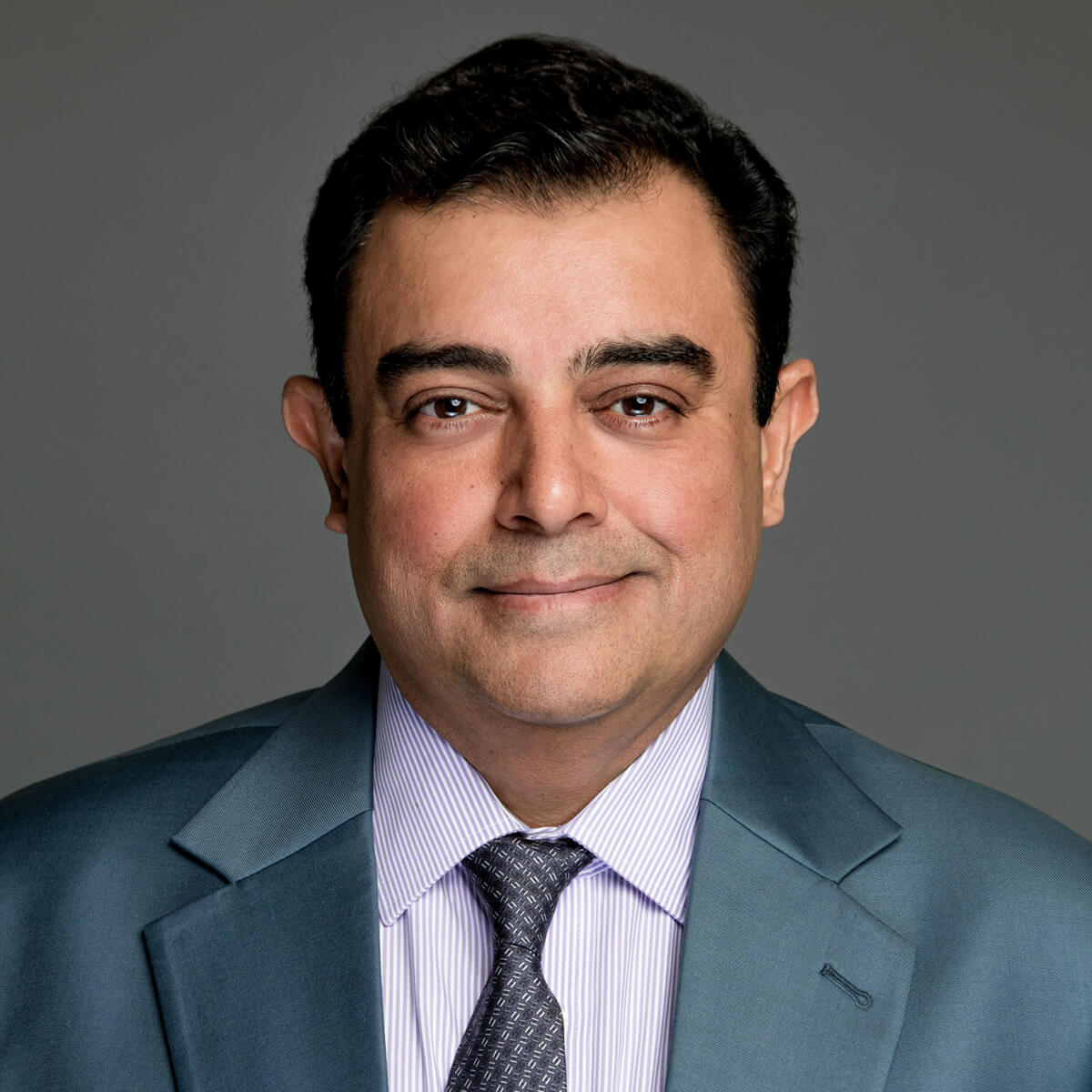
61. Imran Farooq
Samana Developers
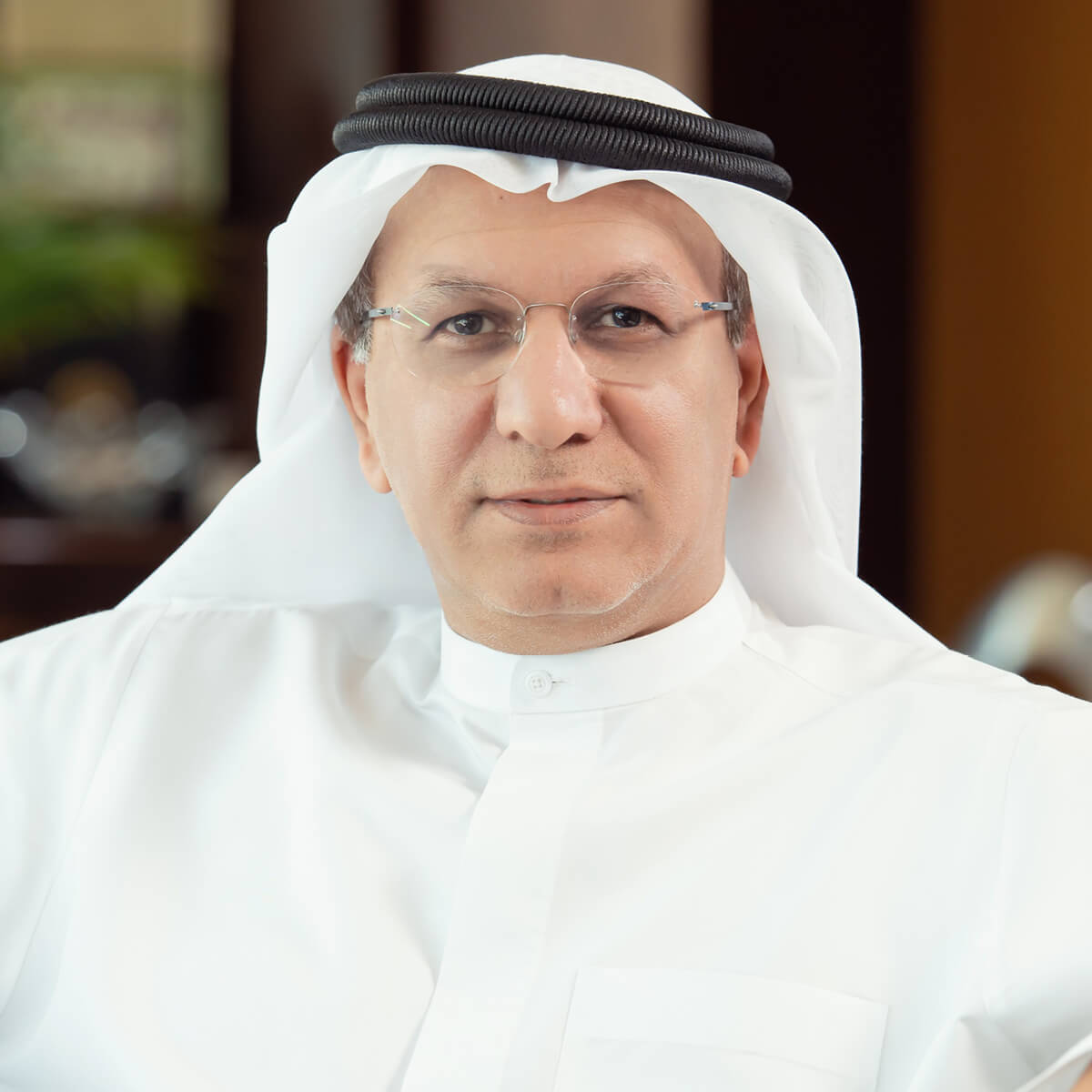
62. Saeed Mohammed Al Qatami
Deyaar Development
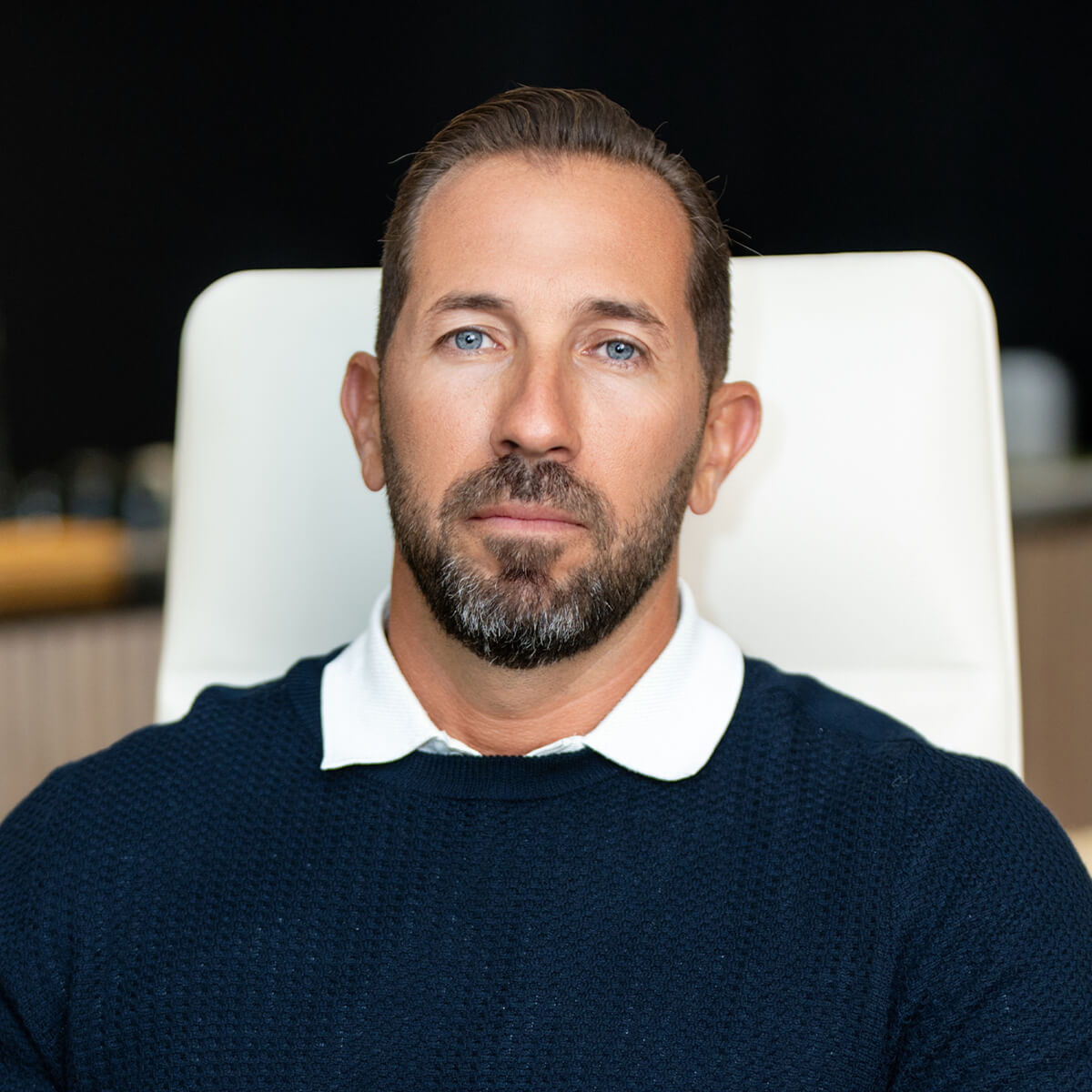
63. Kareem Derbas
Palma Holding
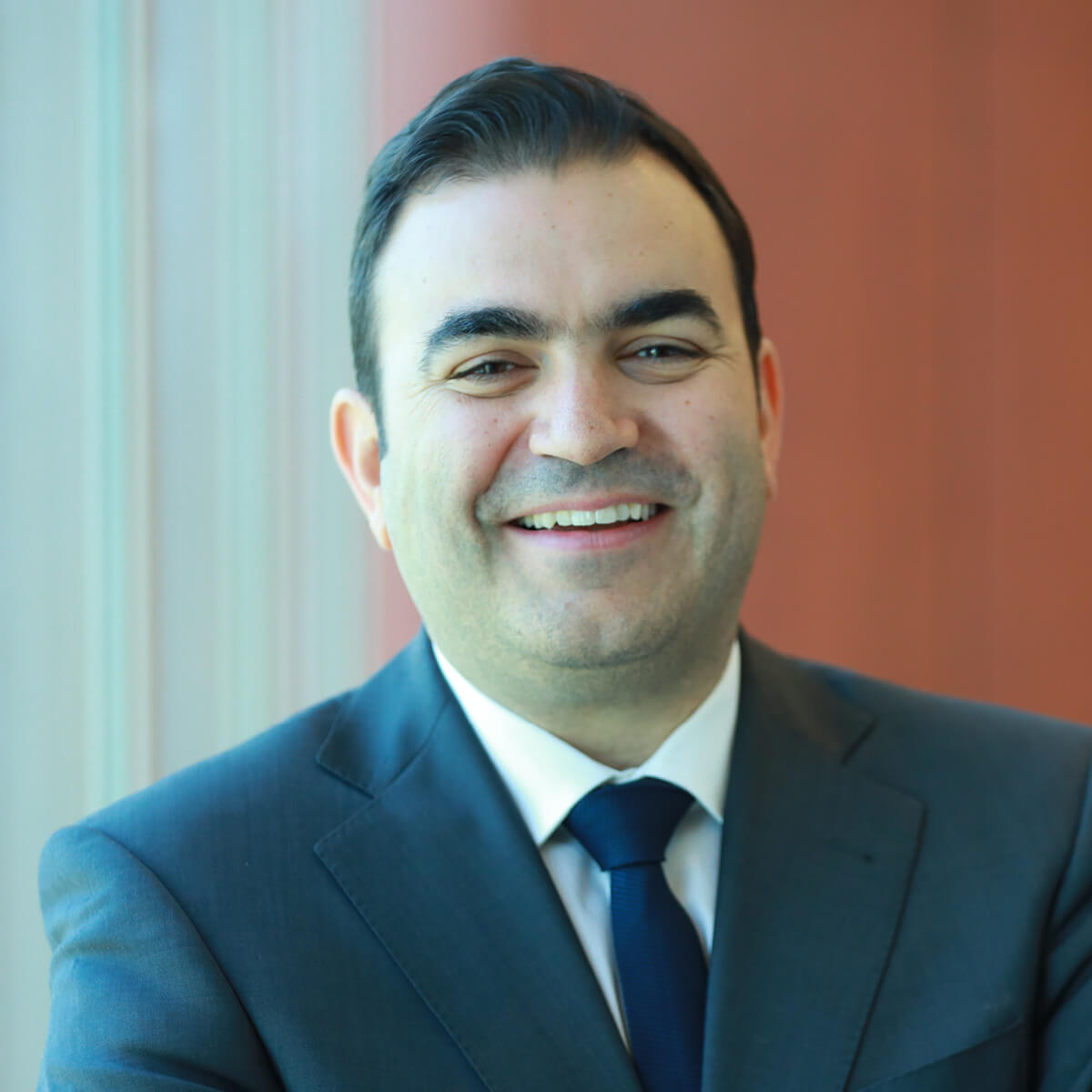
64. Elias Abou Samra
RAFAL Real Estate Development Company
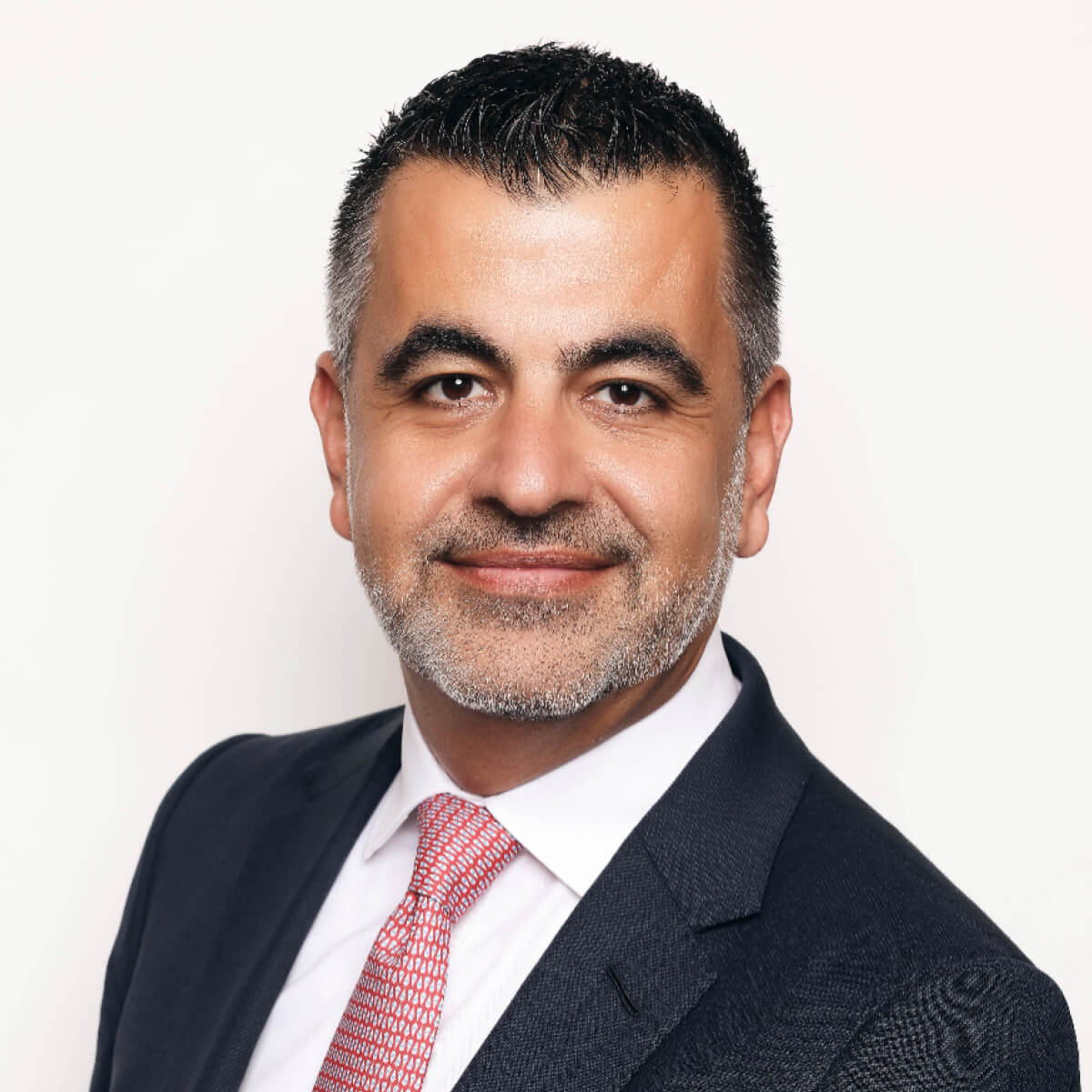
65. George Saad
Al Zorah Development Company
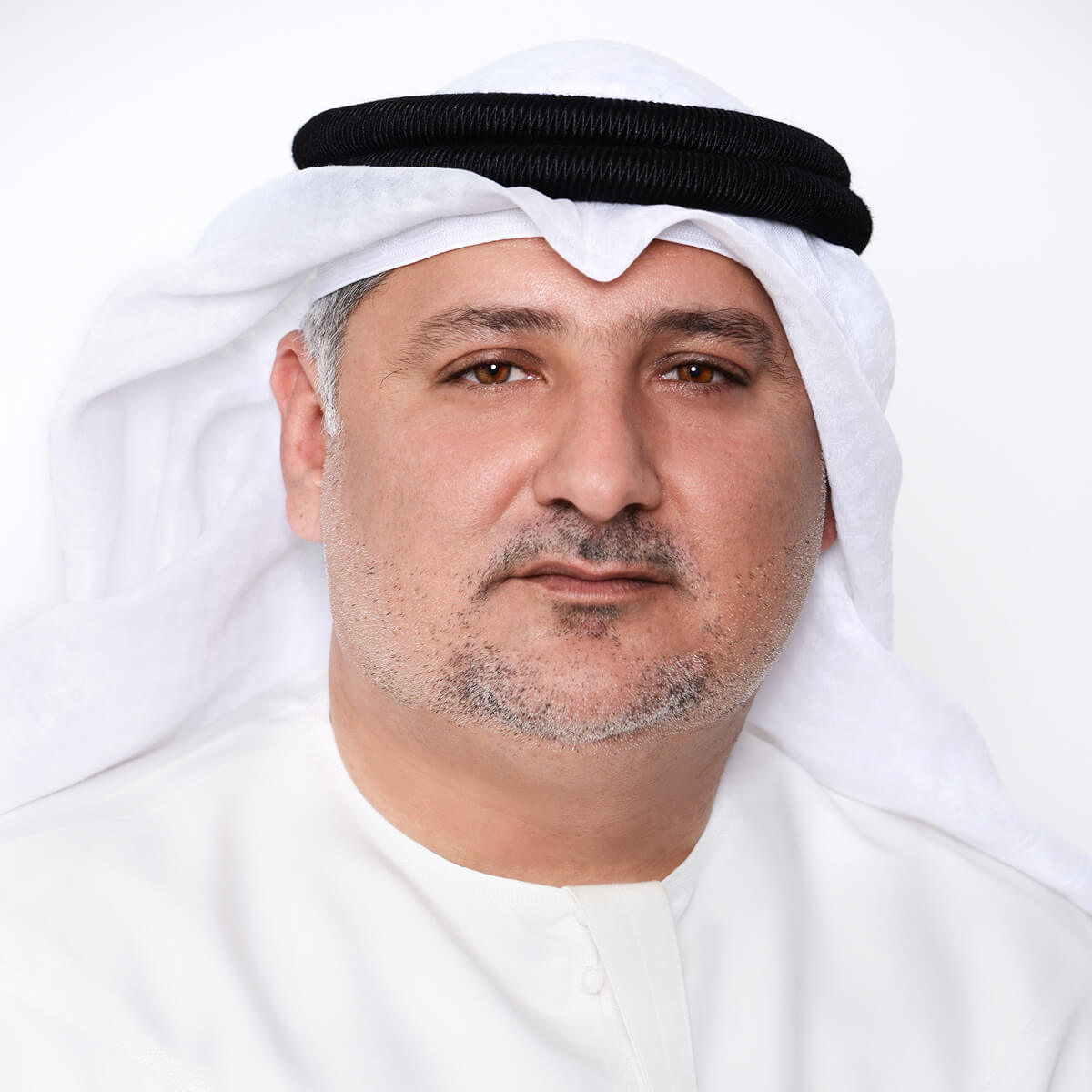
66. Fareed Aljanahi
AWR Properties
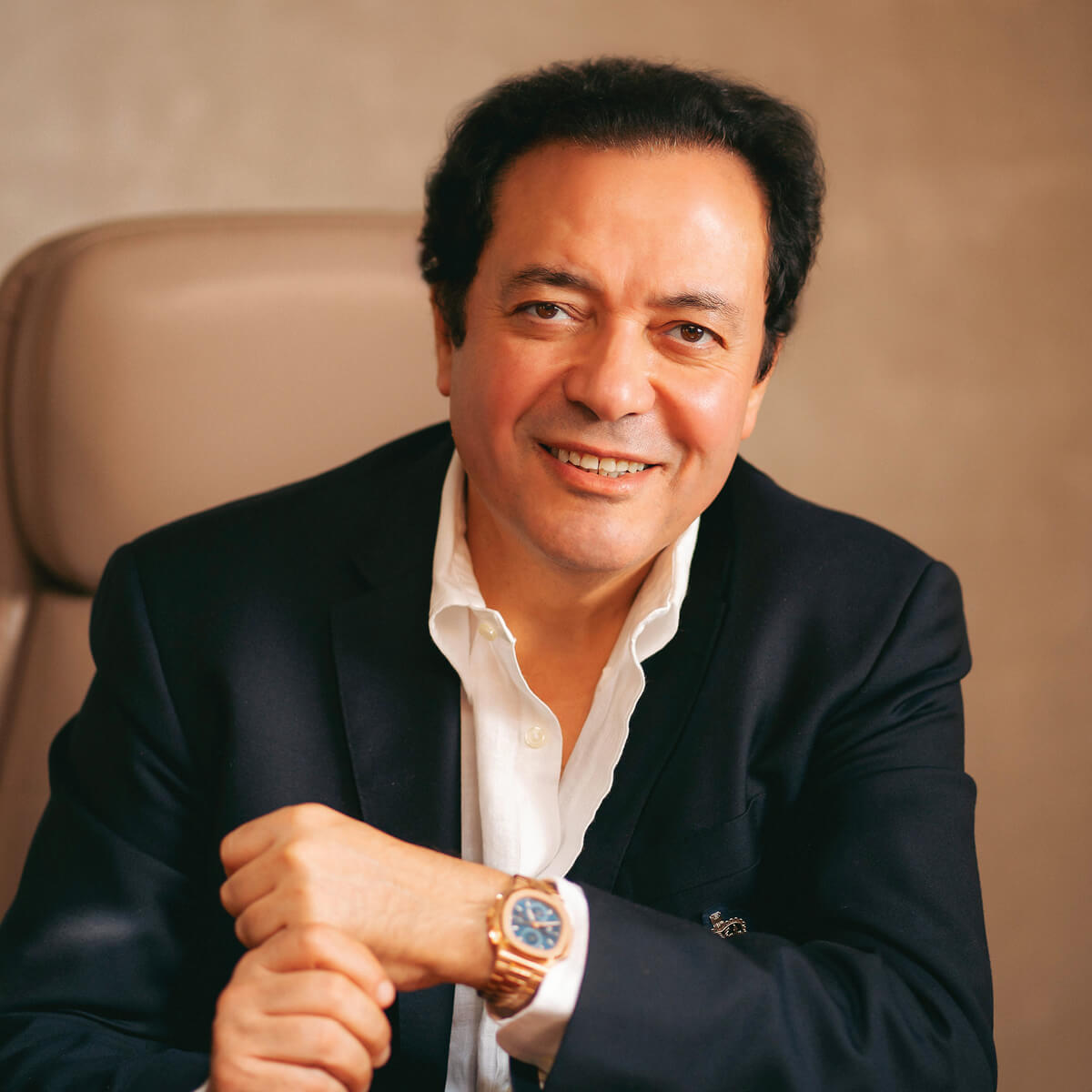
67. Mohamed Morshedy
Morshedy Group
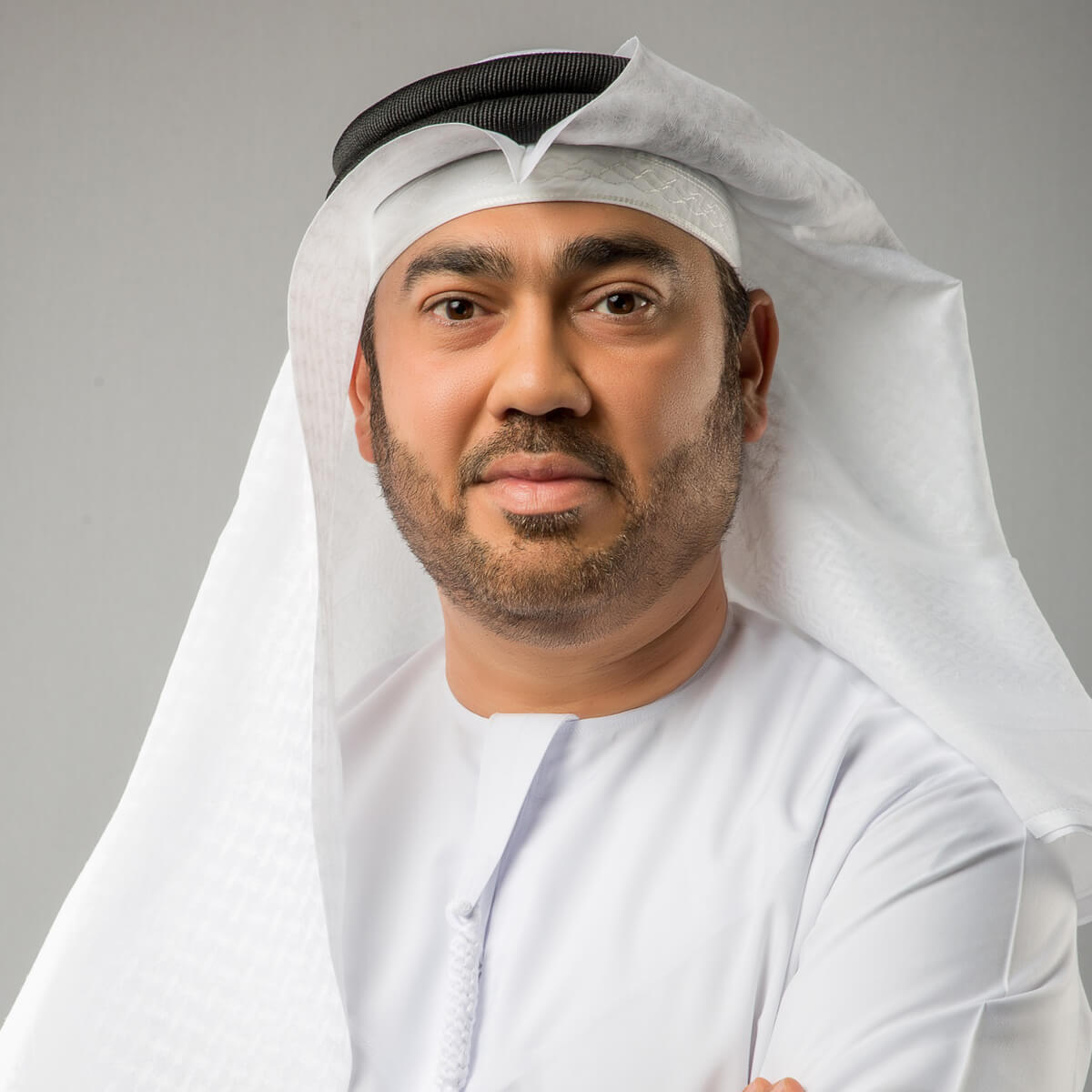
68. Nabil Al Kindi
Dubai South Properties
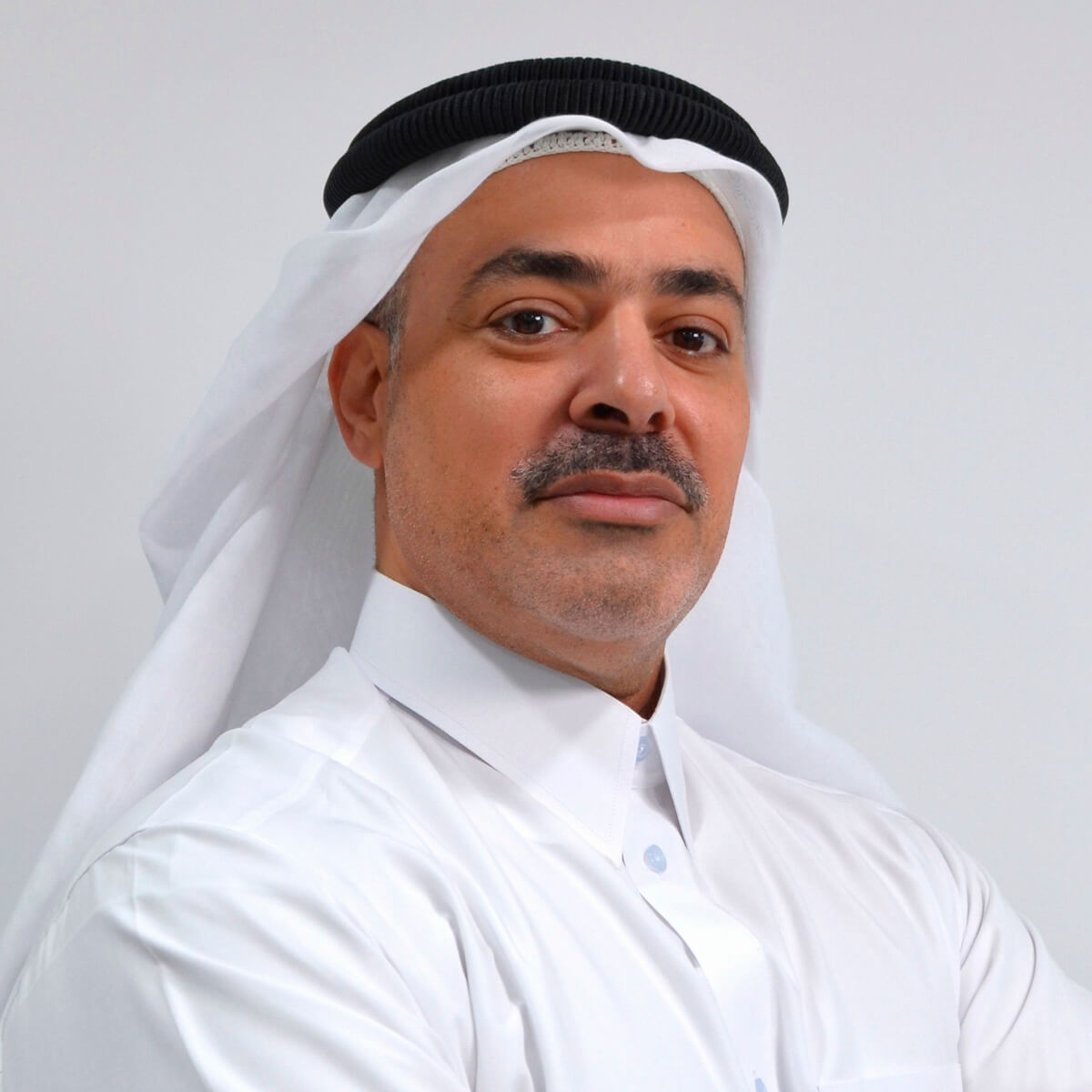
69. Yasser Salah Al-Jaidah
United Development Company (UDC)
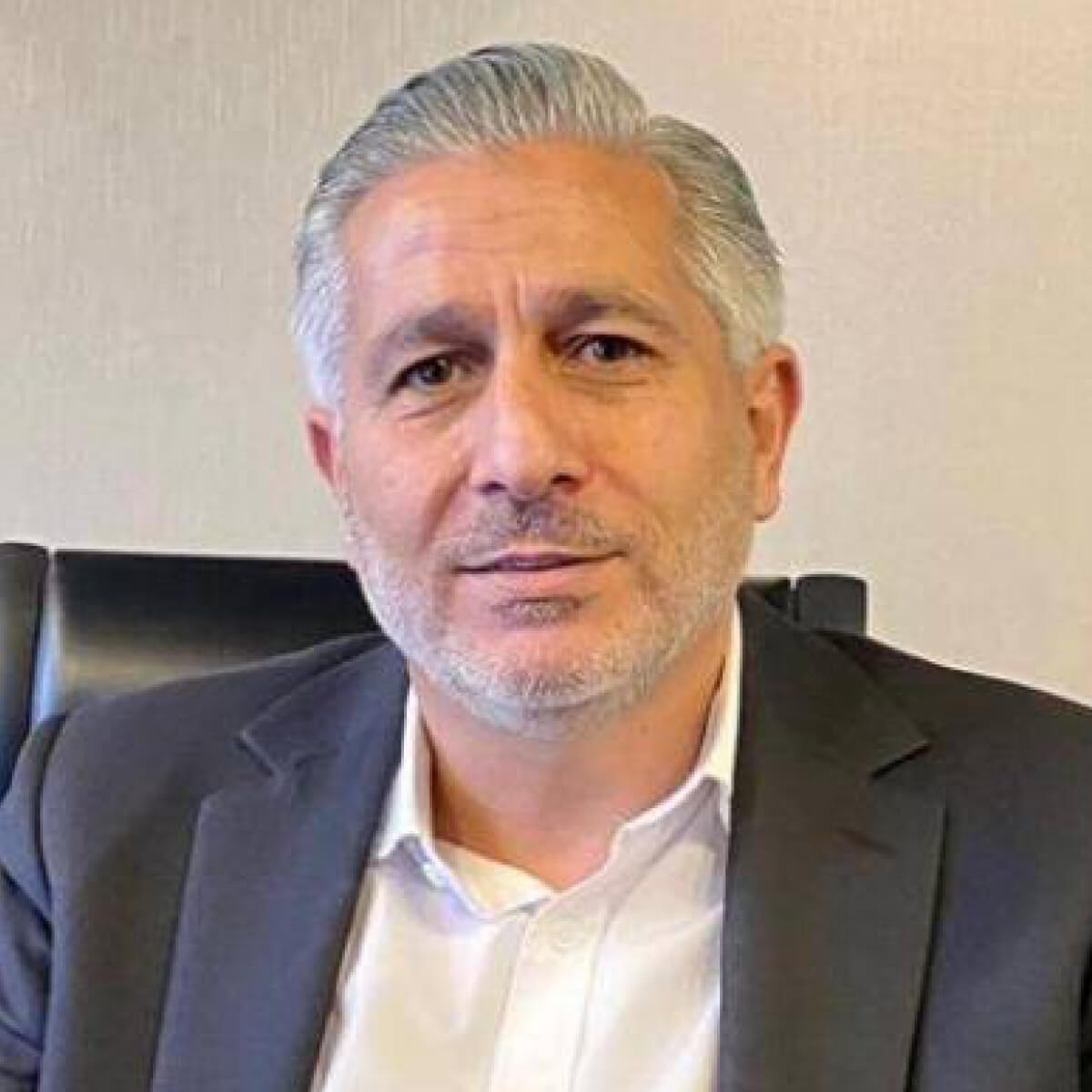
70. Amer Ahmad Tarawneh
Abdali Investment and Development (AID)
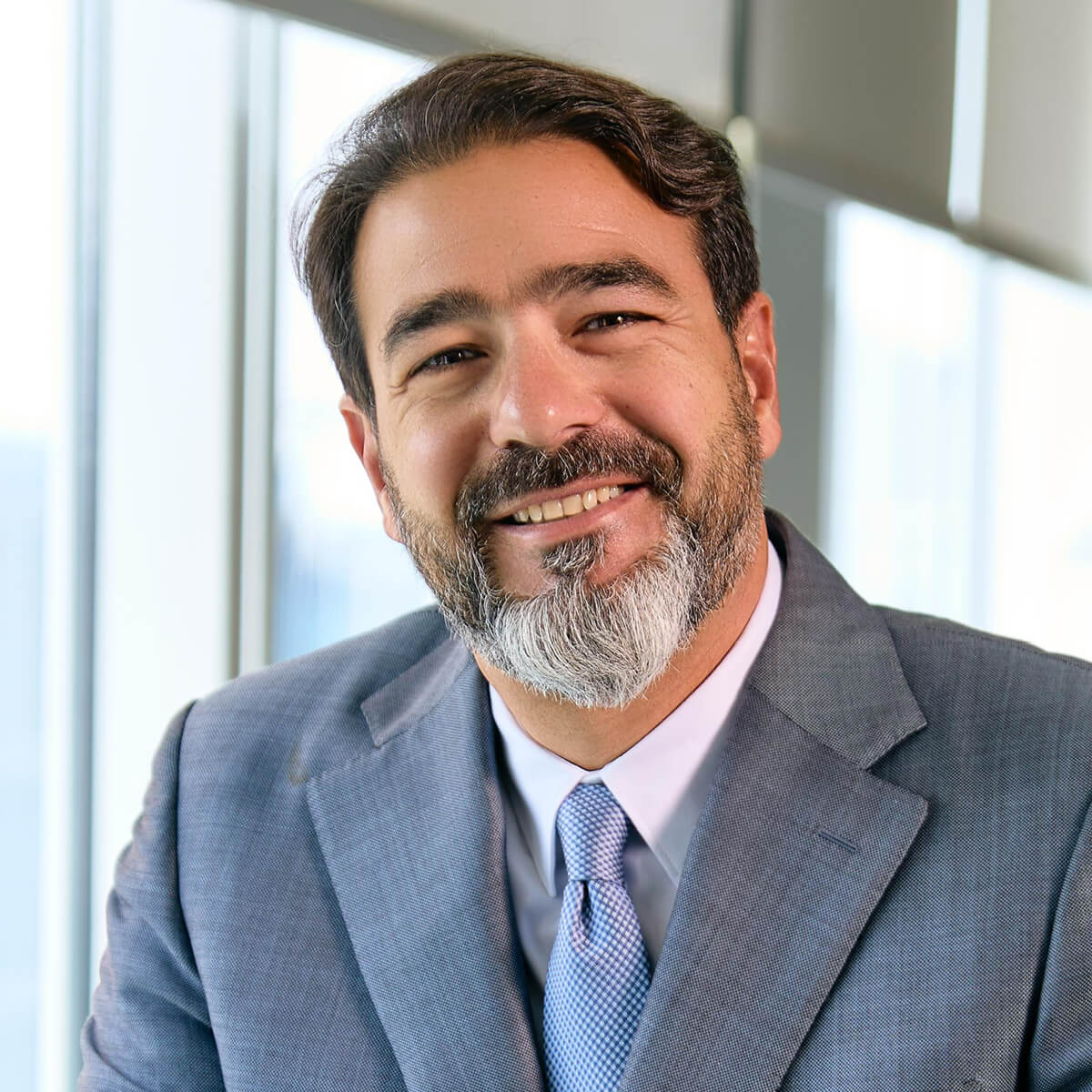
71. Omar Dorra
DORRA Developments
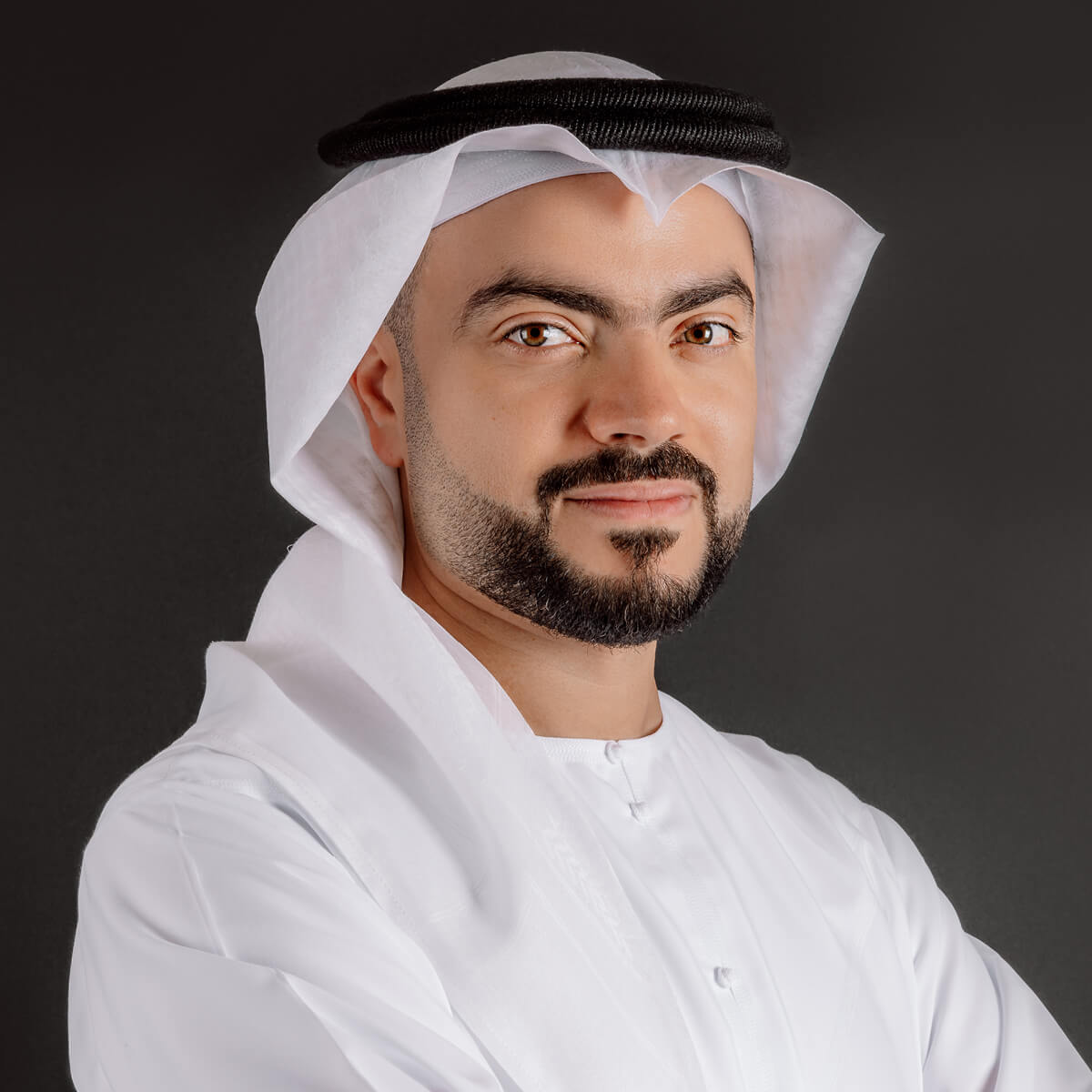
72. Ali Al Gebely
ONE Development
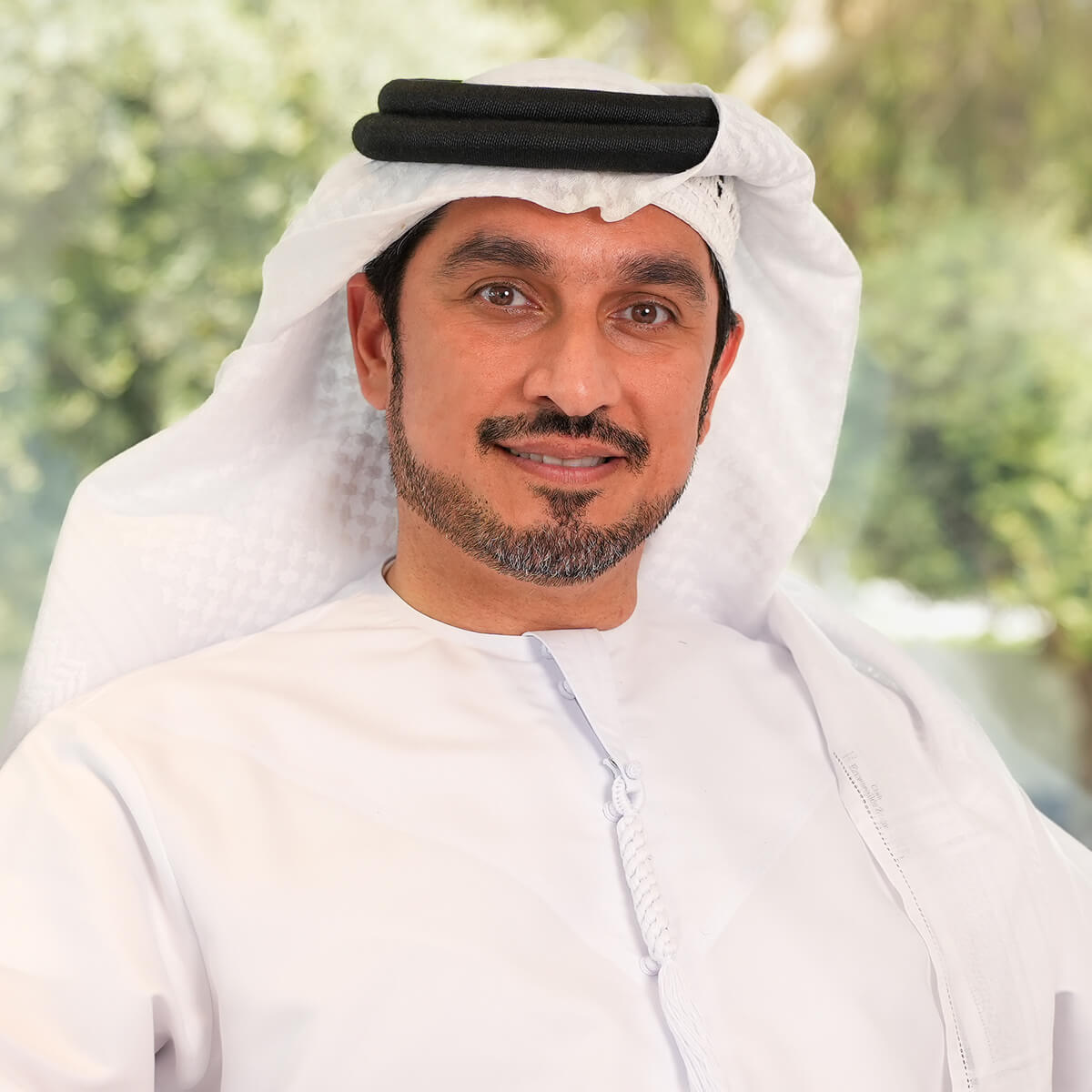
73. Mohammad Saeed Al Shehhi
A.R.M. Holding
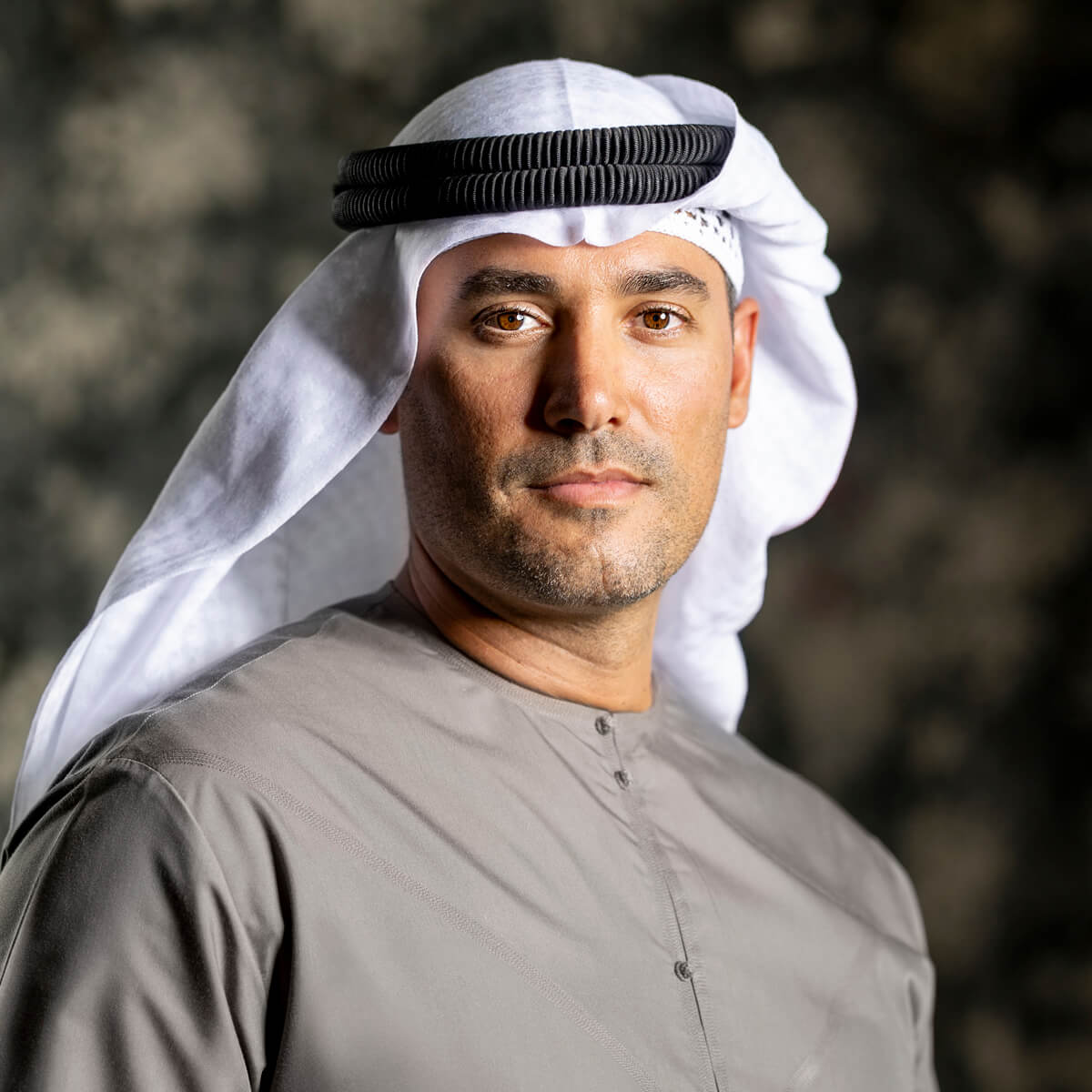
74. Hazza Zaal
Al Barari Real Estate Group
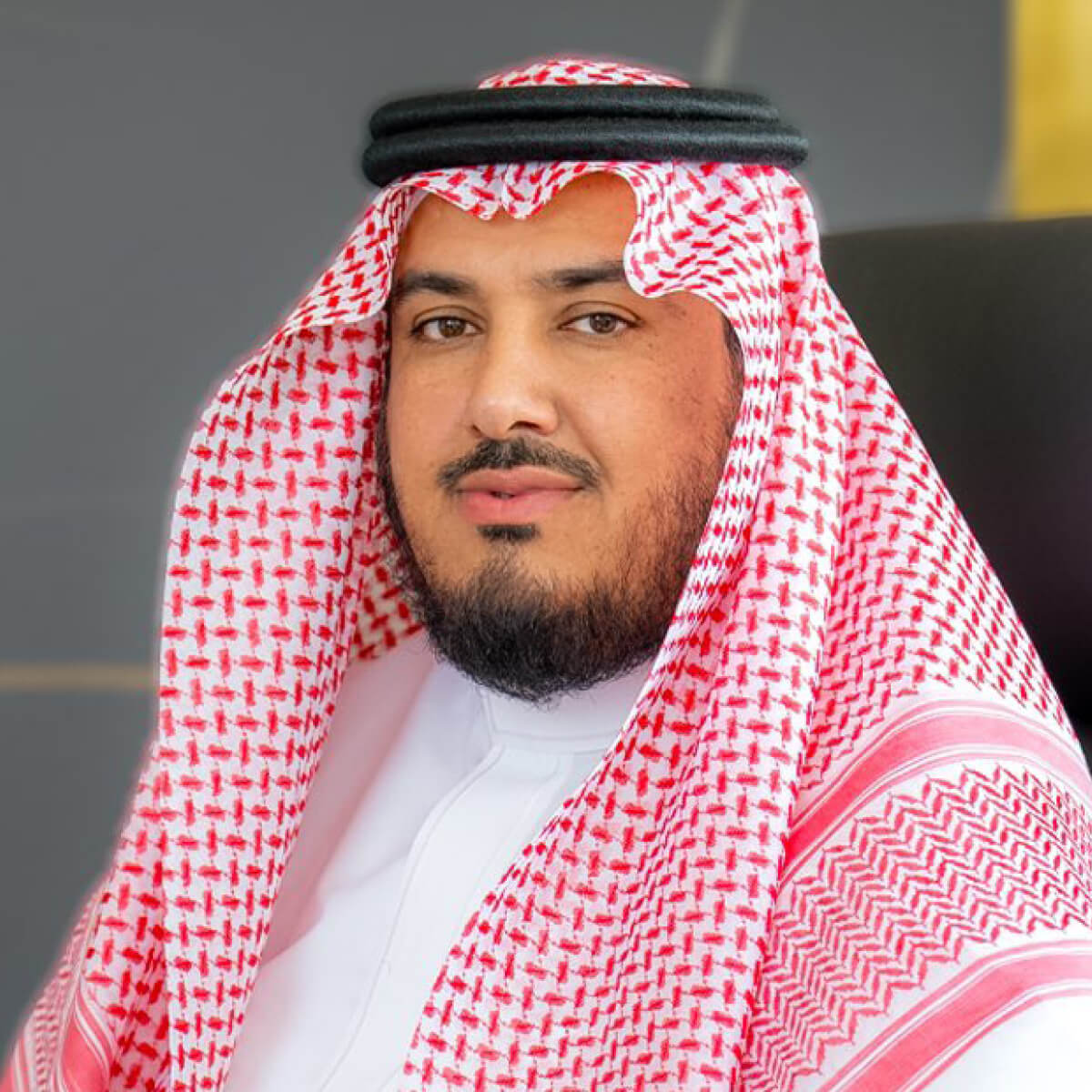
75. Abdullah Majed AlMajed
OSUS Real Estate
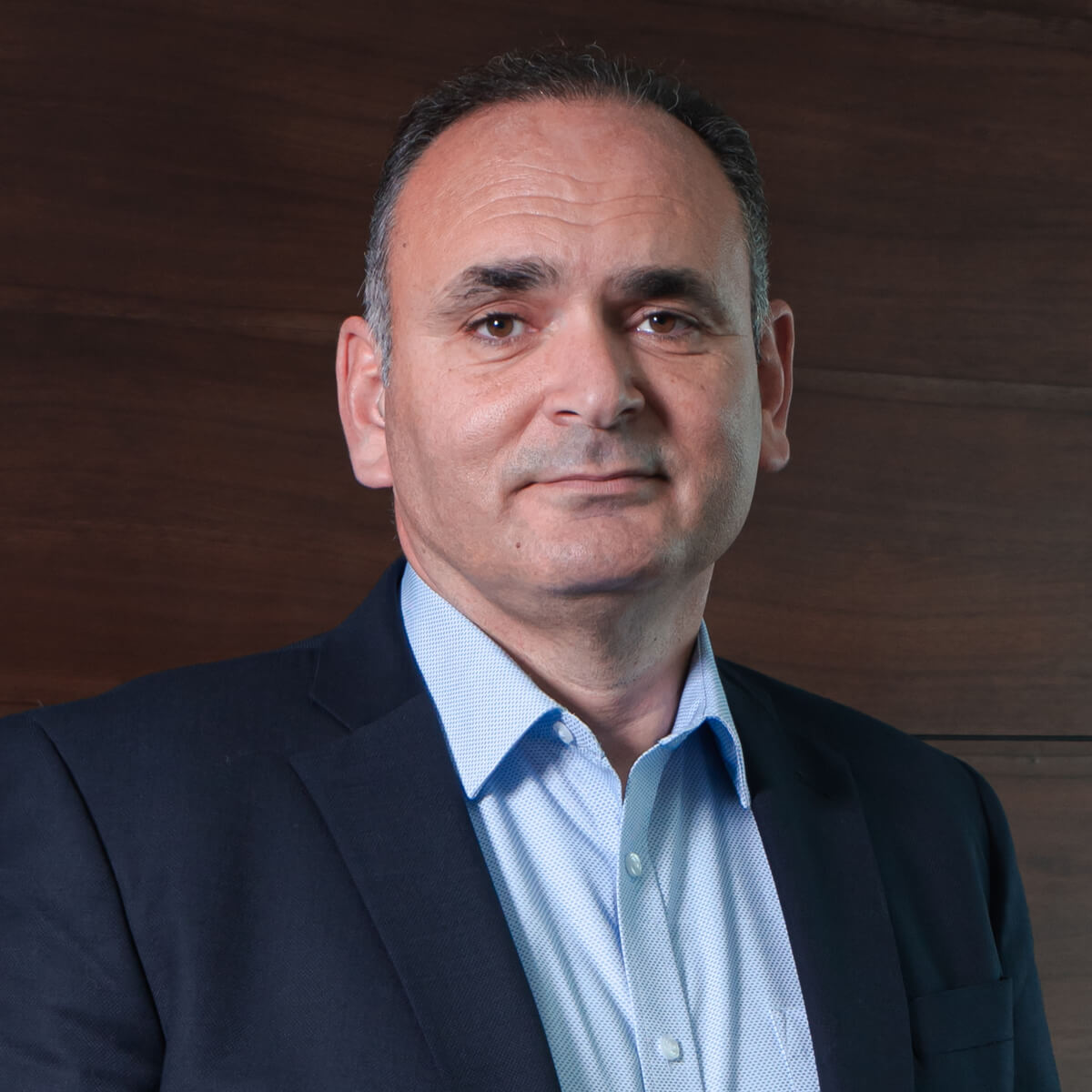
76. Amin Serag
Hyde Park Developments
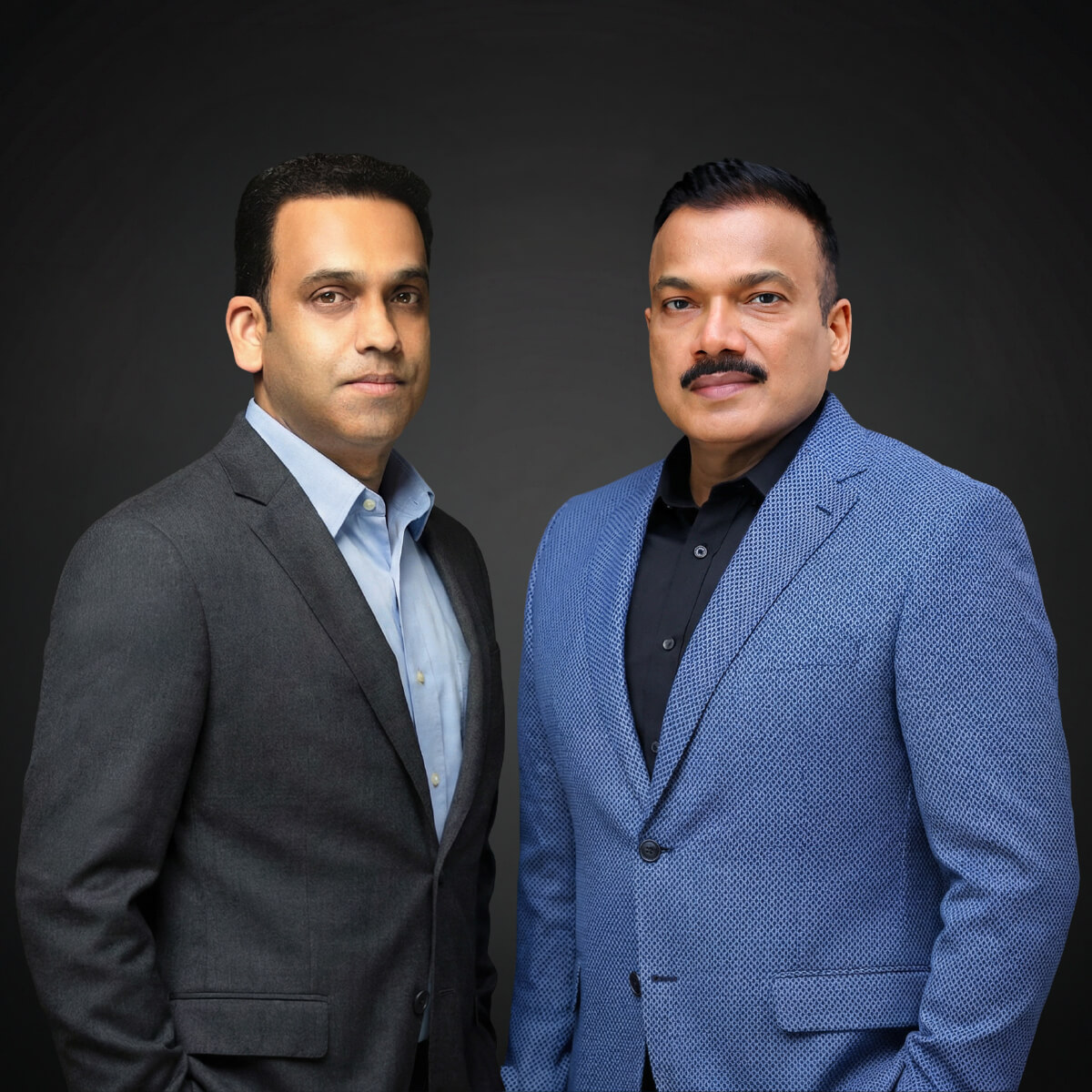
77. Pradeep Singh & Navneet Mandhani
Karma Group
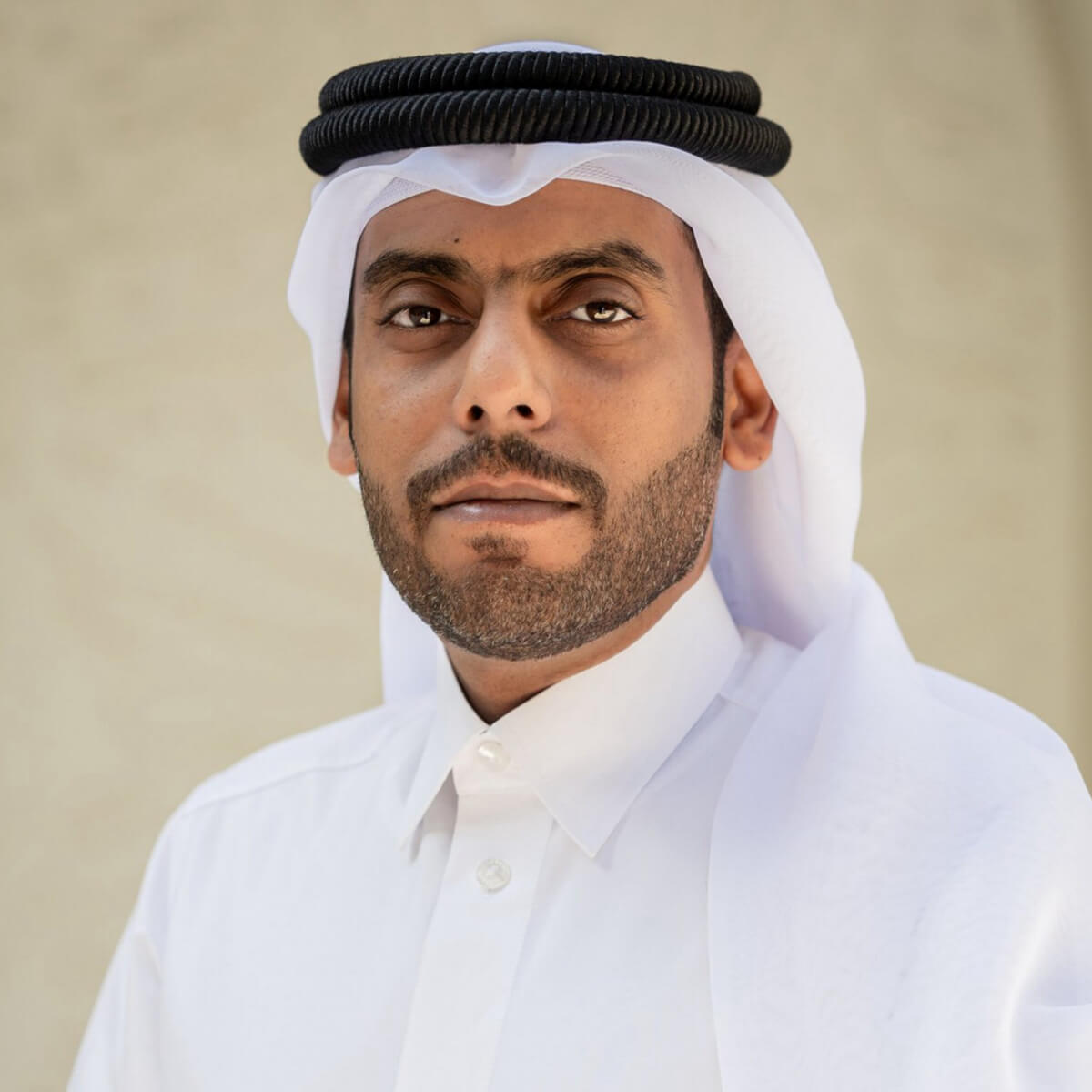
78. Ali Al Kuwari
Msheireb Properties
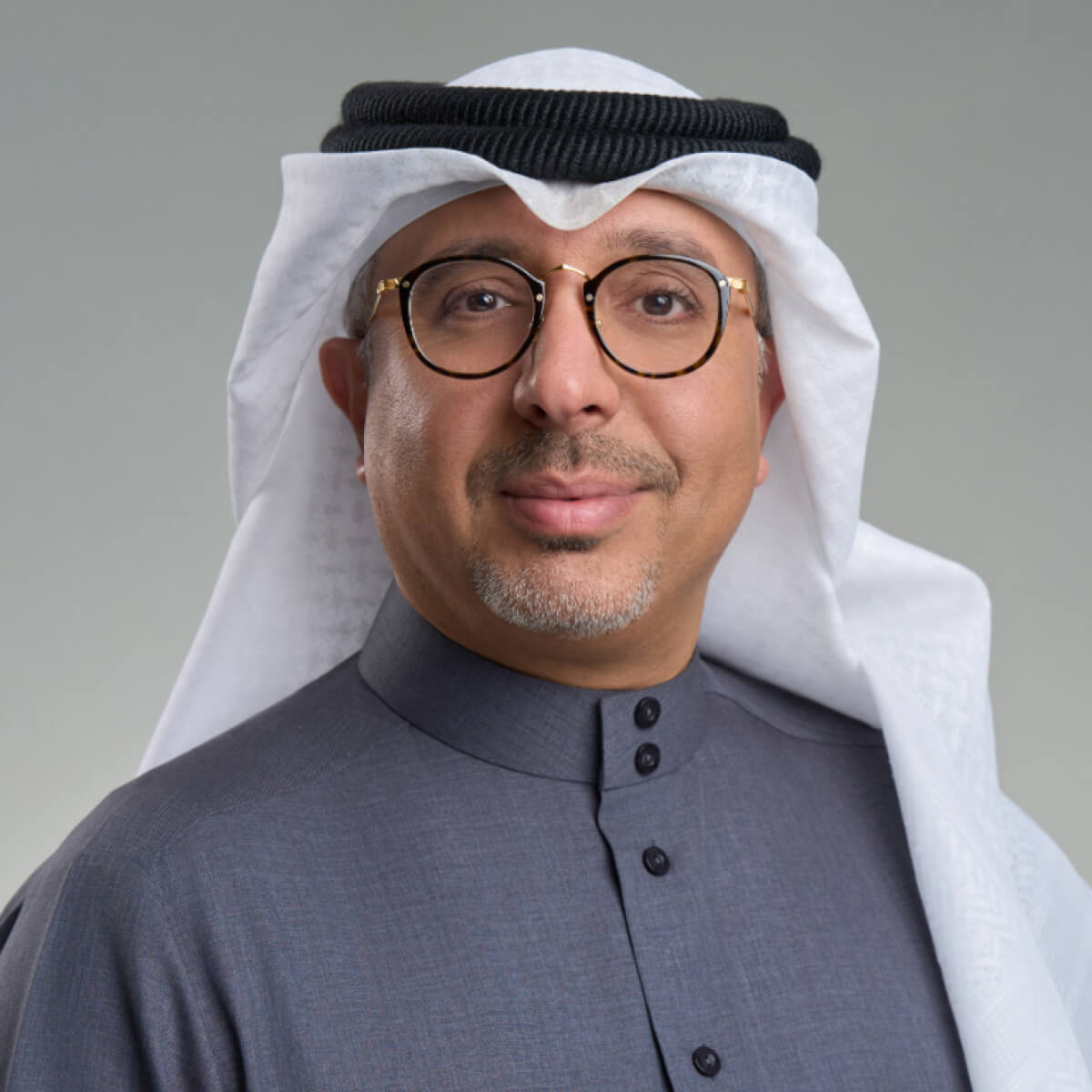
79. Ahmed Al Ammadi
Diyar Al Muharraq
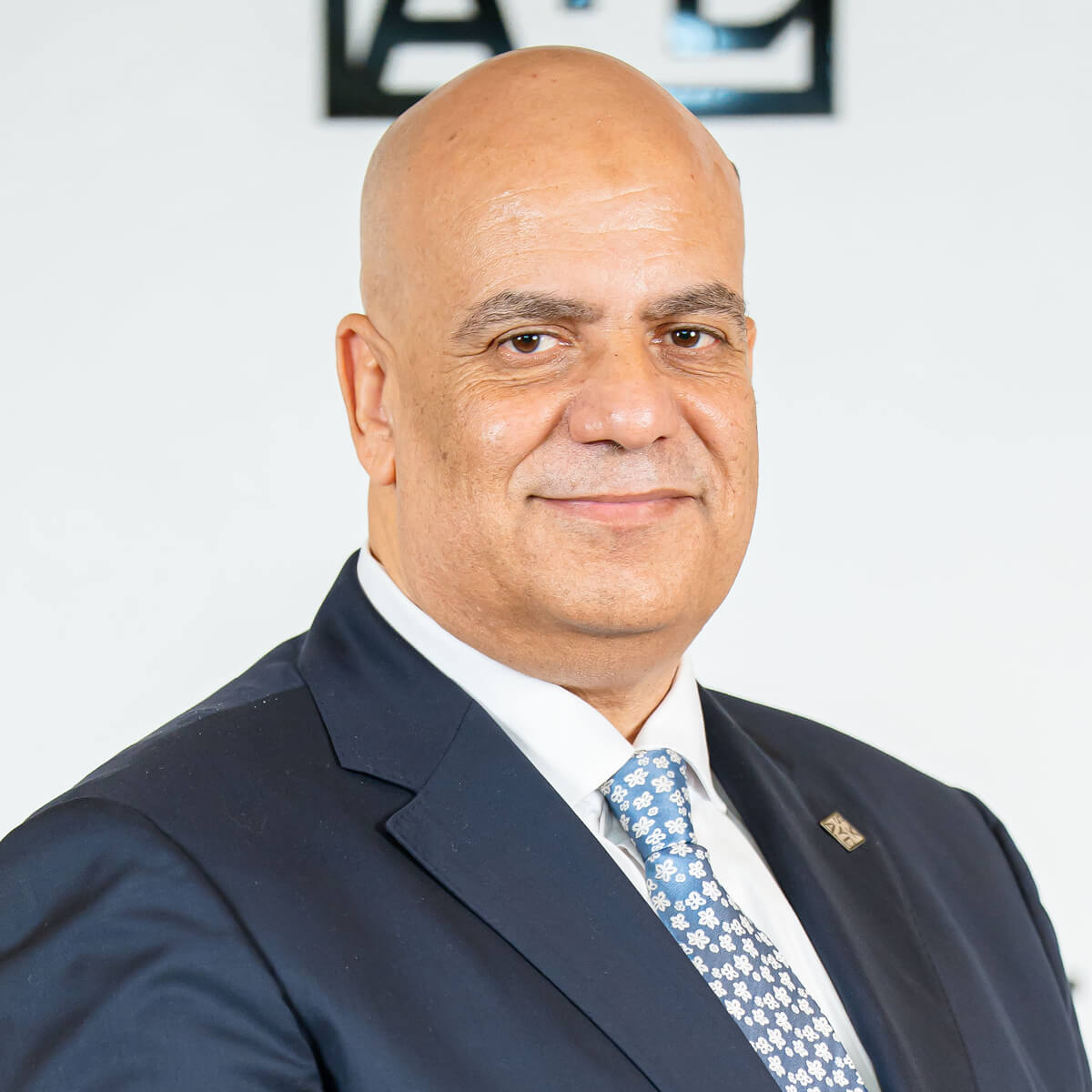
80. Abdelrahman Agami
Diamond Group; Sky Abu Dhabi Developments
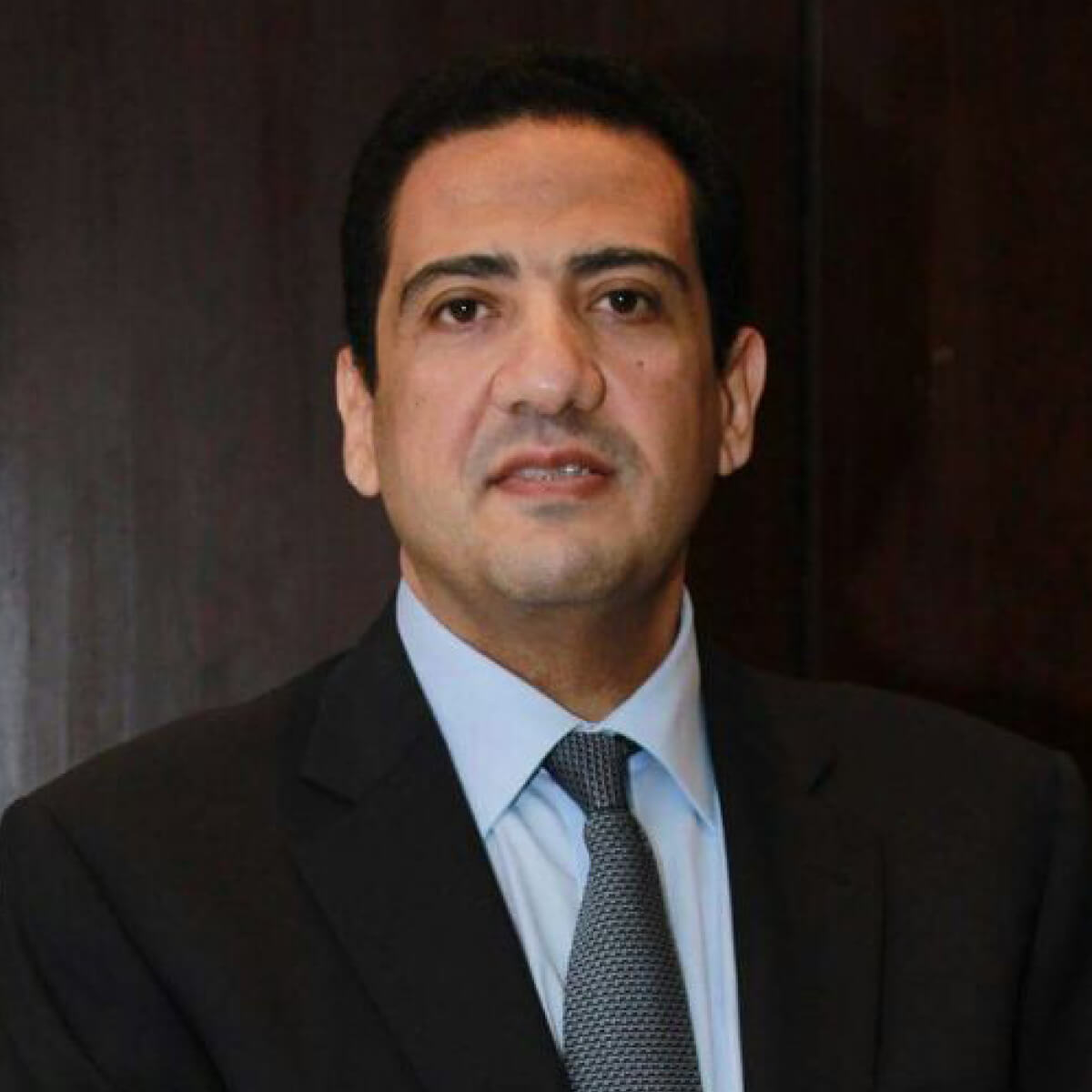
81. Waleed Zaki
PRE Group
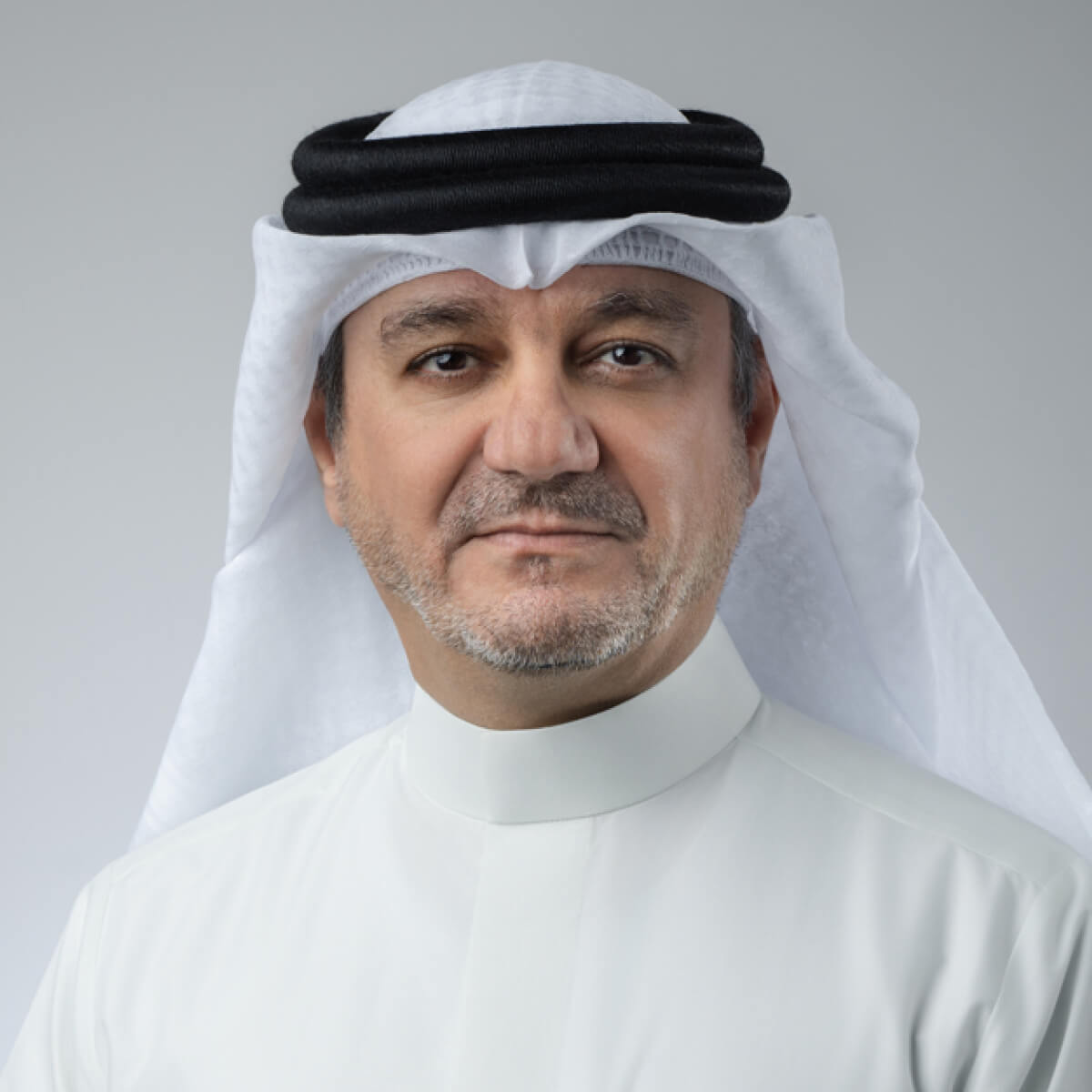
82. Ahmed Yusuf
Seef Properties
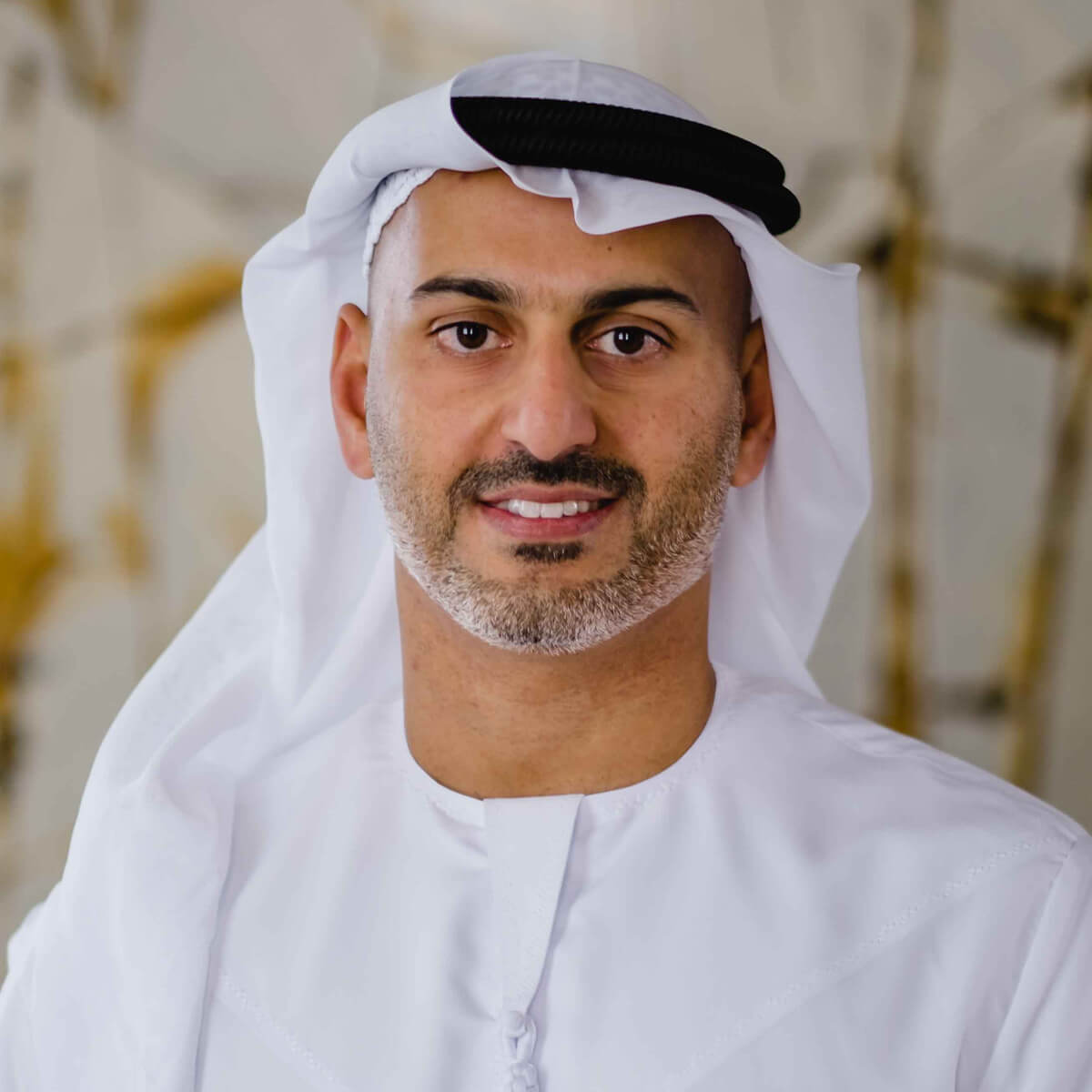
83. Amer Khansaheb
Union Properties
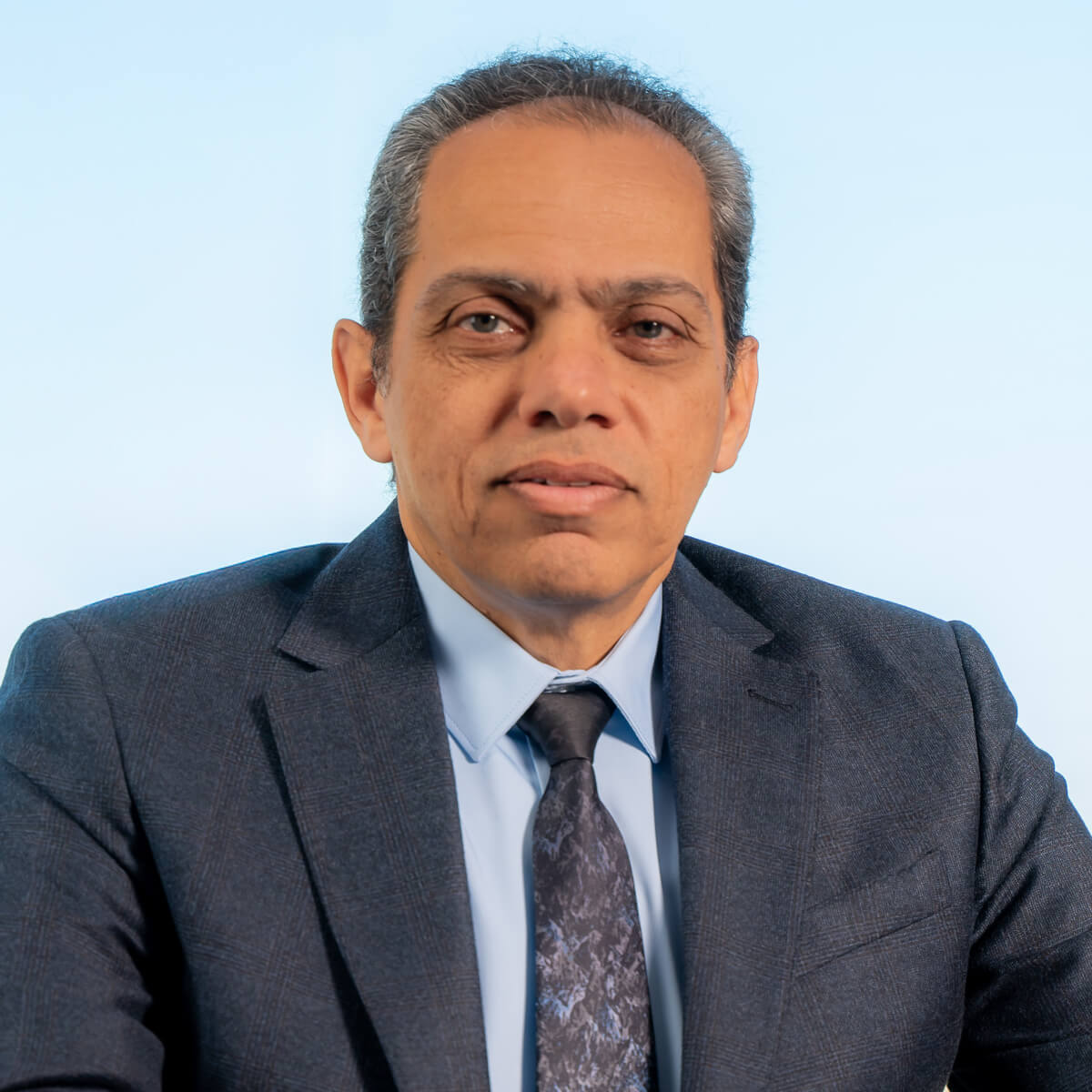
84. Tamer Nasser
City Edge Developments
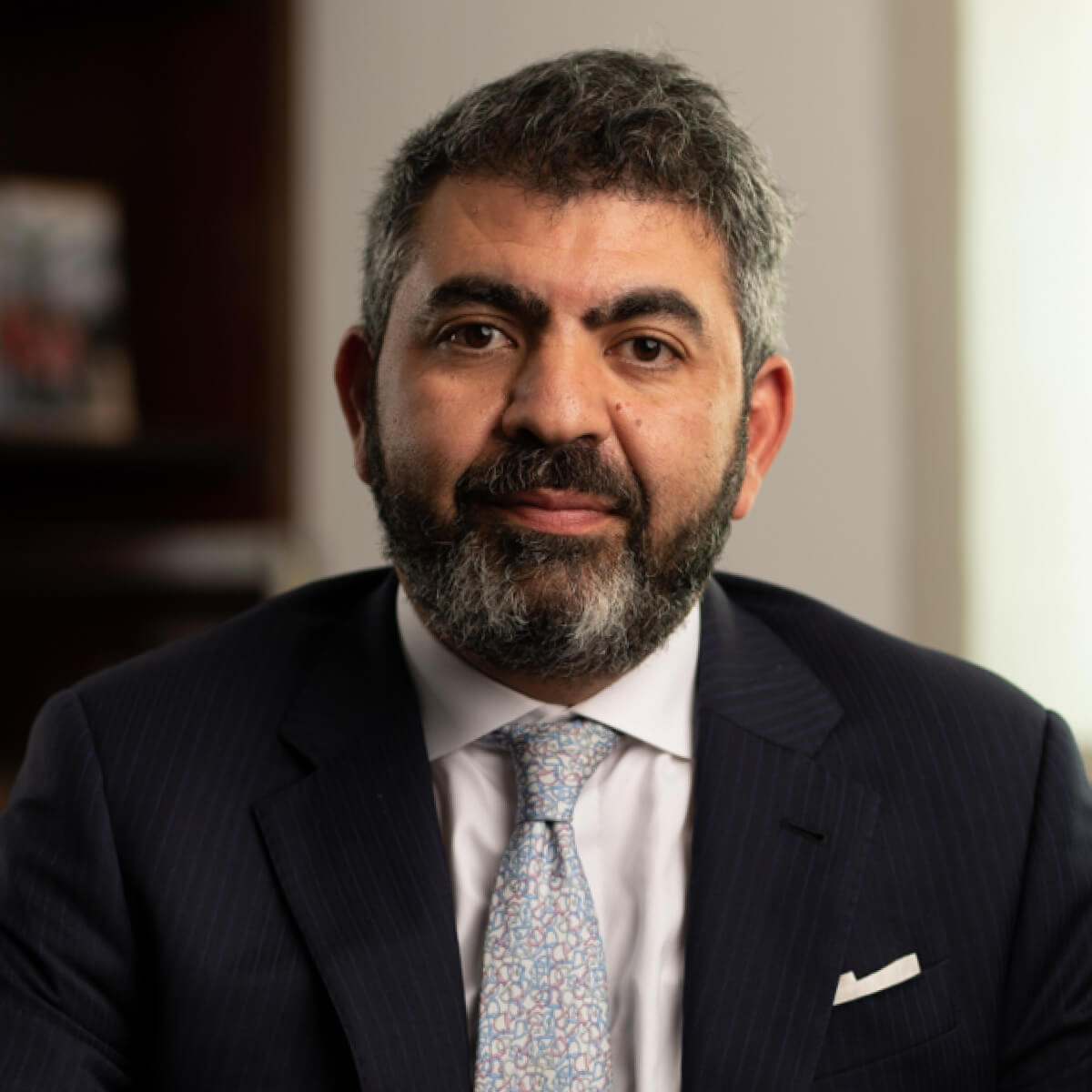
85. Sherif Selim
SEDCO Holding
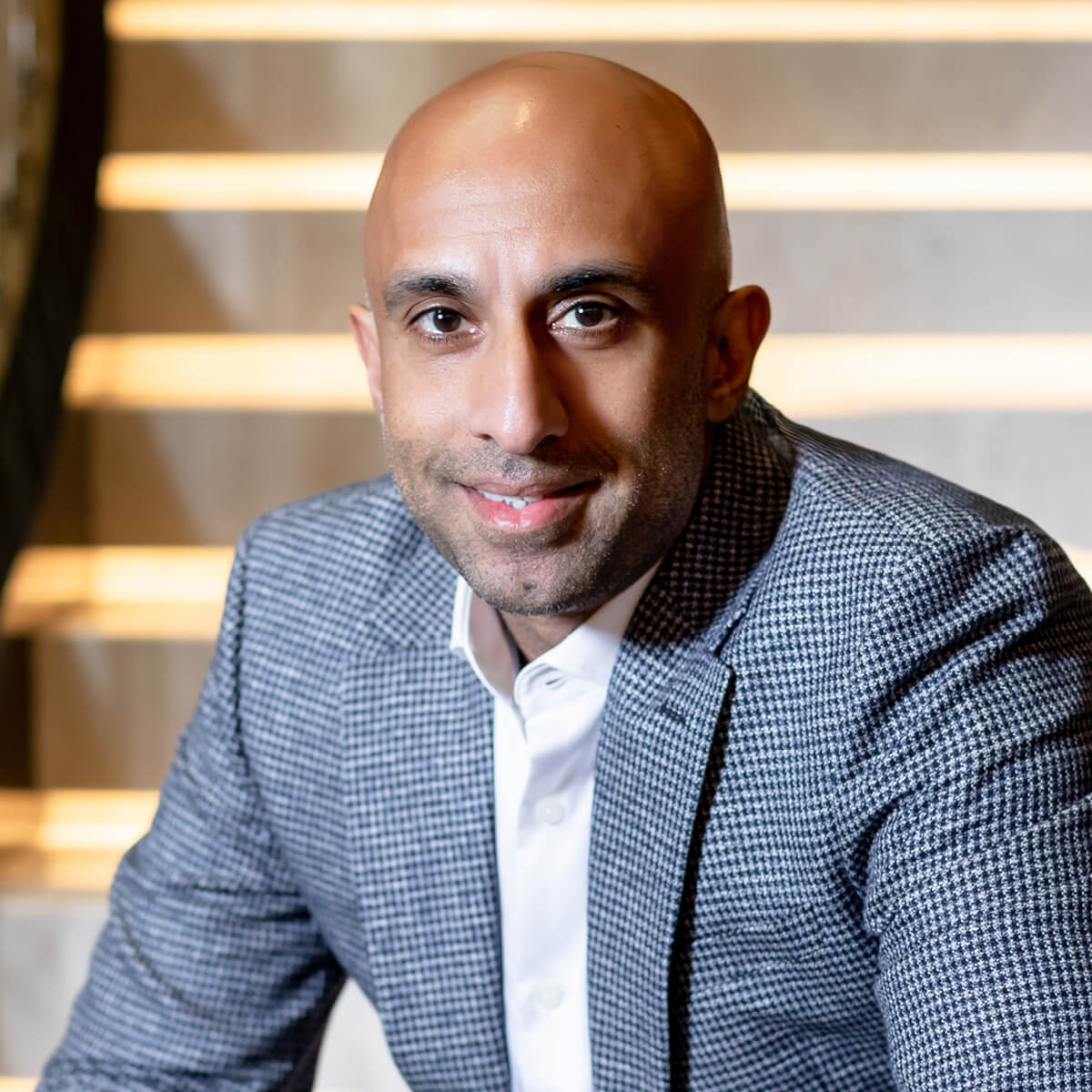
86. Rahail Aslam
Select Group
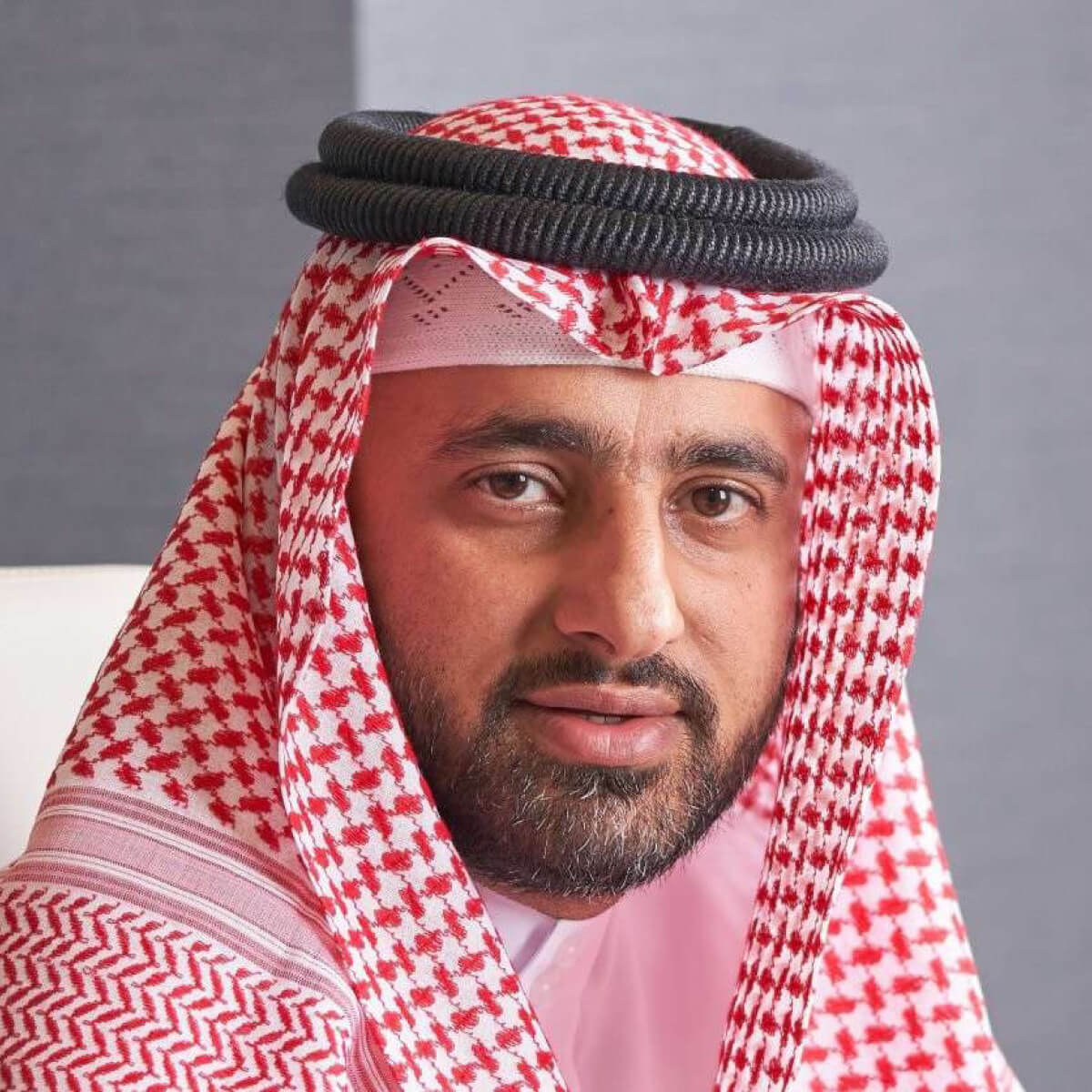
87. Mohammed Abdulghaffar Al Kooheji
Kooheji Development
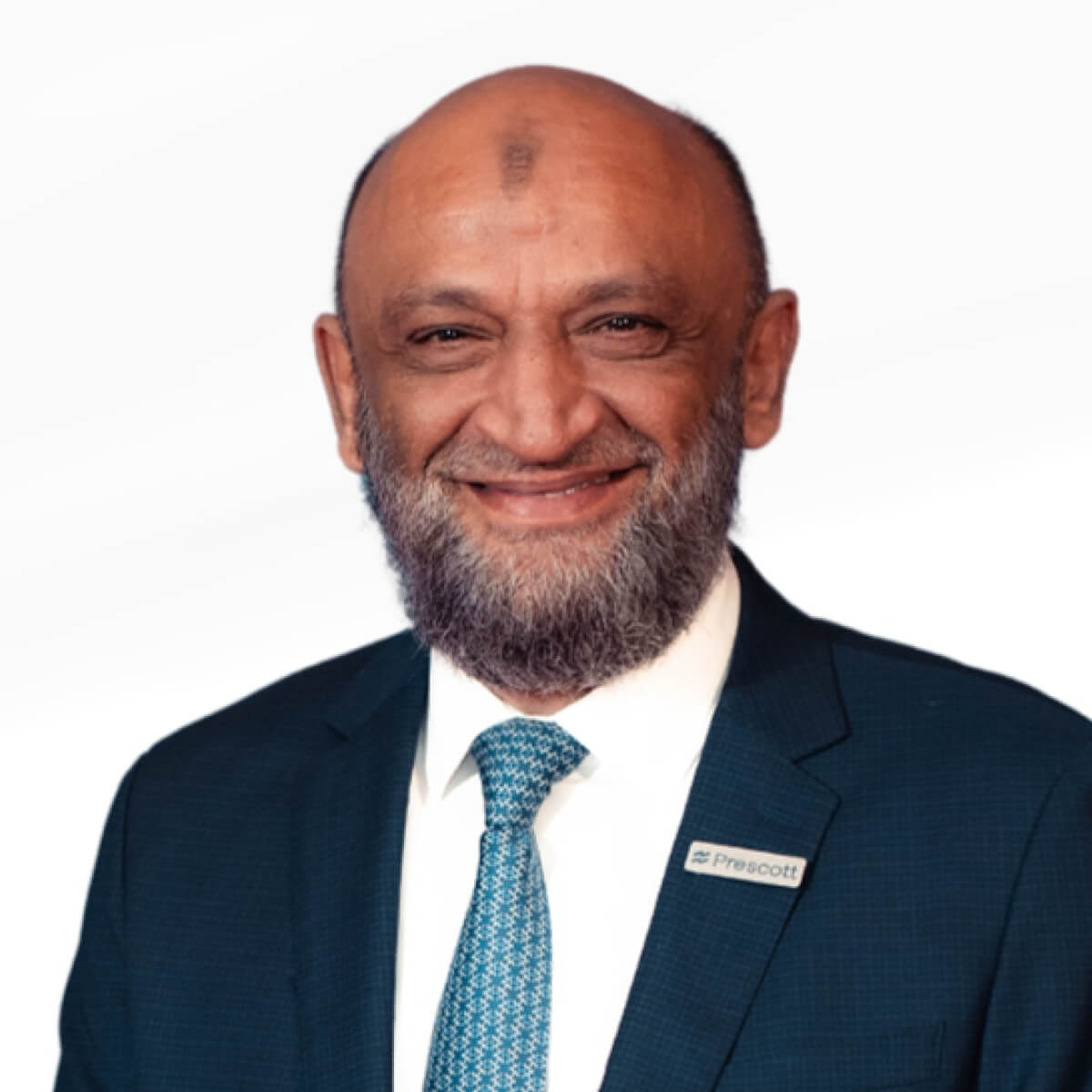
88. Shafi Tabani
Prescott Real Estate Development
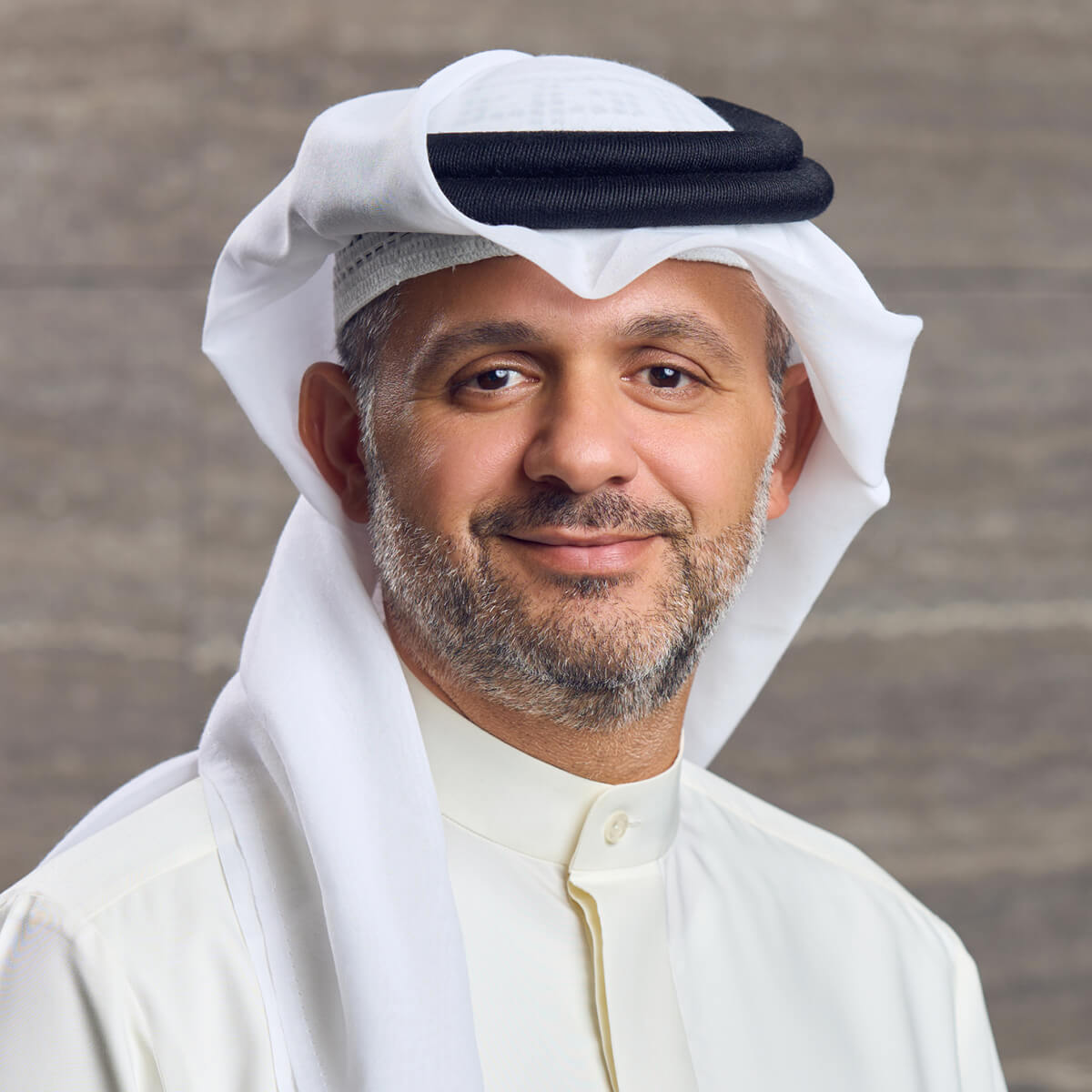
89. Majed Abdulla Al Khan
Infracorp
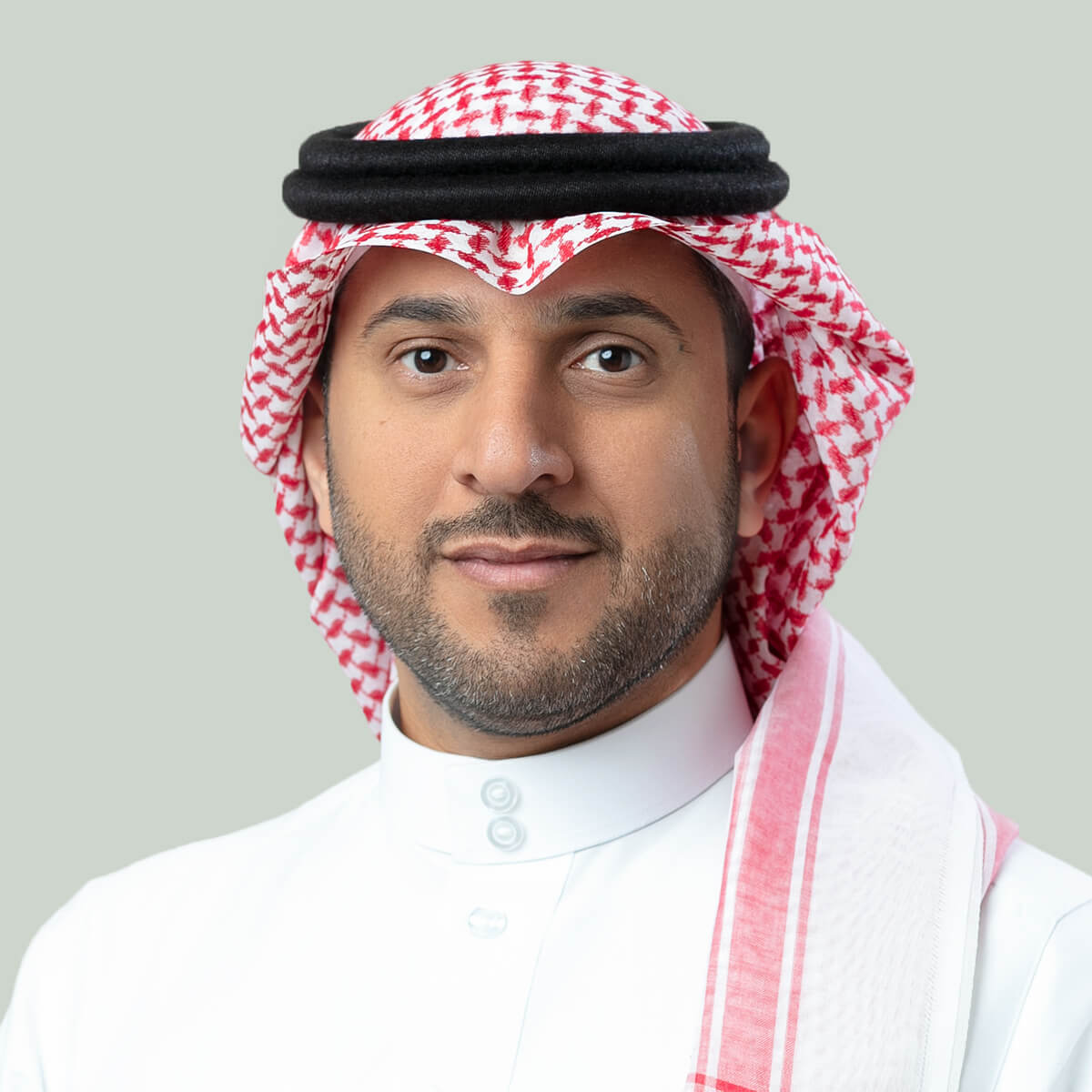
90. Saleh Aloraini
Soudah Development
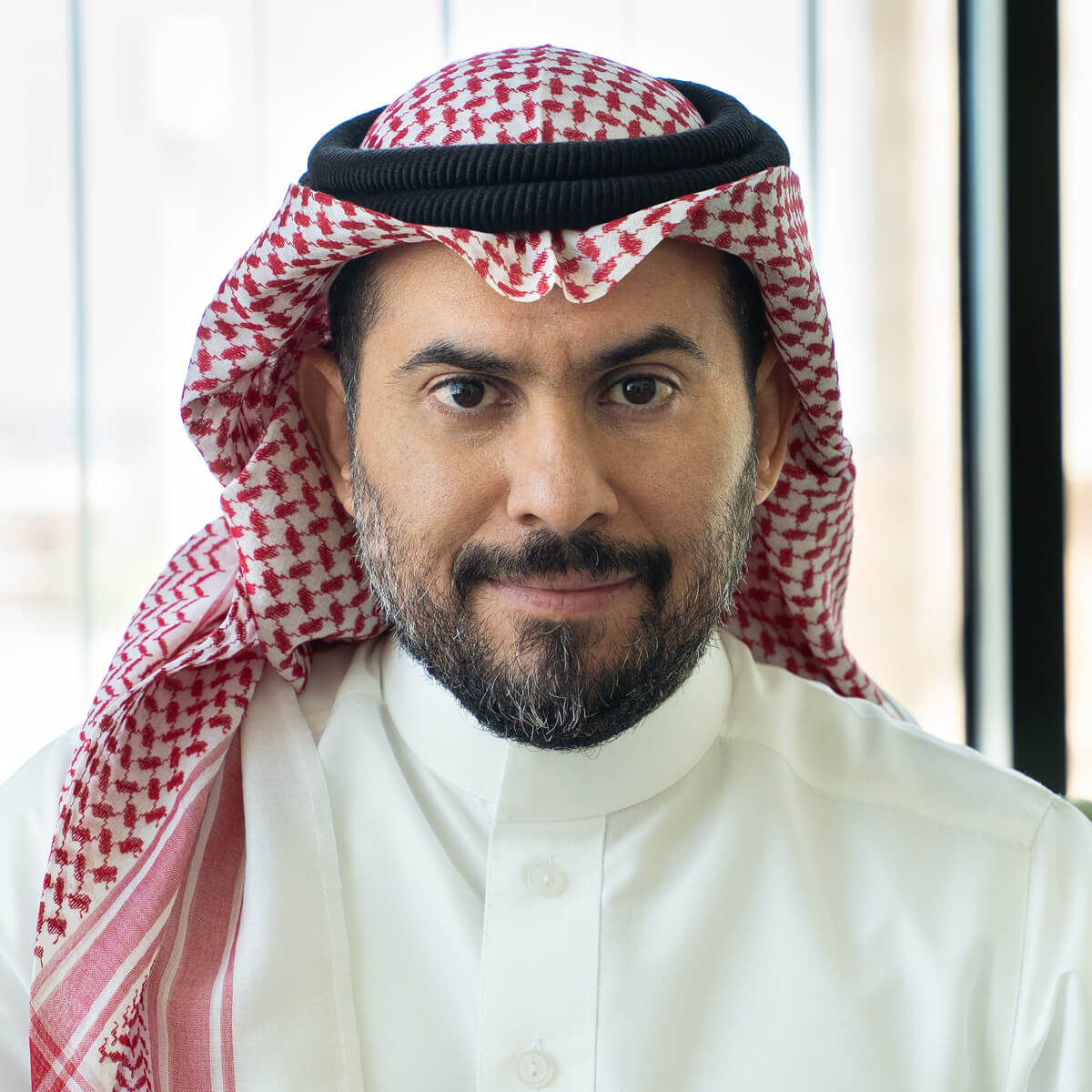
91. Moath Alhusaini
Trust Partners Properties (TPP)
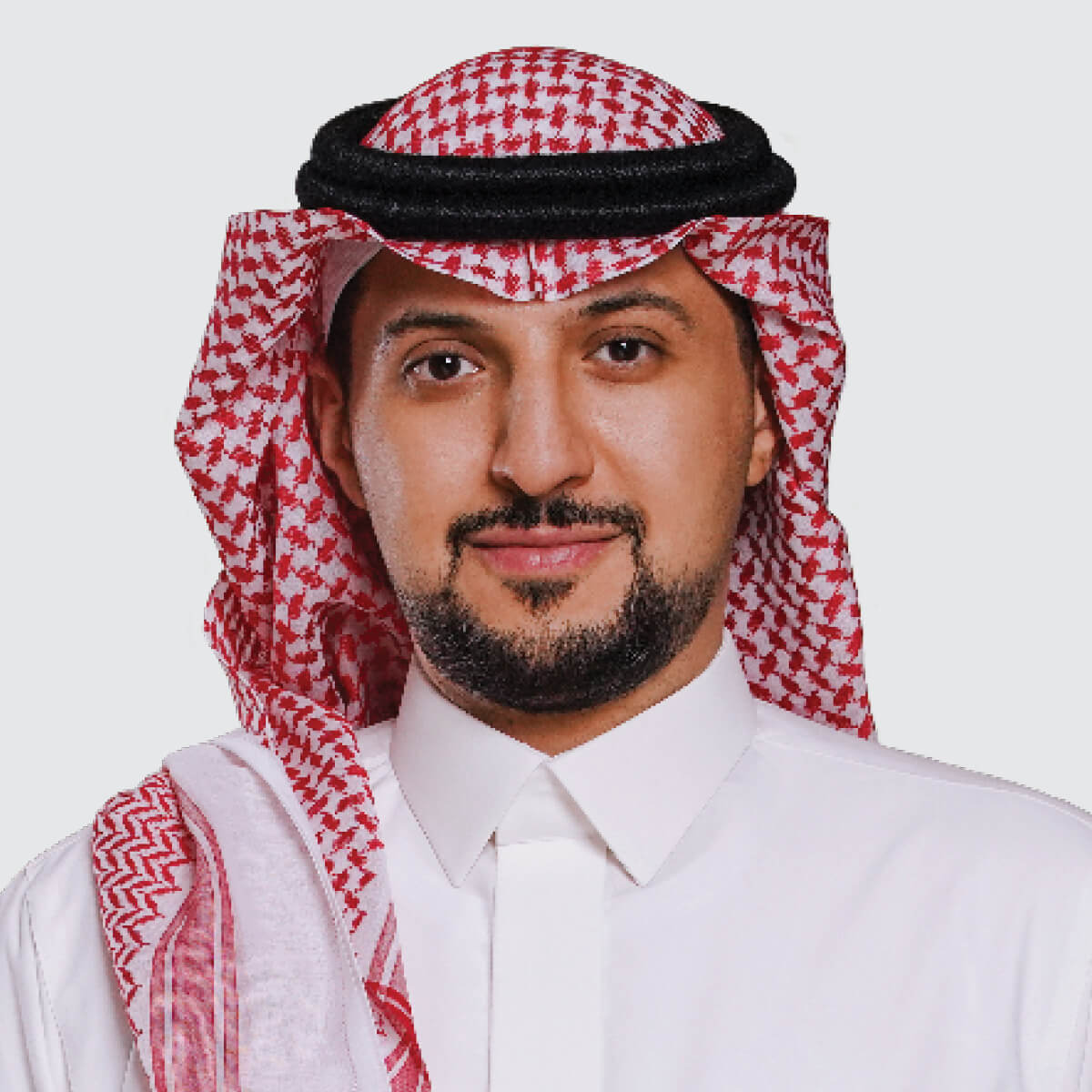
92. Faisal Abdulmohsen Alzakary
Daman Projects Real Estate Company
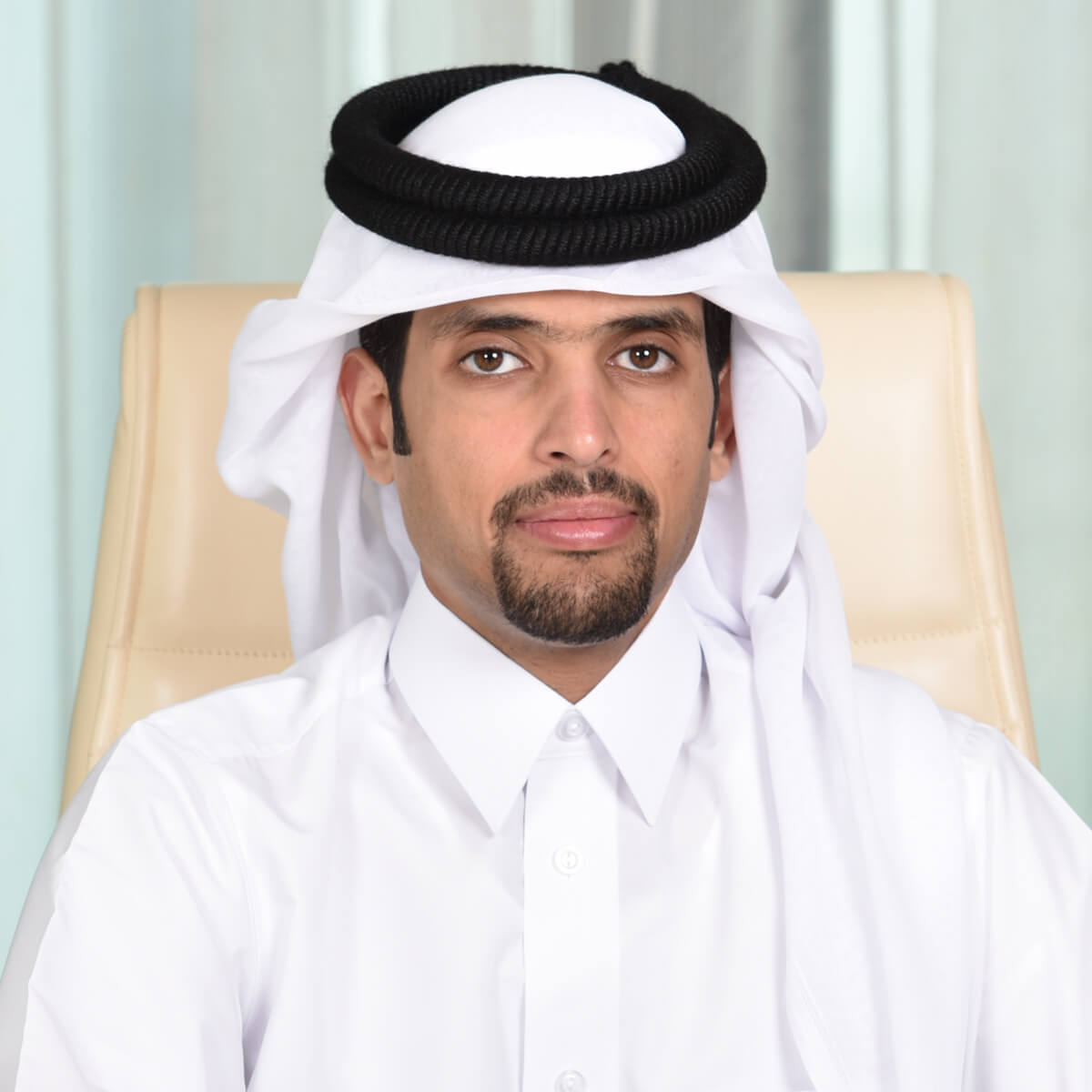
93. Turki bin Faisal Al Thani
Al Jazi Real Estate Investment Company
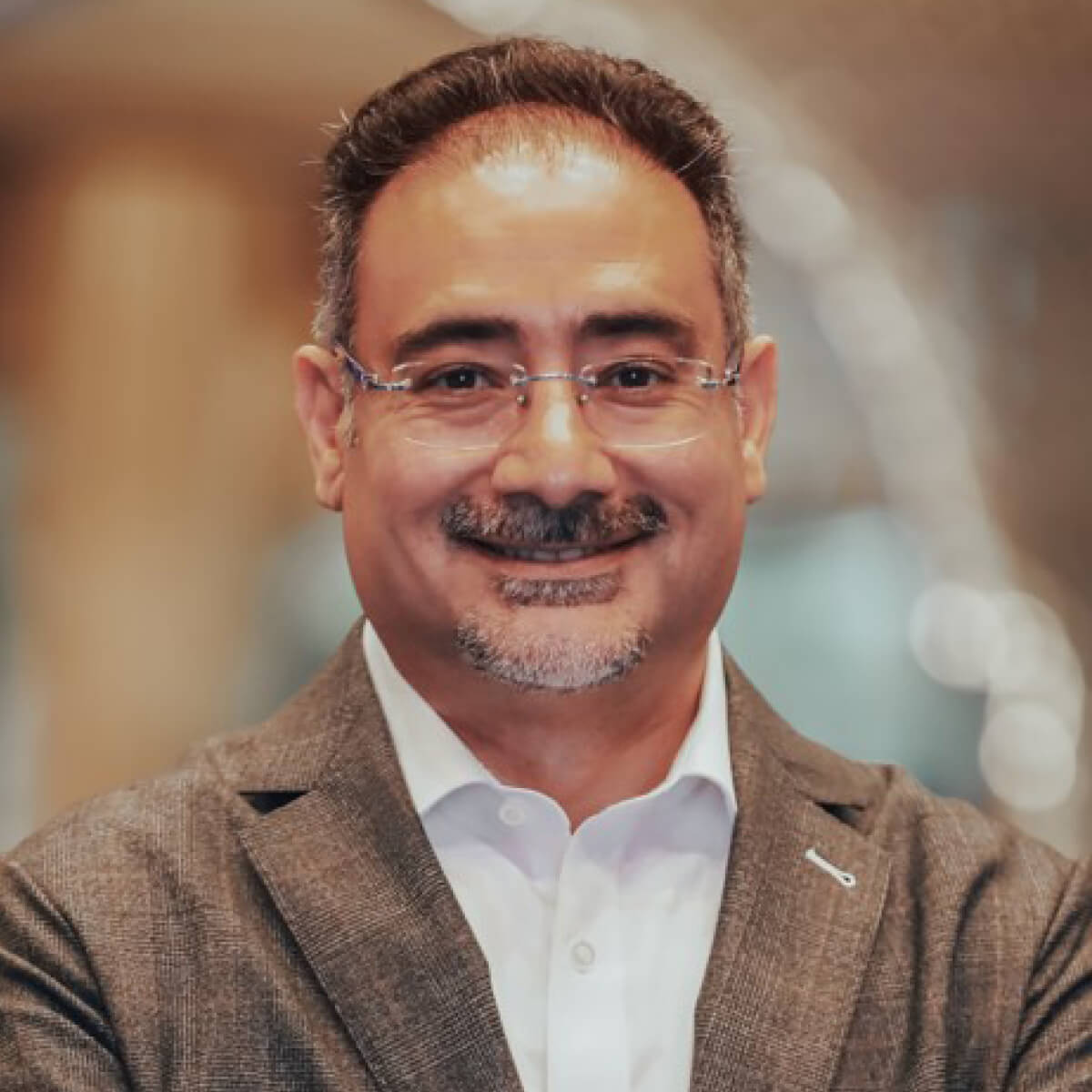
94. Amin Al Arrayed
Naseej
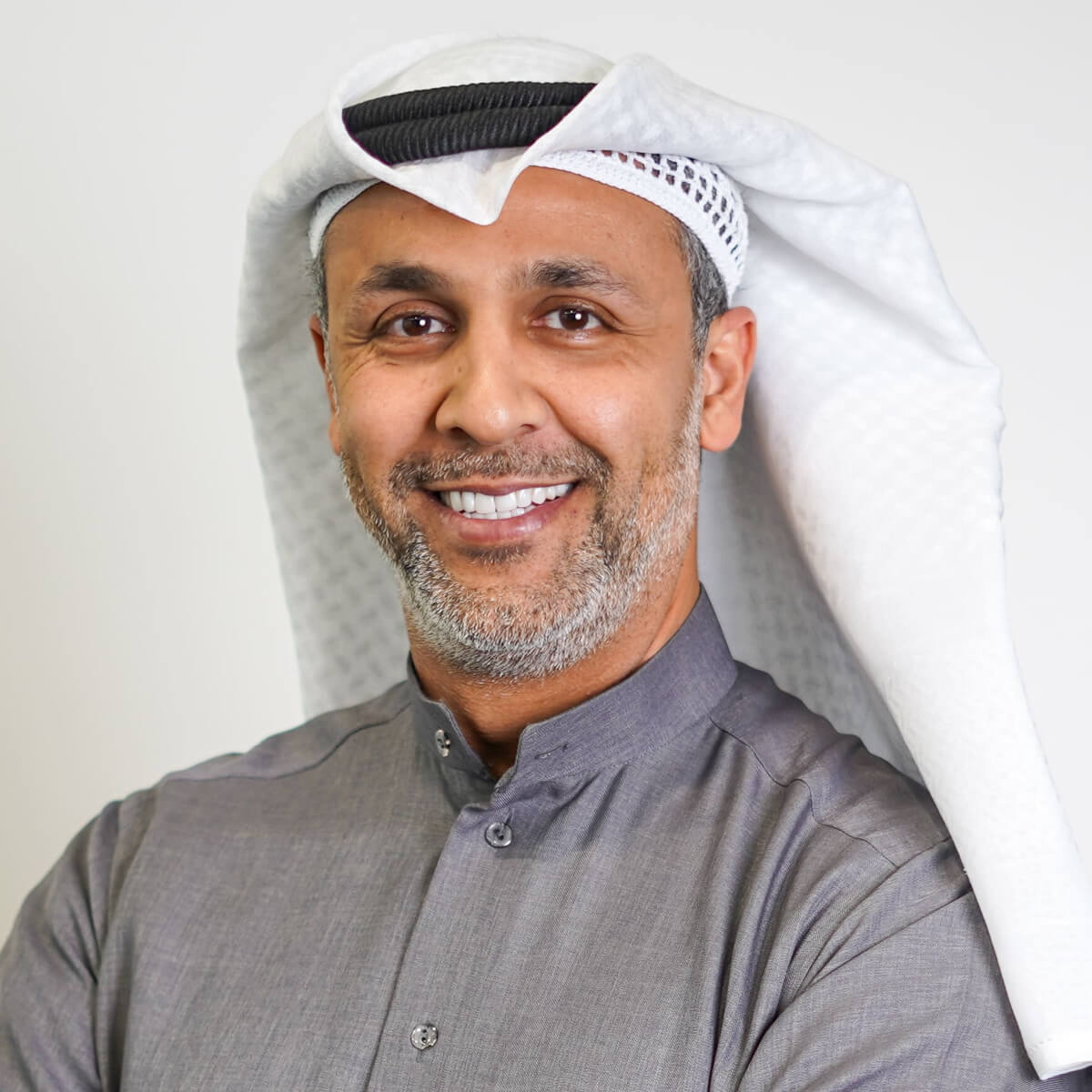
95. Ali Jaber
GJ Properties
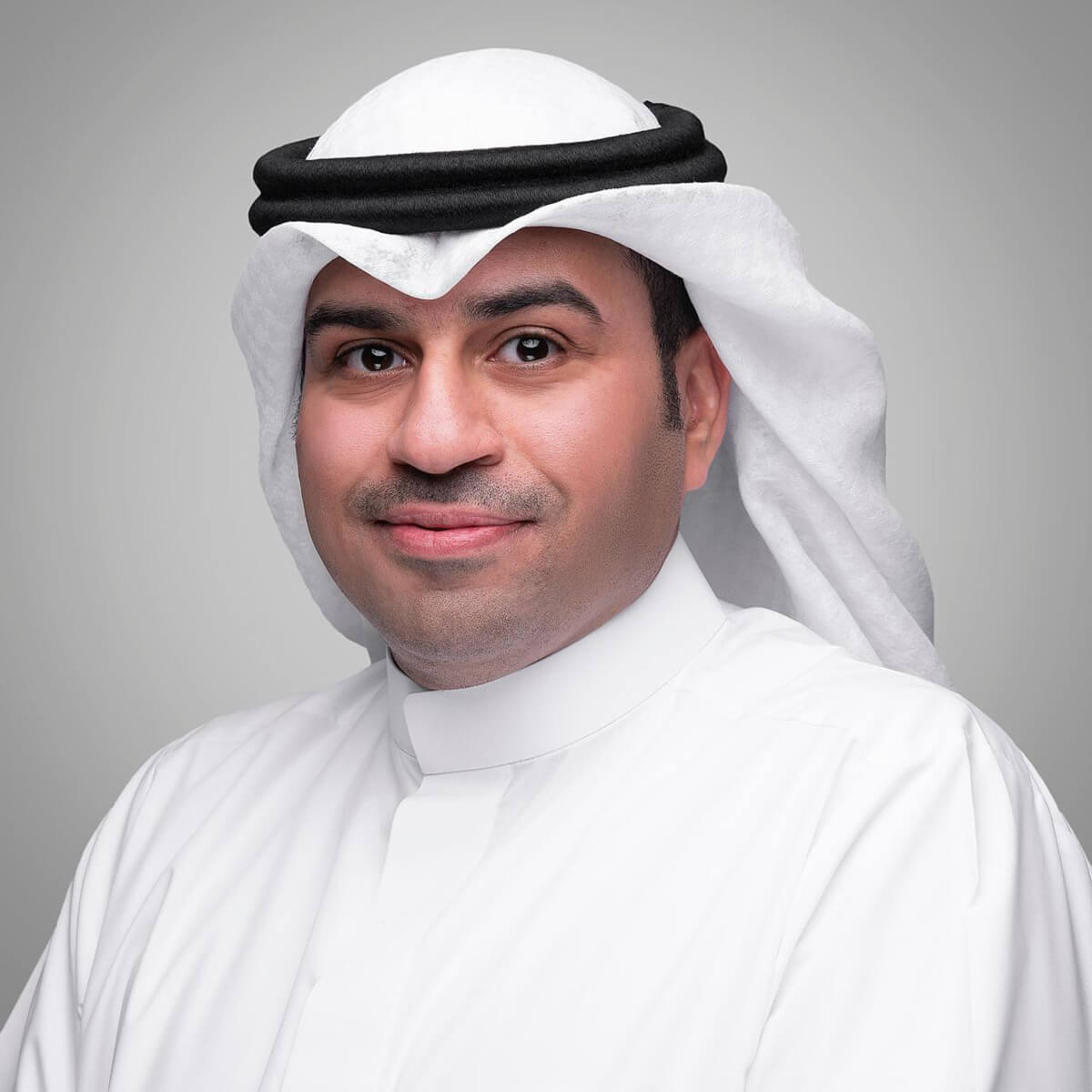
96. Abdulrahman Hamad Al-Terkait
Arkan Al Kuwait Real Estate Company
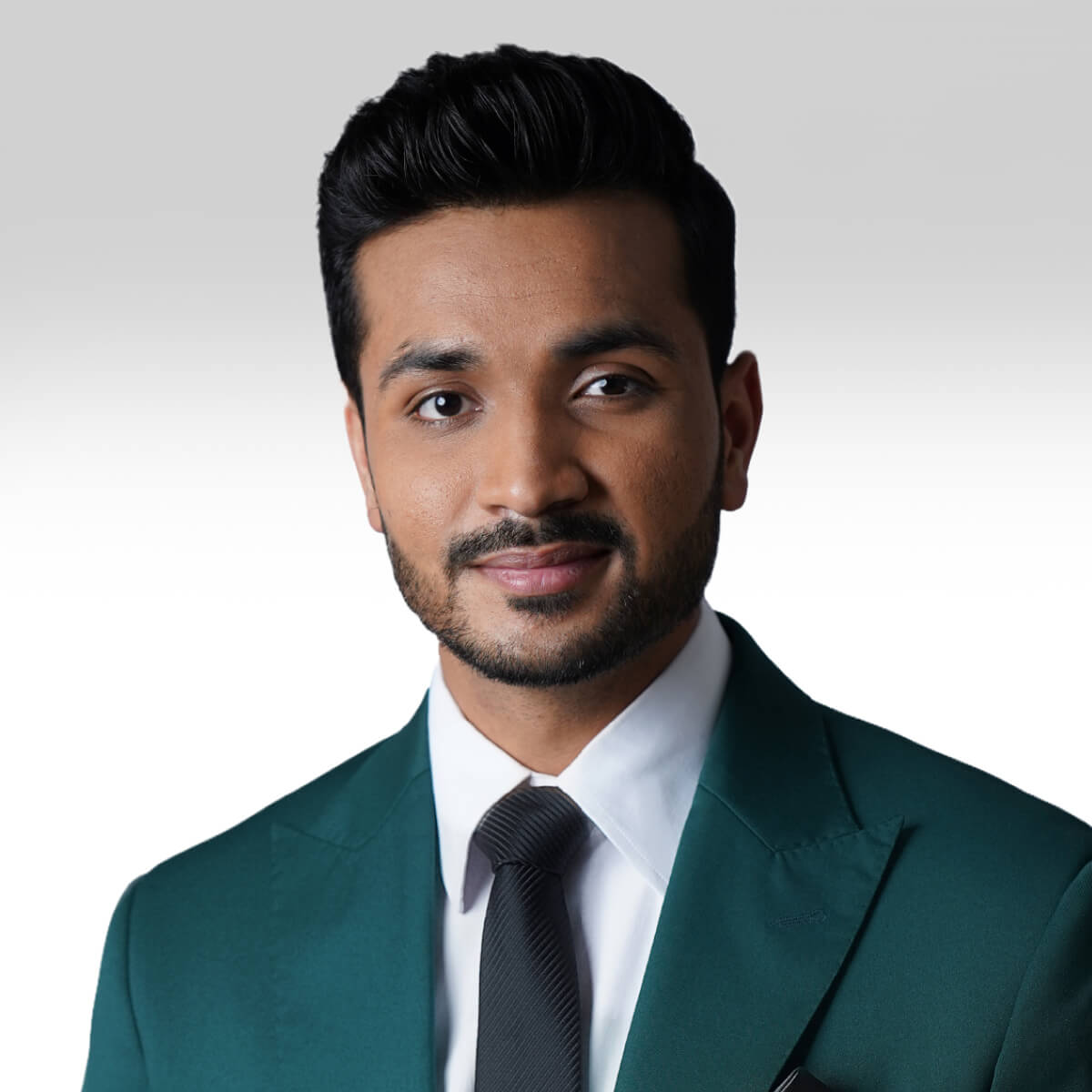
97. Veer Doshi
Vincitore Real Estate Development
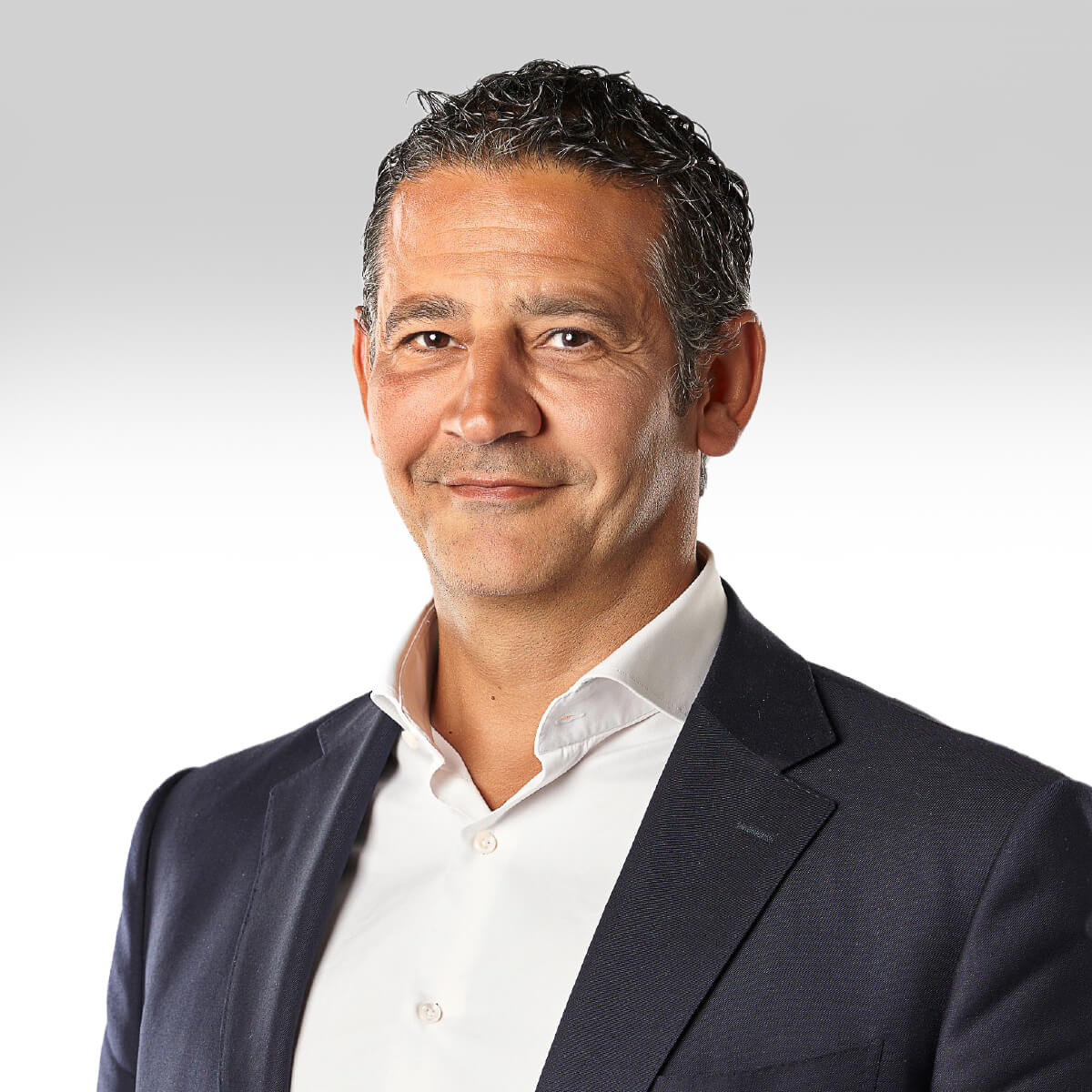
98. Karim Malash
M squared
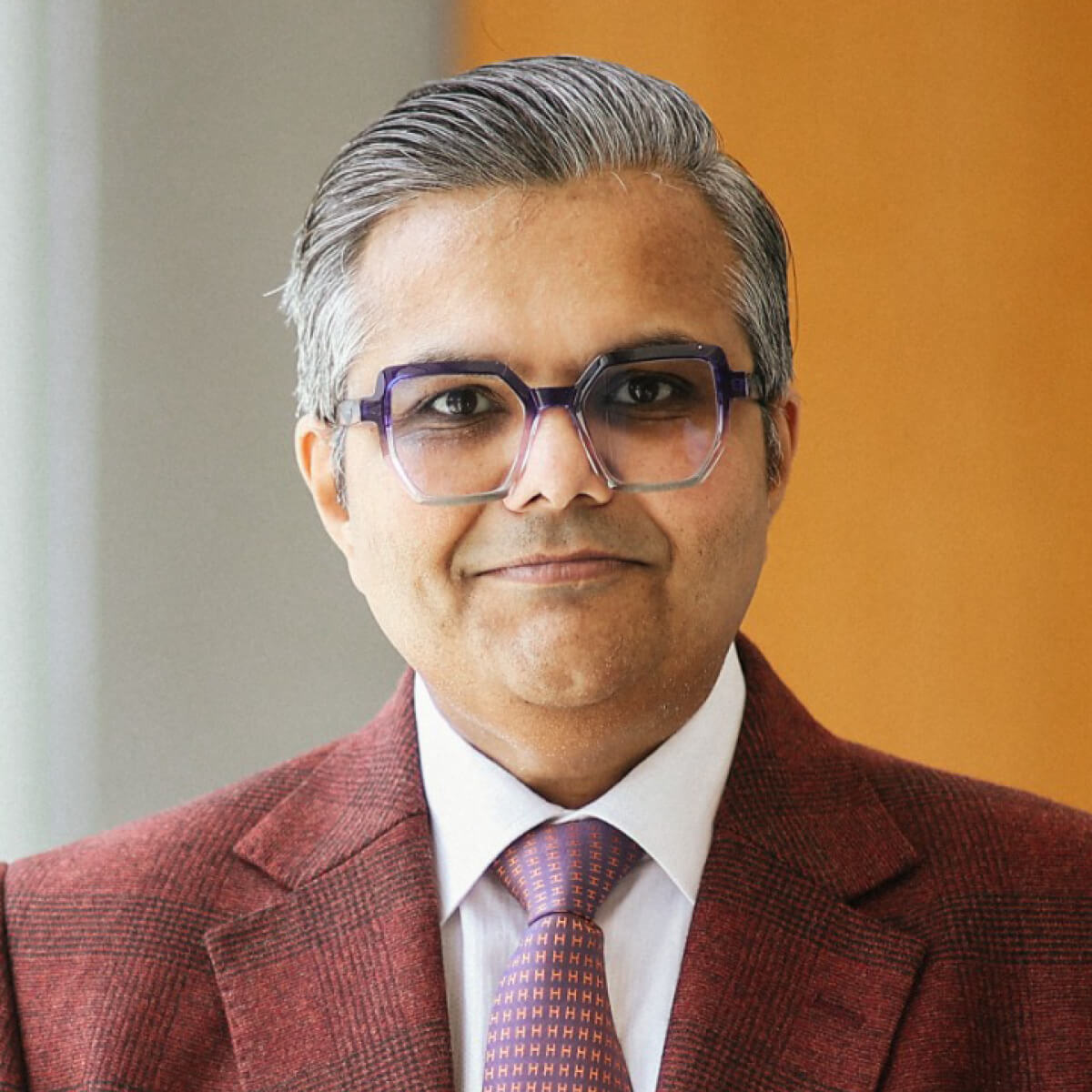
99. Kalpesh Kinariwala
Pantheon Development
100. Haitham Abdullah Abu Khadija
Jordanian Real Estate Company for Development (JRCD)