THE MIDDLE EAST’S
Top 100 CEOs 2026

The role of the chief executive in the Middle East has expanded beyond traditional corporate leadership. A CEO in 2026 must lead their company through technological disruption, geopolitical uncertainty, and evolving capital markets.
Our sixth annual list of the Top 100 CEOs in the Middle East spotlights executives who combine financial performance with a broader contribution to economic resilience and development.
Over the past year, companies across the region have increased investment in AI, digital infrastructure, the energy transition, and advanced manufacturing. AI has moved from strategy to implementation, while sustainability has become a standard business requirement rather than a compliance matter. In 2025, Saudi Aramco announced plans to acquire a minority stake in AI firm HUMAIN, while IHC launched Judan Financial this year, an AI-enabled platform with nearly $237 billion in assets under management.
Diversification has also continued to define corporate strategy, with companies expanding beyond their core markets through acquisitions and new ventures. In January 2026, NMDC Infra acquired a 51% stake in Spain’s Lantania Aguas, marking NMDC Group’s first entry into the European market. In June 2026, Emirates NBD acquired a 60% majority stake in India’s RBL Bank through a primary capital infusion of approximately $2.75 billion.
The top CEOs list features 102 individuals across 100 entries, representing 21 nationalities. Emiratis top the list with 31 executives, followed by Egyptians (15) and Saudis (13). The CEOs are based across eight countries in the region, with 49 based in the UAE, 18 in Saudi Arabia, and 11 in Qatar.
The list represents 29 sectors, with banking and financial services accounting for the largest share at 30 entries, followed by real estate and construction with eight.
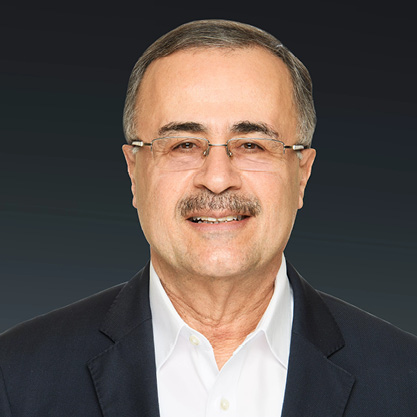
1. Amin H. Nasser
Saudi Aramco
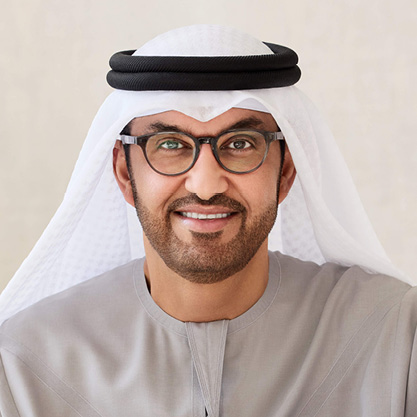
2. Sultan Al Jaber
ADNOC Group
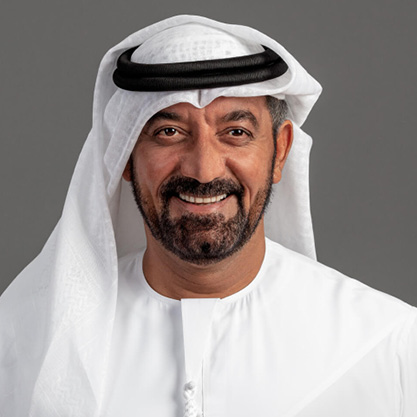
3. Sheikh Ahmed bin Saeed Al Maktoum
Emirates Airline & Group
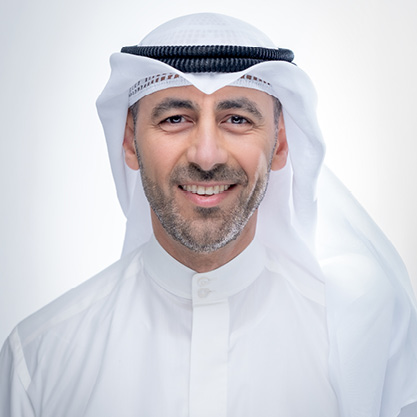
4. Nawaf Saud Al-Sabah
Kuwait Petroleum Corporation (KPC)
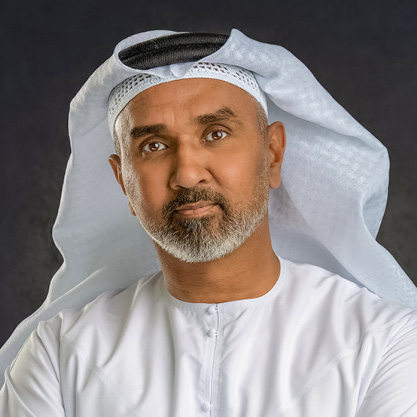
5. Syed Basar Shueb
International Holding Company (IHC)
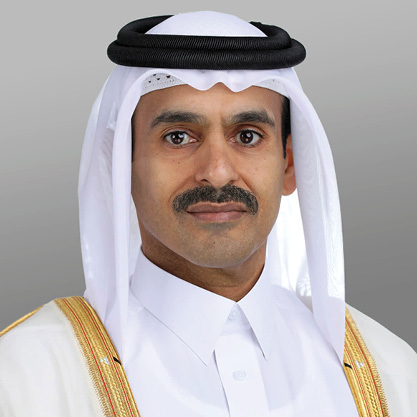
6. Saad Sherida Al-Kaabi
QatarEnergy
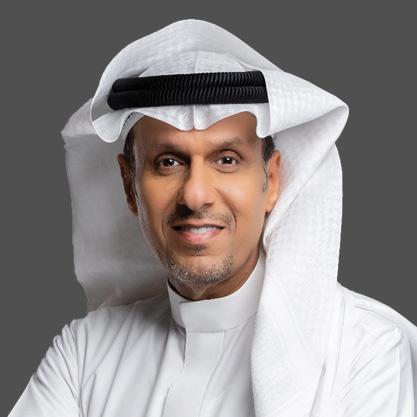
7. Nasser Al Huqbani
Health Holding Company (HHC)
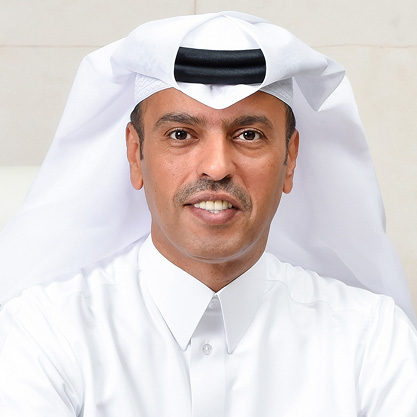
8. Abdulla Mubarak Al-Khalifa
QNB Group
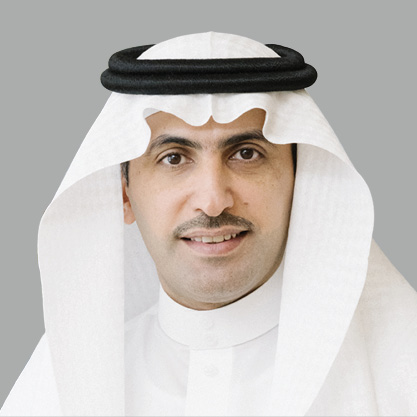
9. Waleed Abdullah Al-Mogbel
alrajhi bank
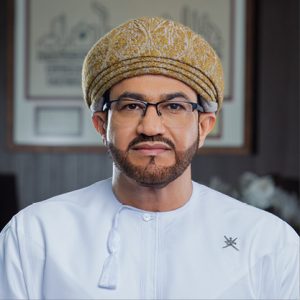
10. Dr. Aflah Al Hadhrami
Petroleum Development Oman (PDO)
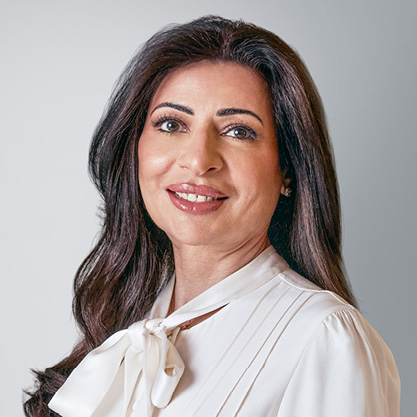
11. Hana Al Rostamani
First Abu Dhabi Bank (FAB)
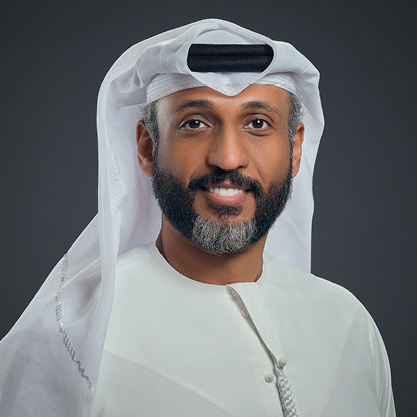
12. Hamad Al Ameri
Alpha Dhabi Holding
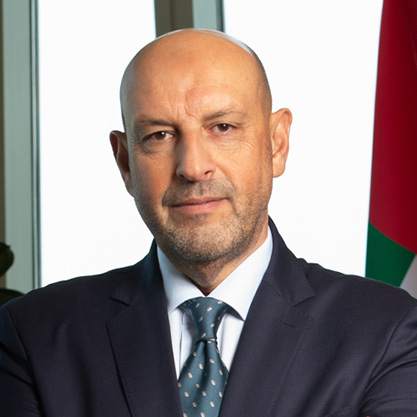
13. Yasser Zaghloul
NMDC Group
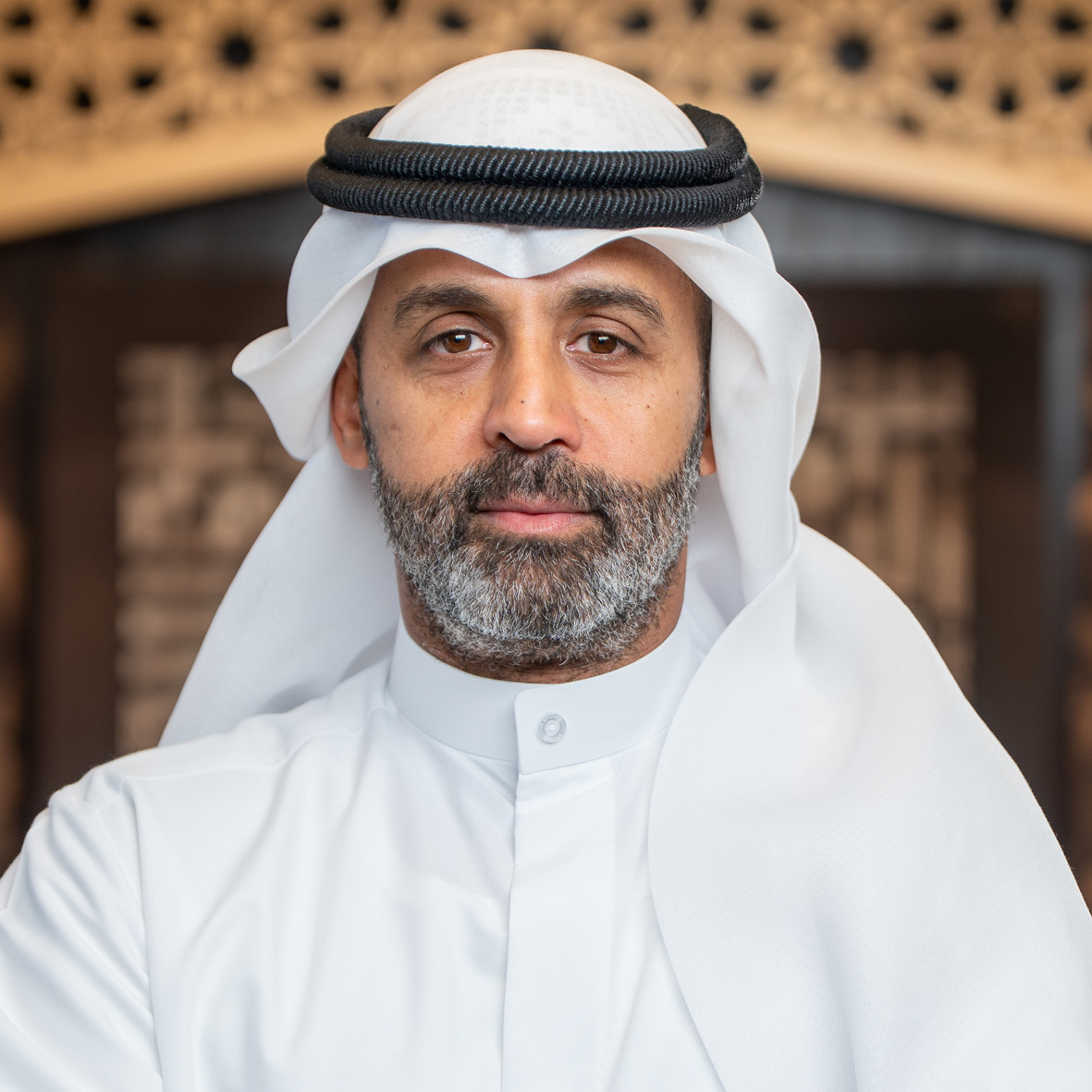
14. Khaled Alshamlan
Kuwait Finance House (KFH)
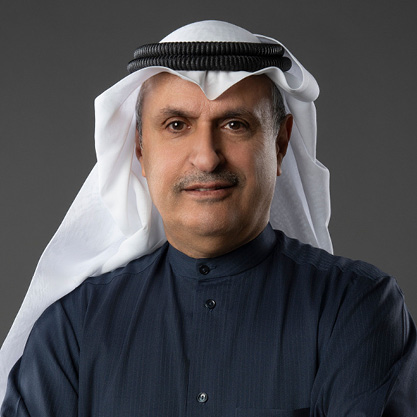
14. Isam Al Sager
National Bank of Kuwait (NBK Group)
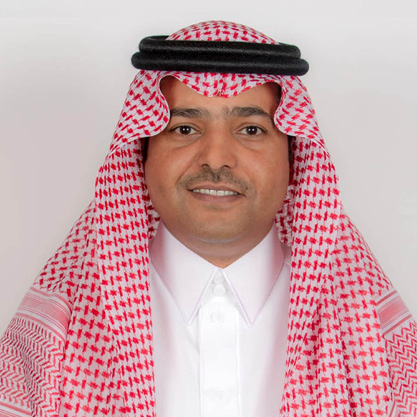
16. Olayan Alwetaid
stc group
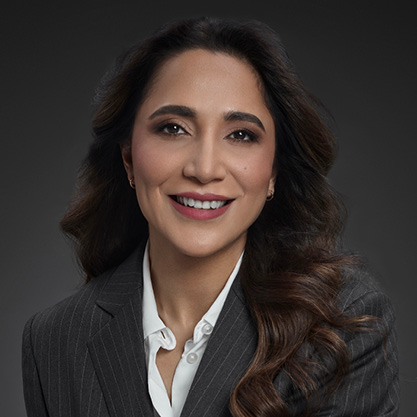
17. Shaista Asif
PureHealth
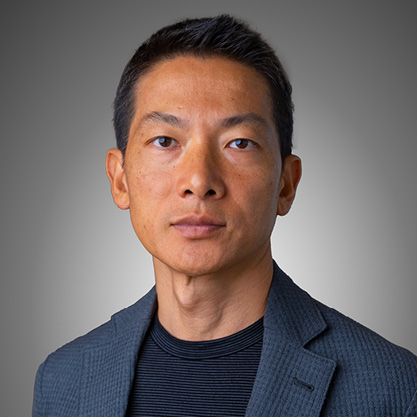
18. Peng Xiao
G42
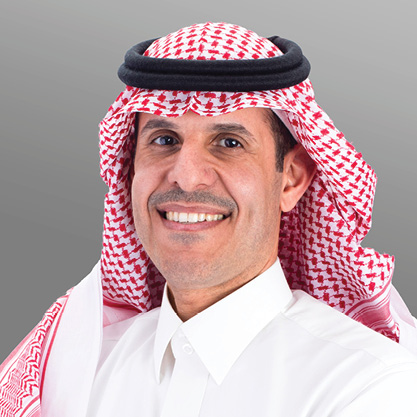
19. Tareq Al Sadhan
SNB Group
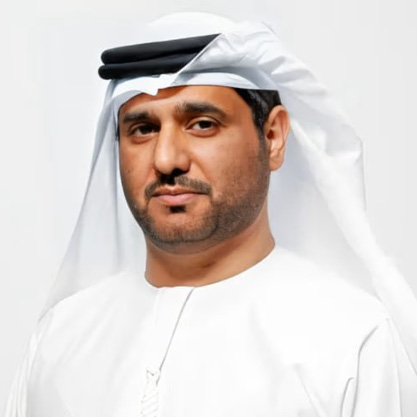
20. Bakheet Al Katheeri
Mubadala Investment Company (Mubadala)
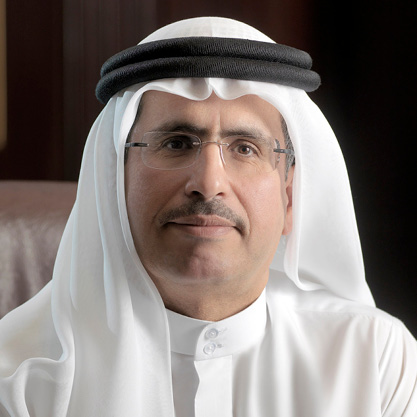
21. Saeed Mohammed Al Tayer
Dubai Electricity and Water Authority (DEWA)
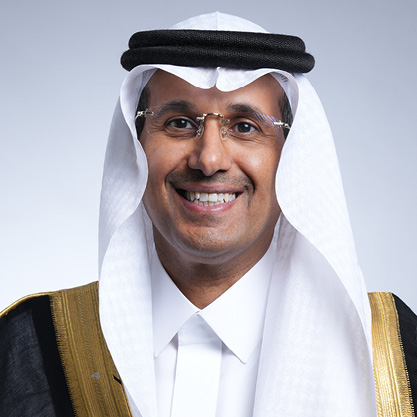
22. Majed Al-Argoubi
Saudi Authority for Industrial Cities and Technology Zones (MODON)
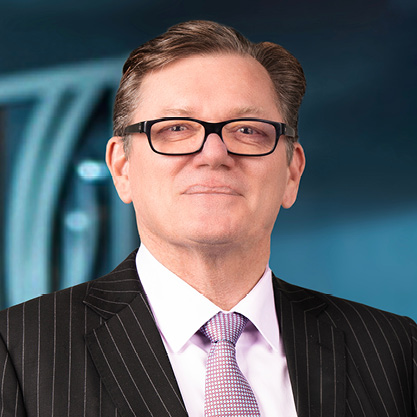
23. Shayne Nelson
Emirates NBD
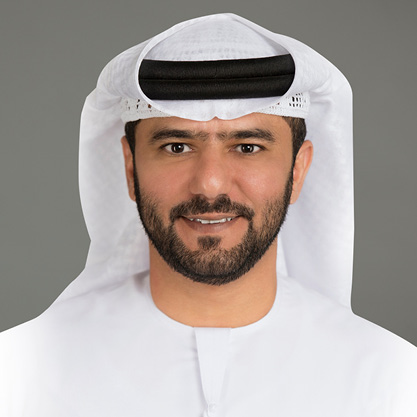
24. Mohamed Juma Al Shamisi
AD Ports Group
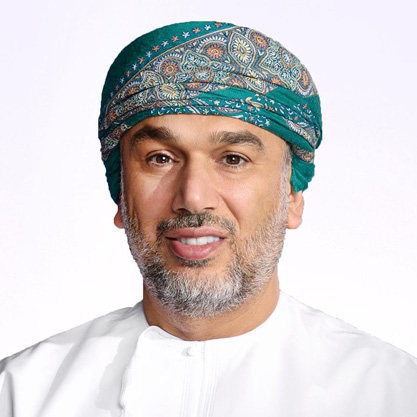
25. Abdulrahman Al Hatmi
Asyad Group
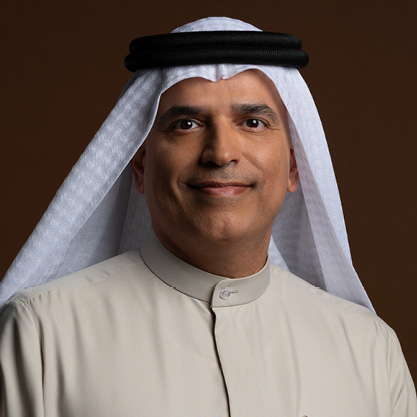
26. Abdulnasser Bin Kalban
Emirates Global Aluminium (EGA)
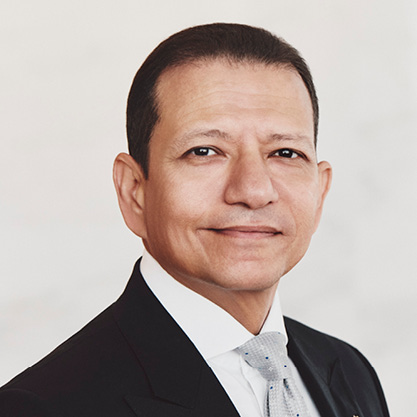
27. Ahmed Abdelaal
Mashreq
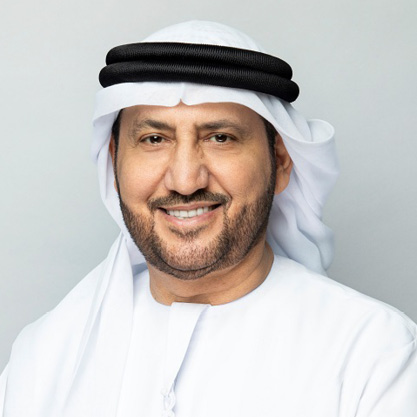
28. Khalid Al Malik
Dubai Holding Real Estate
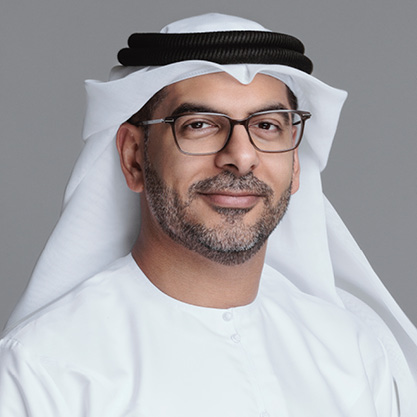
29. Talal Al Dhiyebi
Aldar
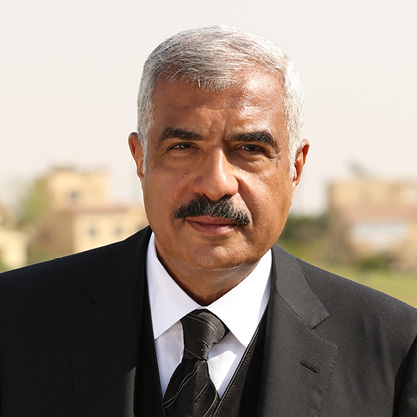
30. Hesham Talaat Moustafa
Talaat Moustafa Group Holding (TMG Holding)
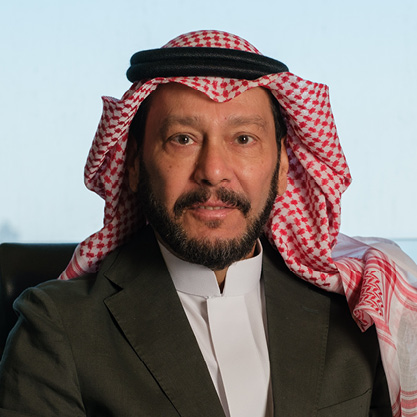
31. Talal Ibrahim Almaiman
Kingdom Holding Company (KHC)
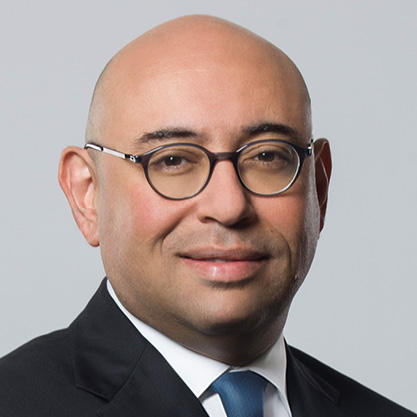
32. Ahmed Galal Ismail
Majid Al Futtaim Holding
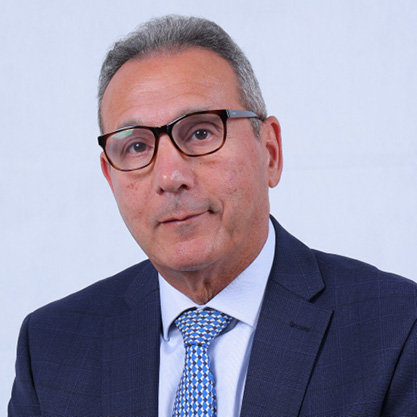
33. Mohamed El-Etreby
National Bank of Egypt (NBE)
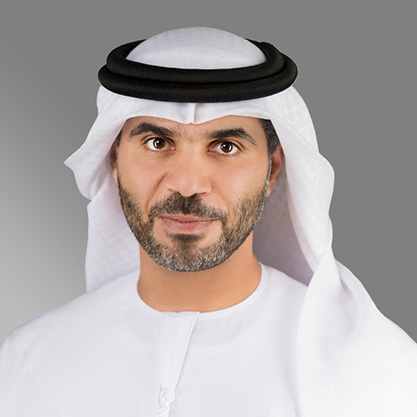
34. Humaid Matar Al Dhaheri
ADNEC Group
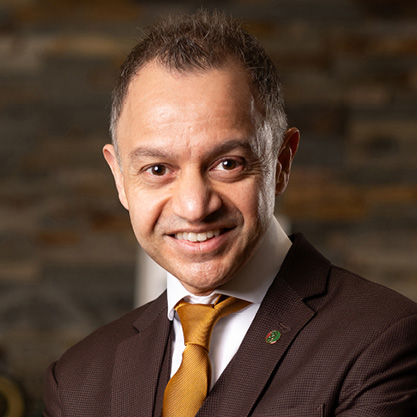
35. Adnan Chilwan
Dubai Islamic Bank (DIB)
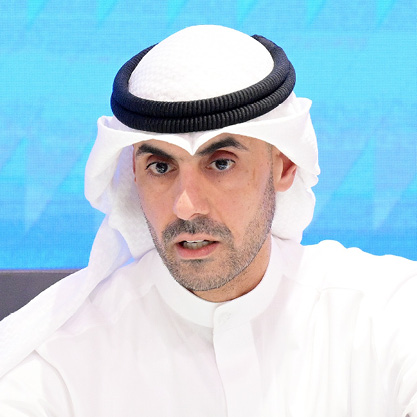
36. Bader Nasser Al-Kharafi
Zain Group
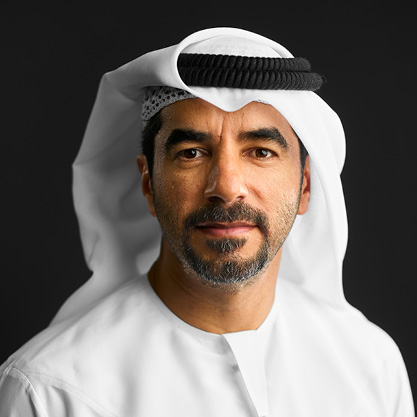
37. Mohamed Abdalla Al Zaabi
Miral
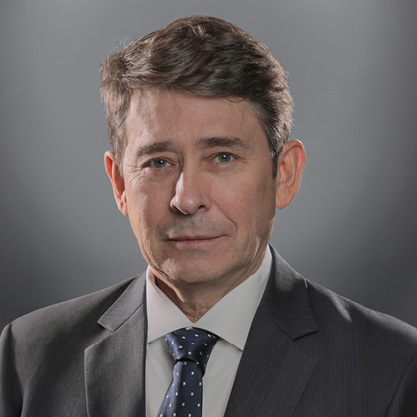
38. Tony Cripps
Saudi Awwal Bank (SAB)
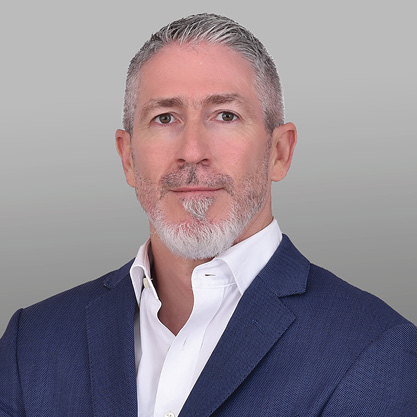
39. Bill O'Regan
Modon Holding
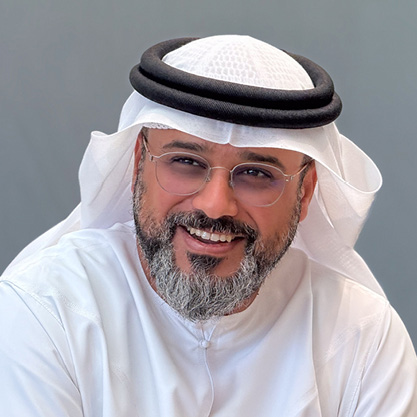
40. Hamad Al Marar
EDGE Group
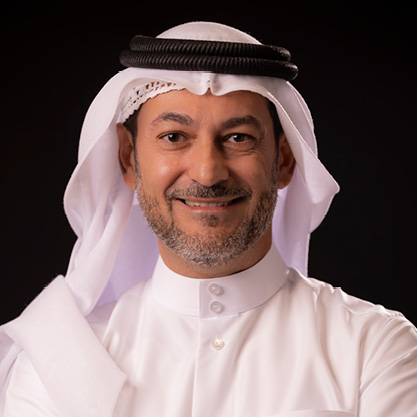
41. Aziz Aluthman Fakhroo
Ooredoo Group
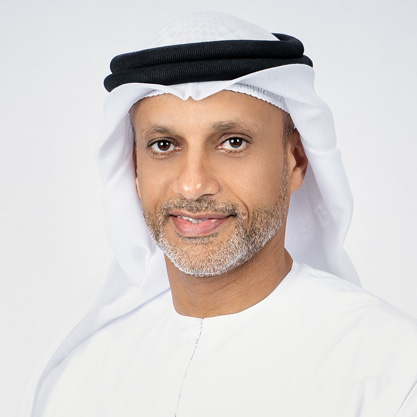
42. Saeed Ghumran Al Remeithi
EMSTEEL Group
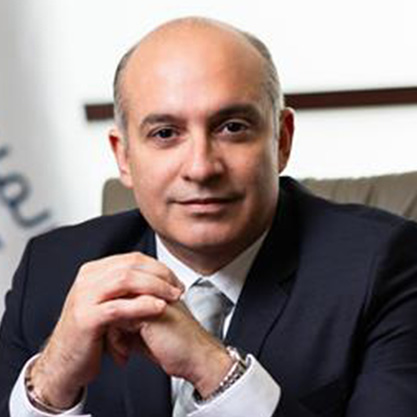
43. Sherif Beshara
Mohamed & Obaid Almulla Group; American Hospital Dubai
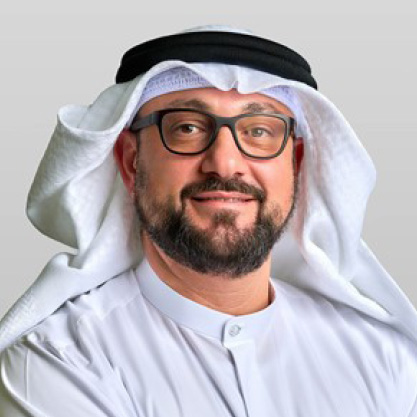
44. Mohamed Jameel Al Ramahi
Masdar
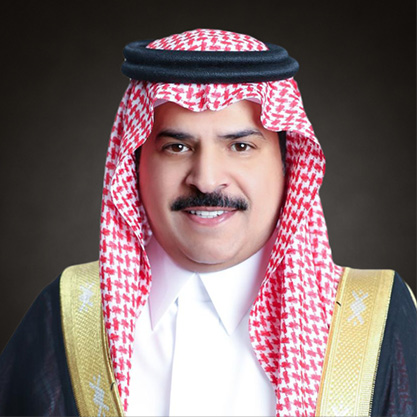
45. Fahad Bin Abdulaziz AlAjlan
Ajlan & Bros Group
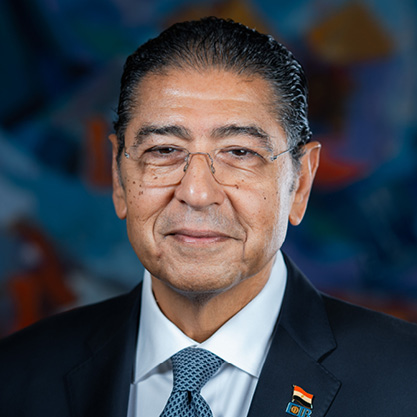
46. Hisham Ezz Al-Arab
Commercial International Bank (CIB)
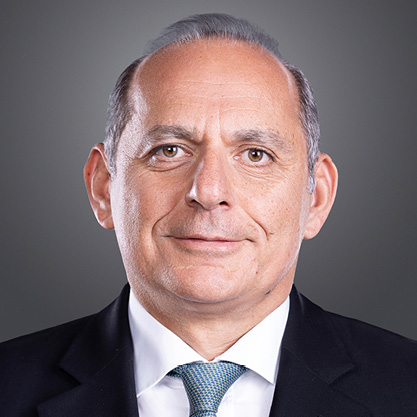
47. Hisham Okasha
Banque Misr
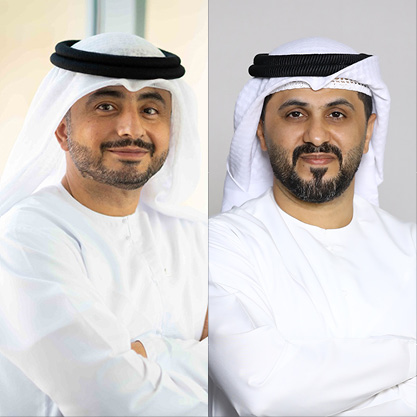
48. Ali Al Hashemi; Hasan Al Hosani
Space42
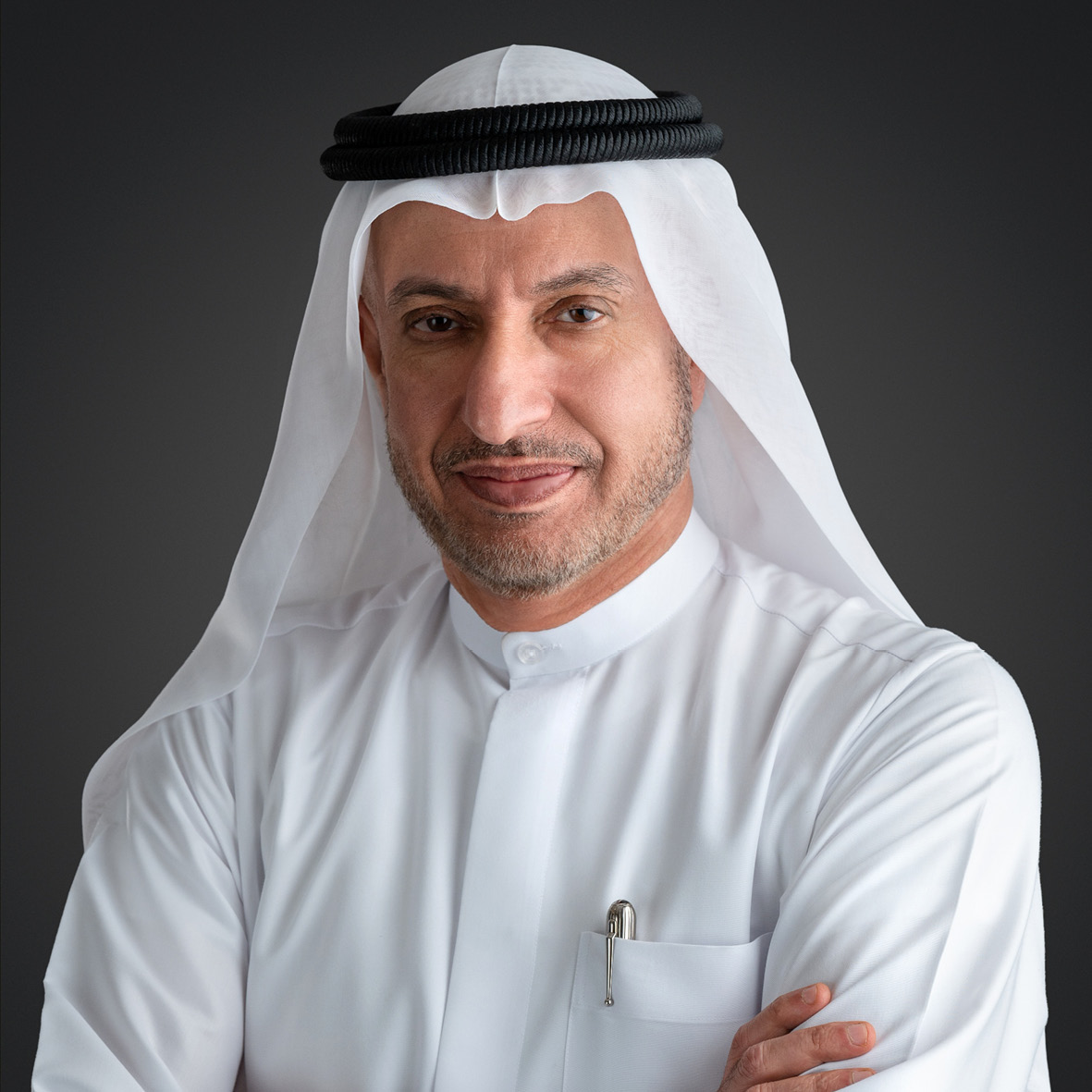
49. Dr. Mohammed Al Zarooni
Dubai Integrated Economic Zones Authority (DIEZ)
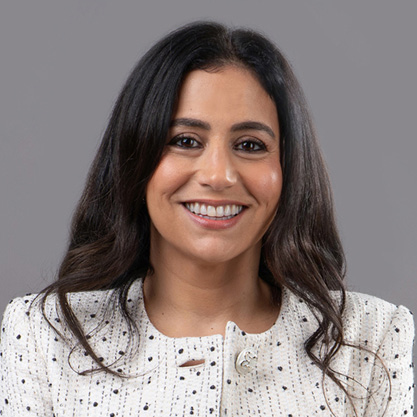
50. Samia Bouazza
2PointZero Group
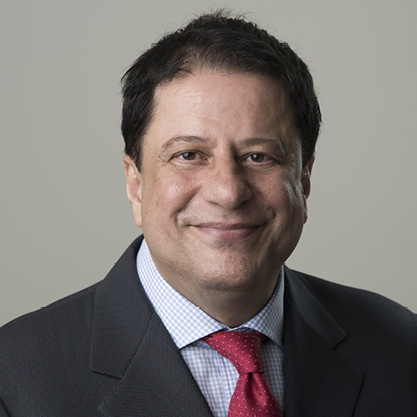
51. Firoz Tarapore
Dubai Aerospace Enterprise (DAE)
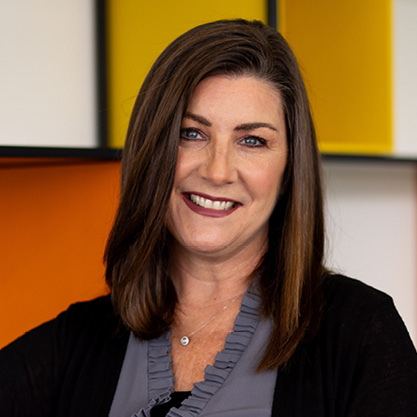
52. Alison Rehill-Erguven
Cenomi Centers
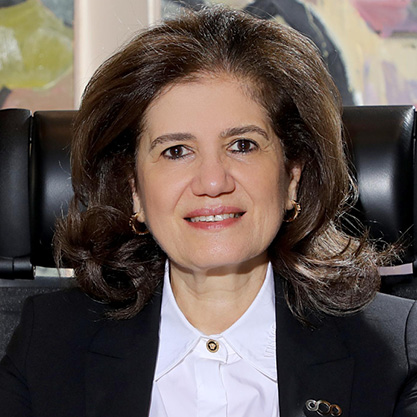
53. Randa Sadik
Arab Bank
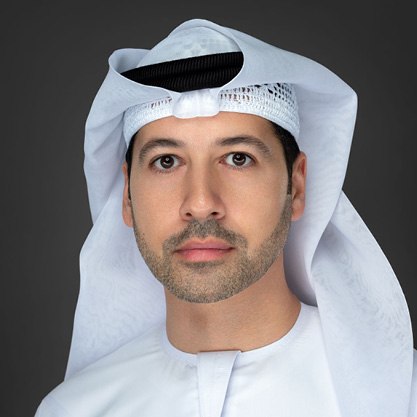
54. Arif Amiri
DIFC Authority
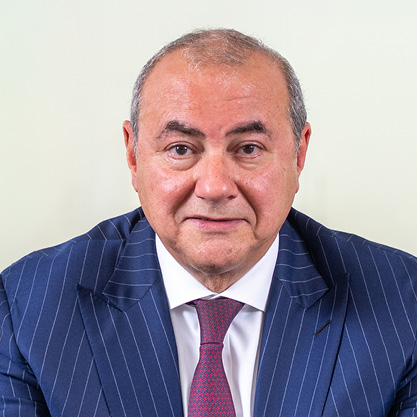
55. Bassel Gamal
Qatar Islamic Bank (QIB)
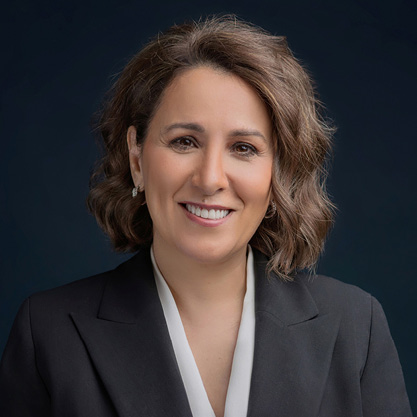
56. Dana Naser Al Sabah
Kuwait Projects Company (Holding) – KIPCO
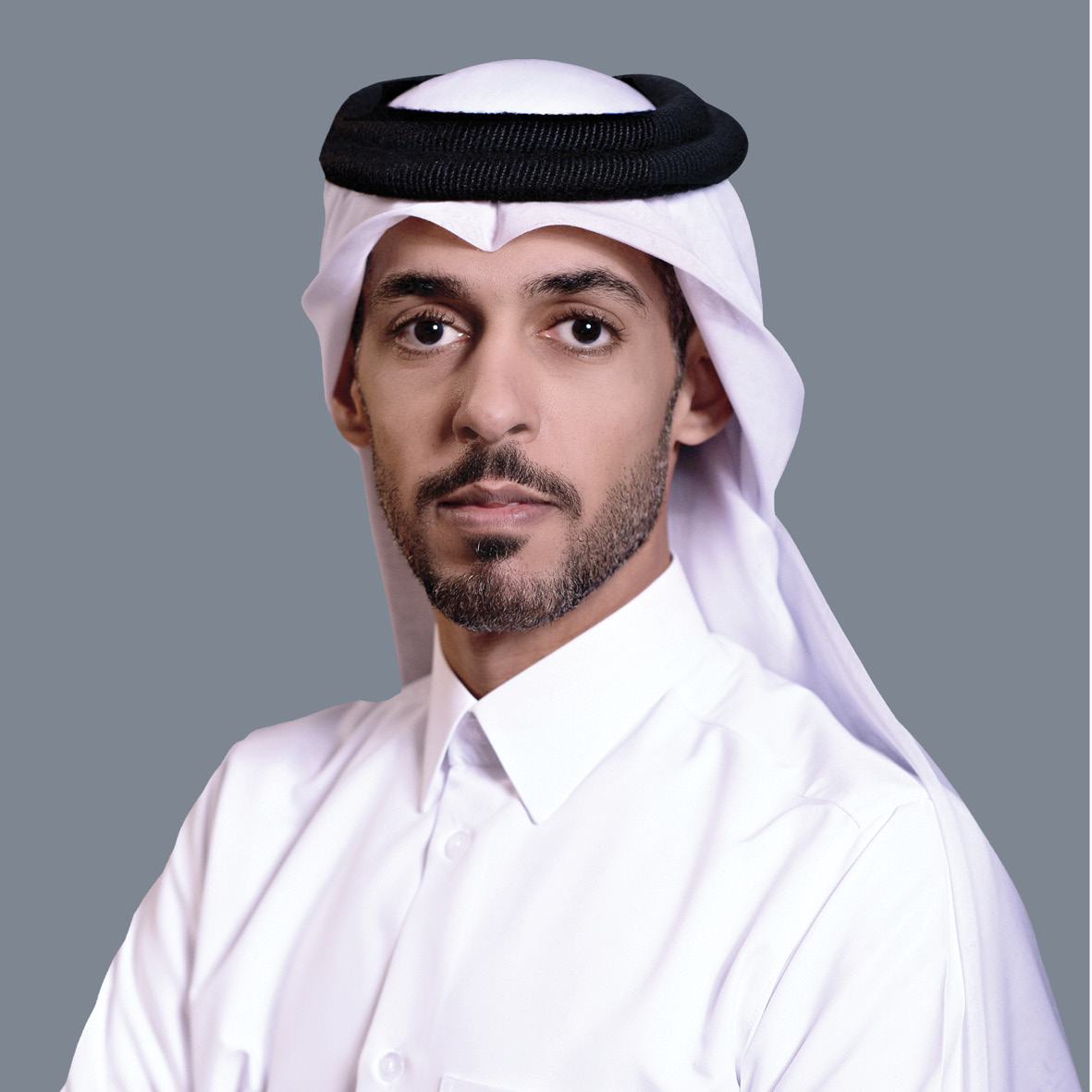
57. Salem Al Mannai
Qatar Insurance Group (QIC Group)
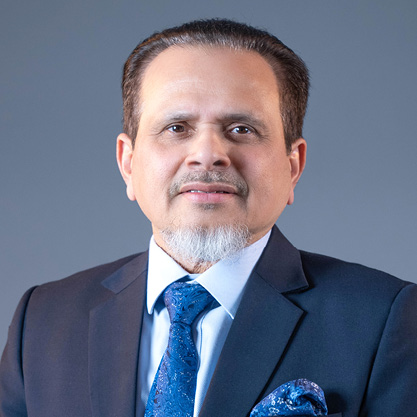
58. Saifee Rupawala
Lulu Retail Holdings
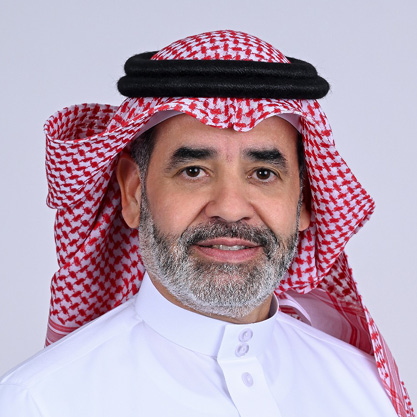
59. Faisal Mohammed Alfaqeer
SABIC
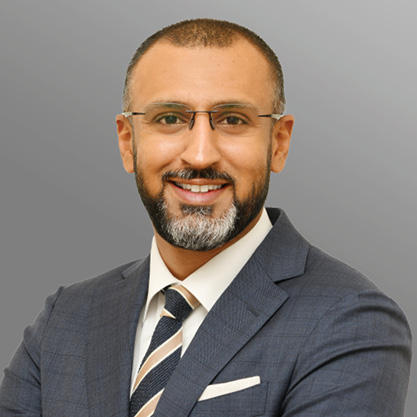
60. Dino Varkey
GEMS Education
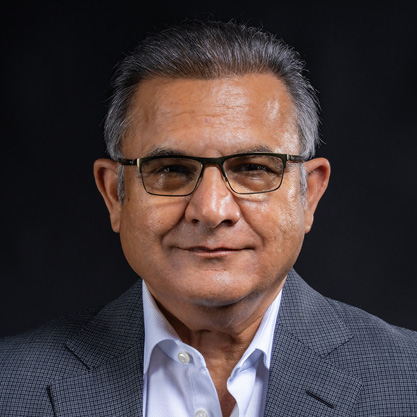
61. Tariq Chauhan
EFS Facilities Services Group; EFSIM Facilities Management Company
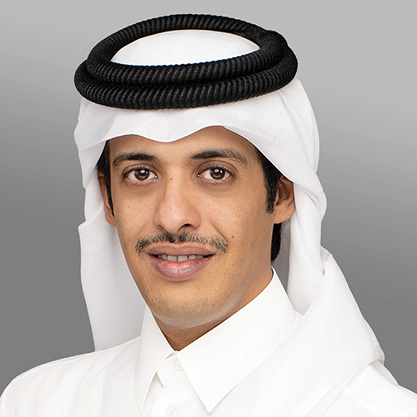
62. Abdulrahman Bin Fahad Al-Thani
Doha Bank
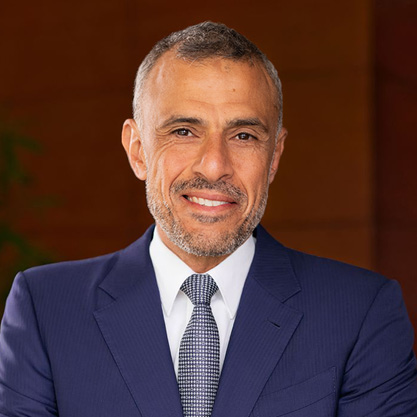
63. Karim Awad
EFG Holding
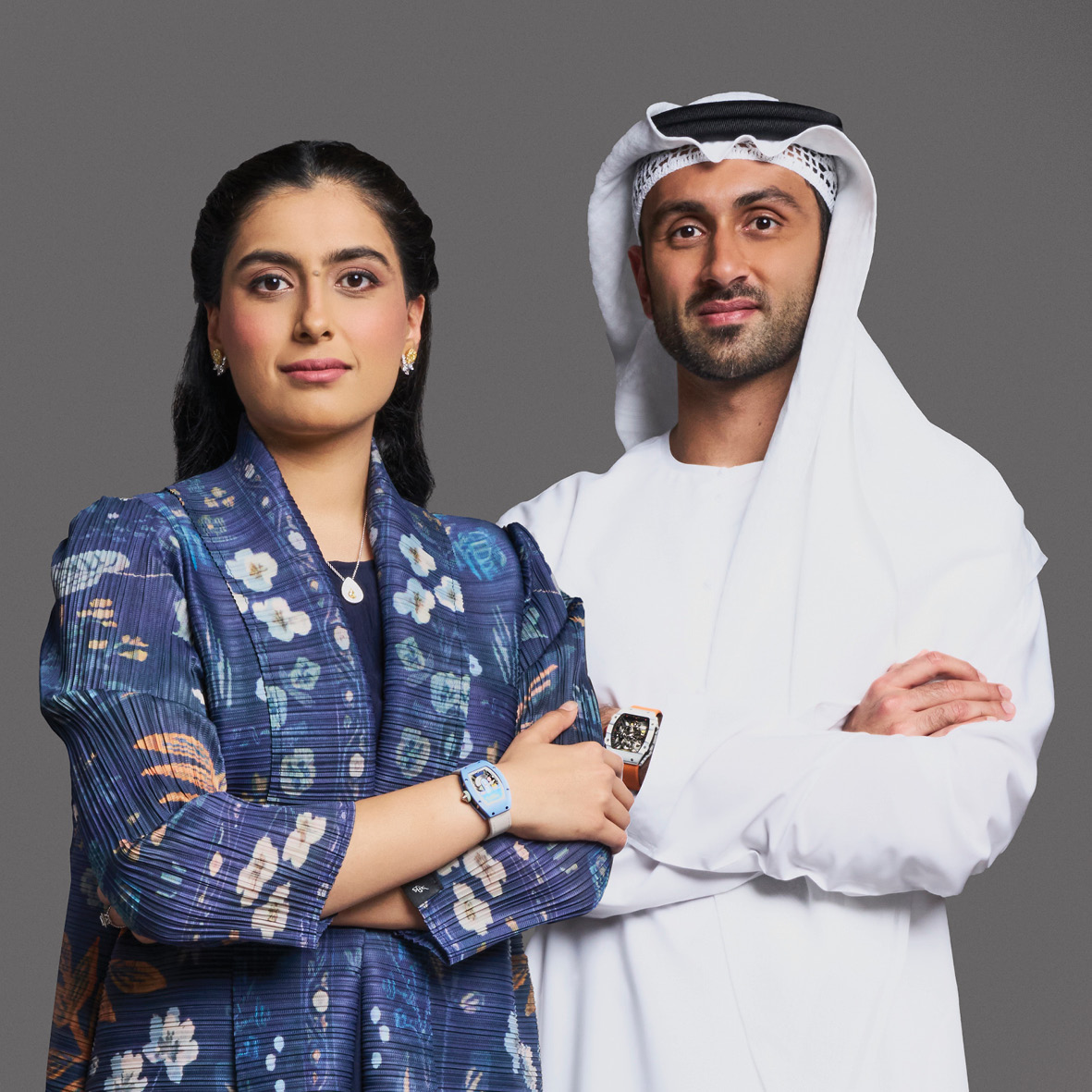
64. Amira Sajwani; Ali Sajwani
PRYPCO; Amali Properties
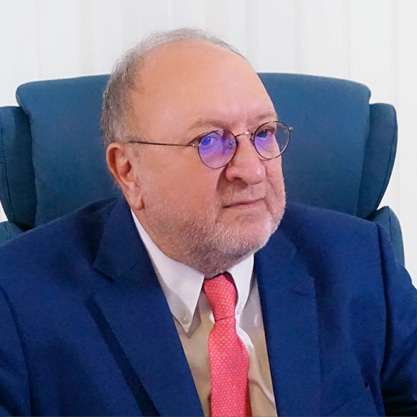
65. Naser Taher
MultiBank Group
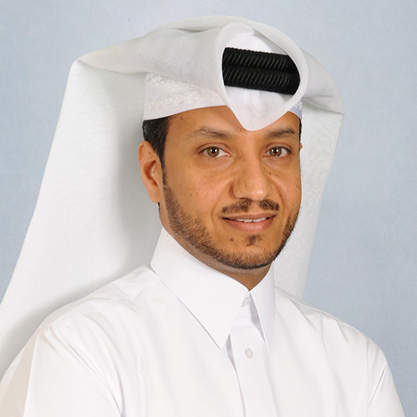
66. Abdullah Al Sulaiti
Qatar Gas Transport Company (Nakilat)
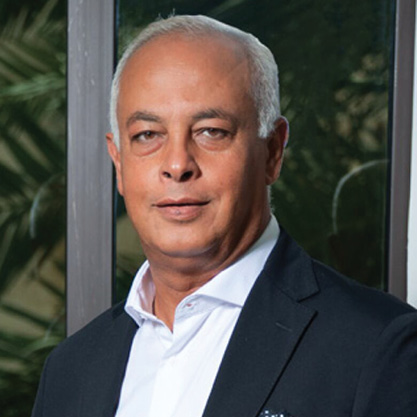
67. Tarek Youssef Hosni
Jamjoom Pharma
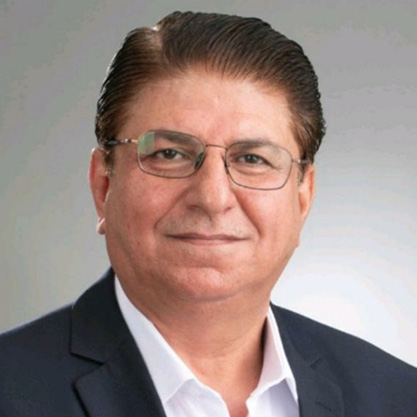
68. Abdel Wahab Alrowwad
Jordan Phosphate Mines Company (JPMC)
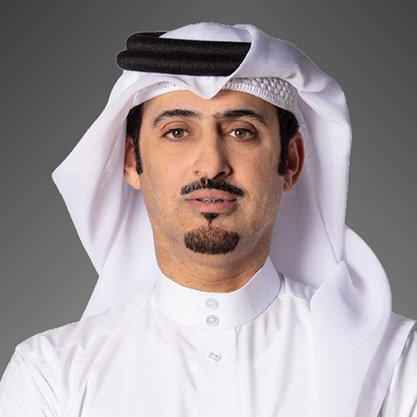
69. Mansoor Al-Khater
QFC Authority
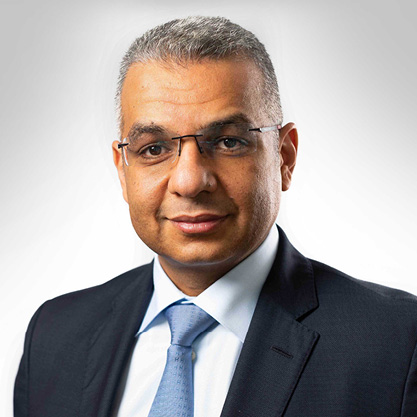
70. Mohamed Abdelbary
Abu Dhabi Islamic Bank (ADIB)
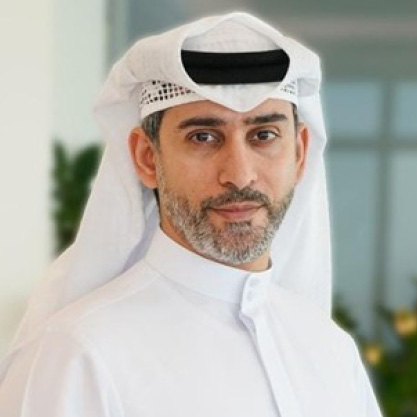
71. Ibrahim Al Haddad
Salik Company
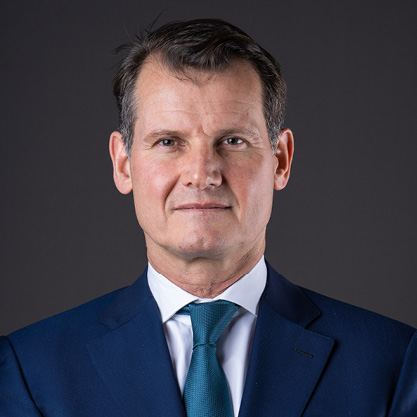
72. Edward O'Byrne
AviLease
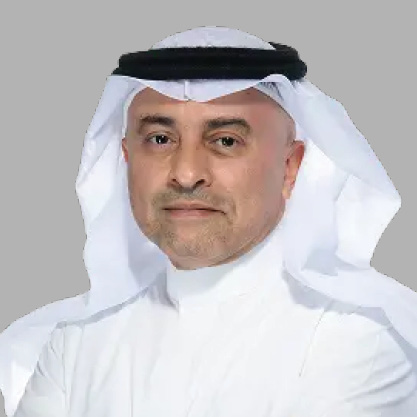
73. Thamer M. AlMuhid
Saudi Arabian Military Industries Company (SAMI)
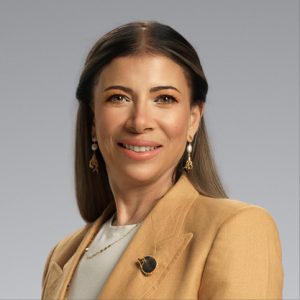
74. Dalia Khorshid
Beltone Holding
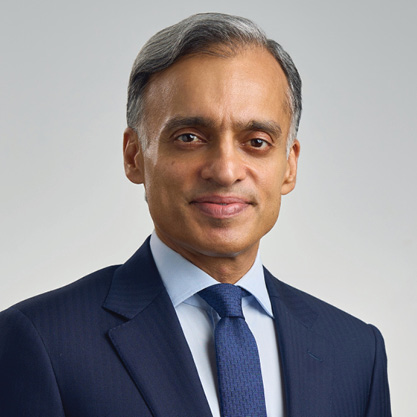
75. Usman Ahmed
National Bank of Bahrain (NBB)
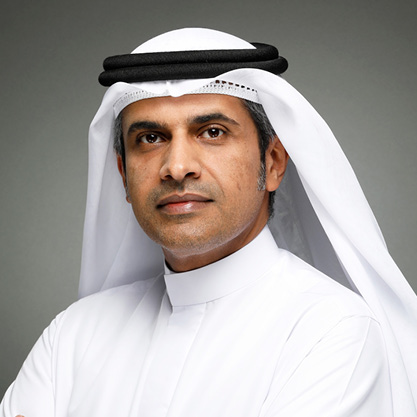
76. Salmeen Alameri
Agthia Group
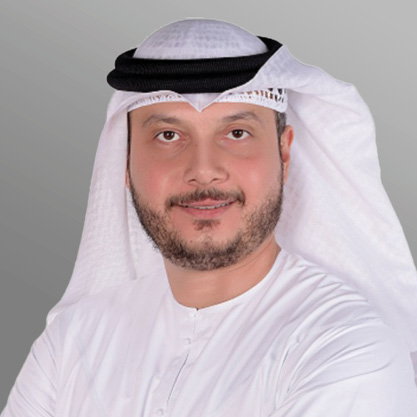
77. Mustafa Al Khalfawi
Ajman Bank
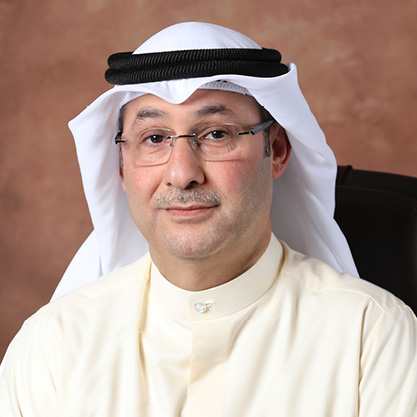
78. Ahmad Al-Eidan
Kuwait Oil Company (KOC)
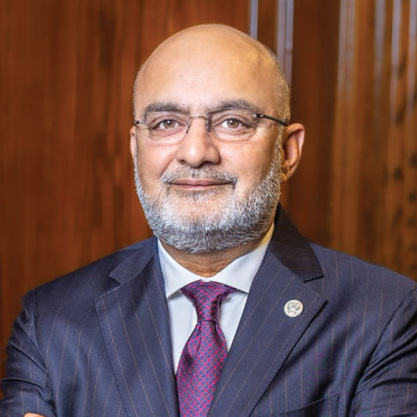
79. Ankush Arora
Mansour Automotive Group
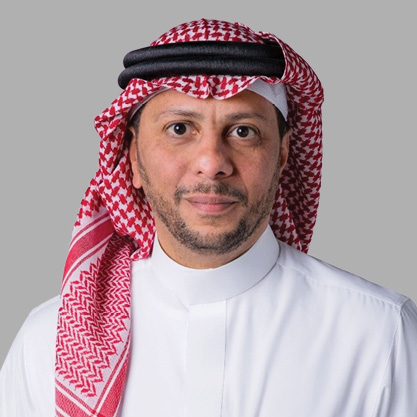
80. Loay Mashabi
Saudia Cargo
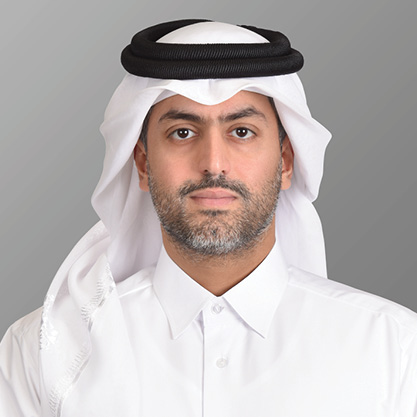
81. Mohammed Bin Hamad Bin Faisal Al-Thani
Qatar Free Zones Authority (QFZ)
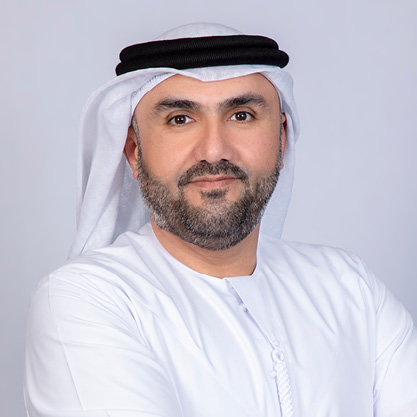
82. Yousif Ahmed Al Ali
Etihad Water and Electricity (EtihadWE)
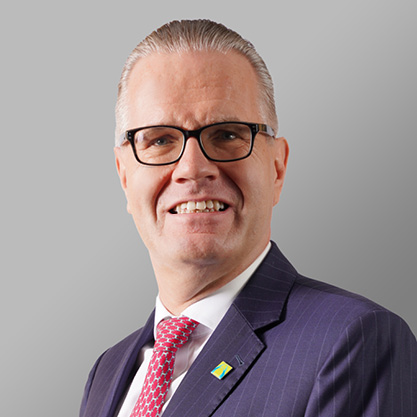
83. Bernd van Linder
Commercial Bank of Dubai (CBD)
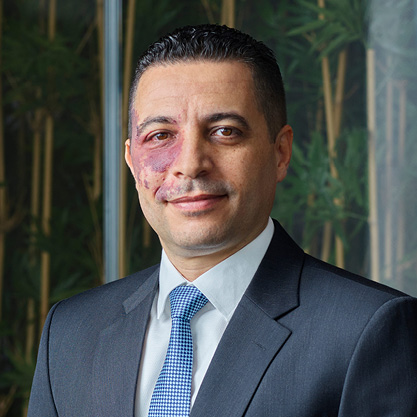
84. Houssem Ben Haj Amor
Al Baraka Group
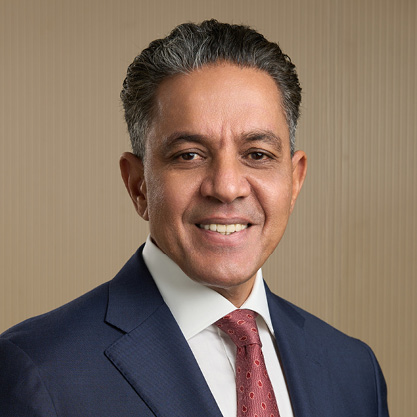
85. Rafik Nayed
Al Salam Bank
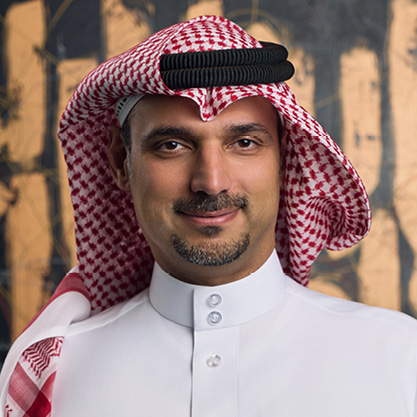
86. Hisham Alrayes
GFH Bank
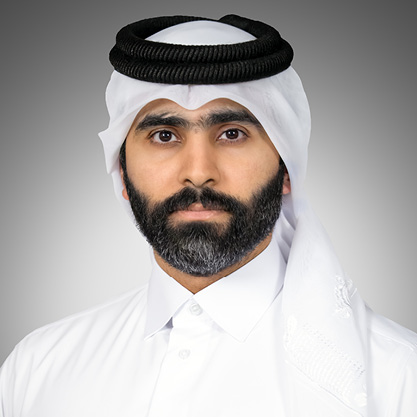
87. Abdulrahman bin Hesham Al-Sowaidi
Qatar Development Bank (QDB)
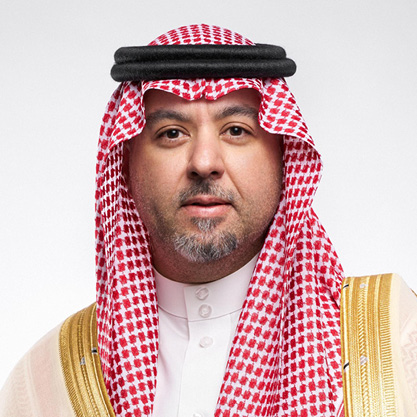
88. Omar Hariri
SAL Logistics Services
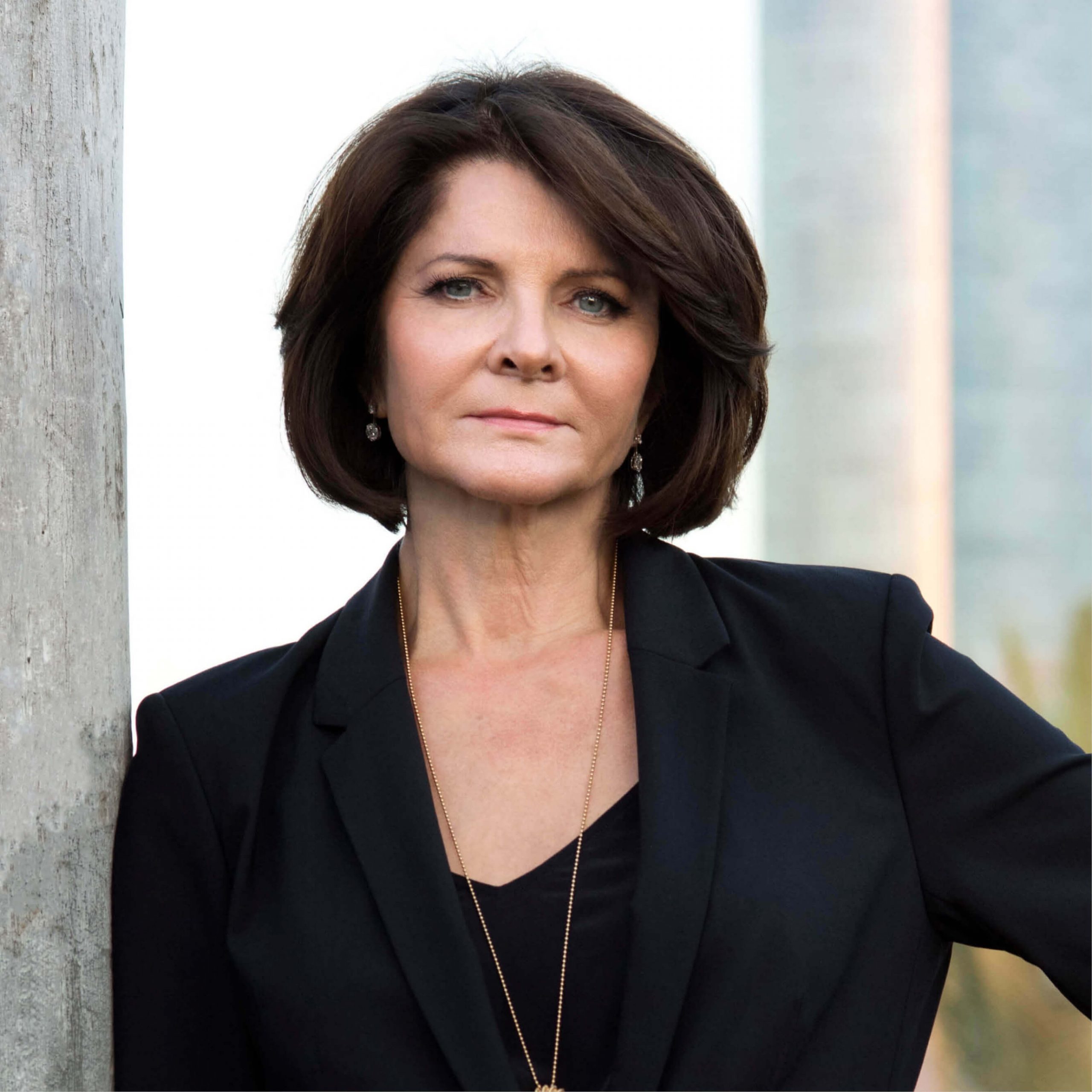
89. Donna Sultan
KEO International Consultants
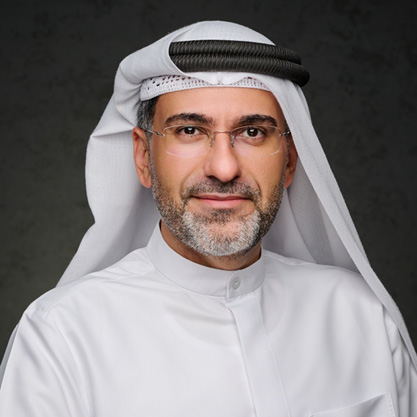
90. Rashed A. Al Ansari
Al Ansari Financial Services
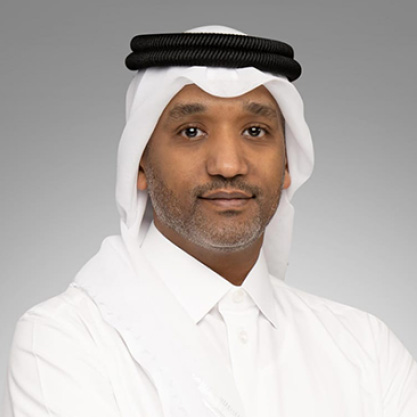
91. Ahmed I. Hashem
Dukhan Bank
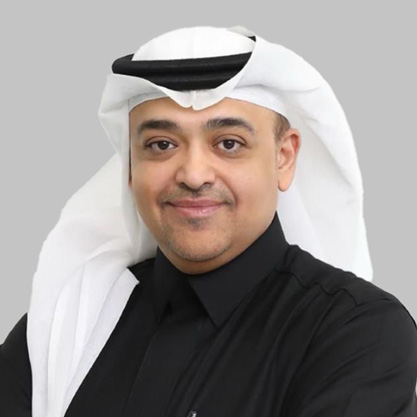
92. Awad Al-Omari
Al Mana Medical Group
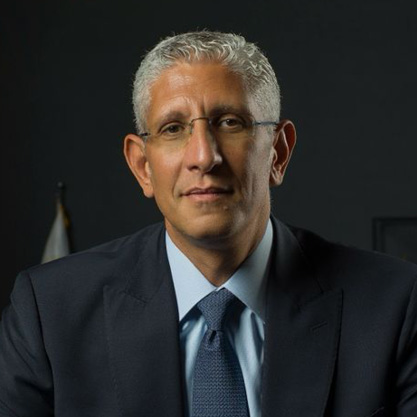
93. Tamer Waheed
Arab African International Bank (AAIB)
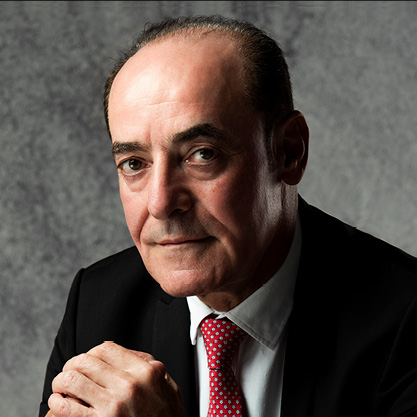
94. Irfan Tansel
Al Masaood Automobiles
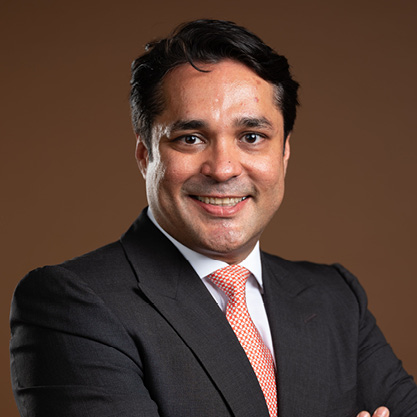
95. Aloki Batra
FIVE Hospitality; The Pacha Group
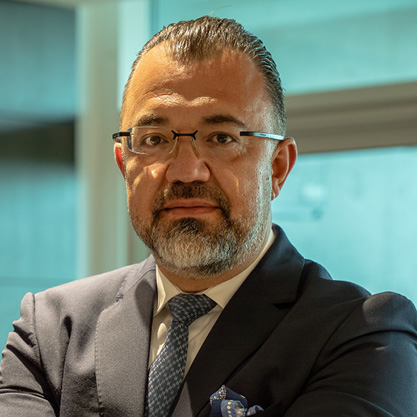
96. Fouad Darwish
Palms Sports
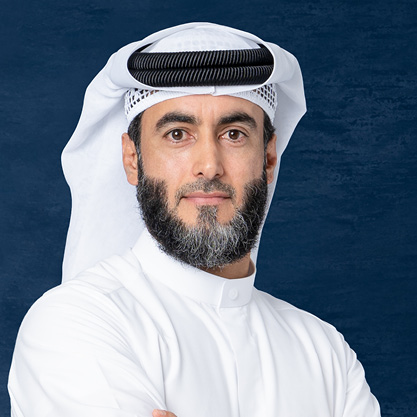
97. Mansoor Rahma Alfalasi
Dubai Taxi Company (DTC)
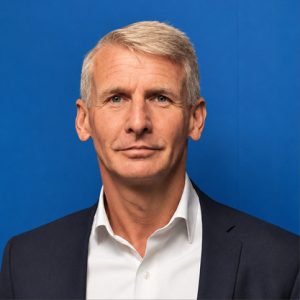
98. Johannes Hummer
Freedom Telecom International (FTI)
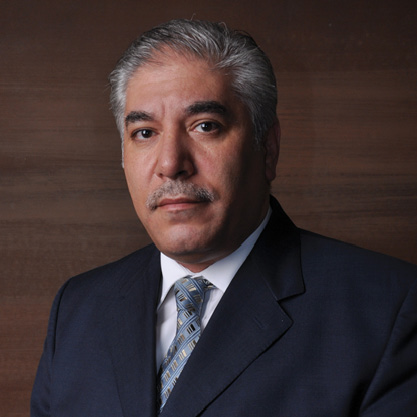
99. Khaled Abdel-Moneim
Aluminium Products Company (ALUPCO)
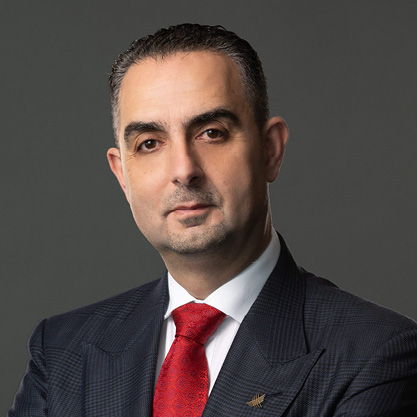
100. Mohammed Mortada Al Dandashi
Al Ramz Corporation