THE MIDDLE EAST’S
Top 100 Travel and
Tourism Leaders 2026
Travel and tourism in the Middle East are no longer simply a supporting sector for local economies. It has become a major driver of economic diversification, investment and the transformation of cities and destinations.
The Middle East’s travel and tourism sector grew 5.3% in 2025, outpacing global growth of 4.1%, according to the World Travel & Tourism Council (WTTC). The sector contributed $385.8 billion to the region’s GDP and supported 7.1 million jobs. Visitor numbers further highlight the region’s transformation, with international tourist arrivals approaching 100 million in 2025, 39% above 2019 levels, according to UN Tourism.
The UAE continued to demonstrate the strength of a mature tourism ecosystem. Travel and tourism contributed nearly $68.5 billion to the UAE economy in 2025. Dubai alone welcomed 19.59 million international overnight visitors, while Dubai International (DXB) handled a record 95.2 million passengers, the highest annual traffic of any airport globally. Saudi Arabia recorded more than $81 billion in domestic and inbound tourism spending from 123 million visitors in 2025. Egypt received a record 19 million tourists, up 21%, and Morocco logged a record 19.8 million arrivals, with tourism revenue reaching $14.8 billion. Qatar’s international visitors reached 5.1 million, and Jordan’s tourism revenue grew 7.6% to $7.79 billion.
In 2026, the sector is navigating a challenging environment, with geopolitical tensions disrupting airspace and travel flows. WTTC forecasts a 14.5% decline in the region’s travel and tourism GDP to $330 billion. Meanwhile, the region’s aviation sector was severely disrupted earlier this year. Passenger demand among Middle Eastern carriers fell 60.8% year on year in March and 46.6% in April, according to IATA.
The disruption has since shown signs of easing. By July, the decline in passenger demand among Middle Eastern carriers had moderated to 9.5%. In August, Dubai recorded its strongest month since February, welcoming 869,000 international overnight visitors, taking the emirate’s total to 6.97 million for the first eight months of the year. In the same period, Qatar welcomed 2.34 million visitors. Meanwhile, Oman received 2.15 million inbound visitors in the first seven months of 2026, roughly flat year-on-year.
Against this backdrop, investment in tourism infrastructure, aviation, hospitality, and destination development continues across the region. WTTC forecasts that the region will be the world’s fastest-growing travel and tourism market through 2036, with annual growth of 6.3% taking the sector’s GDP to $605 billion. Industry highlights include plans by Miral and Disney for the region’s first Disney theme park and resort on Yas Island in the UAE, alongside plans unveiled this year for new Warner Bros. World attractions based on the DC and Harry Potter franchises. Red Sea Global opened its second giga-destination, AMAALA, in July, while Diriyah Company signed a $728 million deal for the Waldorf Astoria Superblock in the same month.
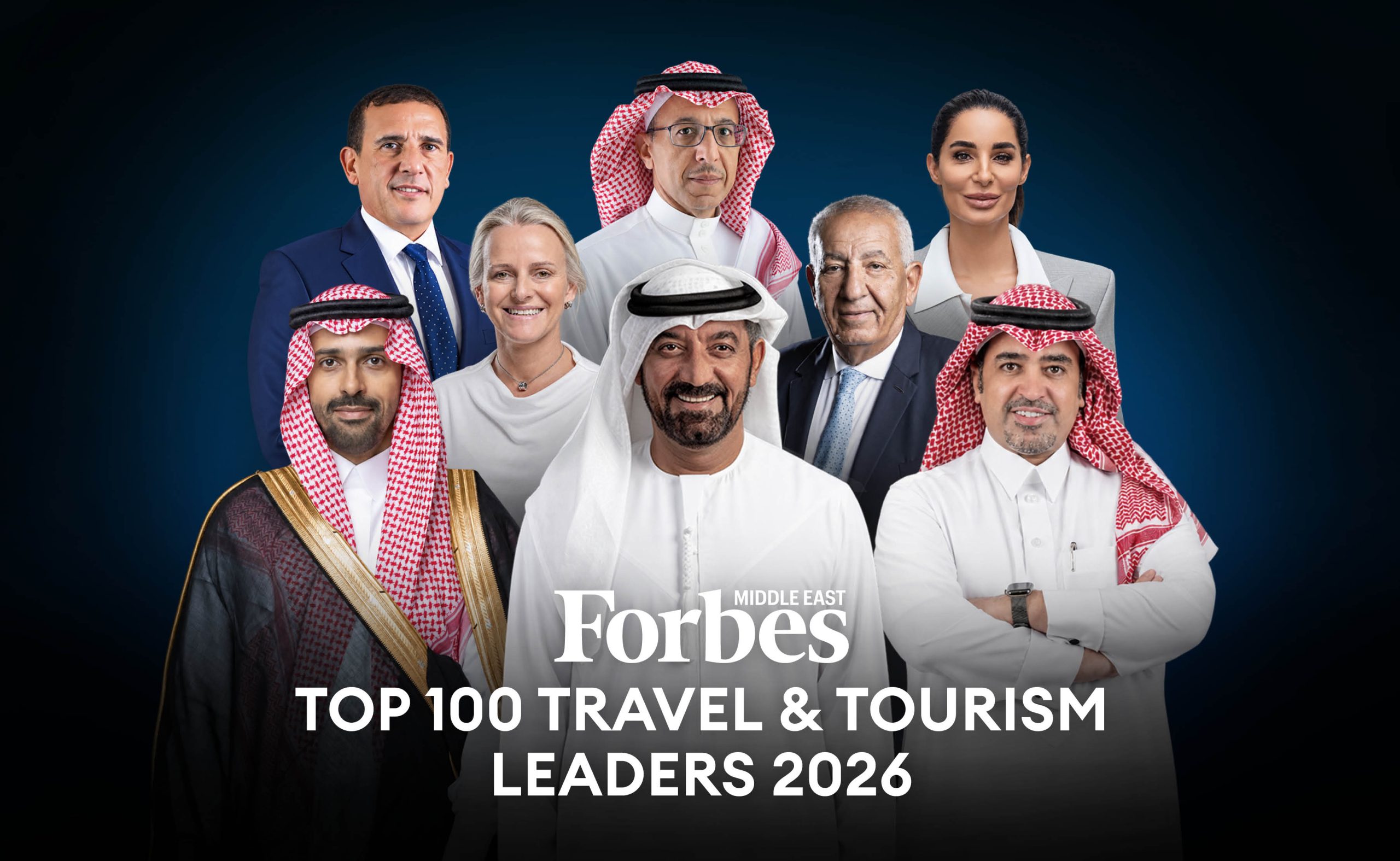
This year, Forbes Middle East’s Top 100 Travel and Tourism Leaders 2026 features 100 leaders driving the Middle East’s largest airlines, airports, hotel groups, destinations, and travel services across the public and private sectors. The UAE leads with 56 entries, followed by Saudi Arabia with 18 and Egypt with eight.
Hotels and resorts account for half of the ranking, with 50 entries, followed by the public sector with 14, airlines with 11, and airports with seven. Sheikh Ahmed bin Saeed Al Maktoum, chairman and chief executive of Emirates Airline & Group, retains the top spot, followed by Hamad Al Khater, group CEO of Qatar Airways, and Ageel Alshaibani, CEO of the Saudi Tourism Authority (STA).
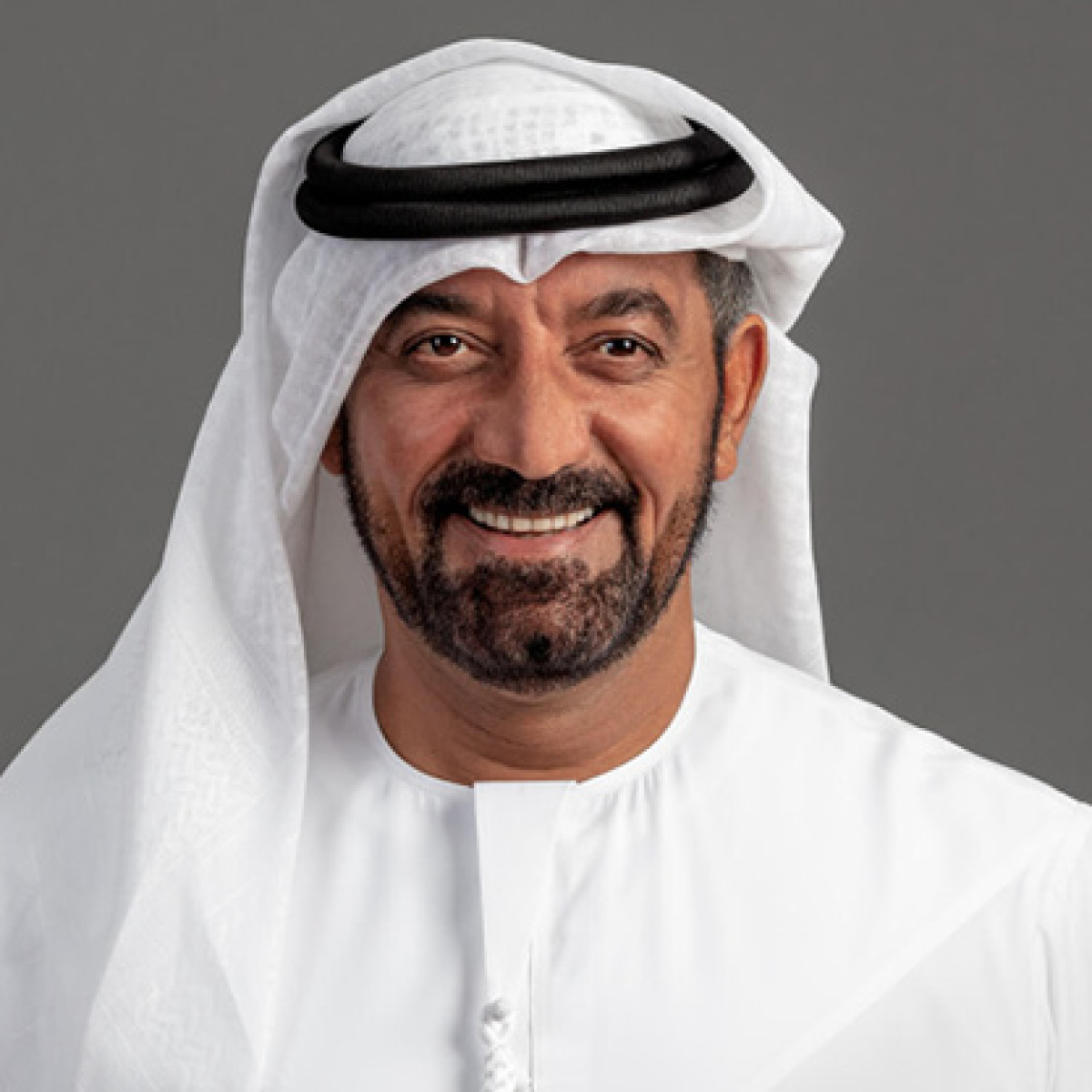
1. Sheikh Ahmed bin Saeed Al Maktoum
Emirates Airline & Group
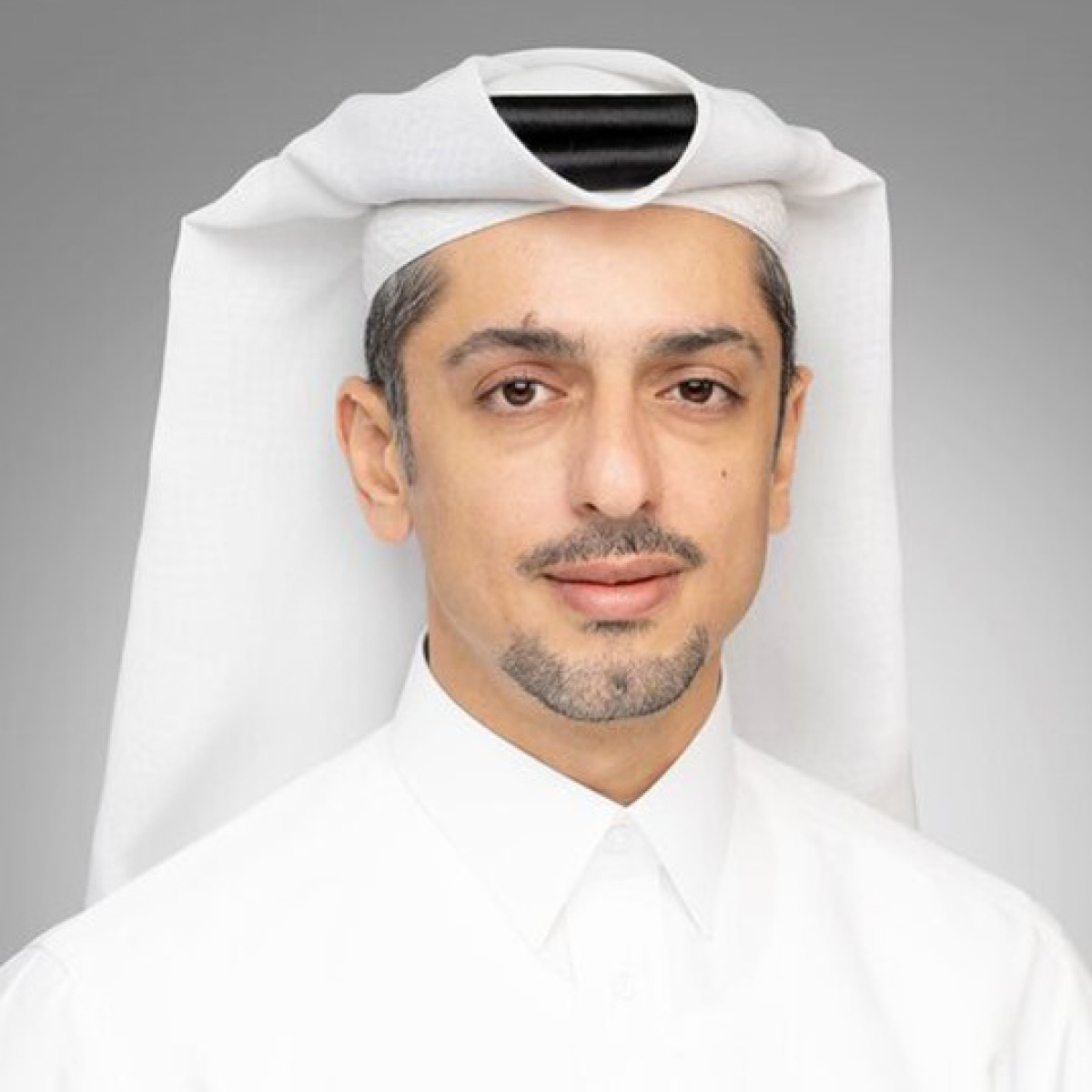
2. Hamad Al Khater
Qatar Airways Group
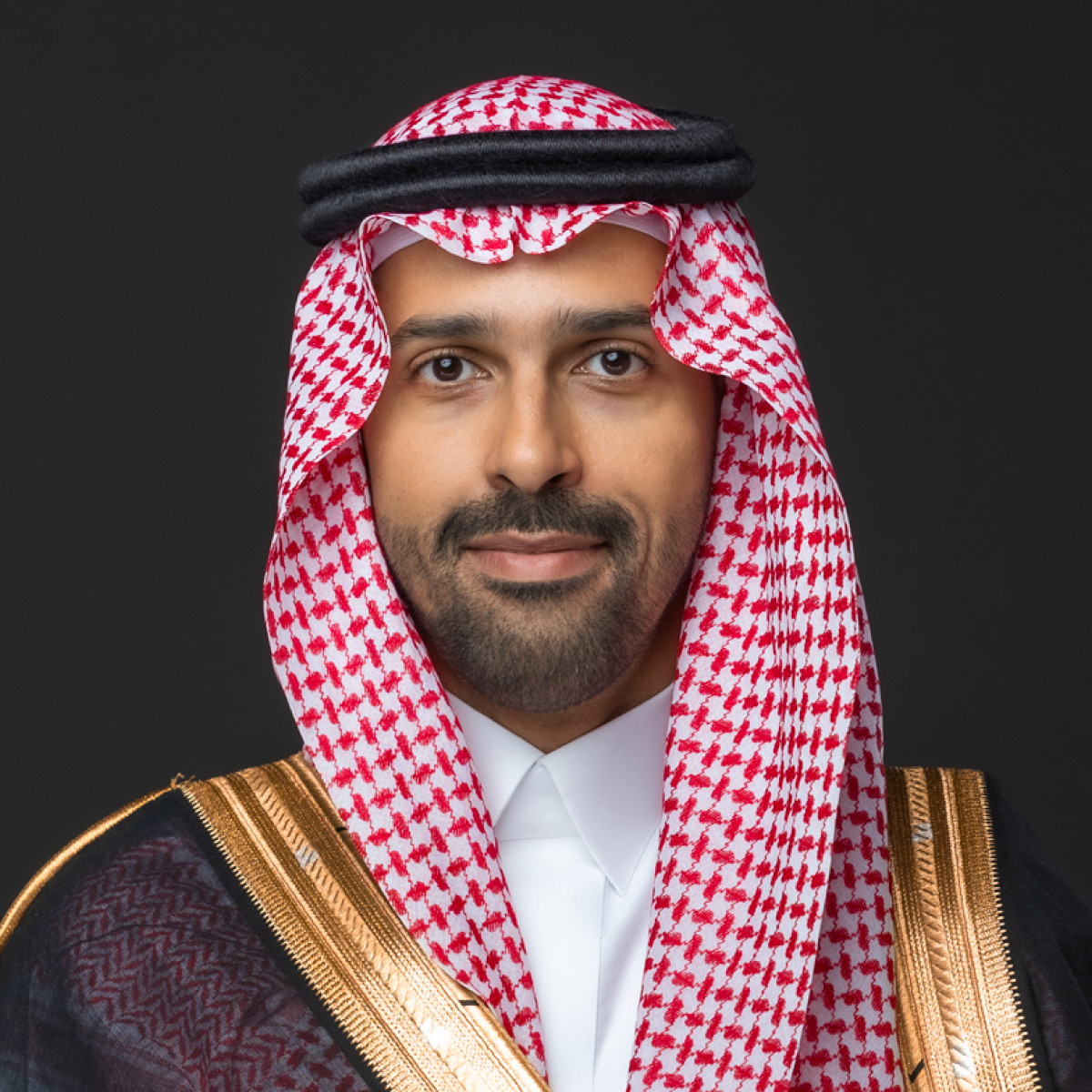
3. Ageel Alshaibani
Saudi Tourism Authority (STA)
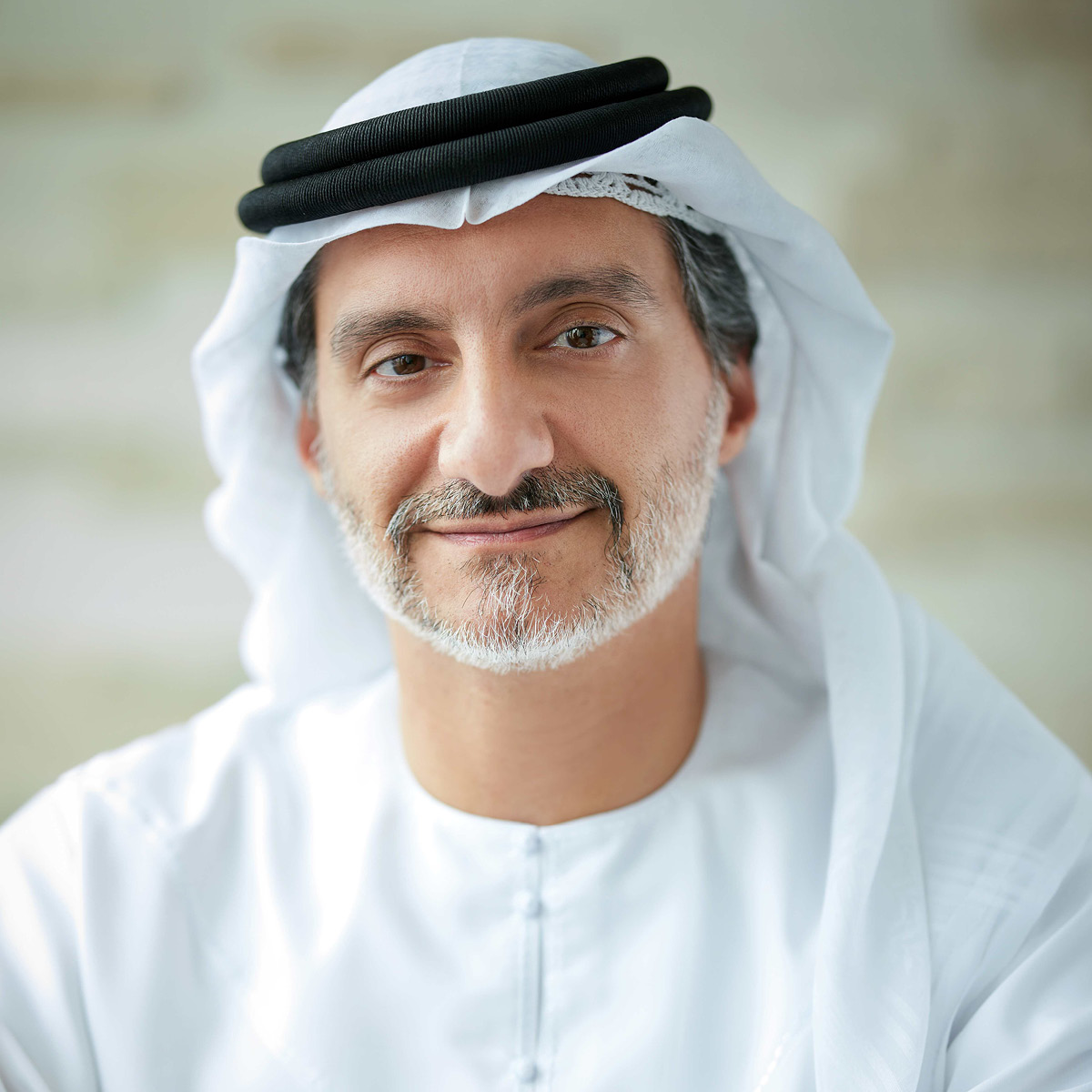
4. Saleh Mohamed Al Geziry
Department of Culture and Tourism – Abu Dhabi (DCT Abu Dhabi)
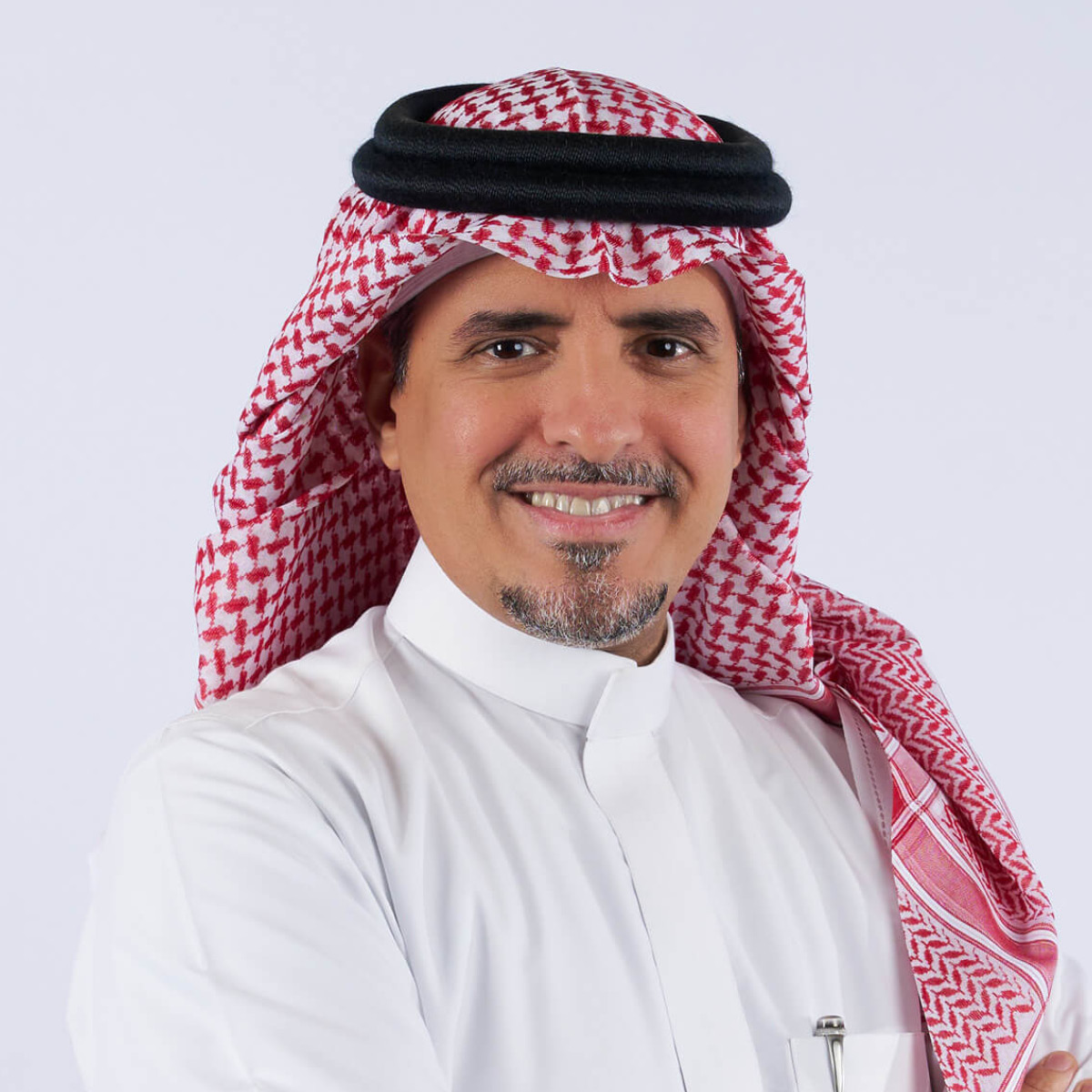
5. Raed Al-Idrissi
MATARAT Holding
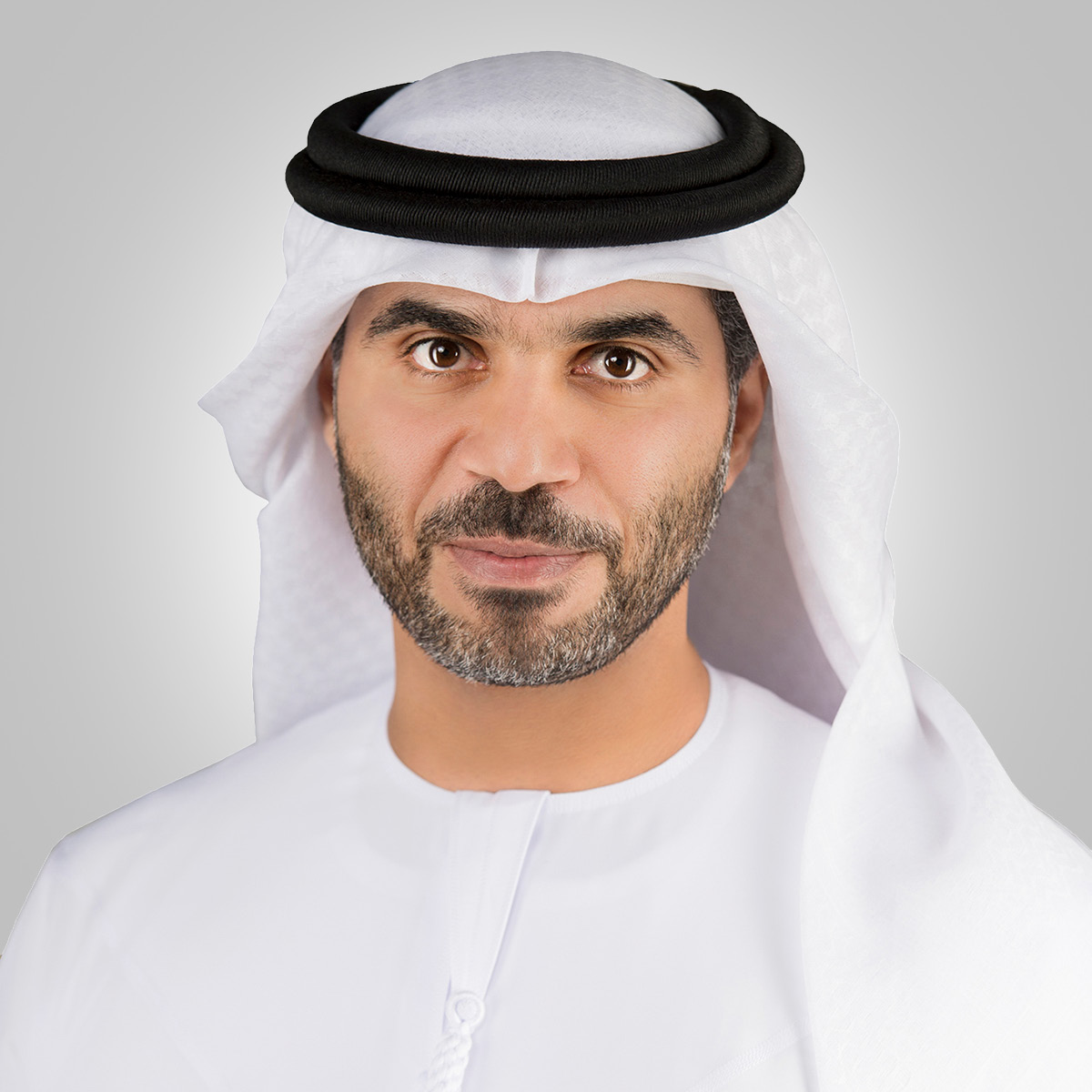
6. Humaid Al Dhaheri
ADNEC Group
7. Ahmed Youssef
Egyptian Tourism Authority

8. Paul Griffiths
Dubai Airports
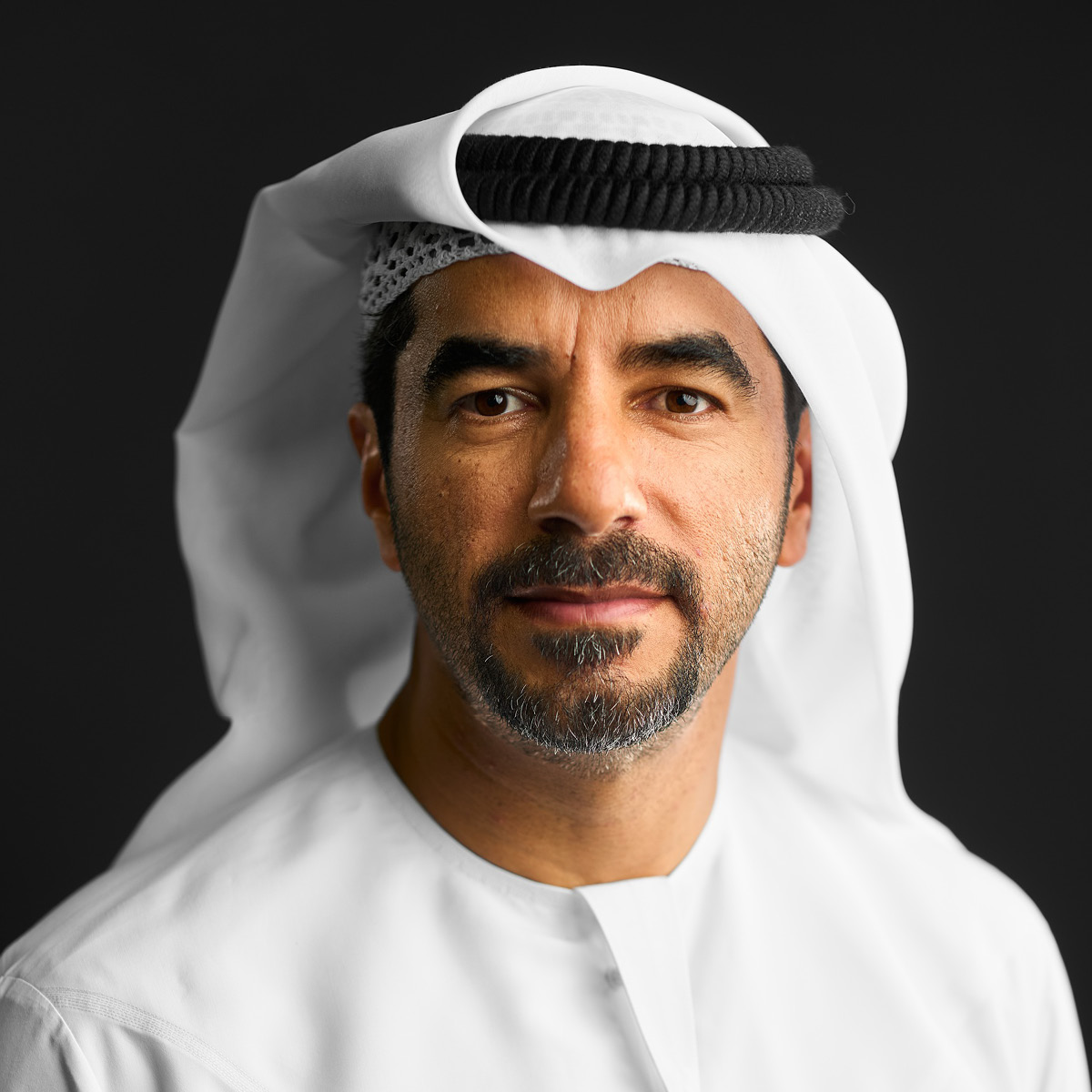
9. Mohamed Abdallah Al Zaabi
Miral
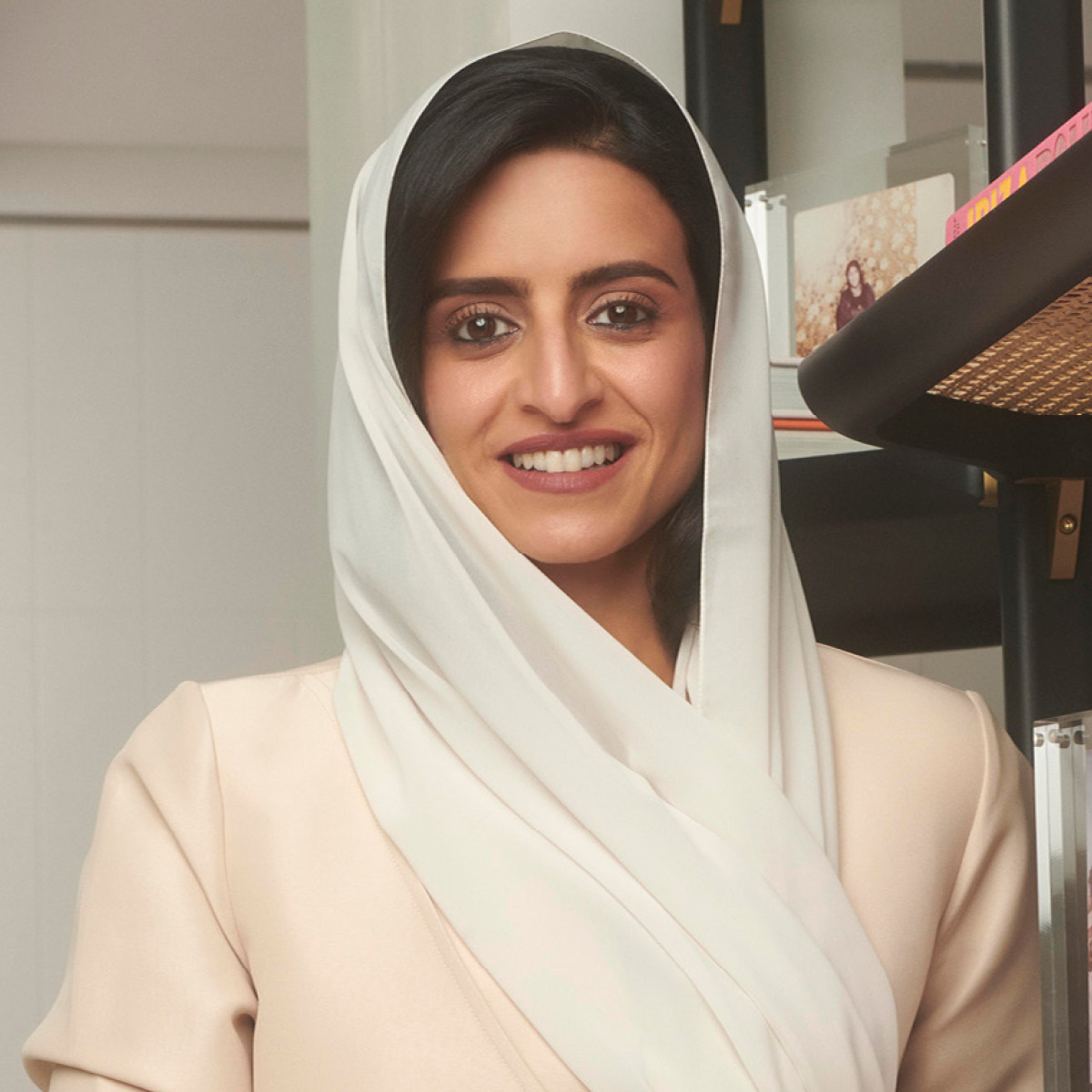
10. Shaikha Al Nowais
UN Tourism
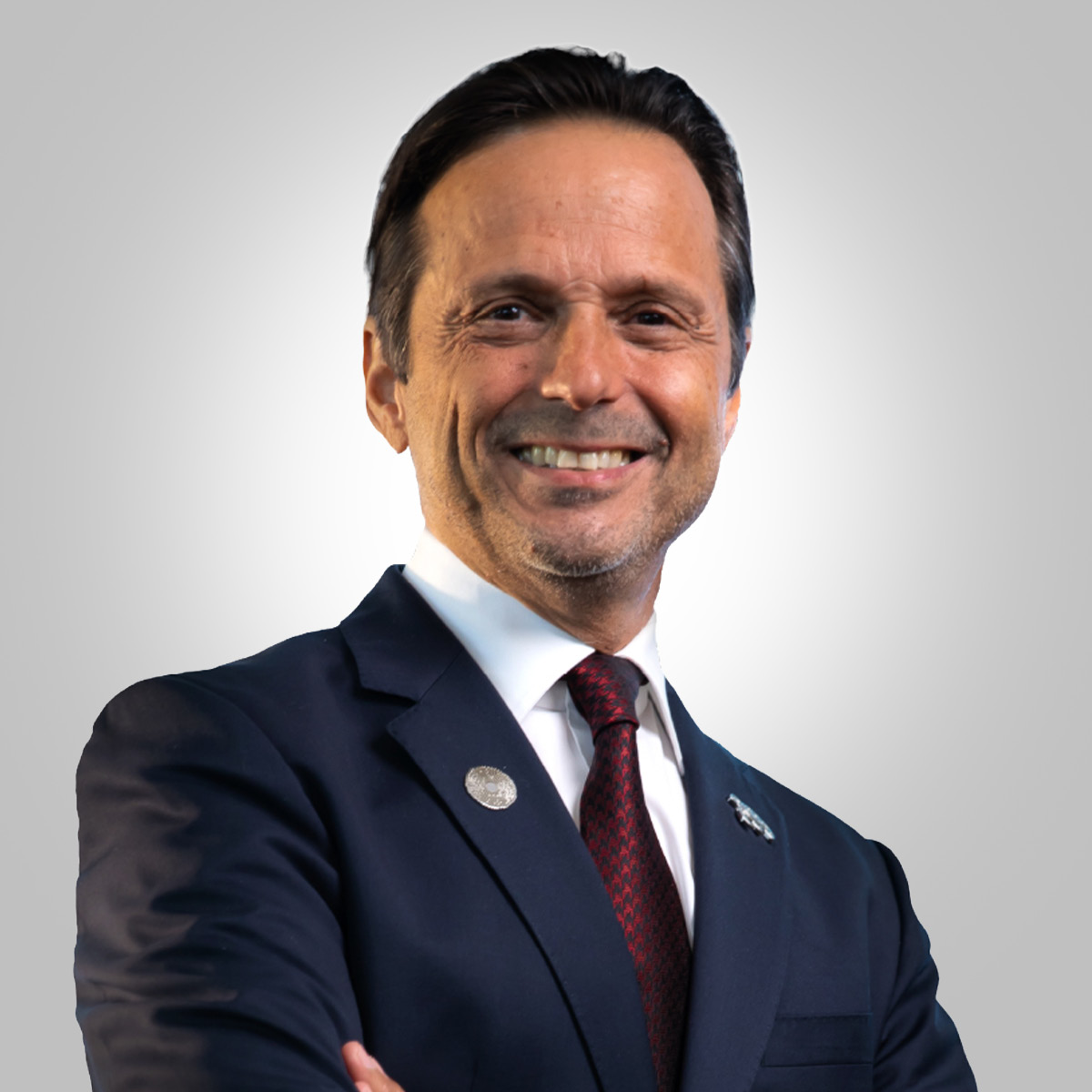
11. John Pagano
Red Sea Global (RSG)
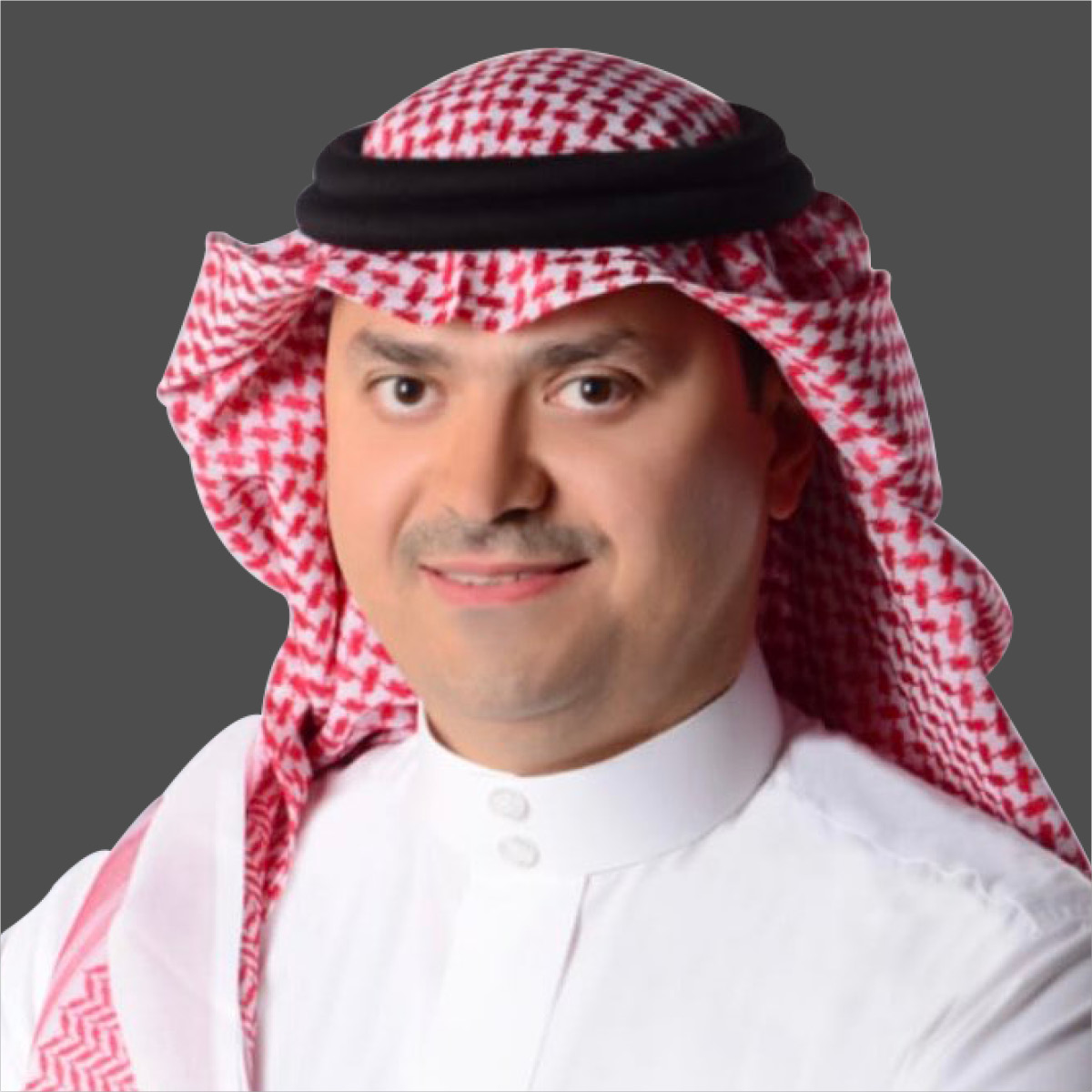
12. Qusai Al-Fakhri
Tourism Development Fund (TDF)
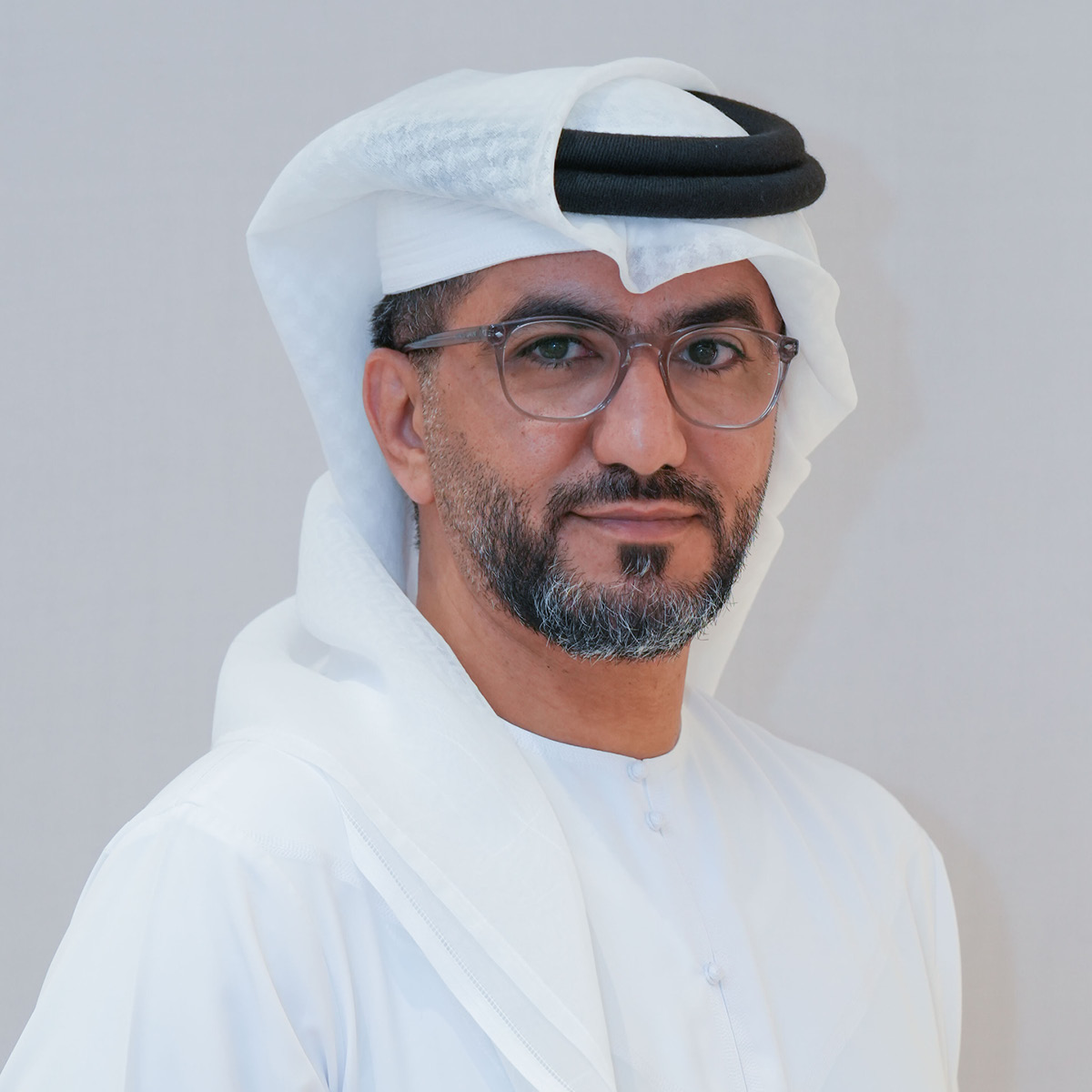
13. Ahmed Juma Al Shamisi
Abu Dhabi Airports
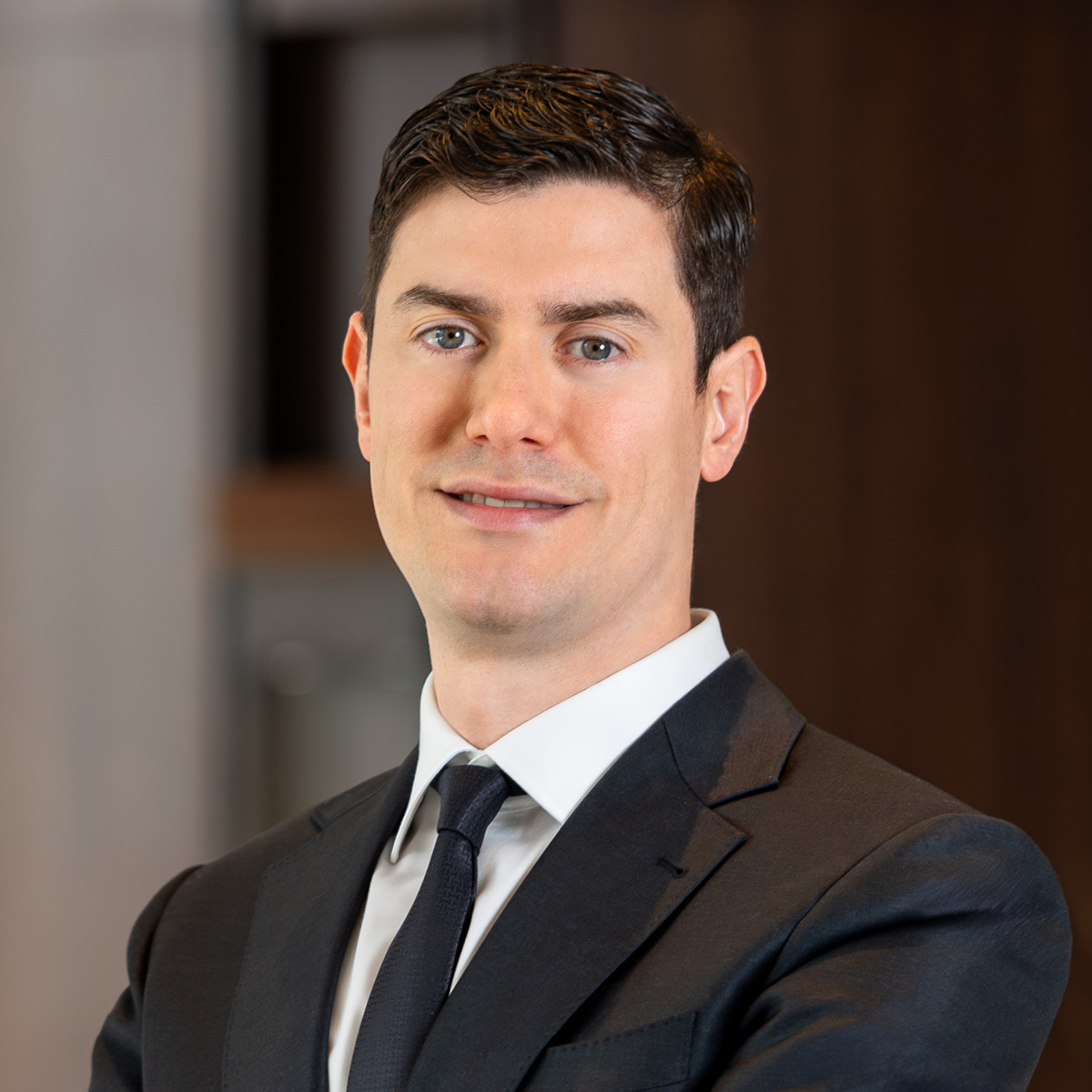
14. Hakan Keskin
Emaar Hospitality Group
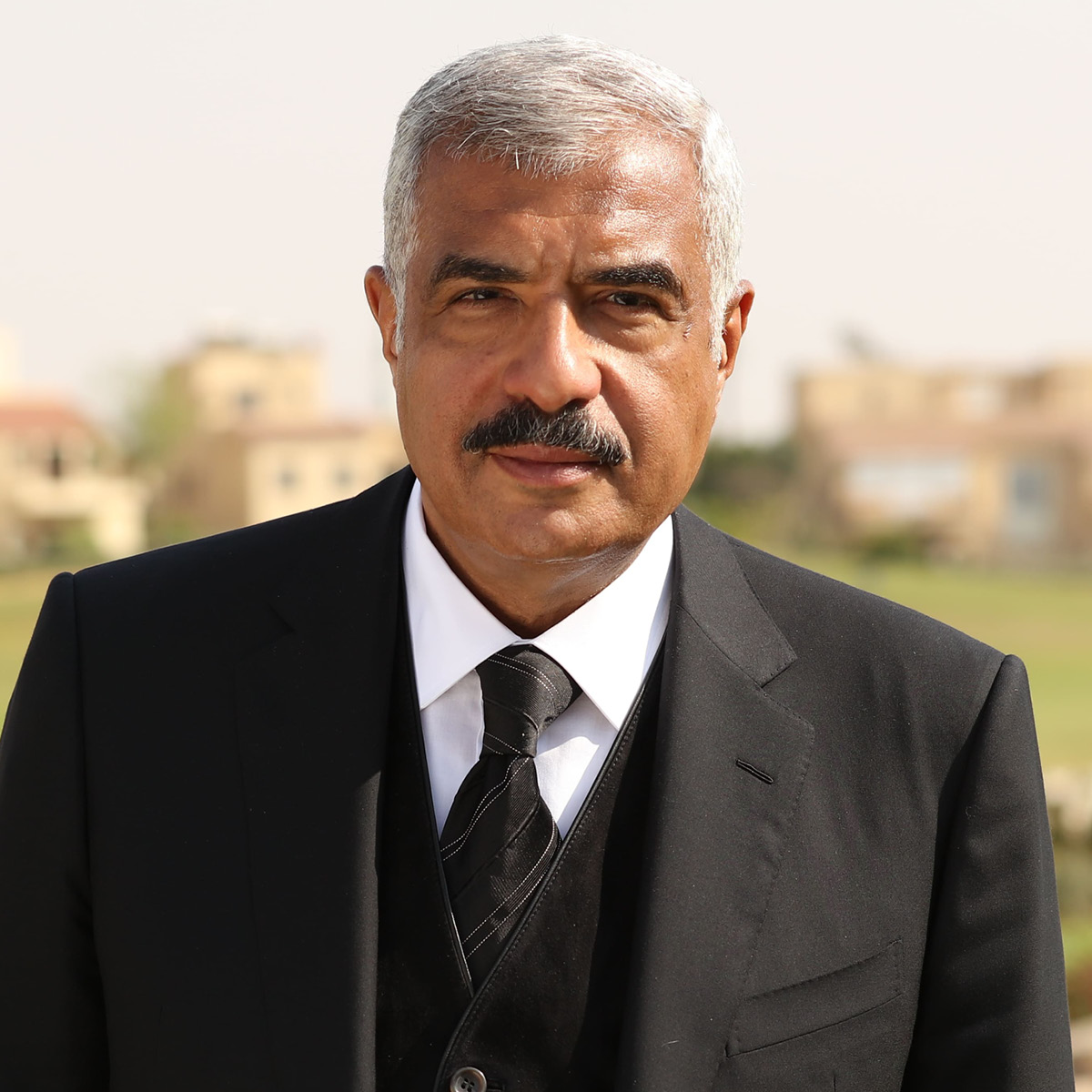
15. Hesham Talaat Moustafa
Talaat Moustafa Group Holding (TMG Holding)
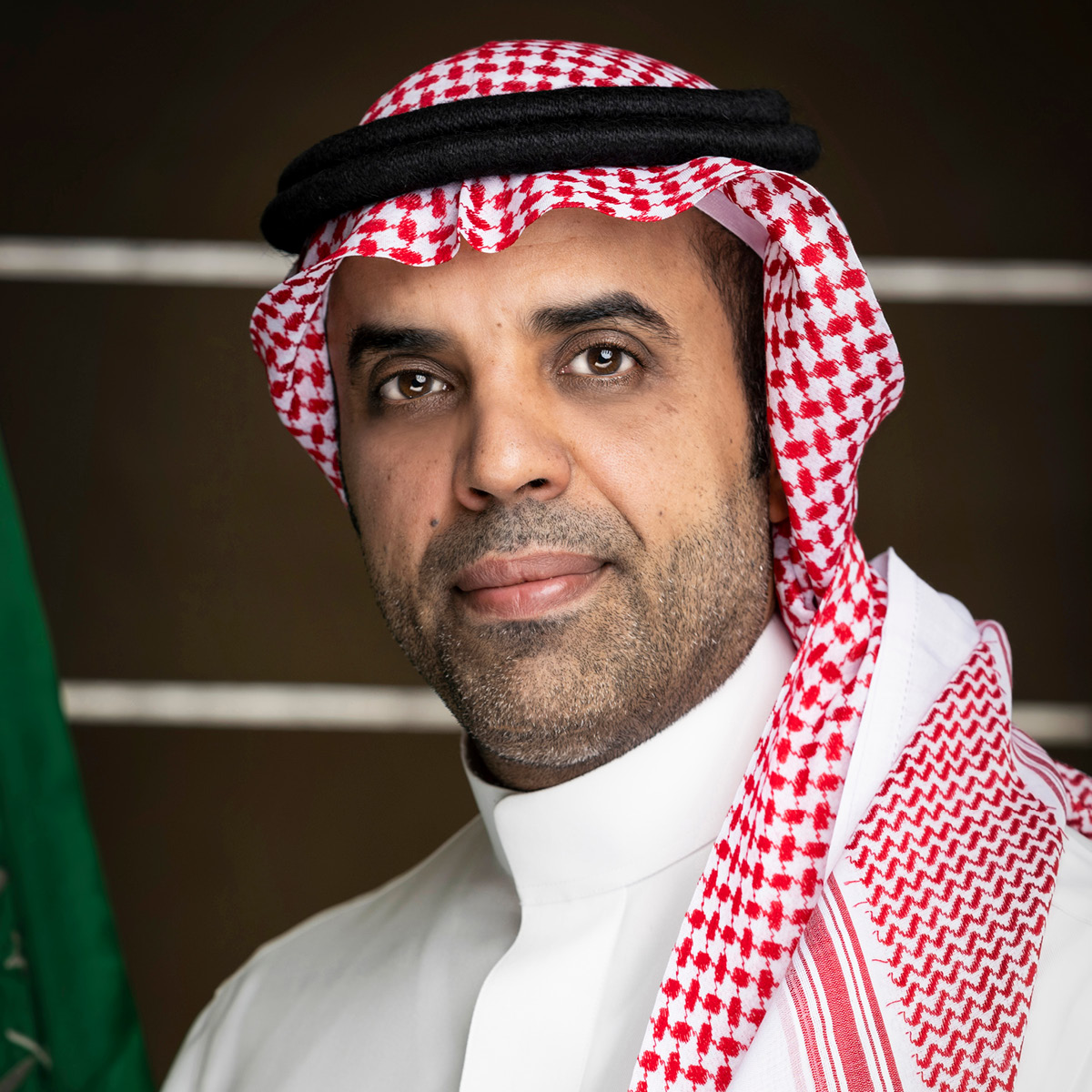
16. Ibrahim Al-Omar
Saudia Group
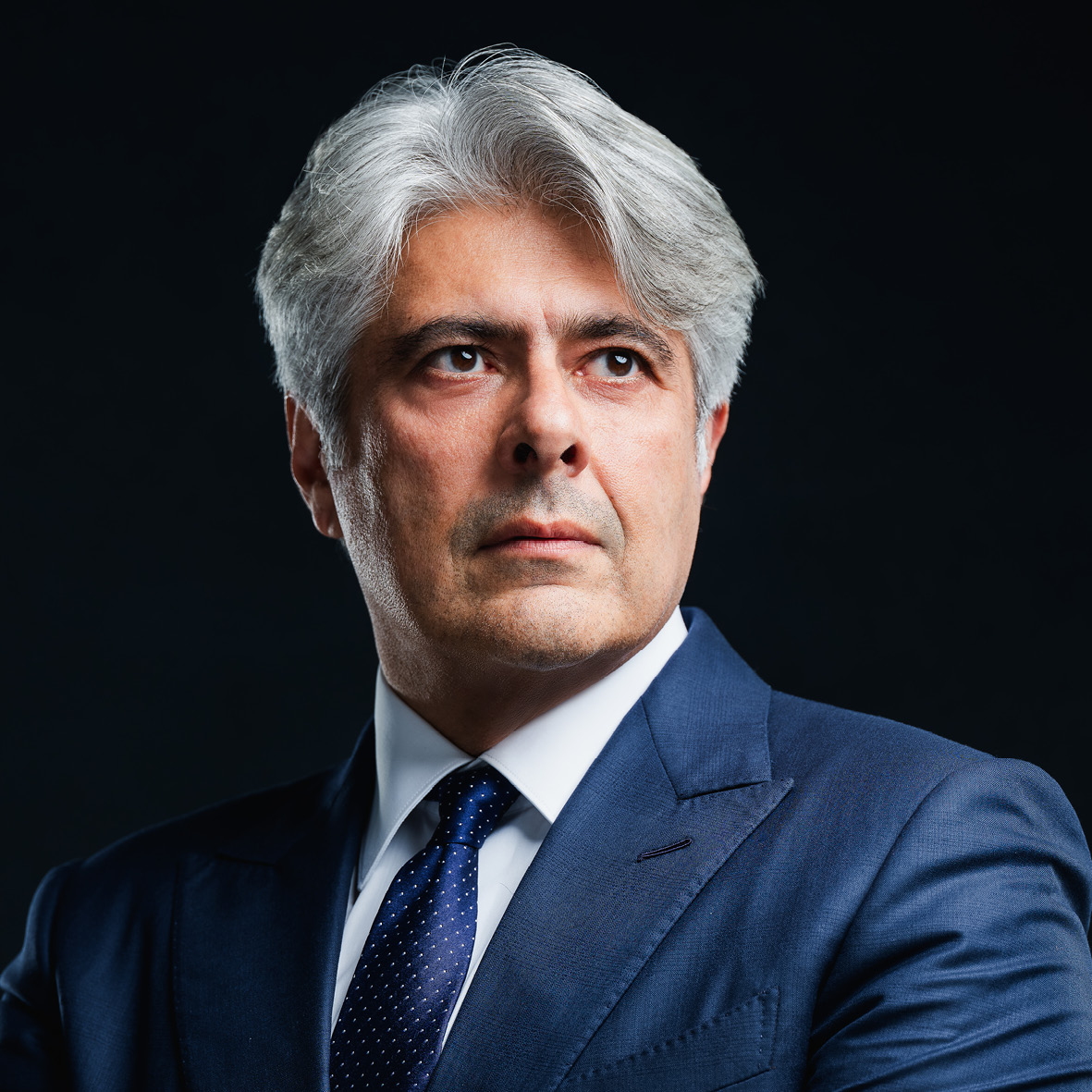
17. Kabir Mulchandani
FIVE Holdings
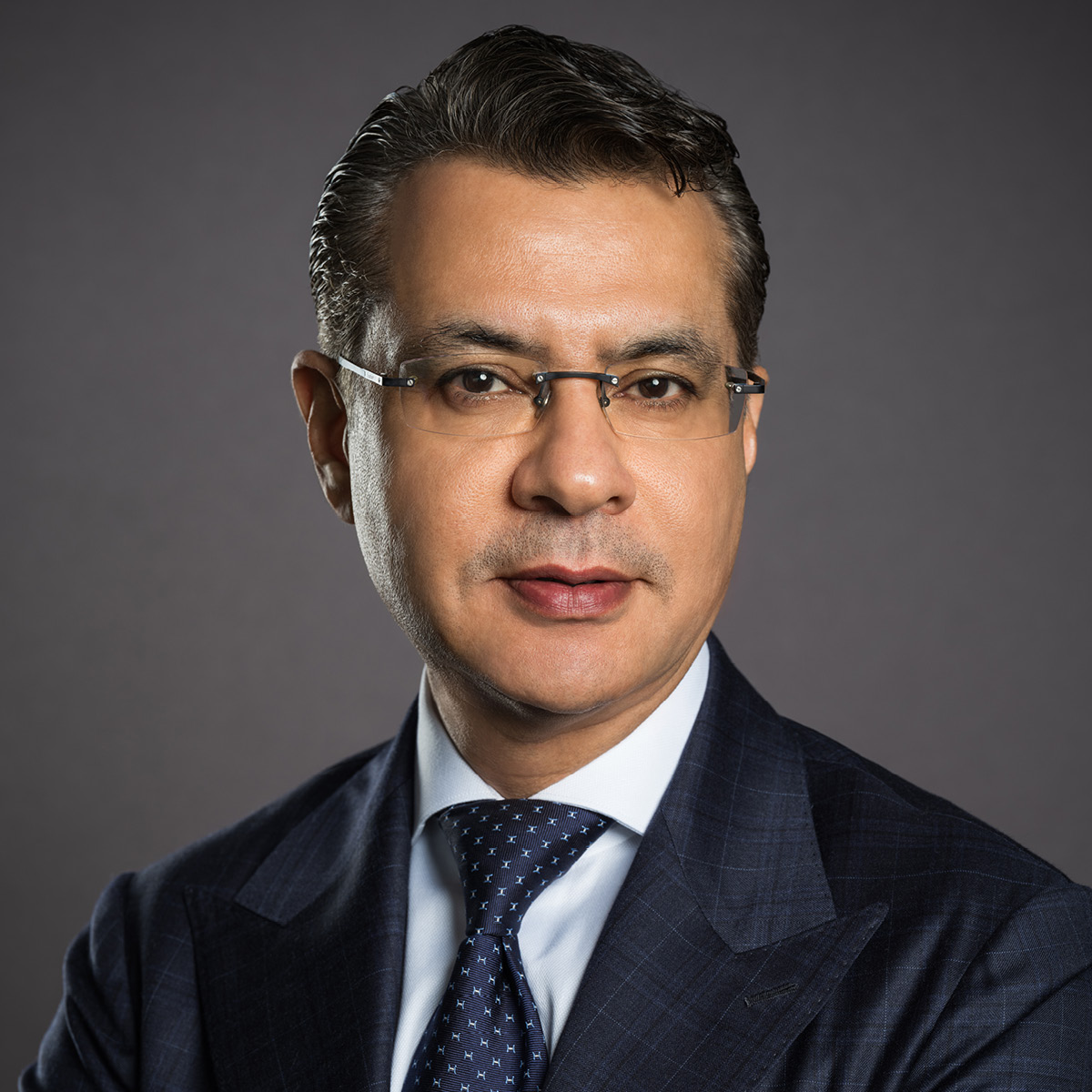
18. Sandeep Walia
Marriott International
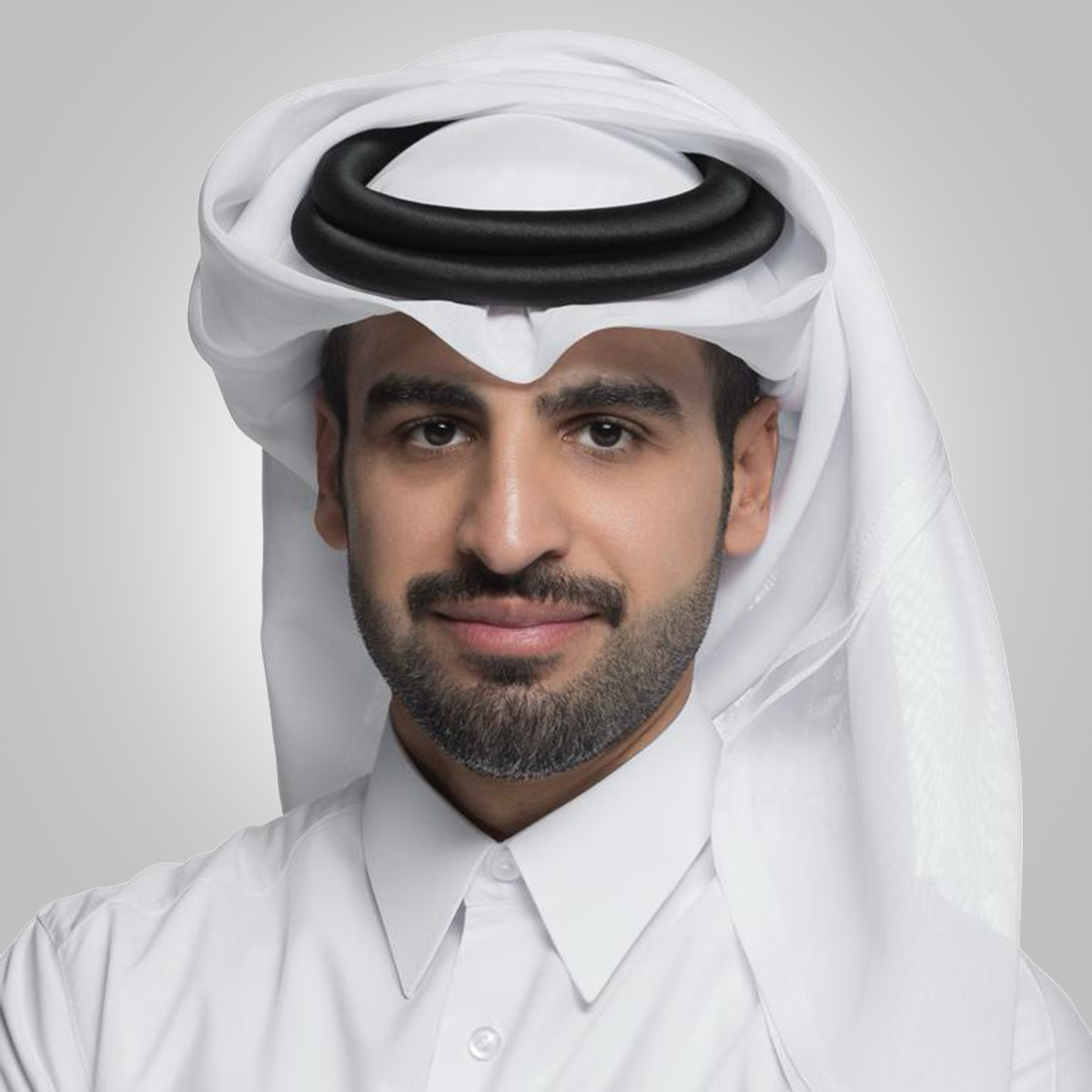
19. Abdulaziz Ali Al-Mawlawi
Visit Qatar
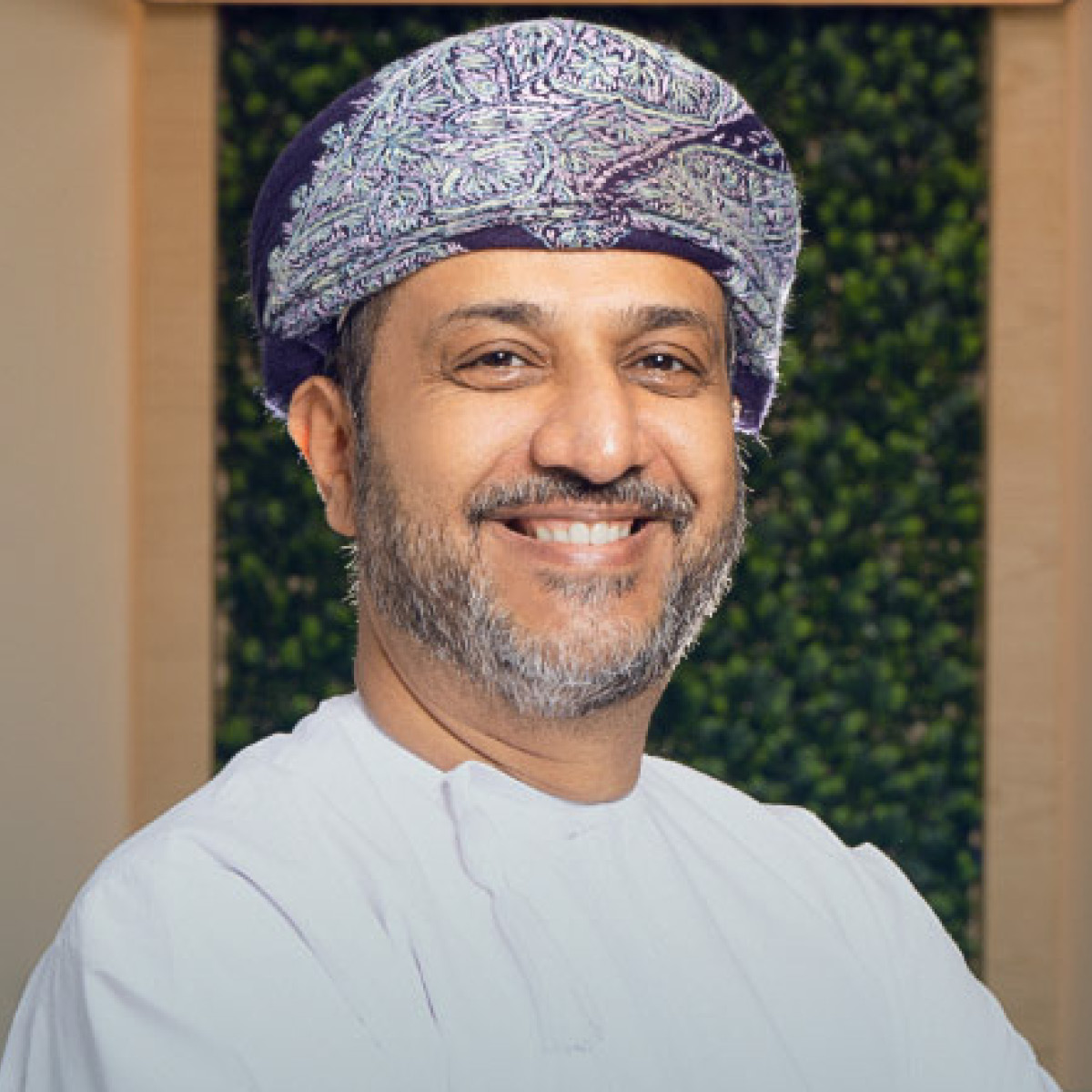
20. Shabib Al Maamari
Visit Oman
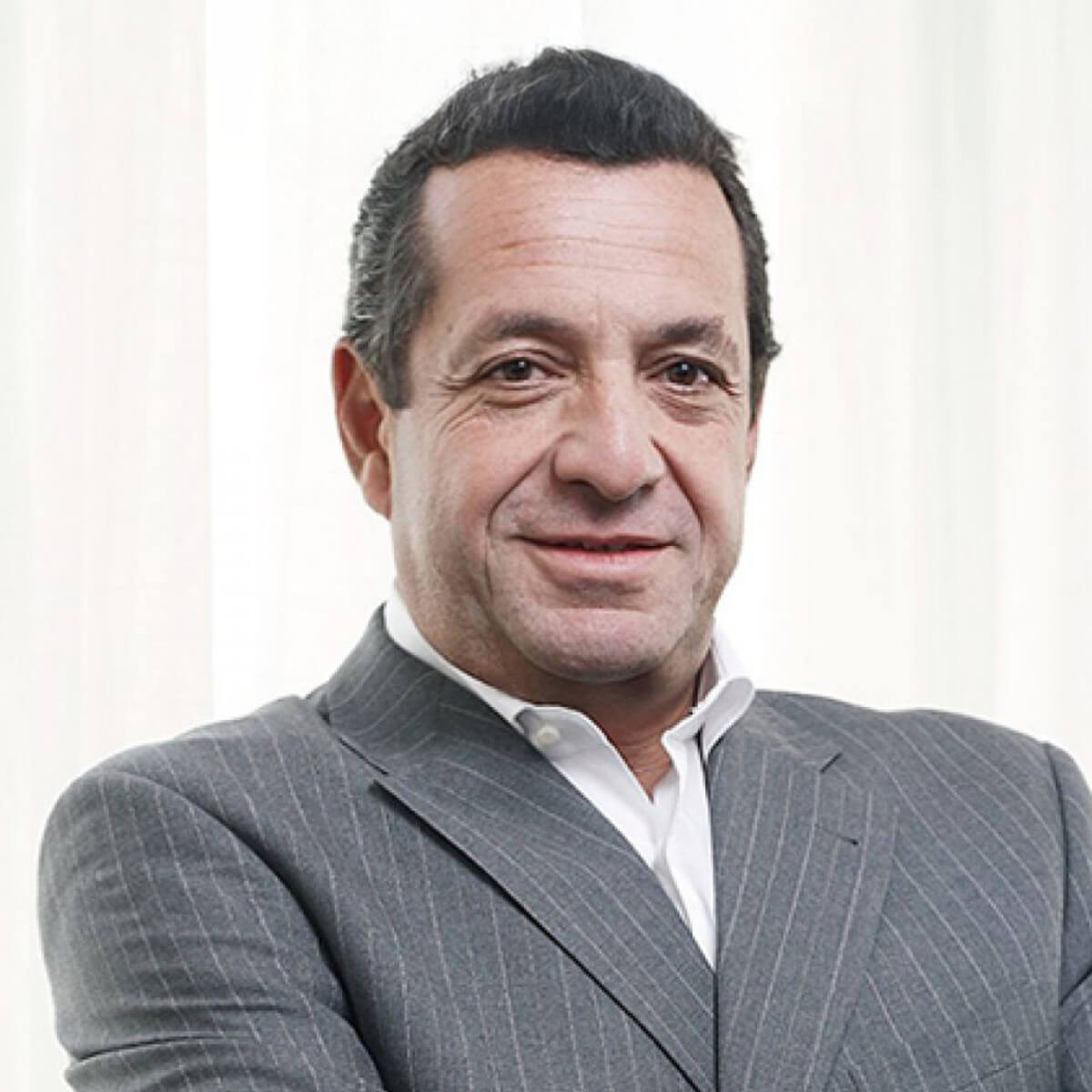
21. Hamed El Chiaty
Travco Group
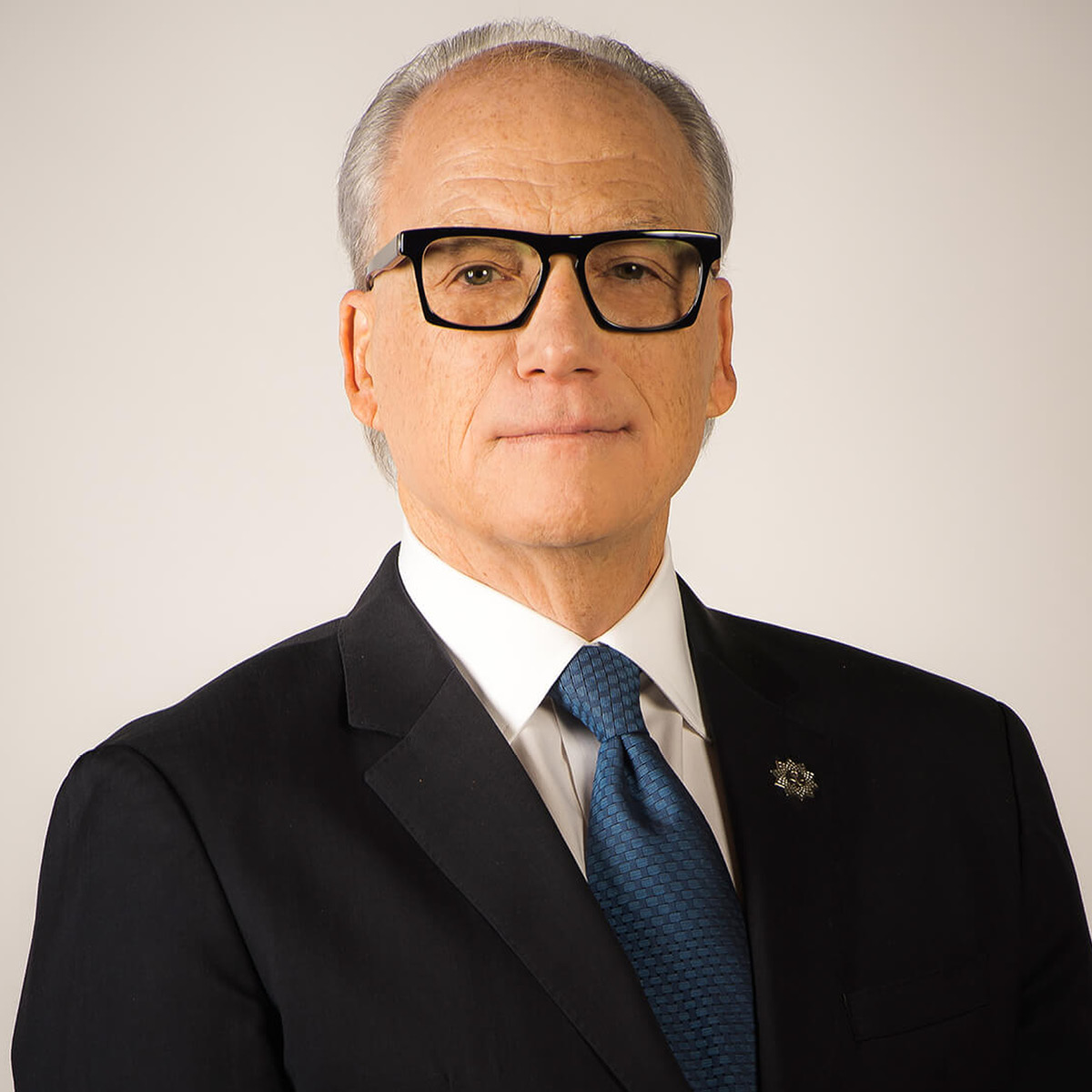
22. Jerry Inzerillo
Diriyah Company
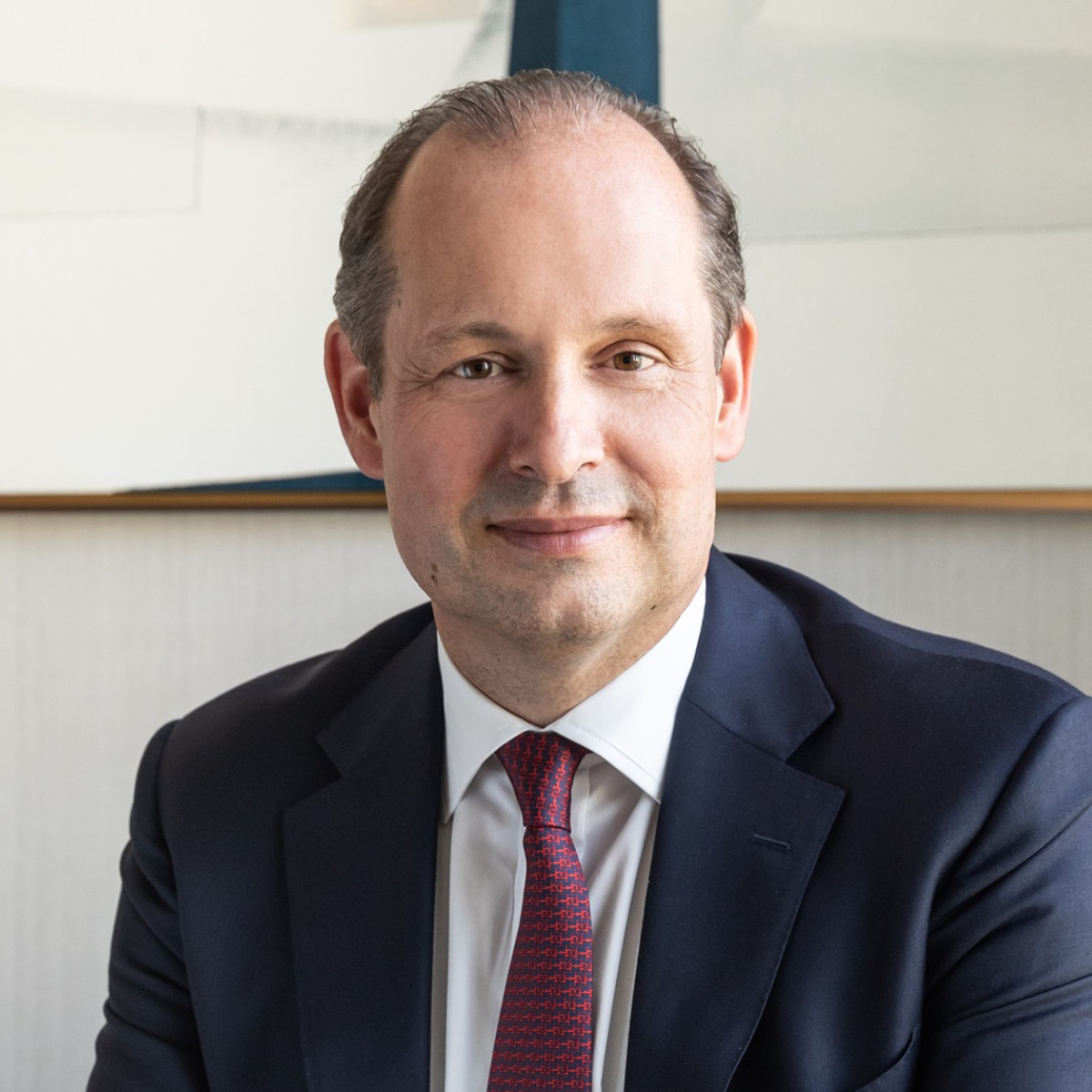
23. Thomas B. Meier
Jumeirah
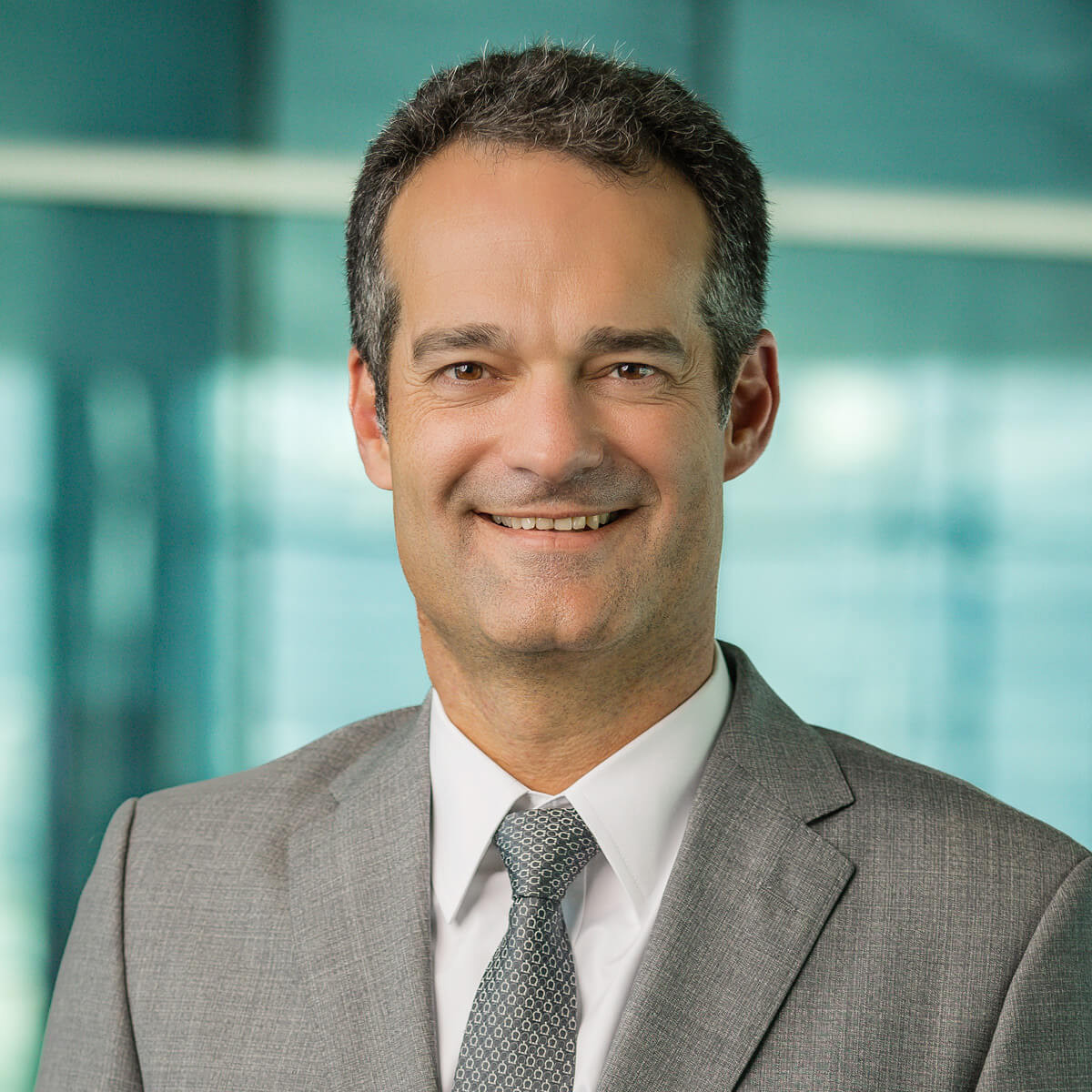
24. Antonoaldo Neves
Etihad Aviation Group
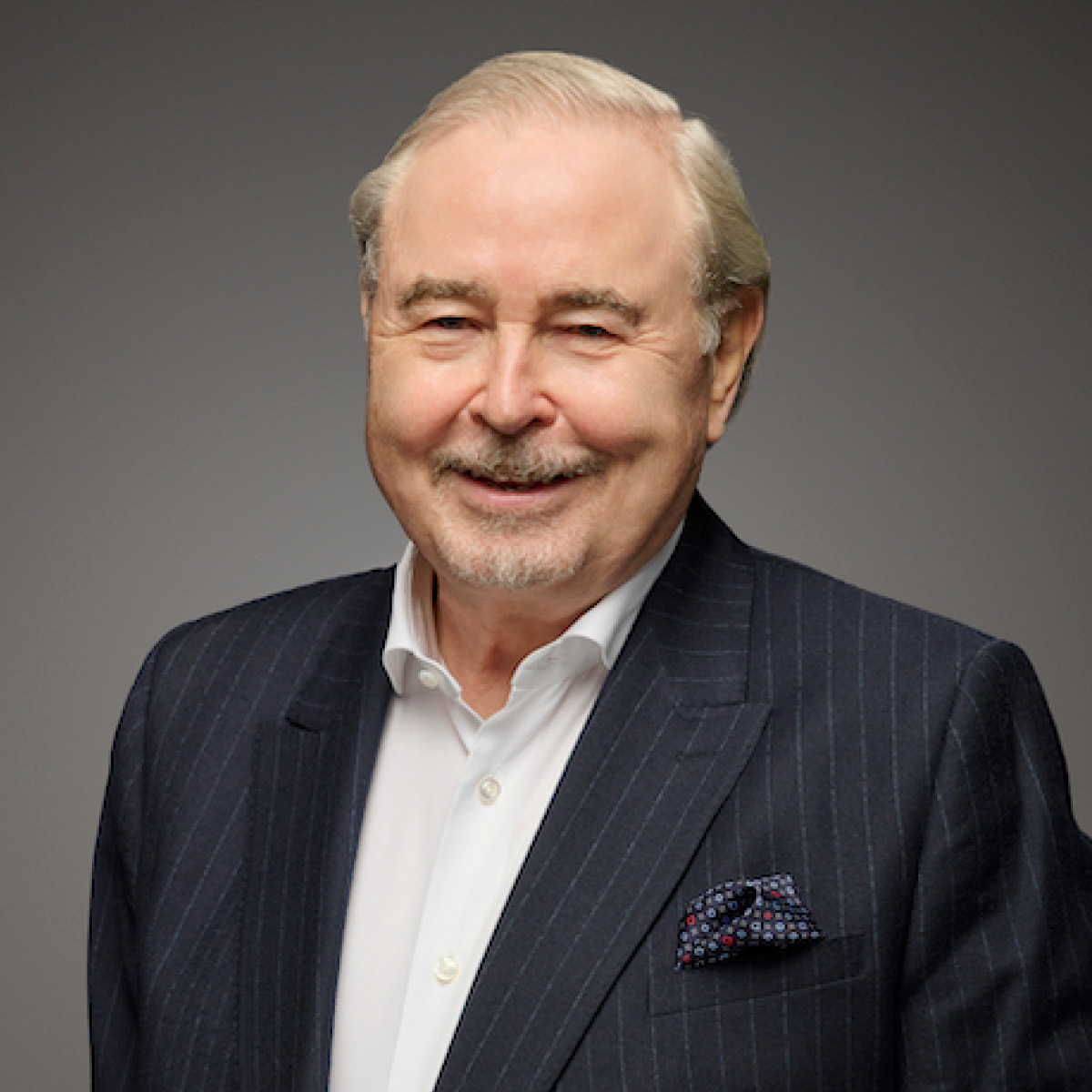
25. Philip Barnes
Rotana
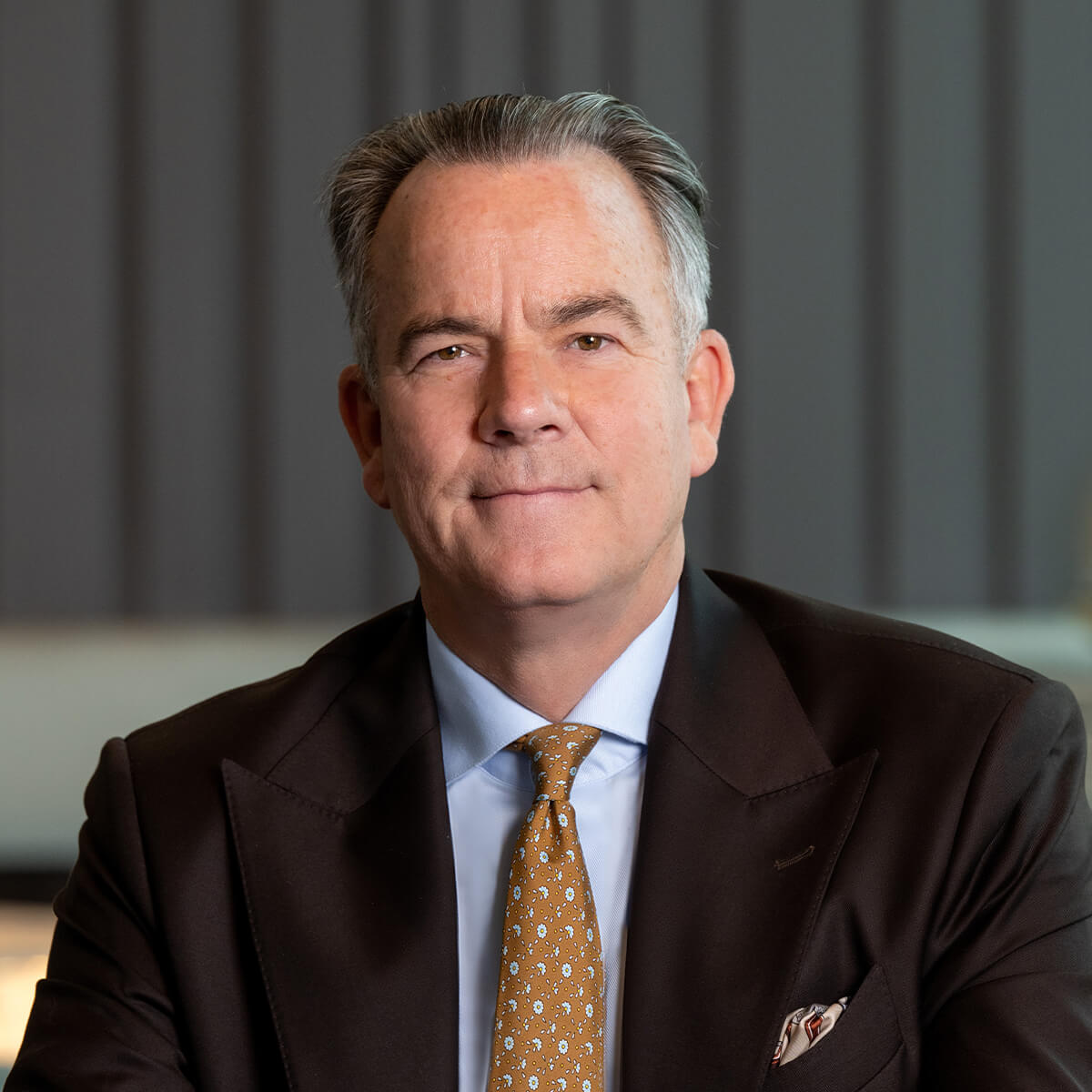
26. Duncan O’Rourke
Accor Group
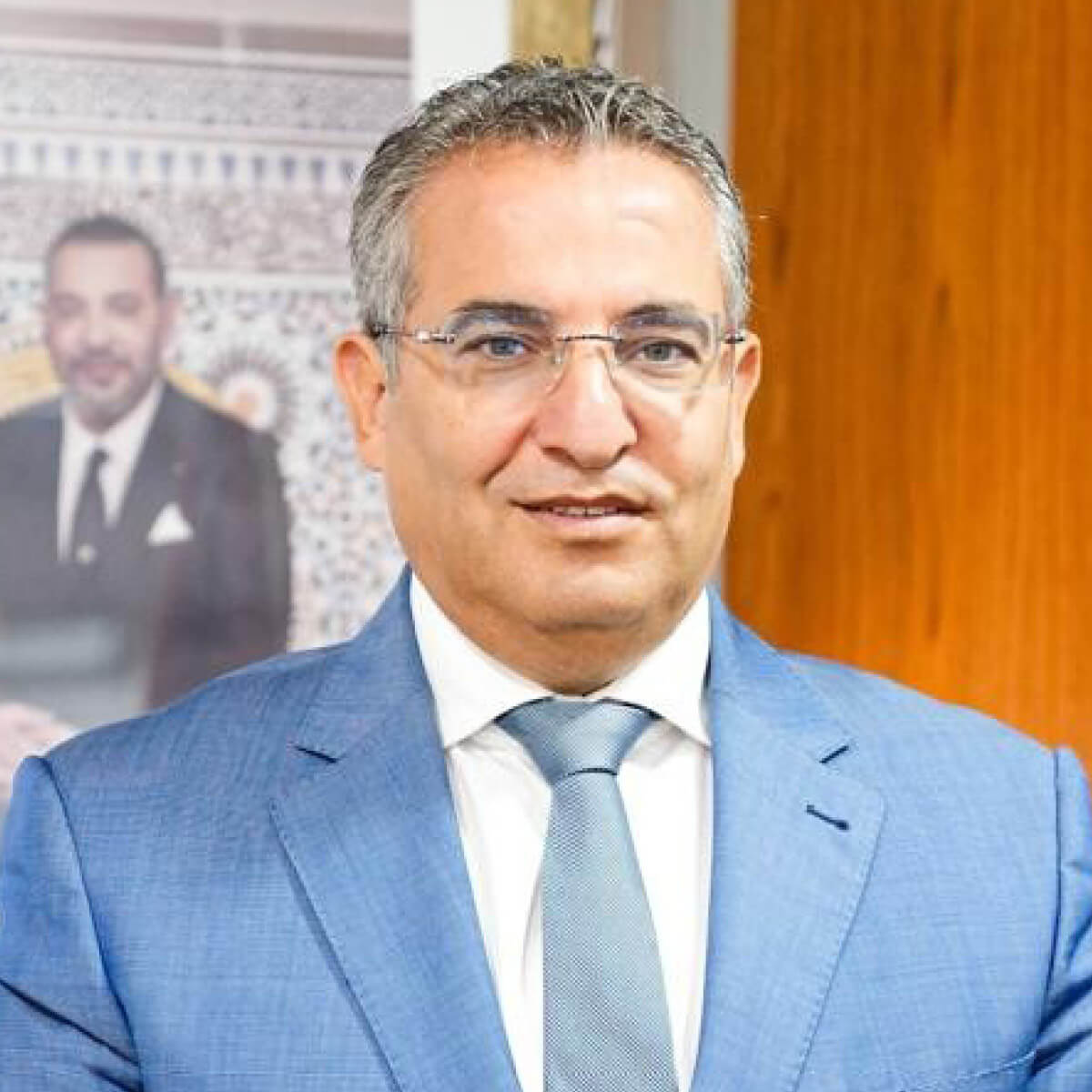
27. Imad Barrakad
Moroccan Agency for Tourism Development (SMIT)
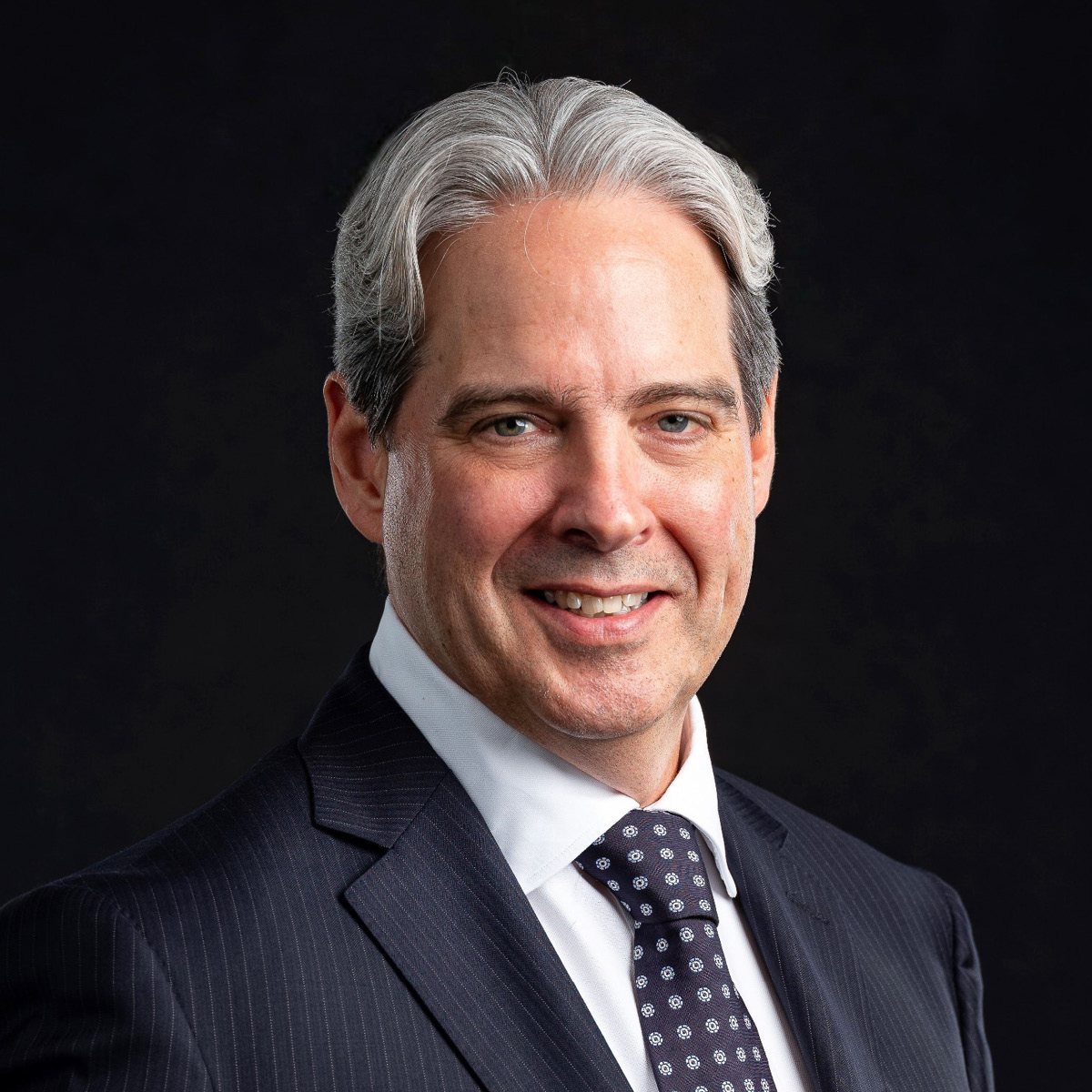
28. Guy Hutchinson
Hilton
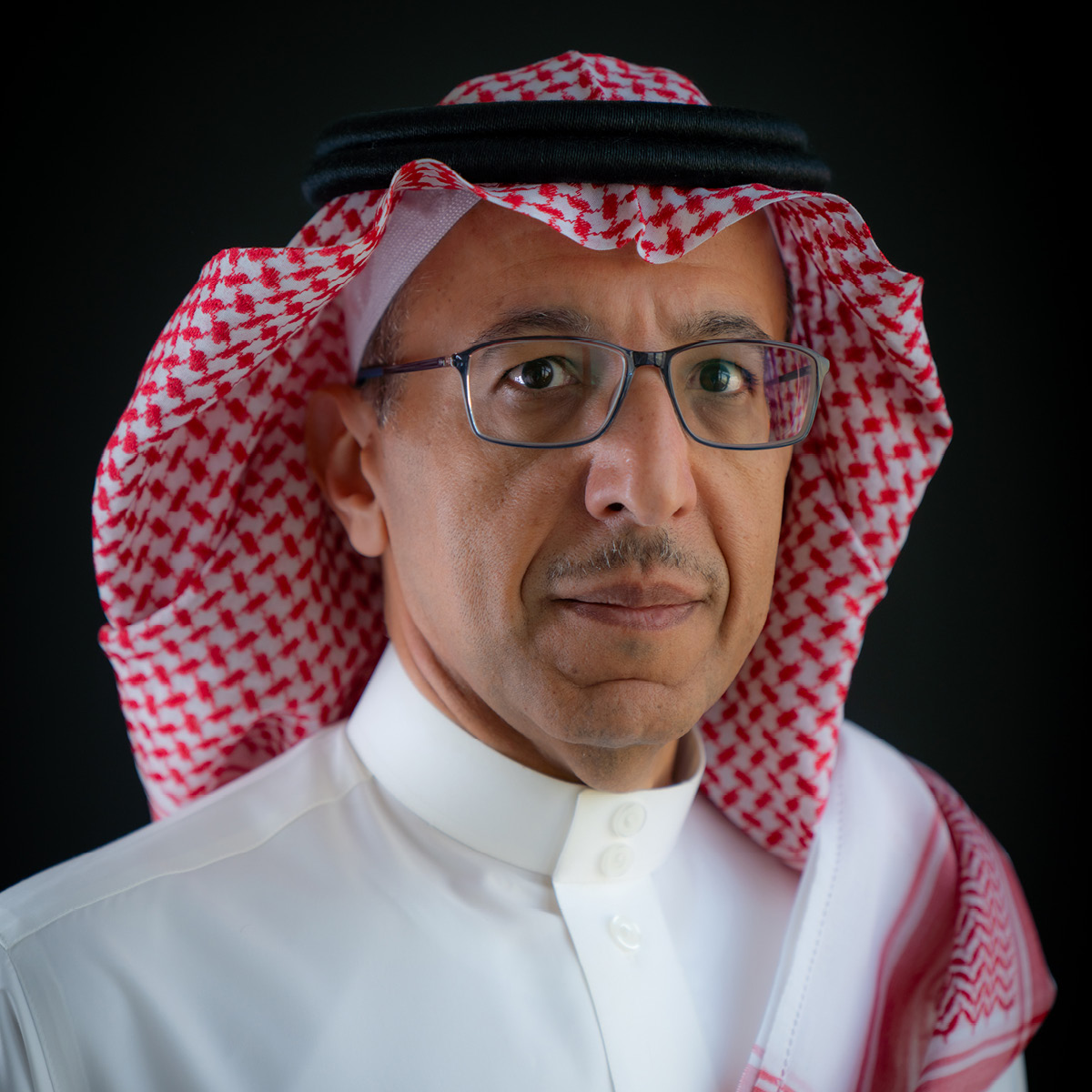
29. Bander Almohanna
flynas
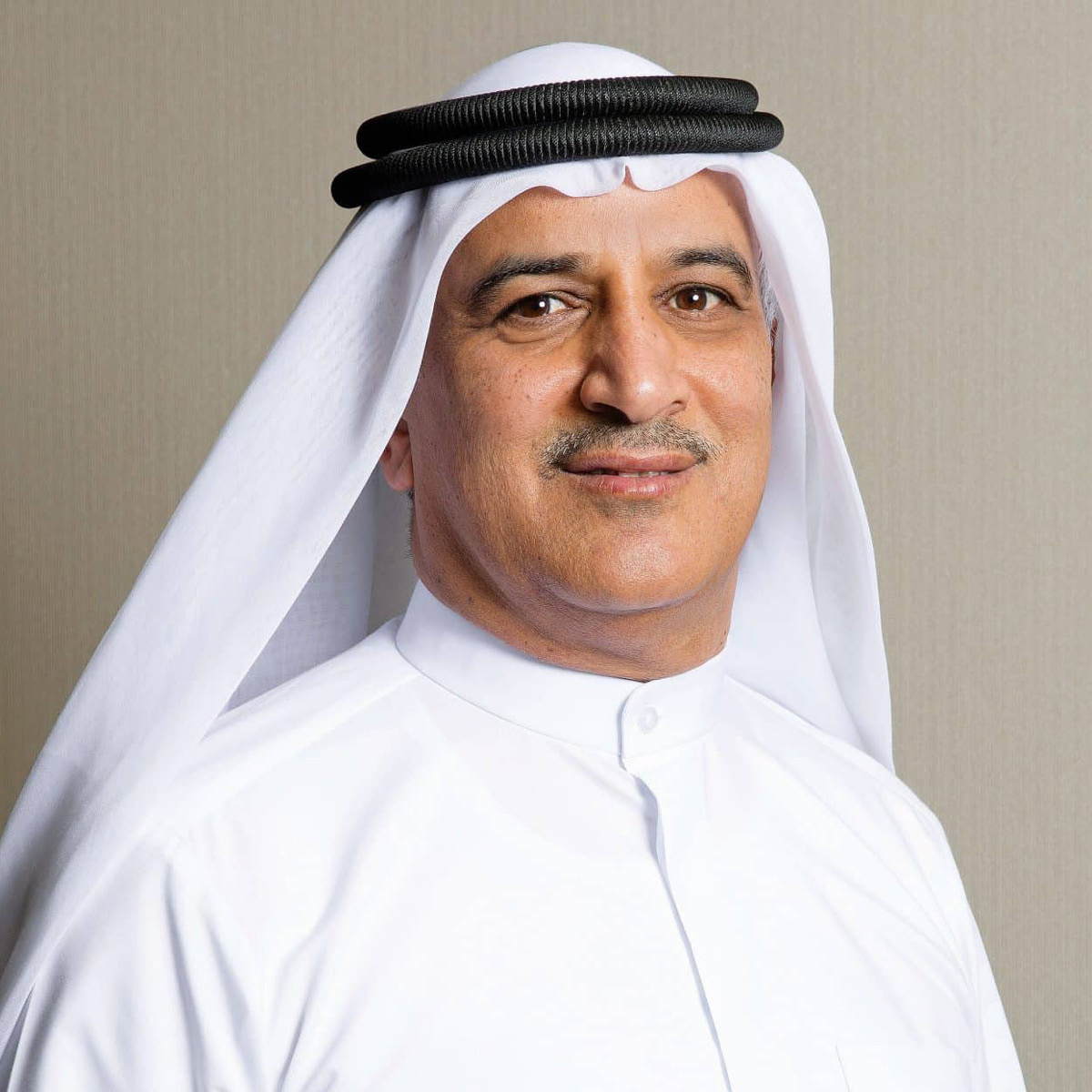
30. Ghaith Al Ghaith
flydubai
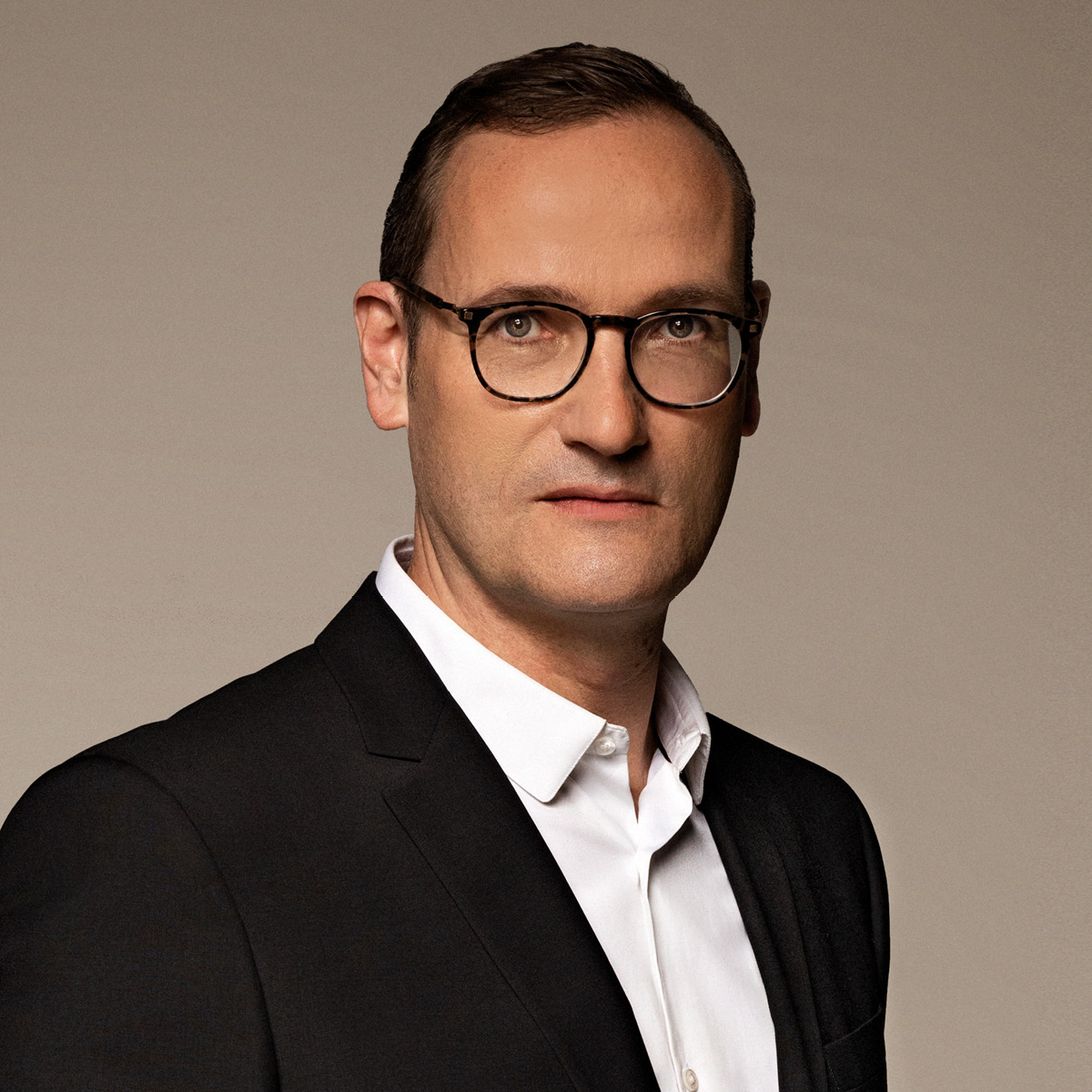
31. Philippe Zuber
Kerzner International
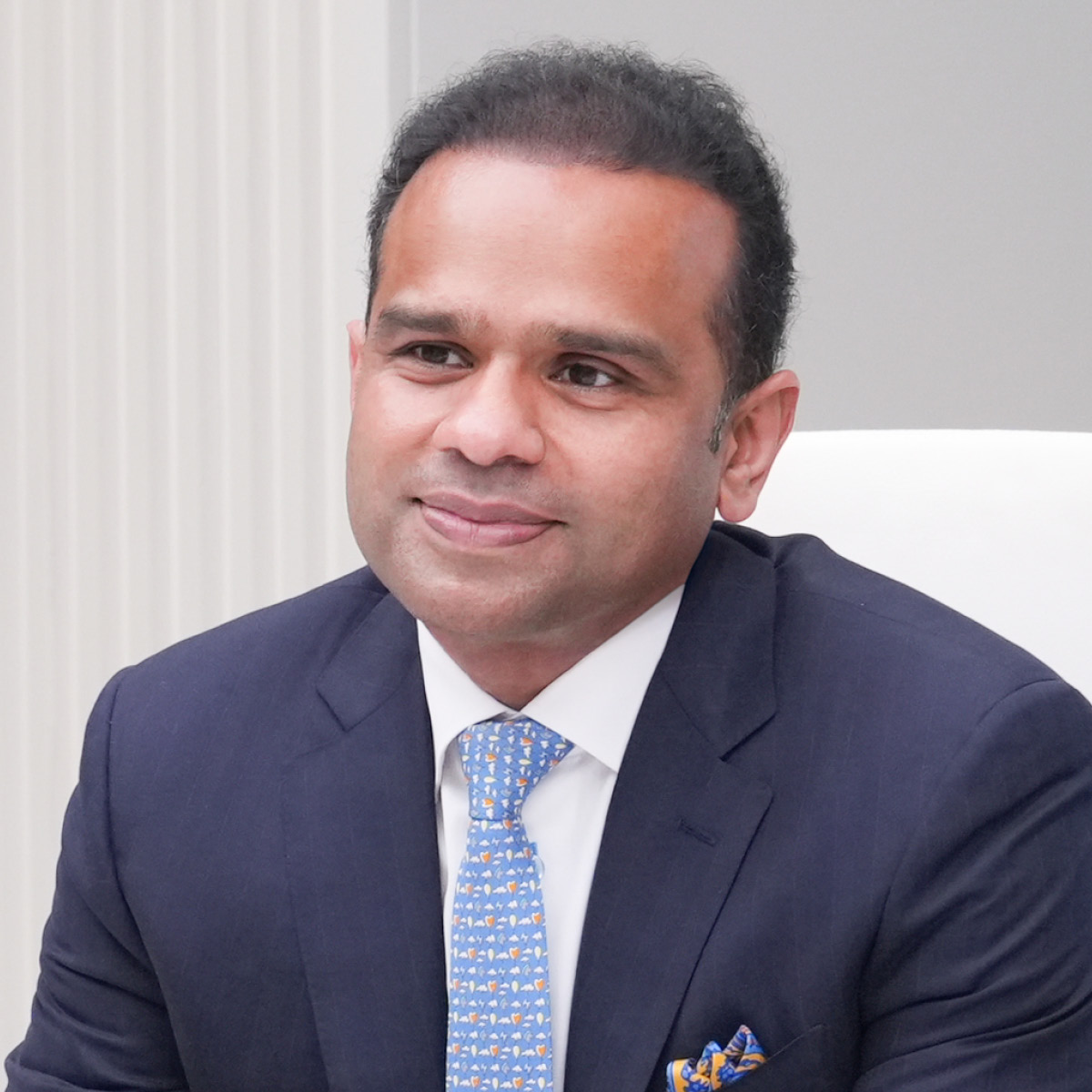
32. Adeeb Ahamed
Twenty14 Holdings
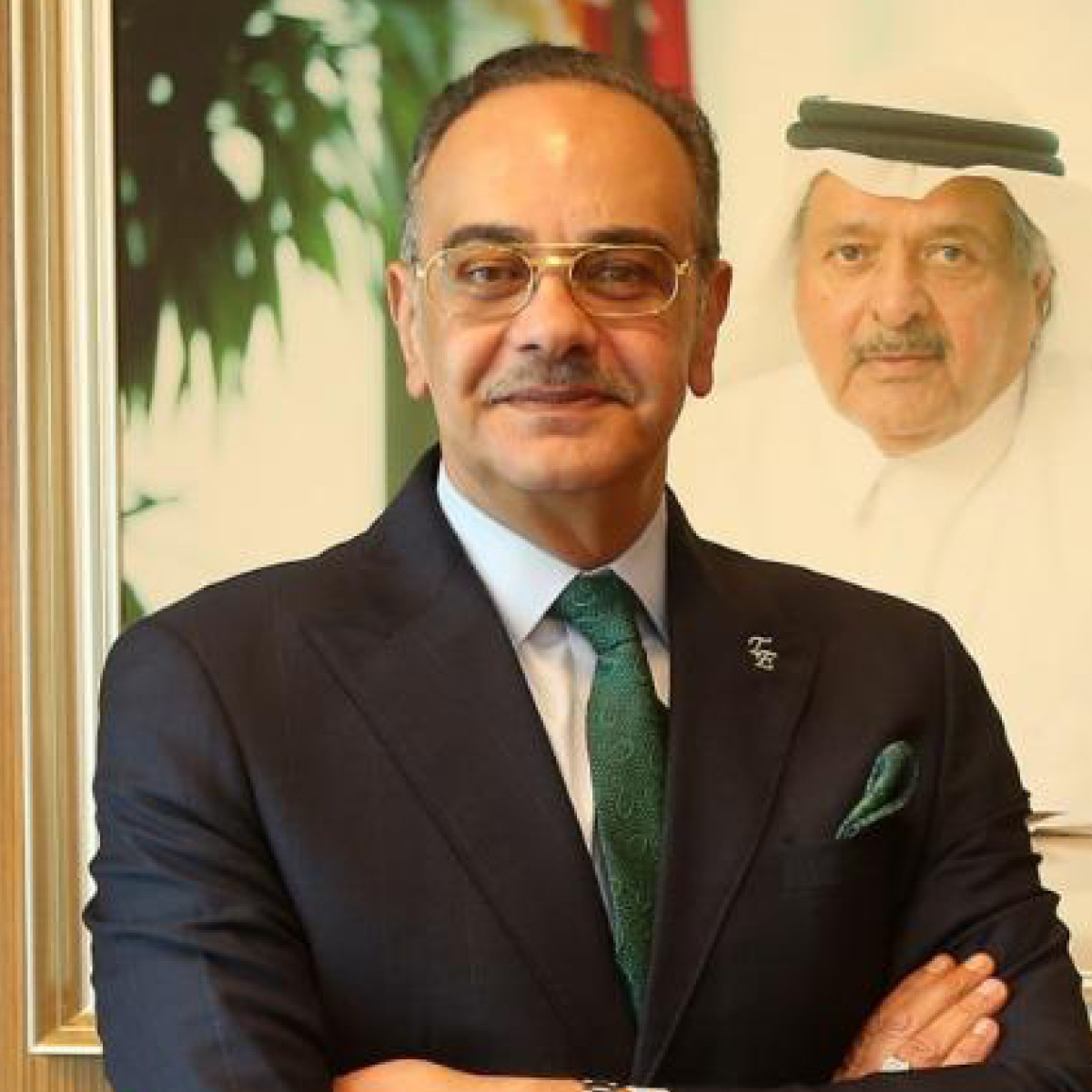
33. Tarek M. El Sayed
Al Rayyan Tourism Investment Company (ARTIC)
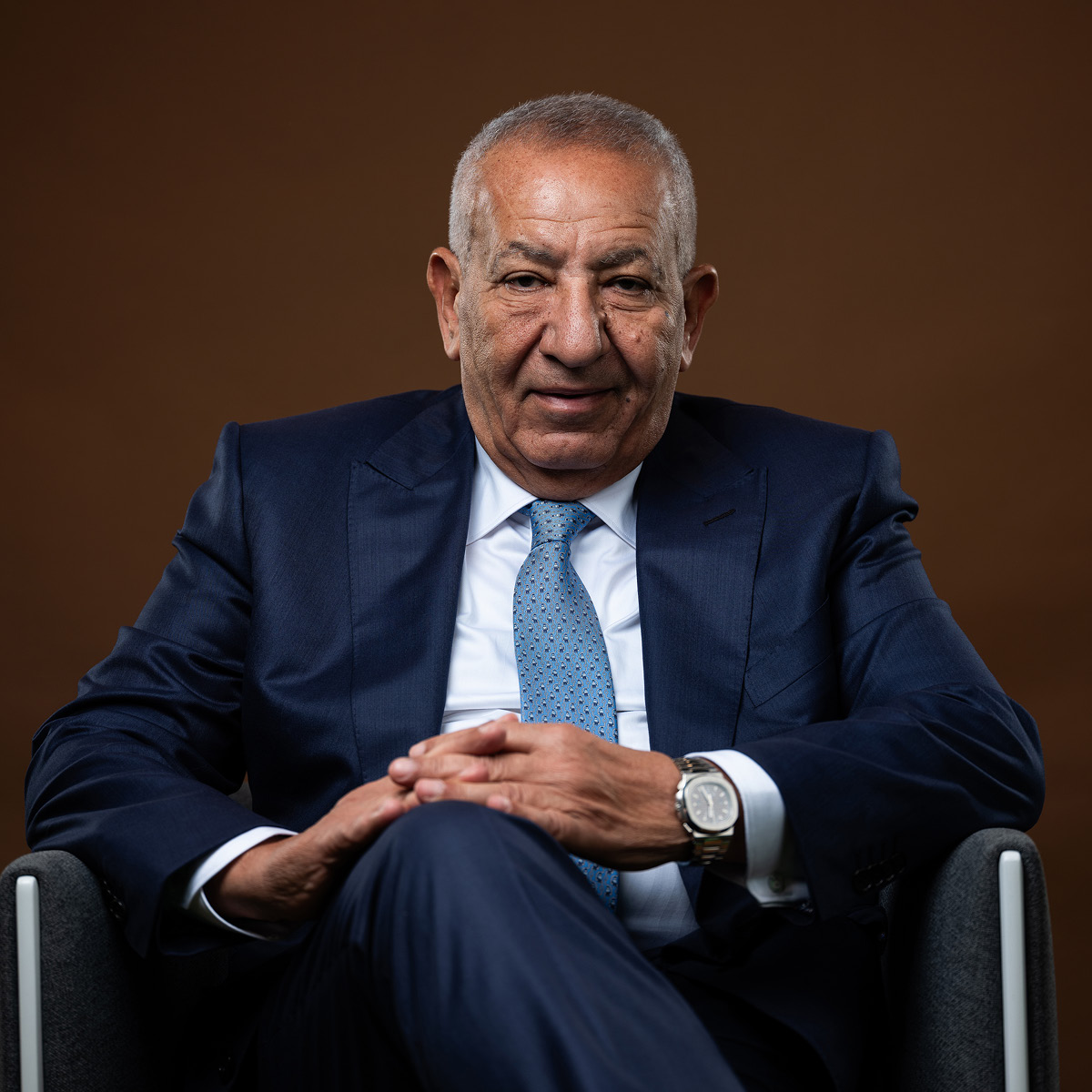
34. Kamel Abou-Aly
Pickalbatros Hotels & Resorts
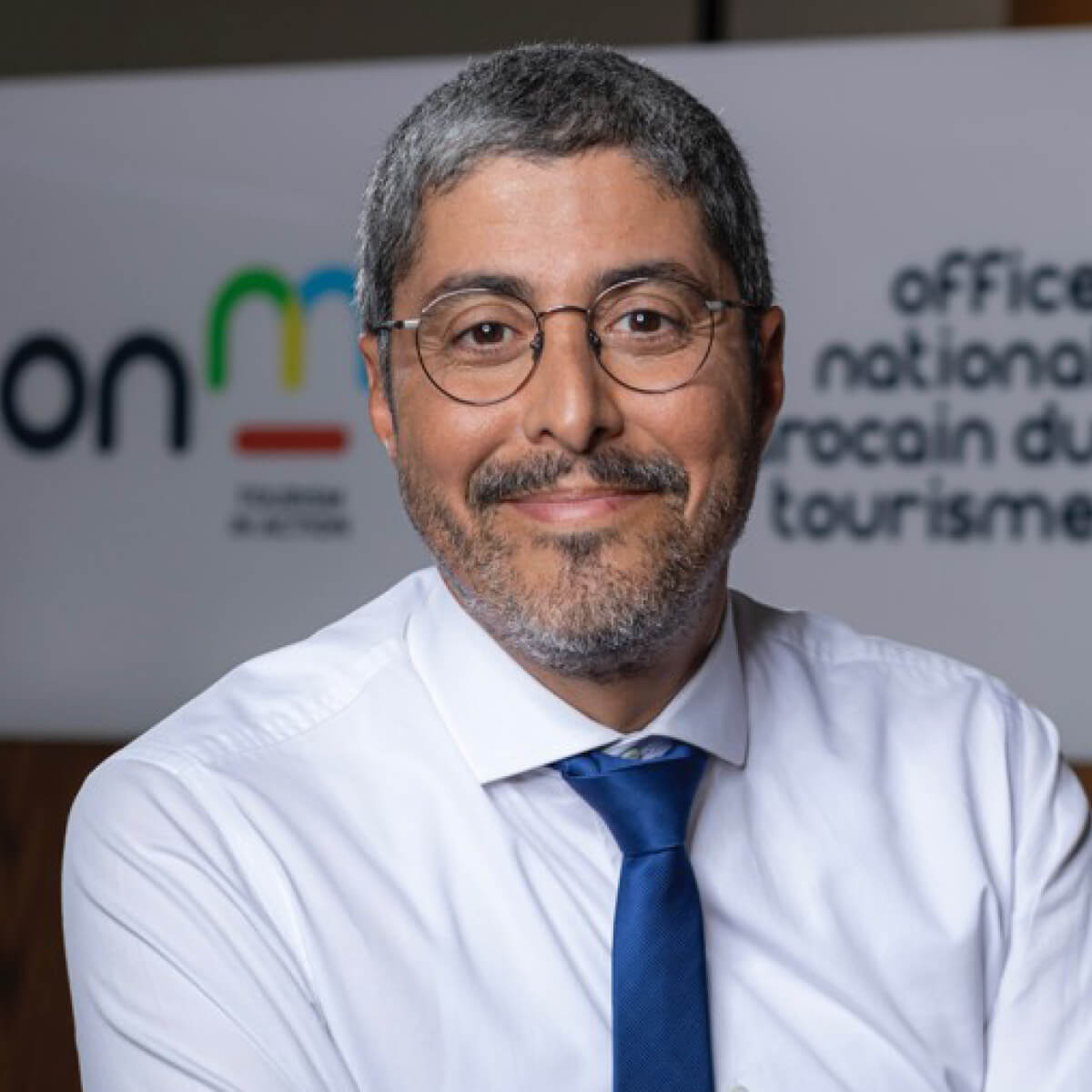
35. Adel El Fakir
Airports of Morocco
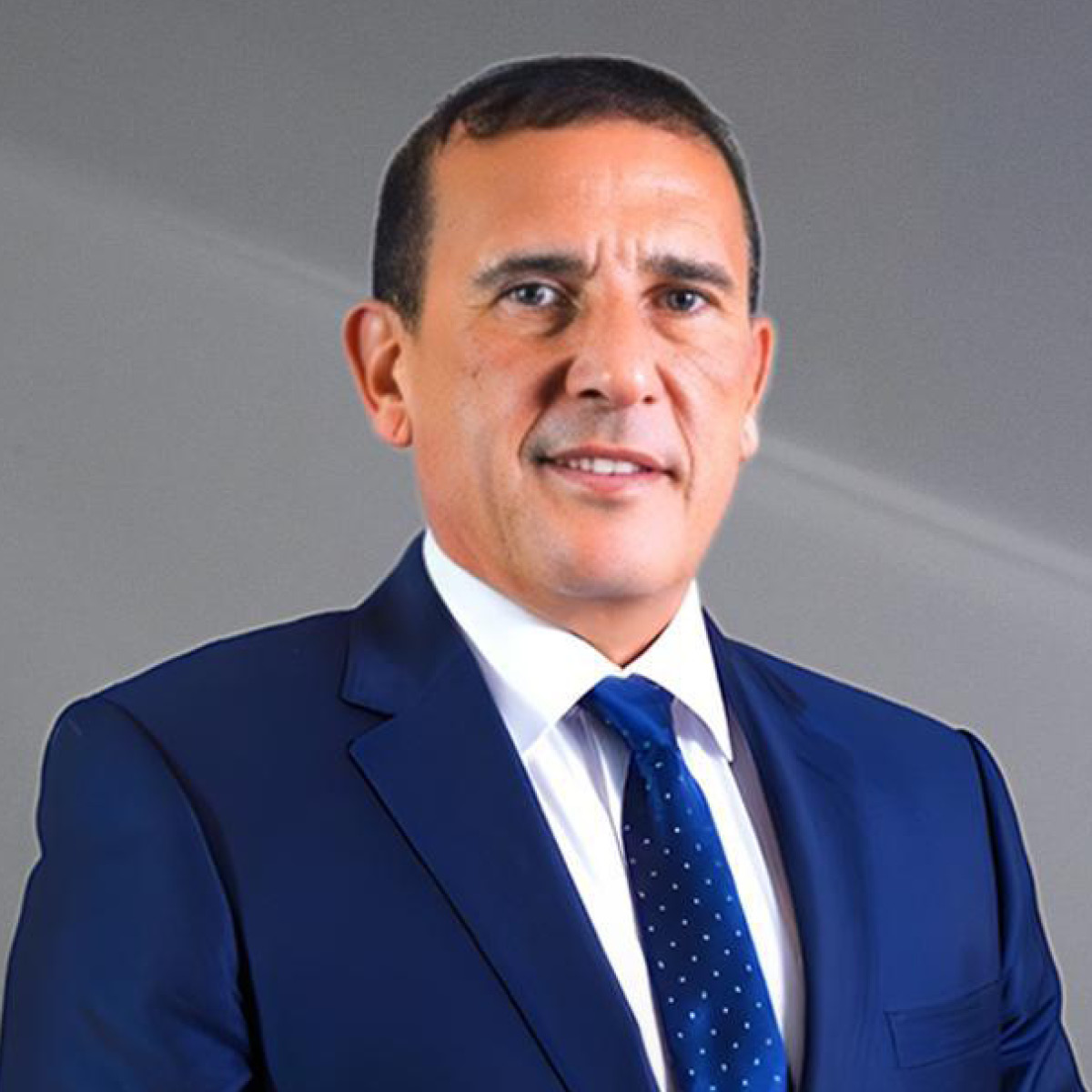
36. Hossam El Shaer
SUNRISE Resorts & Cruises; Madaar Developments
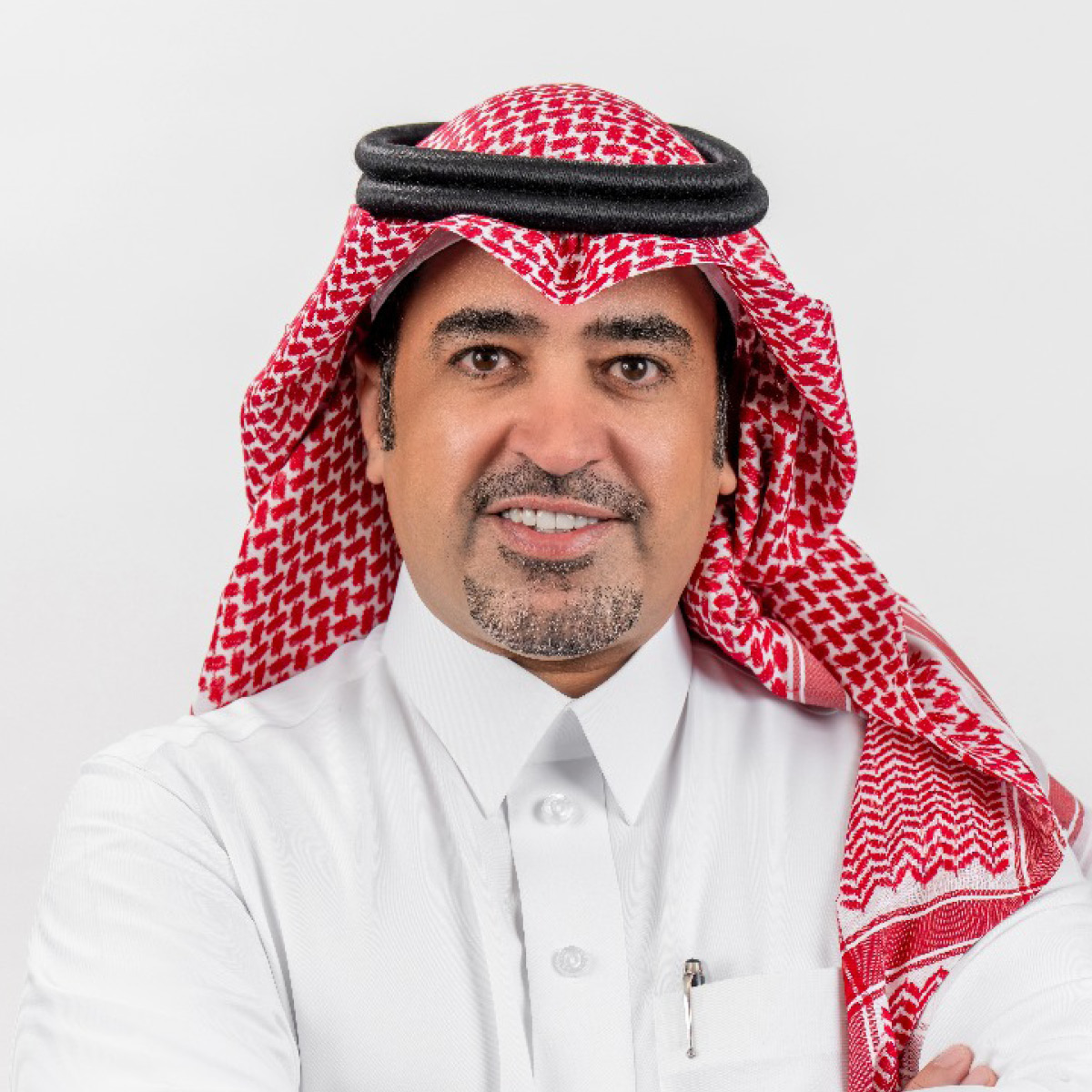
37. Sultan bin Badr Al-Otaibi
TAIBA
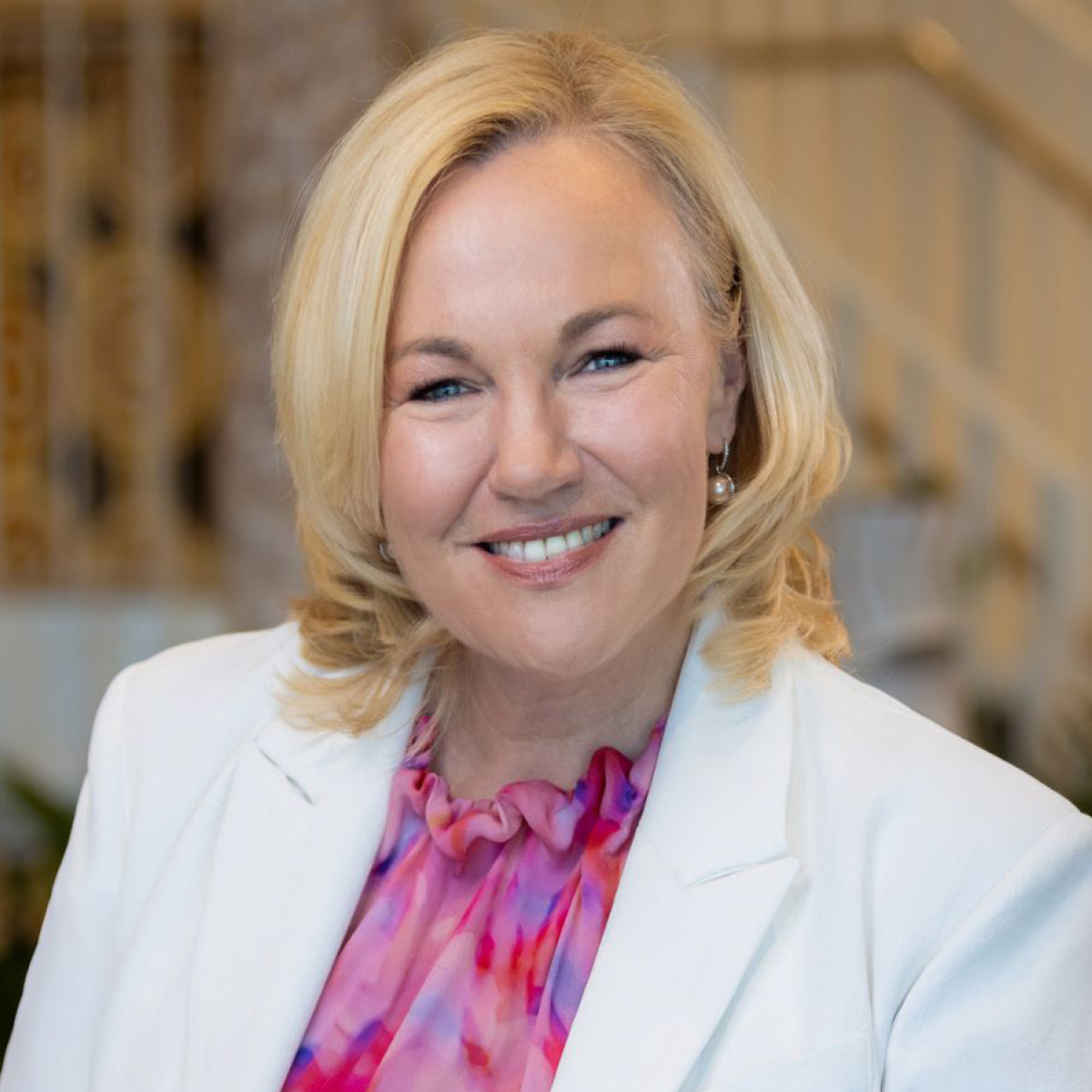
38. Phillipa Harrison
Ras Al Khaimah Tourism Development Authority (RAKTDA)
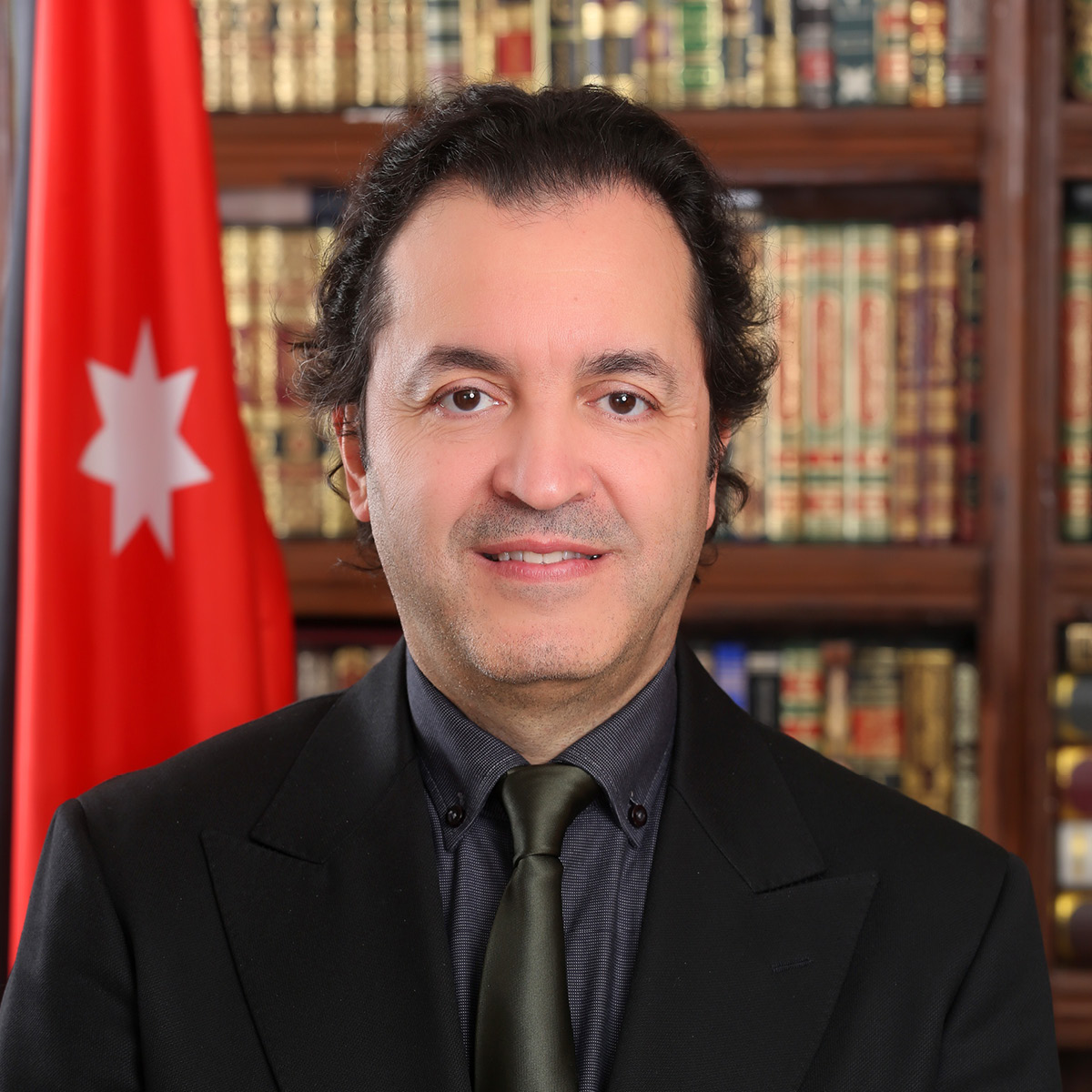
39. Ramzi Maaytah
Jordan Tourism Board (JTB)
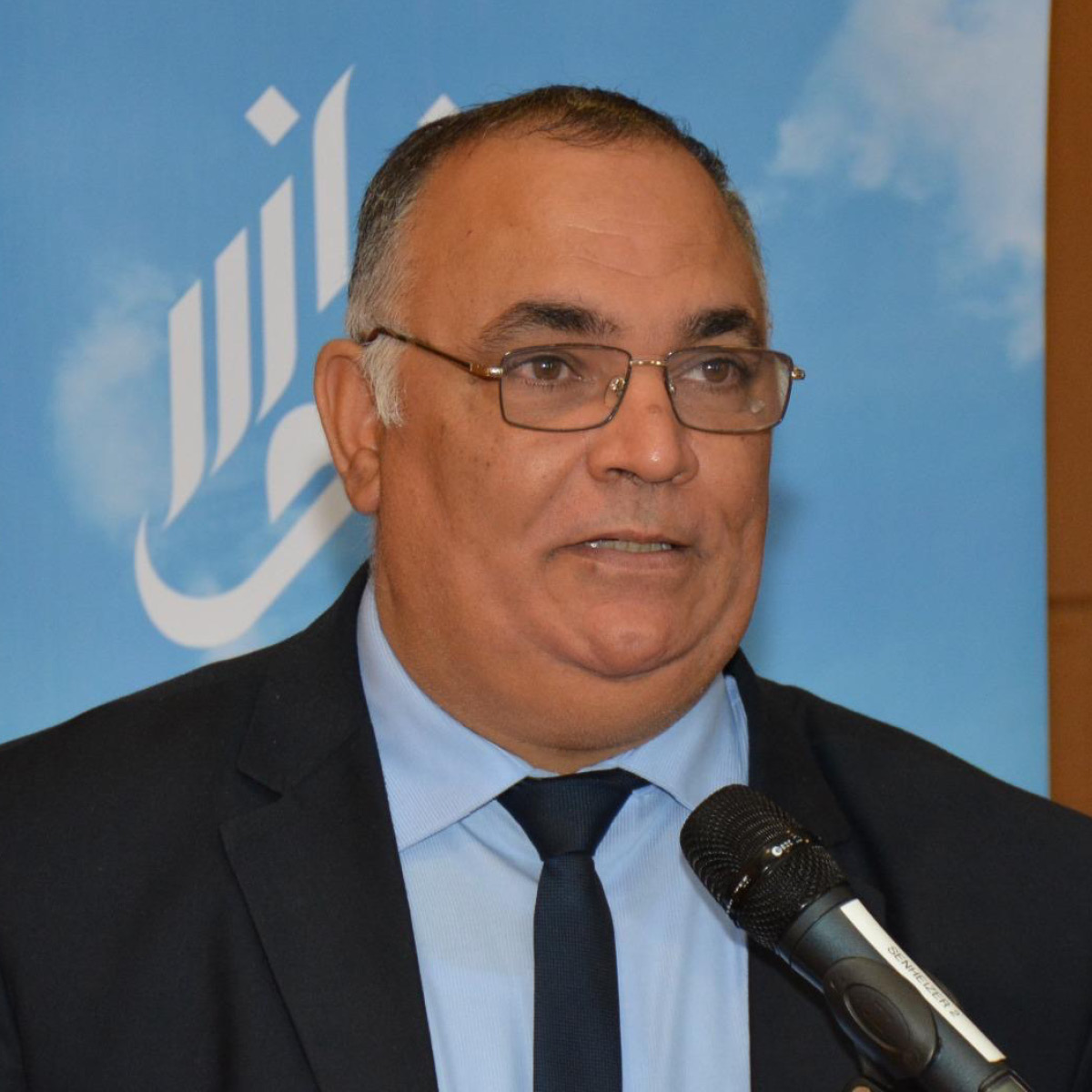
40. Mohamed Mehdi Haloui
Tunisian National Tourist Office (ONTT)
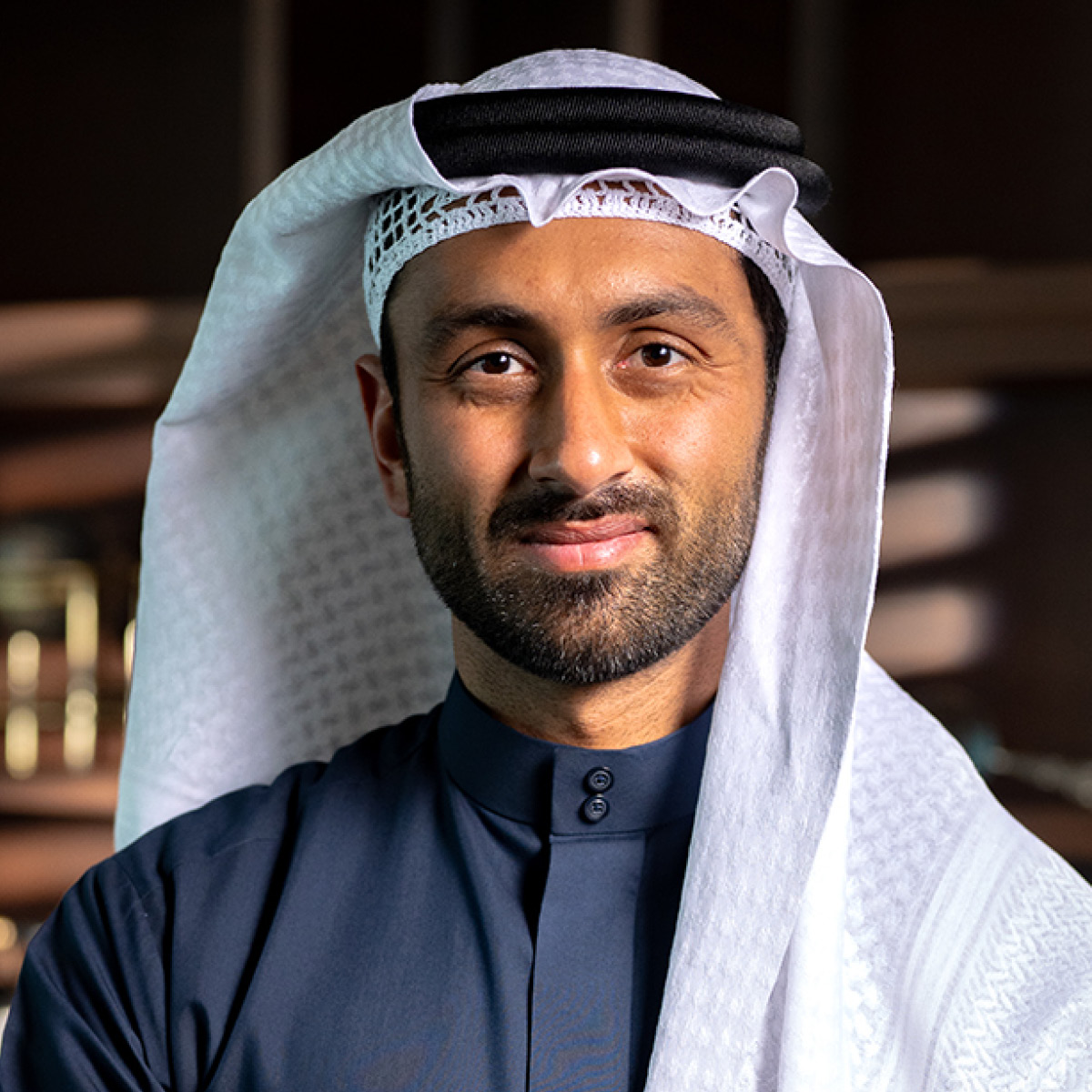
41. Ali Sajwani
DAMAC Group

42. Fernando Eiroa
Dubai Holding Entertainment
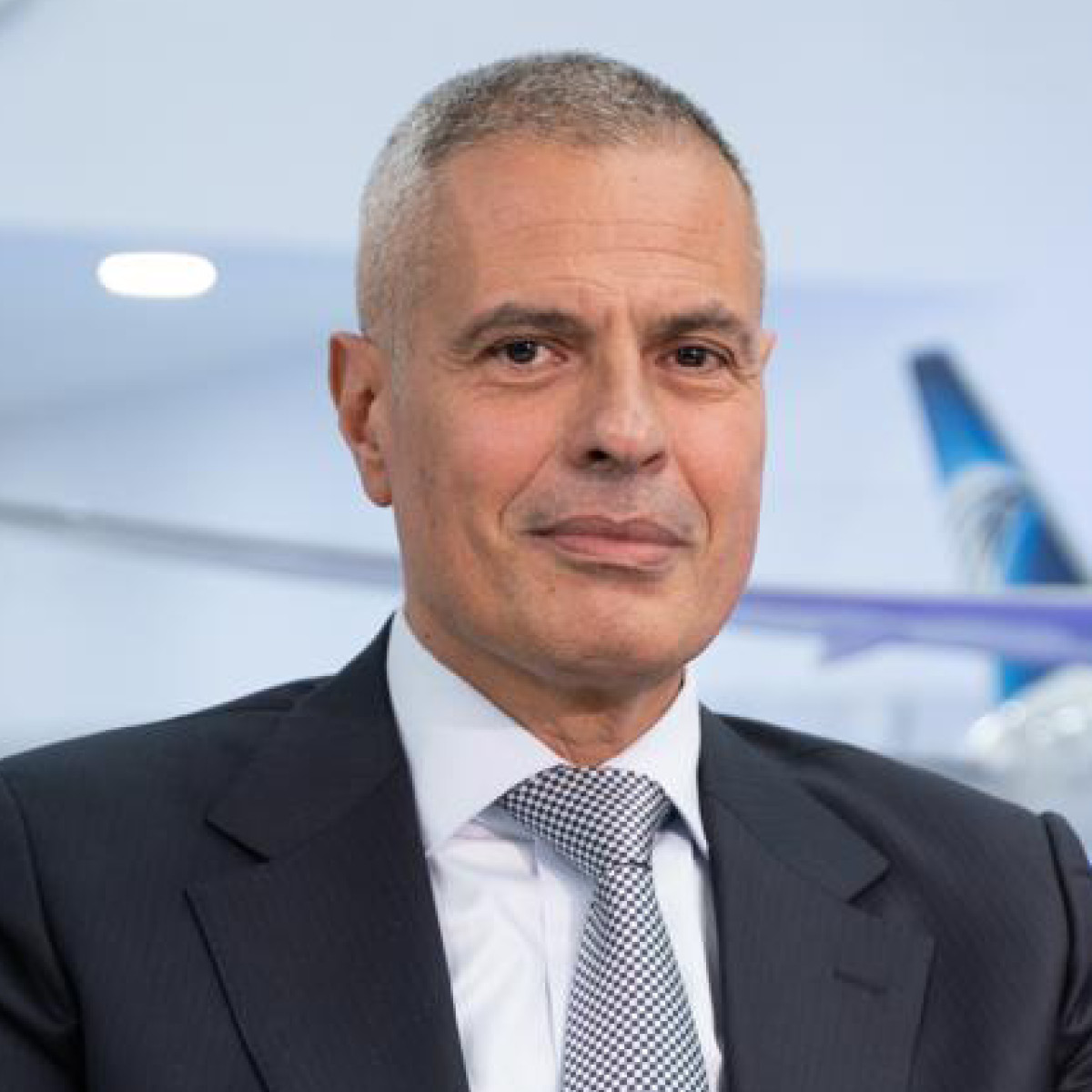
43. Ahmed Adel
EGYPTAIR Holding Company

44. Mohamed Amer
El Gouna; Orascom Development Egypt (ODE)
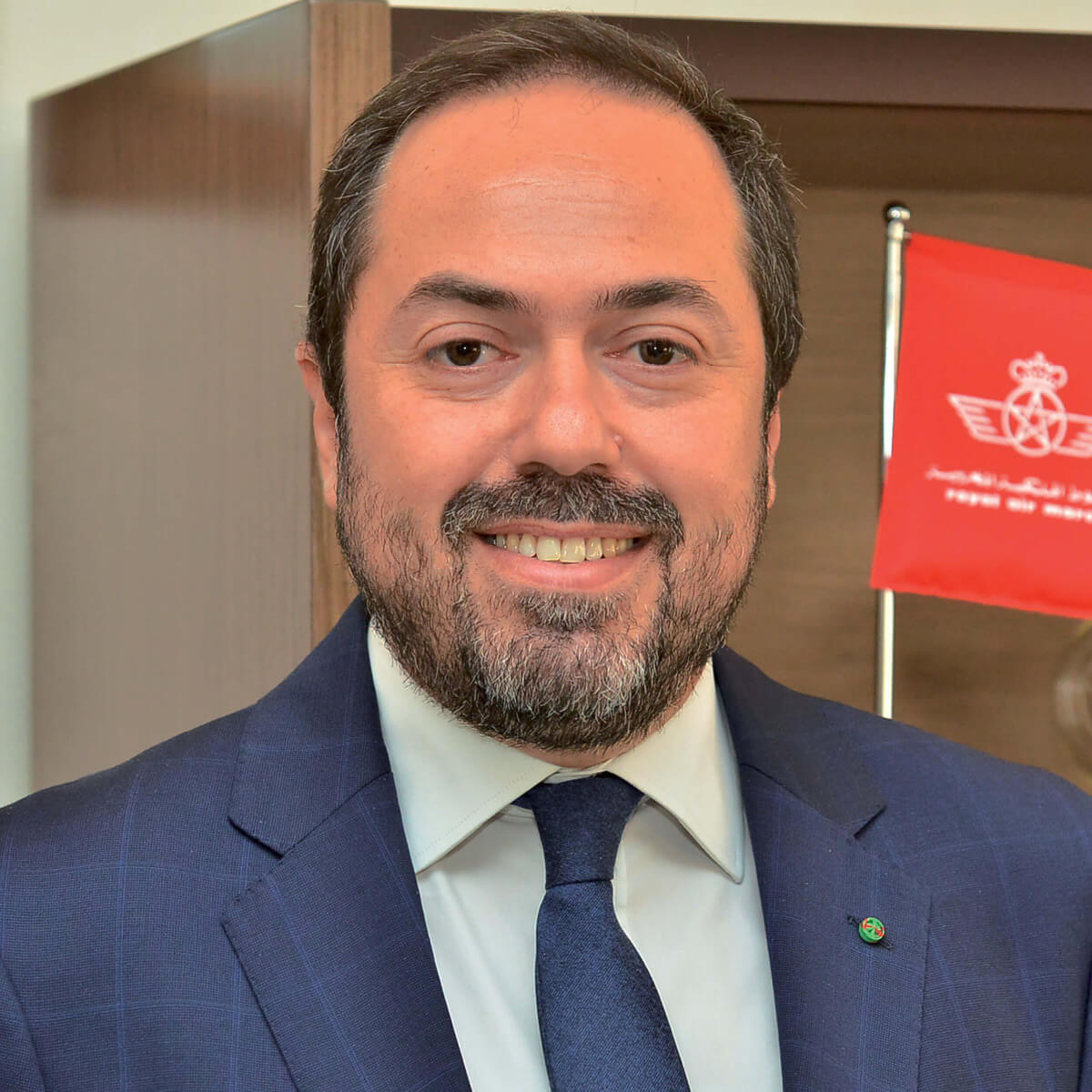
45. Abdelhamid Addou
Royal Air Maroc
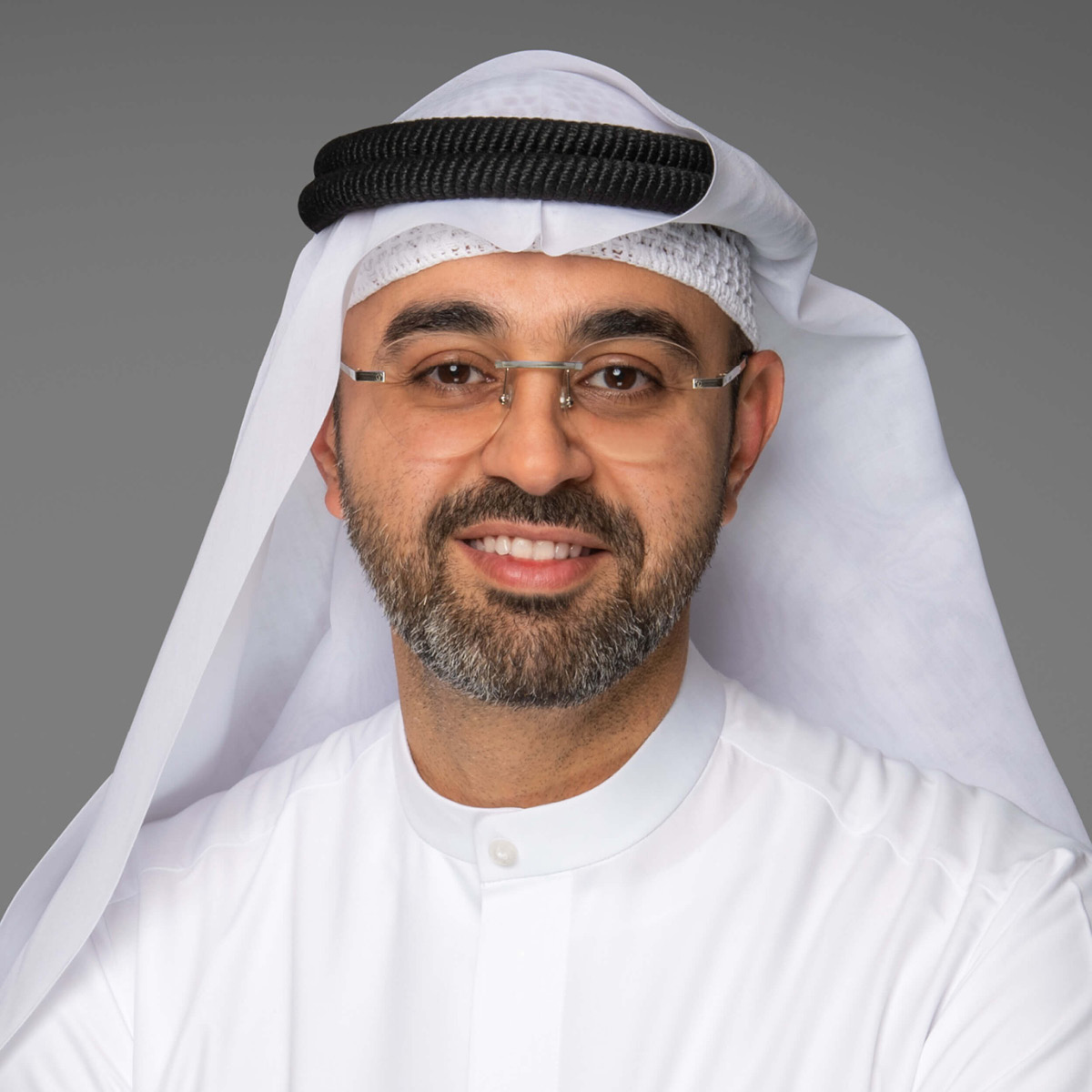
46. Khalid Jasim Al Midfa
Sharjah Commerce and Tourism Development Authority (SCTDA)
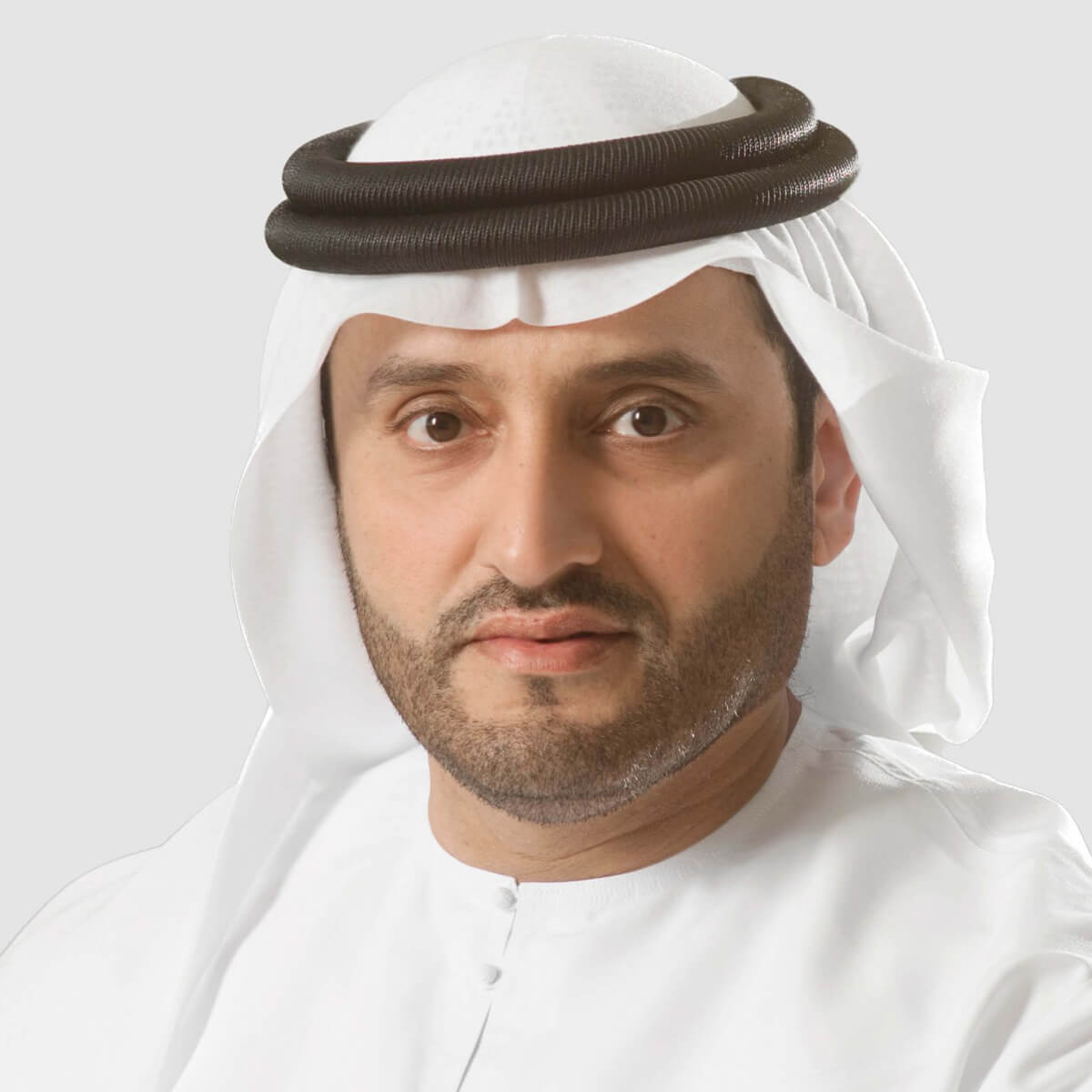
47. Ali Salim Al Midfa
Sharjah Airport Authority (SAA)
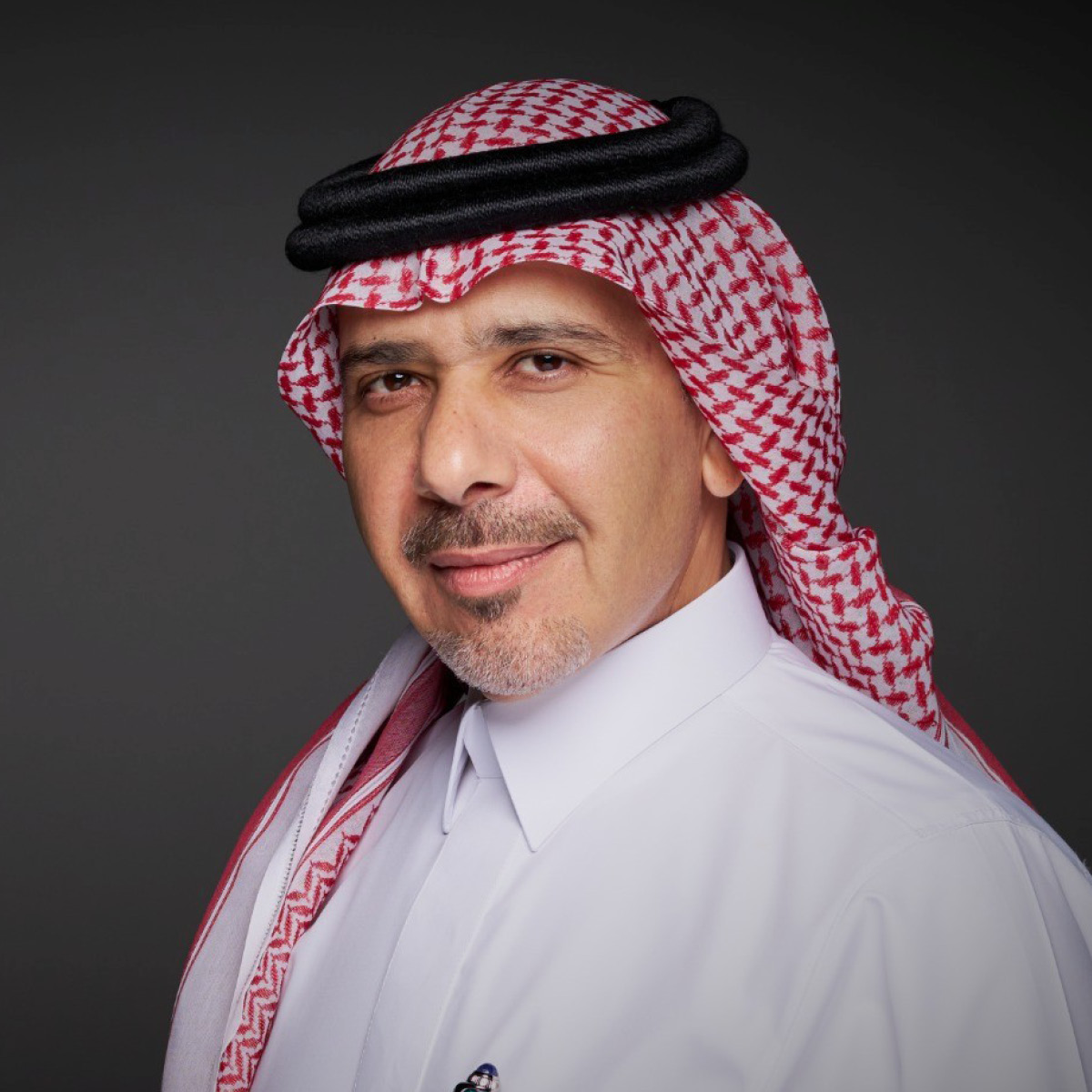
48. Rami Almoallim
The Royal Commission for AlUla (RCU)
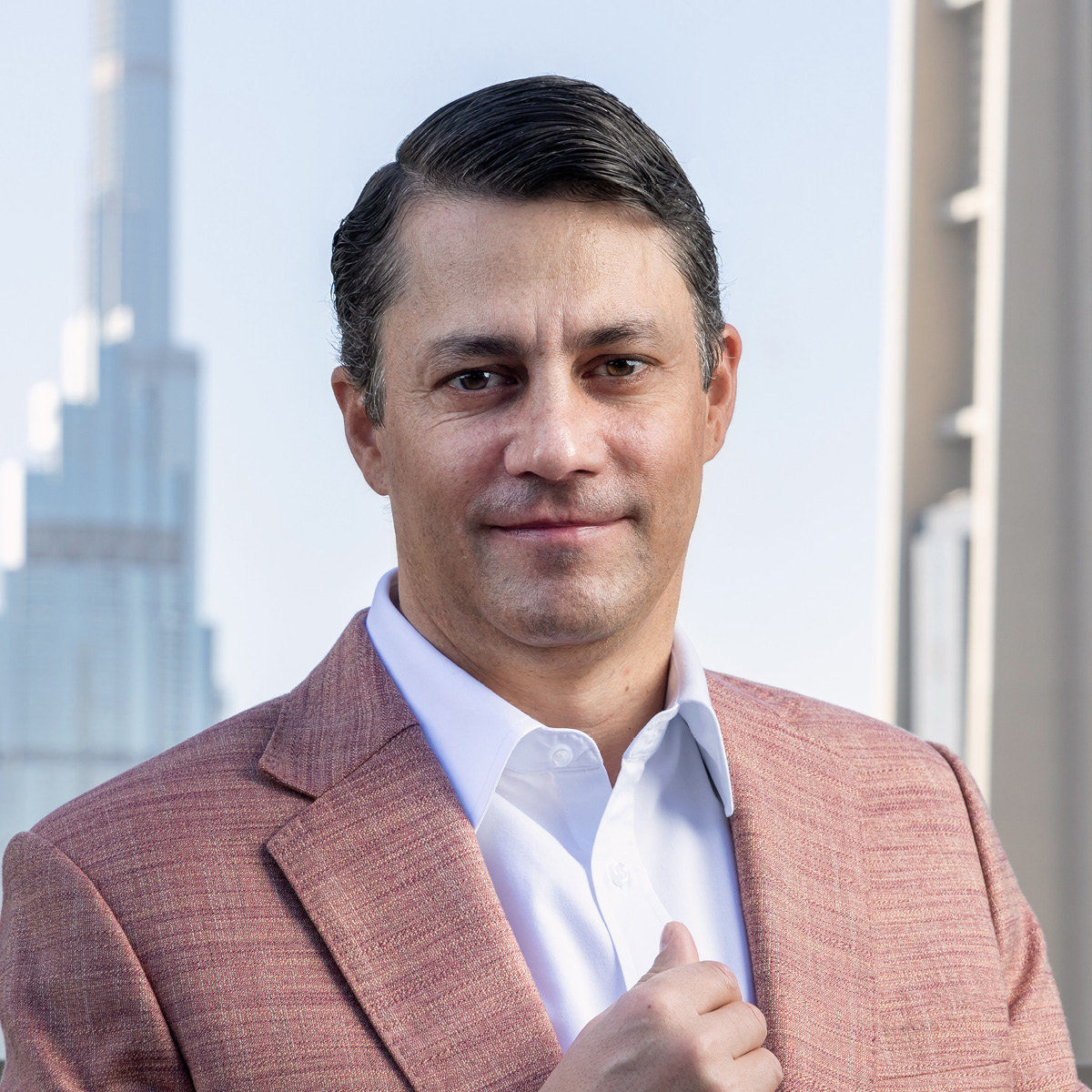
49. Adrian Messerli
Four Seasons
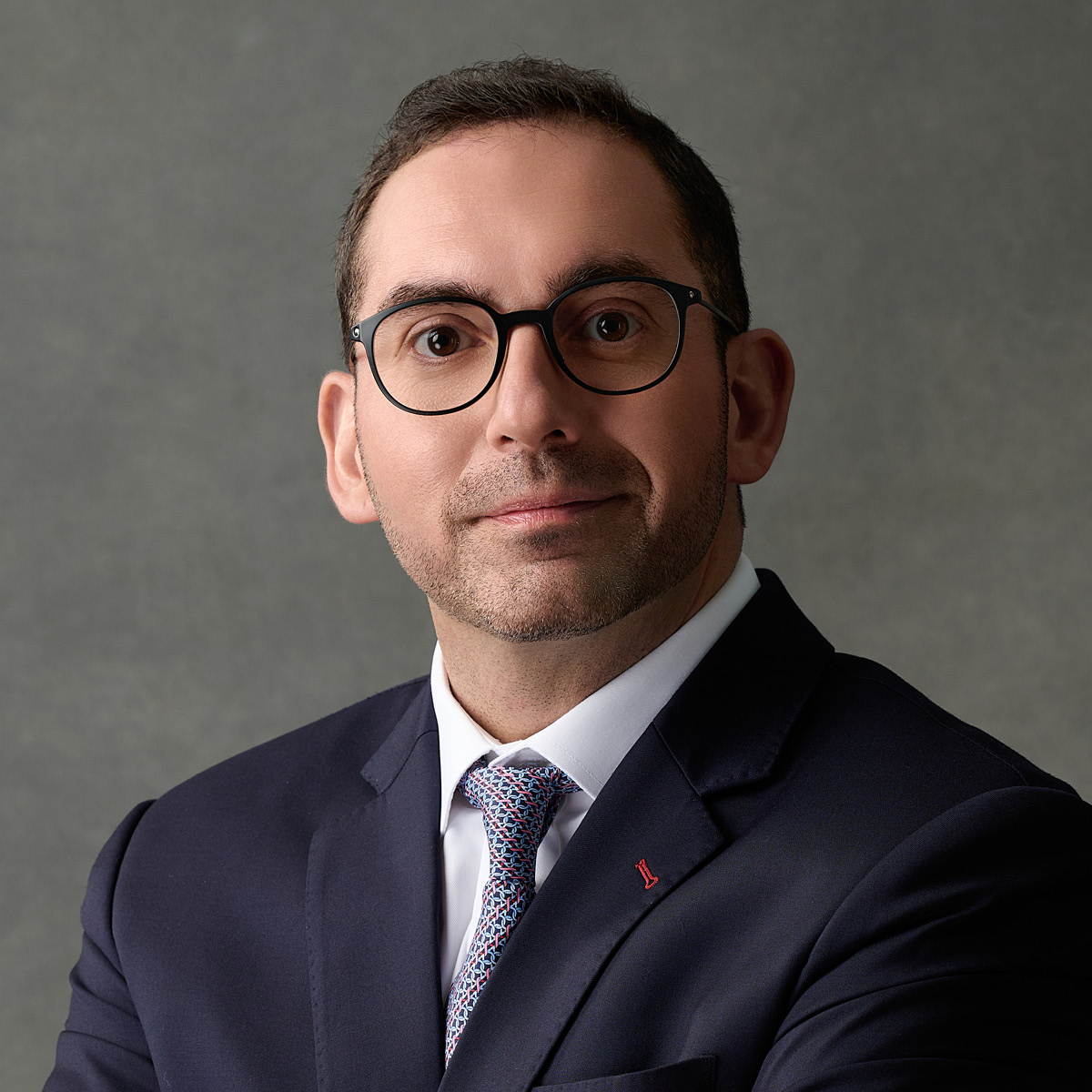
50. Amir Golbarg
Minor Hotels
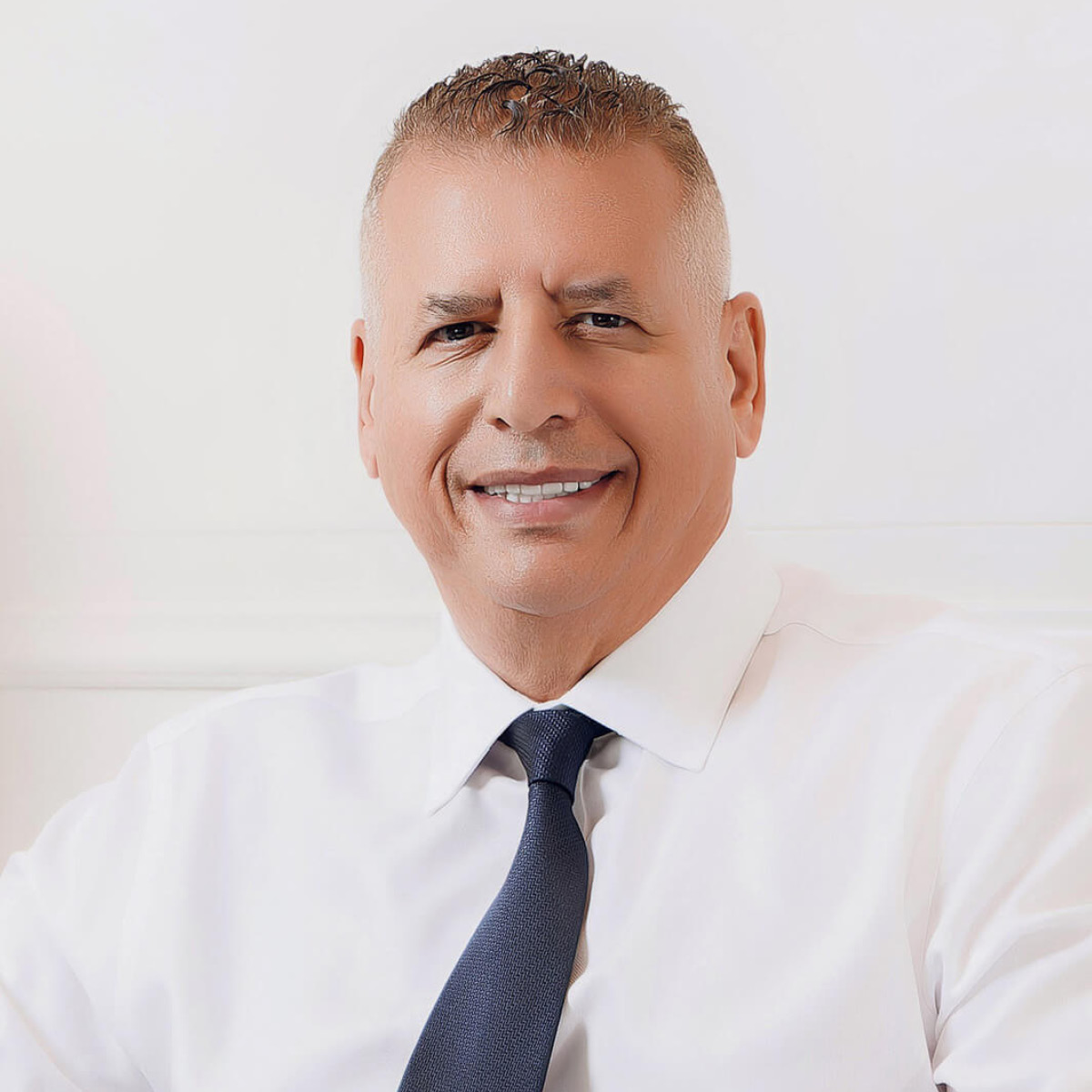
51. Khalid Anib
Abu Dhabi National Hotels (ADNH)
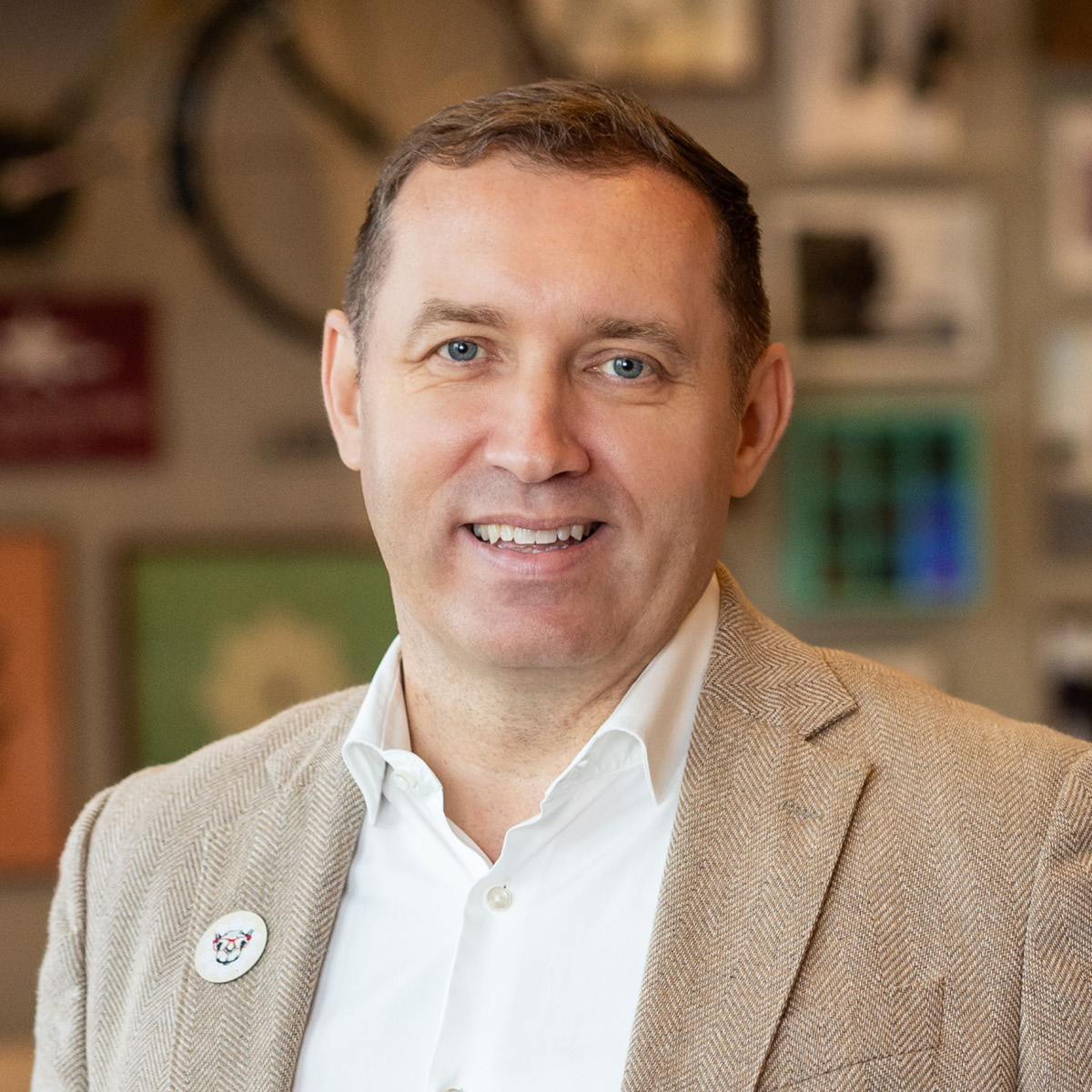
52. Paul Bridger
Rove Hotels
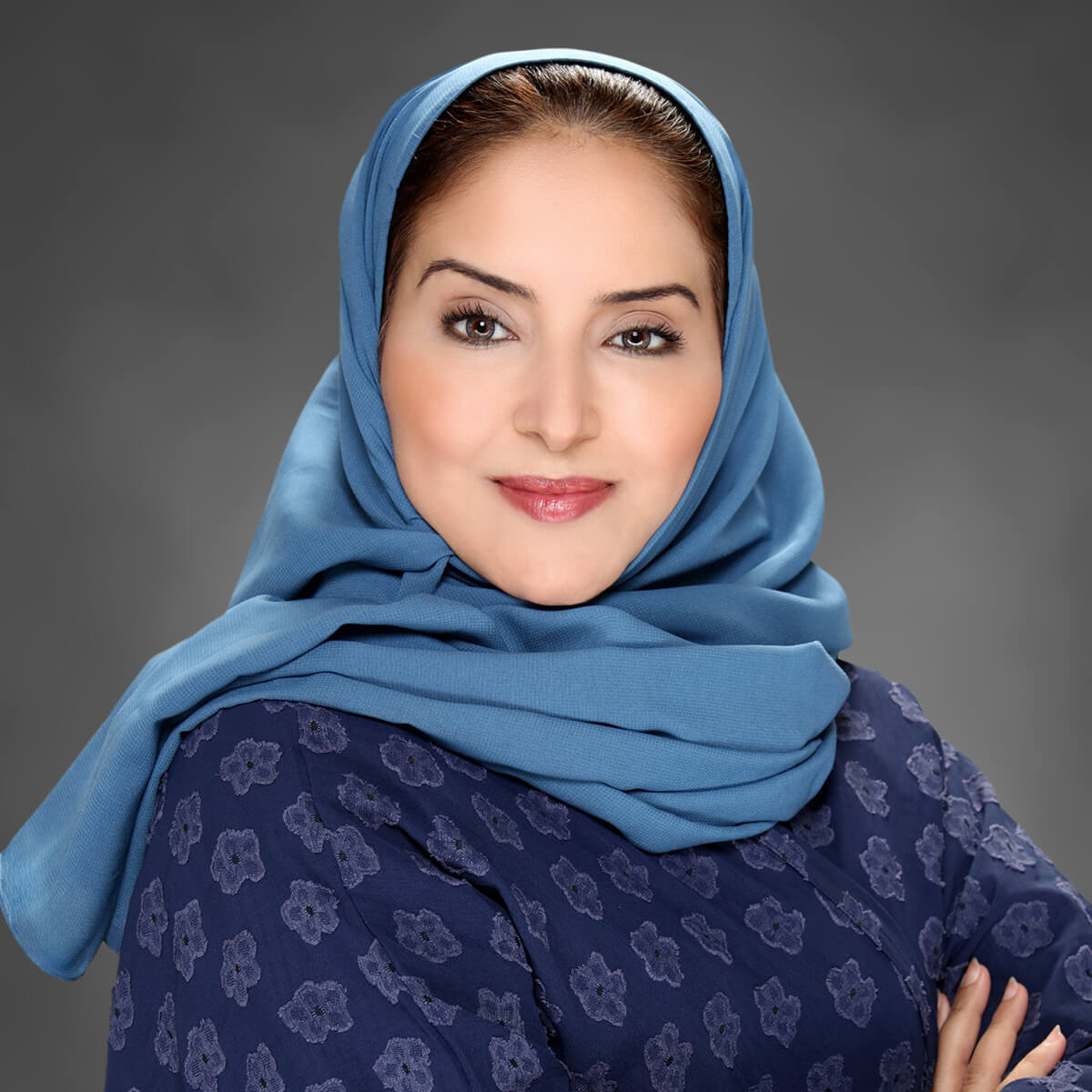
53. Basmah Al-Mayman
UN Tourism
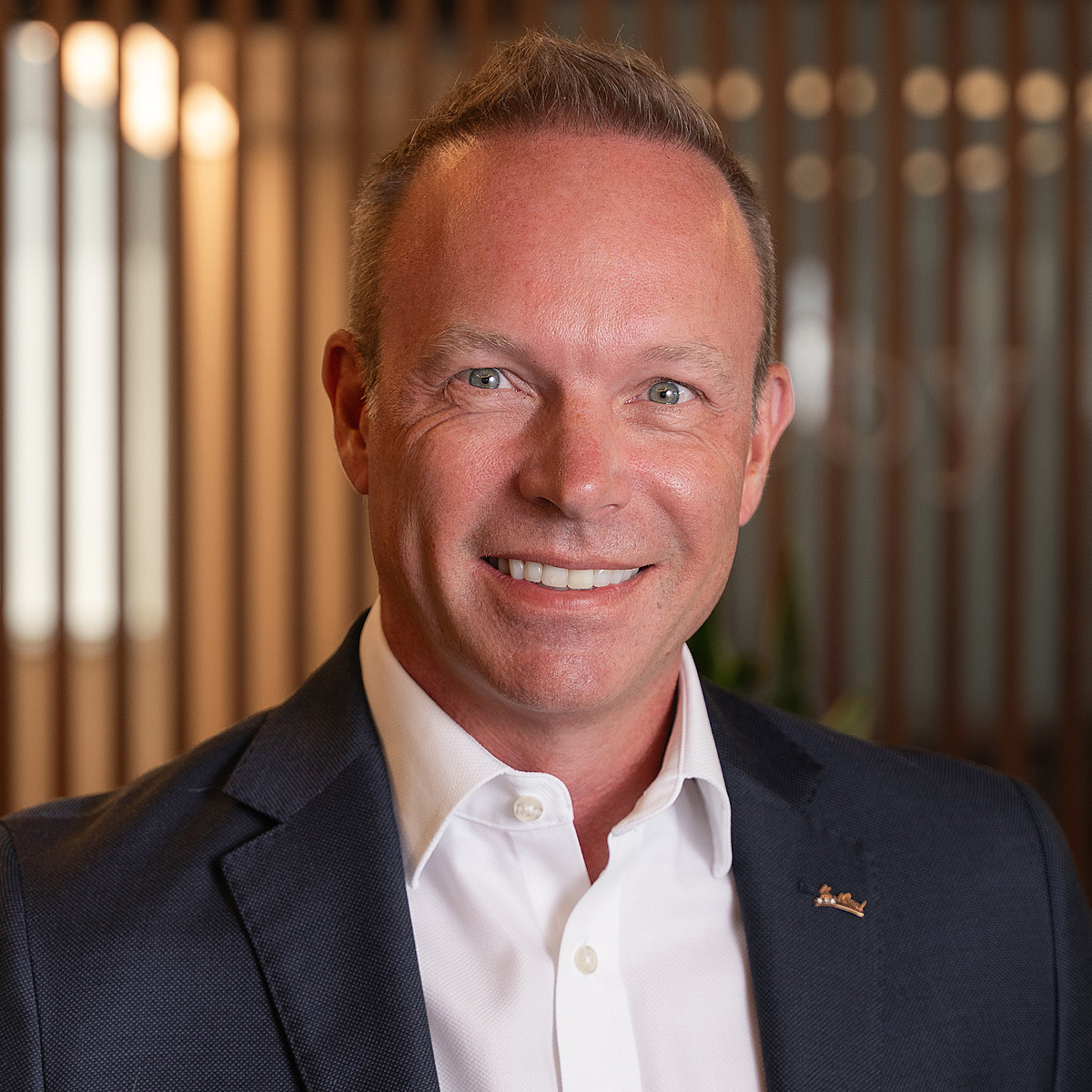
54. Tim Cordon
Radisson Hotel Group
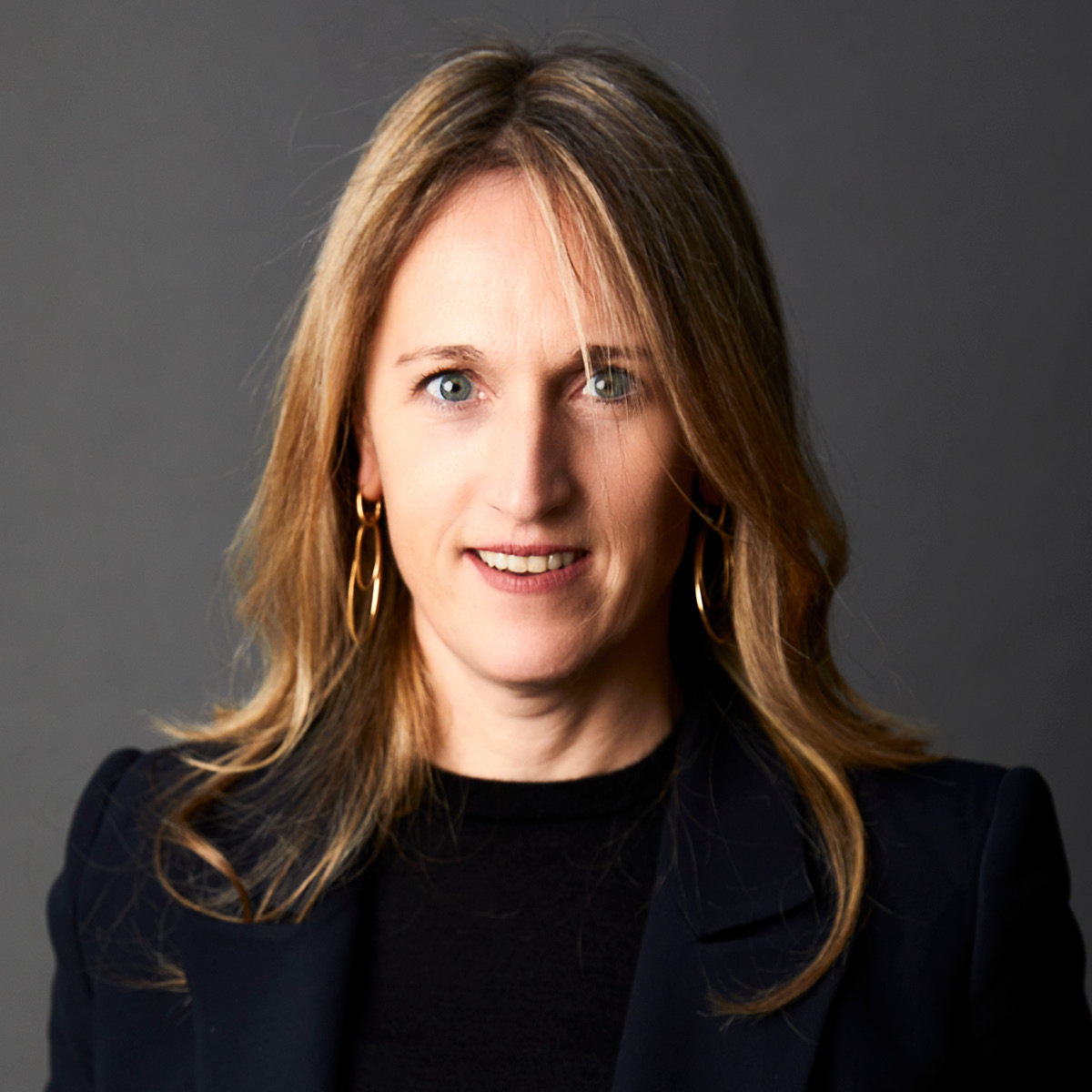
55. Marloes Knippenberg
Kerten Hospitality
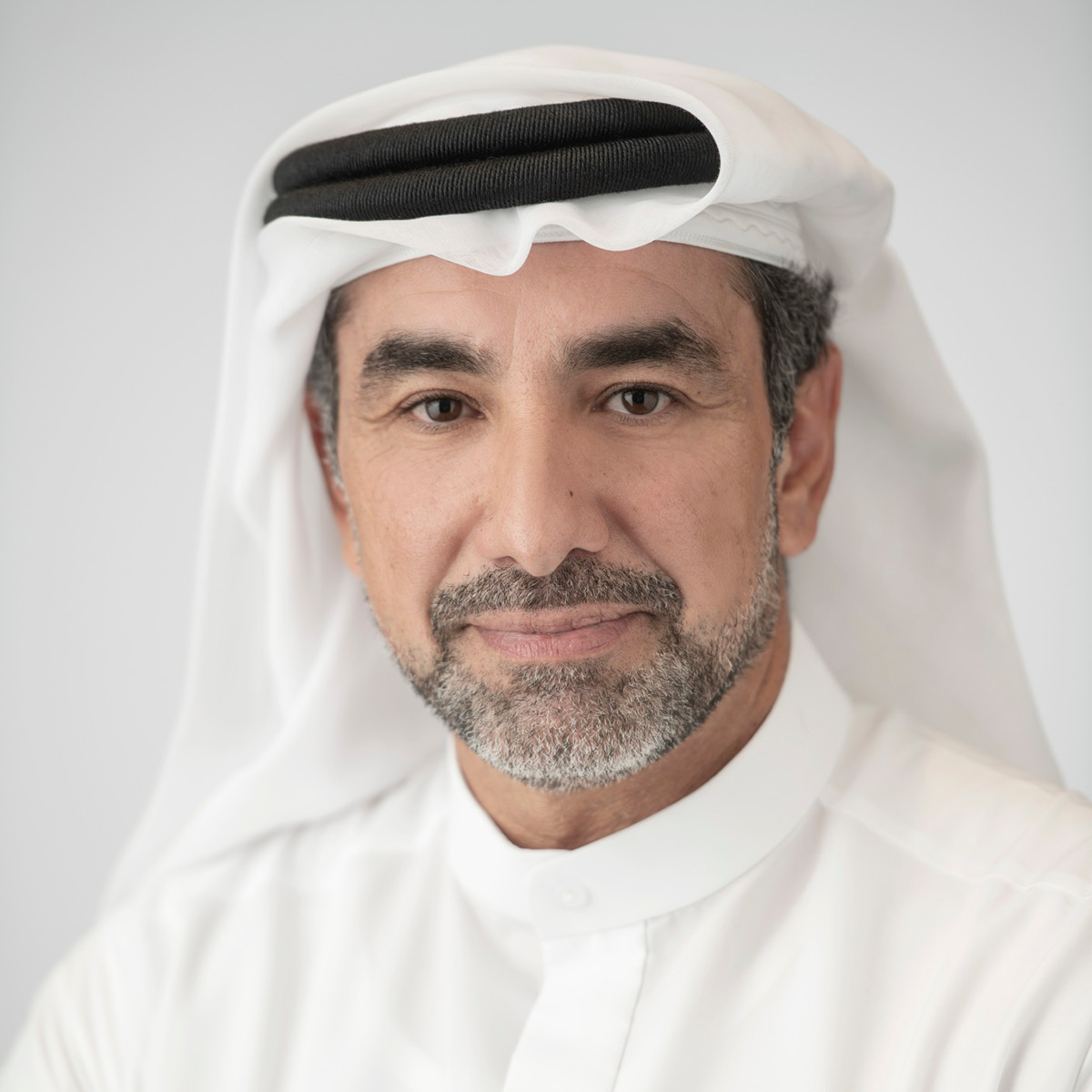
56. Mahir Abdulkarim Julfar
Dubai World Trade Centre (DWTC)
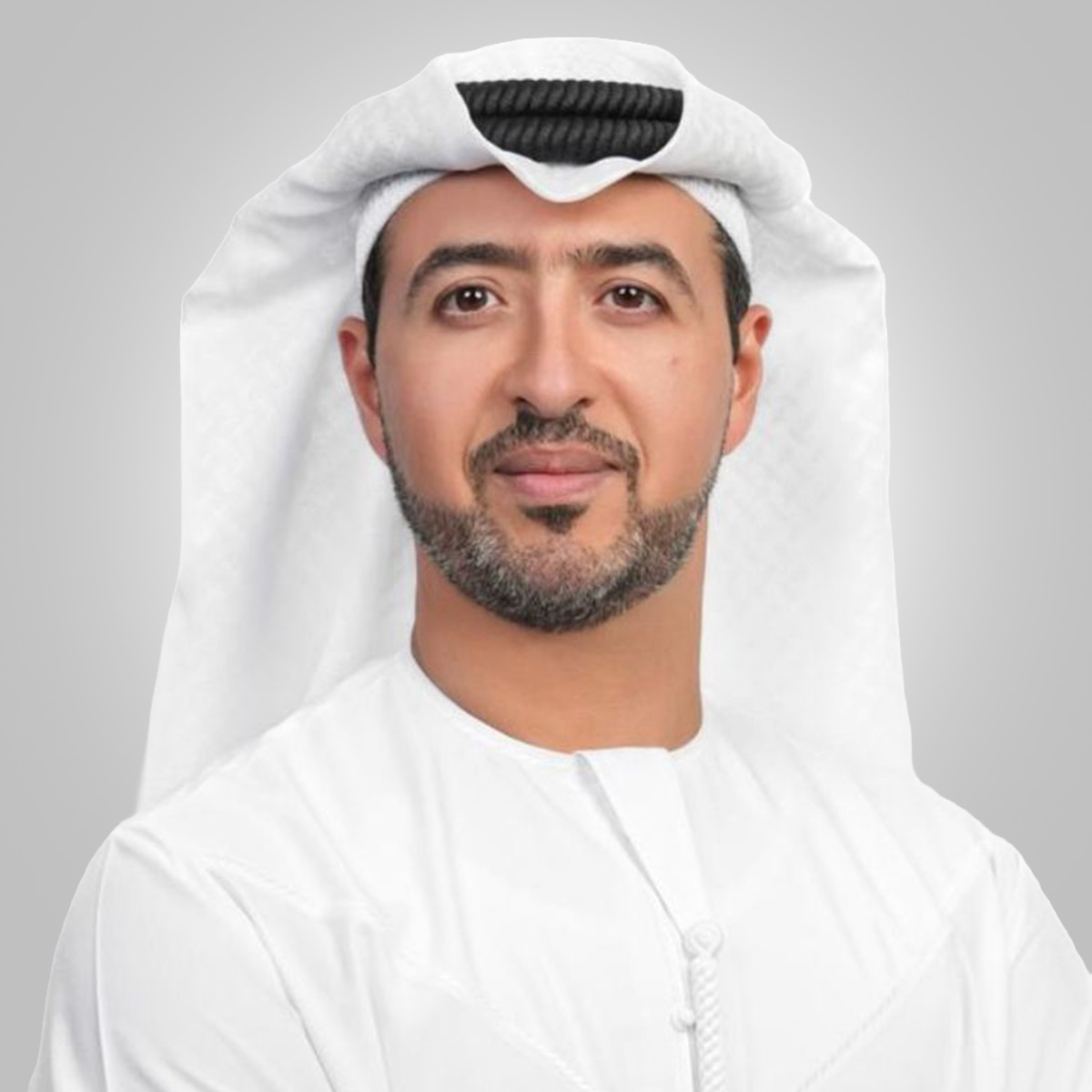
57. Mahmood Al Hameli
Abu Dhabi Aviation Group (ADA)
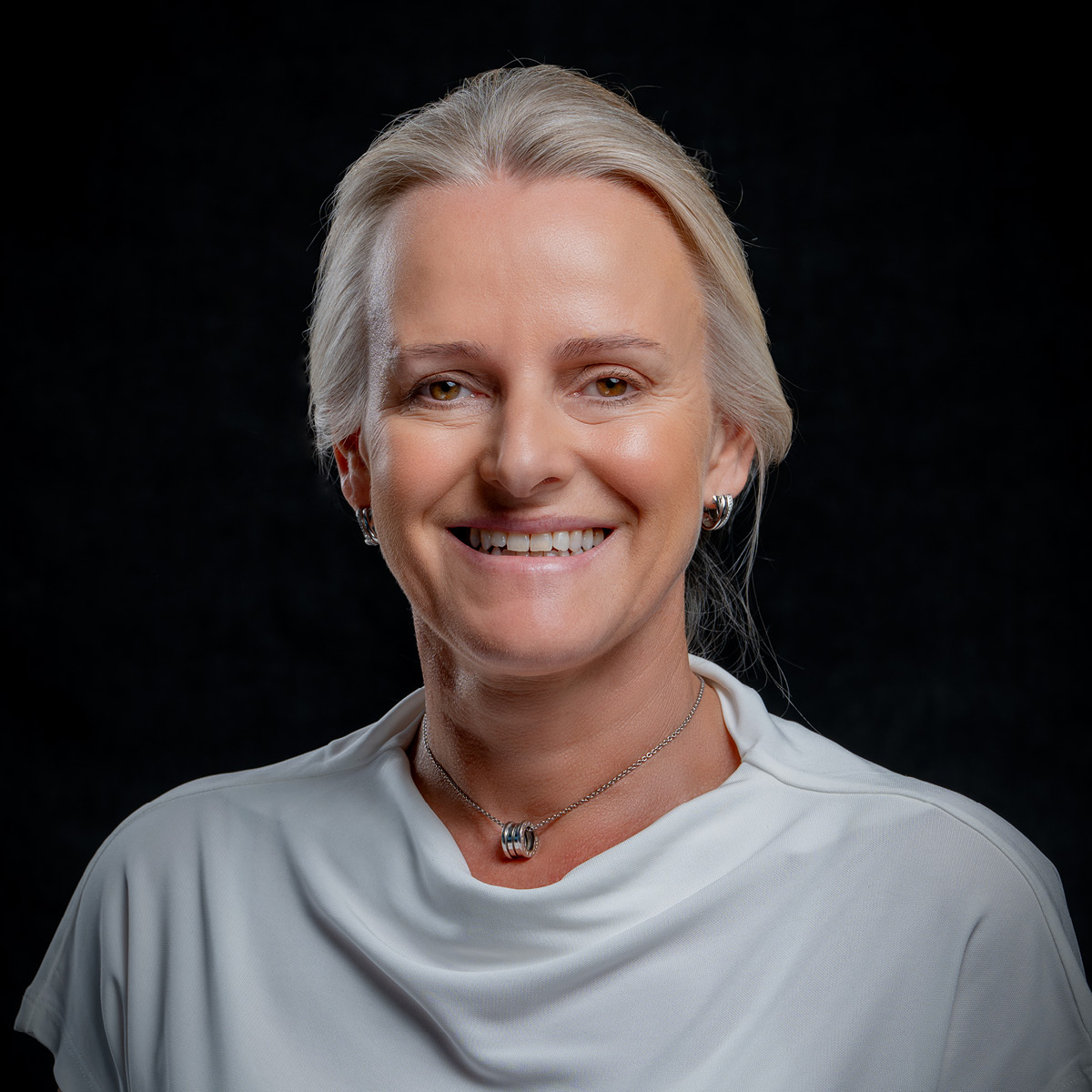
58. Alison Grinnell
Marjan; Marjan Hospitality
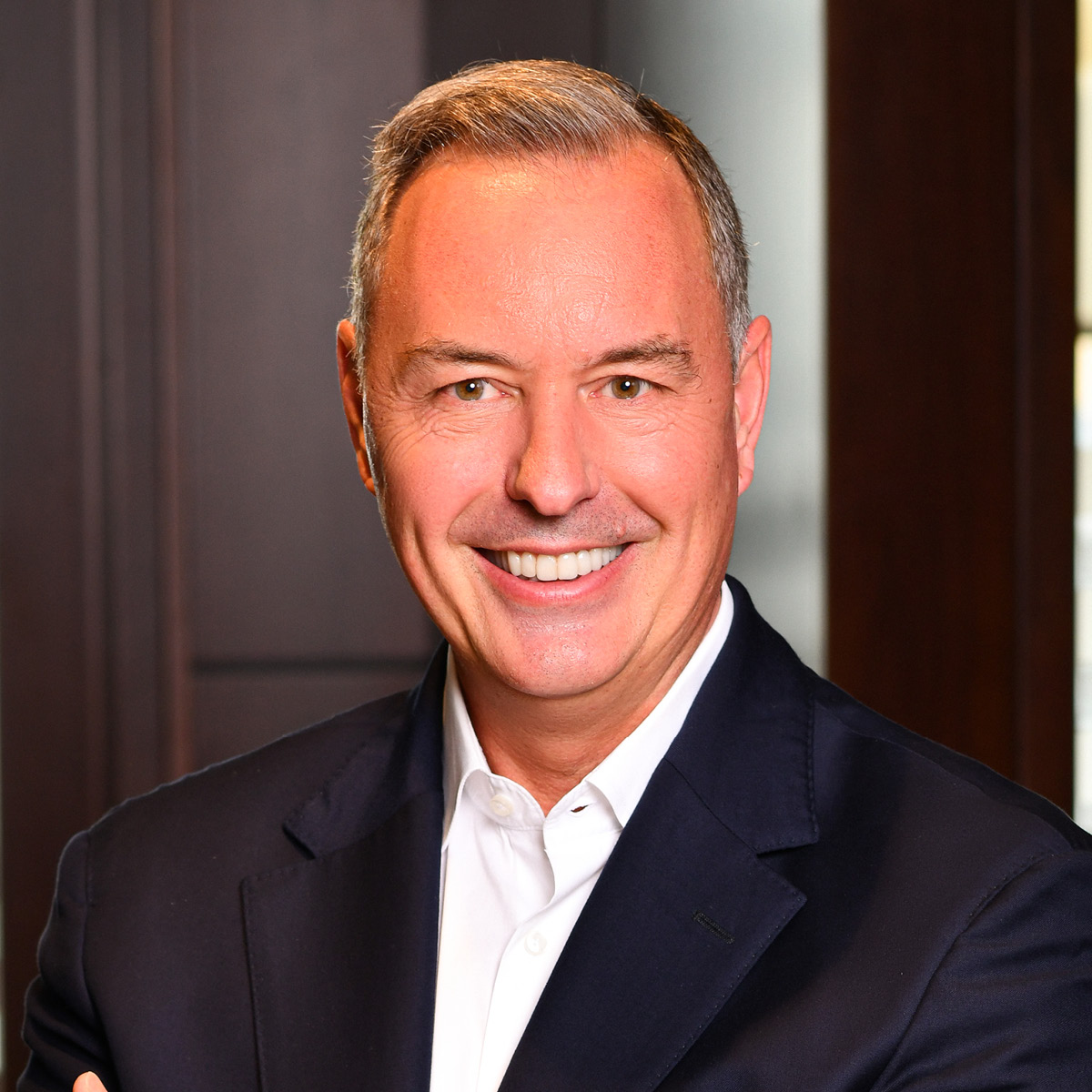
59. Stephan Schupbach
Chedi Hospitality
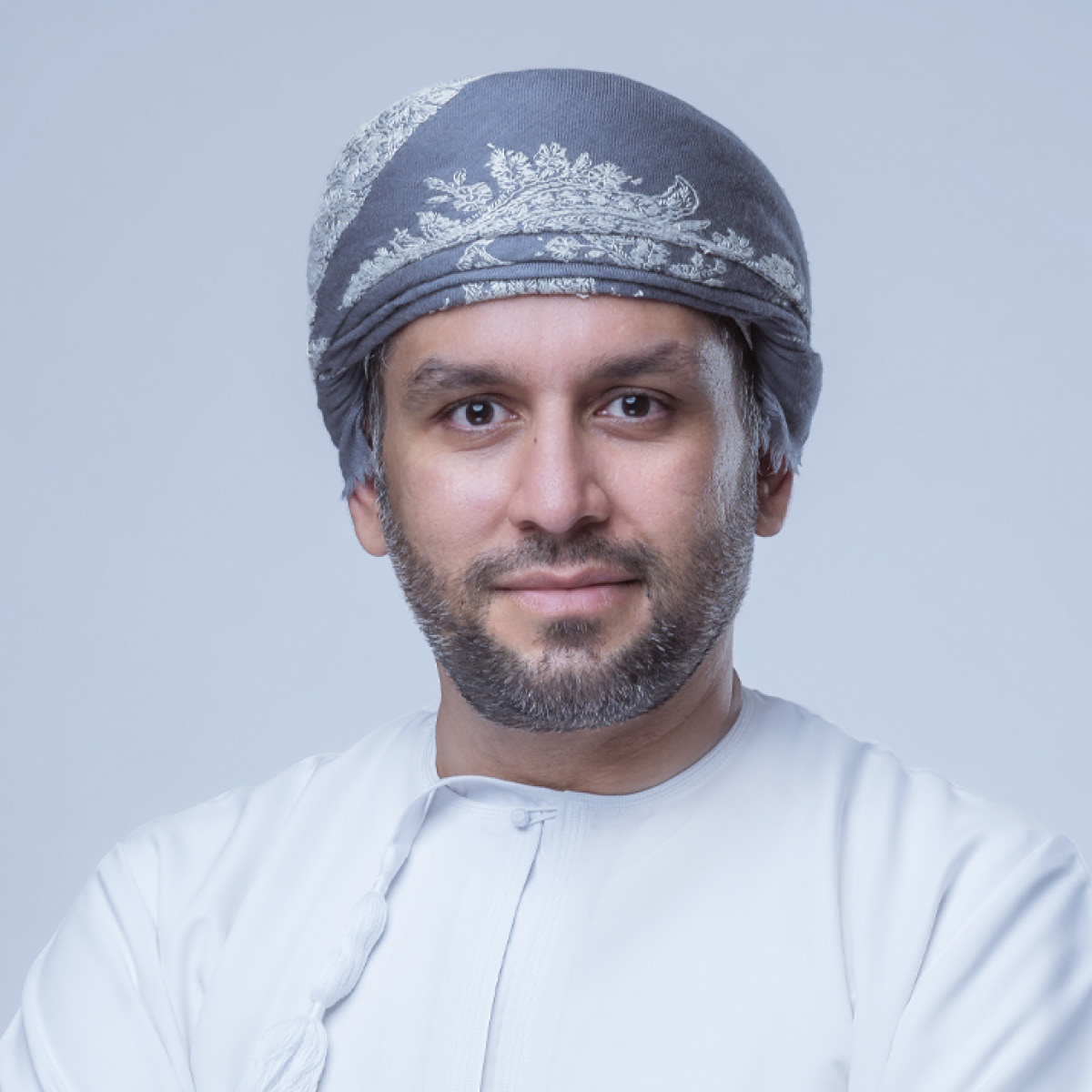
60. Ayad Ali Al Balushi
OMRAN Group
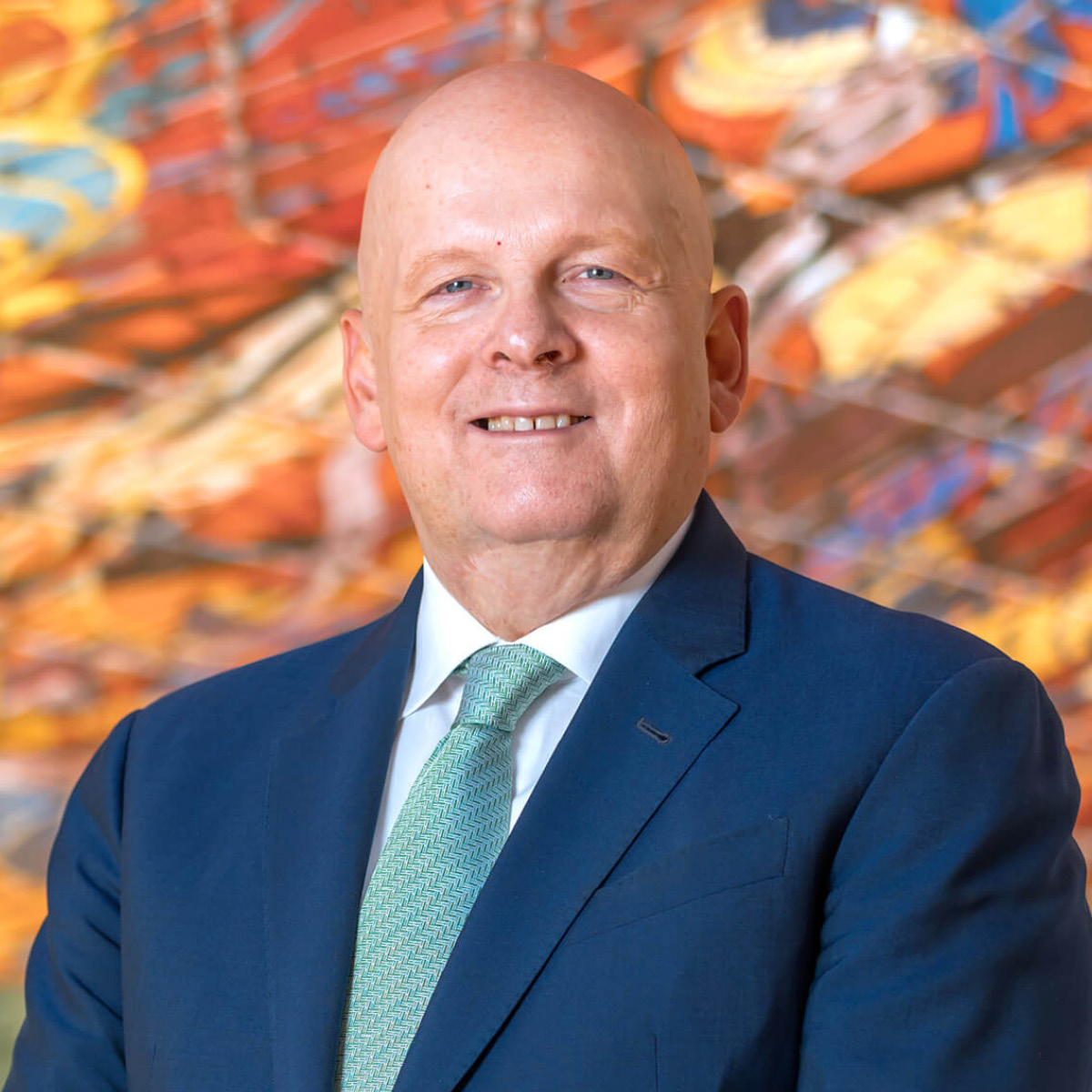
61. Christoph Mares
Boutique Group
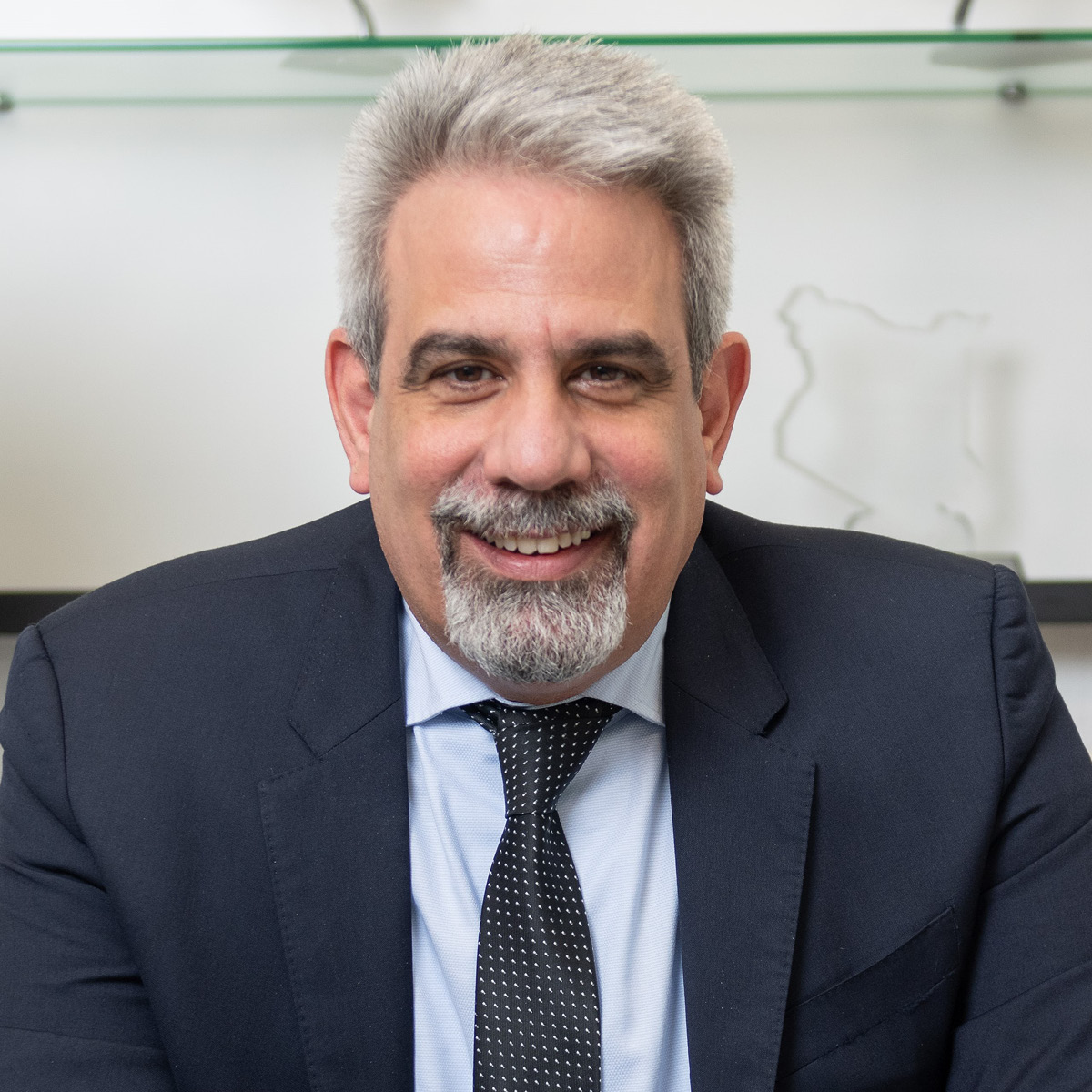
62. Kamil Al-Awadhi
International Air Transport Association (IATA)
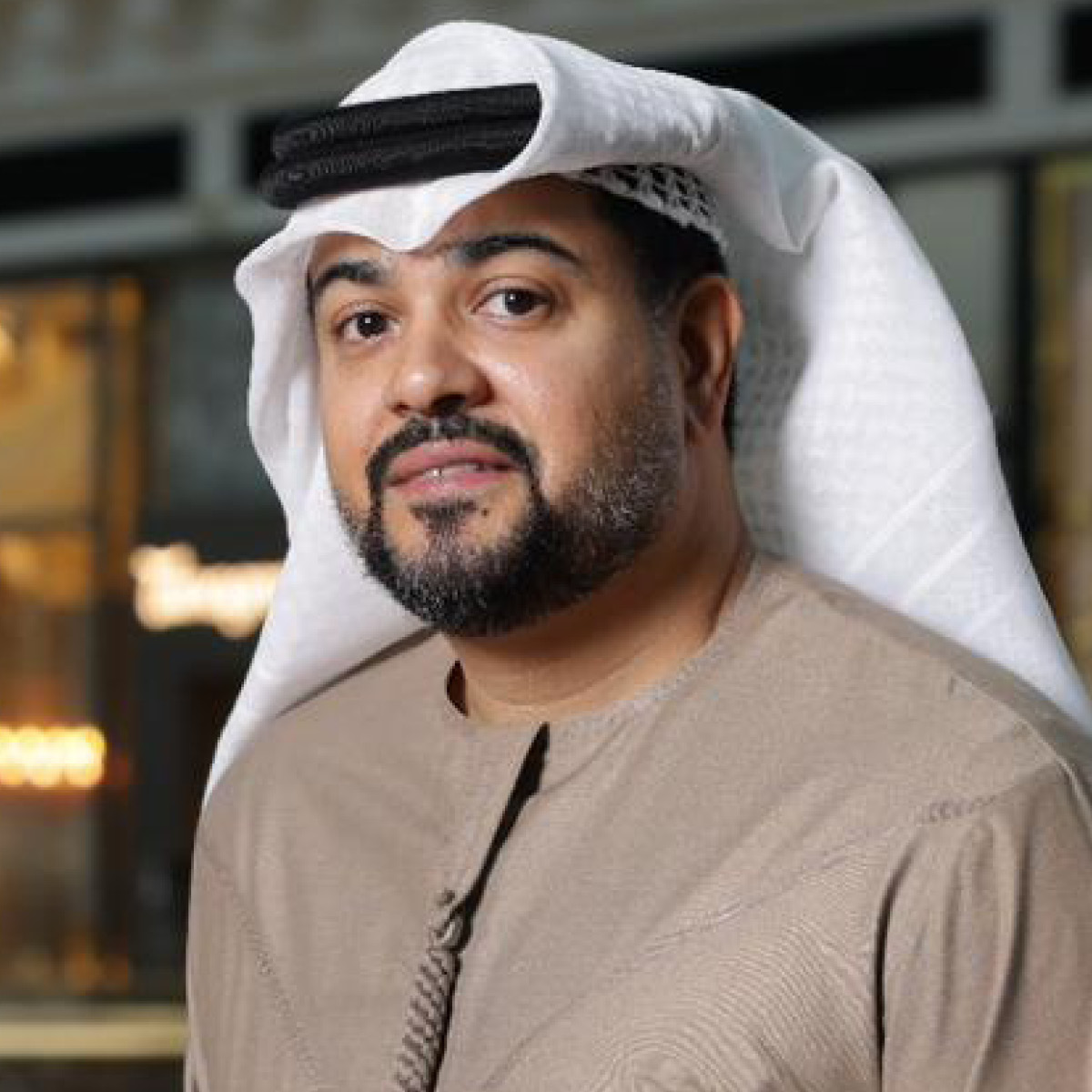
63. Khalifa Bin Braik
Majid Al Futtaim – Asset Management
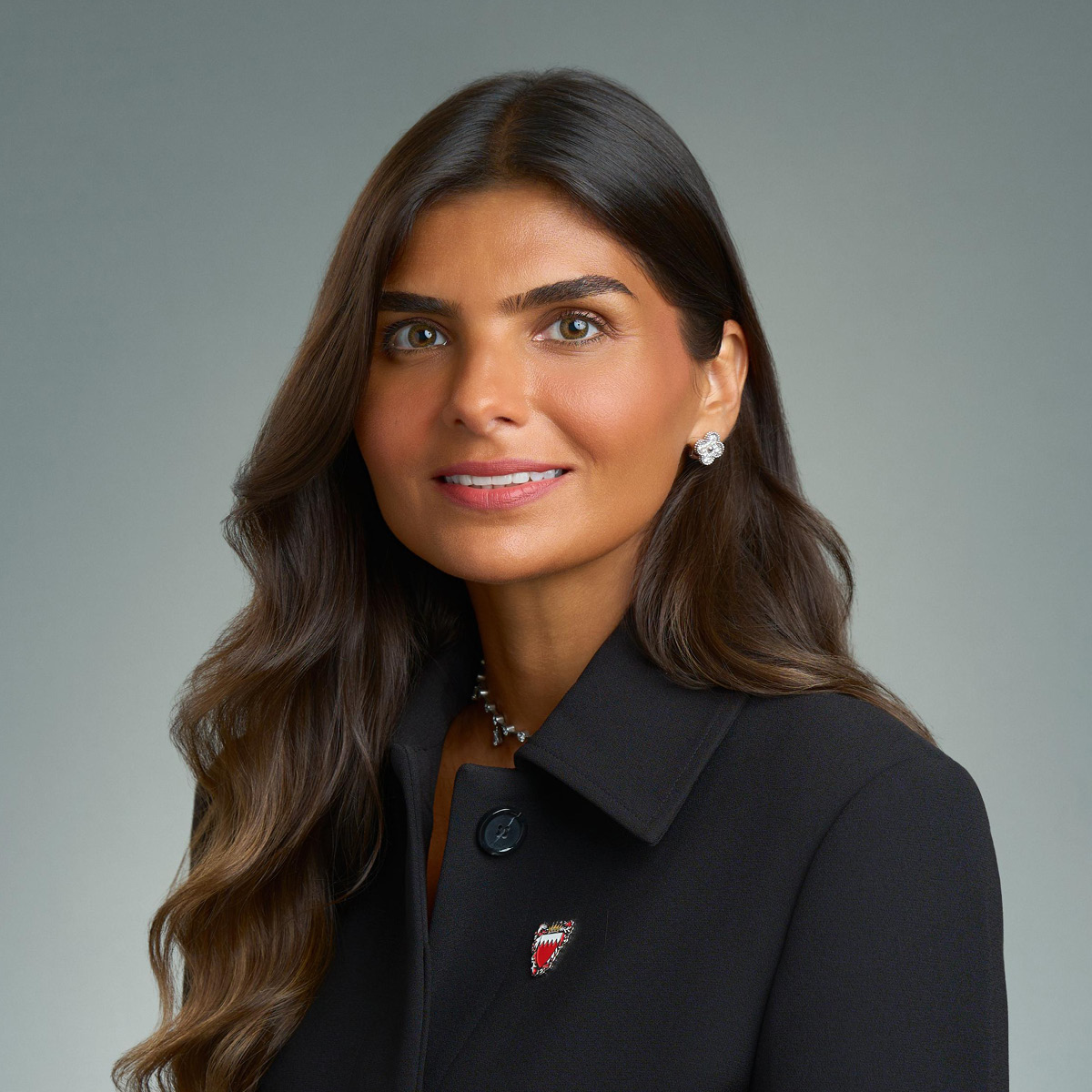
64. Sara Ahmed Buhiji
Bahrain Tourism & Exhibitions Authority (BTEA); Exhibition World Bahrain (EWB)

65. Nadia Zaal
Zaya
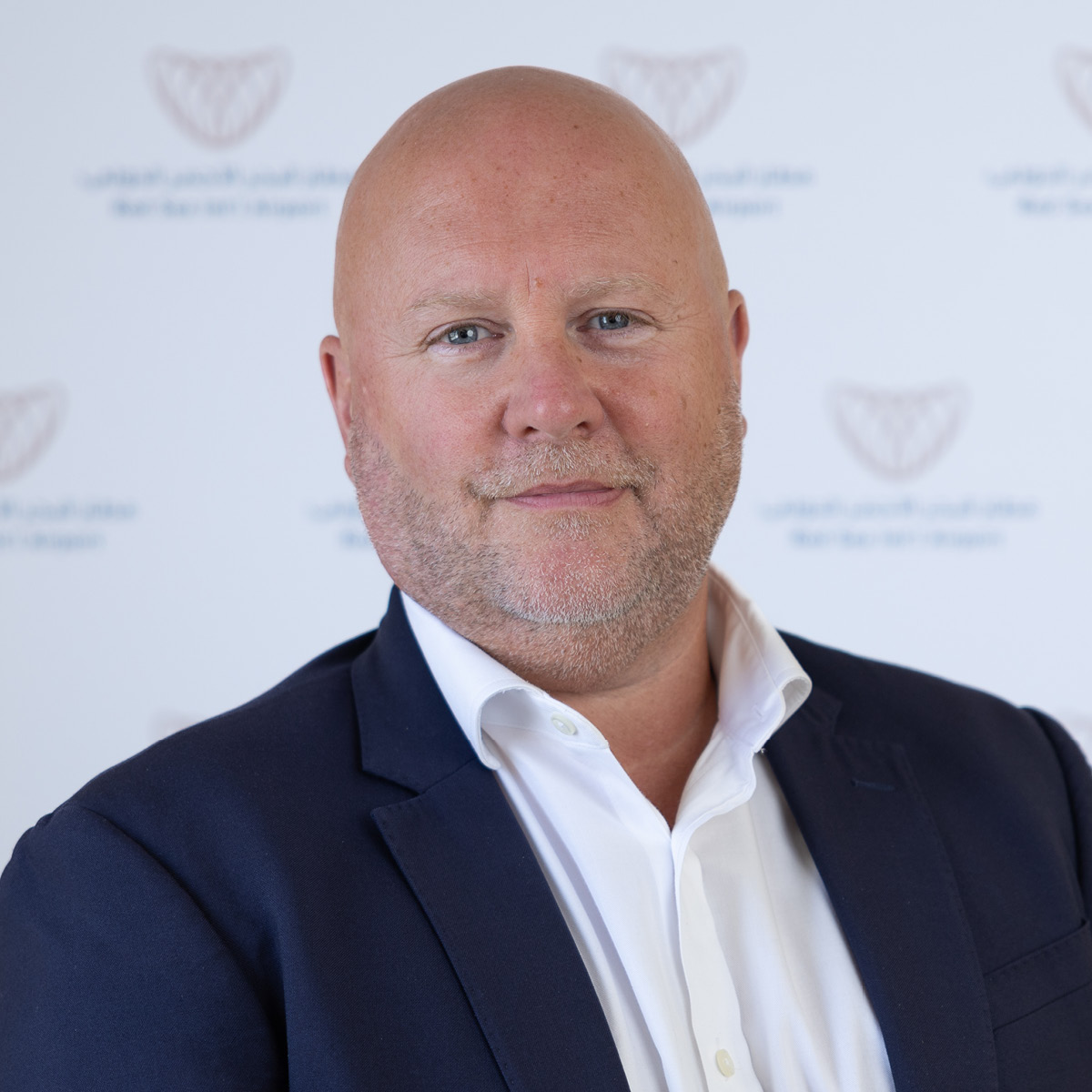
66. Andrew Tyler-Smith
Red Sea International Airport (RSI)
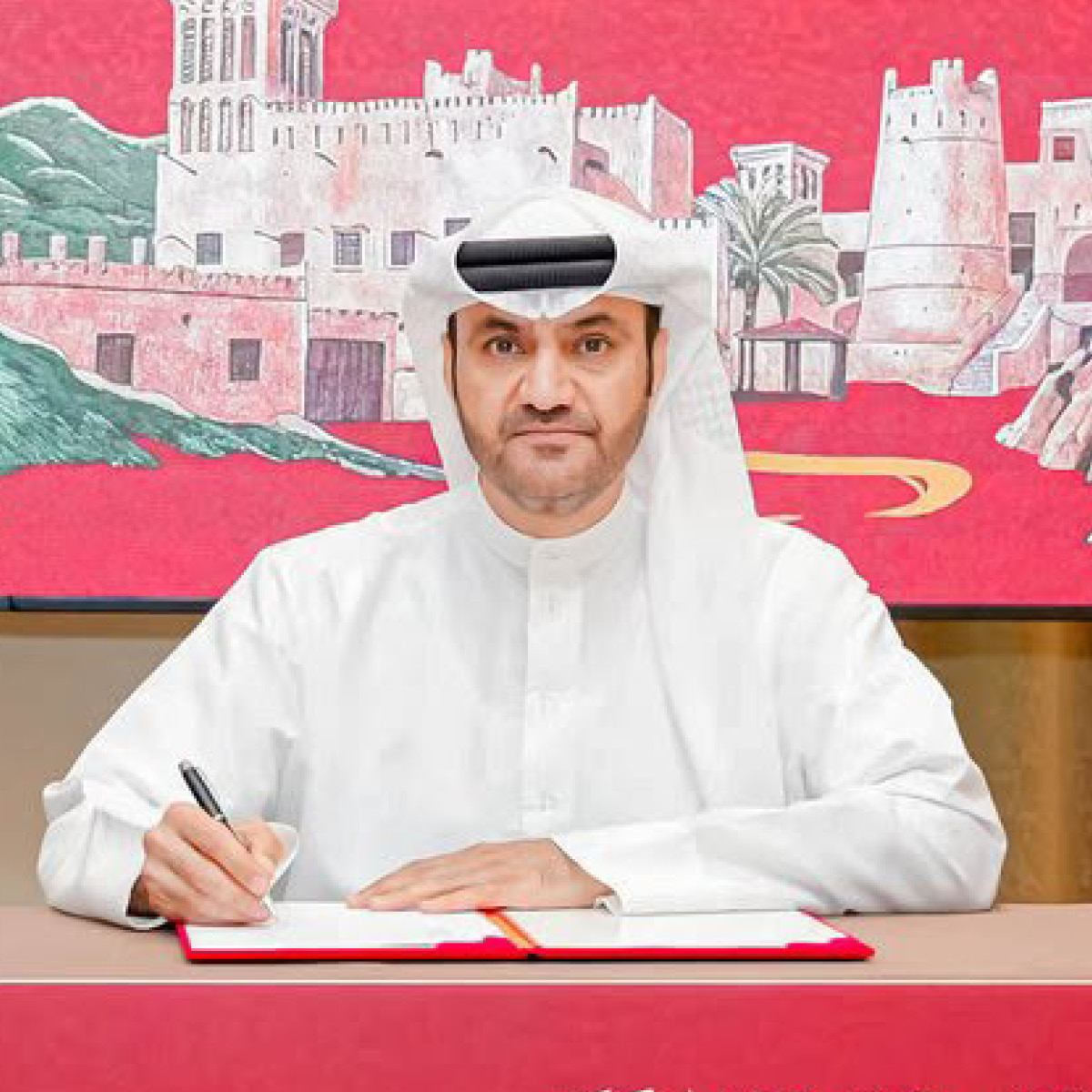
67. Mahmood Alhashmi
Ajman Department of Tourism, Culture and Media
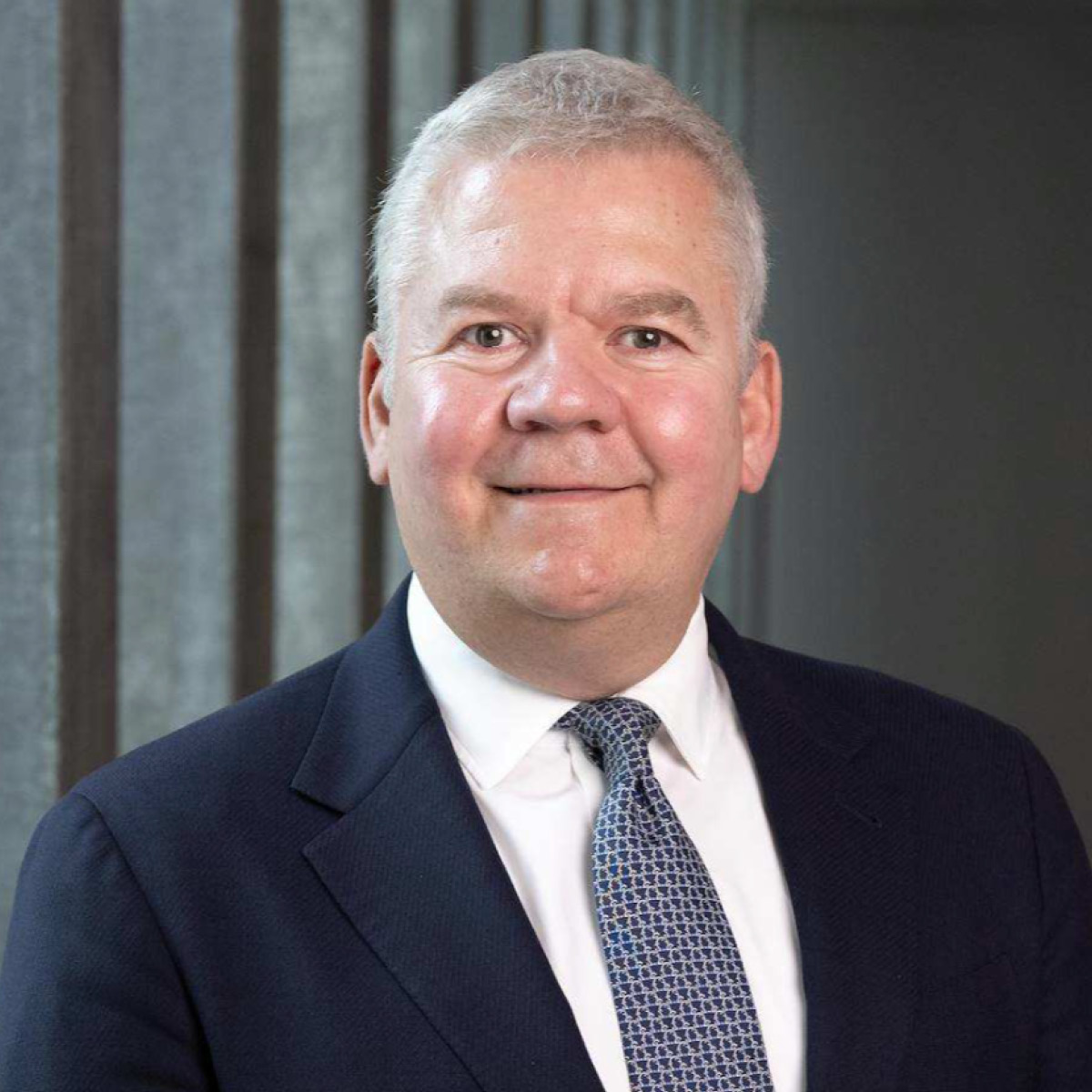
68. Stephen Ansell
Hyatt
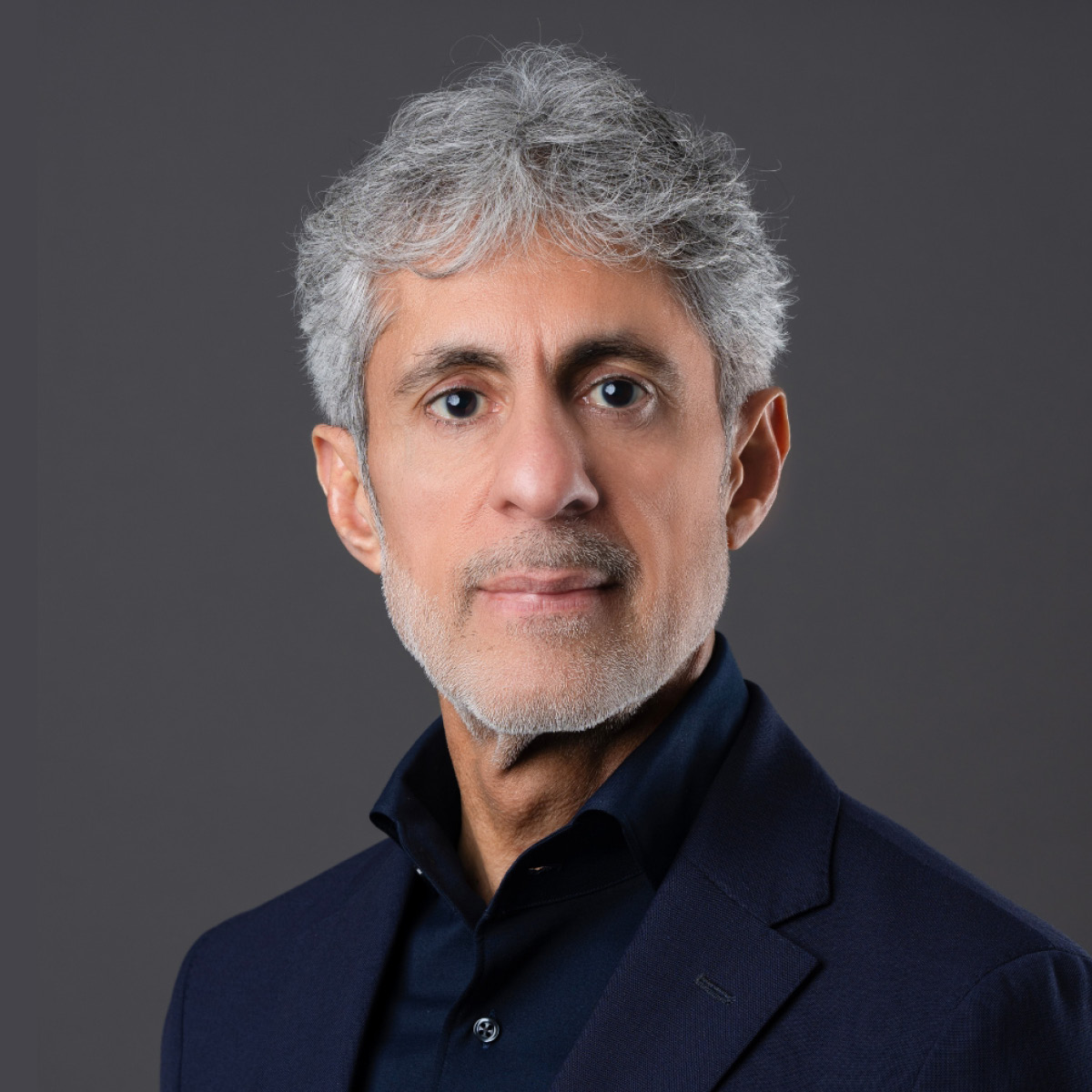
69. Essa Faqeeh
Areen Hospitality
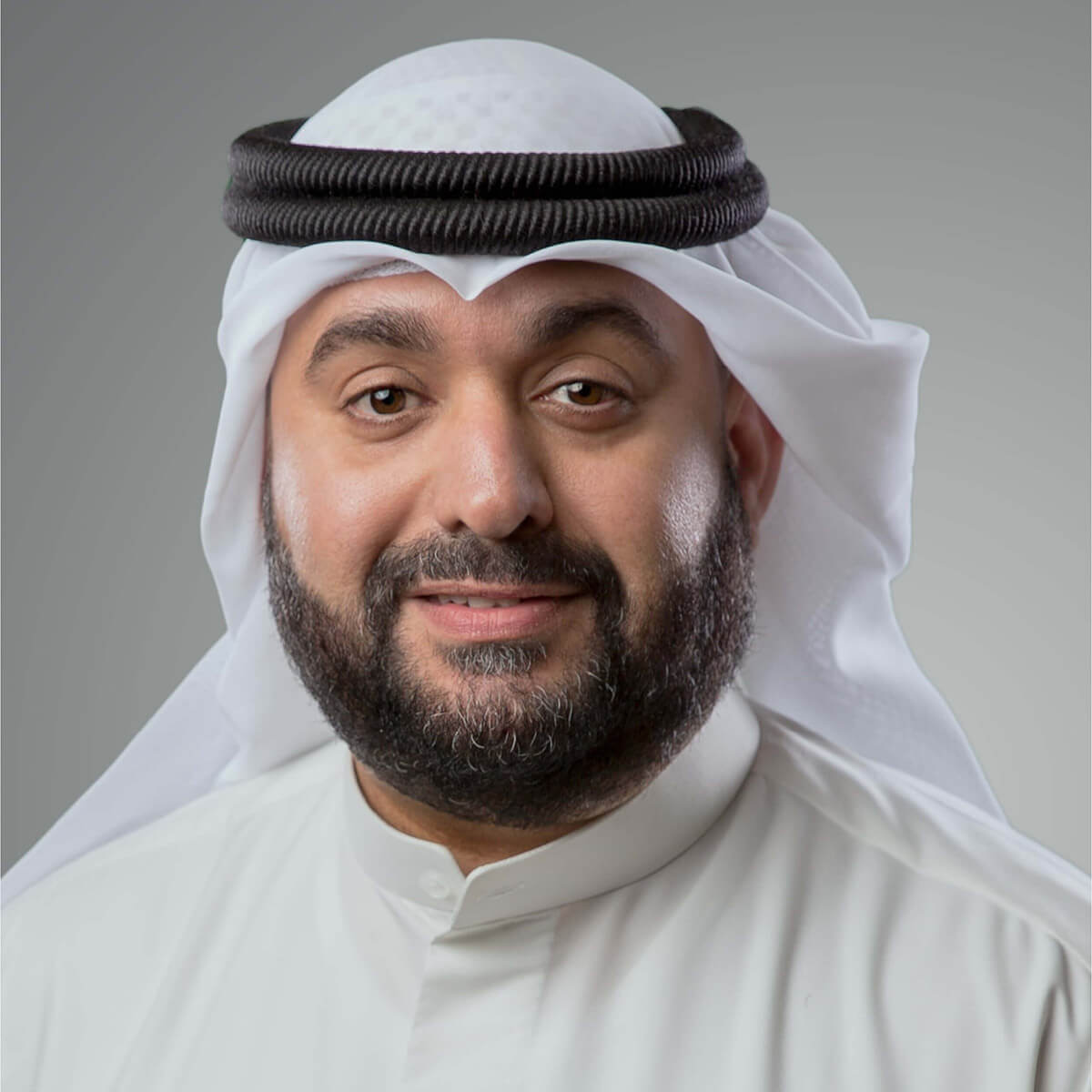
70. Talal Jassim Al-Bahar
IFA Hotels & Resorts (IFA HR)
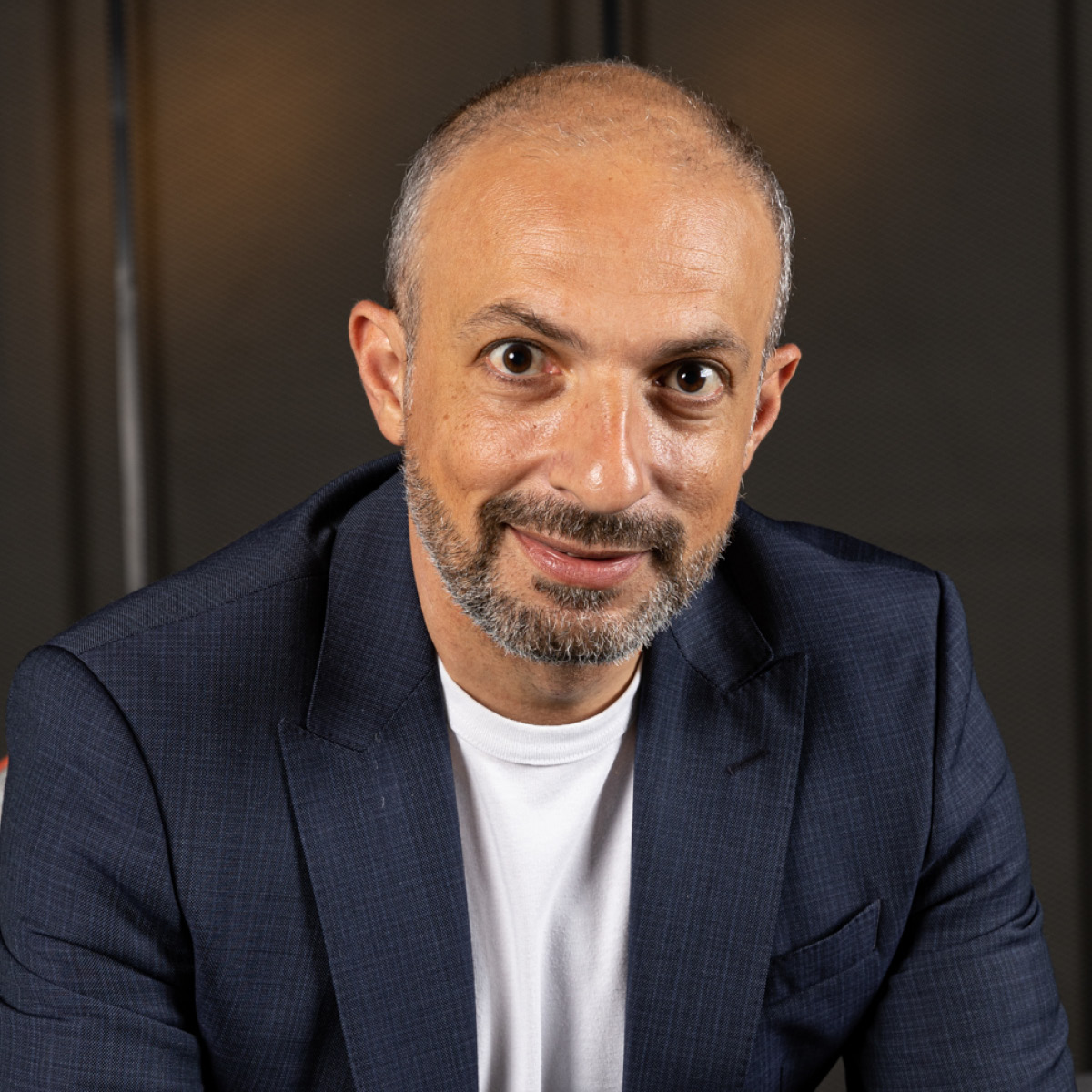
71. Bani Haddad
Aleph Hospitality
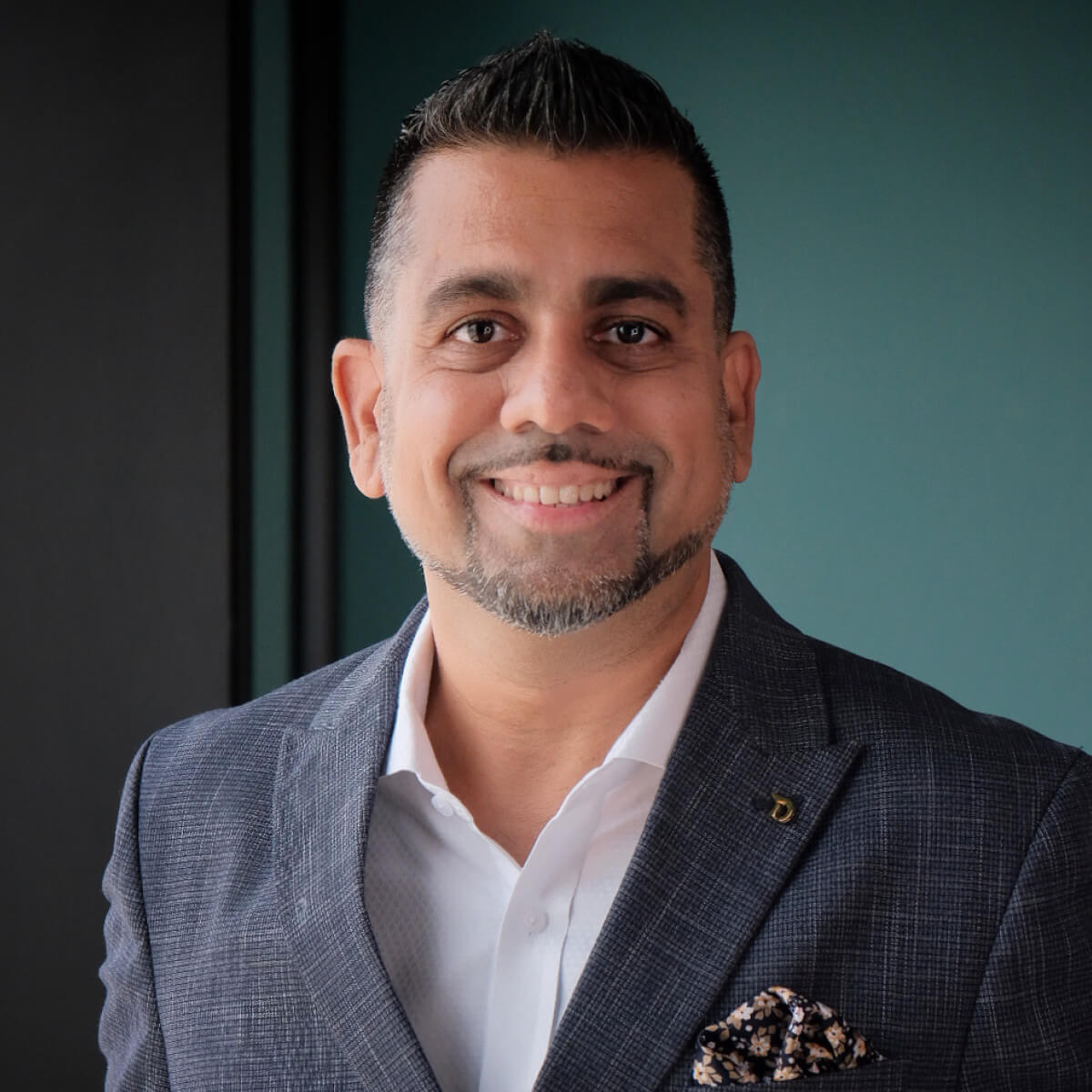
72. Prateek Kumar
Dusit Hotels & Resorts
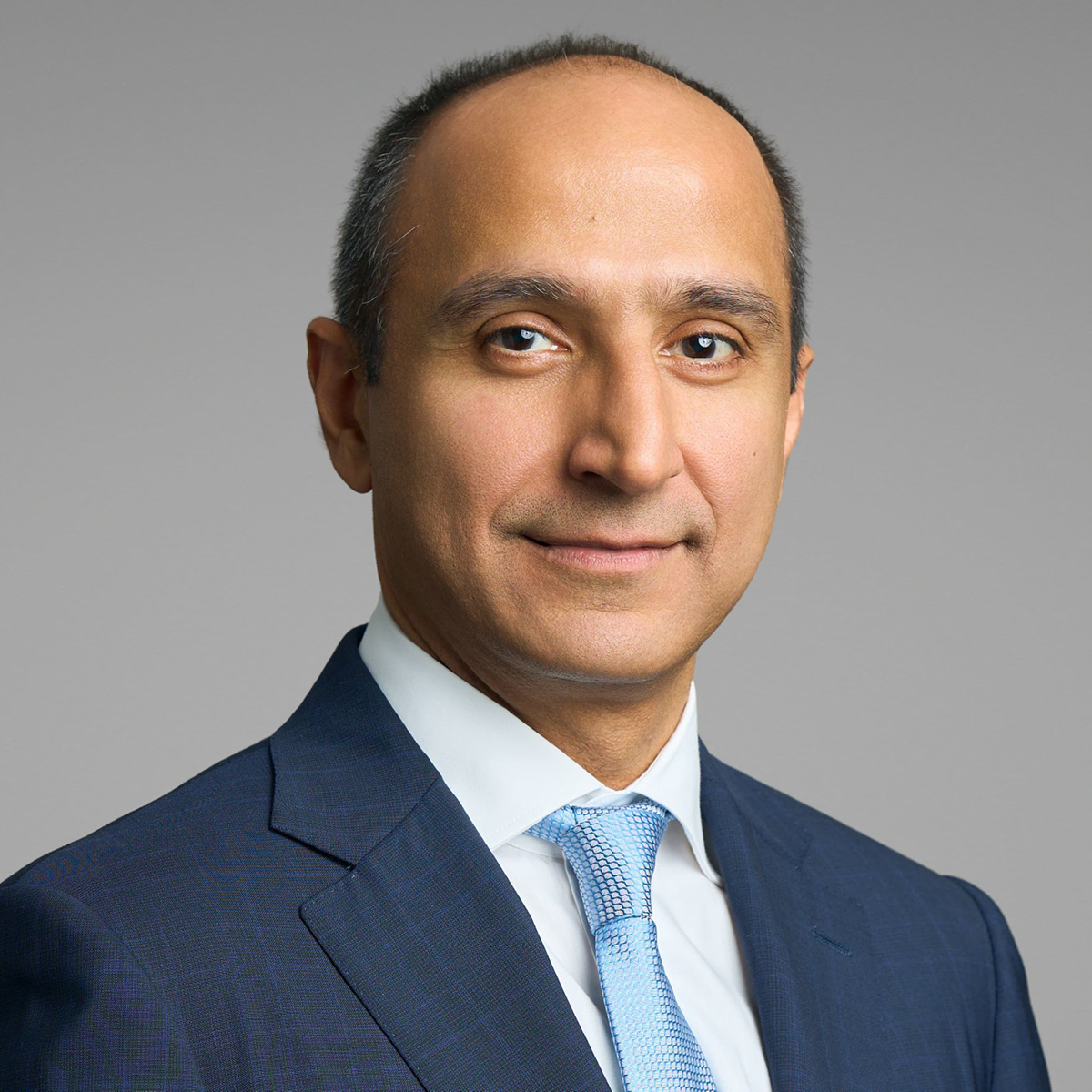
73. Ahmed Janahi
Gulf Hotels Group
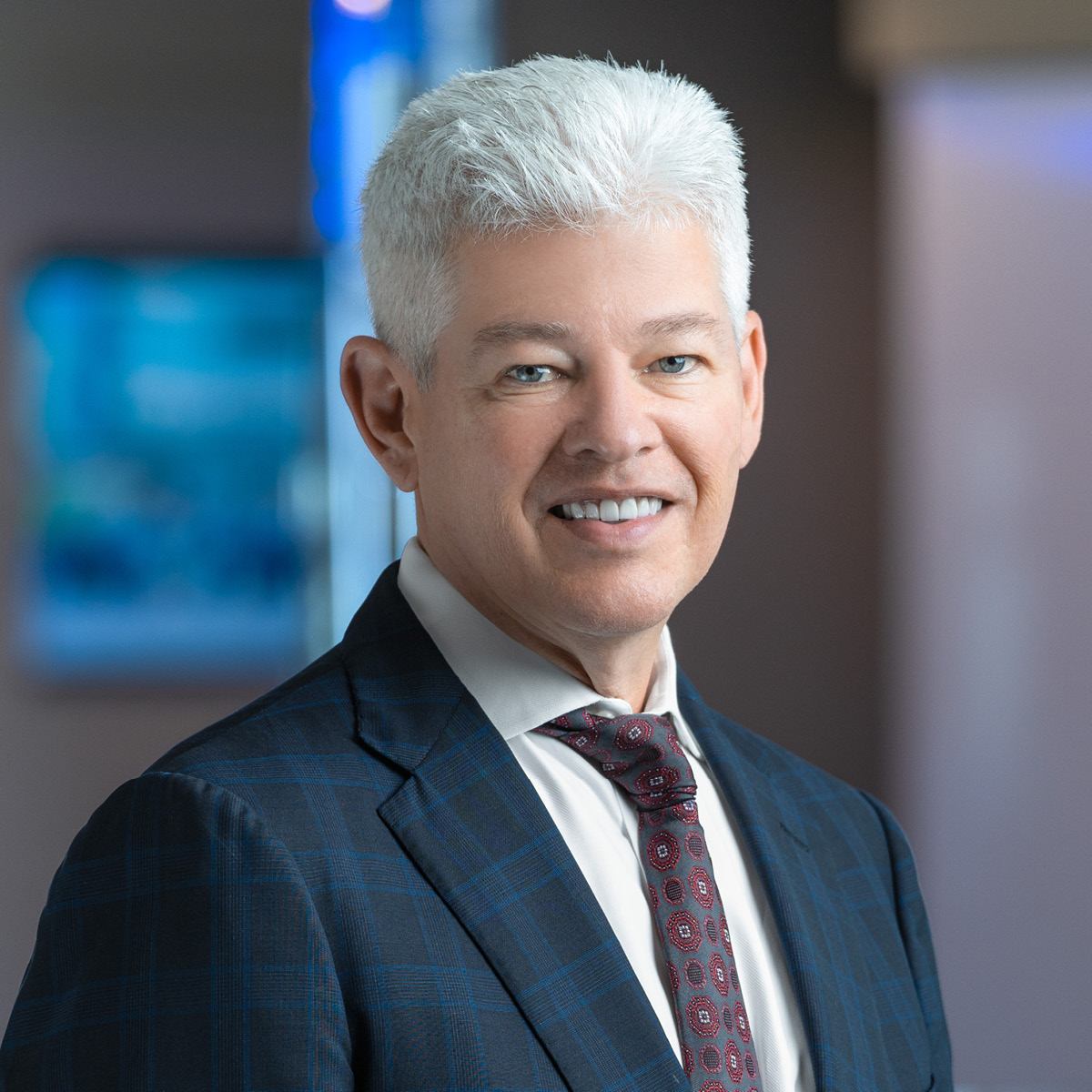
74. Rob Burns
The First Group Hospitality

75. Mohamad Haj Hassan
Wyndham Hotels & Resorts
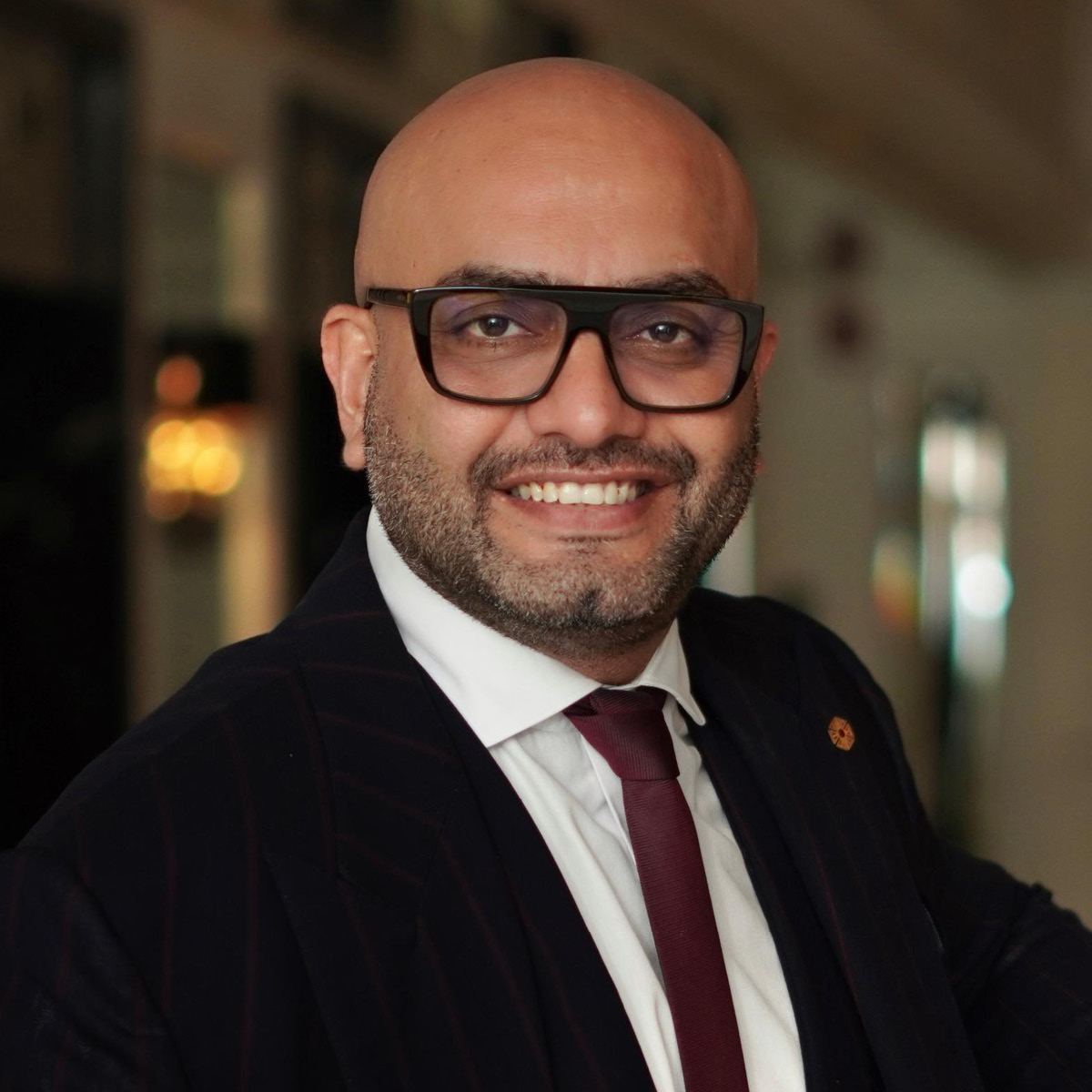
76. Saurabh Tiwari
Taj Hotels
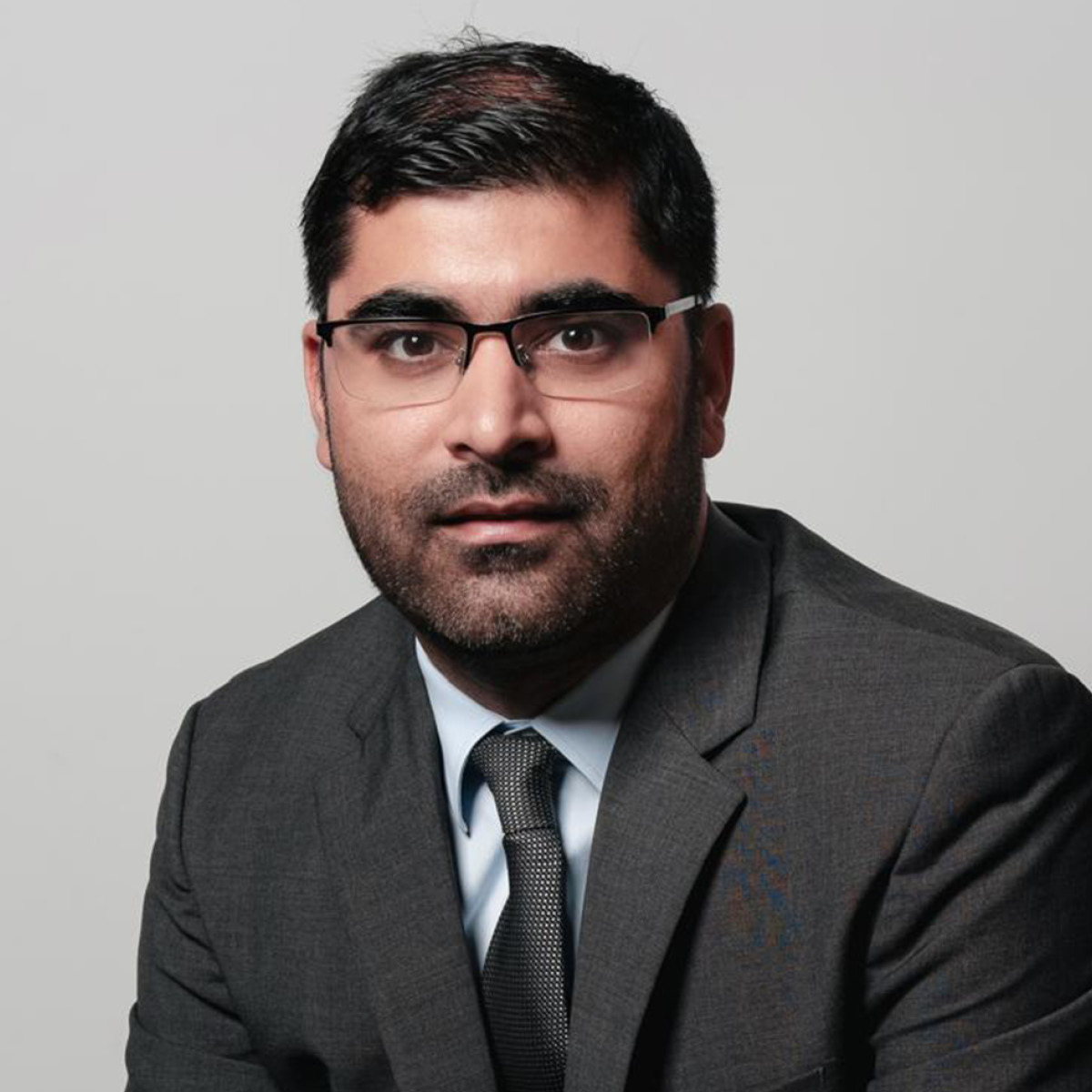
77. Muzzammil Ahussain
Almosafer Travel & Tourism Co.
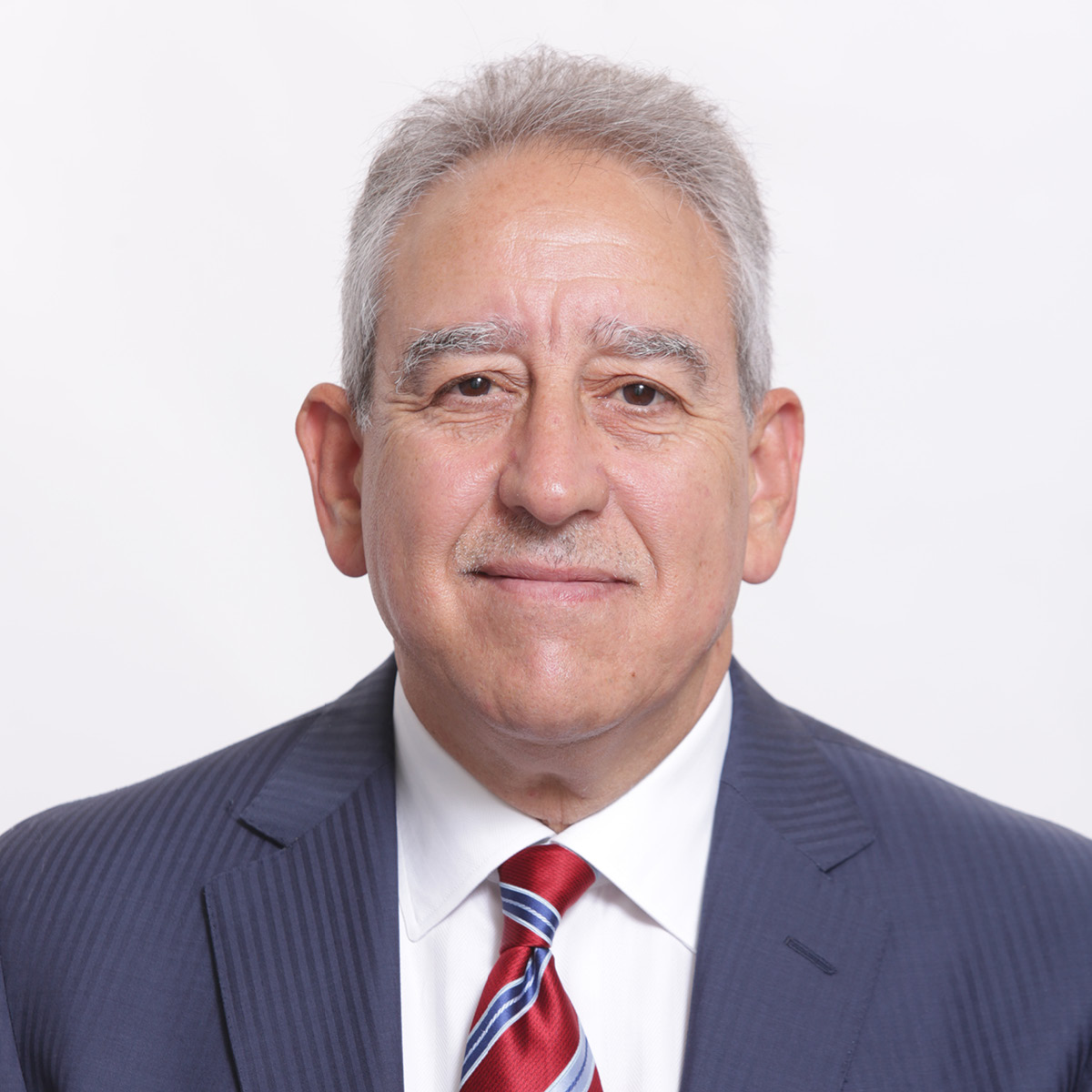
78. Samer Majali
Royal Jordanian (RJ)
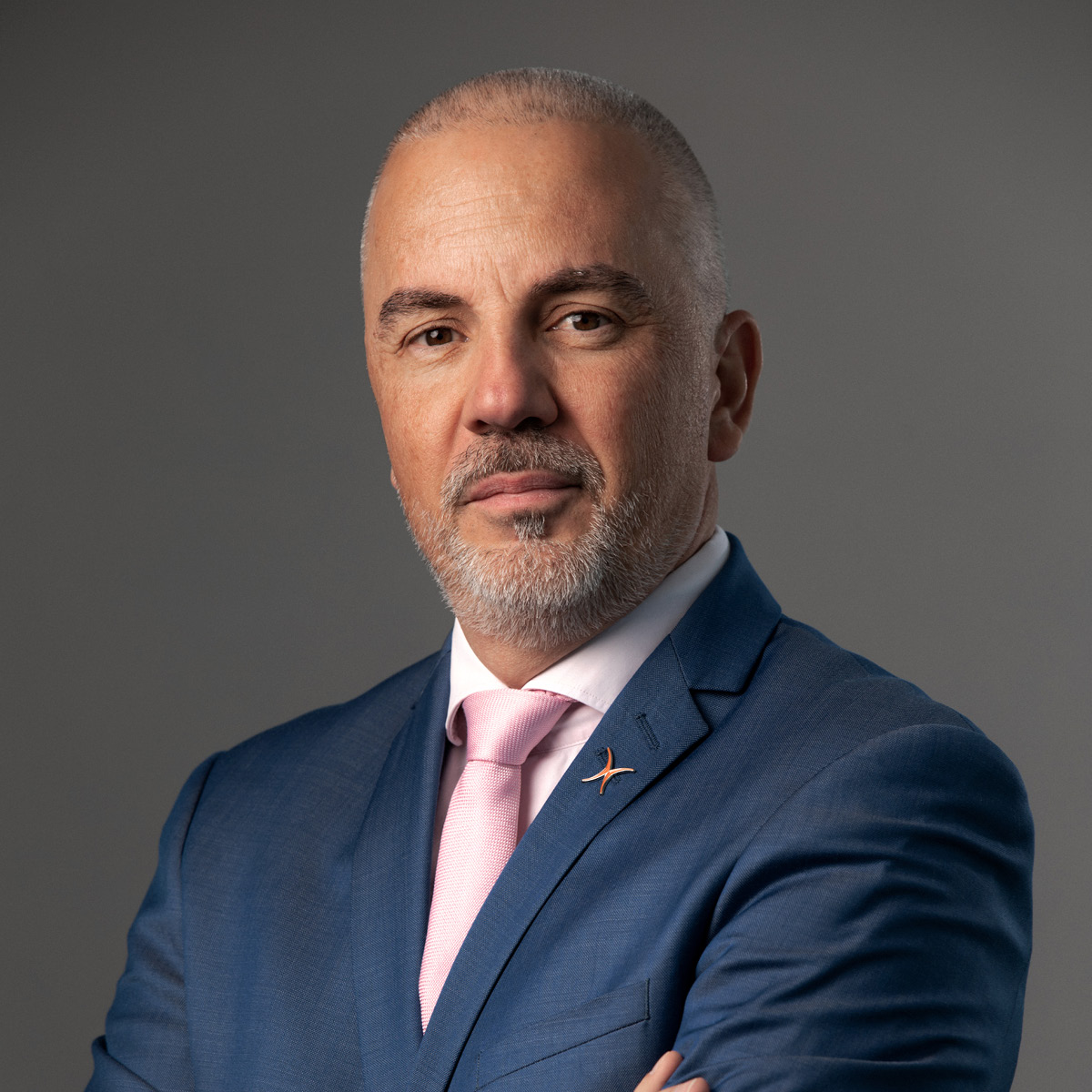
79. Arnaud Martinez
The Helicopter Company (THC)
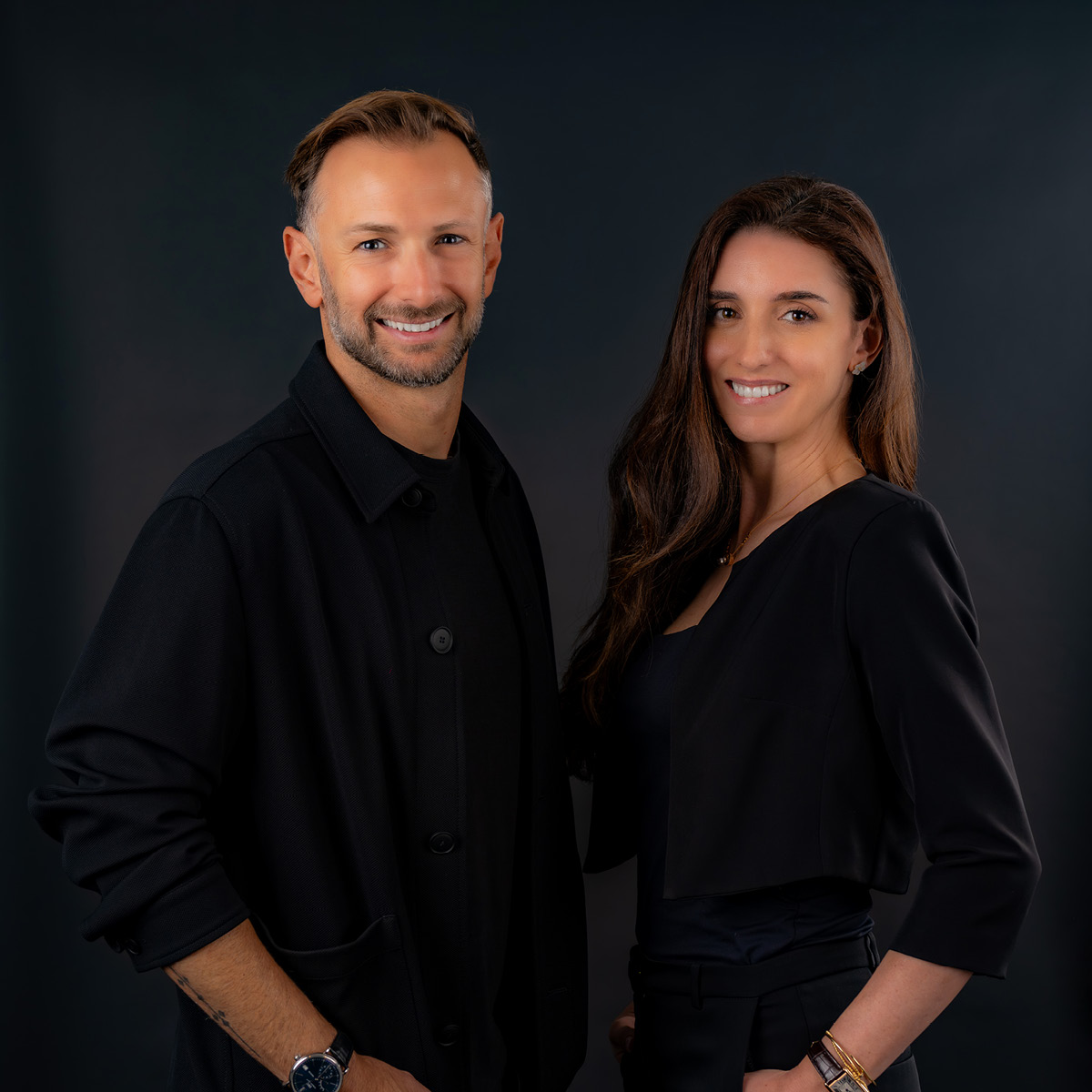
80. Chris Nader; Noelle Homsy
ENVI Lodges
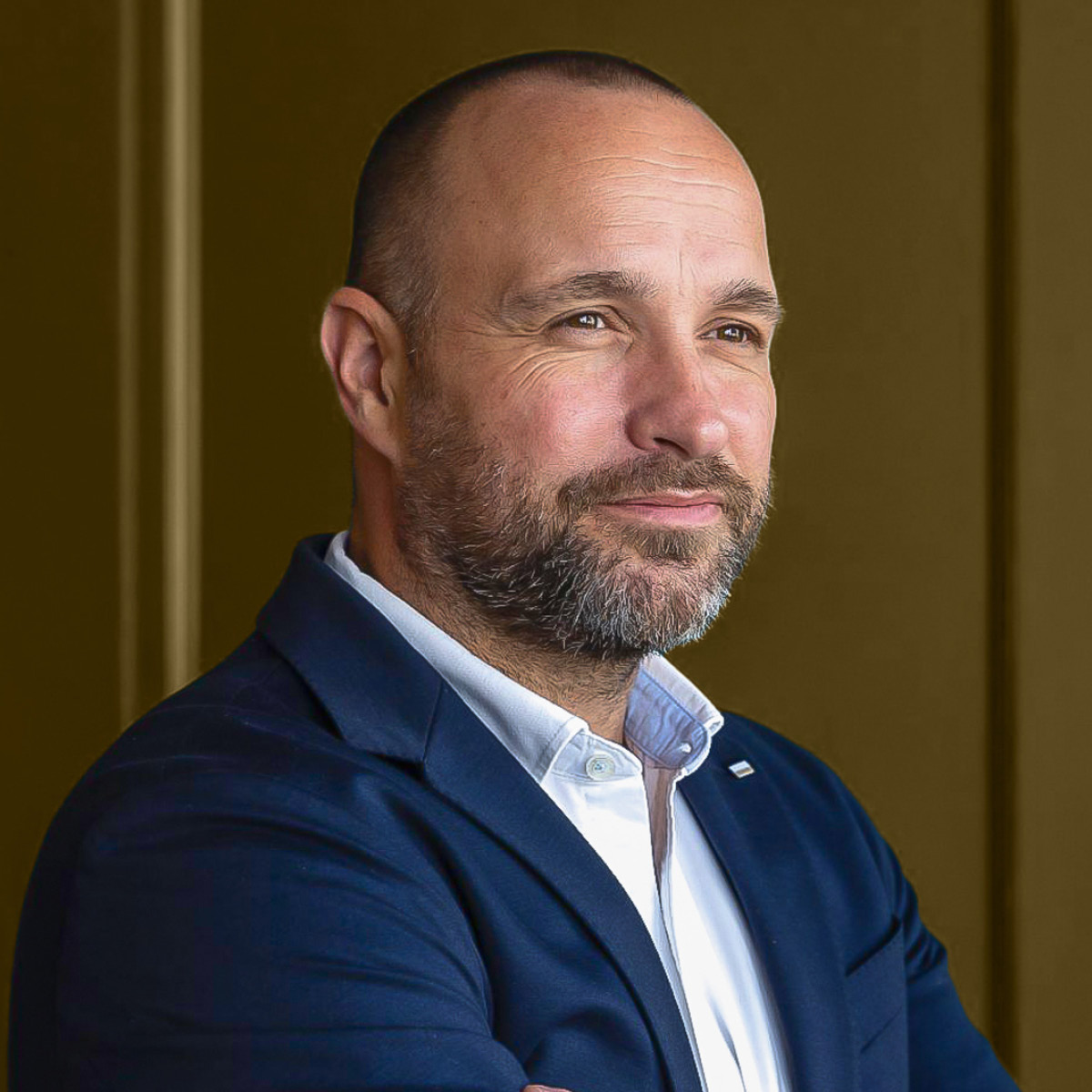
81. Simon Leigh
Premier Inn Middle East

82. Marco Mejia
King Salman International Airport Development Company (KSIADC)
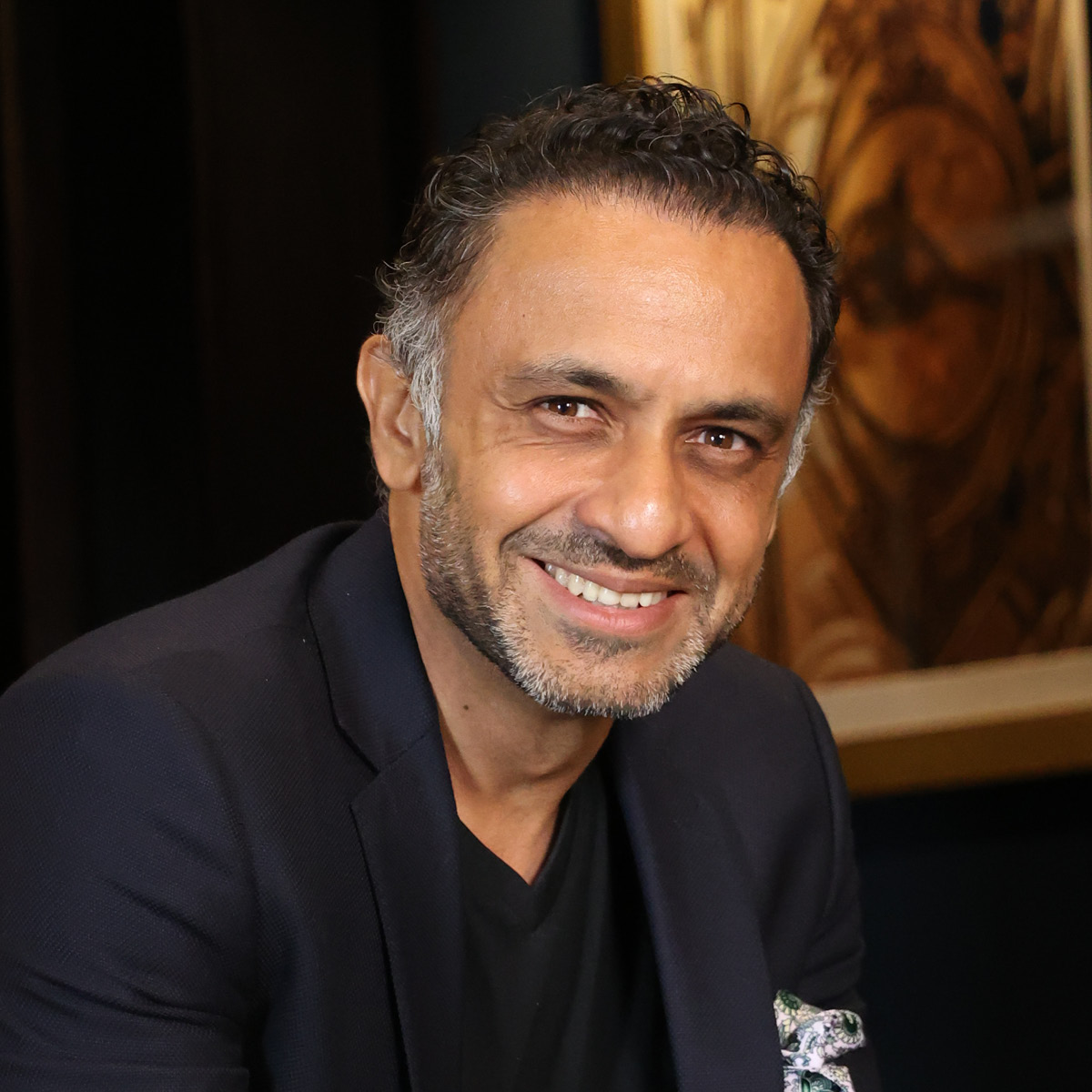
83. Julien Bergue
Valor Hospitality Partners
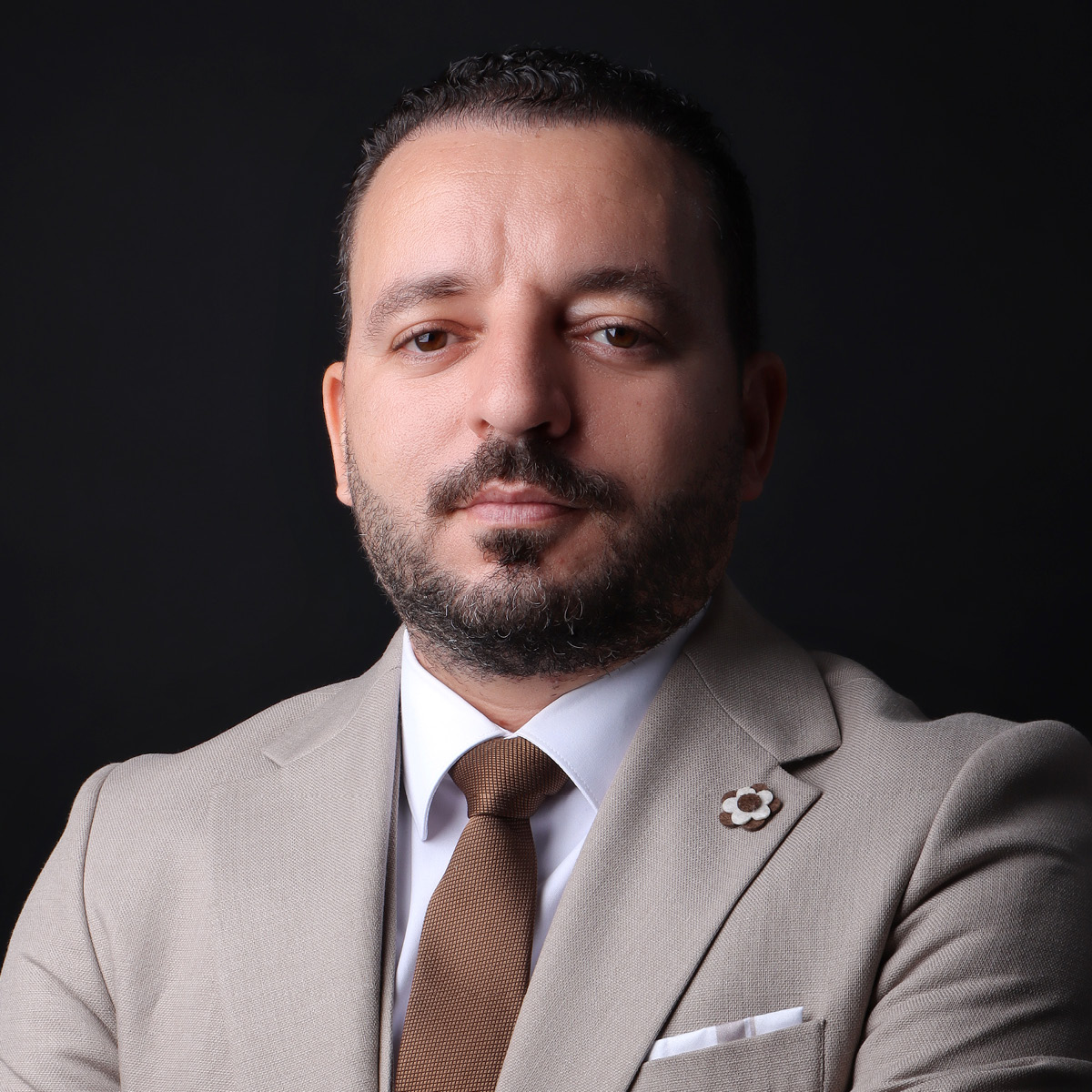
84. Ahmed Ben Zaied
Sharjah Collection
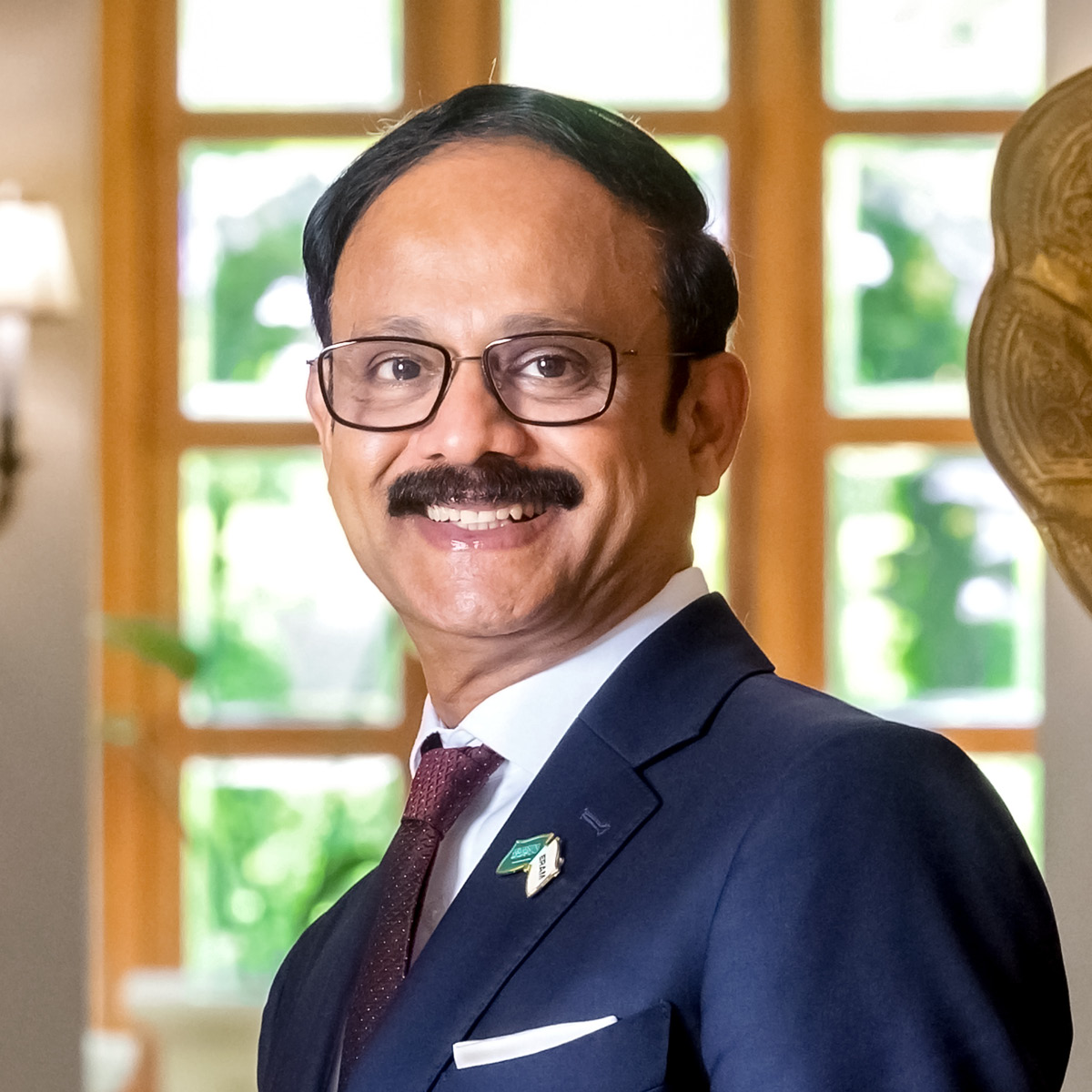
85. Siddeek Ahmed
ITL World

86. Paul de Salis
RoyalJet
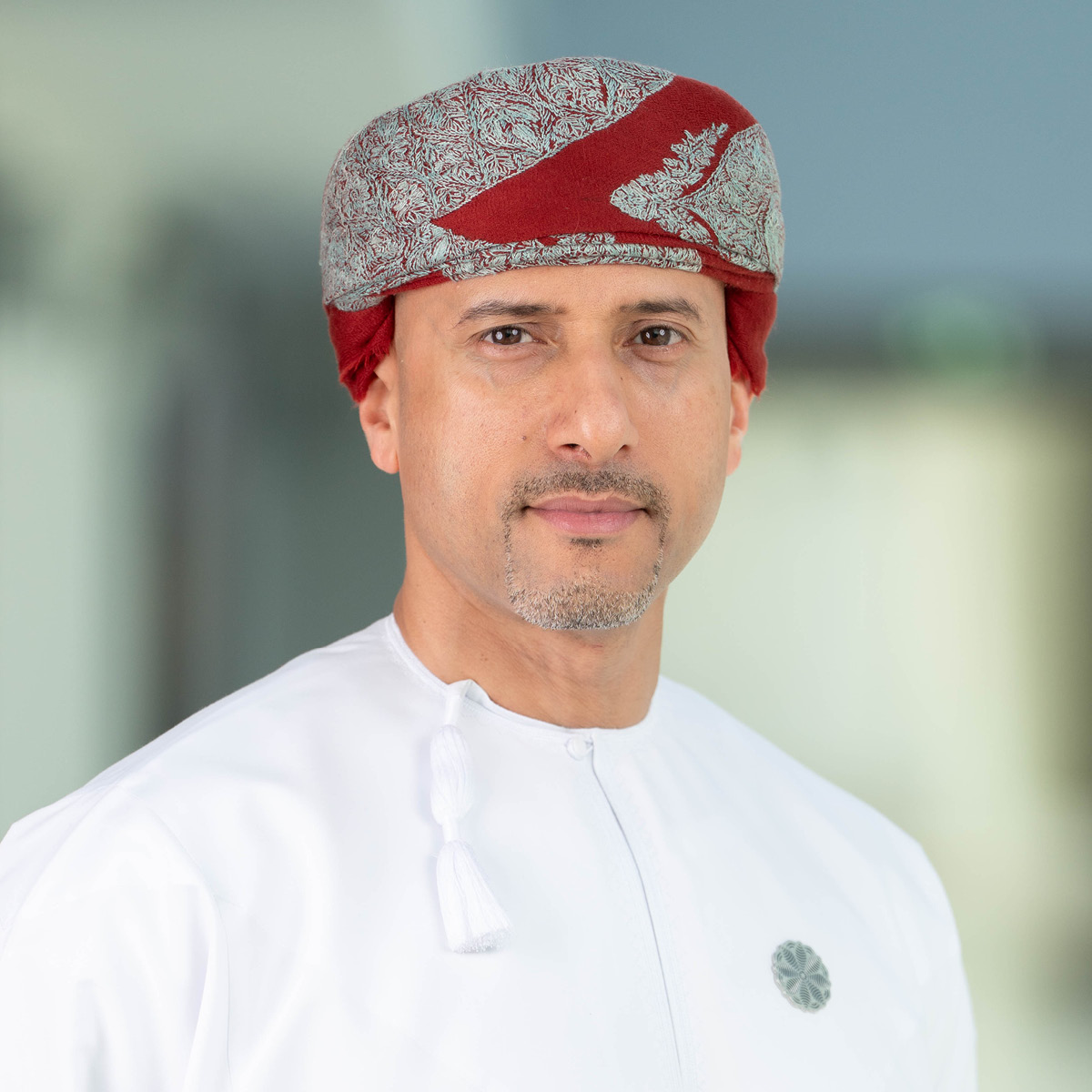
87. Said Al Shanfari
Oman Convention & Exhibition Centre (OCEC)
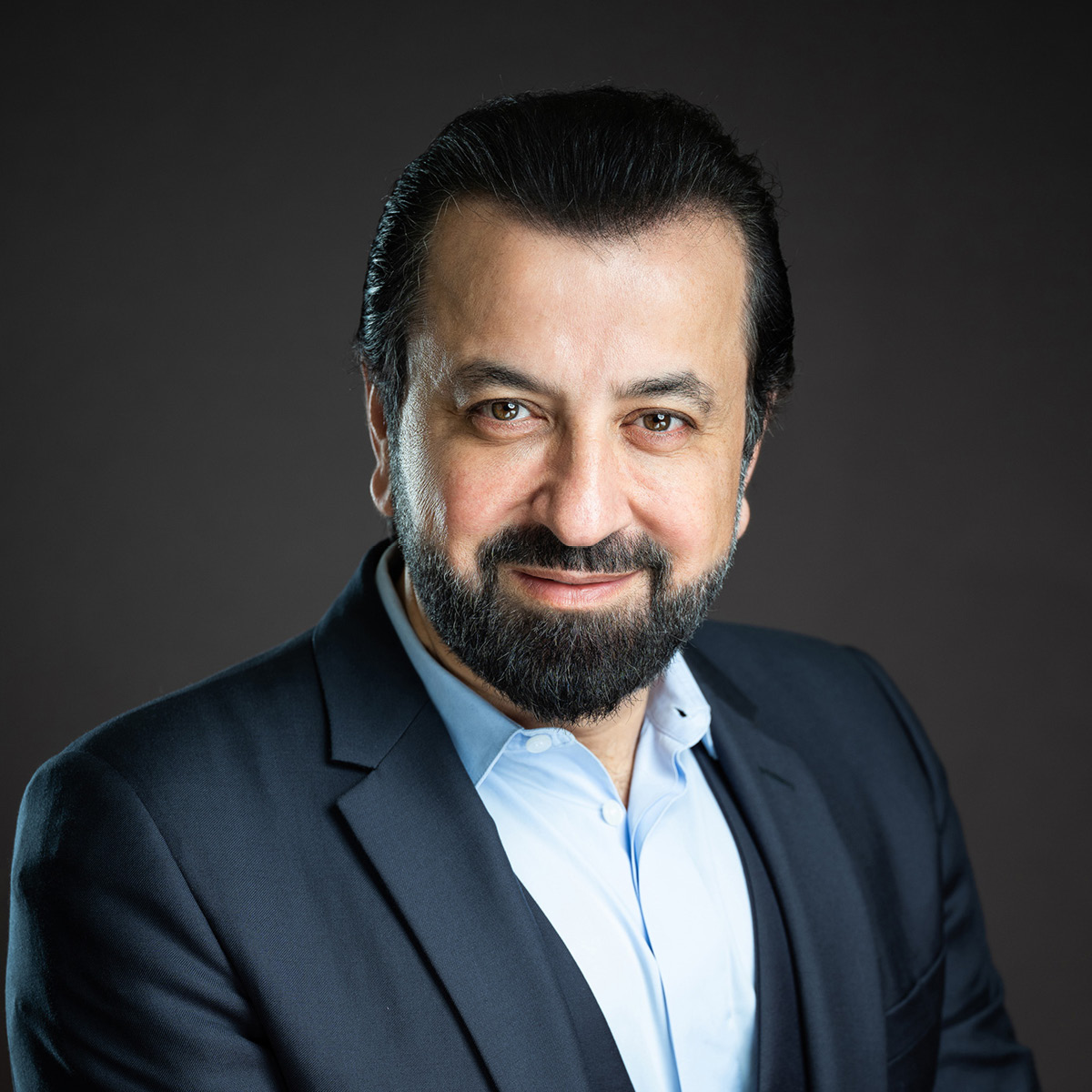
88. Adel Mardini
Jetex
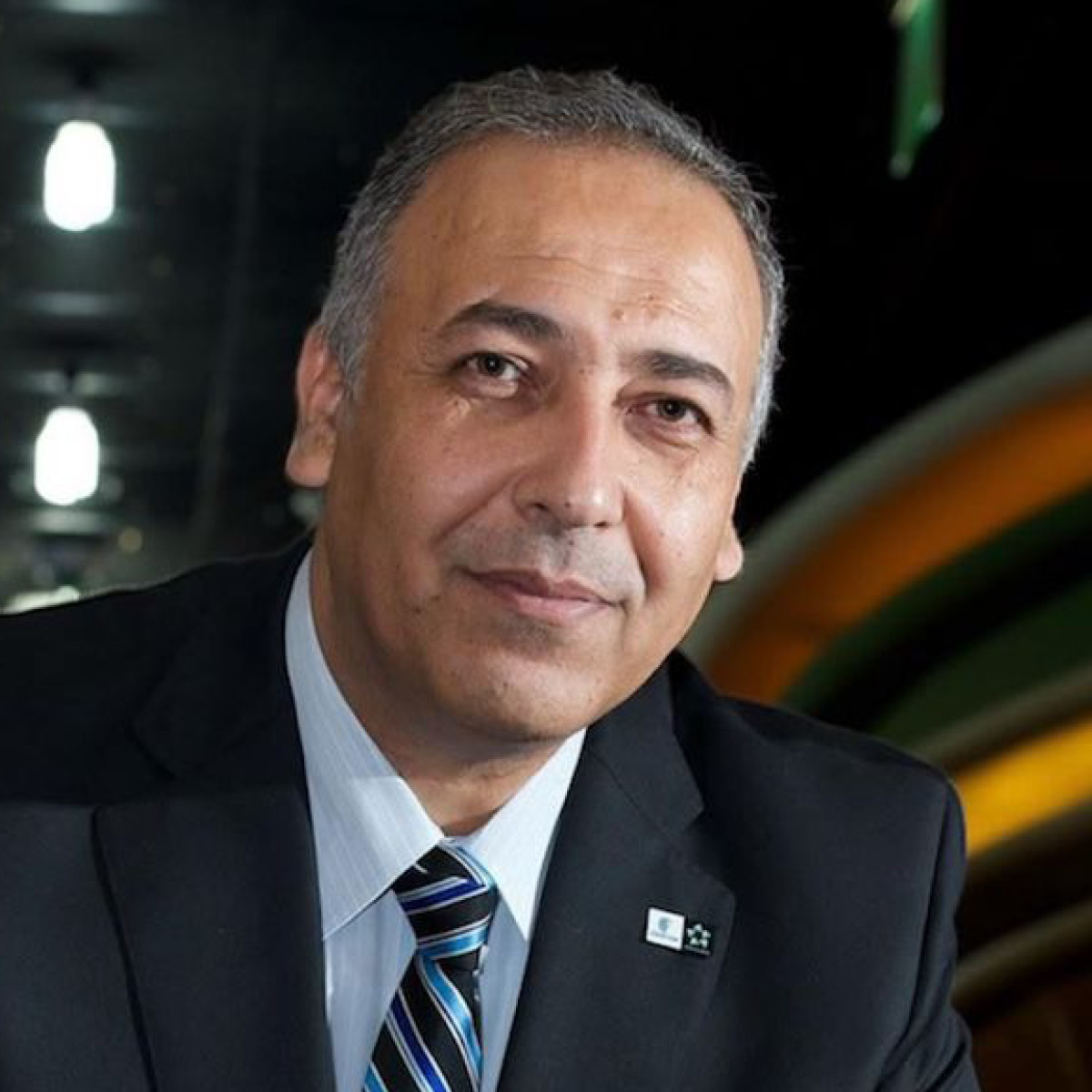
89. Hussein Sherif
AIRCAIRO
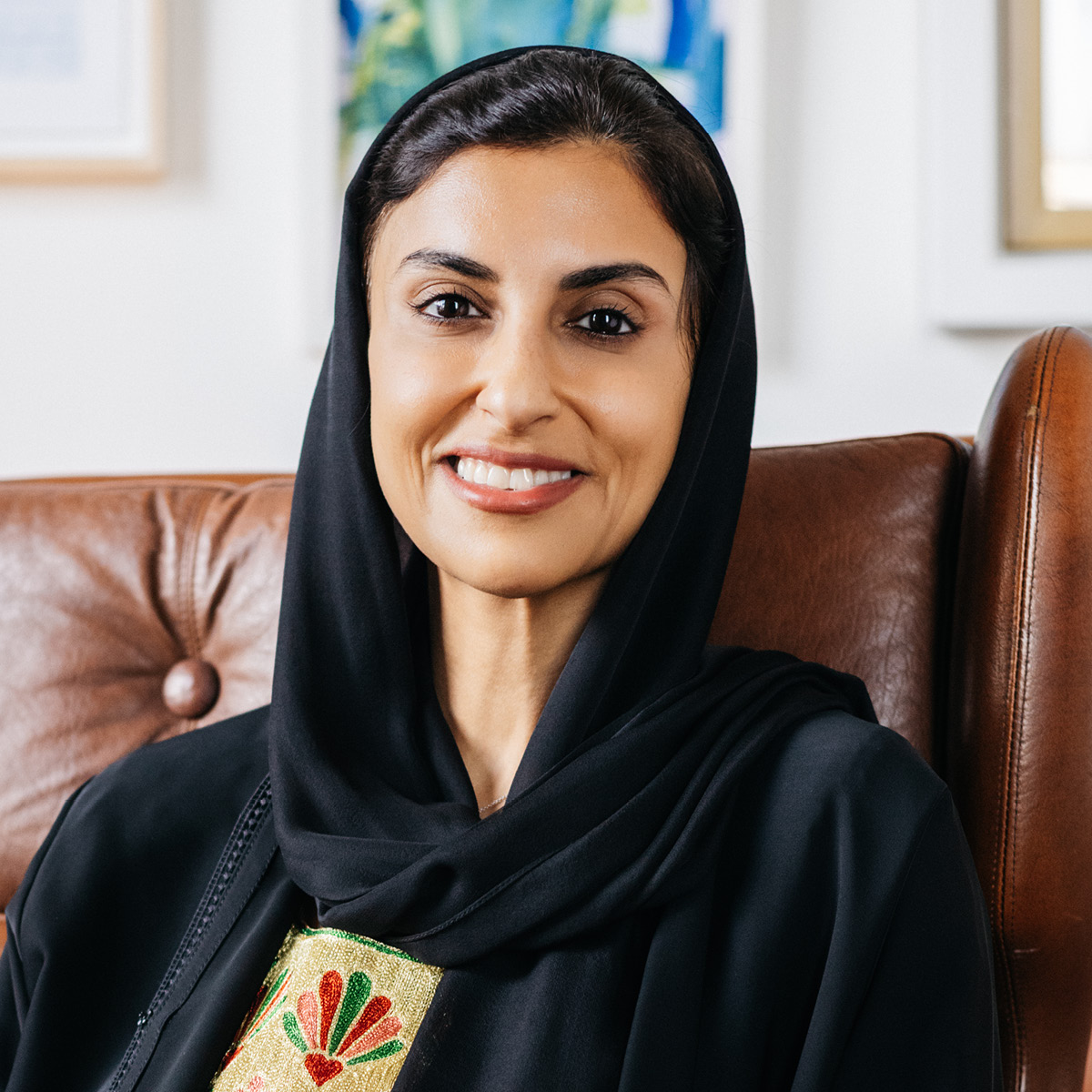
90. Shaikha Al Kaabi
Erth Abu Dhabi
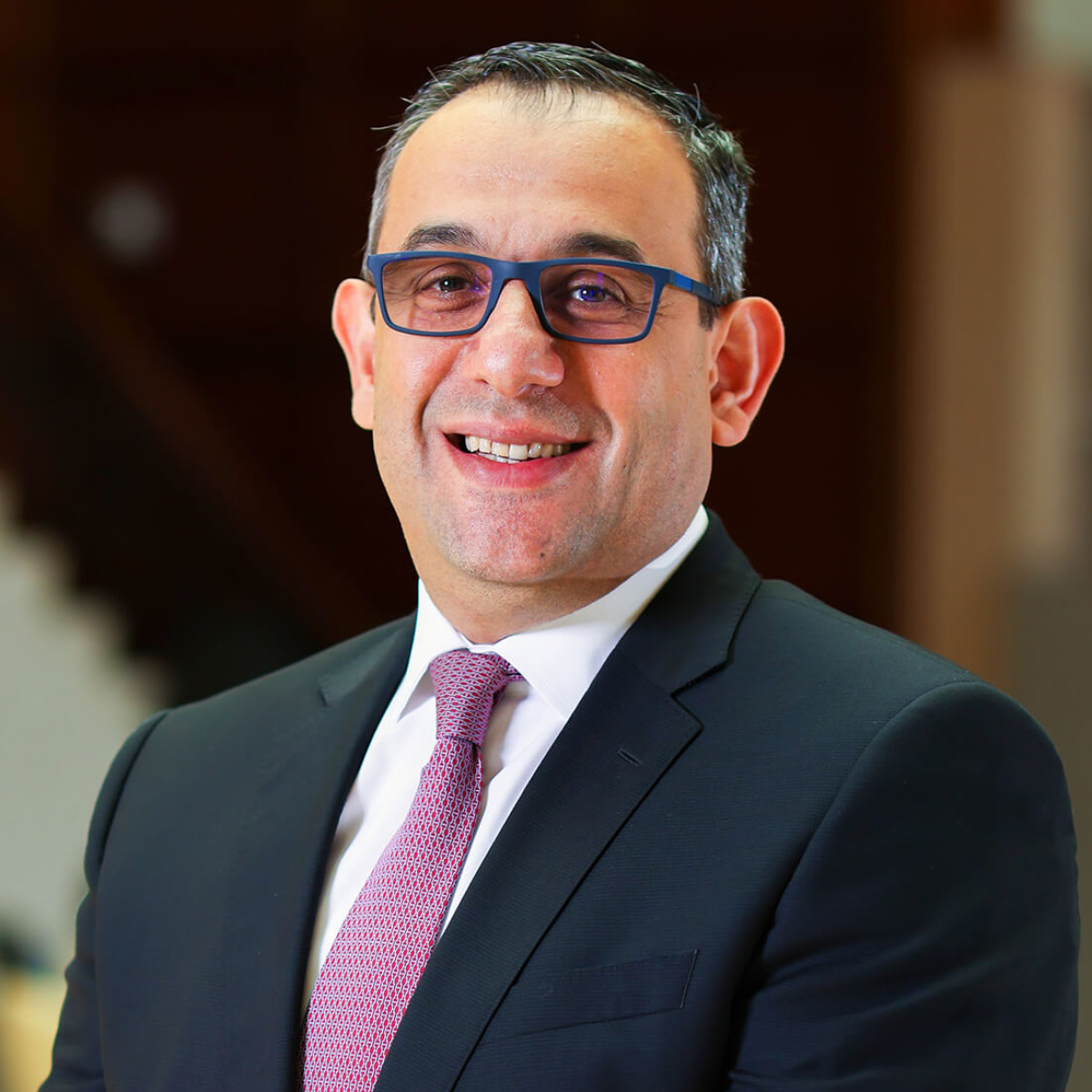
91. Joseph Karam
Ishraq Hospitality
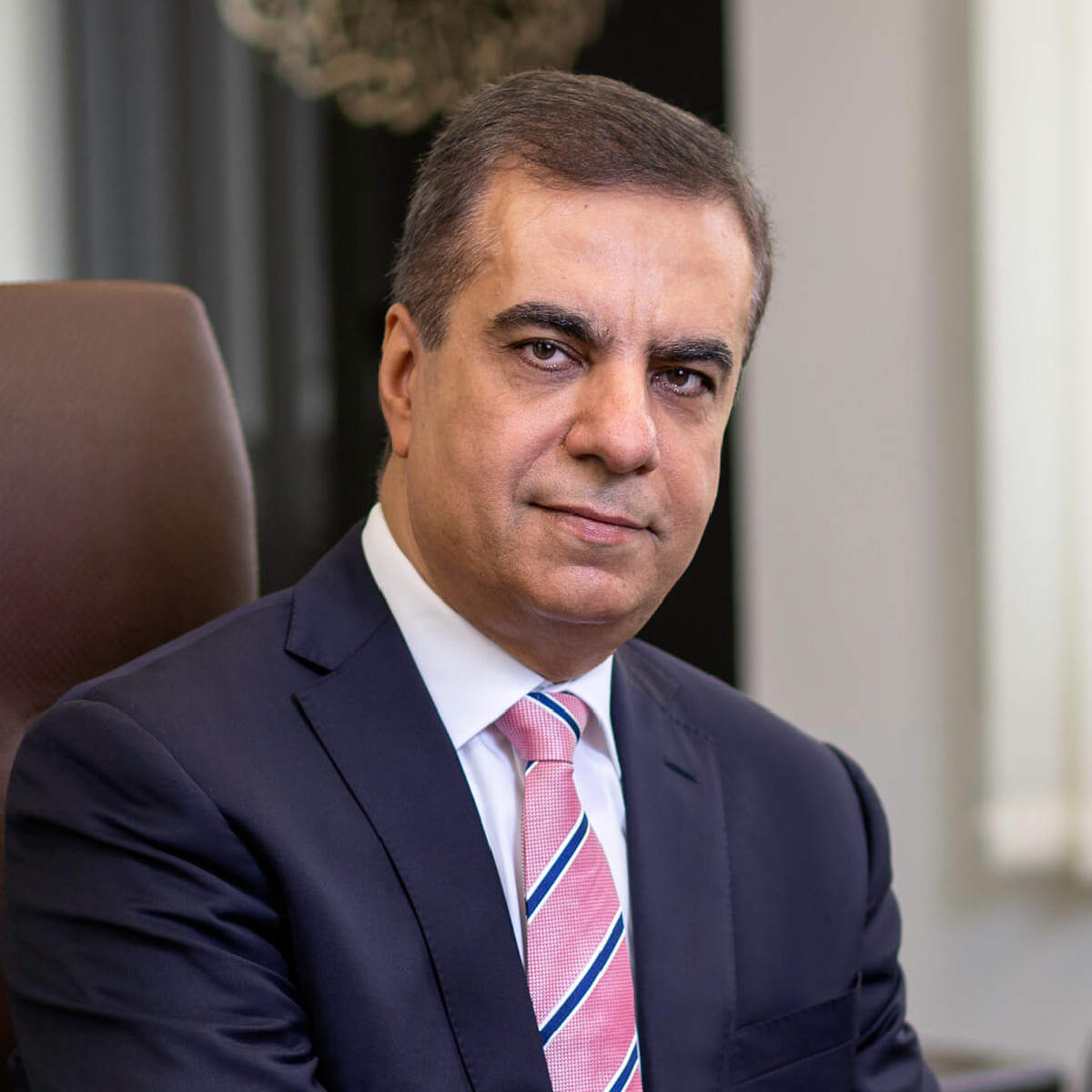
92. Adel Al Ali
Air Arabia
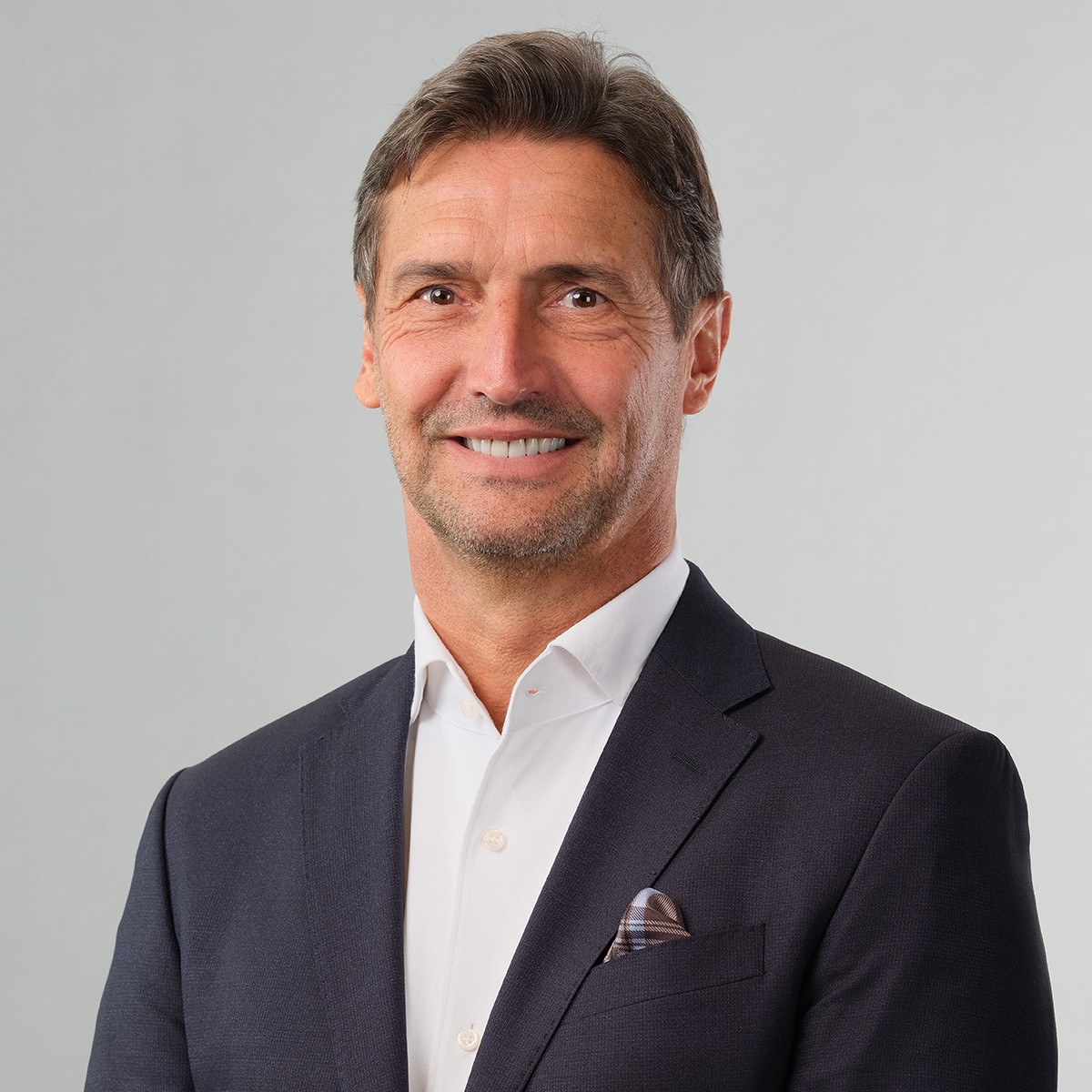
93. Stefan Leser
Adeera Hospitality
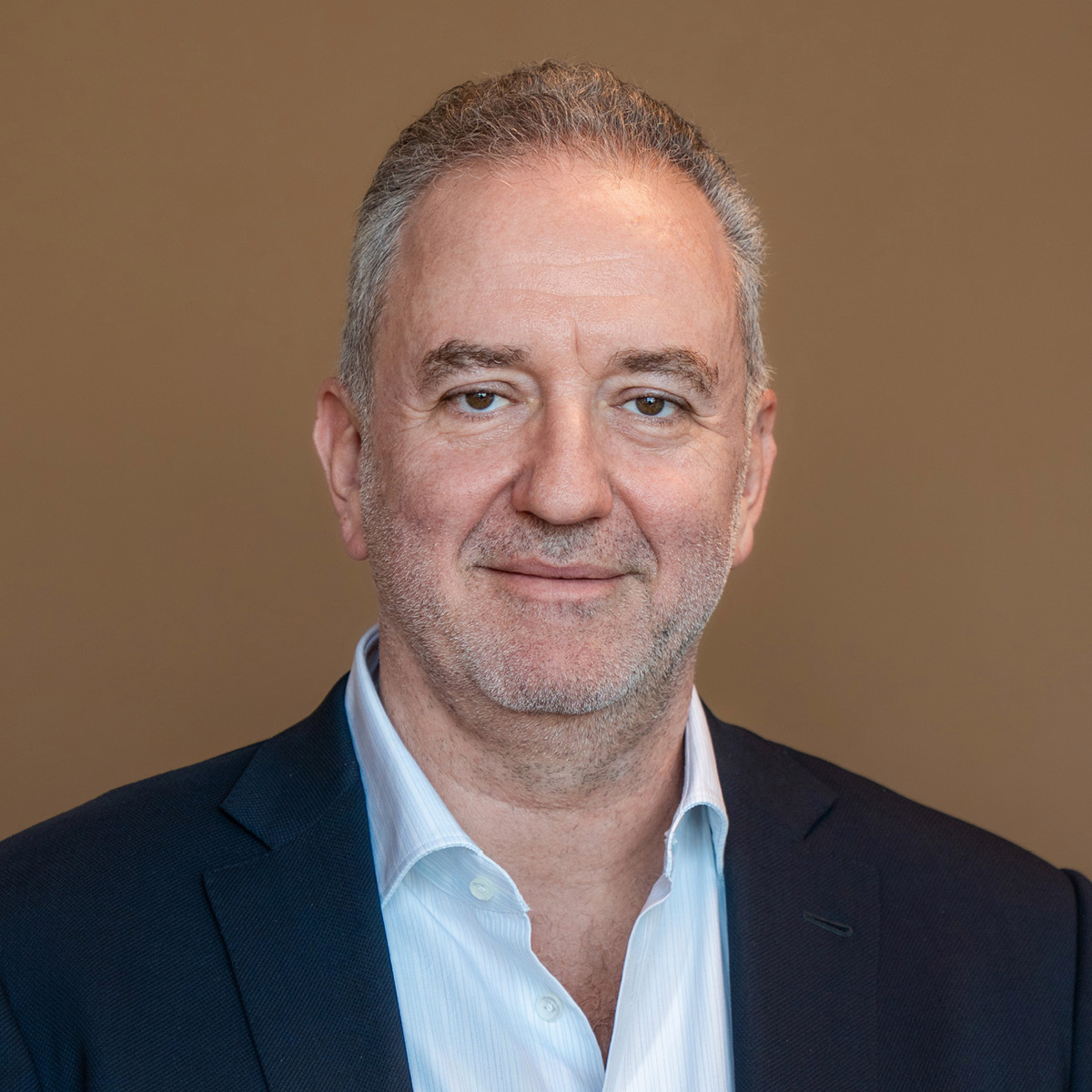
94. Hadi Mouawad
ExecuJet Middle East
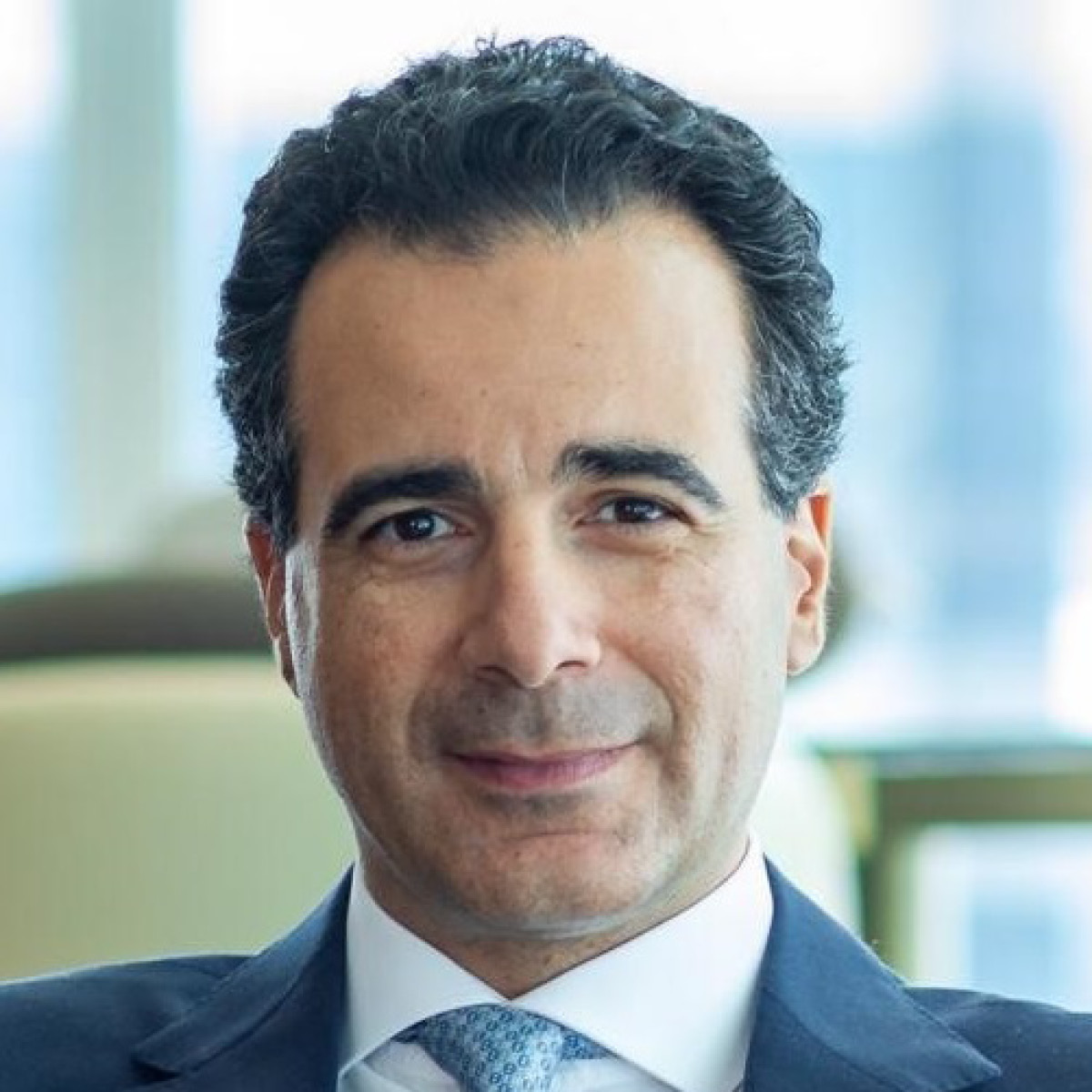
95. Ahmad Abu Ghazaleh
International Wings Group (IWG)
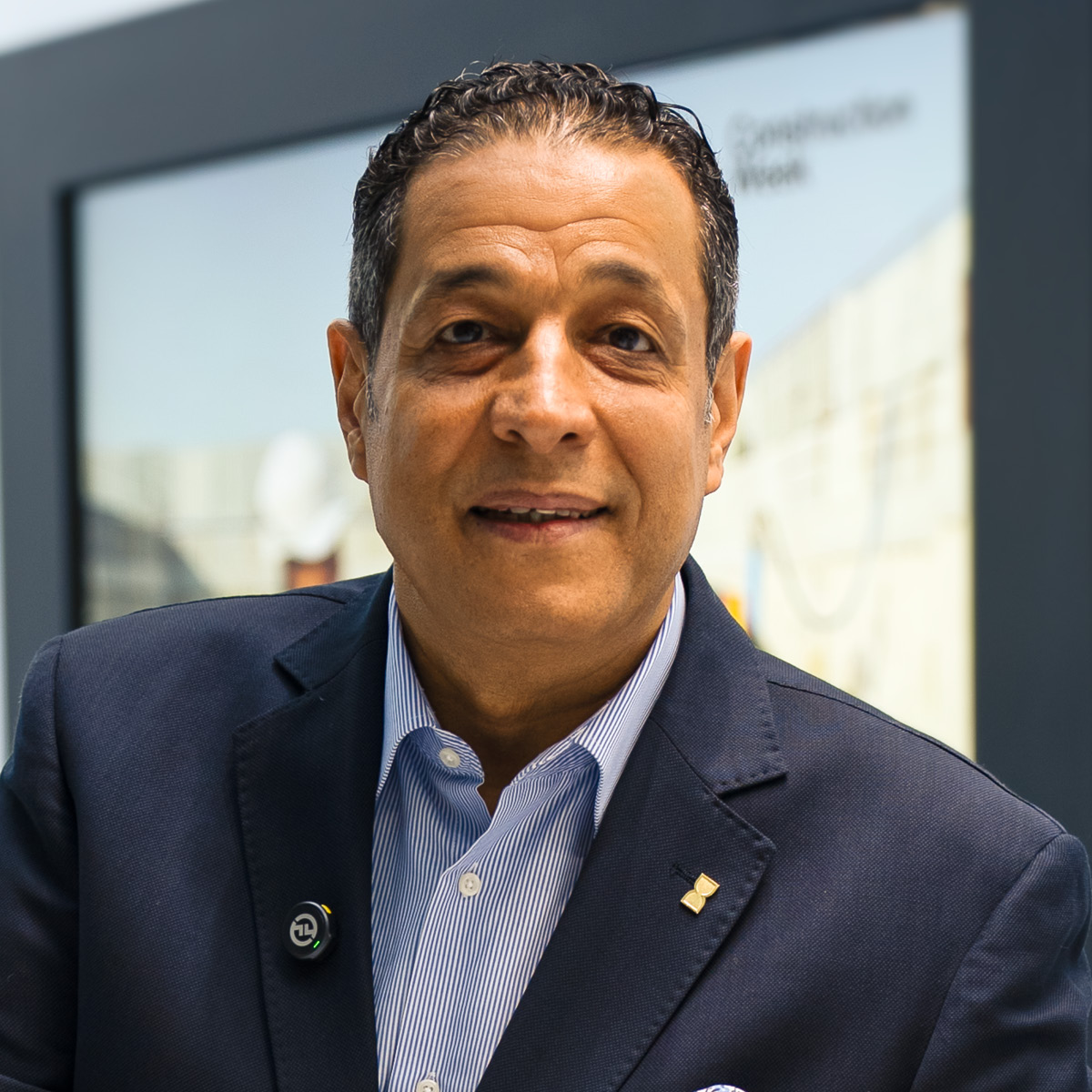
96. Mohamed Awadalla
TIME Hotels
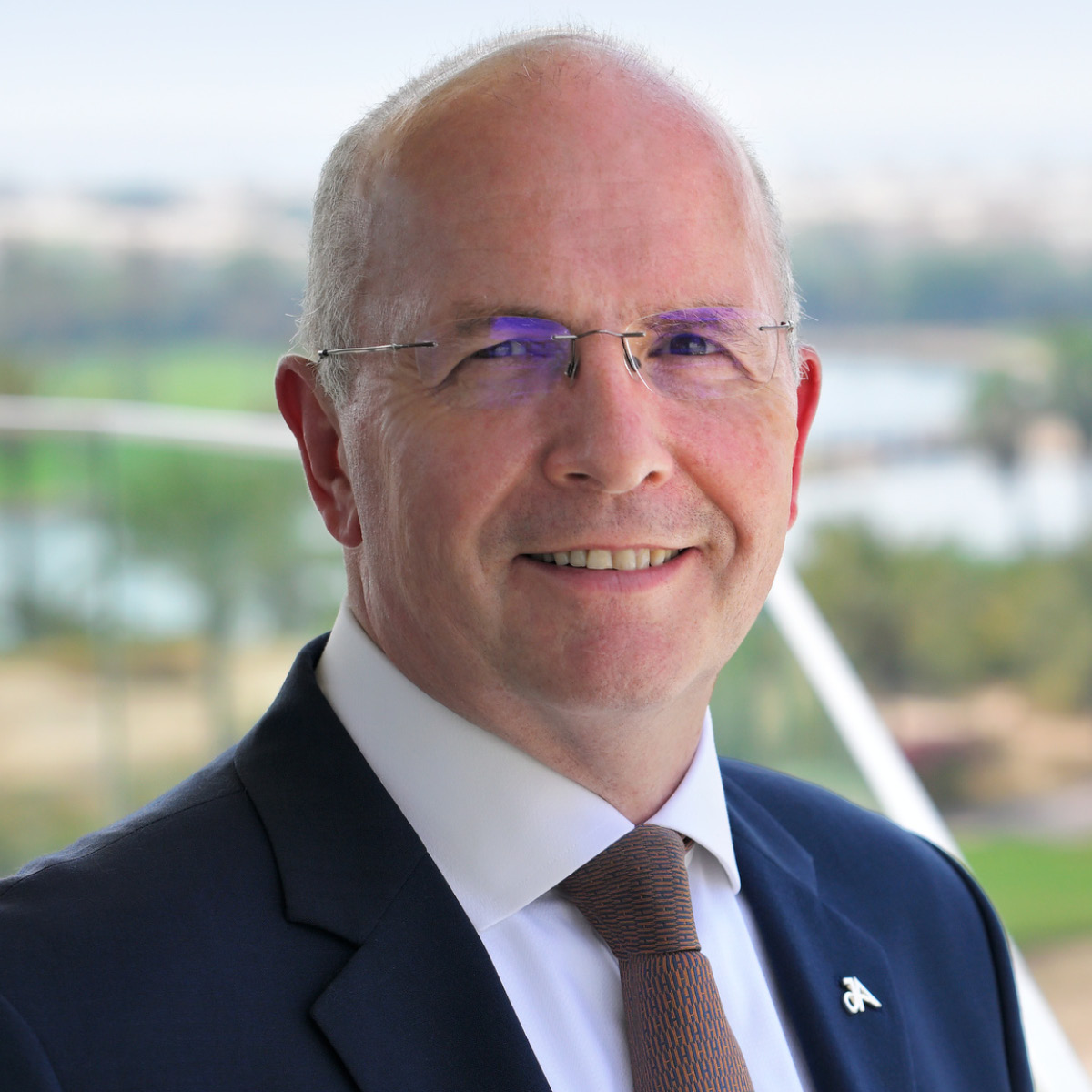
97. Ralph Porciani
JA Resorts & Hotels

98. Carolyn Turnbull
Nammos Hotels & Resorts
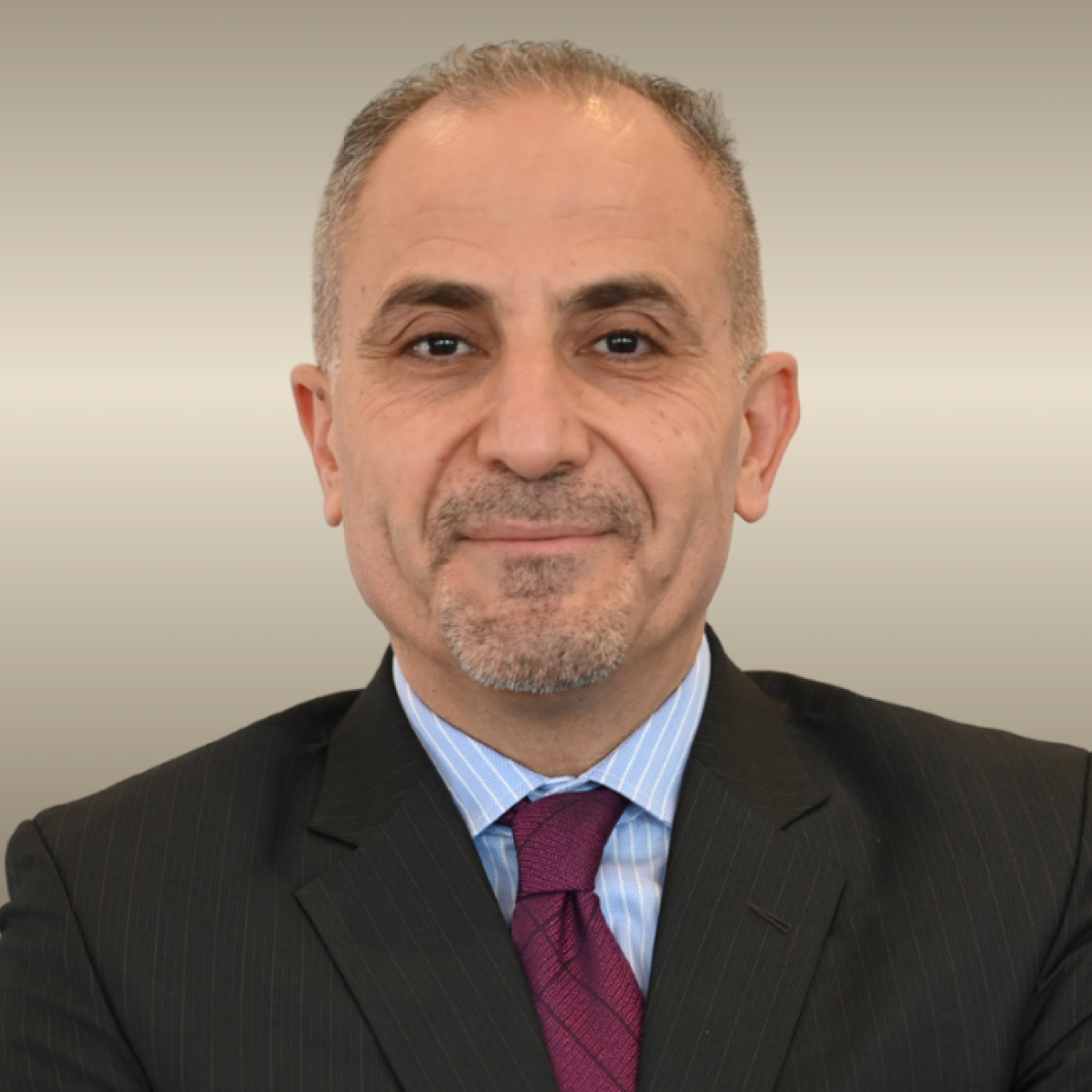
99. Muin Serhan
Amsa Hospitality
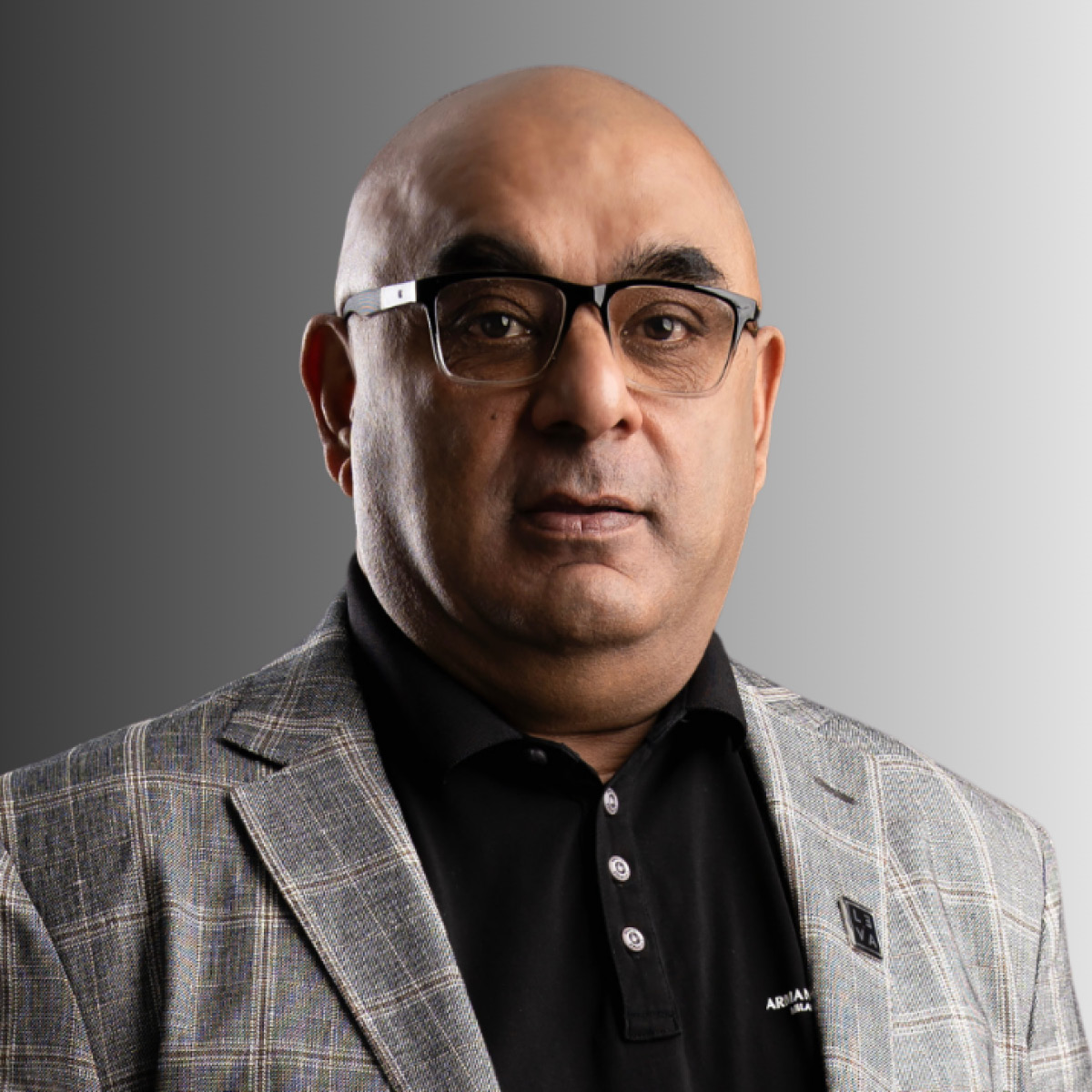
100. JS Anand
LEVA Hotels