THE MIDDLE EAST’S
Top Healthcare Leaders 2026
• Executives •

The Middle East’s healthcare industry continues to evolve, driven by expanding hospital capacity, pharmaceutical localization, and the growing adoption of digital
and AI-enabled care. The MENA healthcare market reached $254 billion in 2025 and is projected to grow to $400 billion by 2032, according to Ken Research. Saudi Arabia is the region’s largest market, accounting for 60% of GCC healthcare spending, with its healthcare market estimated at $68 billion in 2025.
In 2026, Saudi Arabia’s Health Holding Company continued implementing one of the world’s largest healthcare transformations under Vision 2030, transferring 10 health clusters and 130,000 employees from Saudi Arabia’s Ministry of Health. Meanwhile, Jamjoom Pharma acquired Pfizer’s Saudi manufacturing facility, its fifth in the MEA region, and SPIMACO launched its biotechnology arm to localize advanced therapies.
In the UAE, M42 launched the country’s first genomics-driven clinical trial with the Department of Health – Abu Dhabi (DoH) and Halia Therapeutics. Cleveland Clinic Abu Dhabi expanded AI-assisted diagnostics and robotic surgery. Meanwhile Qatar’s main public healthcare provider, Hamad Medical Corporation, introduced Qatar’s first robotic Whipple surgery, and advanced amyloid brain PET-CT imaging for early Alzheimer’s detection. Forbes Middle East’s Top Healthcare Executives 2026 features 100 entries across hospitals, pharmaceuticals, biotechnology firms, medical devices, insurers, research
institutions, and integrated healthcare providers.
Leading this year’s ranking is Nasser Al Huqbani, CEO of Saudi Arabia’s Health Holding Company (HHC), followed by Mohammed bin Khalifa Al Suwaidi, managing director of Qatar’s Hamad Medical Corporation (HMC). As home to nearly 57 of the 100 entries, the UAE retains its dominance followed by Saudi Arabia with 27. Qatar accounted for five entries, while Egypt had four.
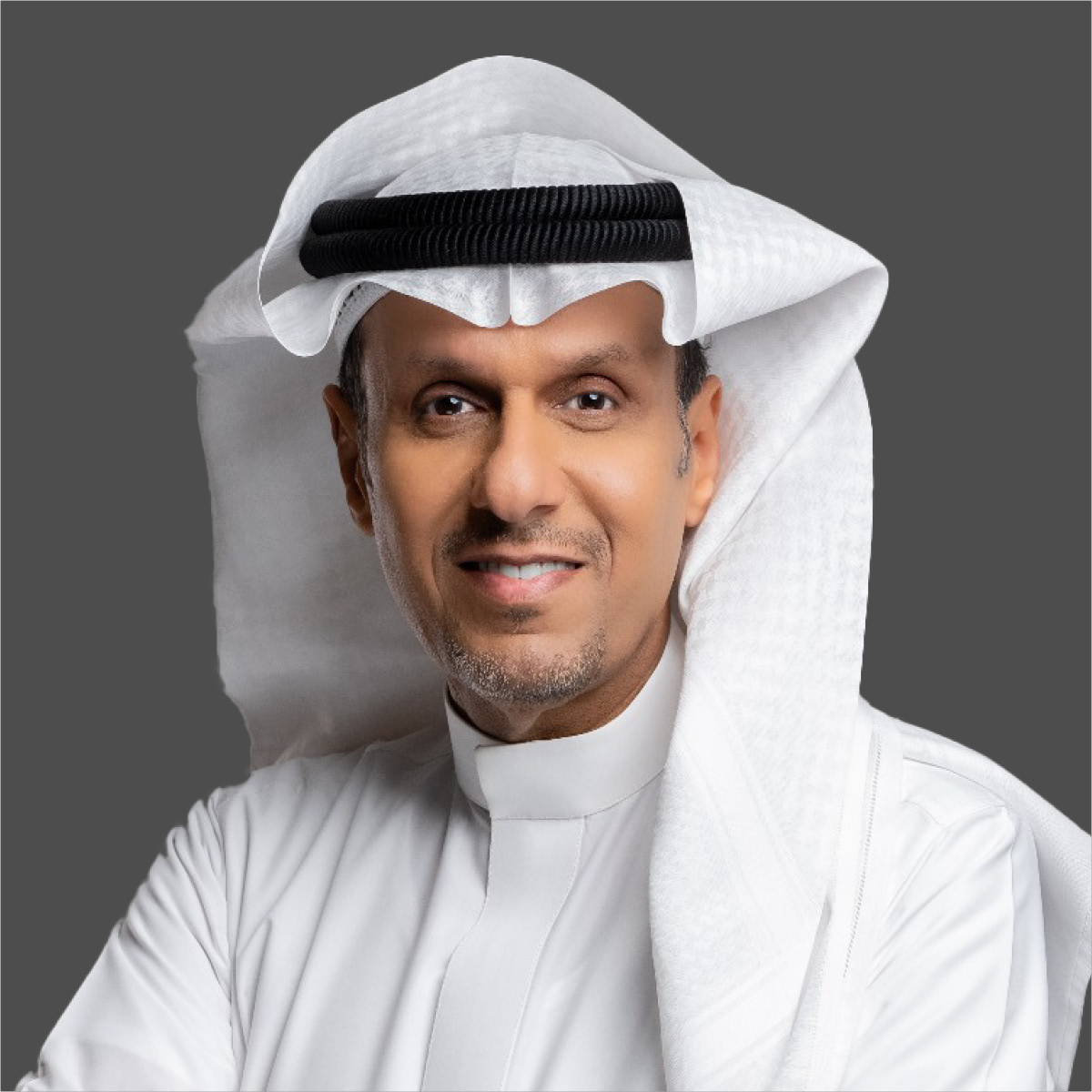
1. Nasser Al Huqbani
Health Holding Company (HHC)
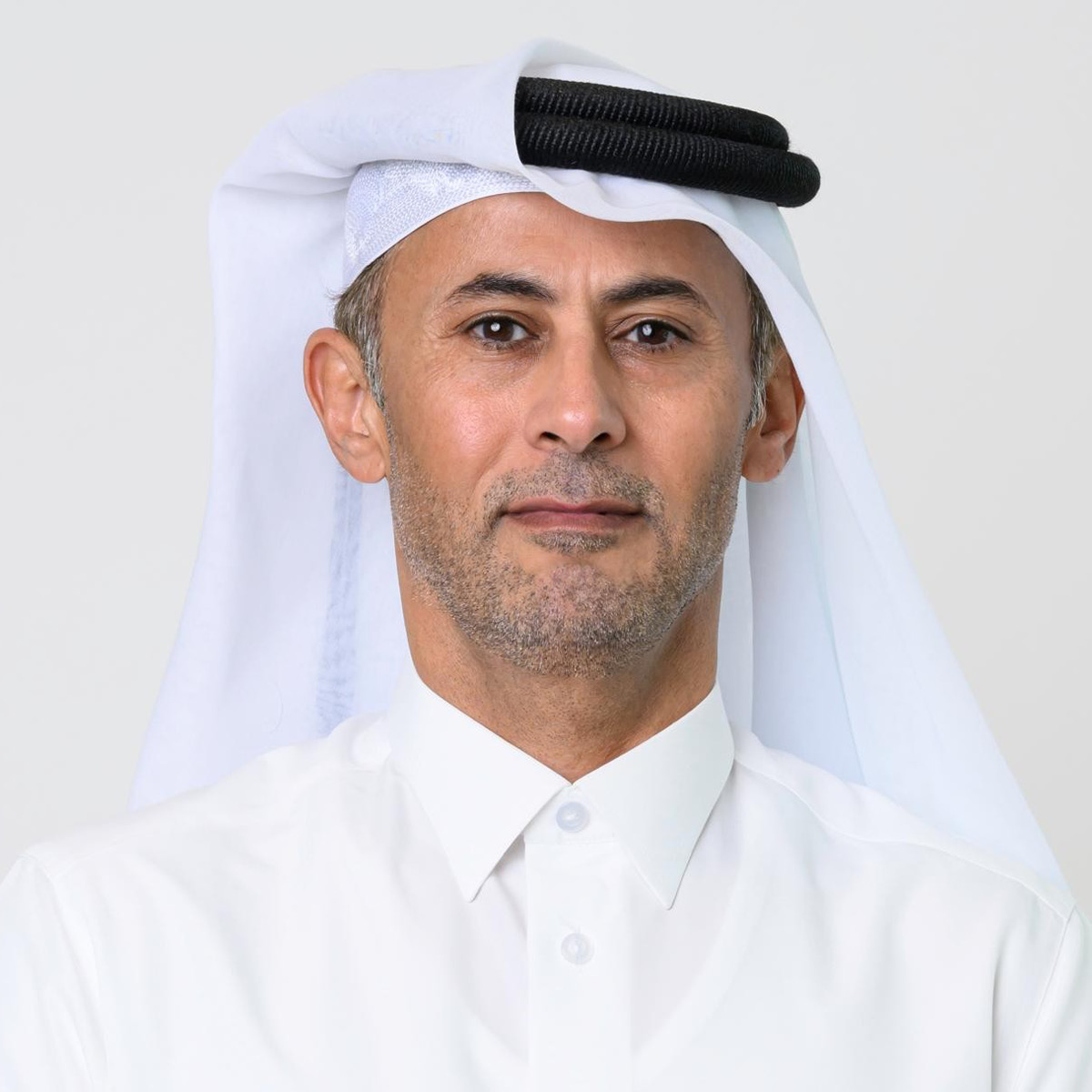
2. Mohammed bin Khalifa Al Suwaidi
Hamad Medical Corporation (HMC)
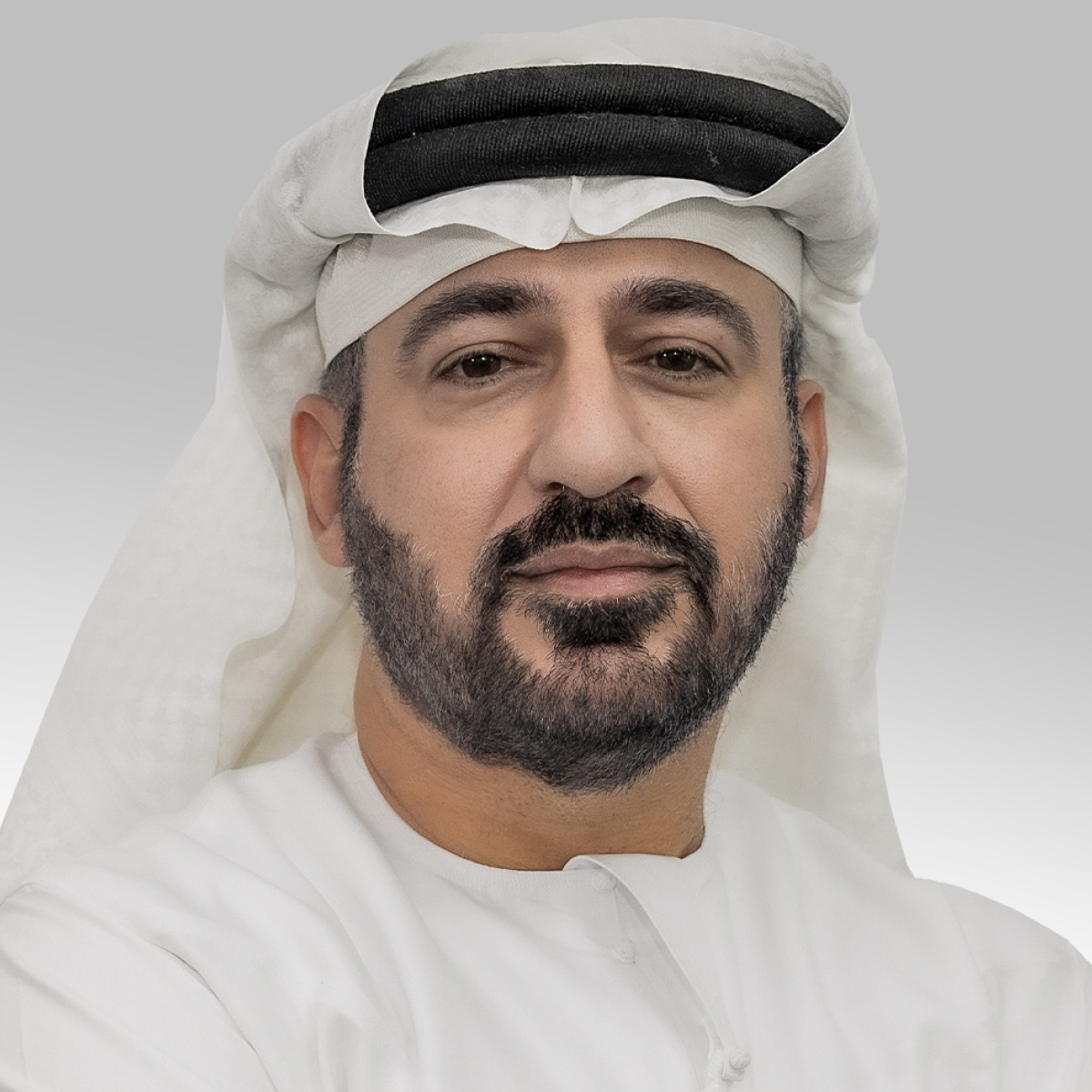
3. Saeed Jaber Al Kuwaiti
SEHA
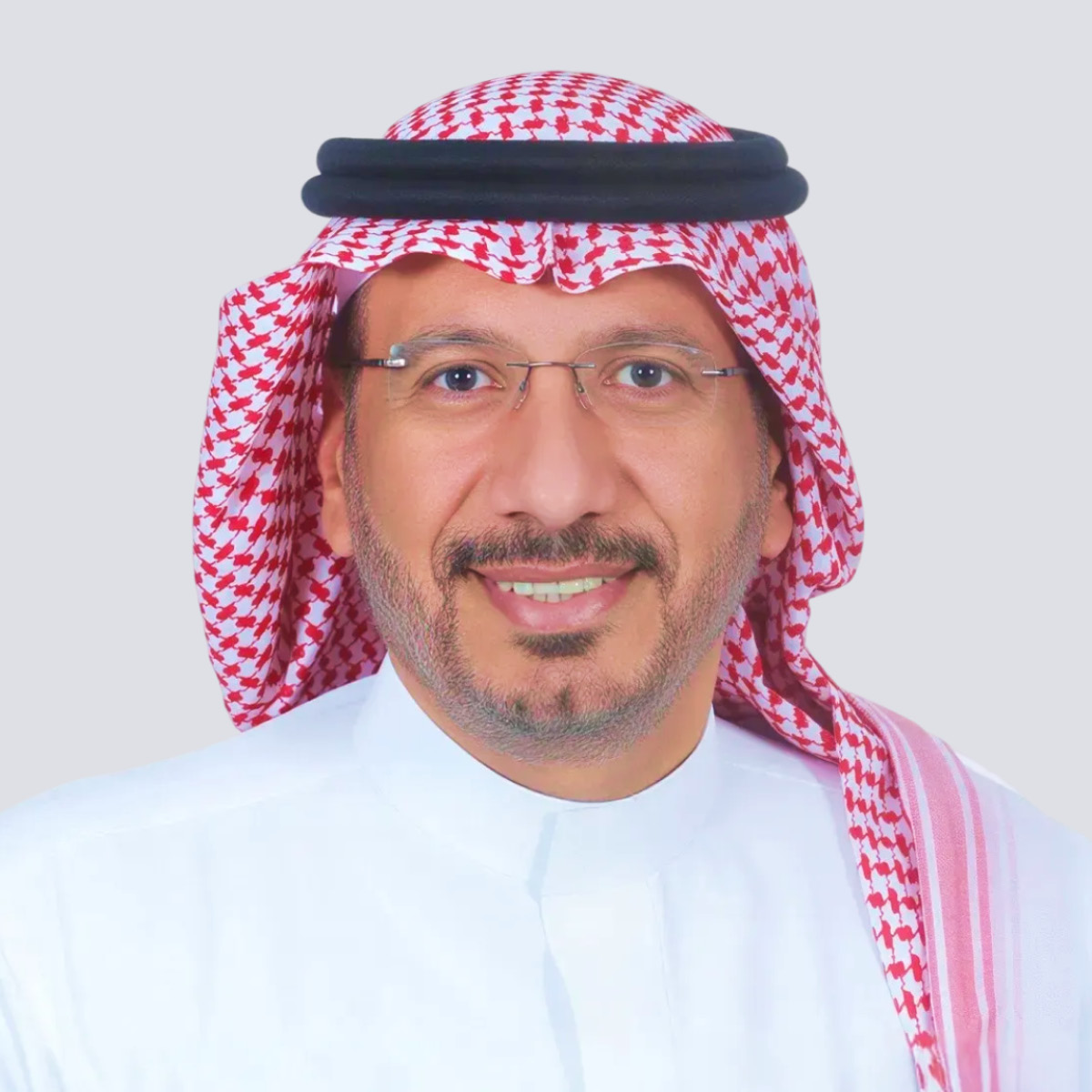
4. Majid Alfayyadh
King Faisal Specialist Hospital & Research Centre (KFSH)
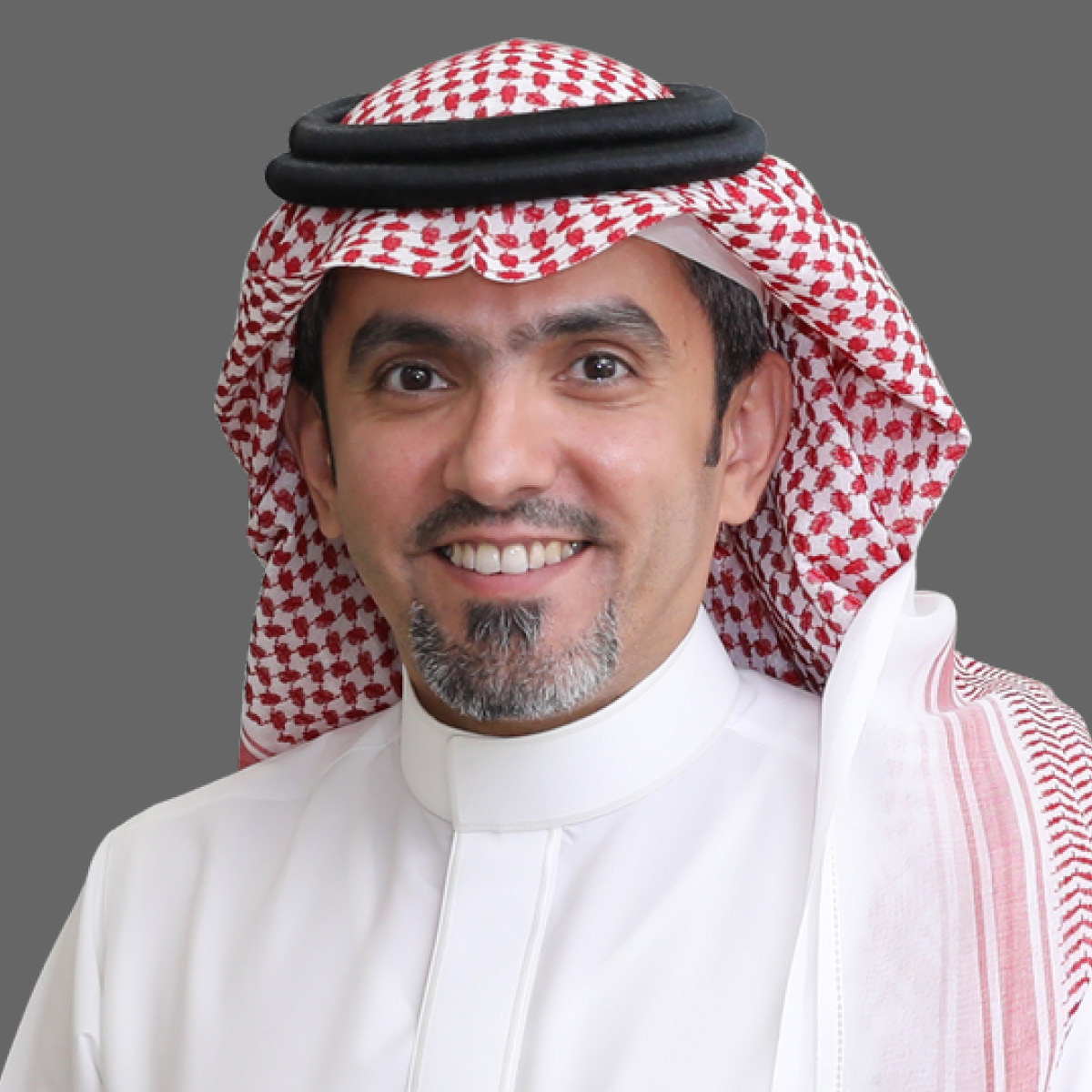
5. Faisal Al Nassar
Dr. Sulaiman Al Habib Medical Services Group (HMG)
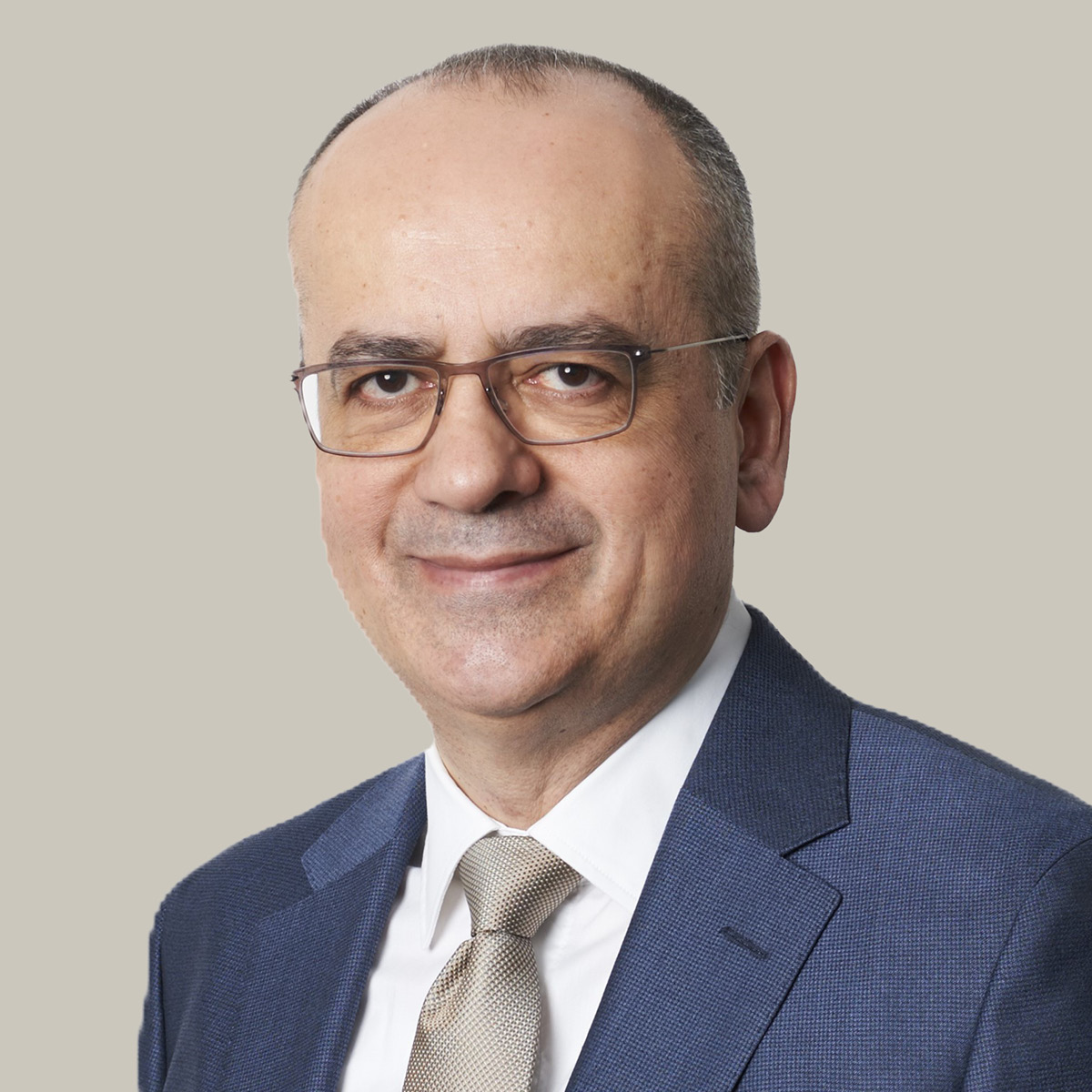
6. Dimitris Moulavasilis
M42
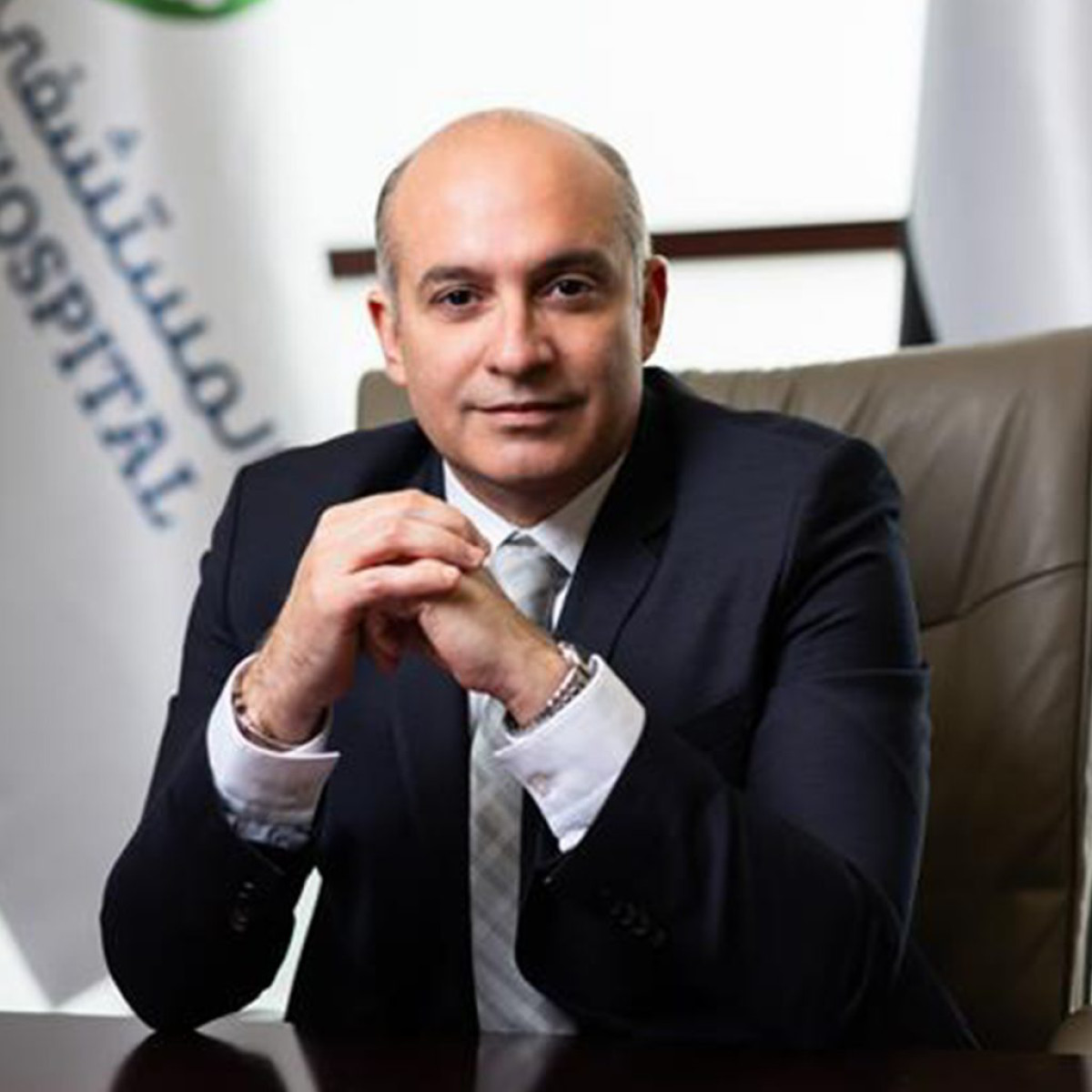
7. Sherif Beshara
American Hospital Dubai
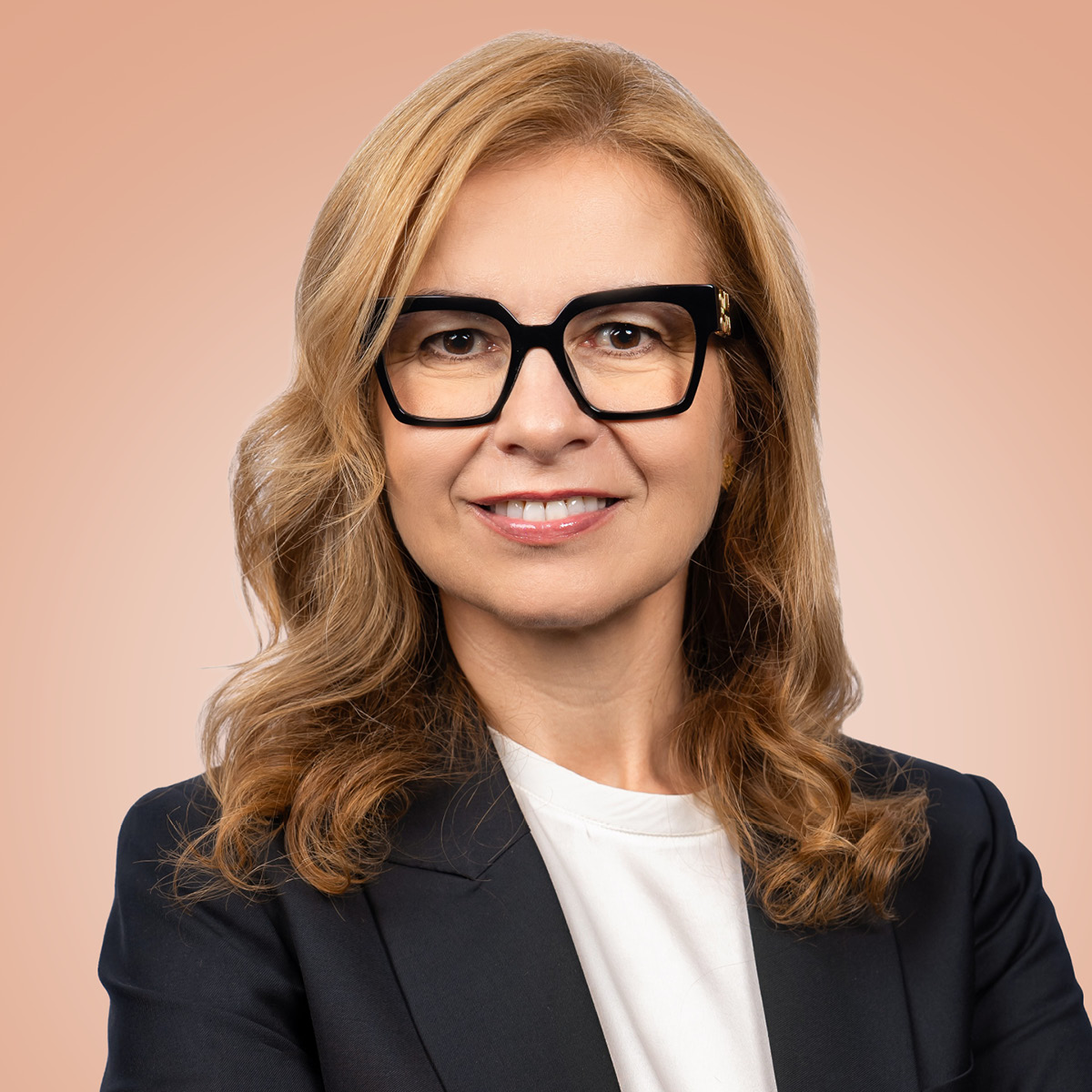
8. Isabel Afonso
Arcera Life Sciences
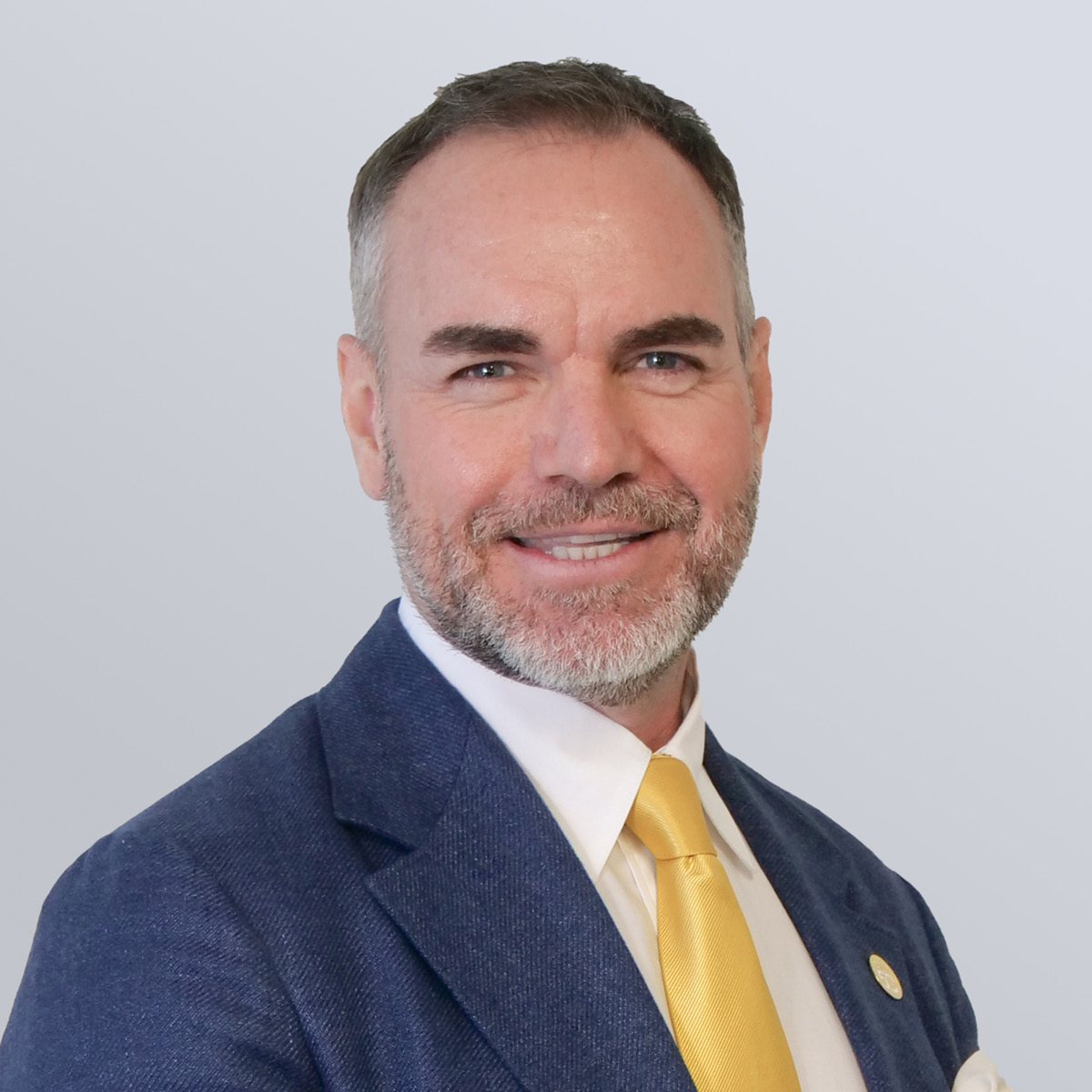
9. David Hadley
NMC Healthcare
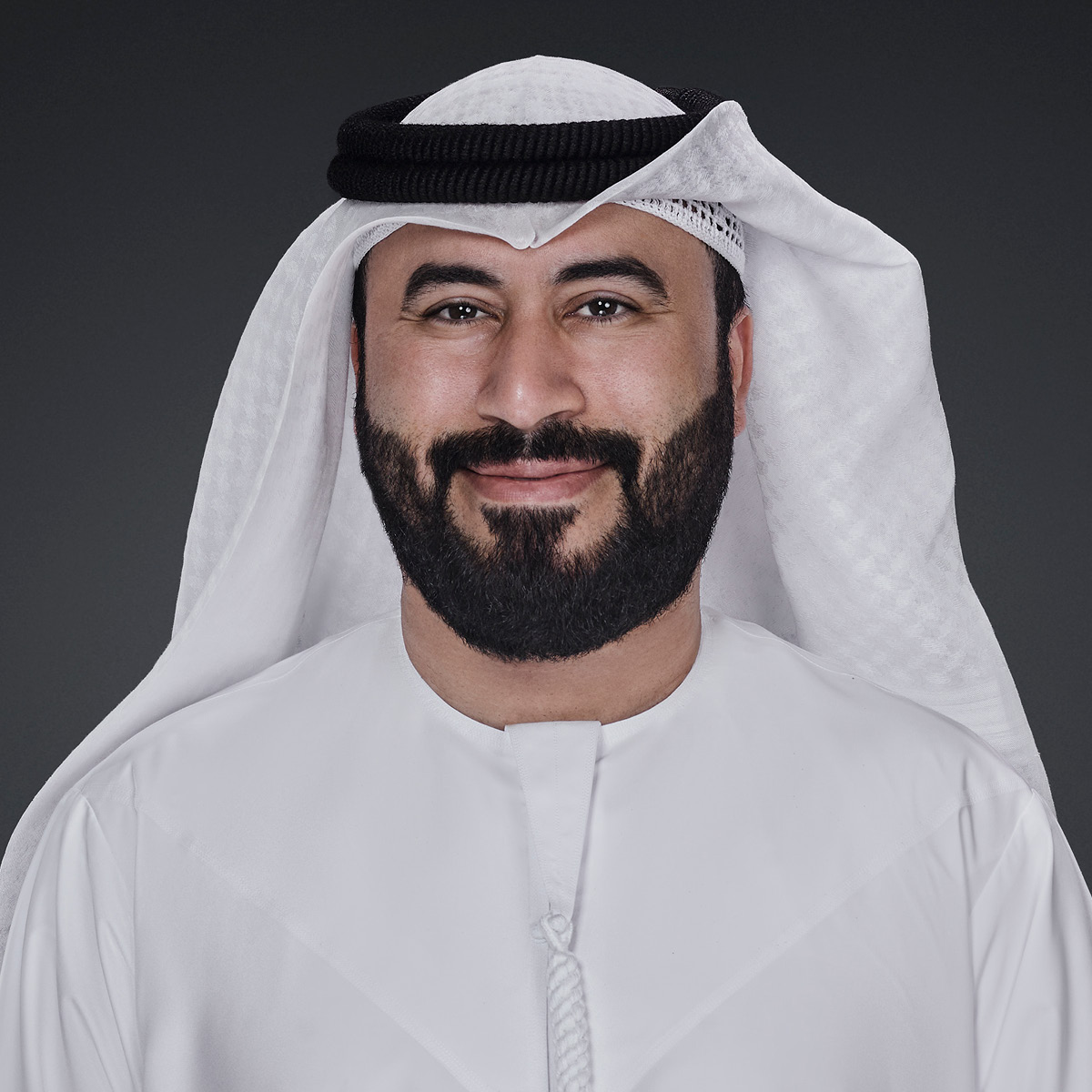
10. Khaled Ateeq Aldhaheri
The National Insurance Company – Daman
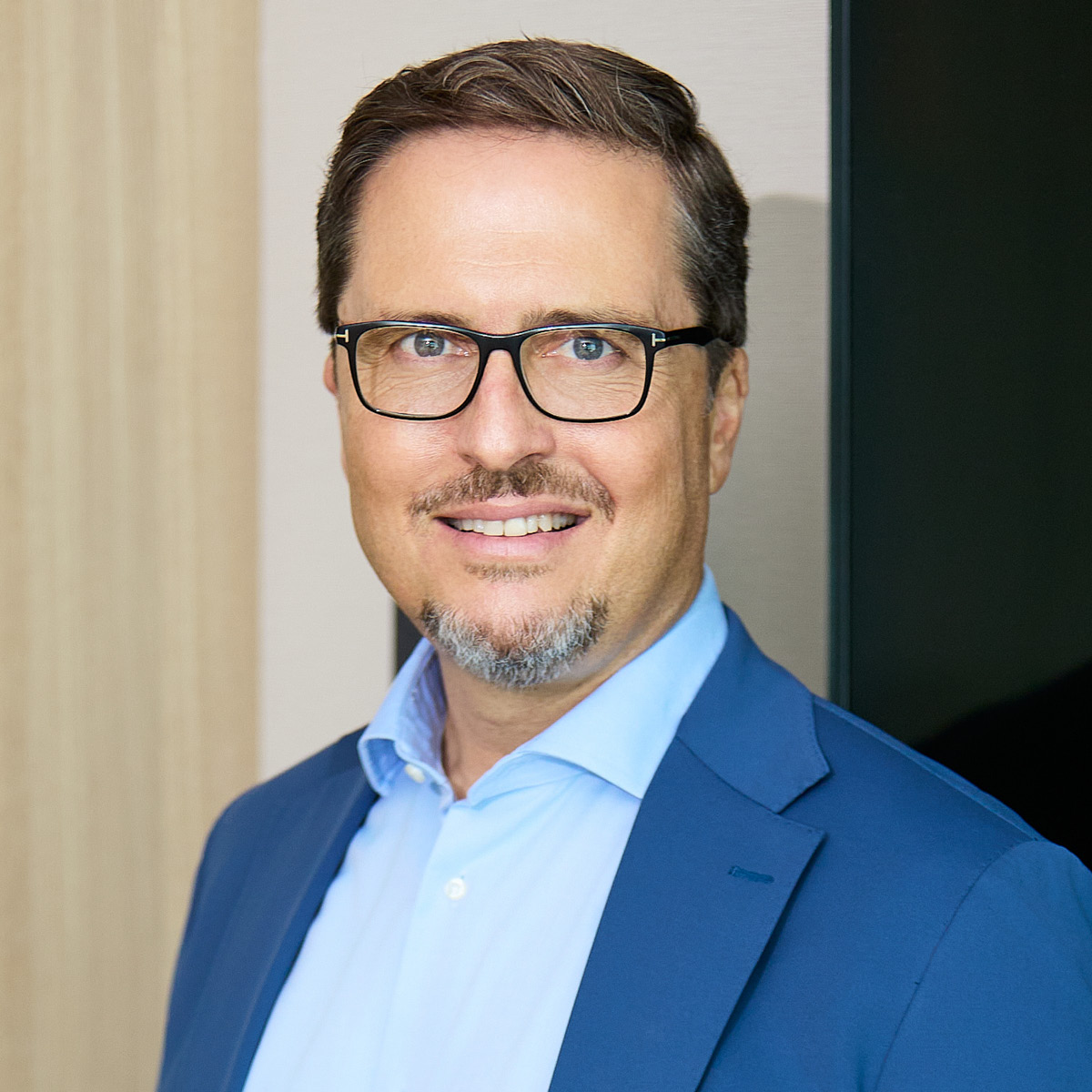
11. Hein van Eck
Mediclinic Middle East
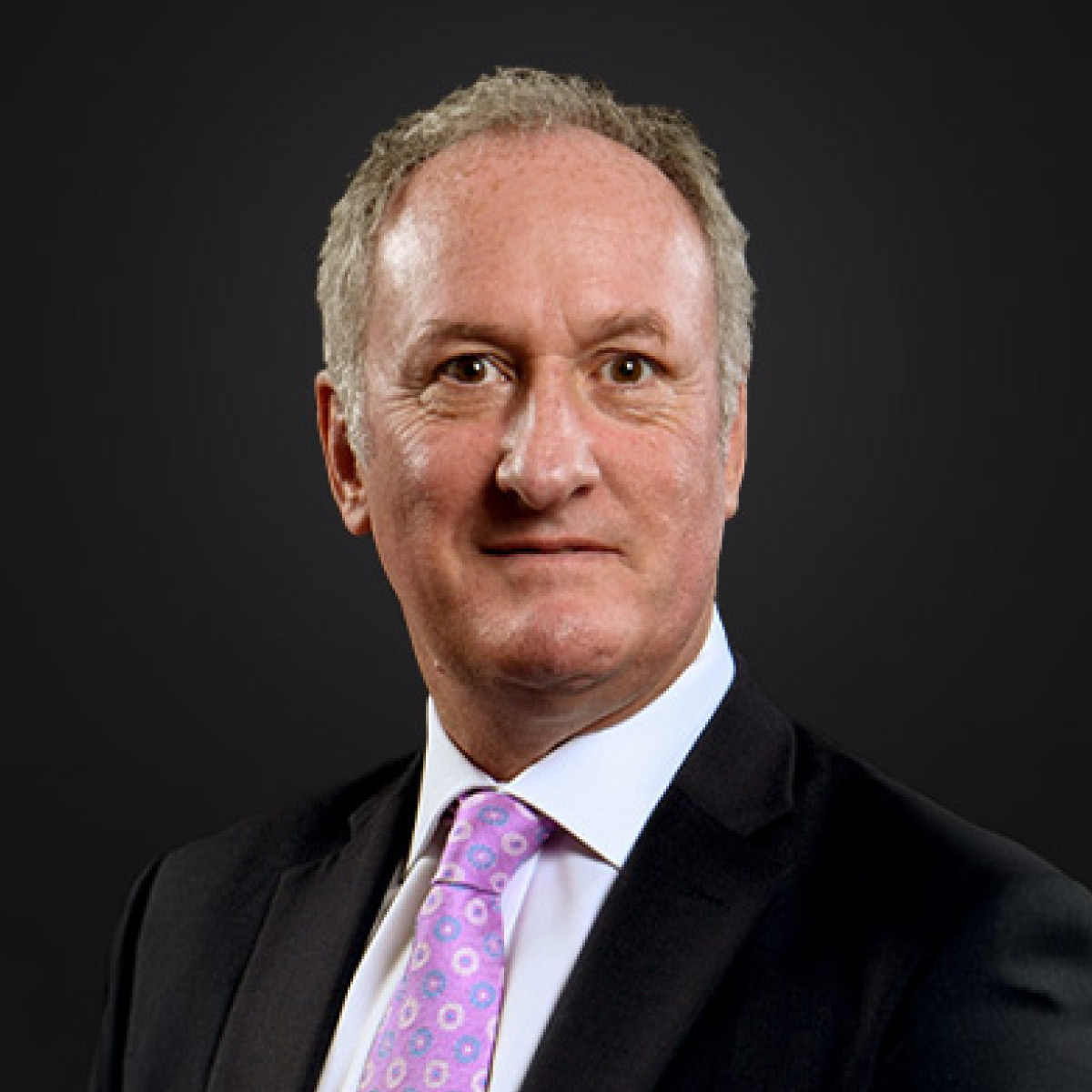
12. Joseph Hazel
Apex Health
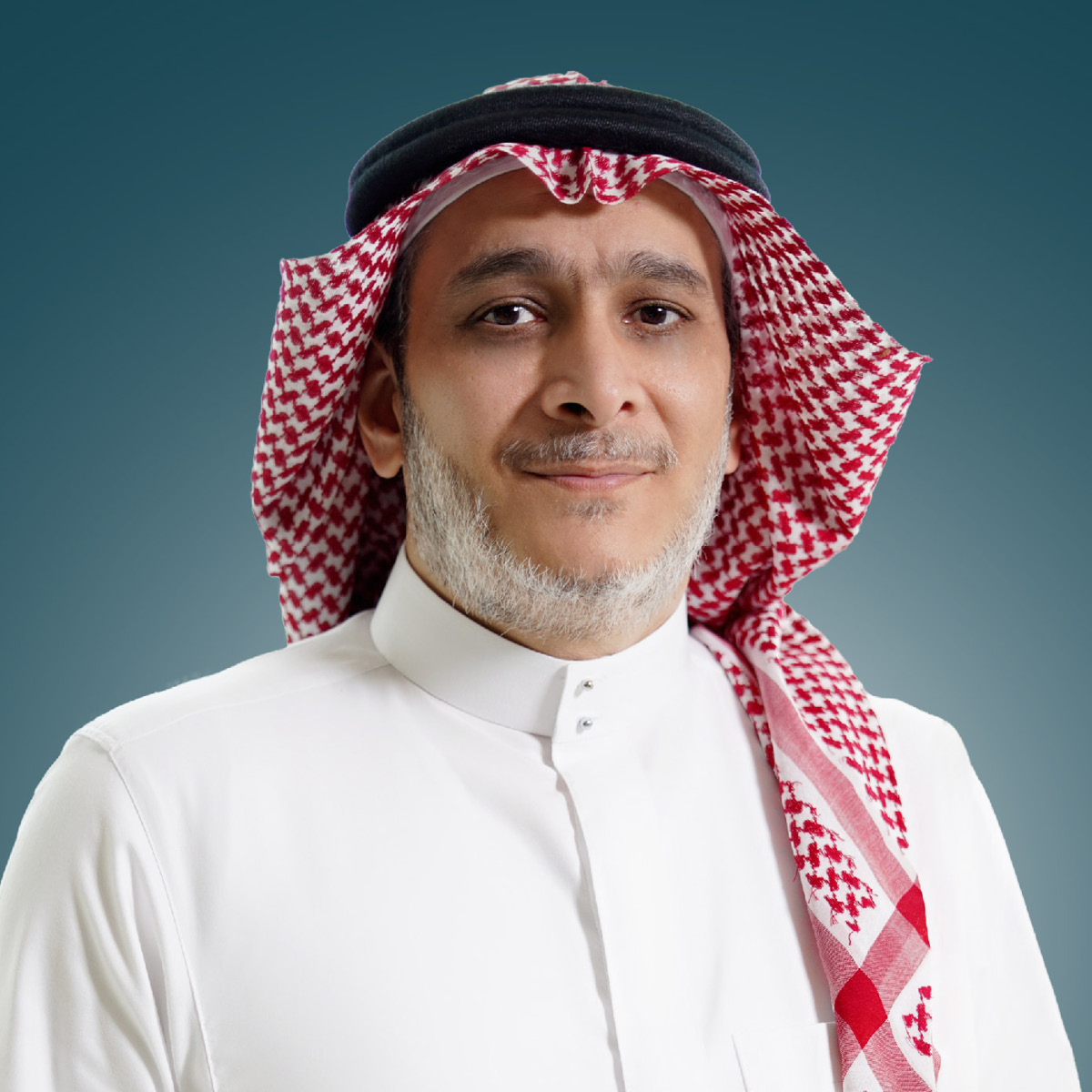
13. Yasser Joharji
Nahdi Medical Company
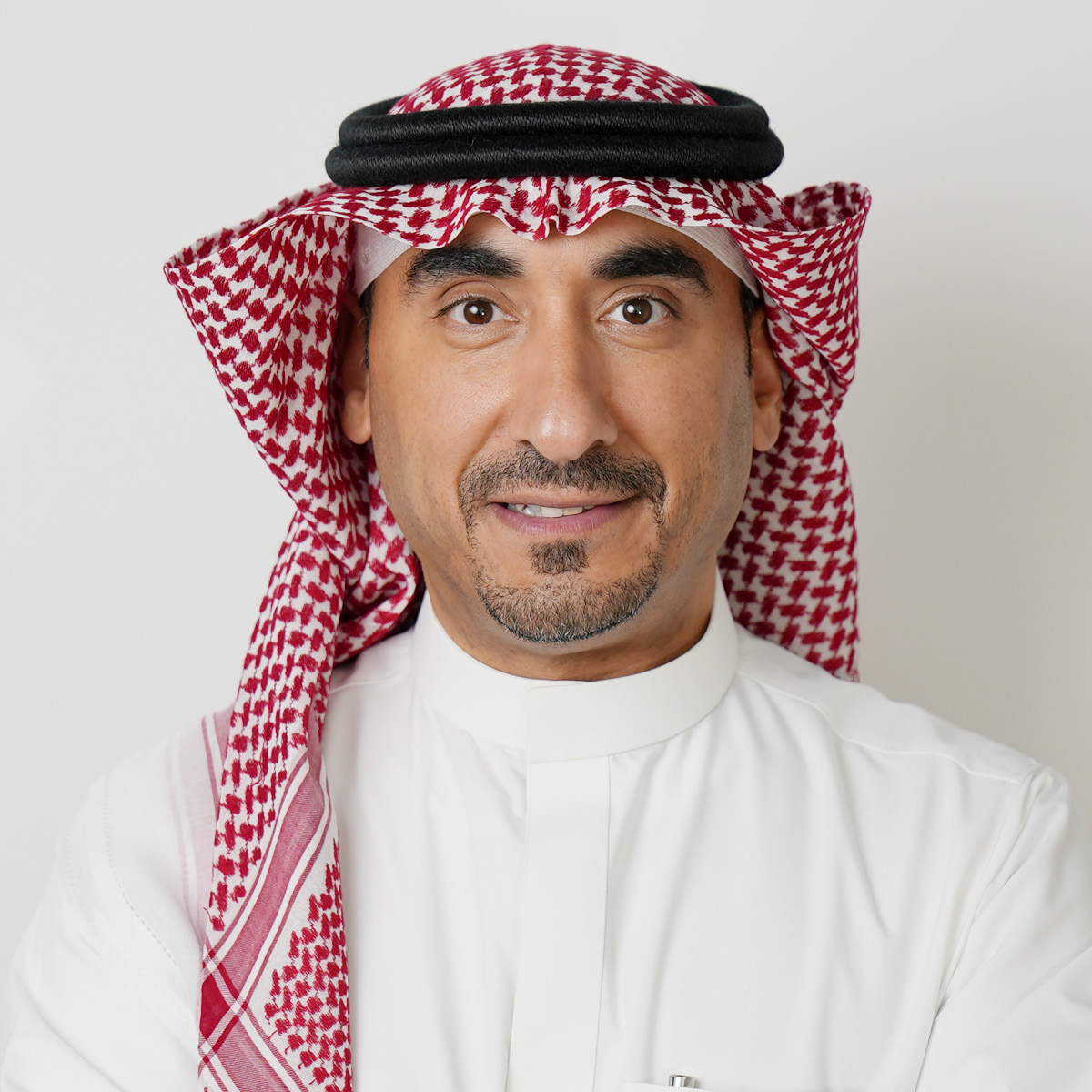
14. Fadi Al-Buhairan
Lifera
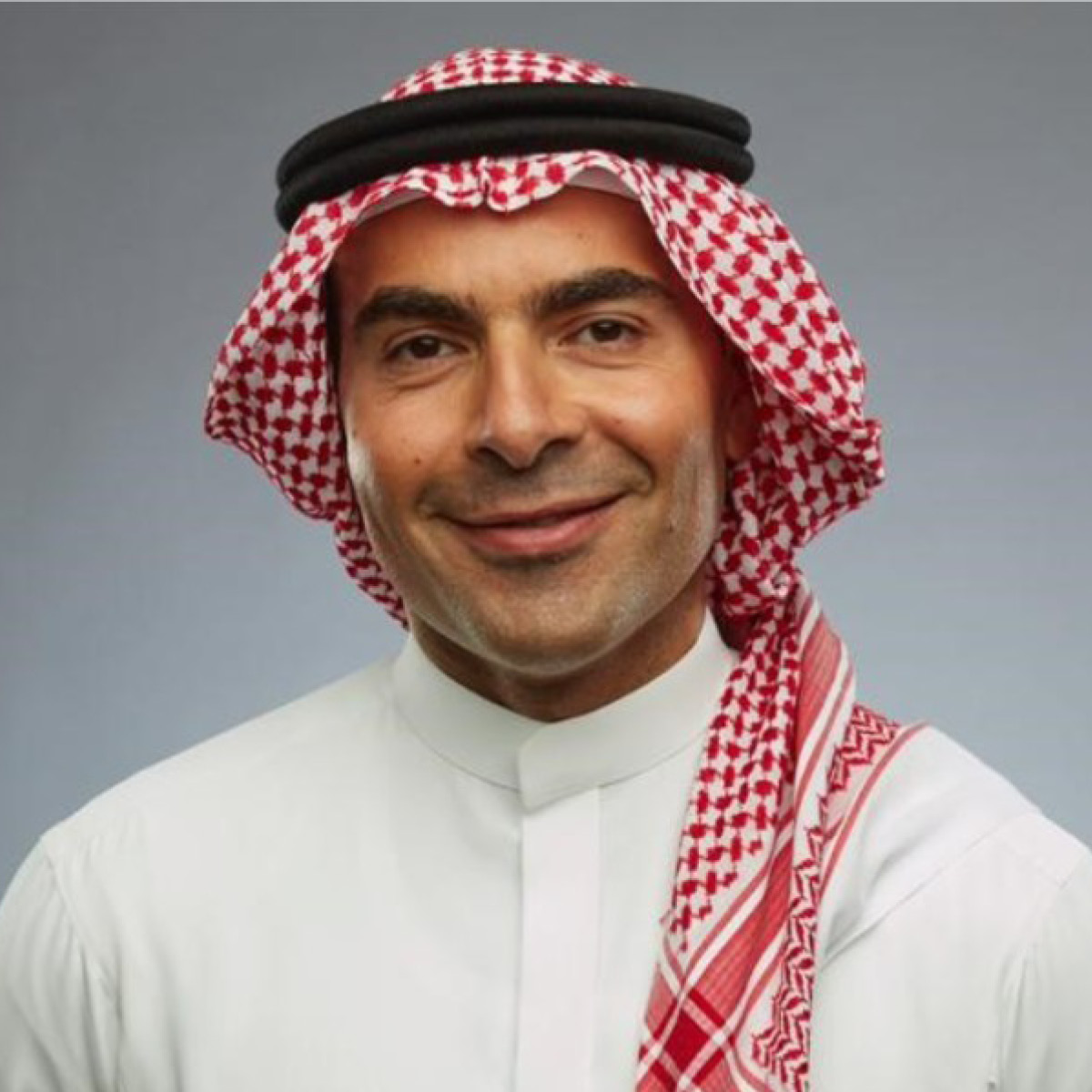
15. Tal Hisham Nazer
Bupa Arabia for Cooperative Insurance
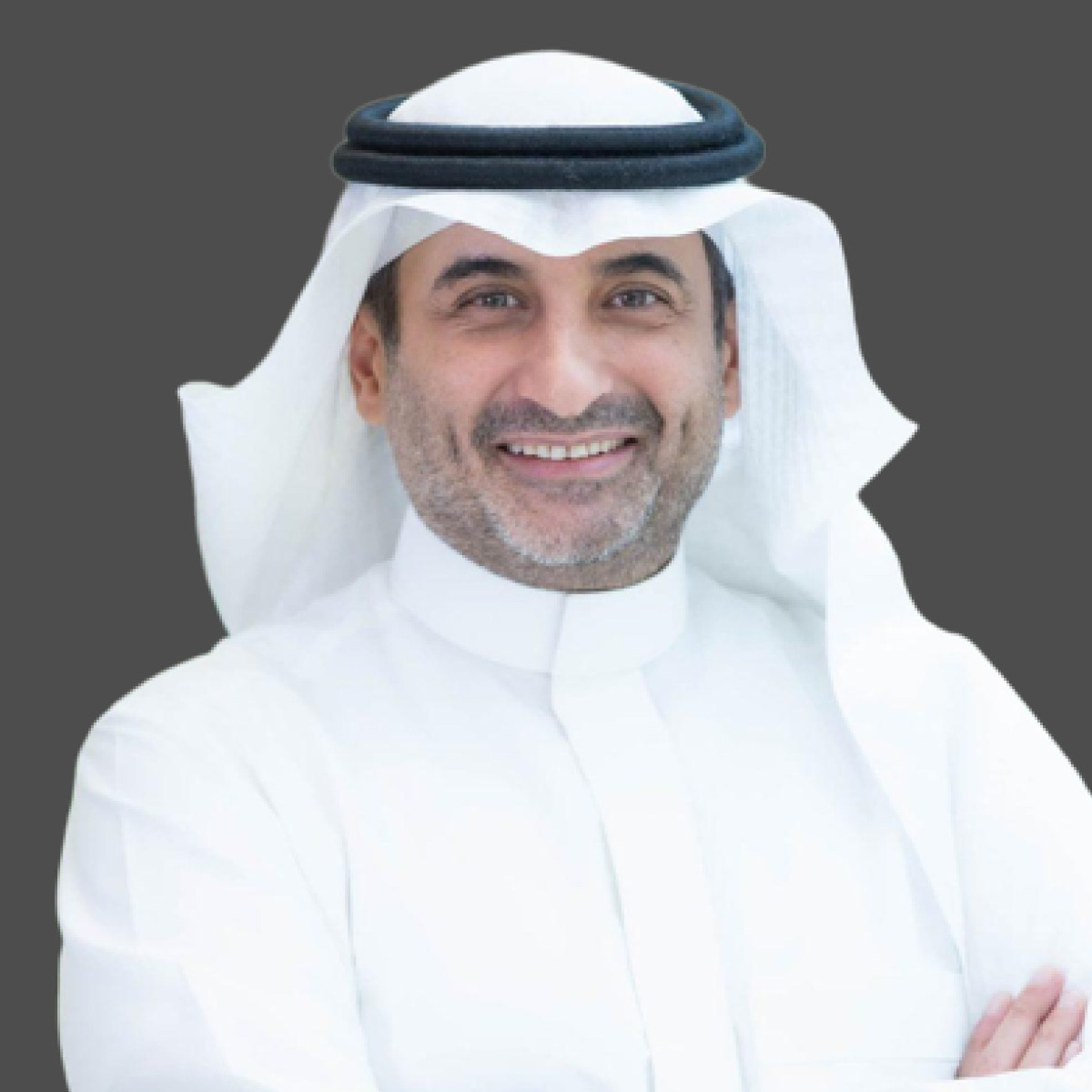
16. Ahmed Bin Hamdan Aljedai
SPIMACO
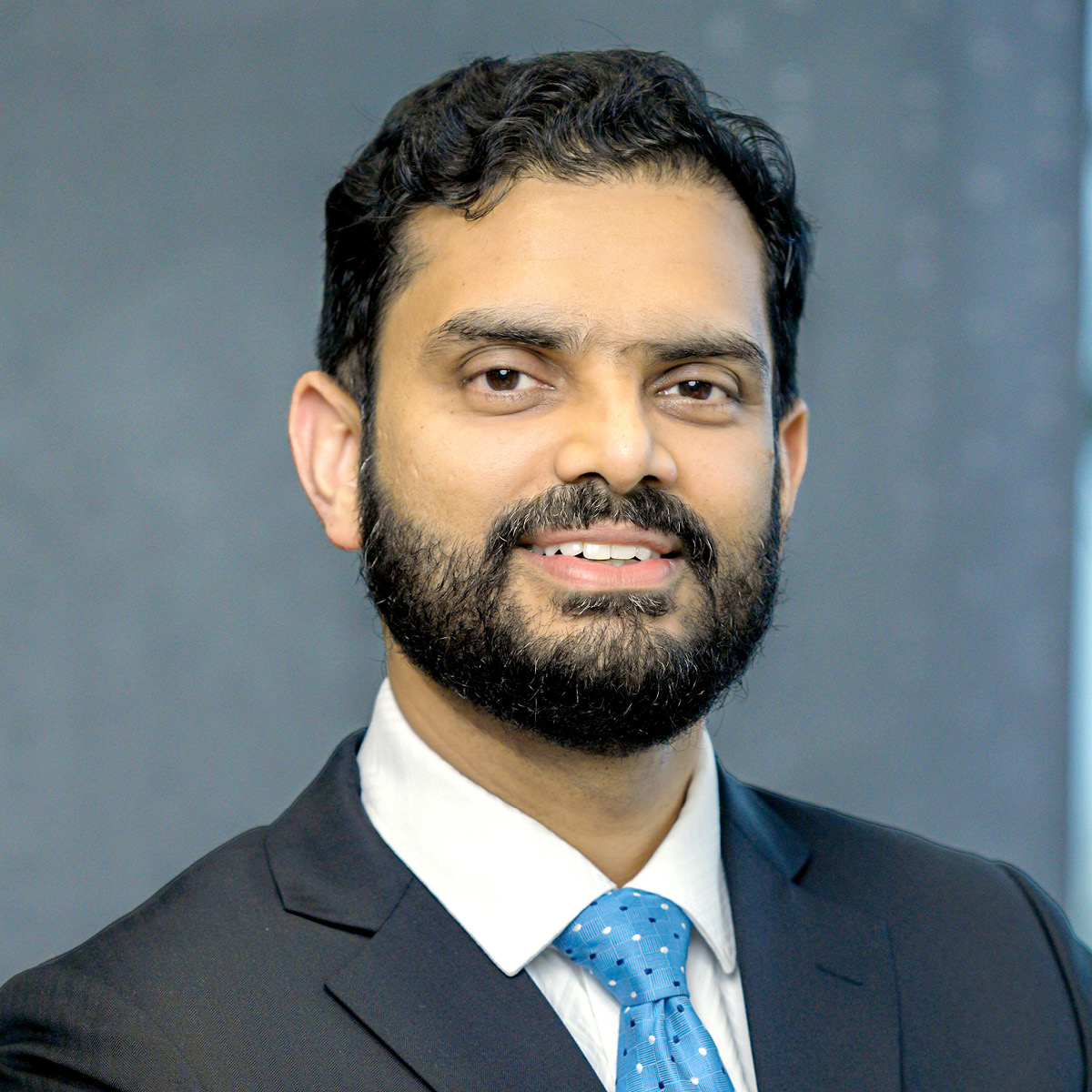
17. Sherbaz Bichu
Aster Hospitals & Clinics
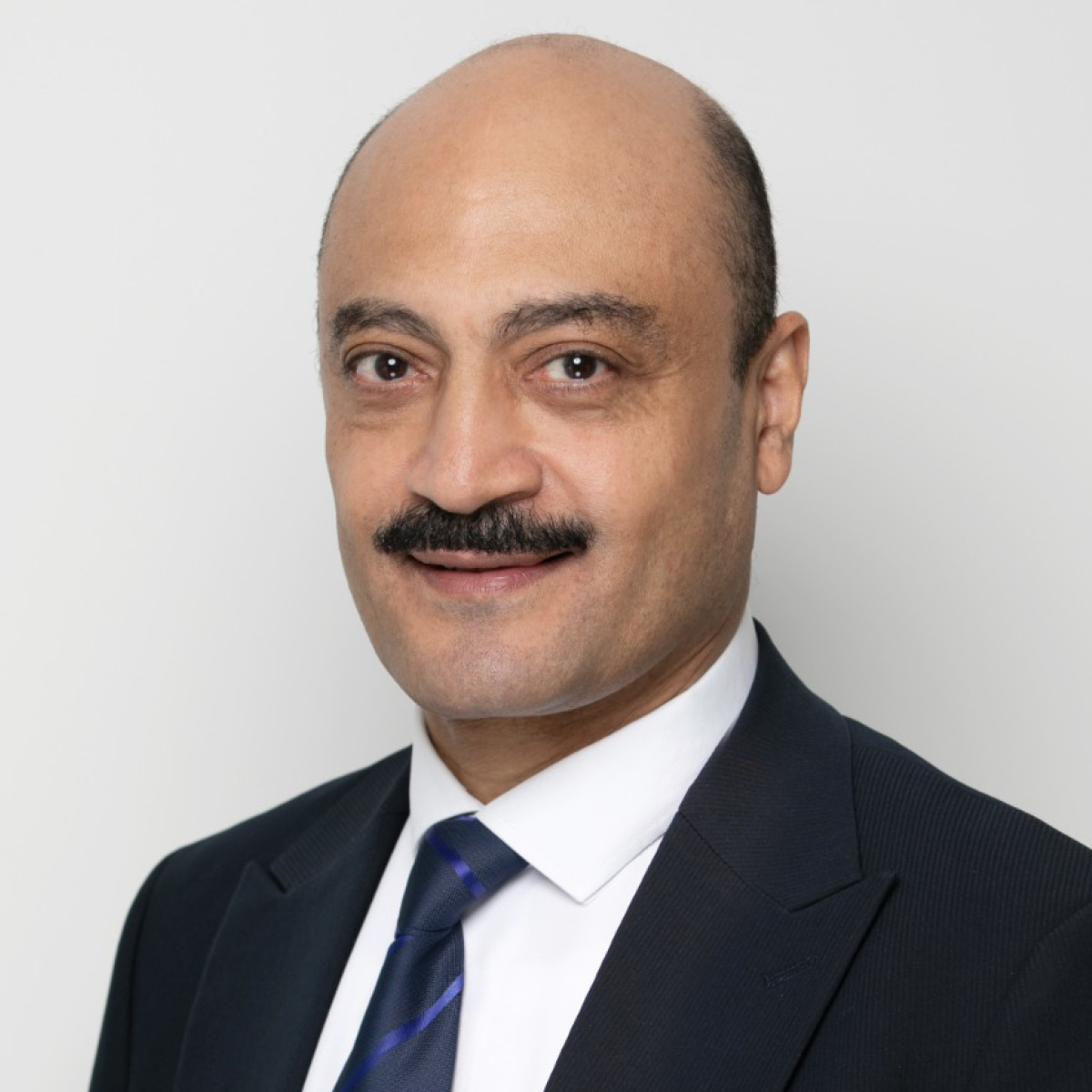
18. Essam Mohamed
Mubadala Bio
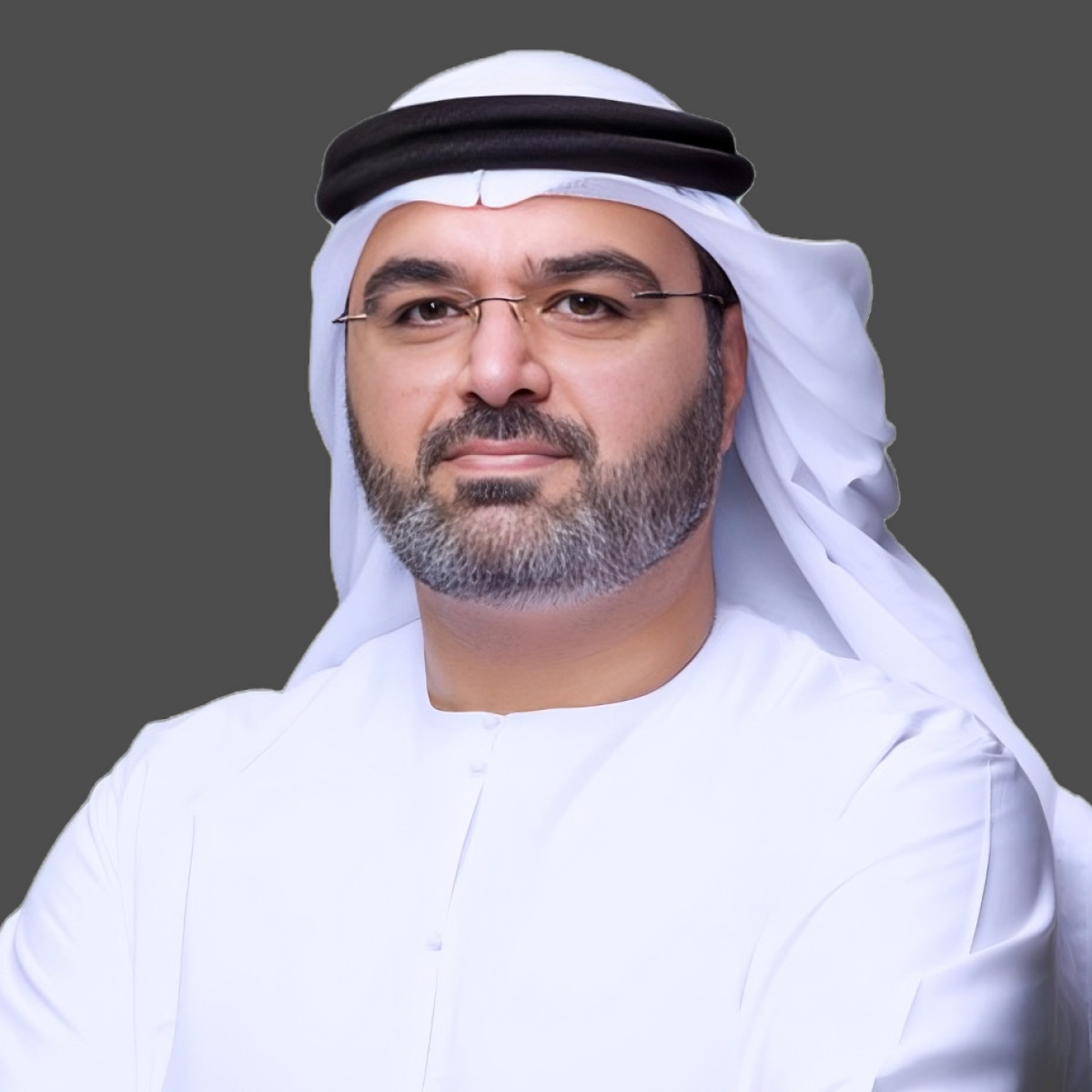
19. Fahed Al Marzooqi
Integrated Health Solutions Platform—M42
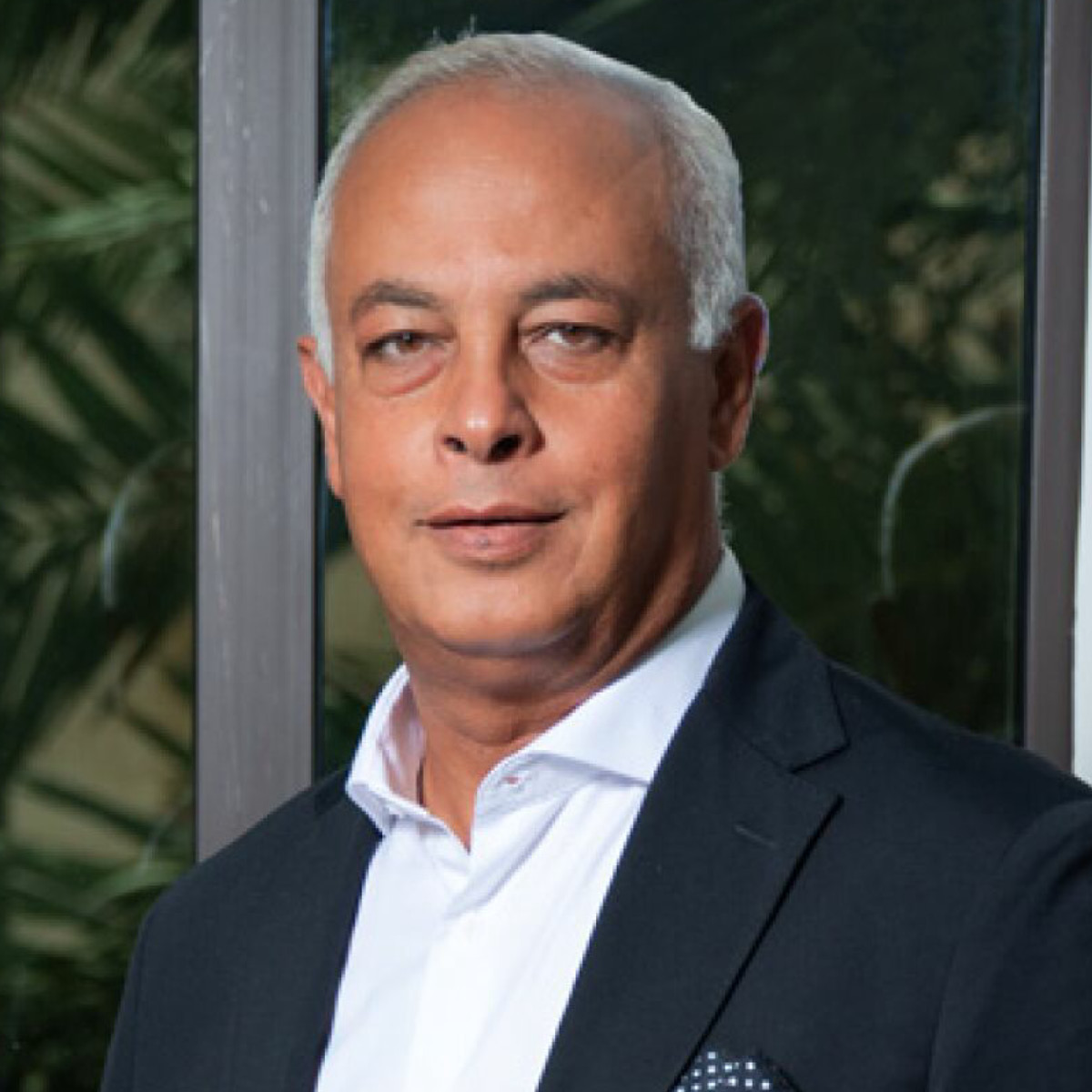
20. Tarek Youssef Hosni
Jamjoom Pharma
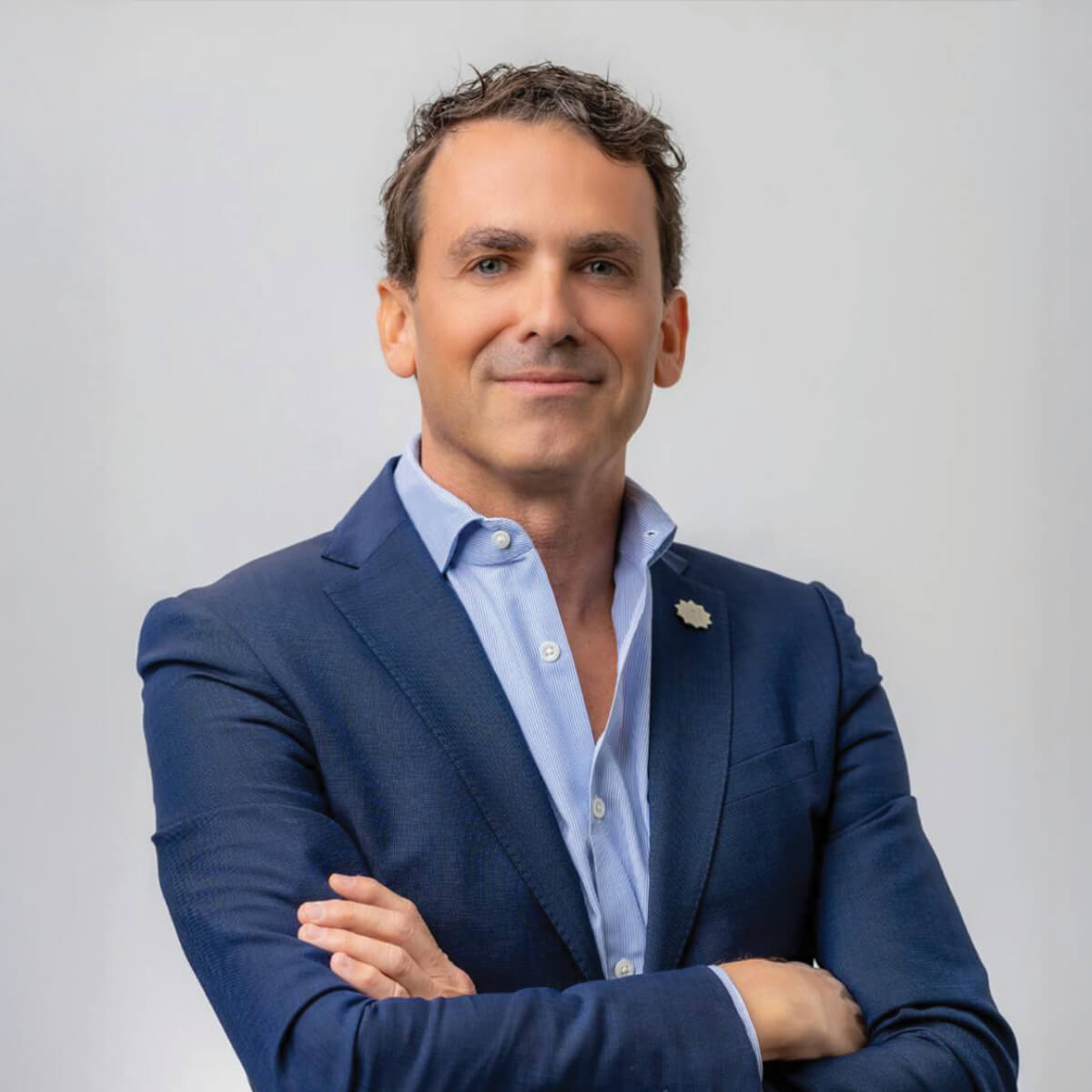
21. Dimitri Livadas
Saudi Chemical Company Holding
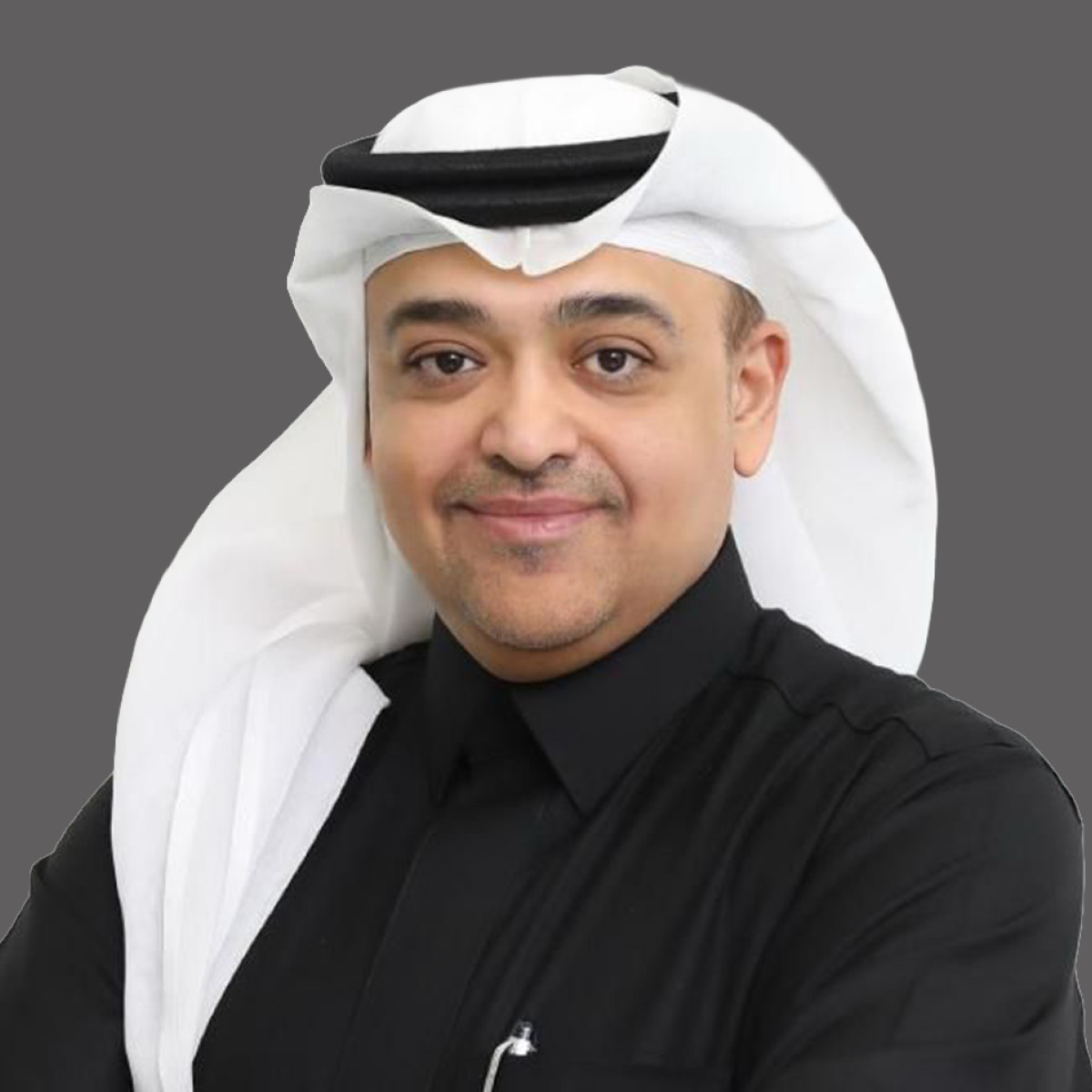
22. Awad Al-Omari
Al Mana Medical Group
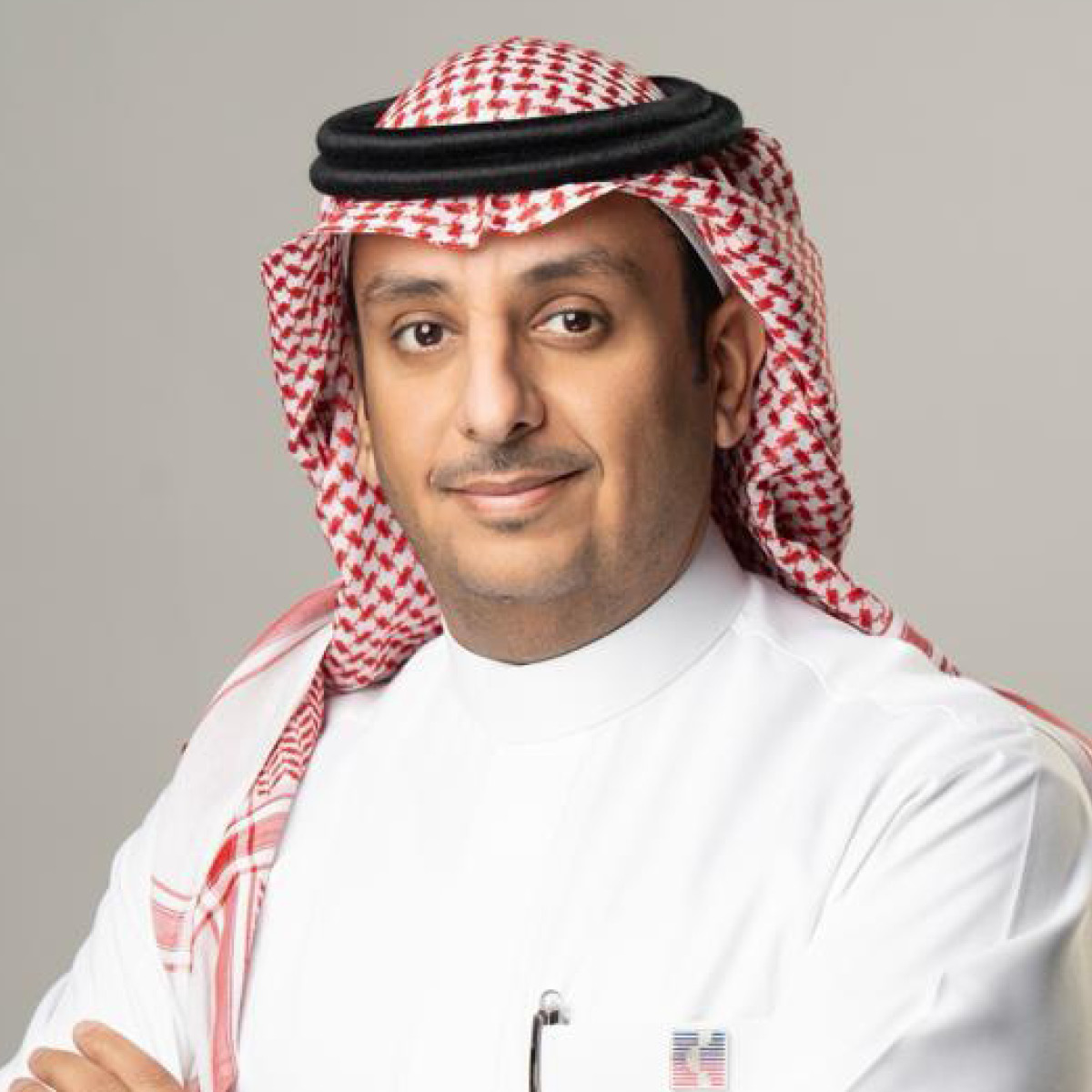
23. Mohanned Alrasheed
Lean Business Services
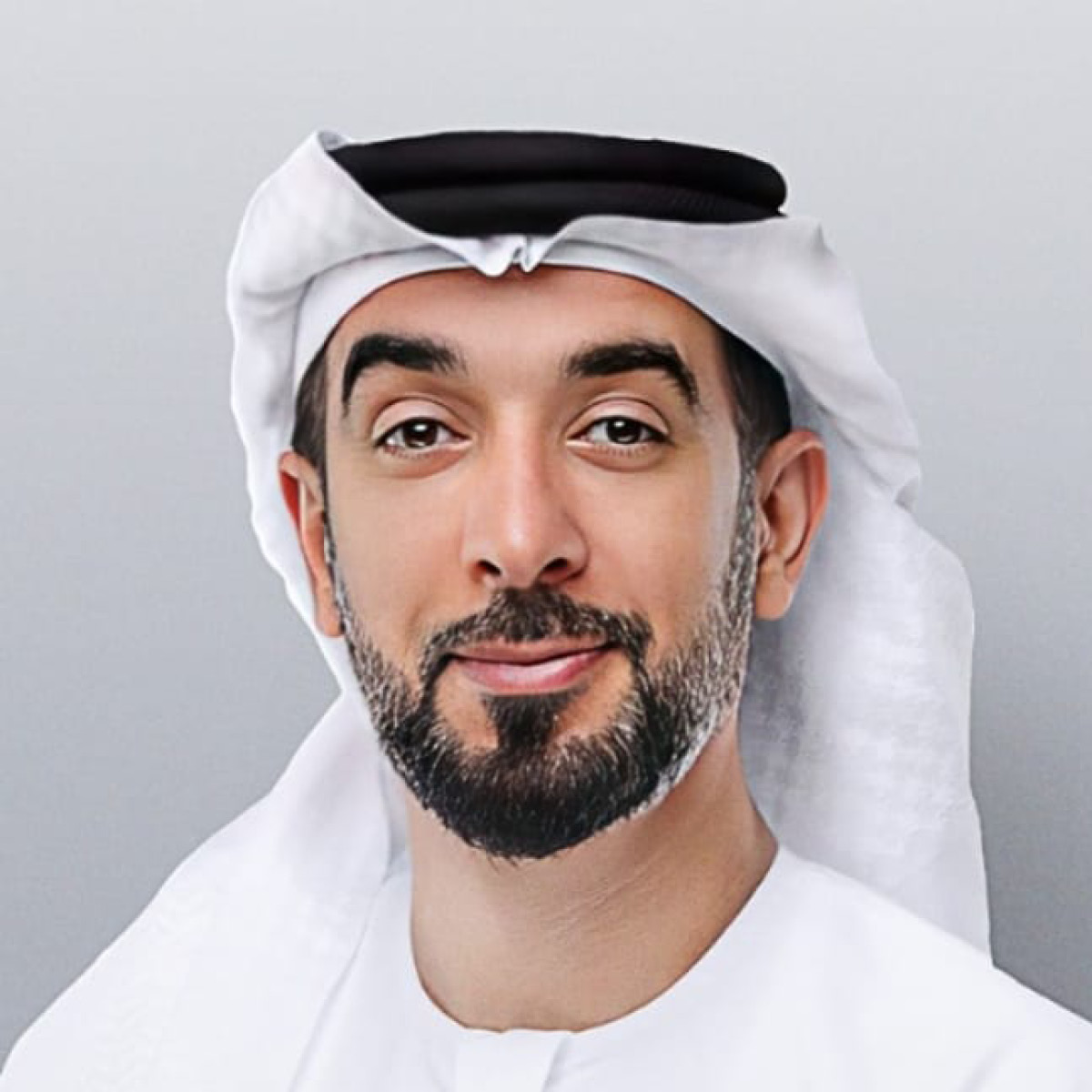
24. Omran Alkhoori
Response Plus Holding (RPM)
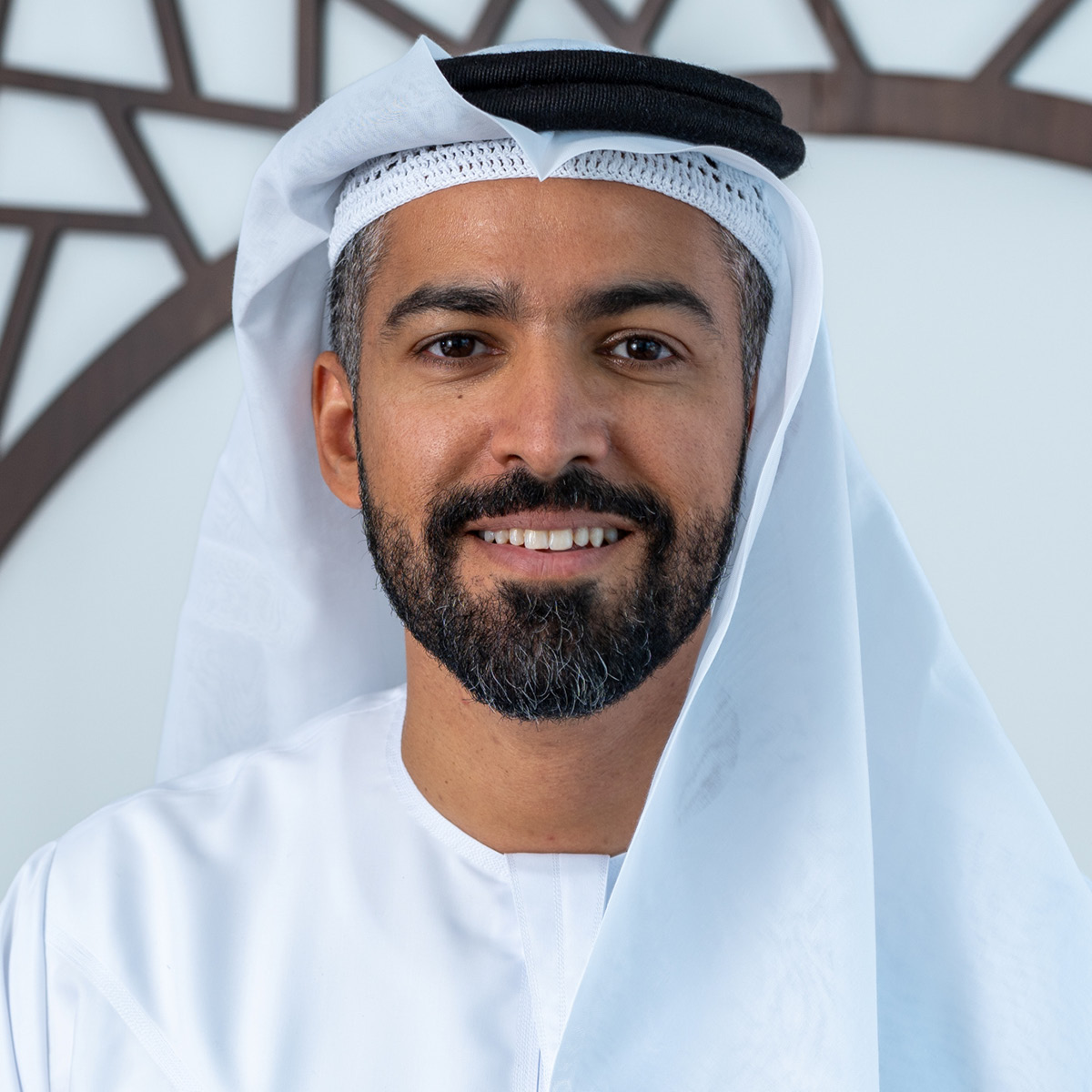
25. Naser Al Yammahi
Hayat Biotech
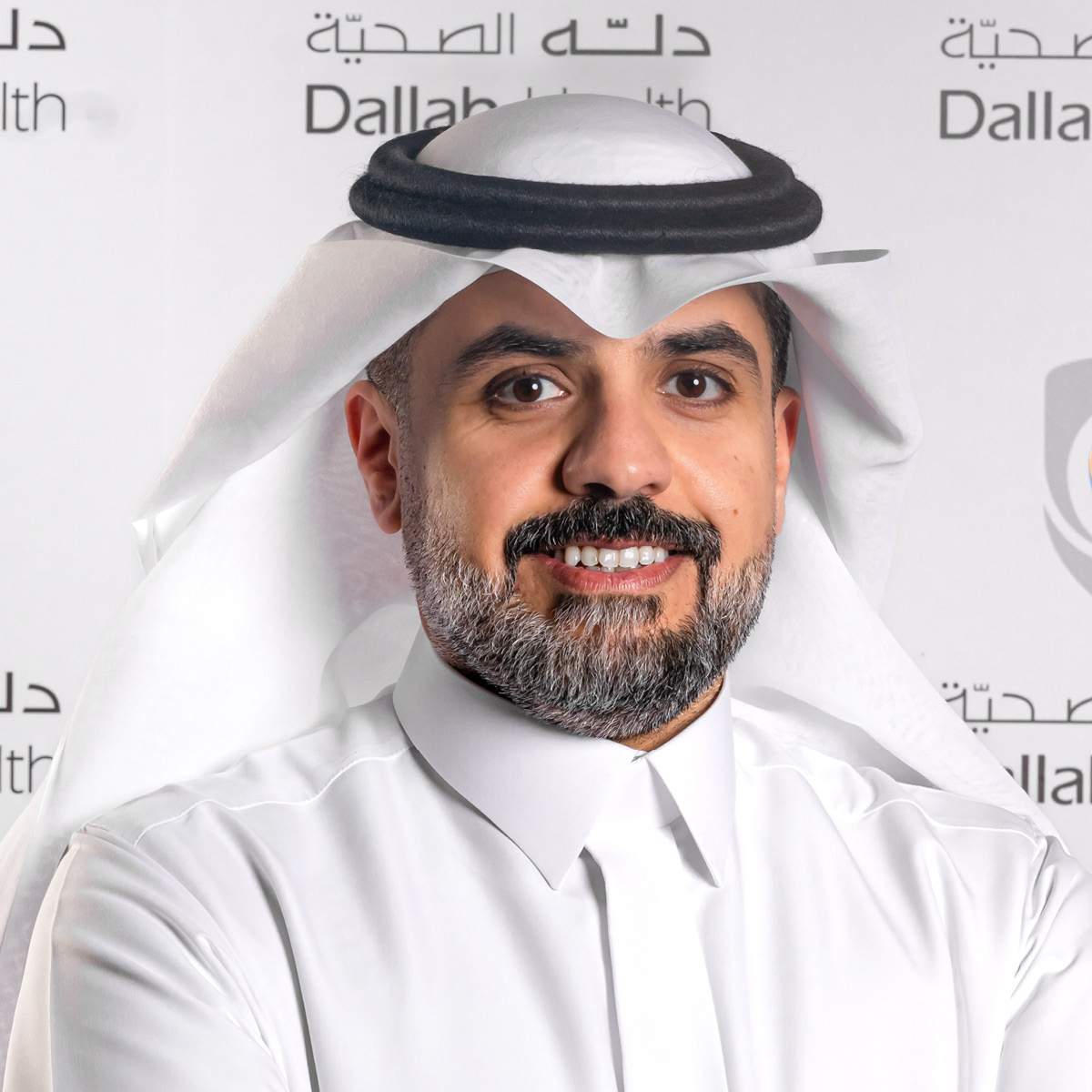
26. Muteab Altukeas
Dallah Health
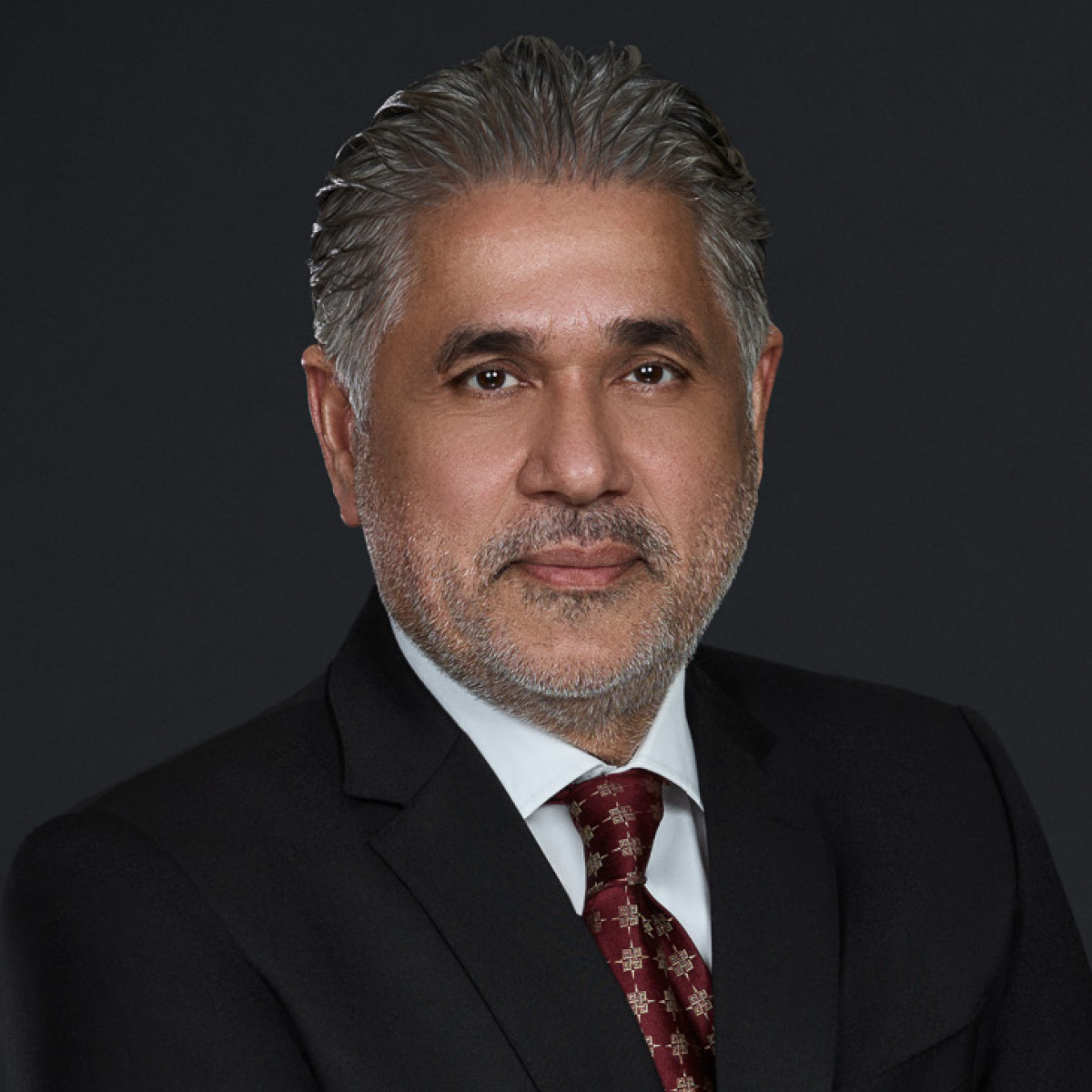
27. Mohammad Mustafa Saeed
Rafed Healthcare Supplies
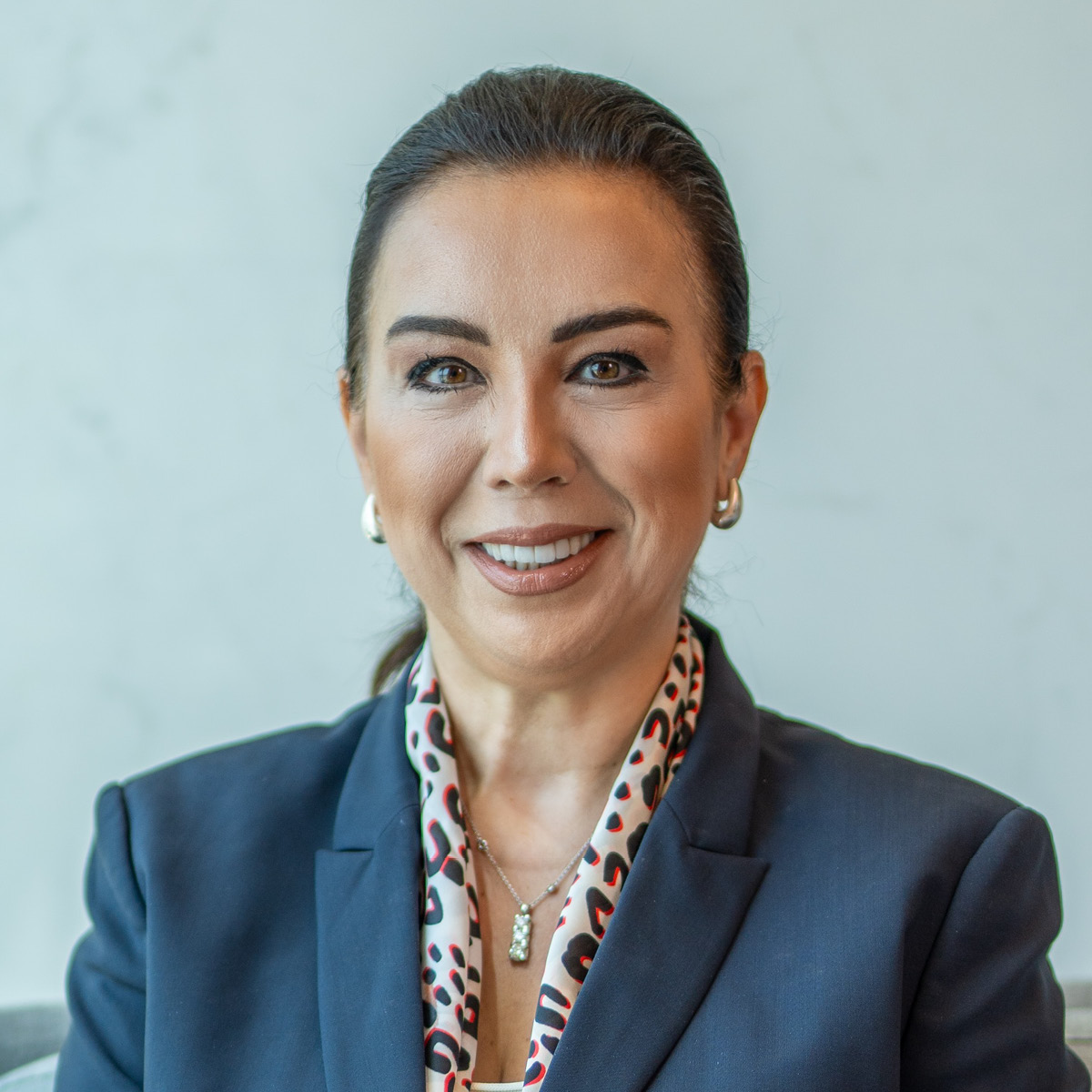
28. Pelin Incesu
AstraZeneca
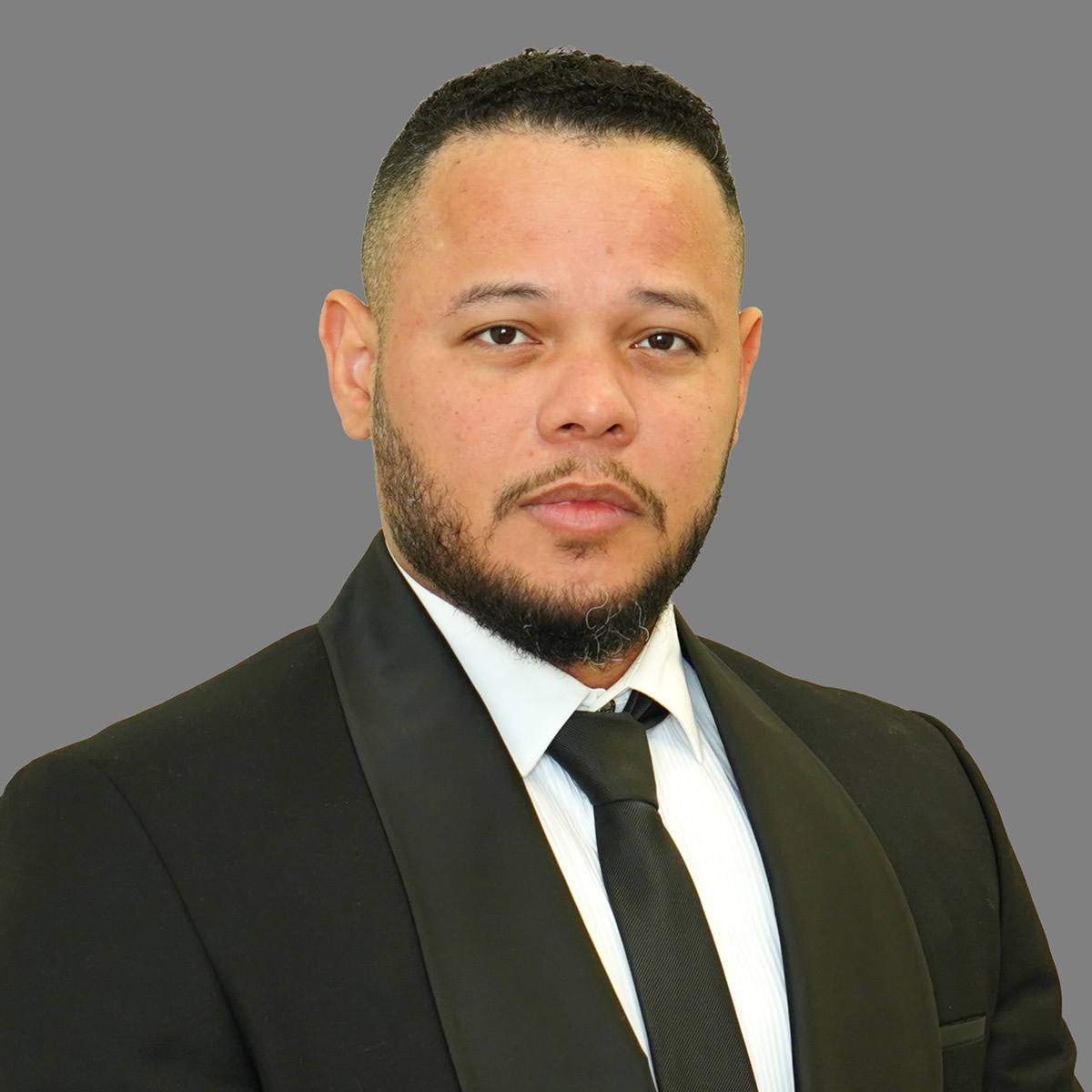
29. Yendry Ventura
Abu Dhabi Stem Cells Center (ADSCC)
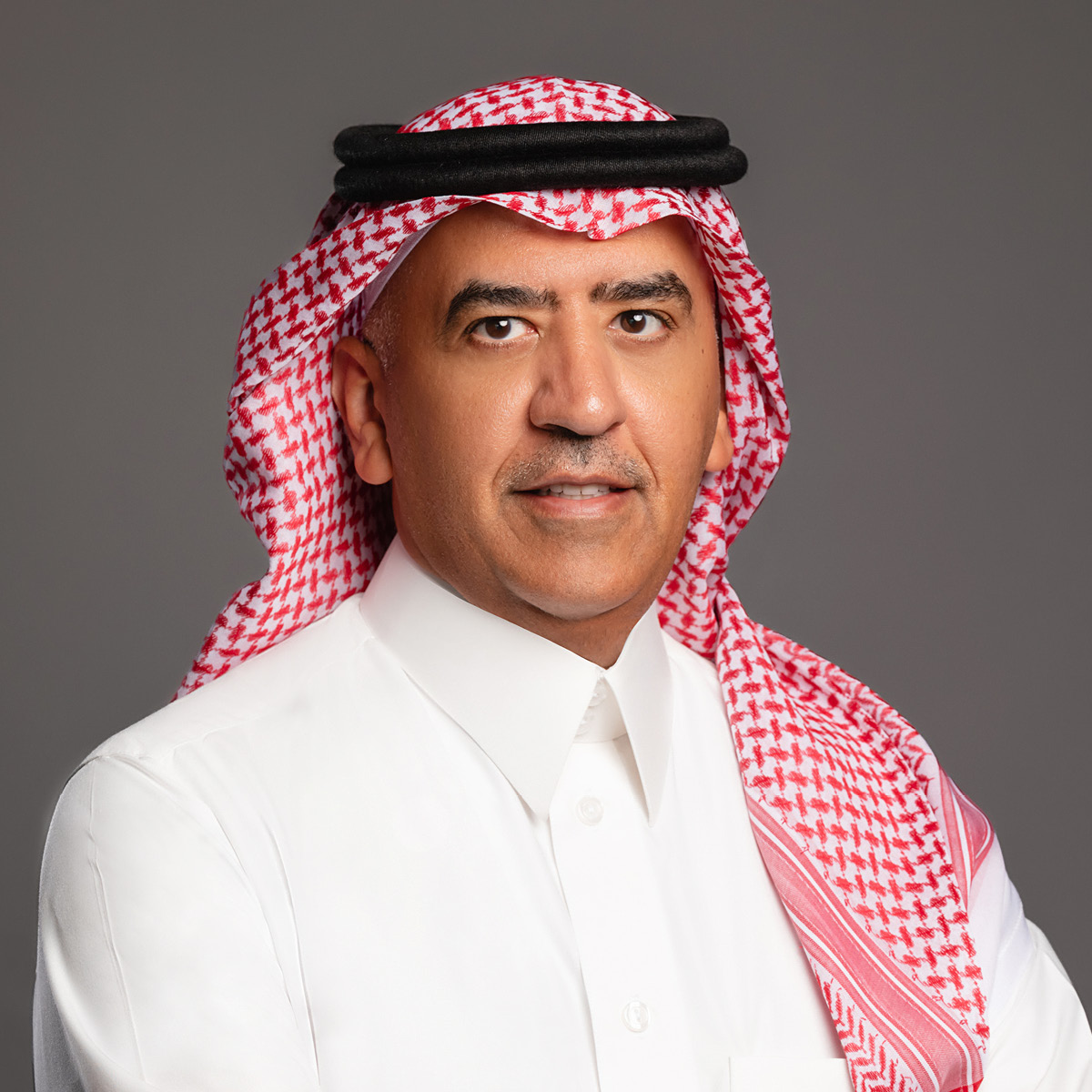
30. Fahad Al Shebel
National Unified Procurement Company (nupco)
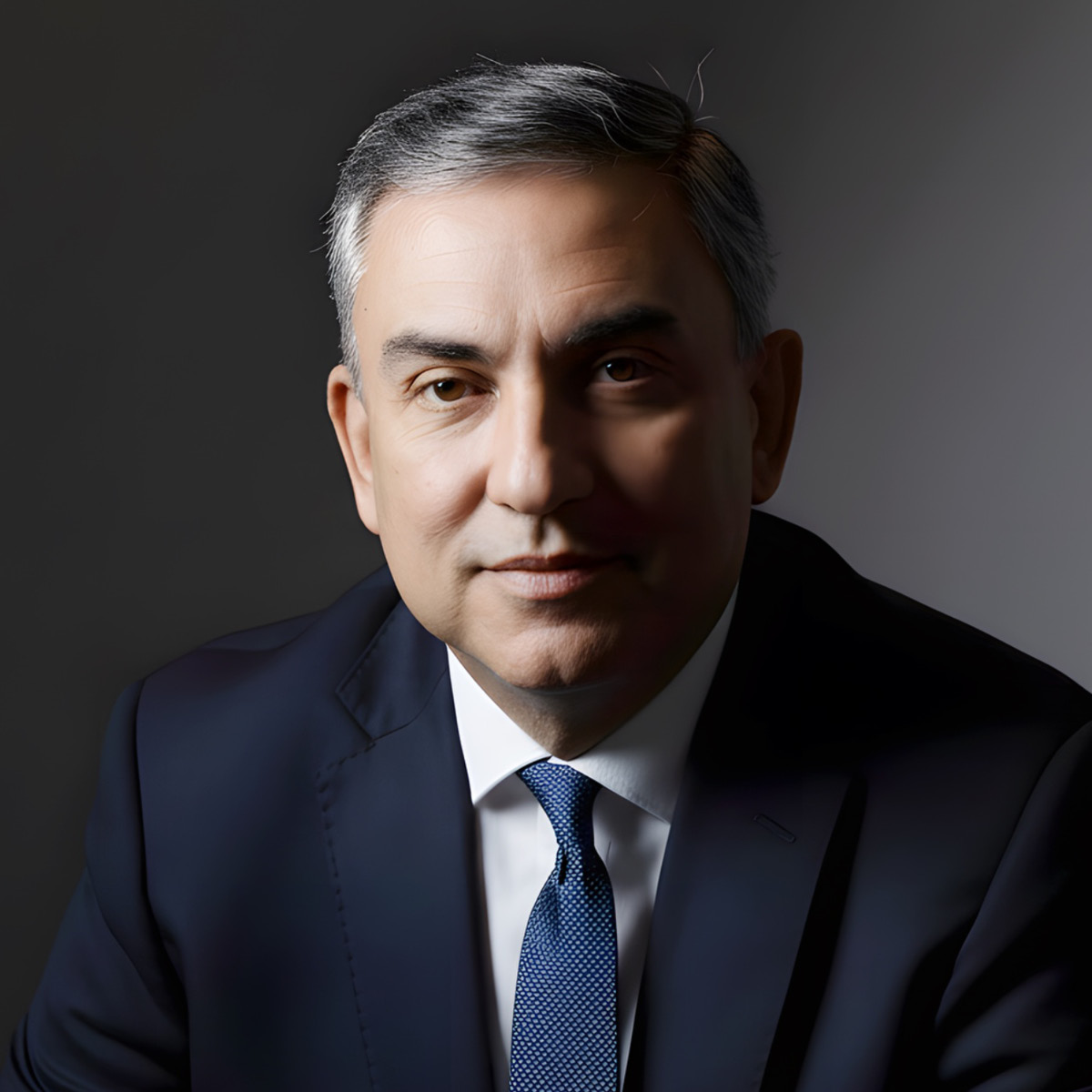
31. Basel Ziyadeh
Gulf Pharmaceutical Industries – Julphar
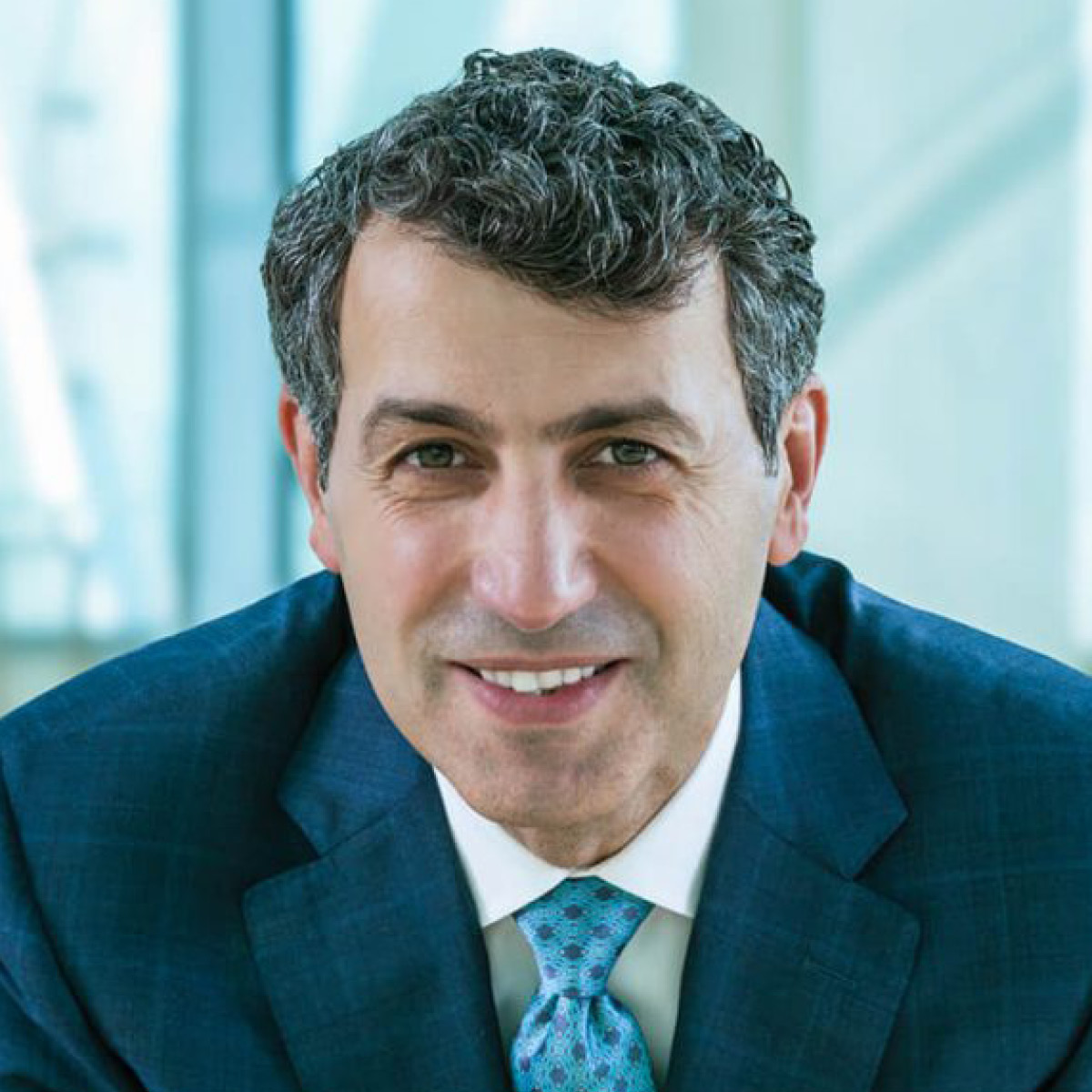
32. Georges-Pascal Haber
Cleveland Clinic Abu Dhabi
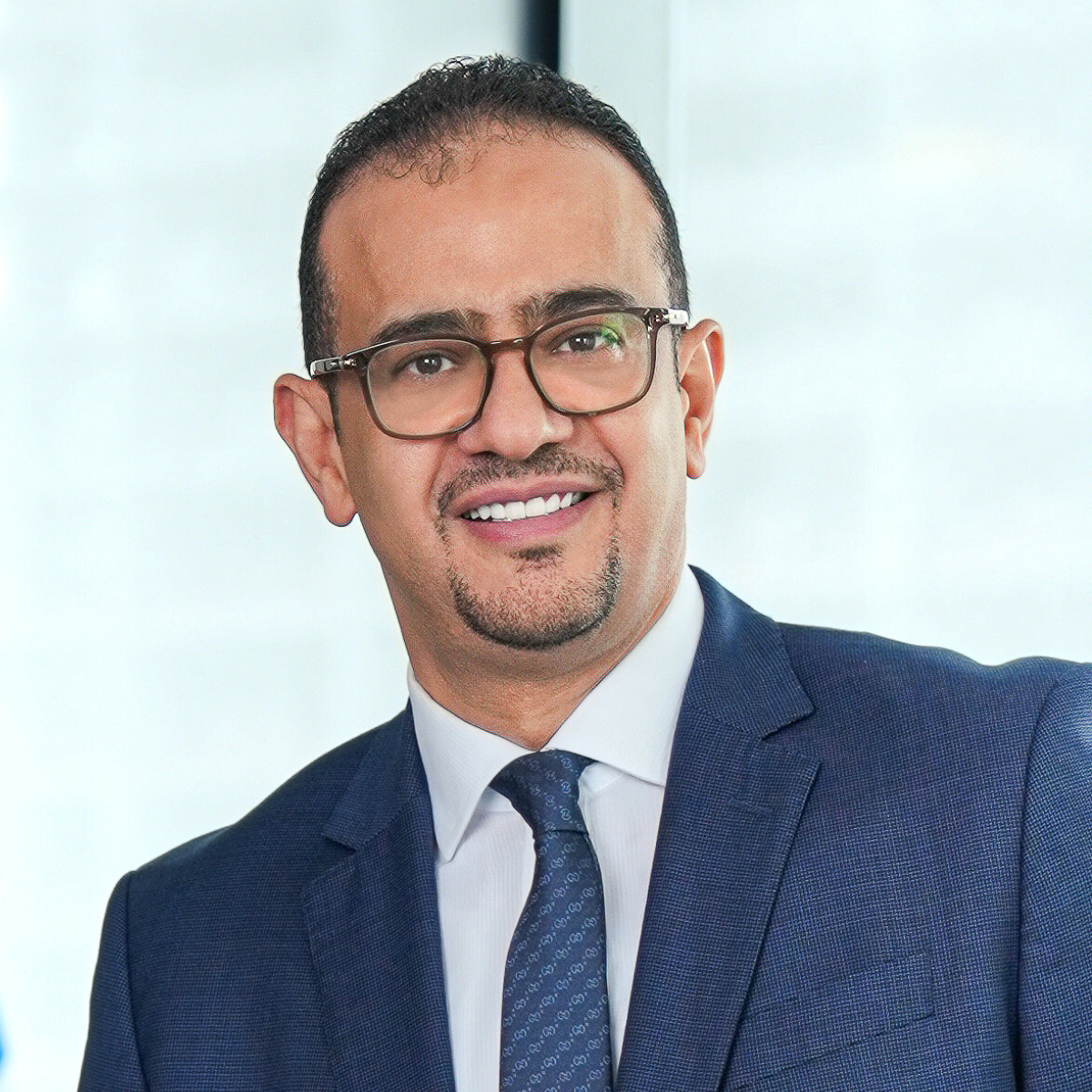
33. Ismail Shehada
Tabuk Pharmaceuticals
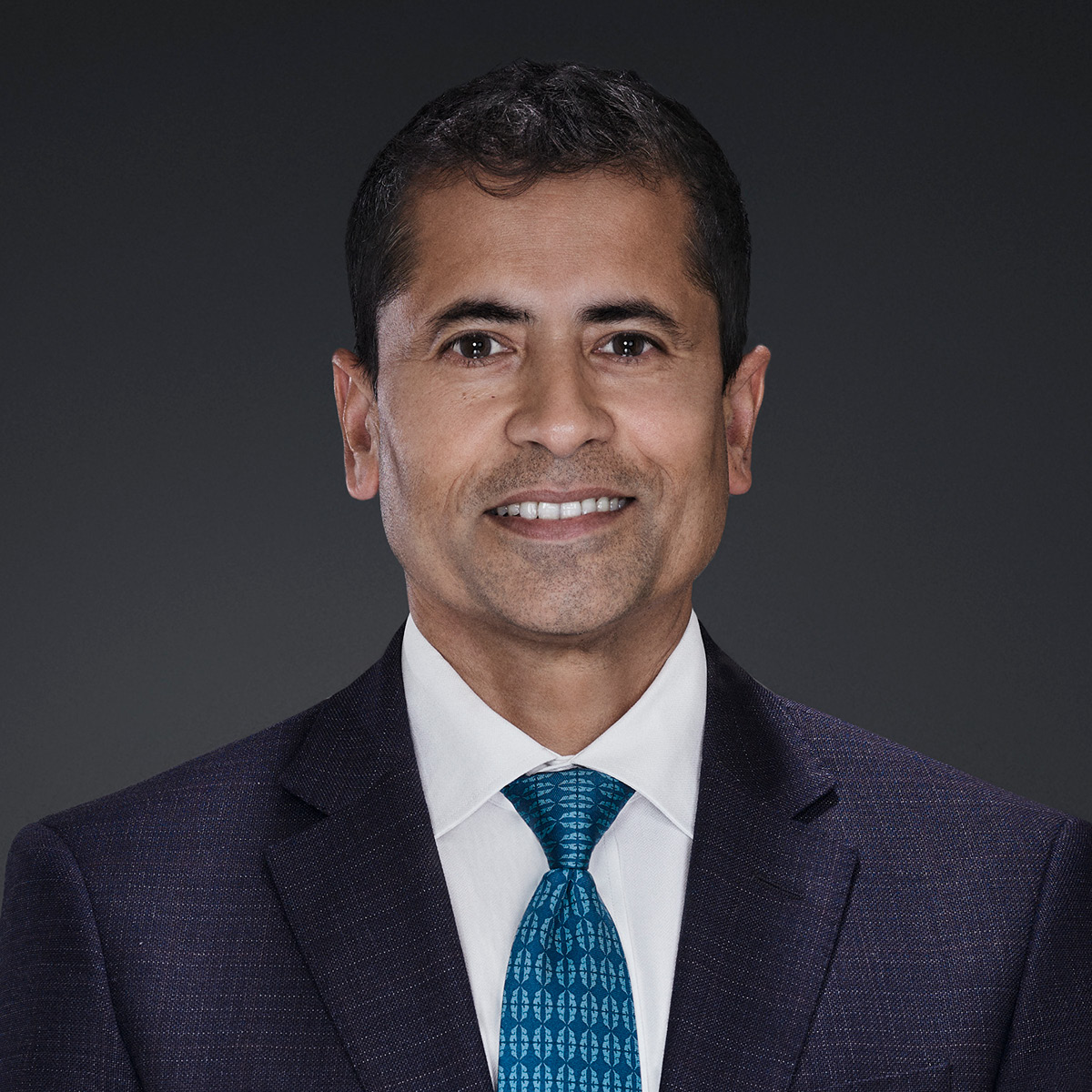
34. Arindam Haldar
PureLab
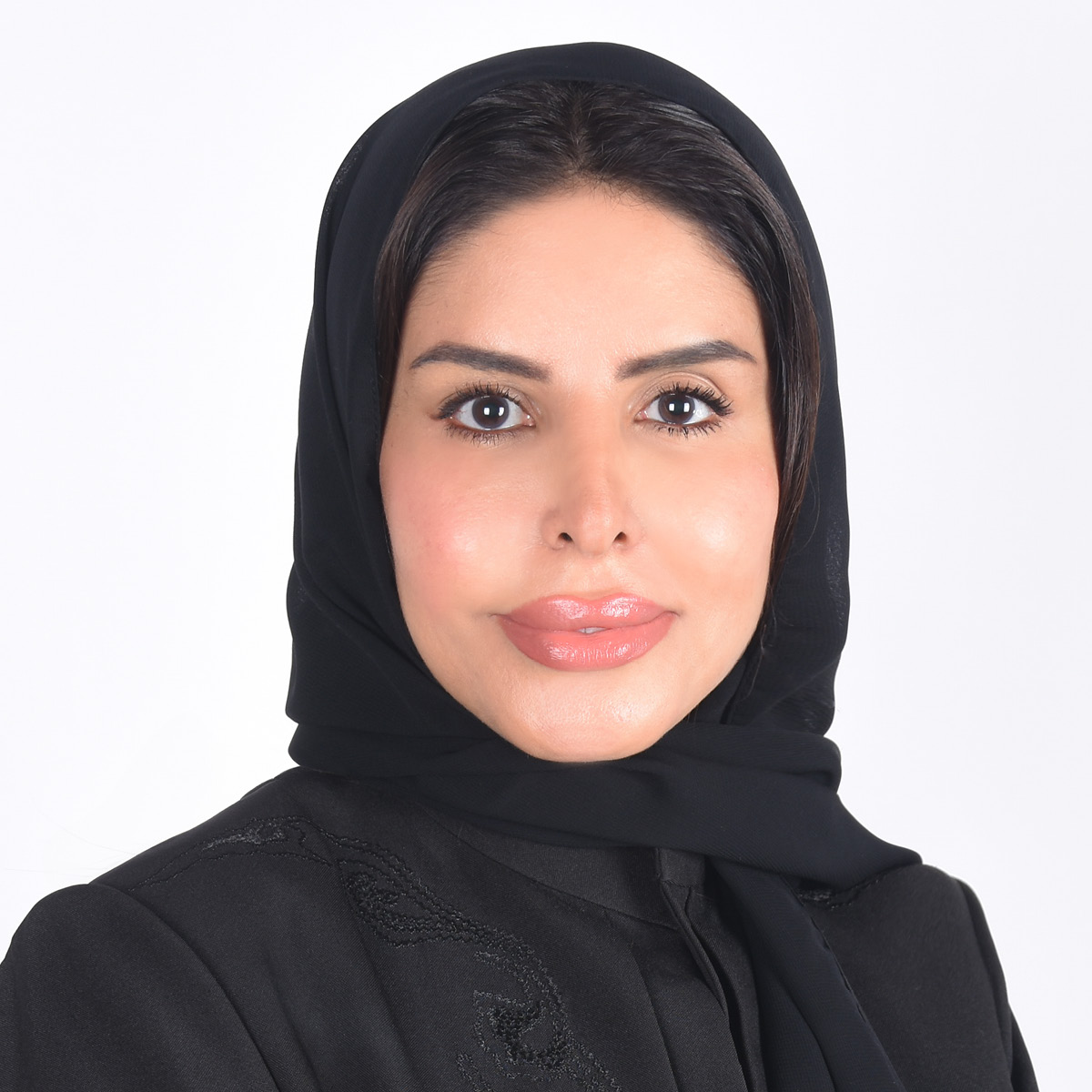
35. Mona AlSubaie
Seha Virtual Hospital (SVH)
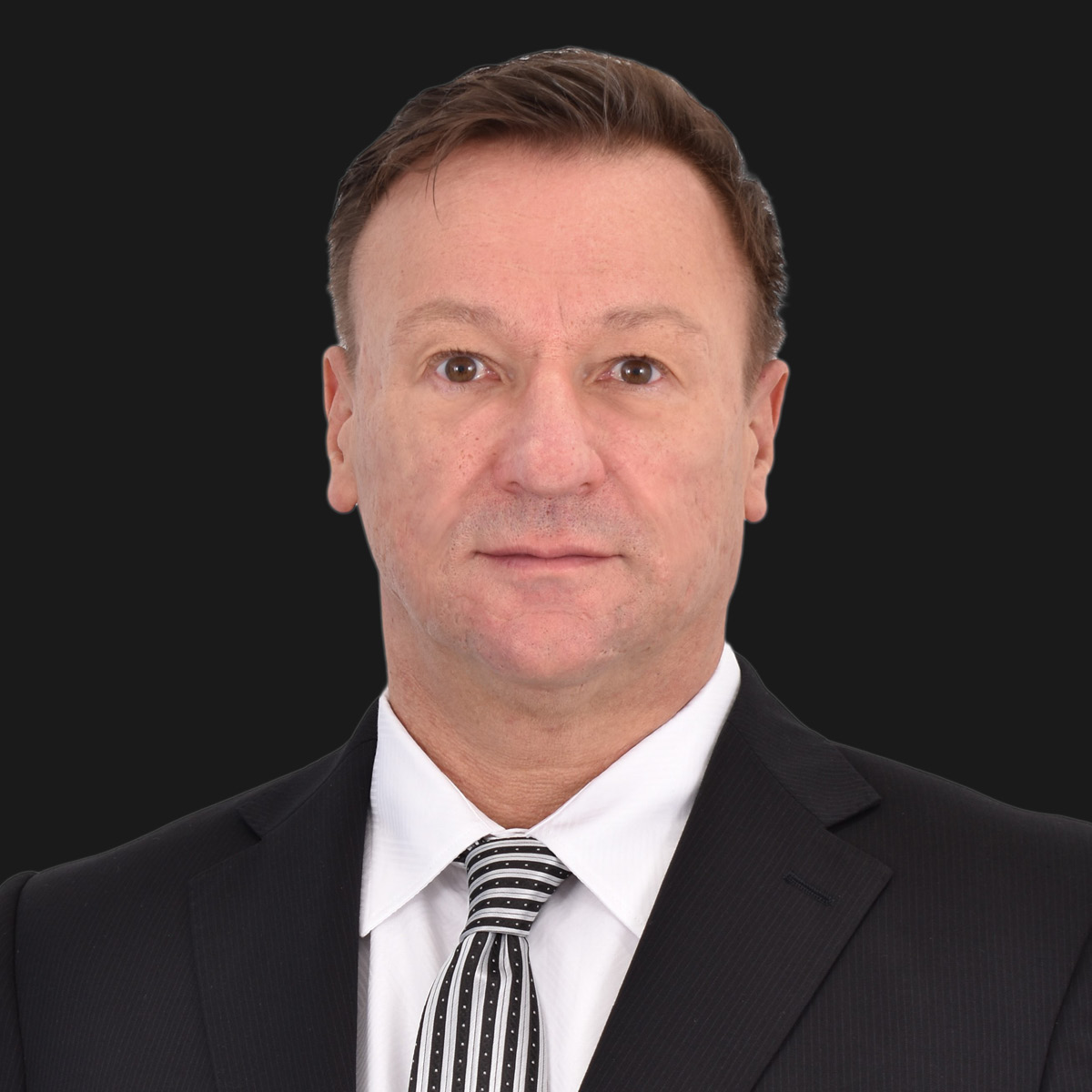
36. László Svinger
Solventum
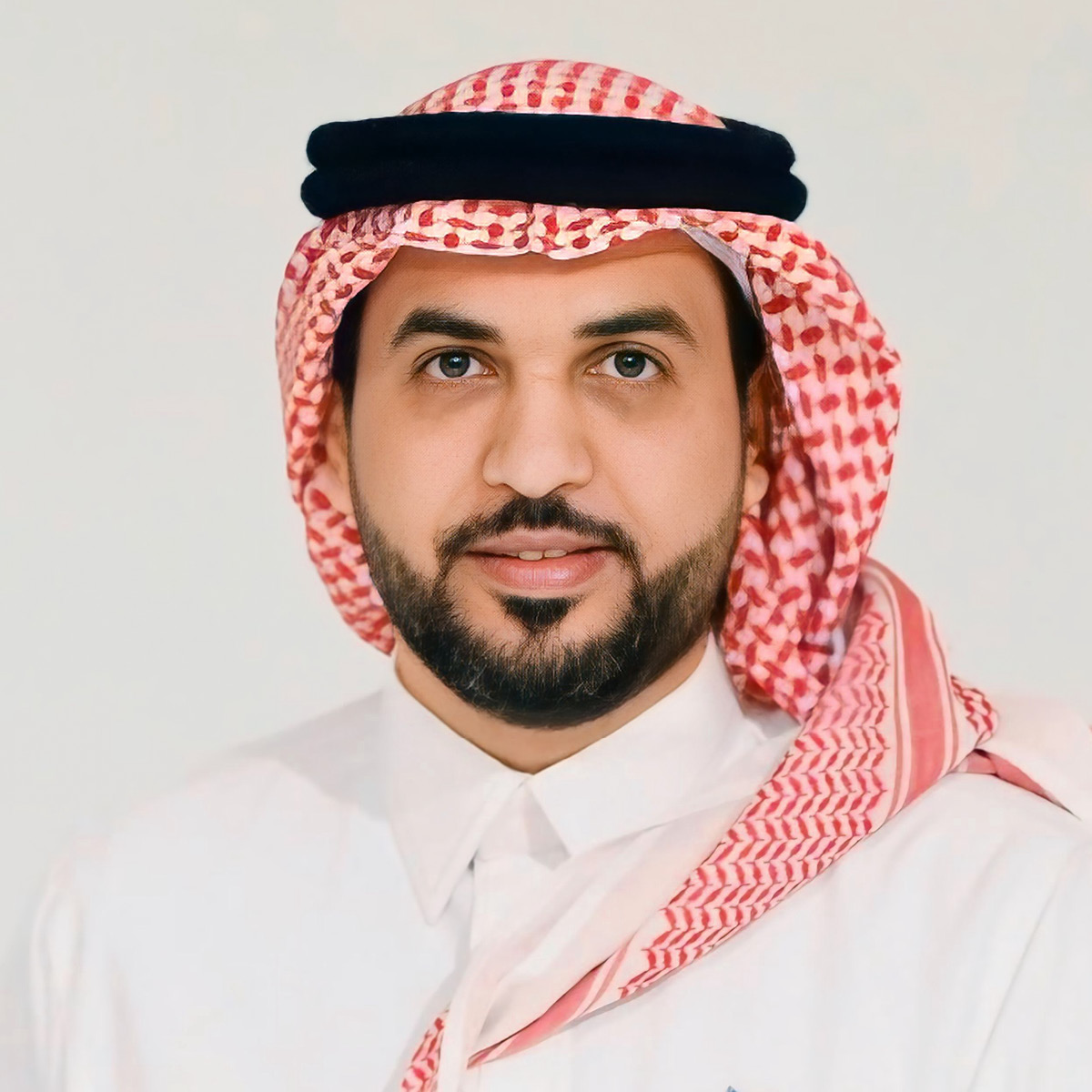
37. Abdulrahman Alharbi
Madinah Health Cluster
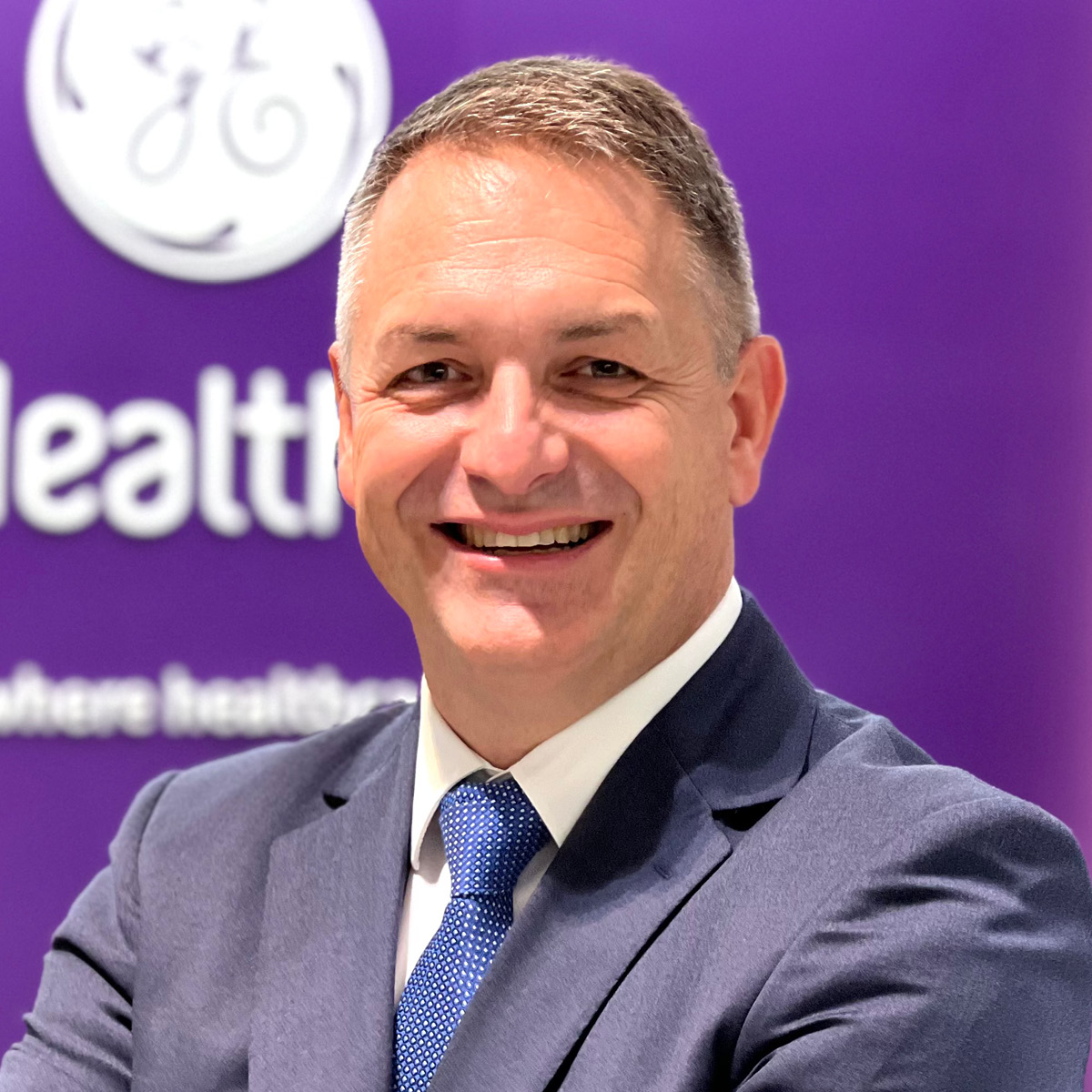
38. Kostas Deligiannis
GE HealthCare
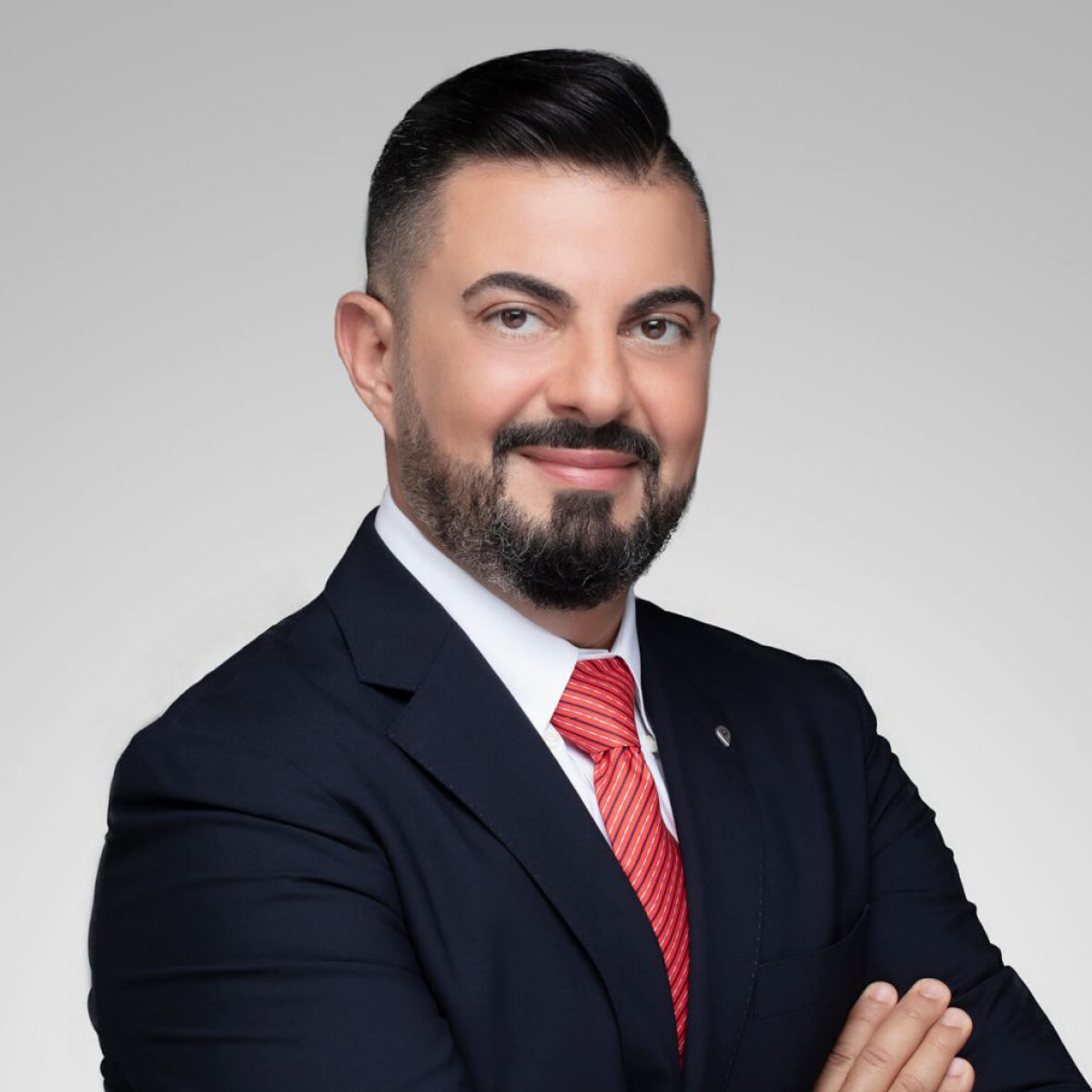
39. Ayman Mokhtar
Viatris
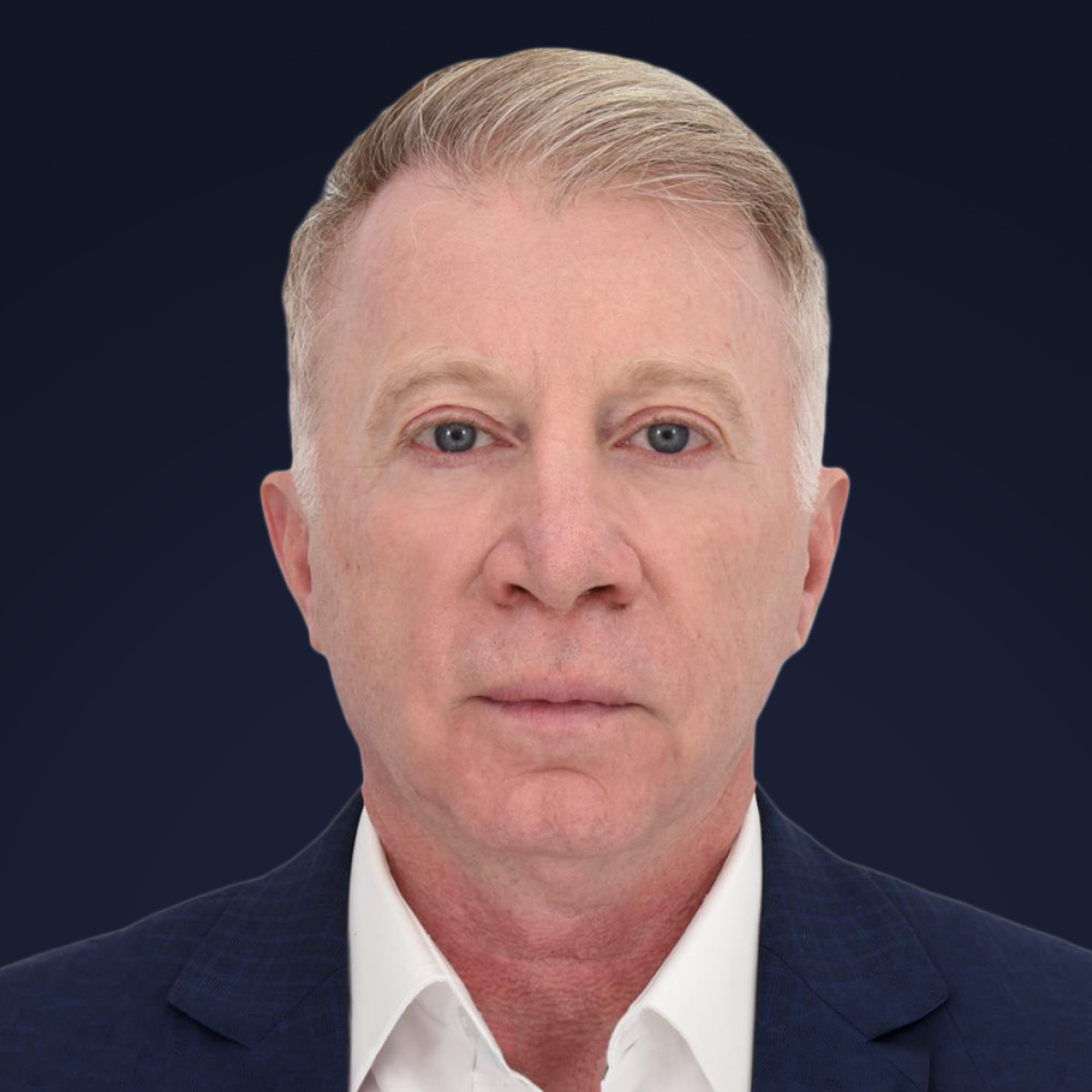
40. Sarper Tanli
Mass General Brigham (MGB)
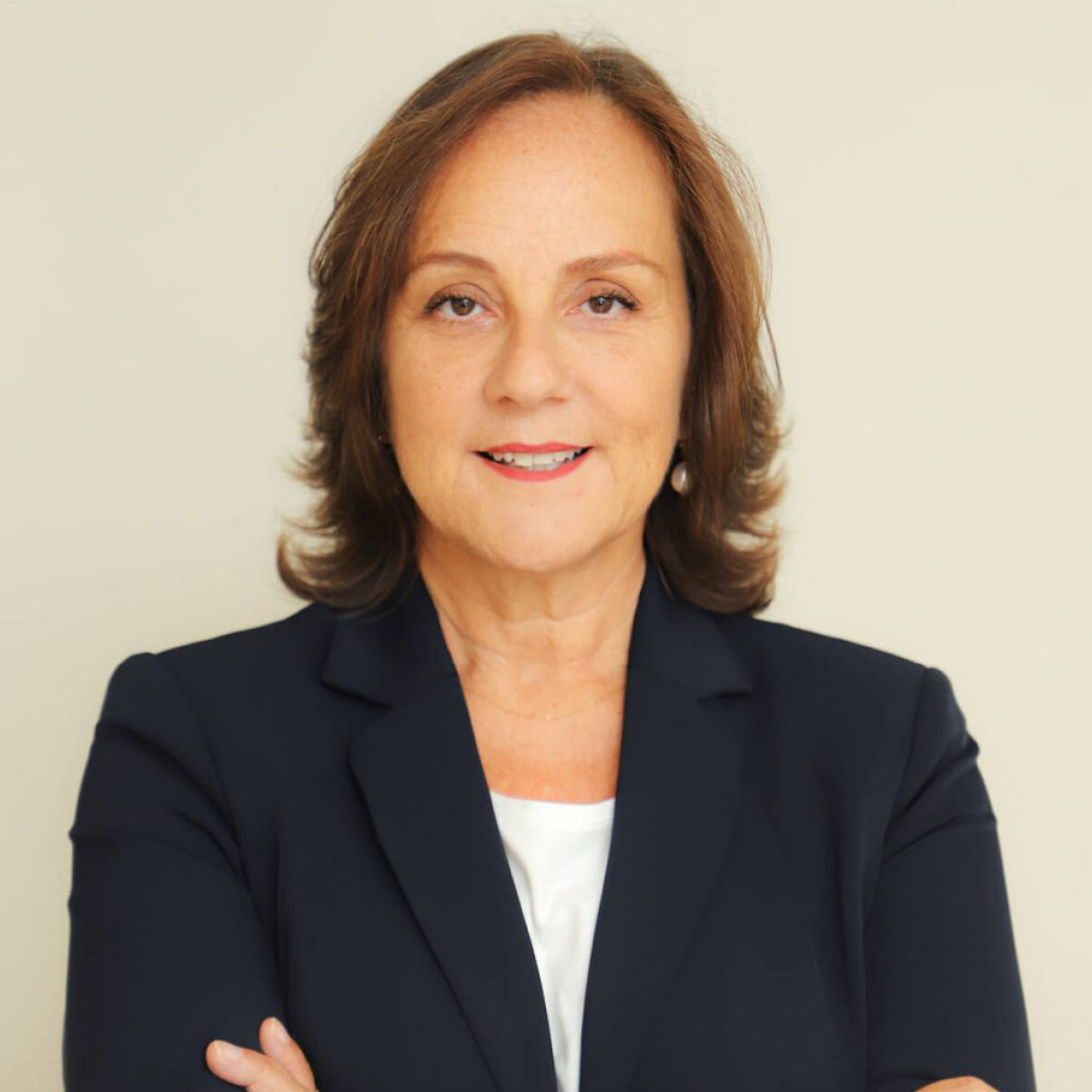
41. Sara Masmoudi
Kilani Group
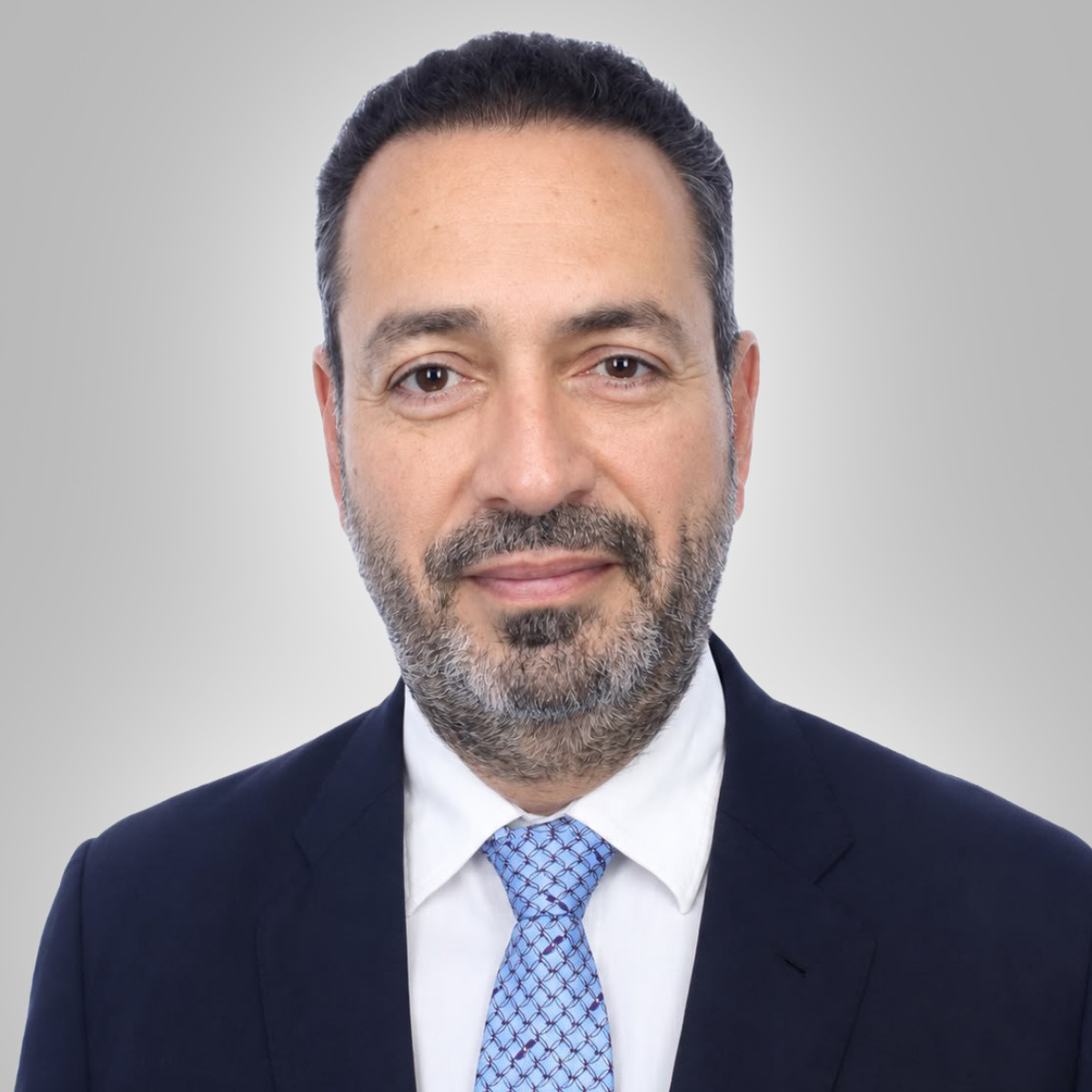
42. Majid Kaddoumi
Medtronic
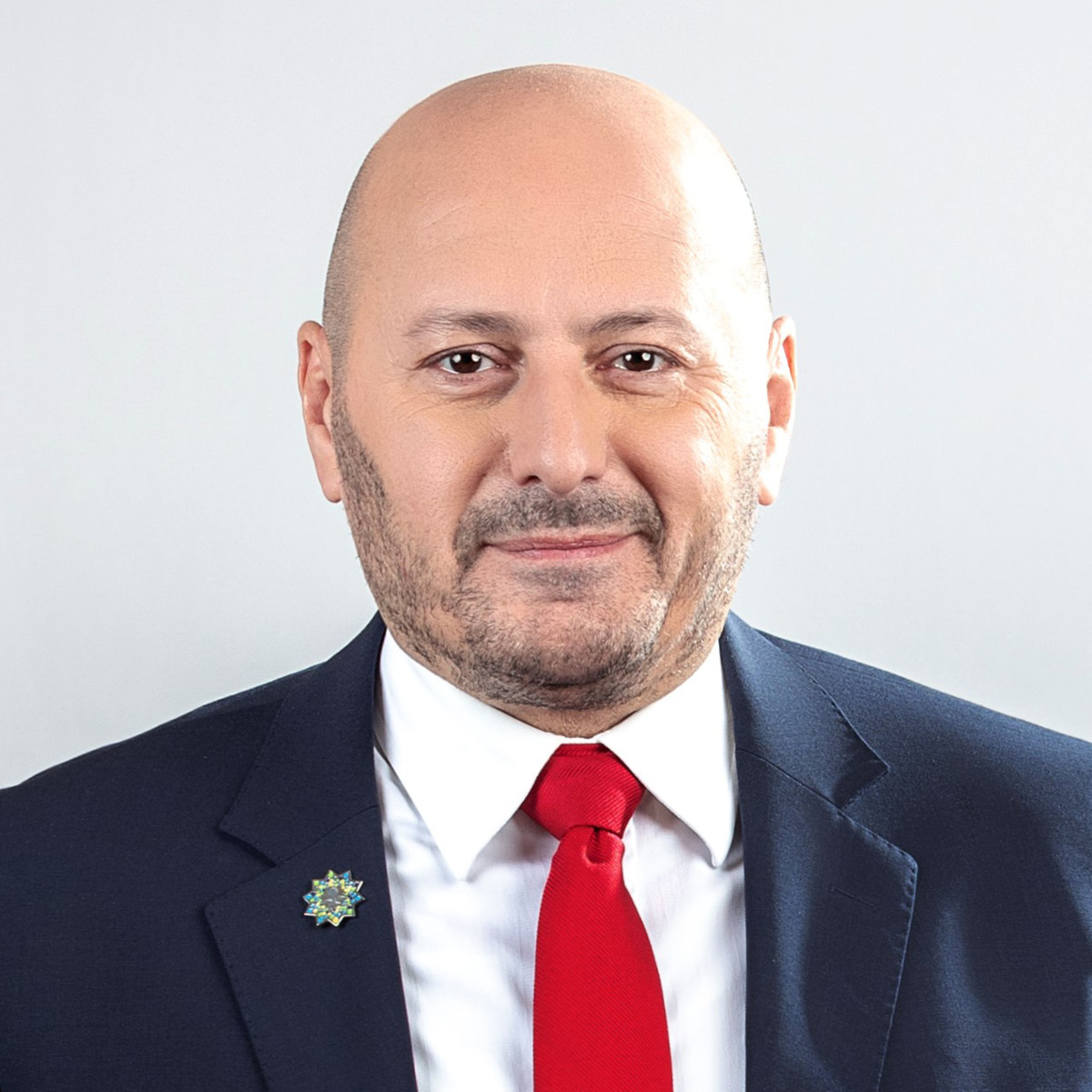
43. Bassam Chahine
SMC Healthcare
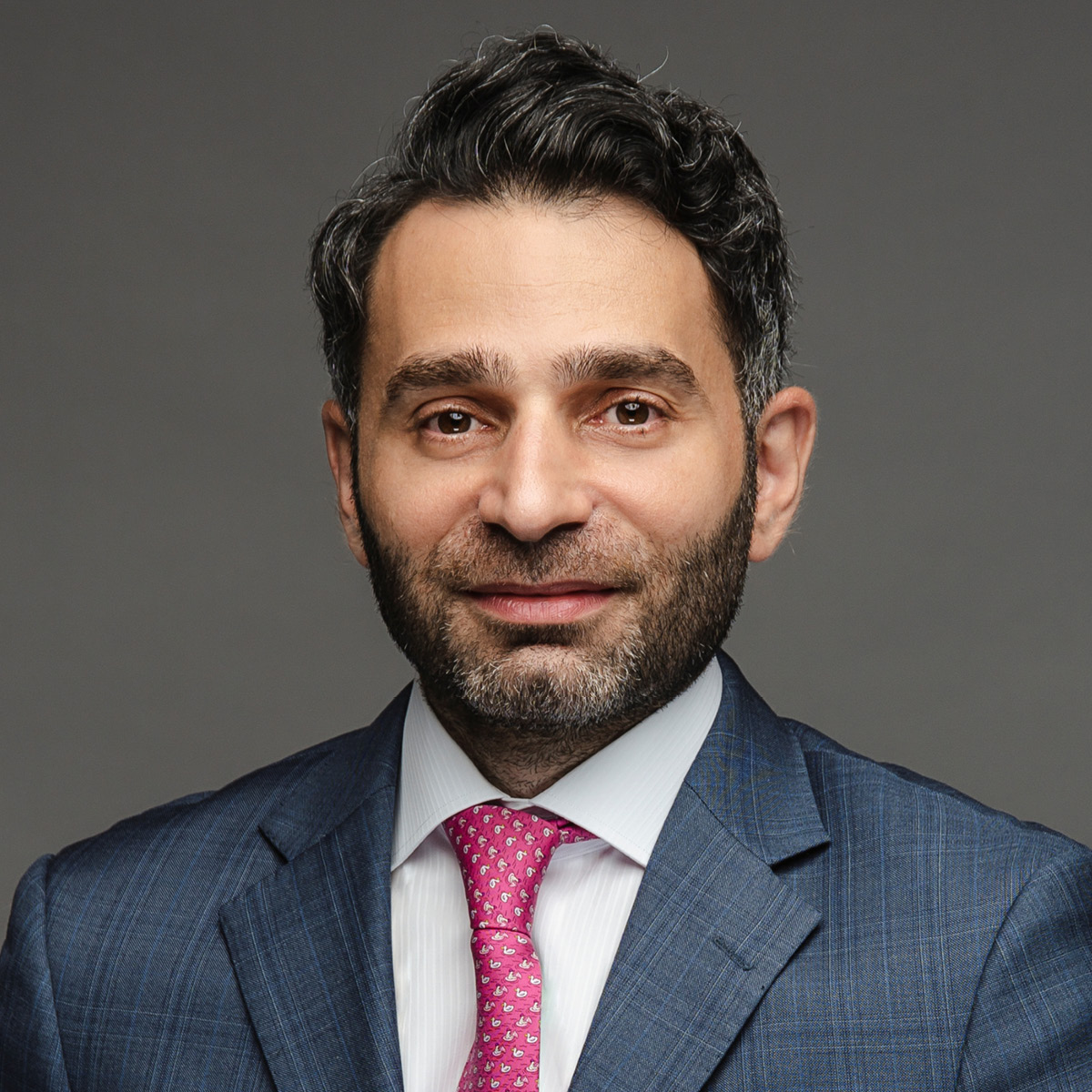
44. Wael Abdallah
Cambridge Health Group (CHG)
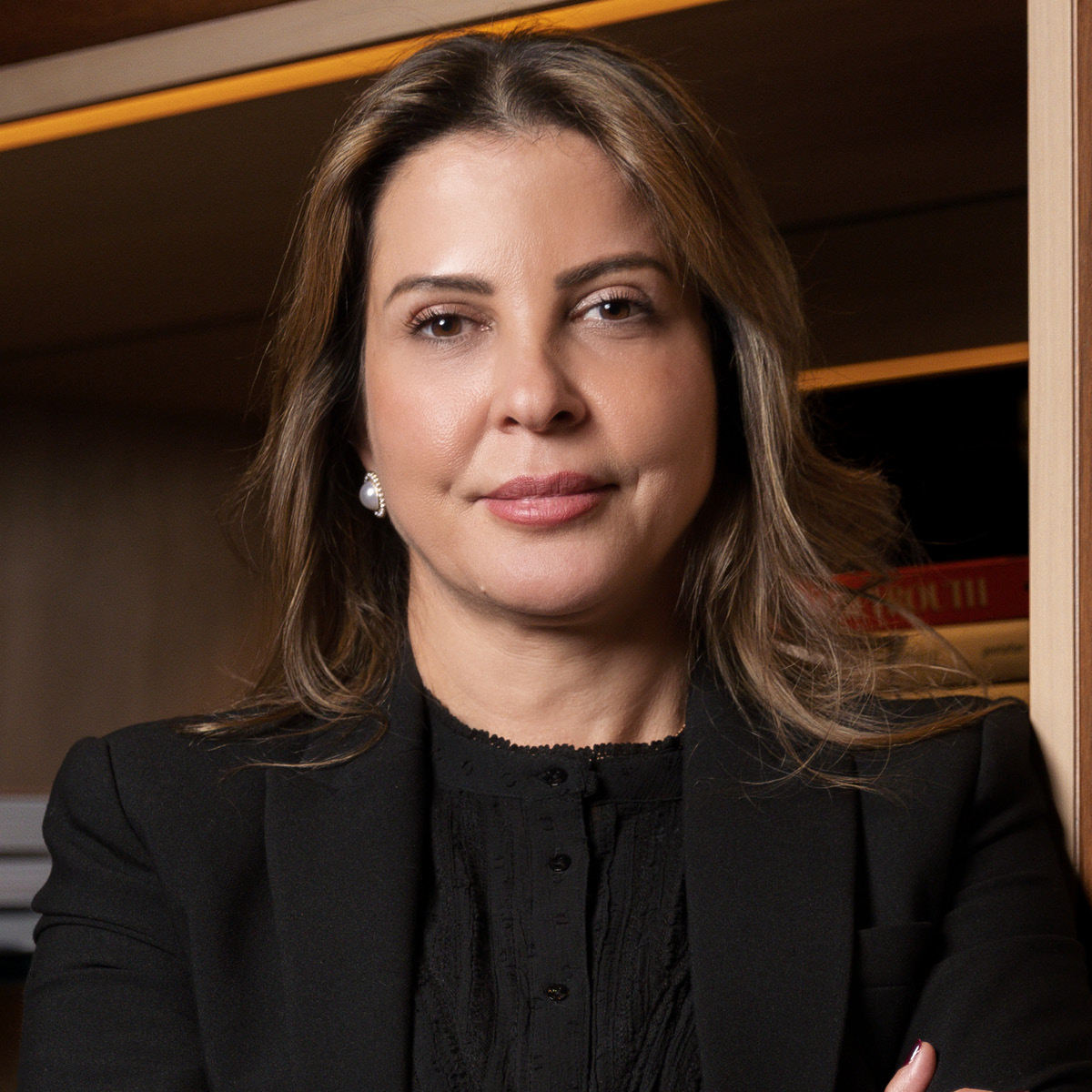
45. Olfat Sami Berro
Roche
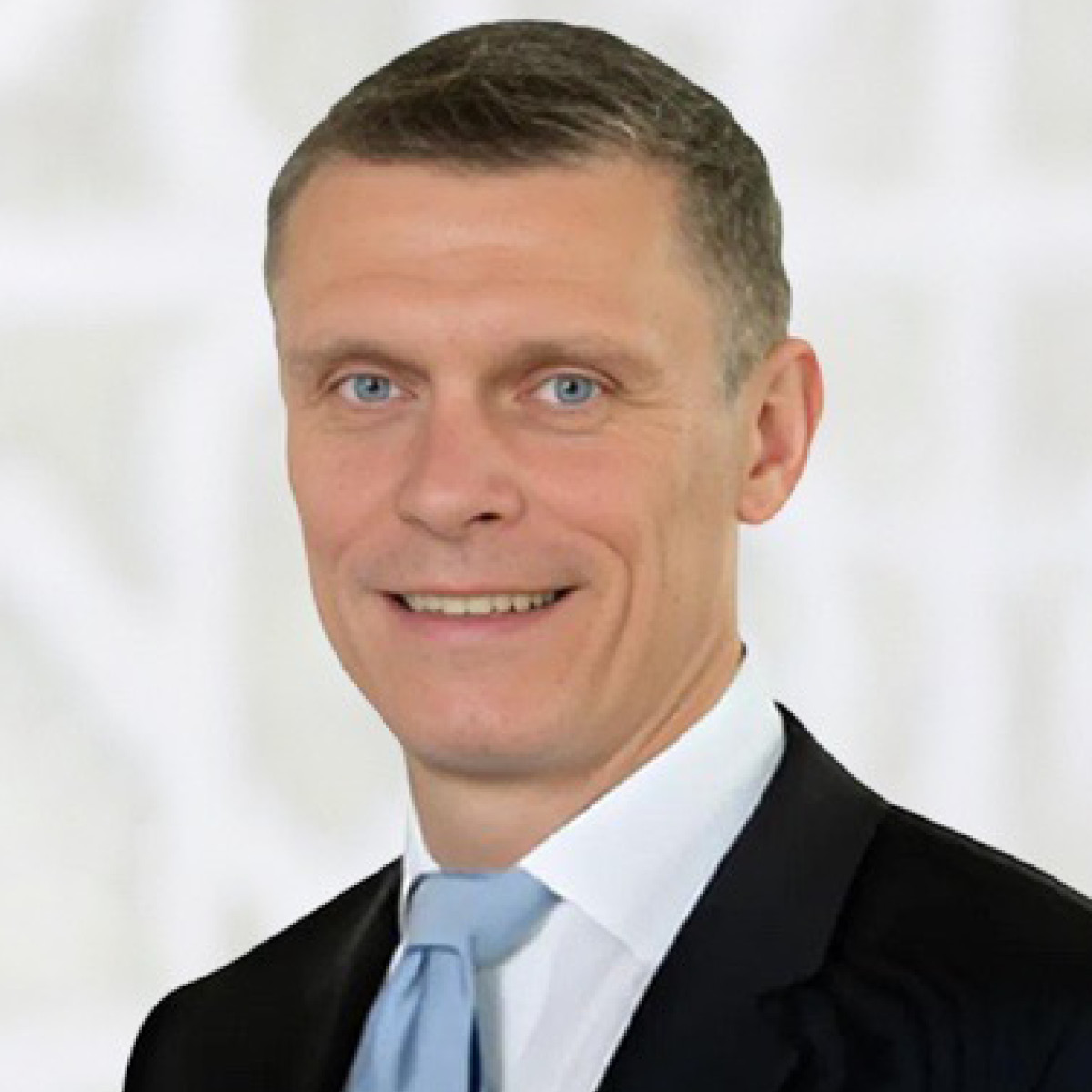
46. Uwe Dalichow
Bayer
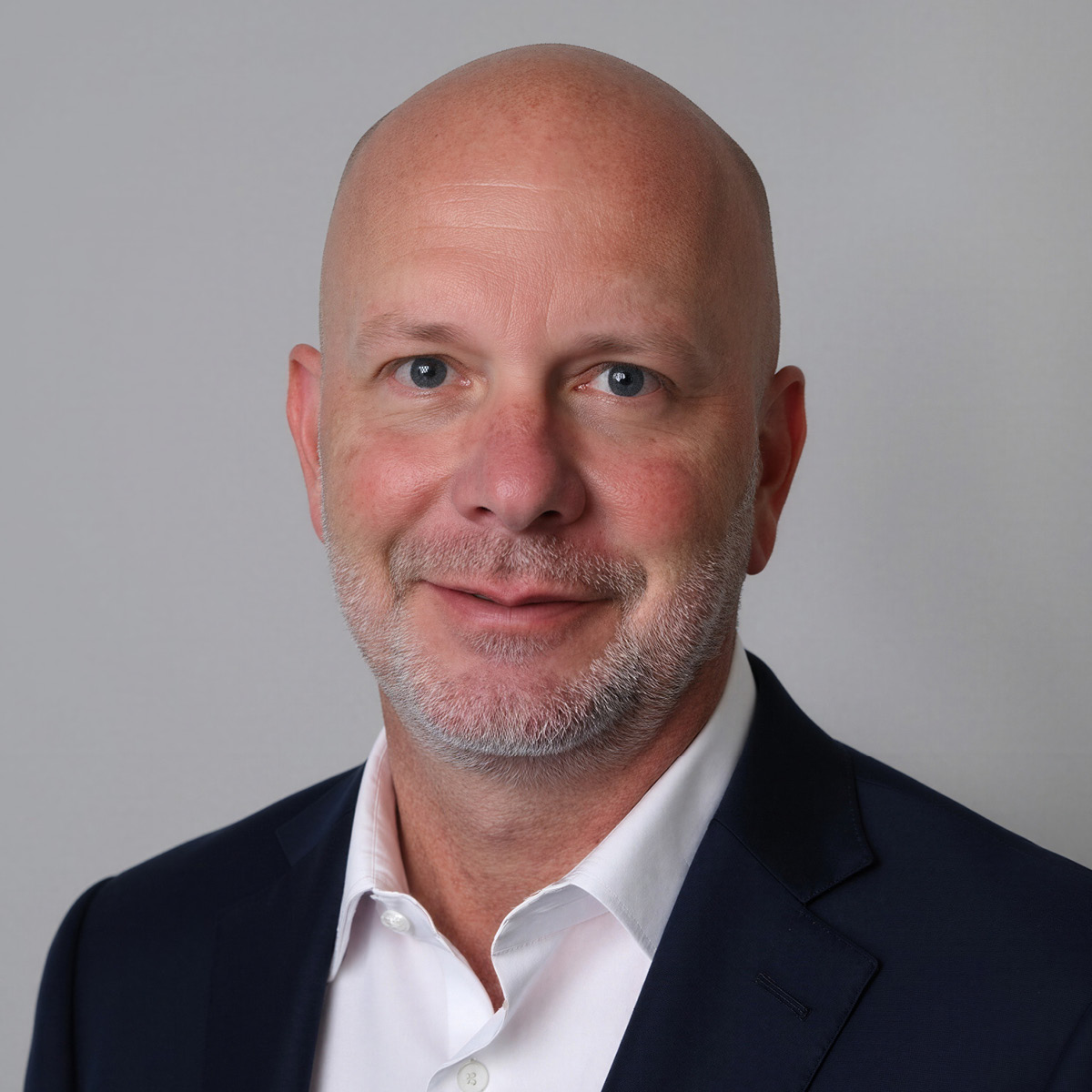
47. Christian Schuhmacher
Emirates Hospitals Group
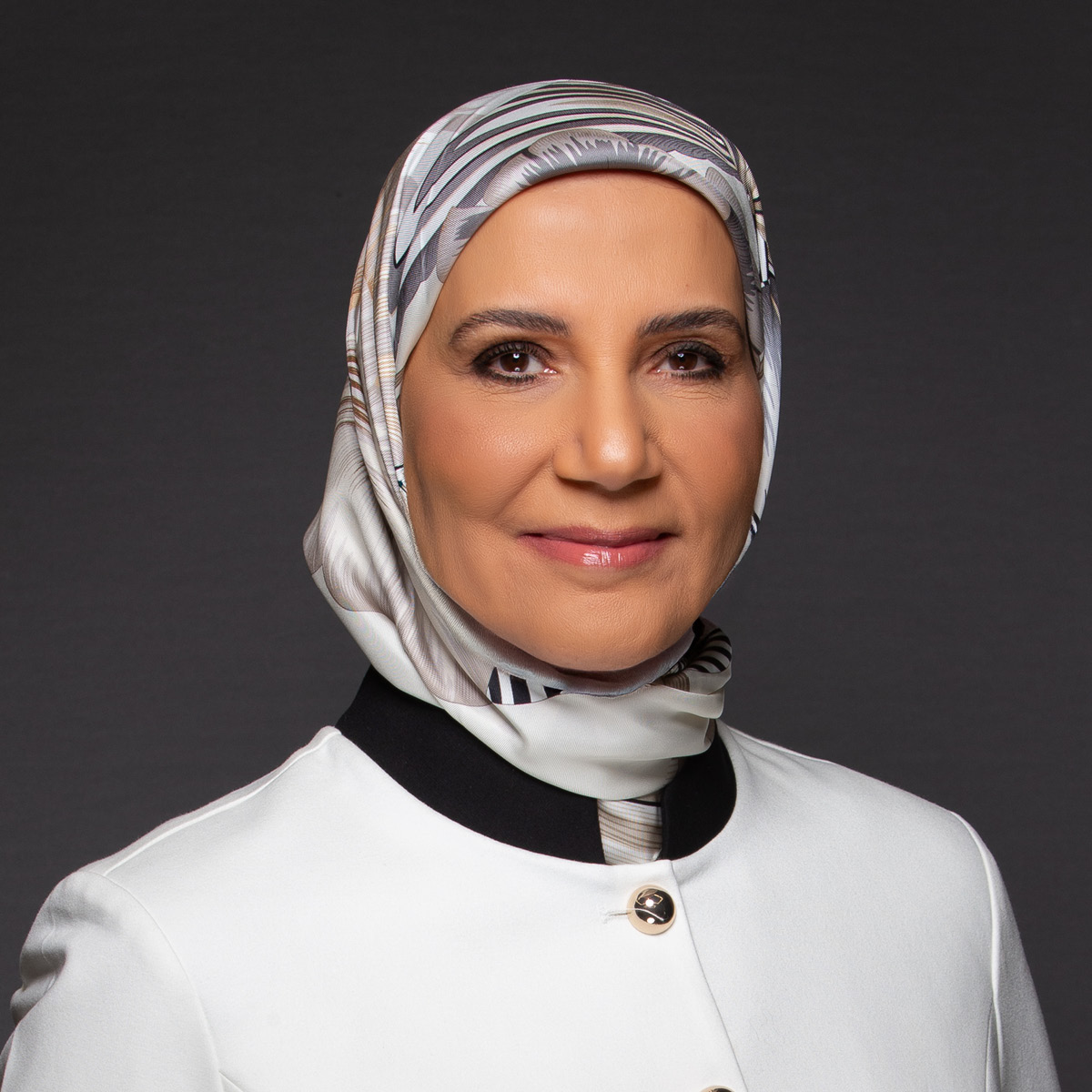
48. Laila Abdel Wareth
Diagnostic Cluster—M42
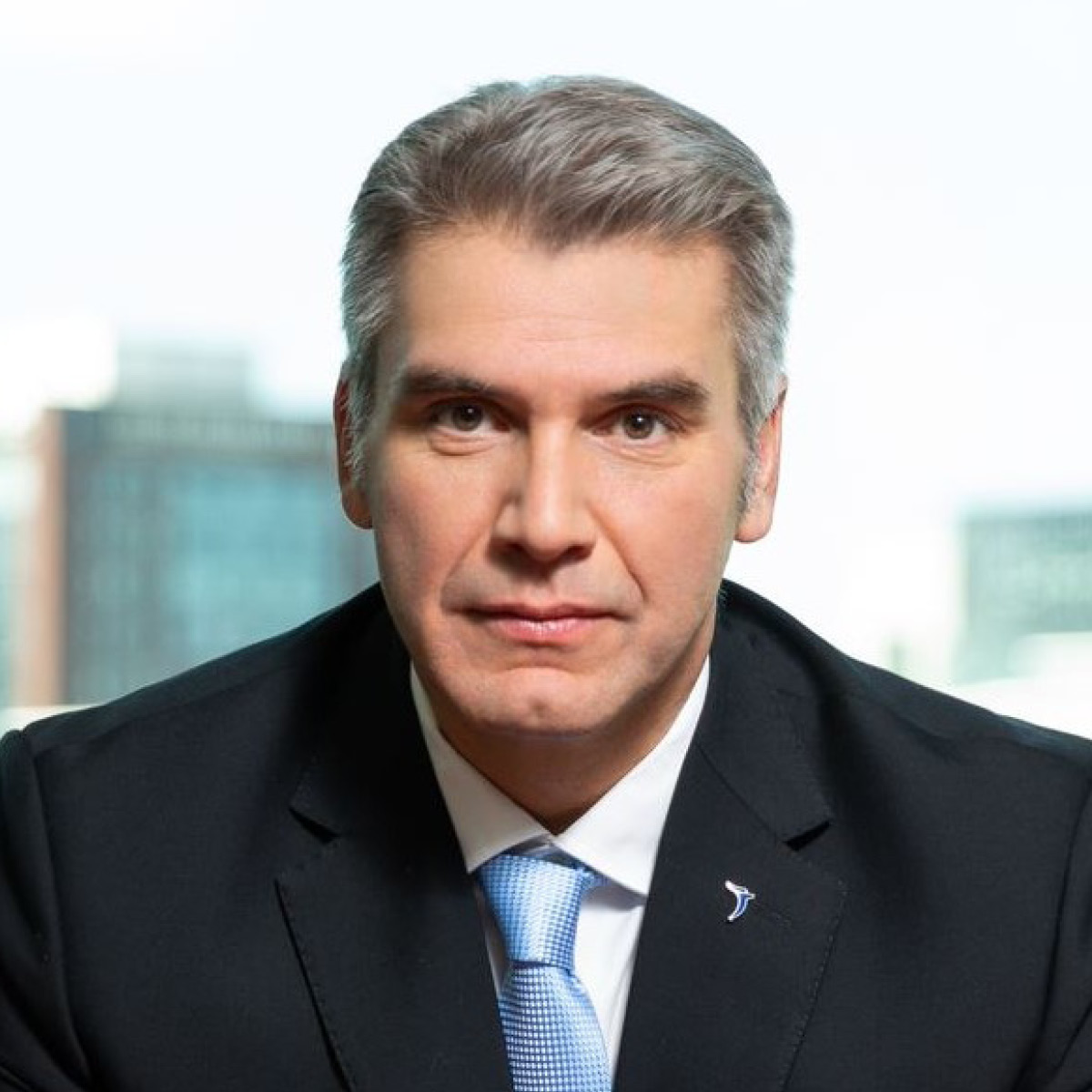
49. Asgar Rangoonwala
Johnson & Johnson
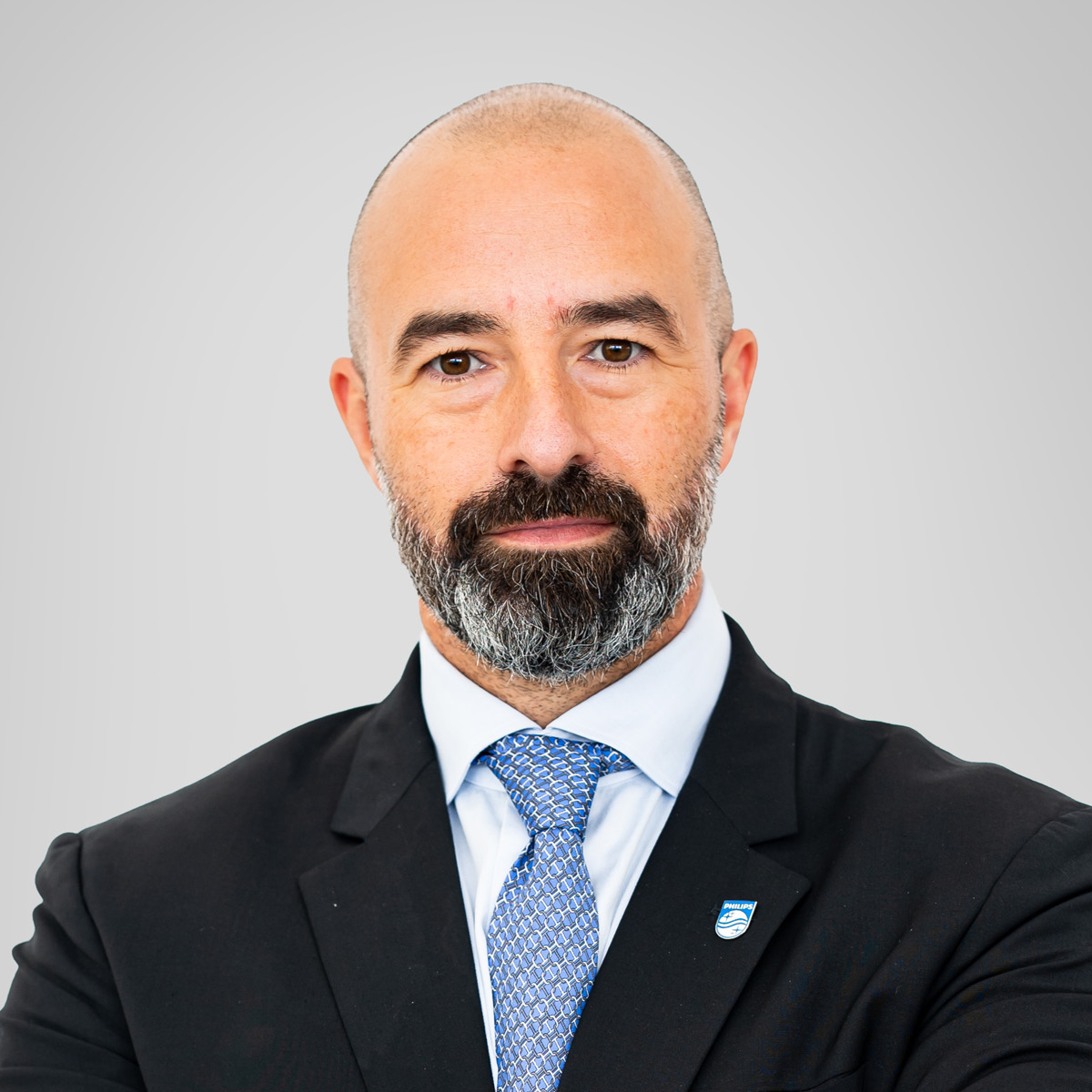
50. Marc Zora
Philips
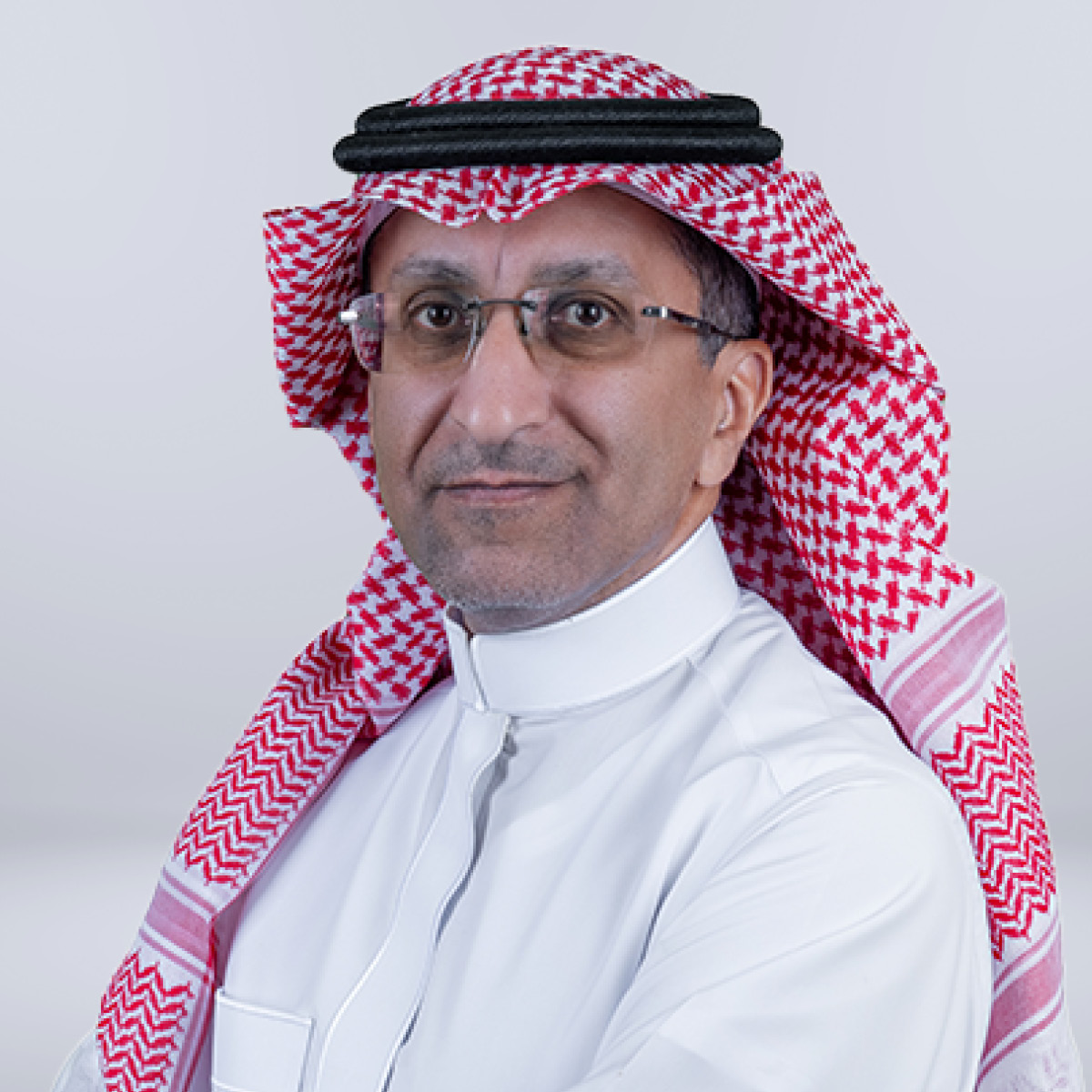
51. Abdulaziz Saleh Alobaid
Care Medical
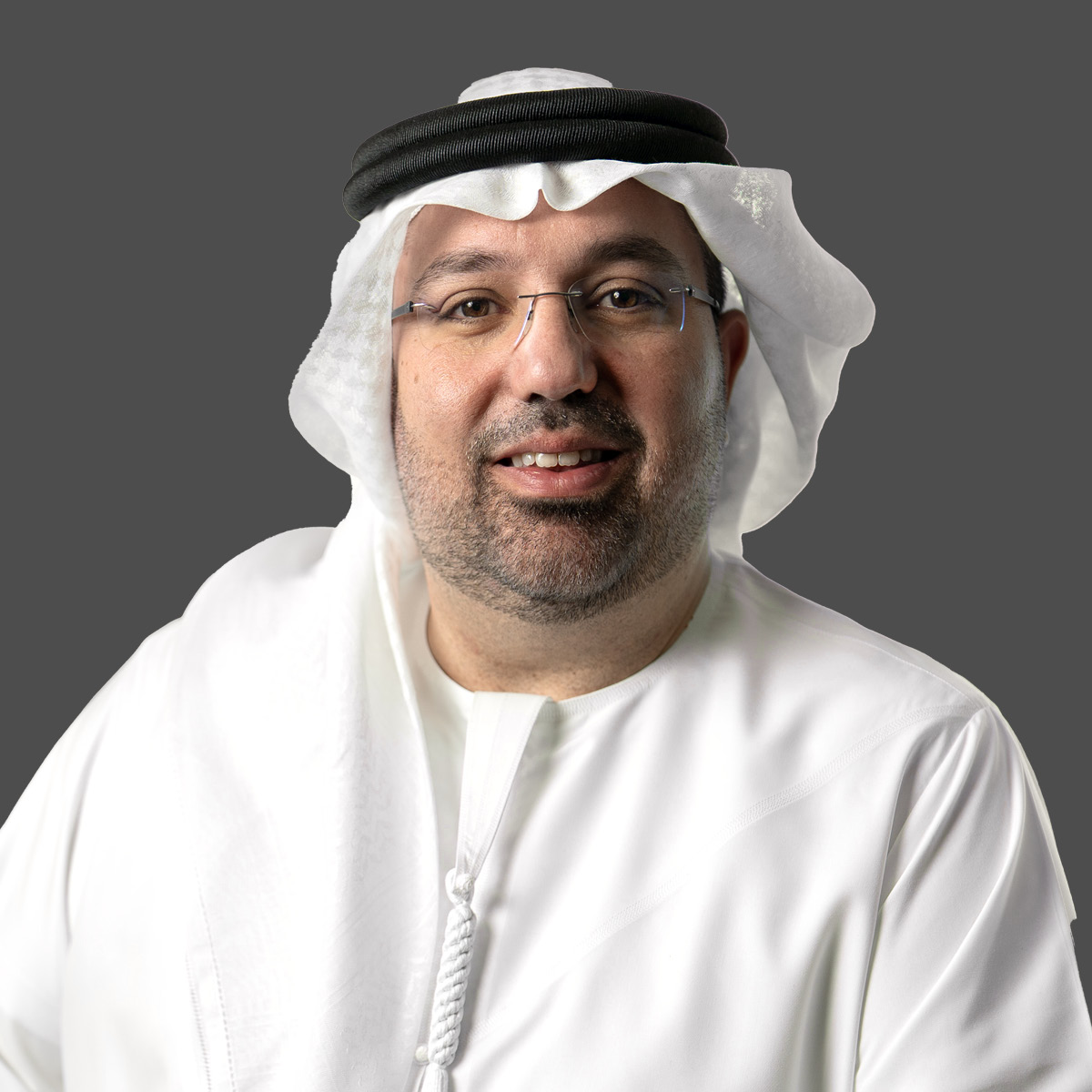
52. Kareem Shahin
Digital Health Solutions (DHS)—M42
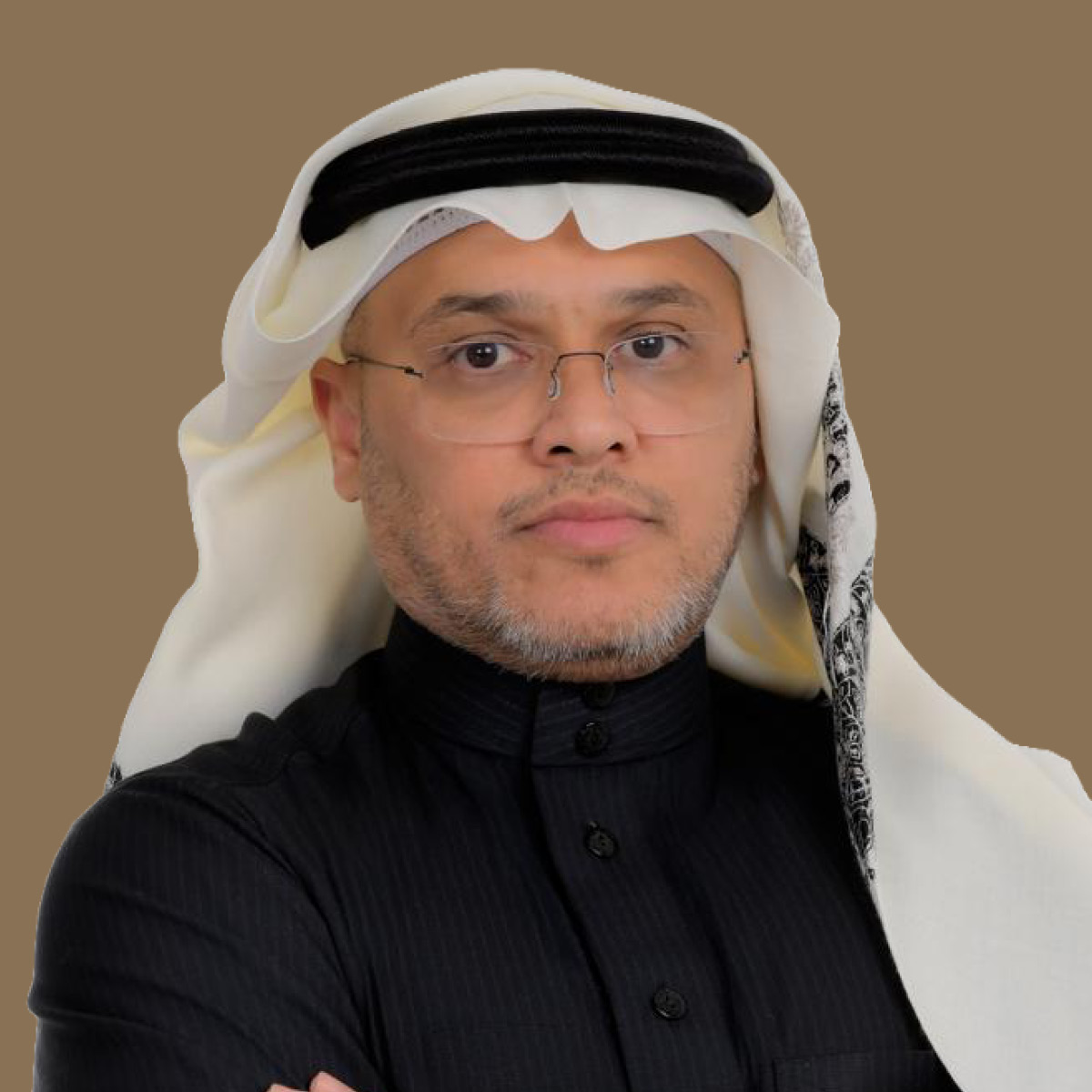
53. Faisal Al-Attawi
Scientific & Medical Equipment House Company (SMEH)
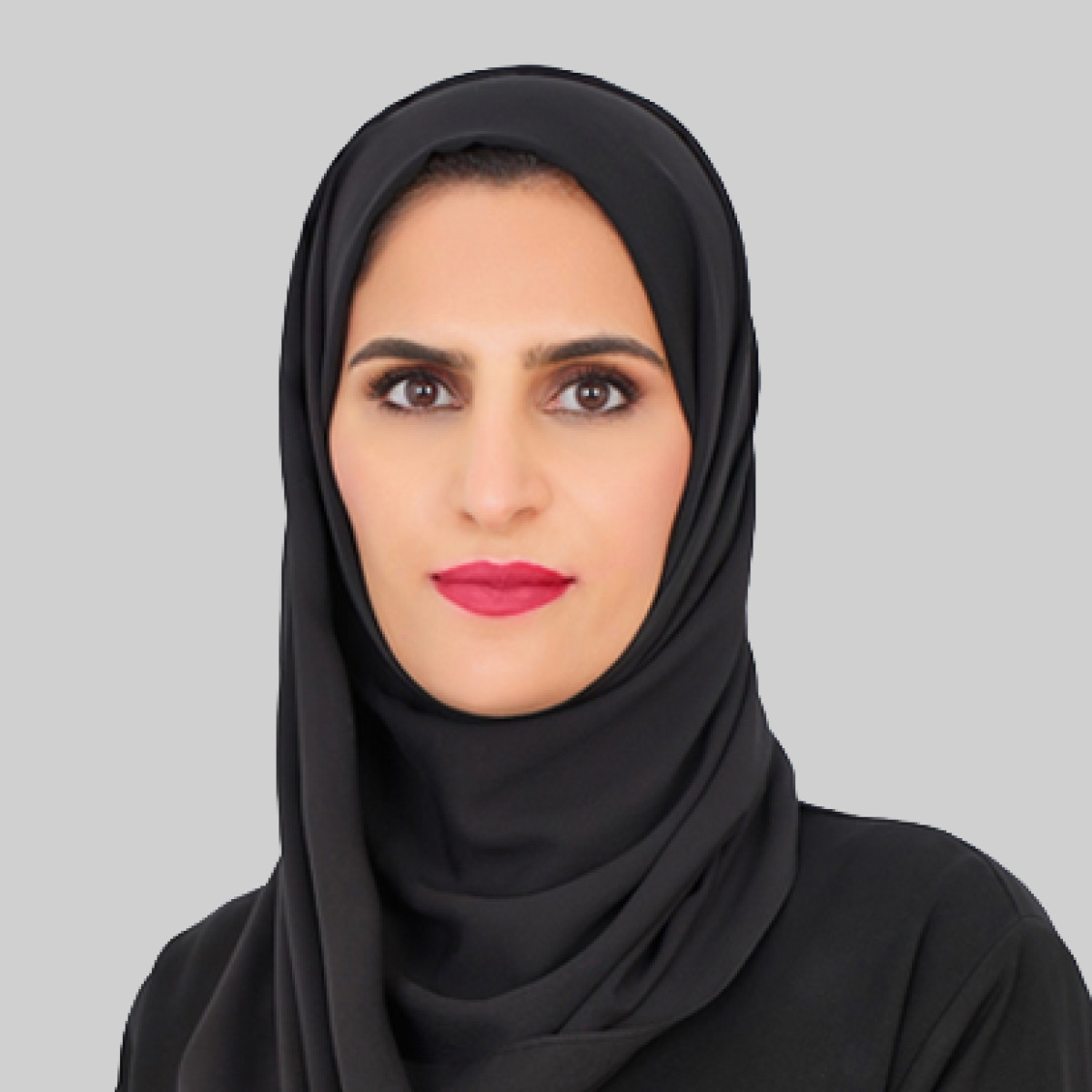
54. Mai Al Jaber
Outpatient Care Cluster—M42
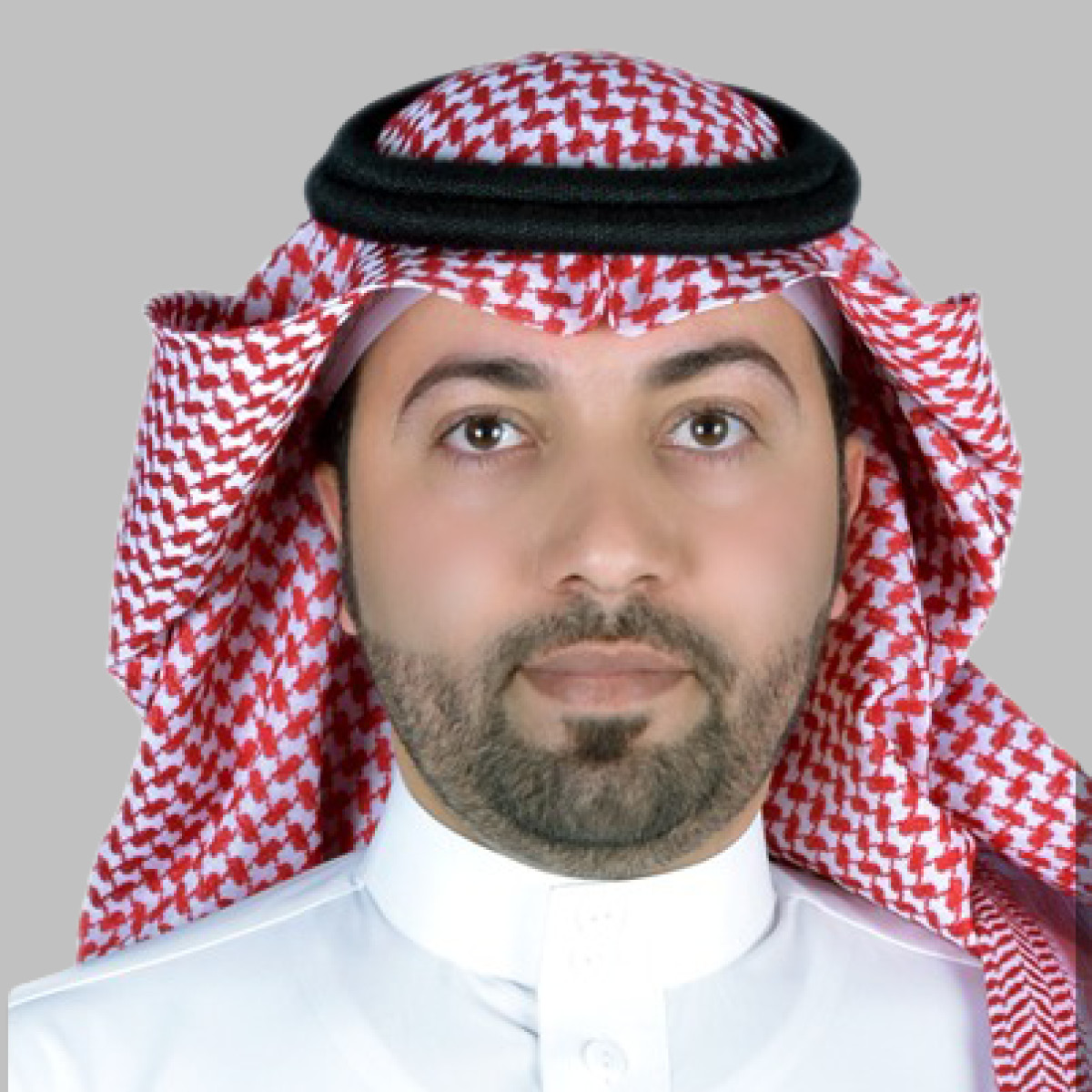
55. Faleh Nasser Alshahrani
Jazan Health Cluster
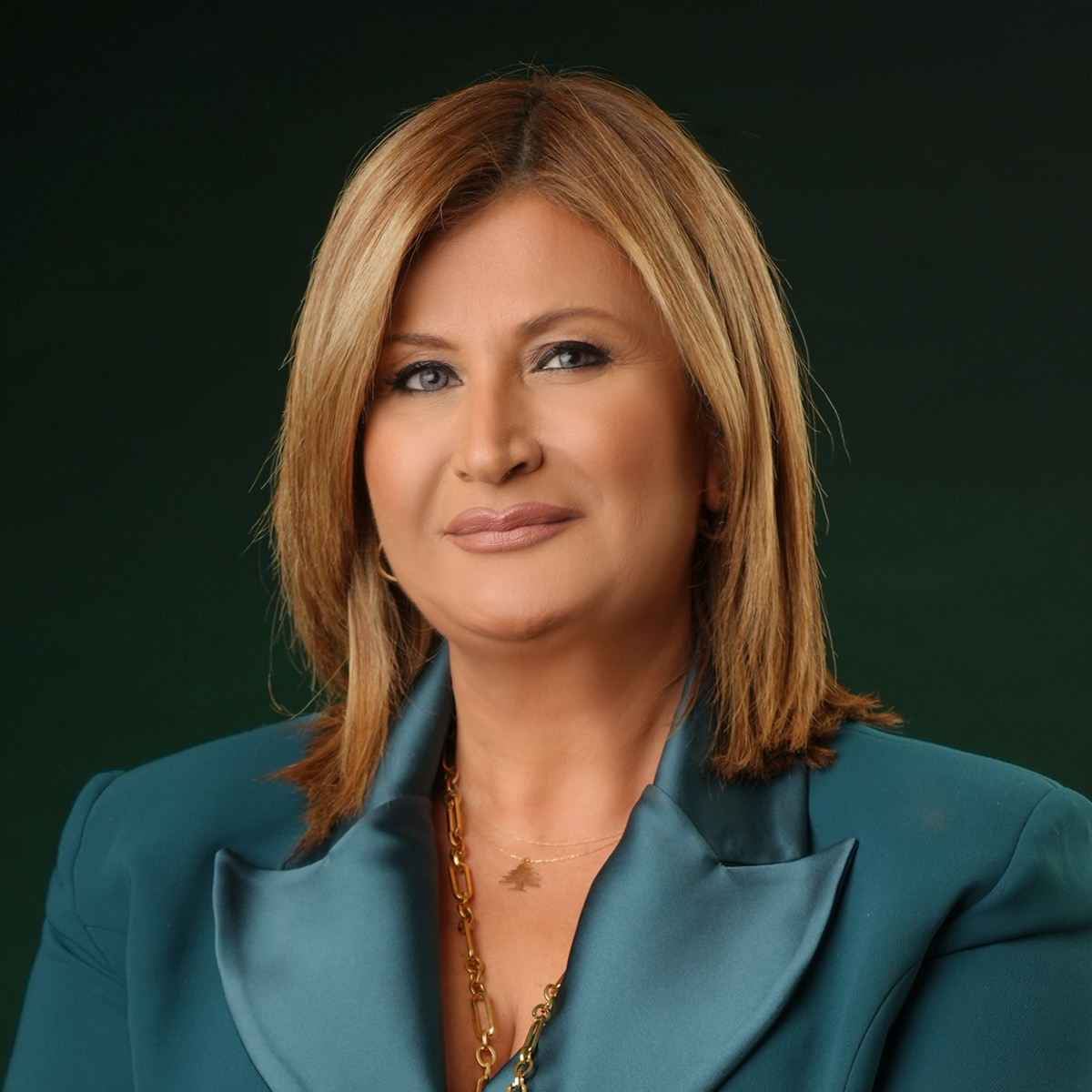
56. Alice Yammine Boueiz
Arab Hospitals Federation (AHF)
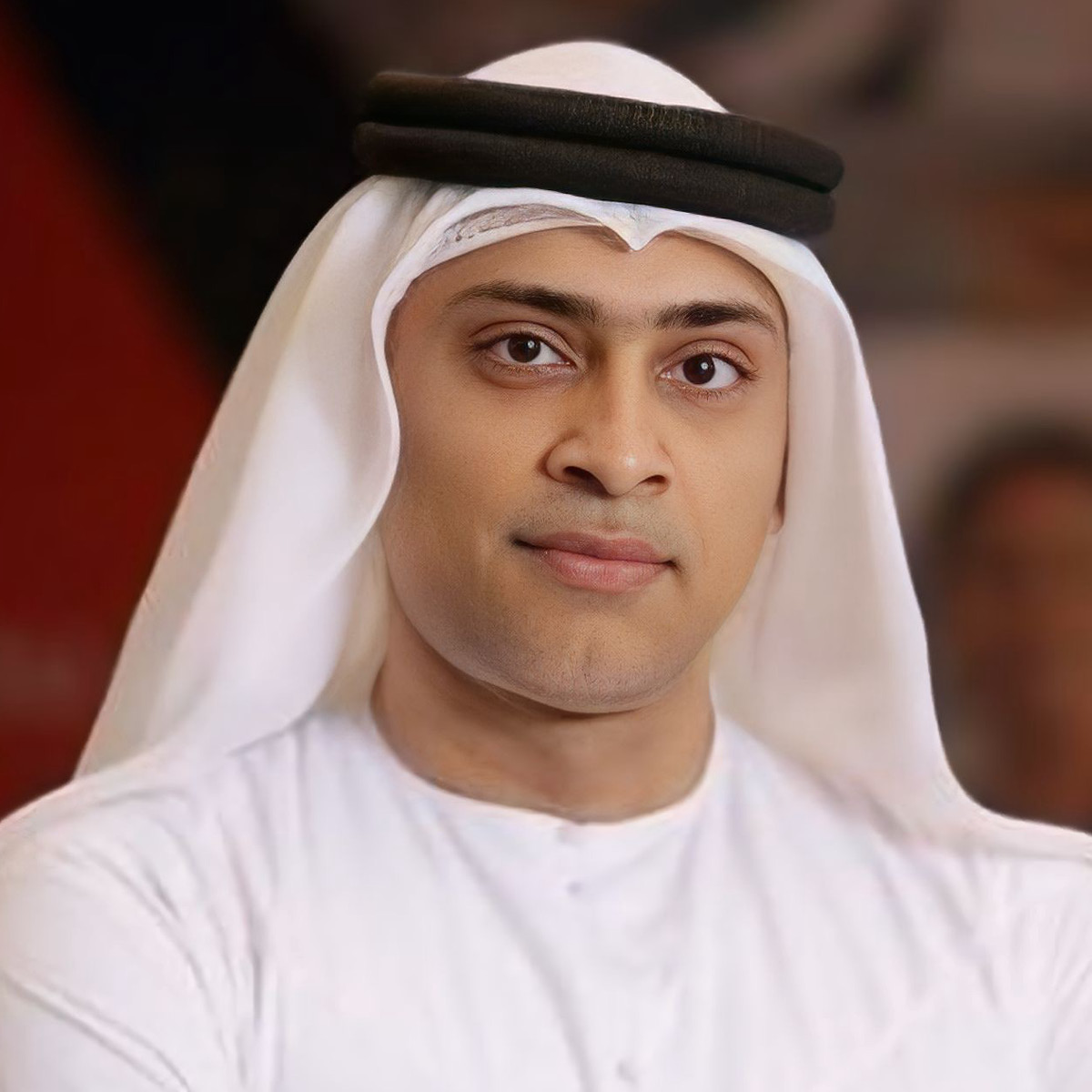
57. Haidar Alyousuf
iO Health
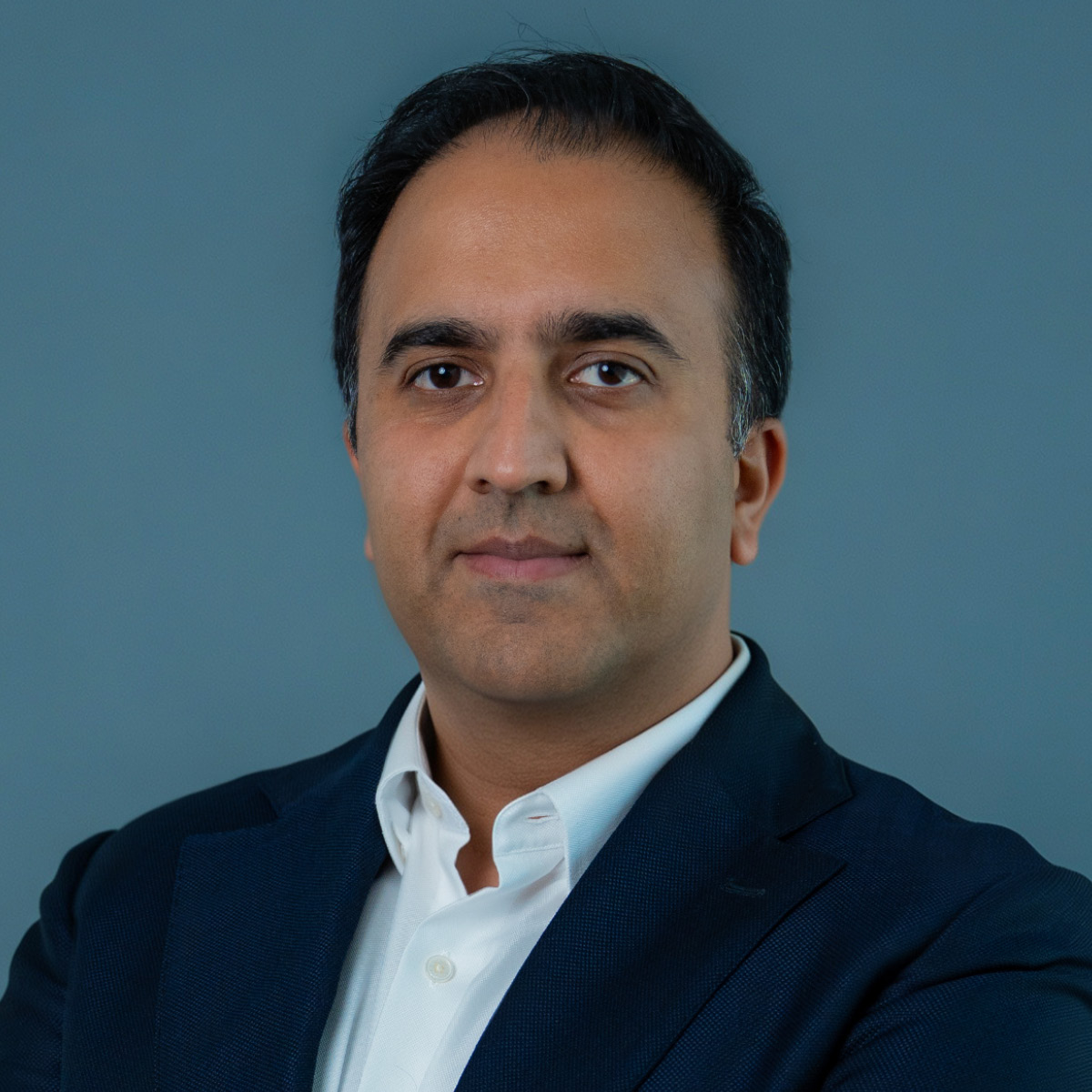
58. Imran Ahmed
Nas Neuron Health Services (NNHS)
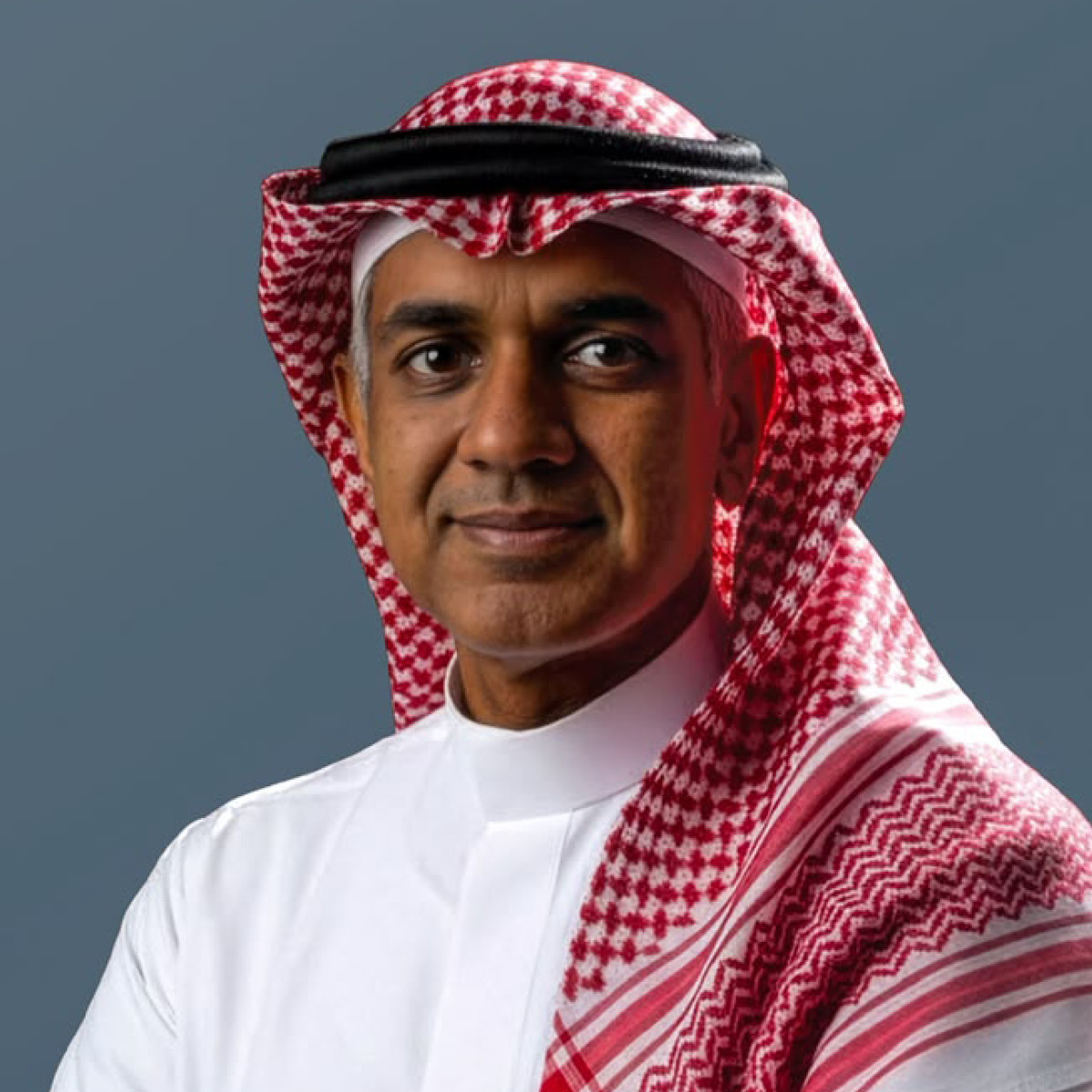
59. Shadi Salem Alkhayyat
Jeddah Second Health Cluster
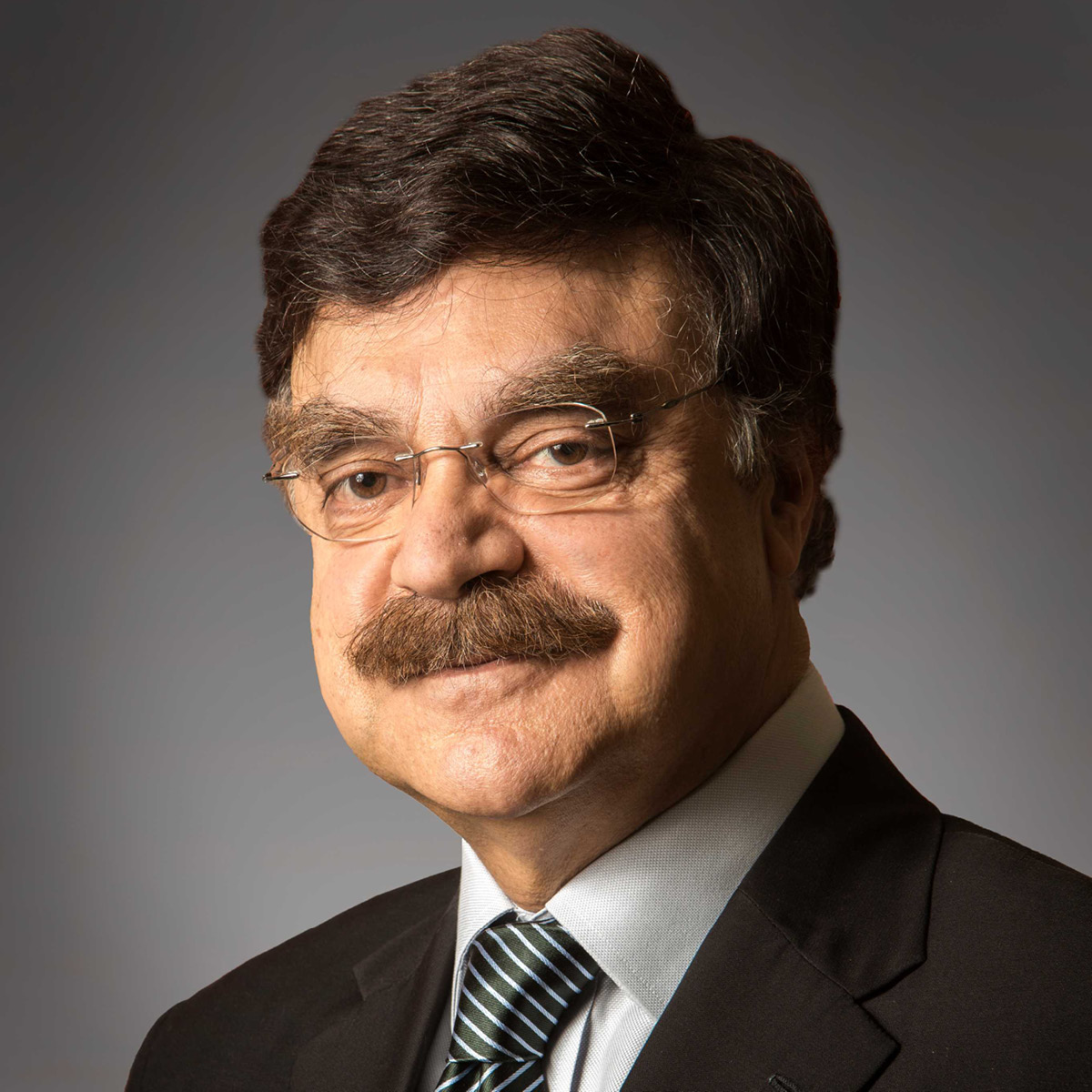
60. Javaid I. Sheikh
Weill Cornell Medicine-Qatar (WCM-Q)
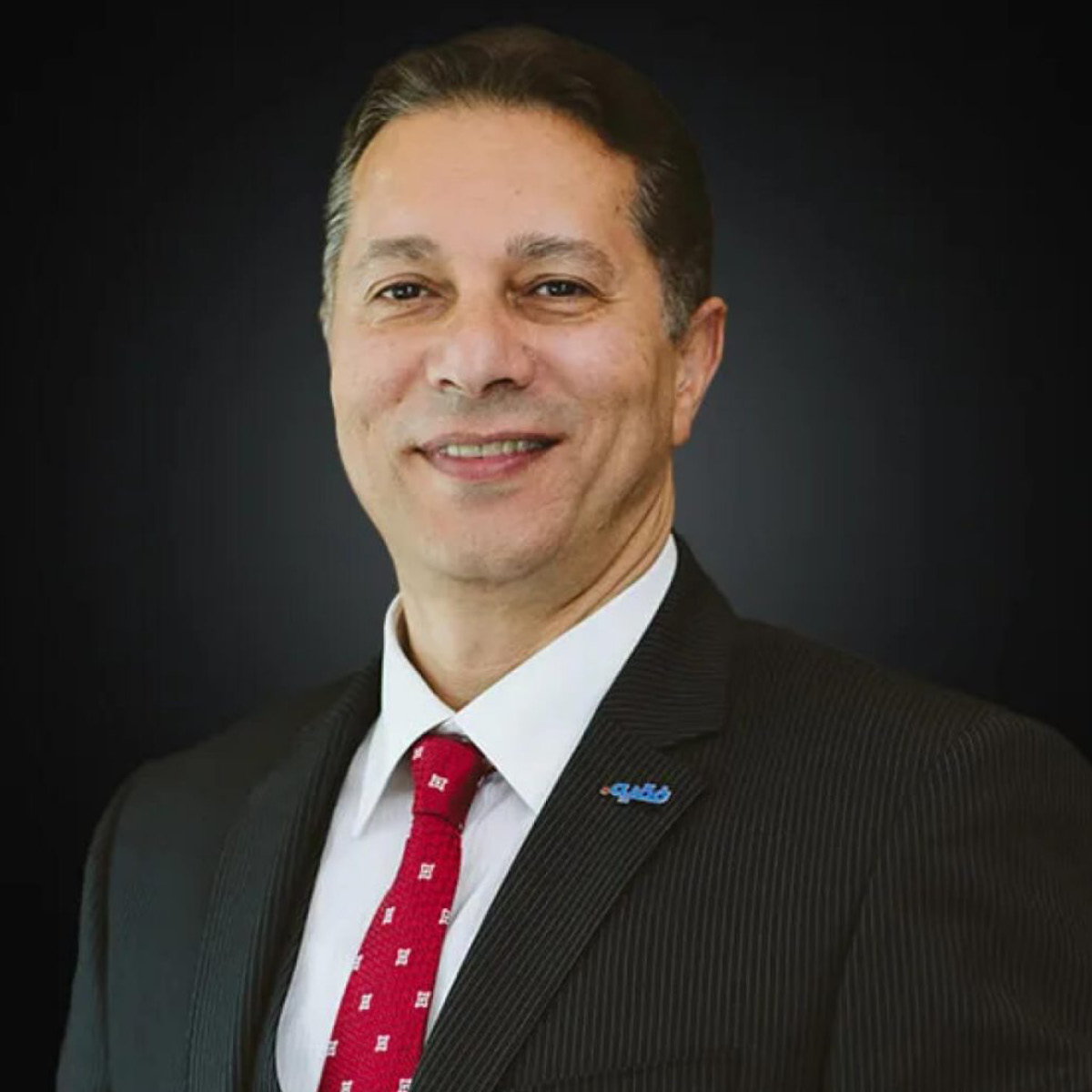
61. Mohaymen Abdelghany
Fakeeh Health—UAE; Fakeeh University Hospital (FUH)
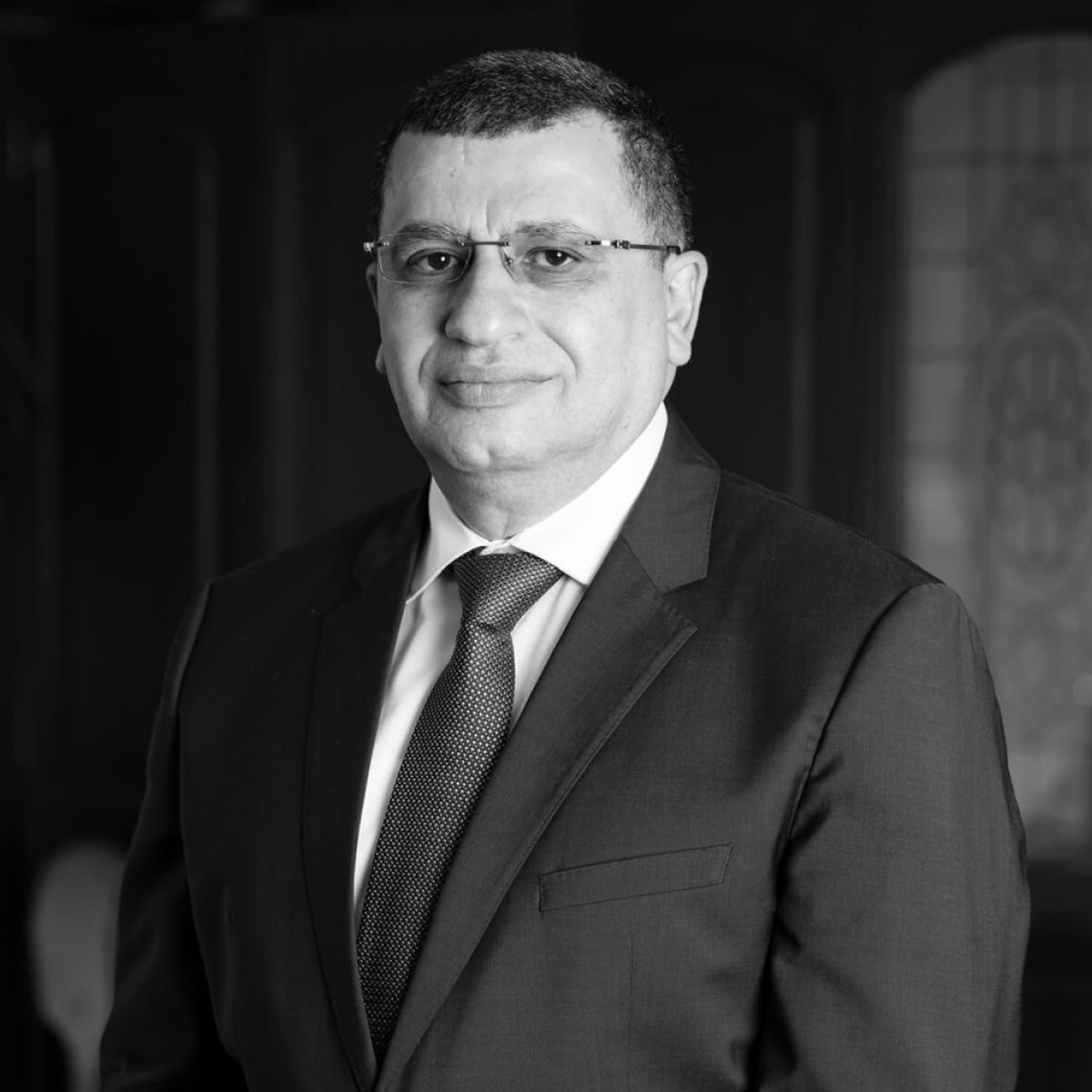
62. Ahmed Ezzeldin
Cleopatra Hospitals Group (CHG)
63. Mohamed Ezz Eldin
Novartis
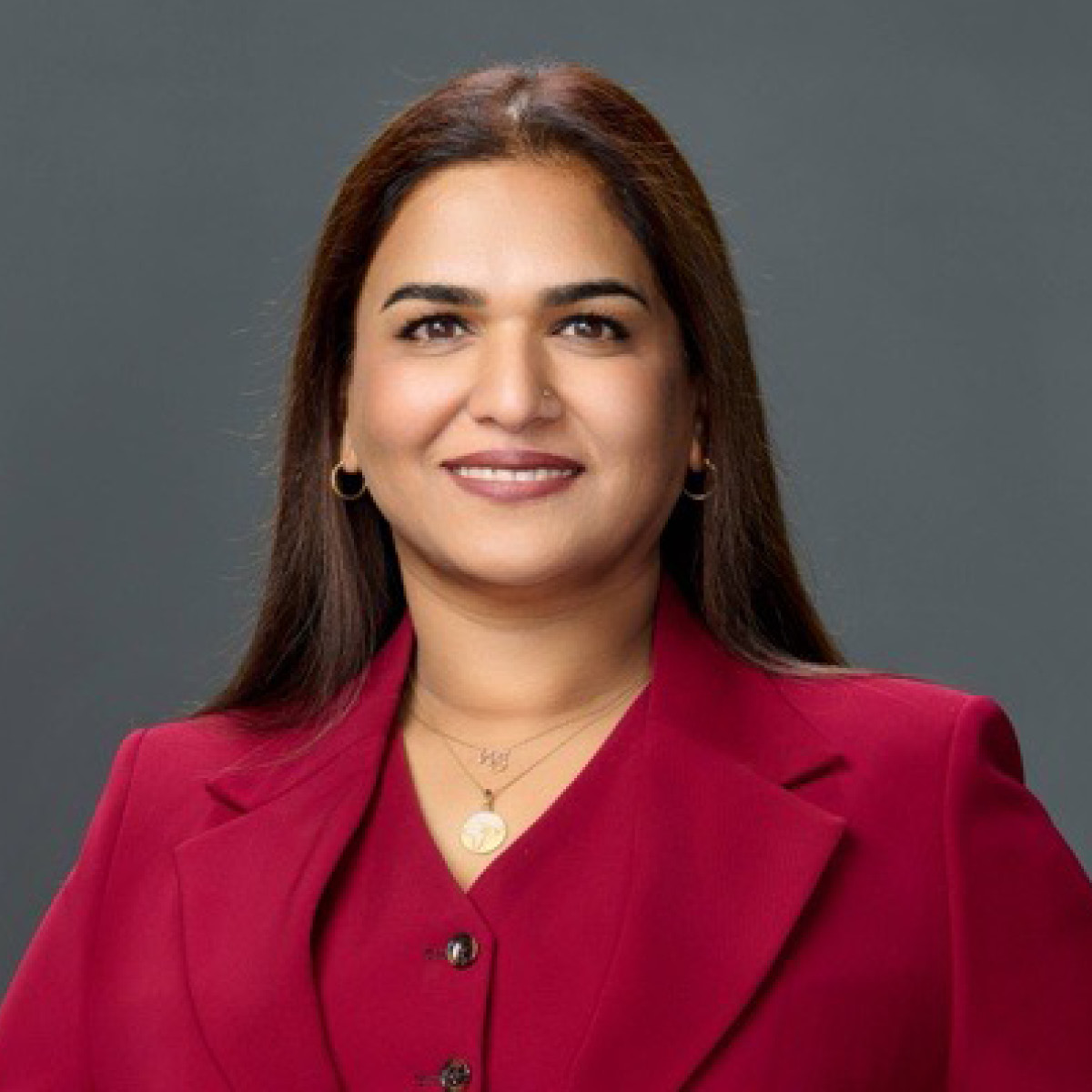
64. Shanila Laiju
Medcare Hospitals & Medical Centres
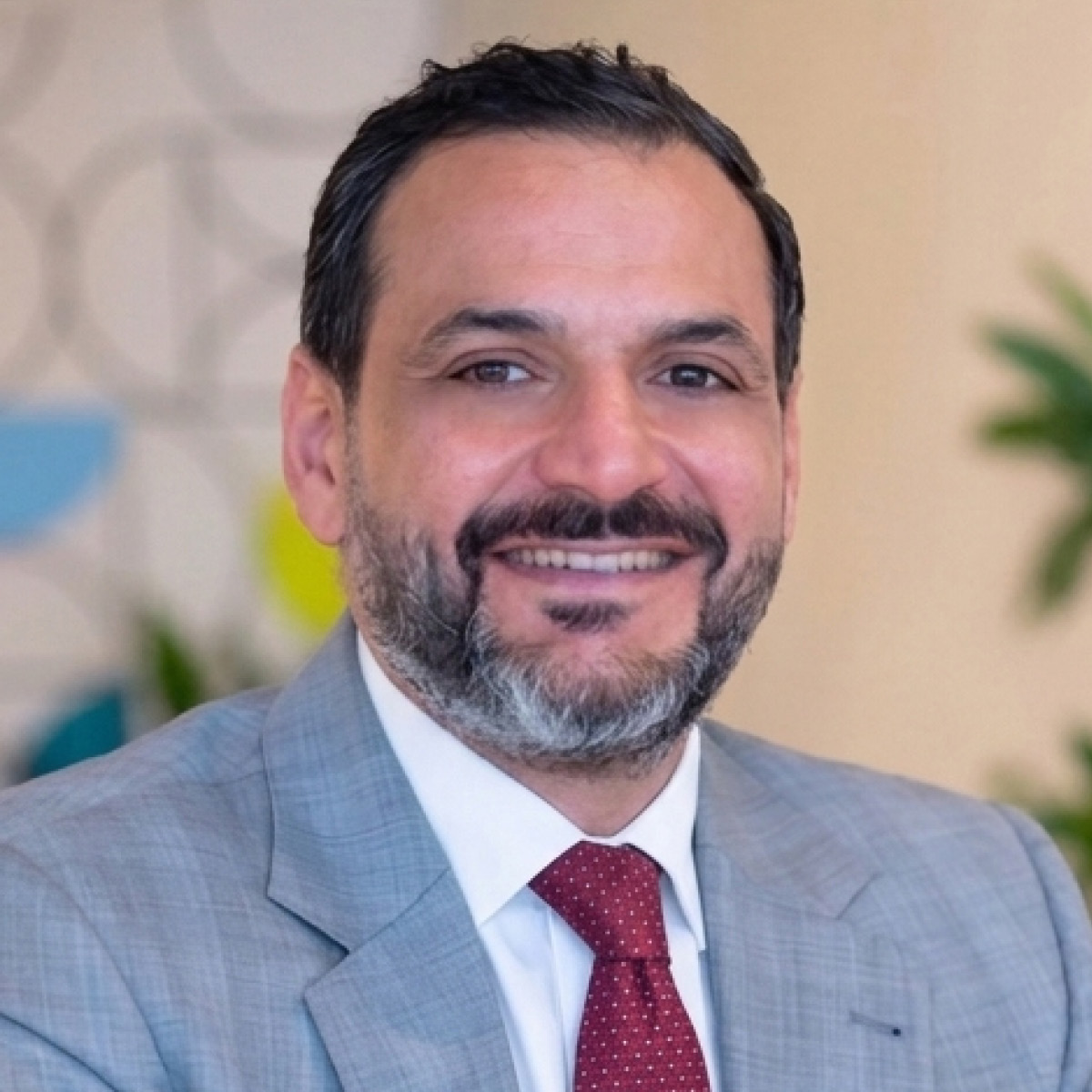
65. Ashraf Mallak
Merck Sharp & Dohme (MSD)
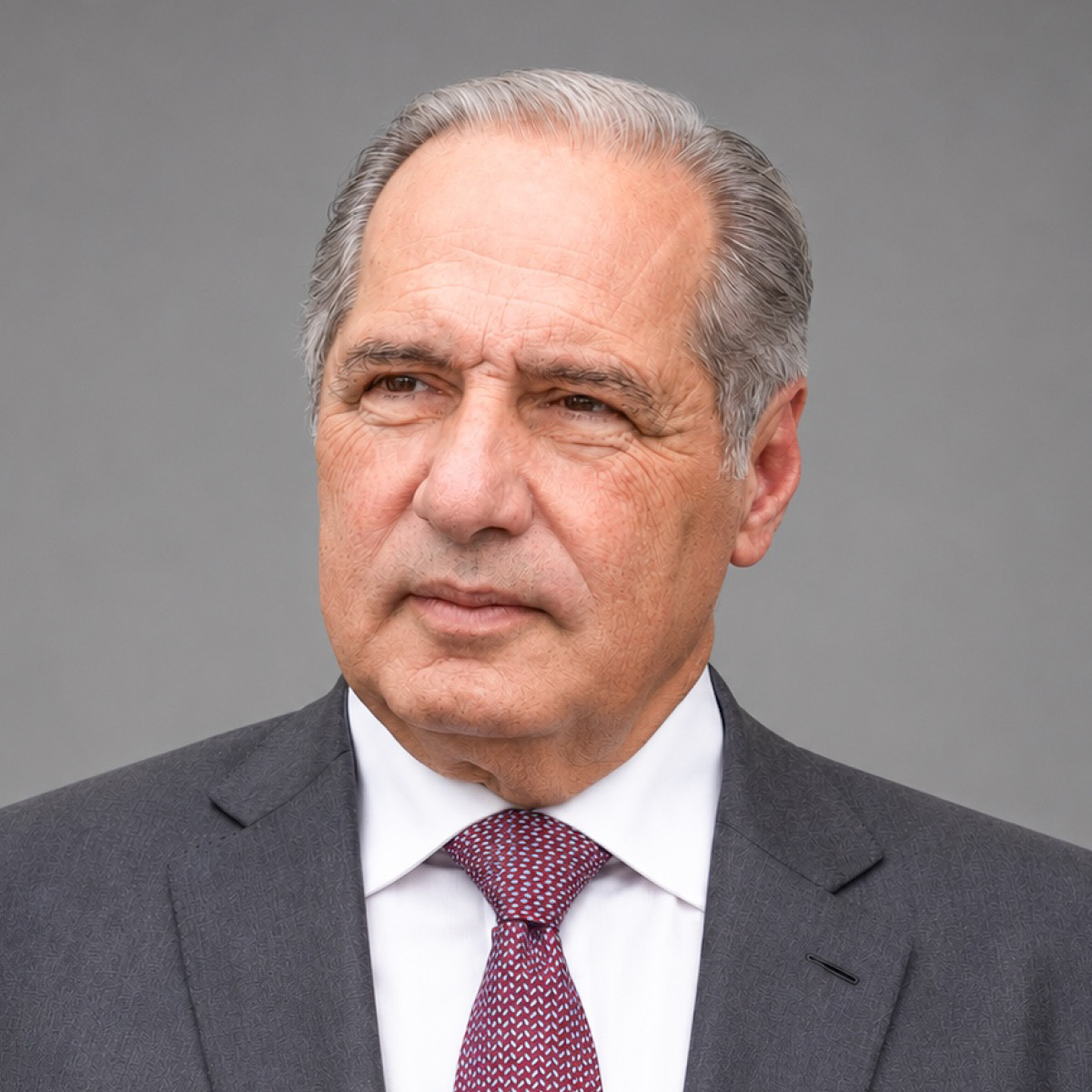
66. Ghassan Mamlouk
Advanced Technology Company (ATC)
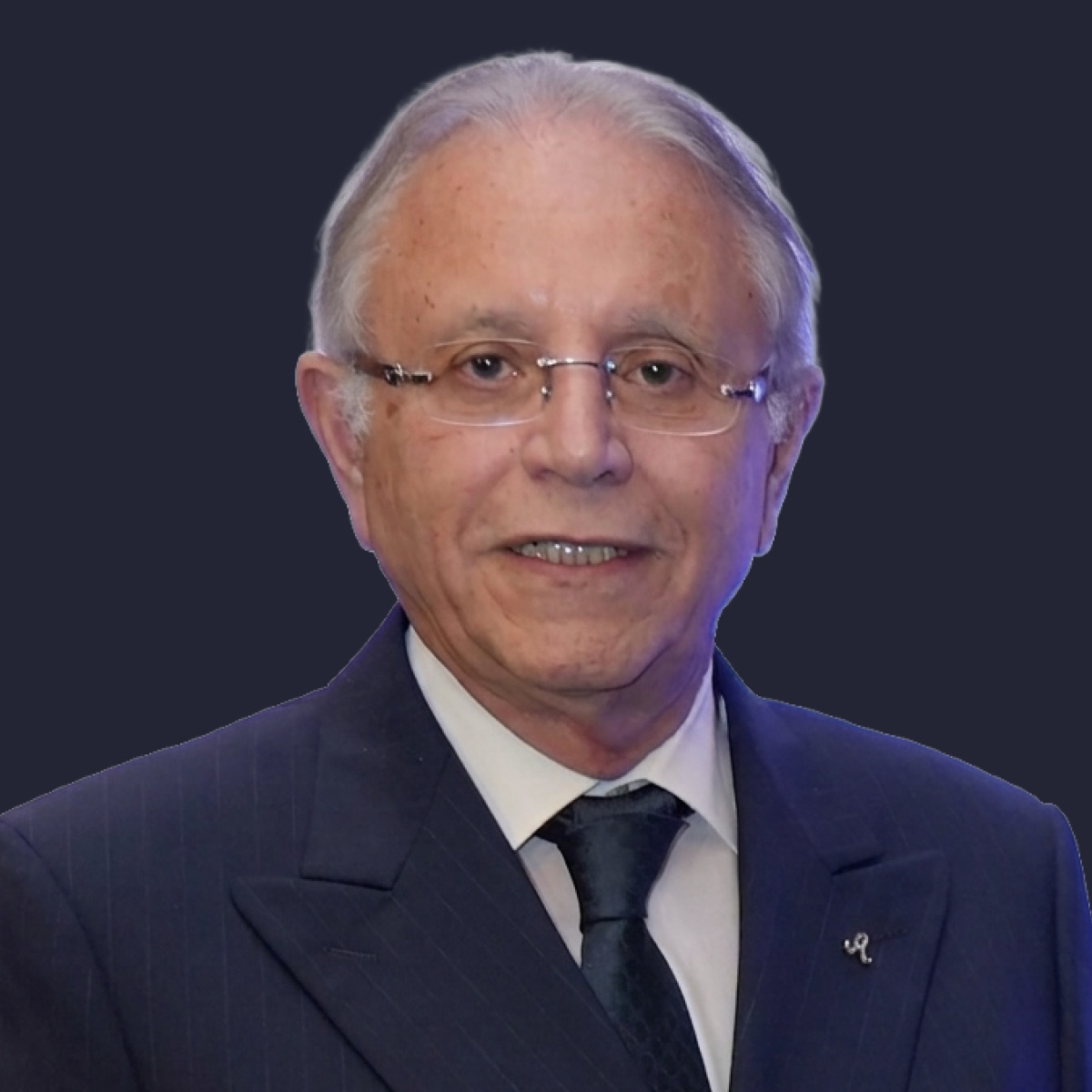
67. Ahmed Kelani
Egyptian International Pharmaceutical Industries Company (EIPICO)
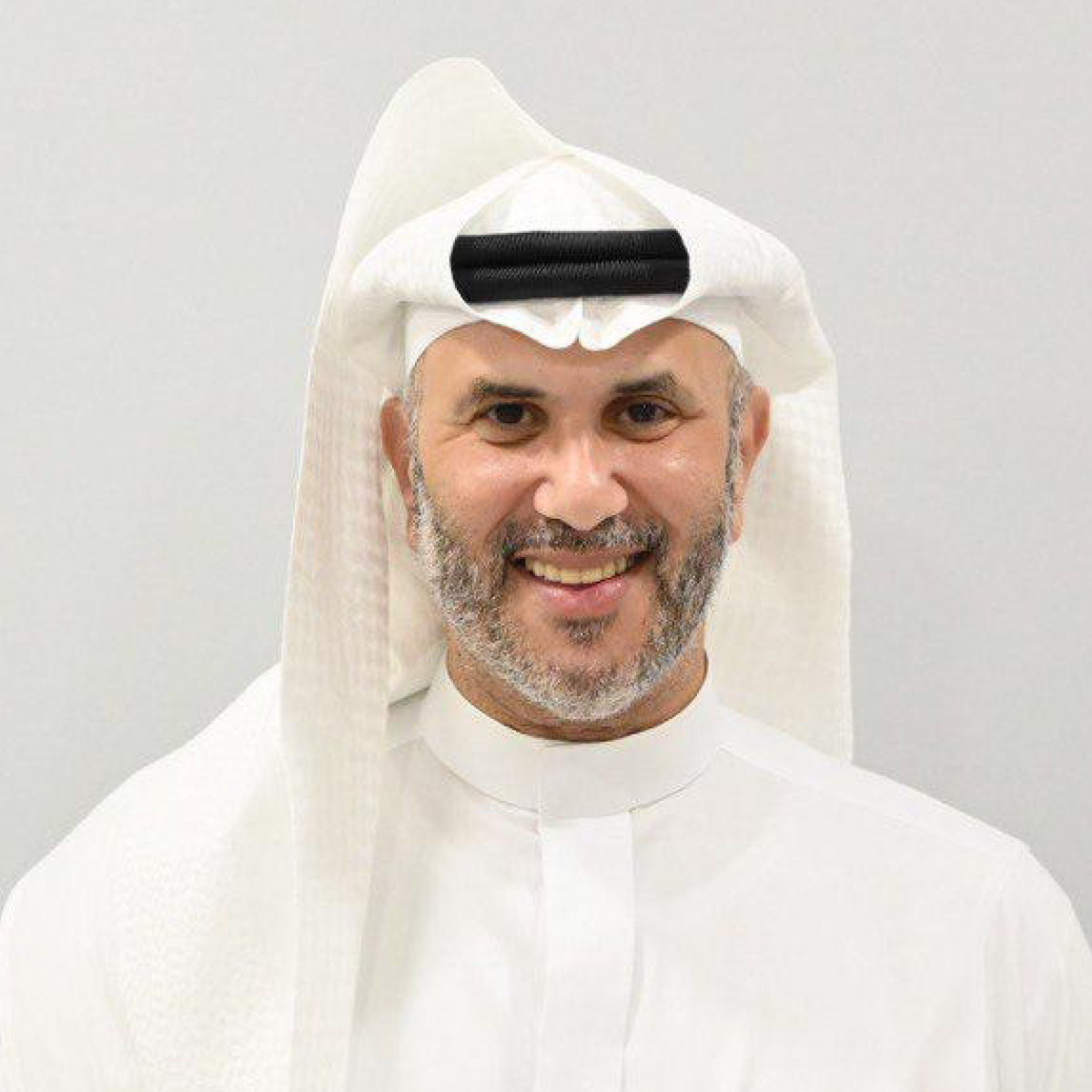
68. Amro Al-Hibshi
Jeddah First Health Cluster
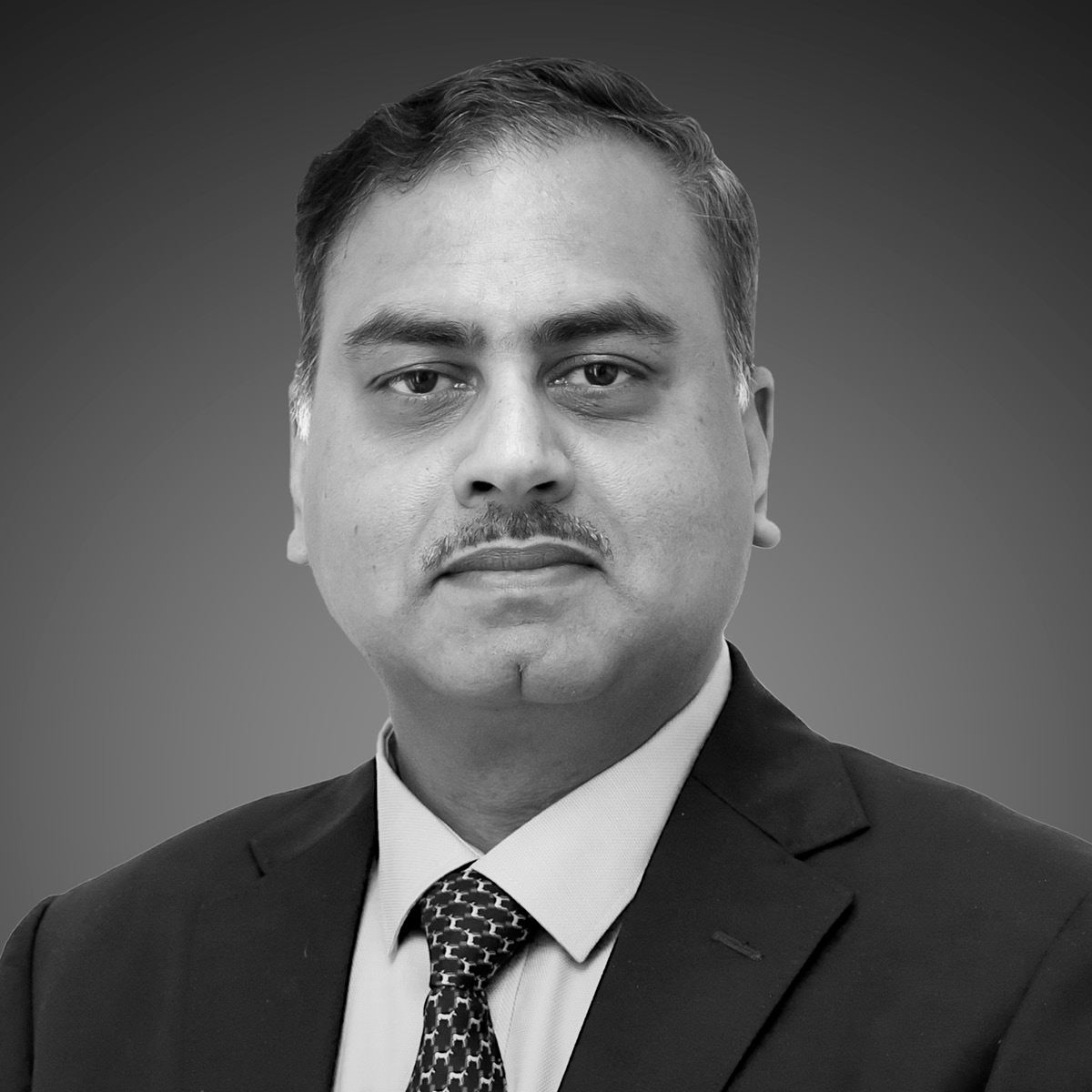
69. Neeraj Mishra
Alameda Healthcare Group
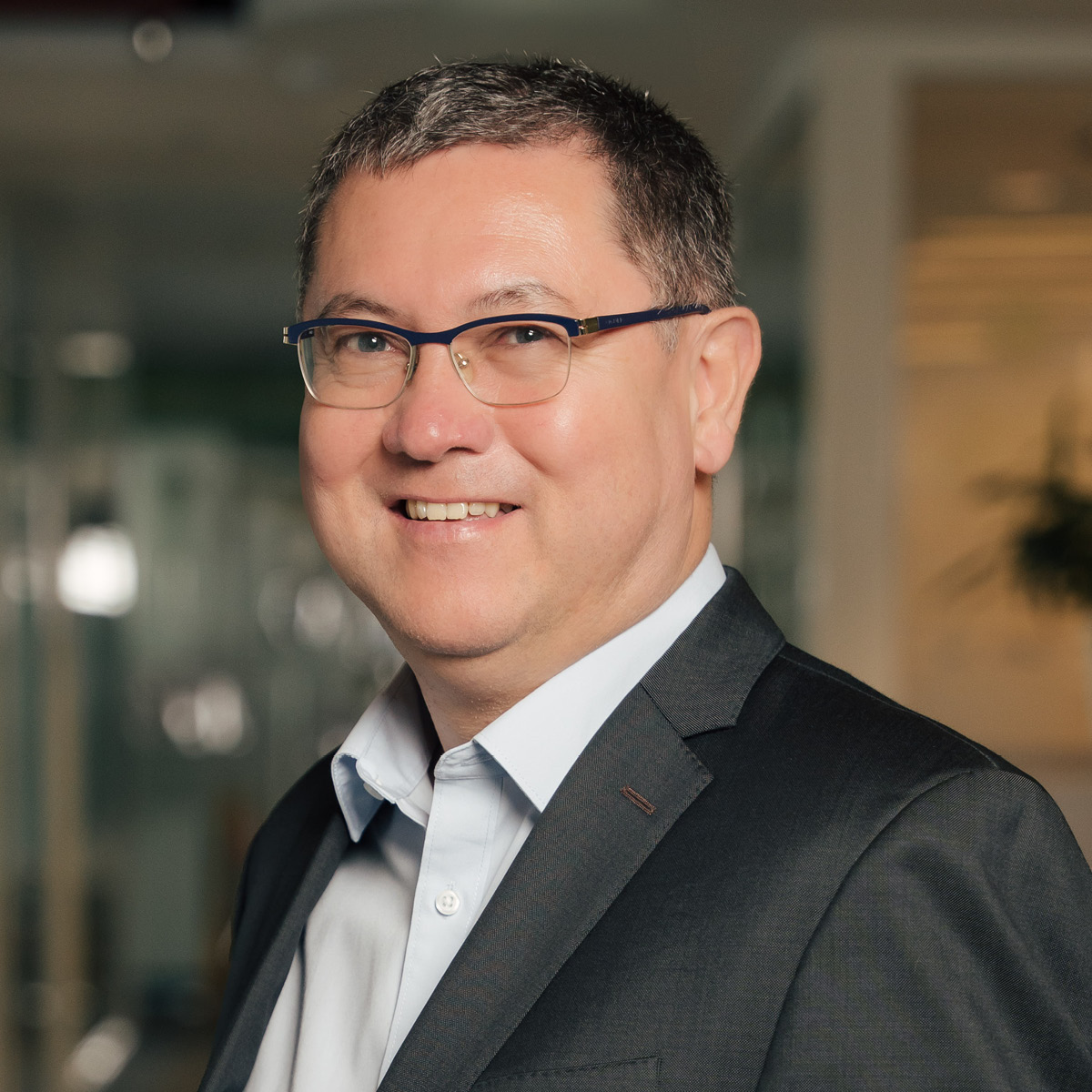
70. Derek O’Leary
Boehringer Ingelheim
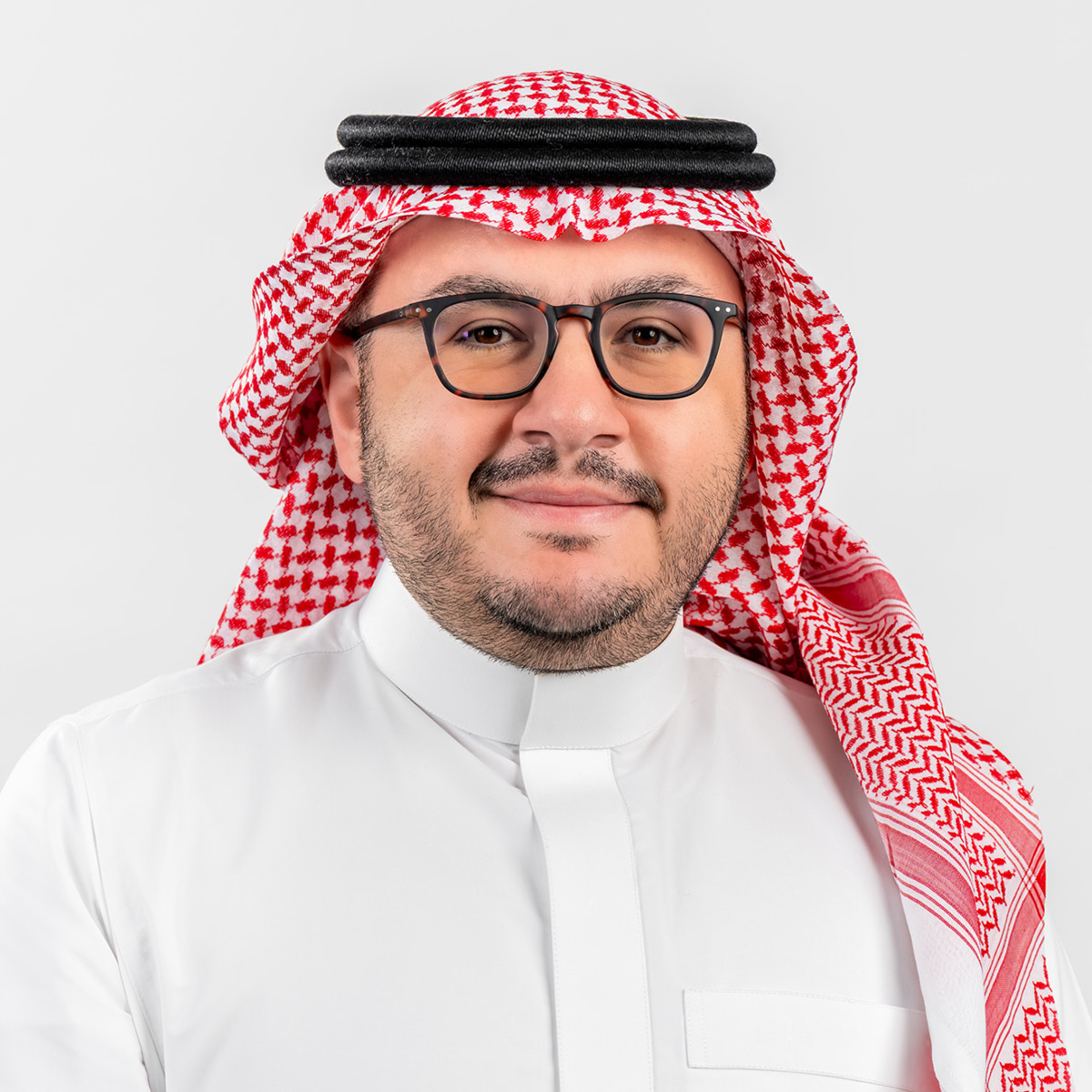
71. Mohamed Maher Al Ghannam
Avalon Pharma
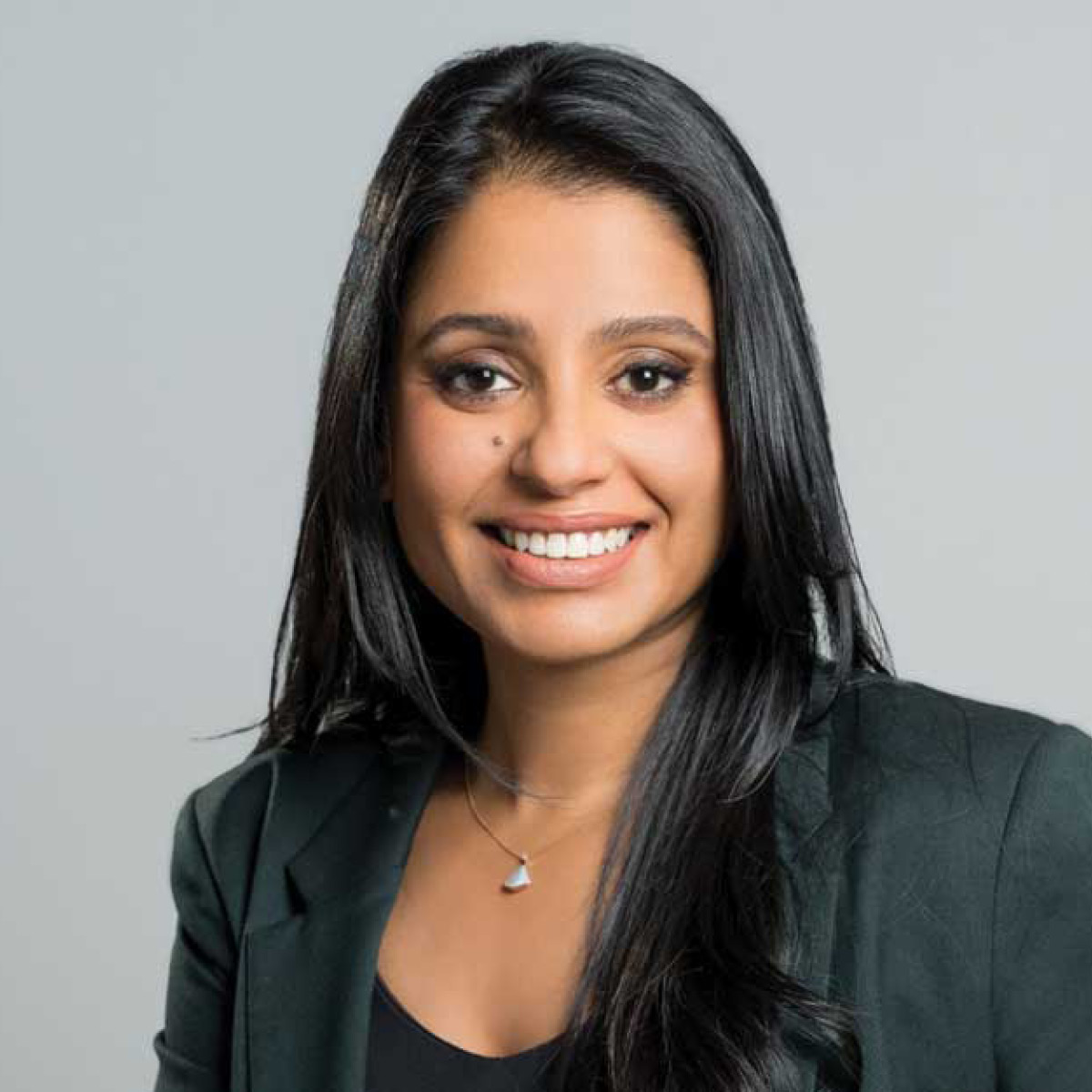
72. Preeti Futnani
Sanofi
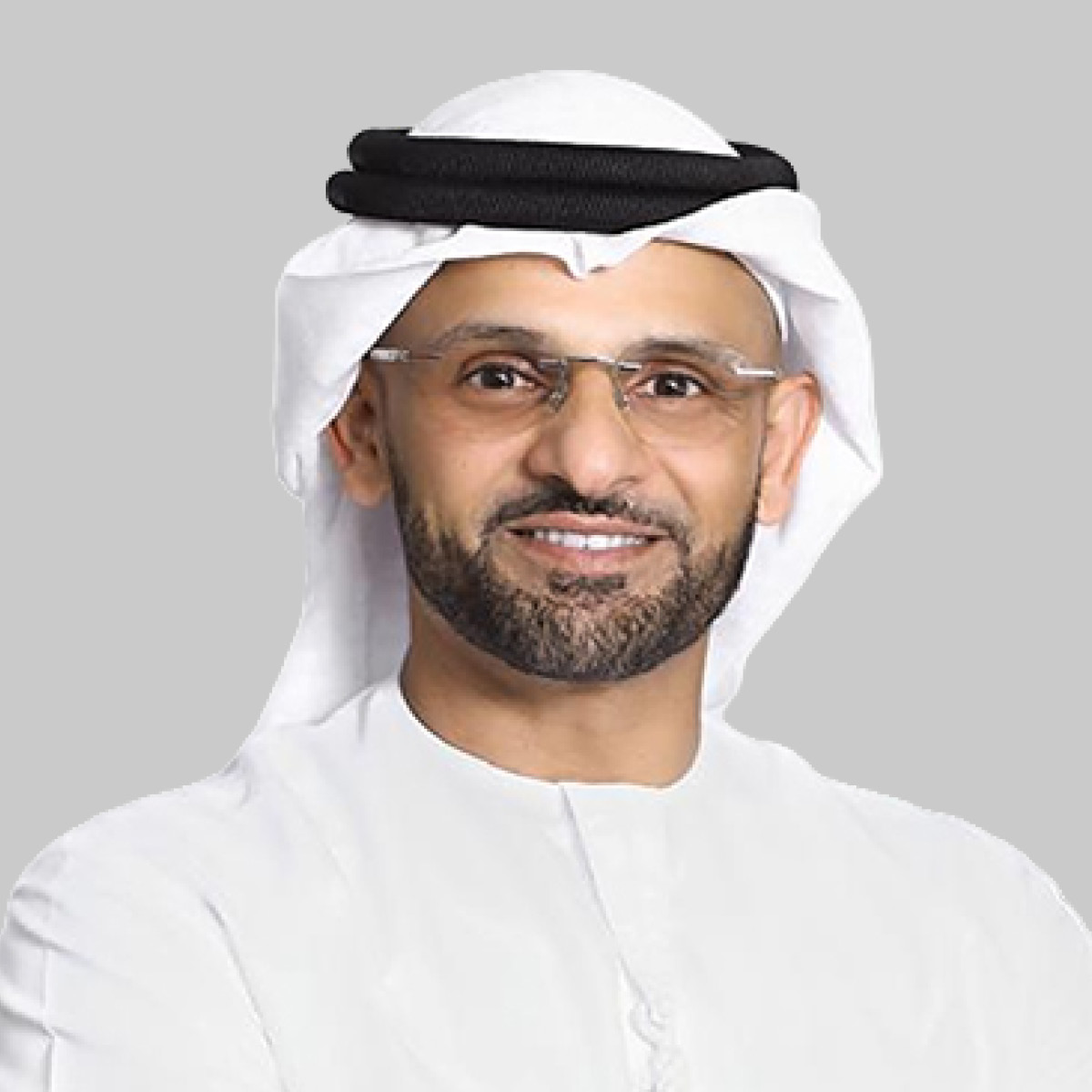
73. Mishal AlQasimi
Specialized Rehabilitation Hospital & Health Shield Medical Center – Capital Health
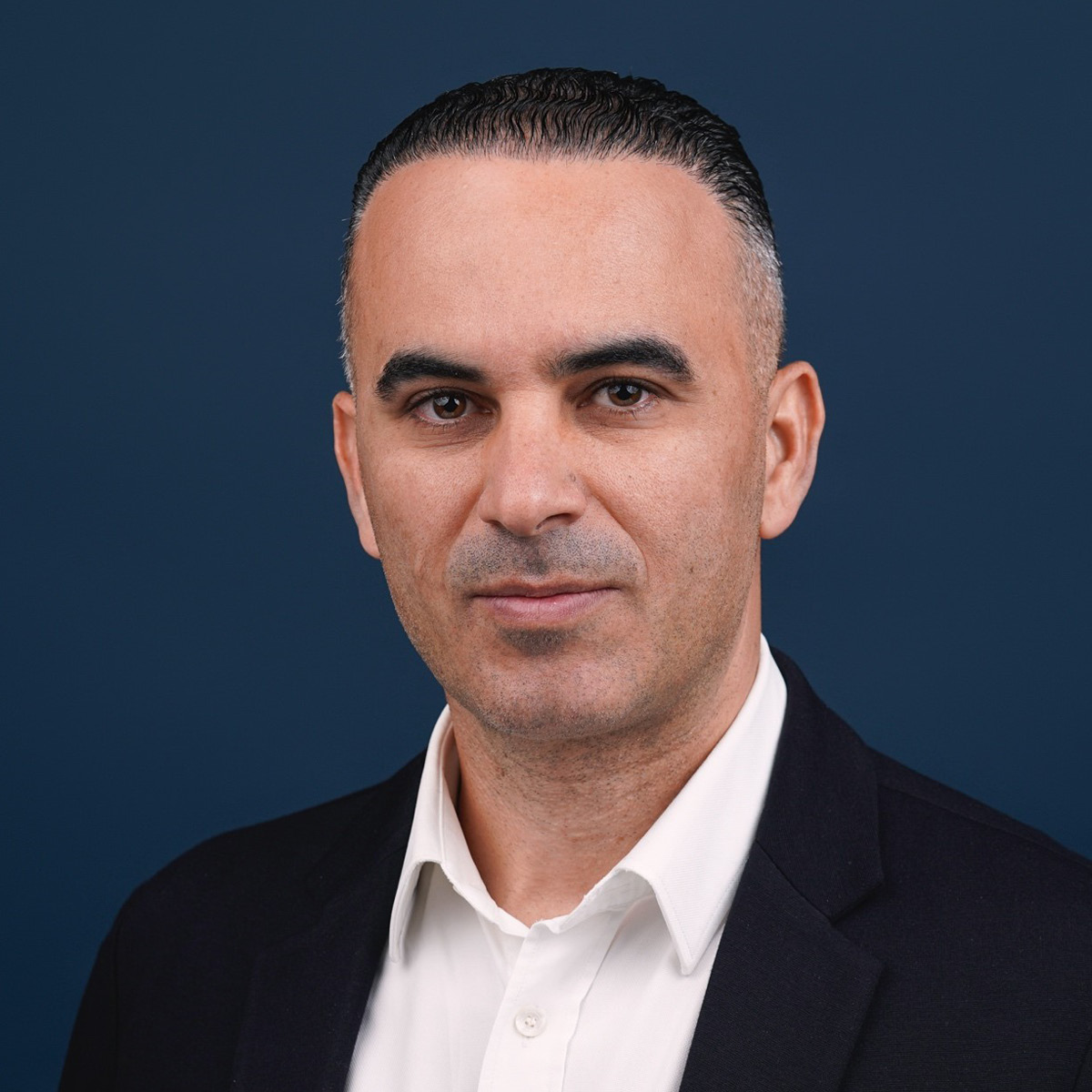
74. Akram Dhaini
Oracle Health & Life Sciences
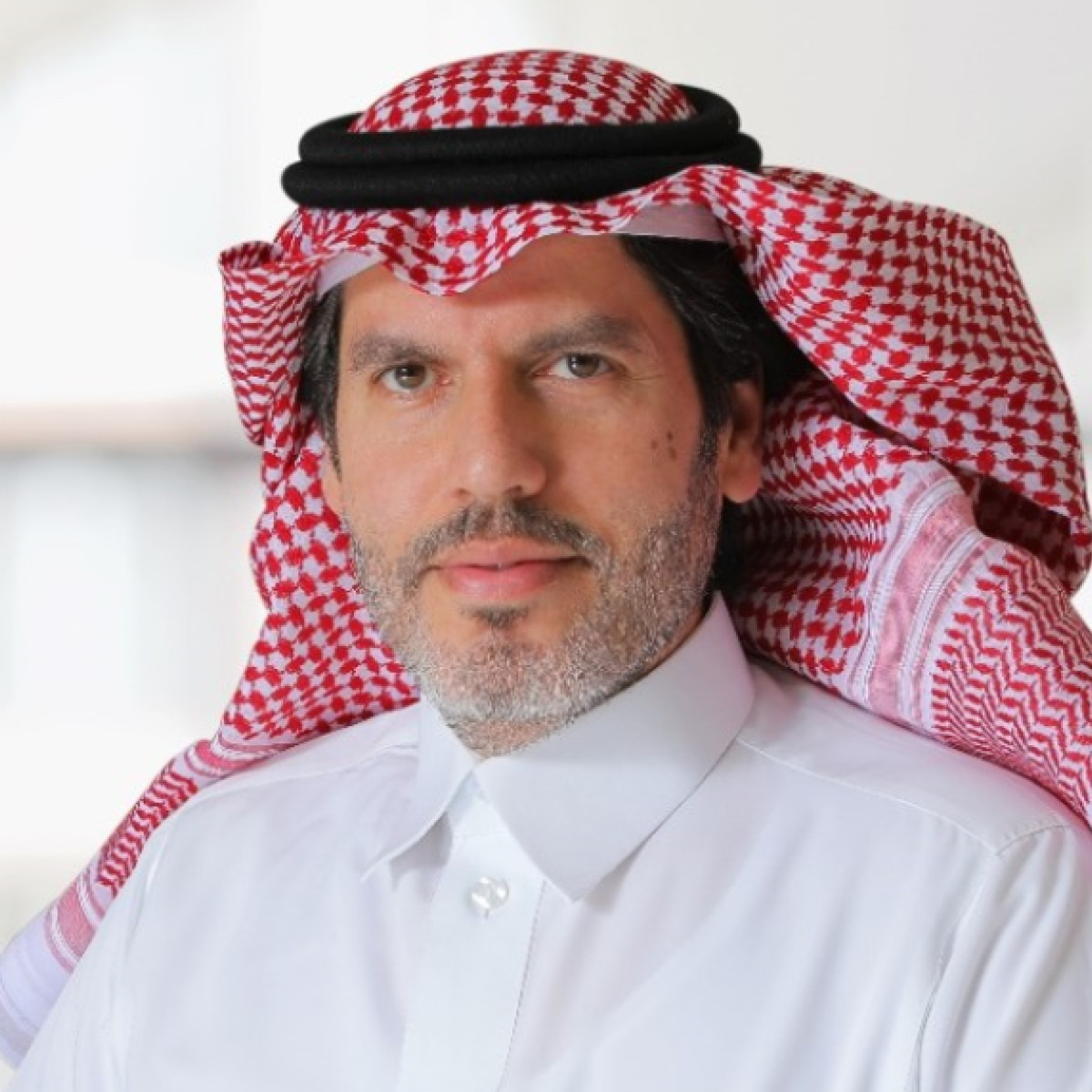
75. Yasser Alobaida
Sudair Pharmaceutical Company (SPC)
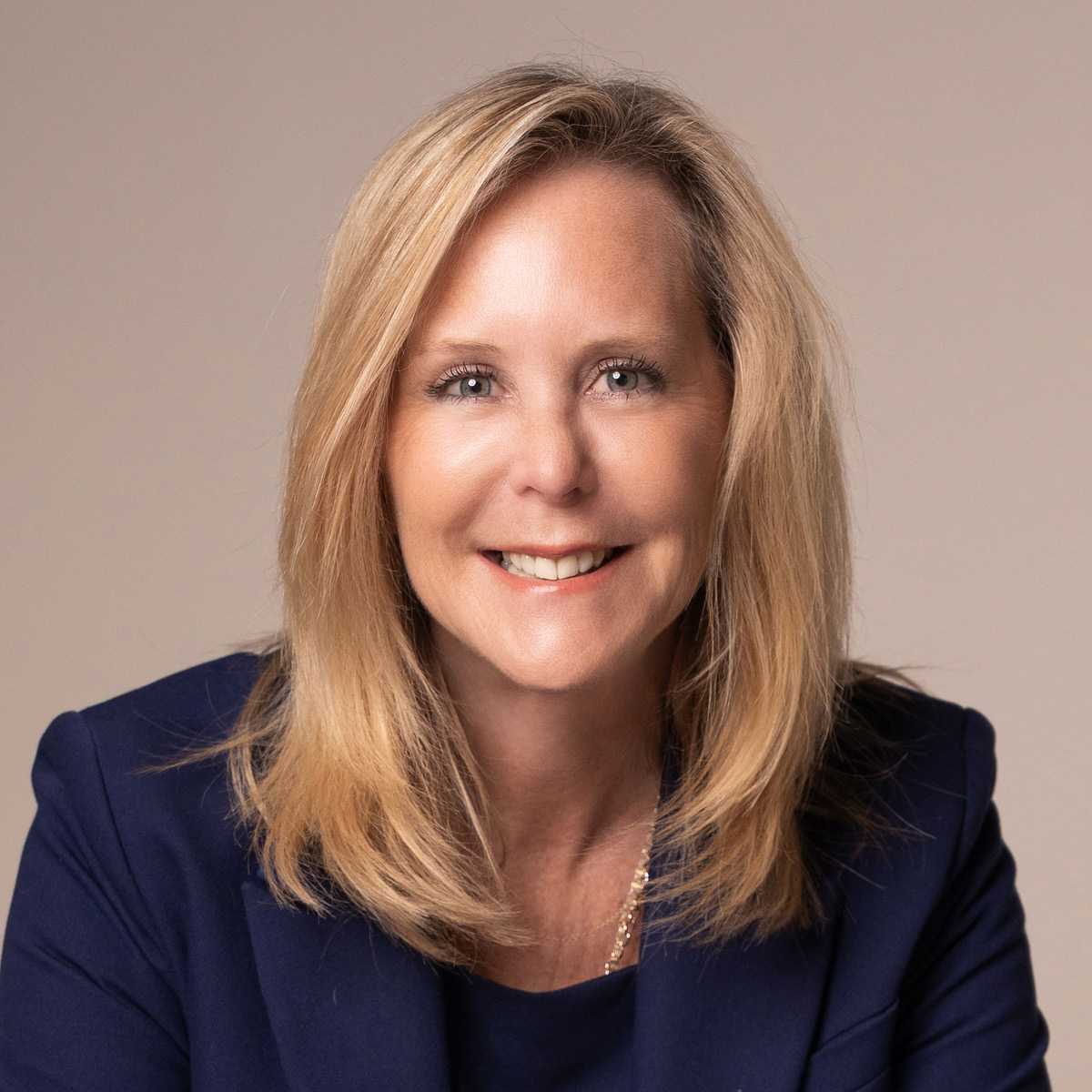
76. Kimberley Anne Pierce
King’s College Hospital London, Dubai
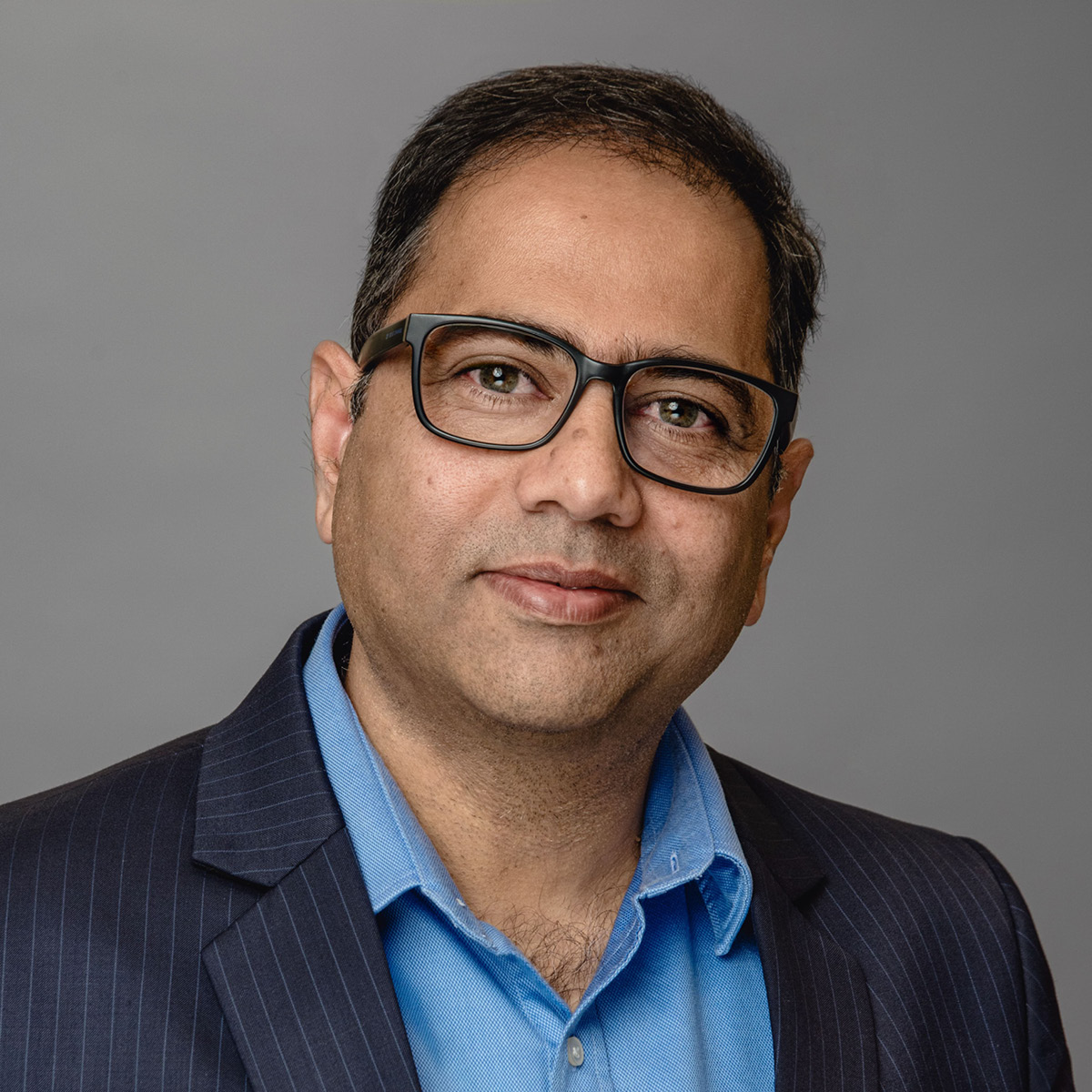
77. Vivek Kanade
Siemens Healthineers
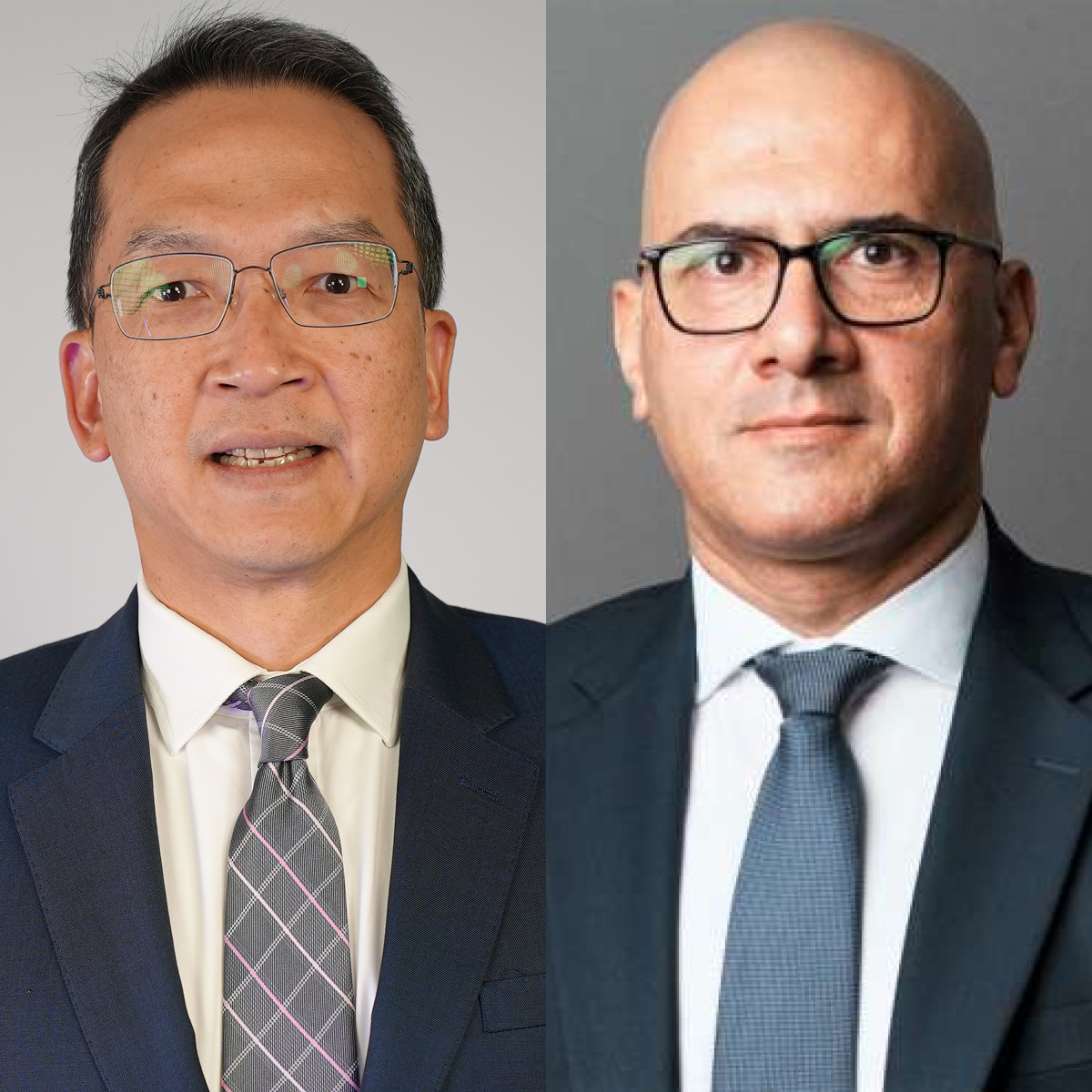
78. Mohamed El Dababy; Boyd Chongphaisal
GSK
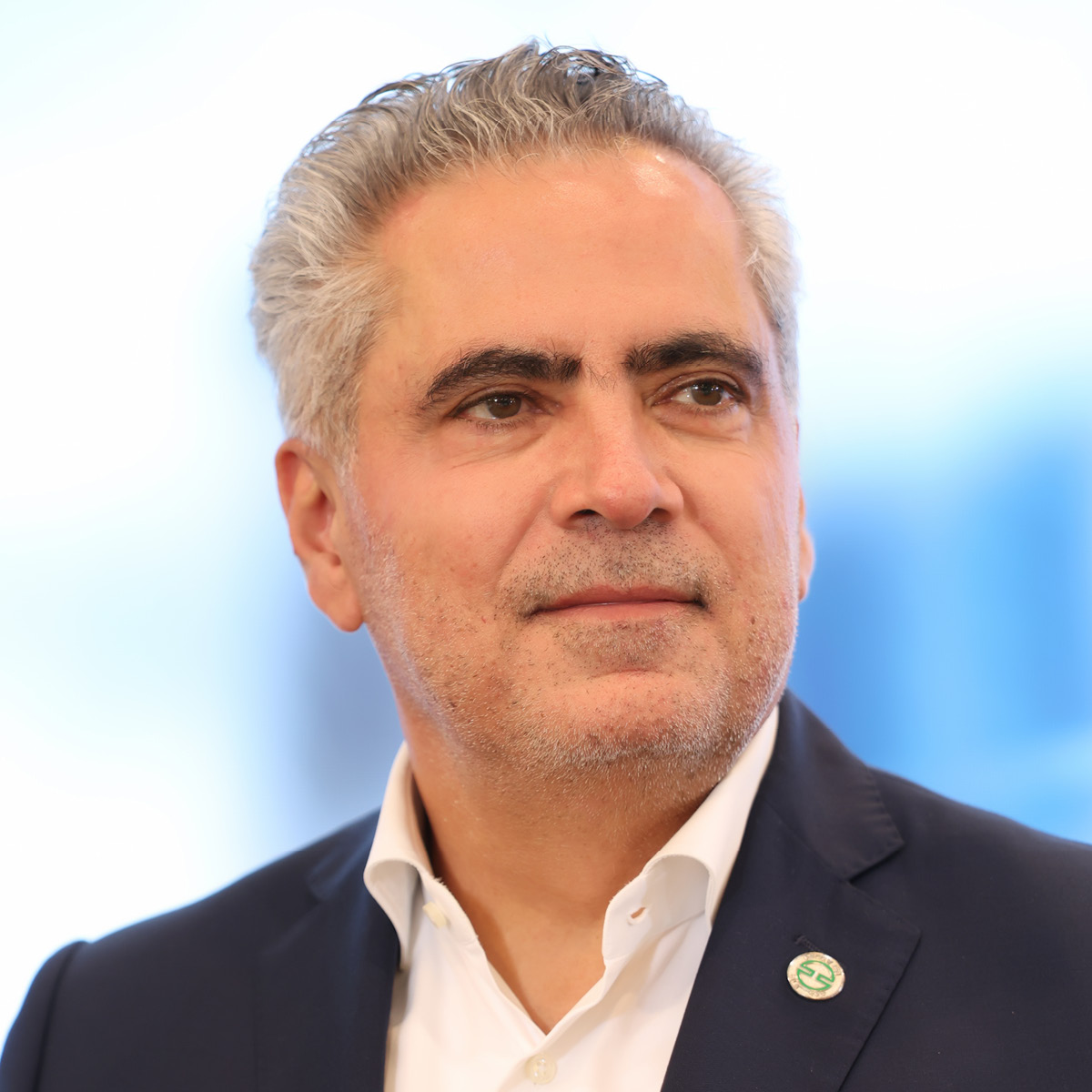
79. Khaled Harb
Dar Al Dawa Development & Investment Company
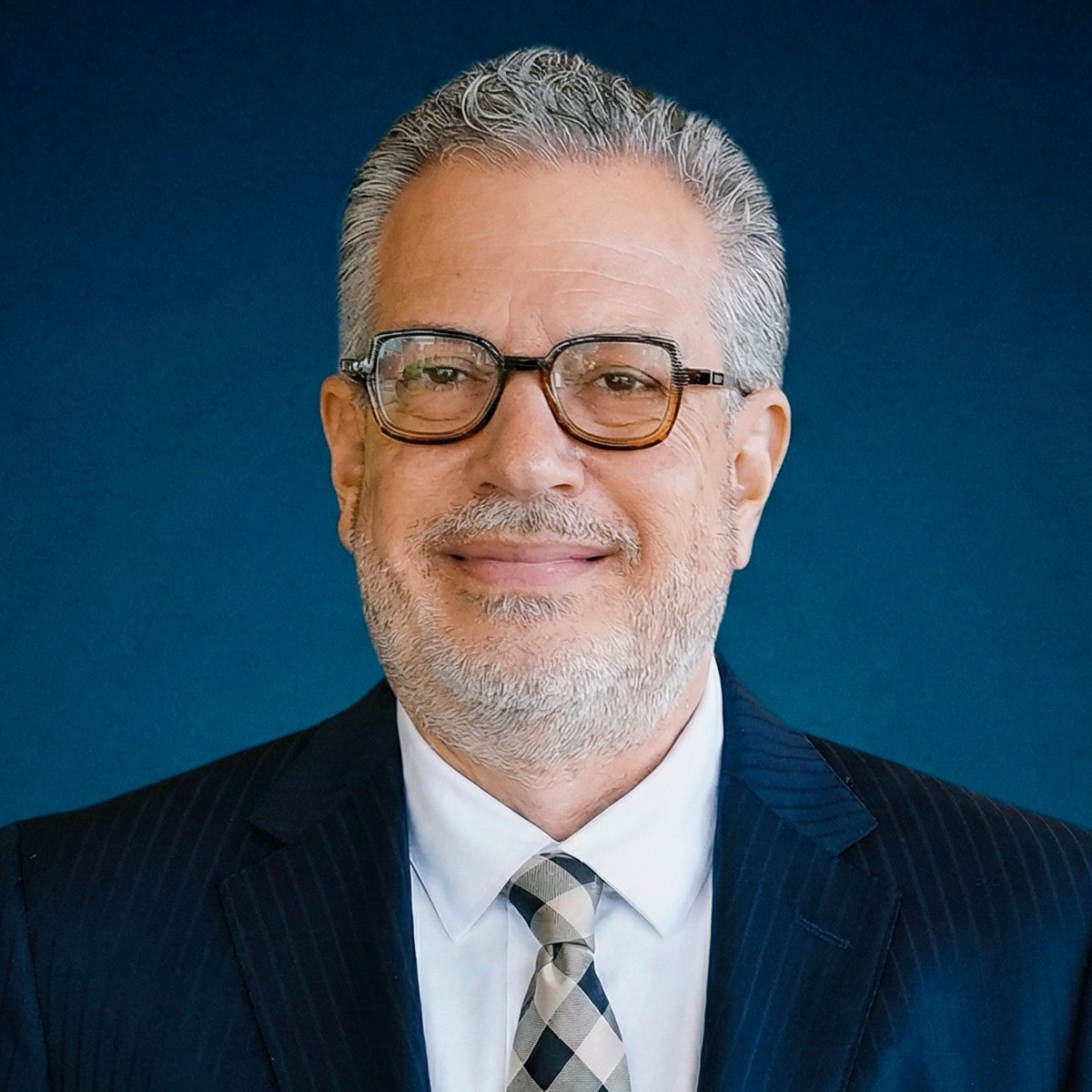
80. Howard S. Podolsky
Johns Hopkins Aramco Healthcare (JHAH)
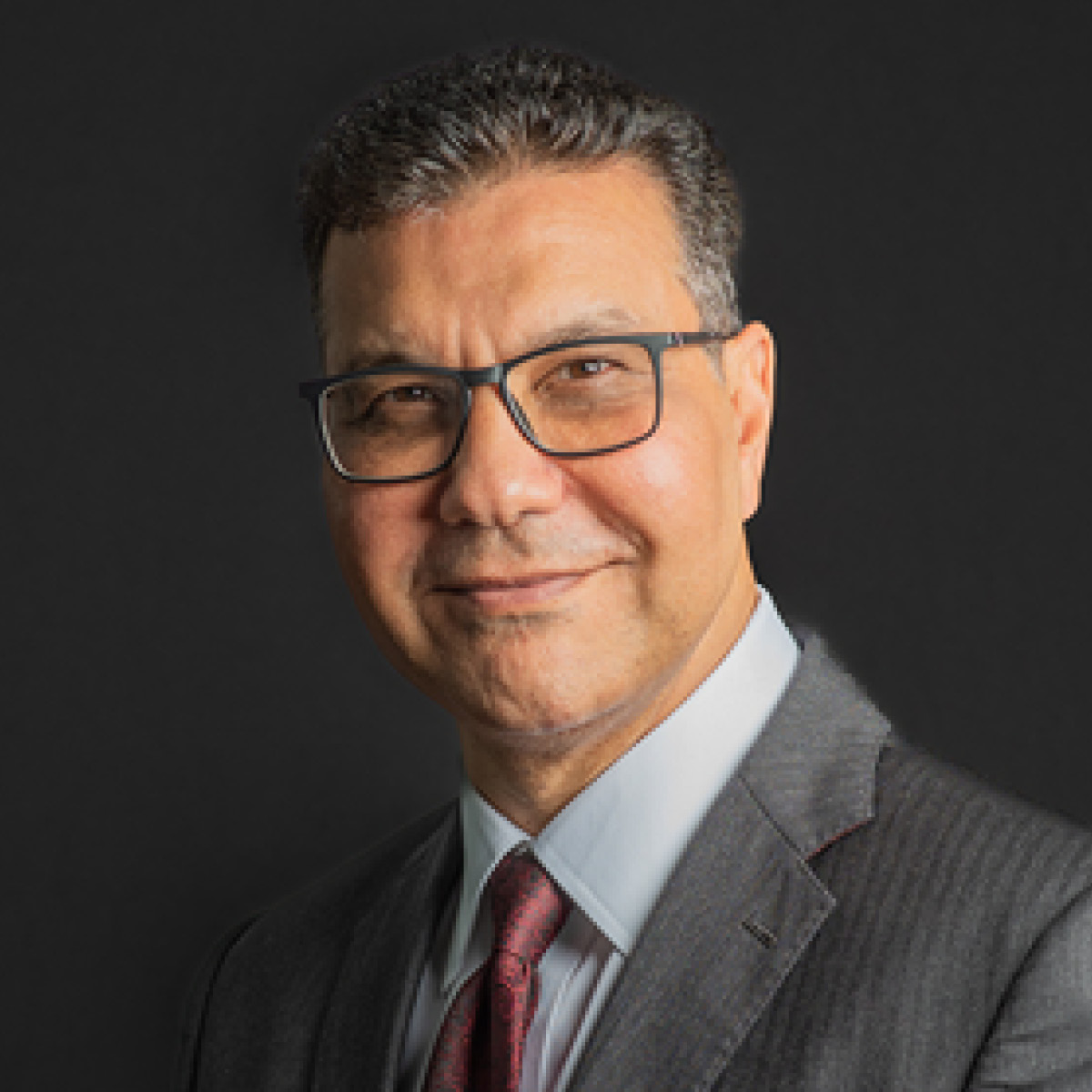
81. Hesham Abdalla
Albatha Healthcare Group
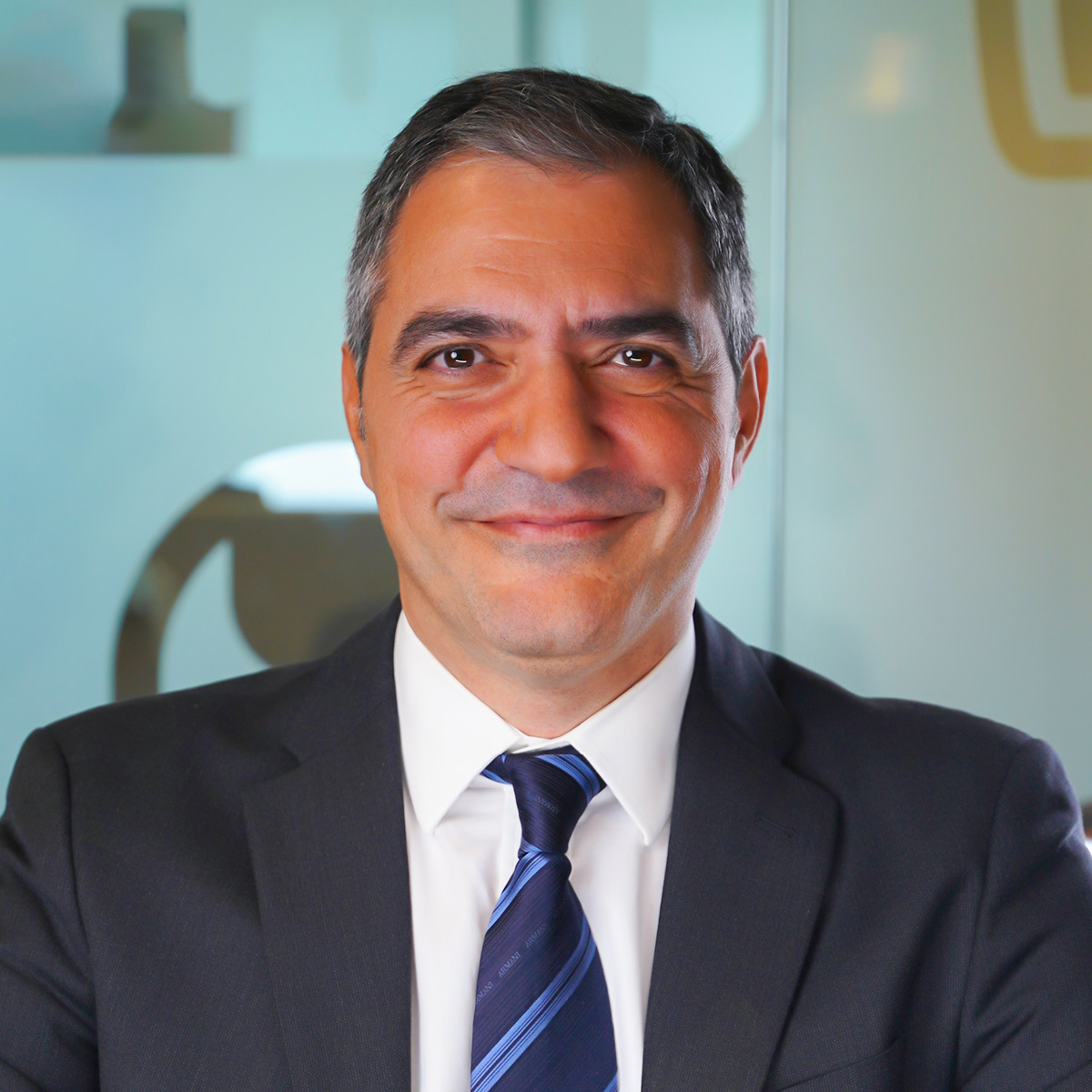
82. Arda Arat
Haleon
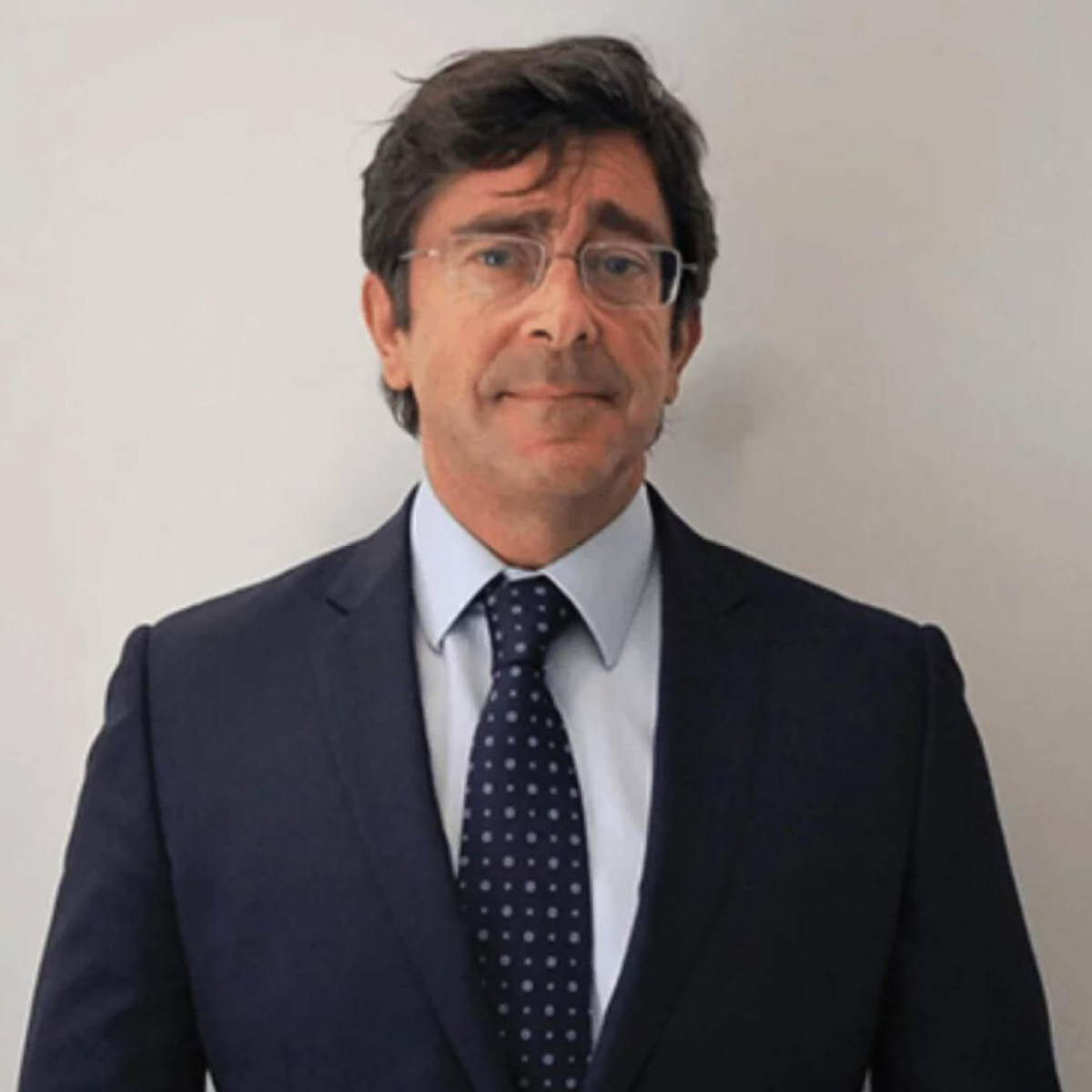
83. Marcelo Pereira
Oman International Hospital (OIH)
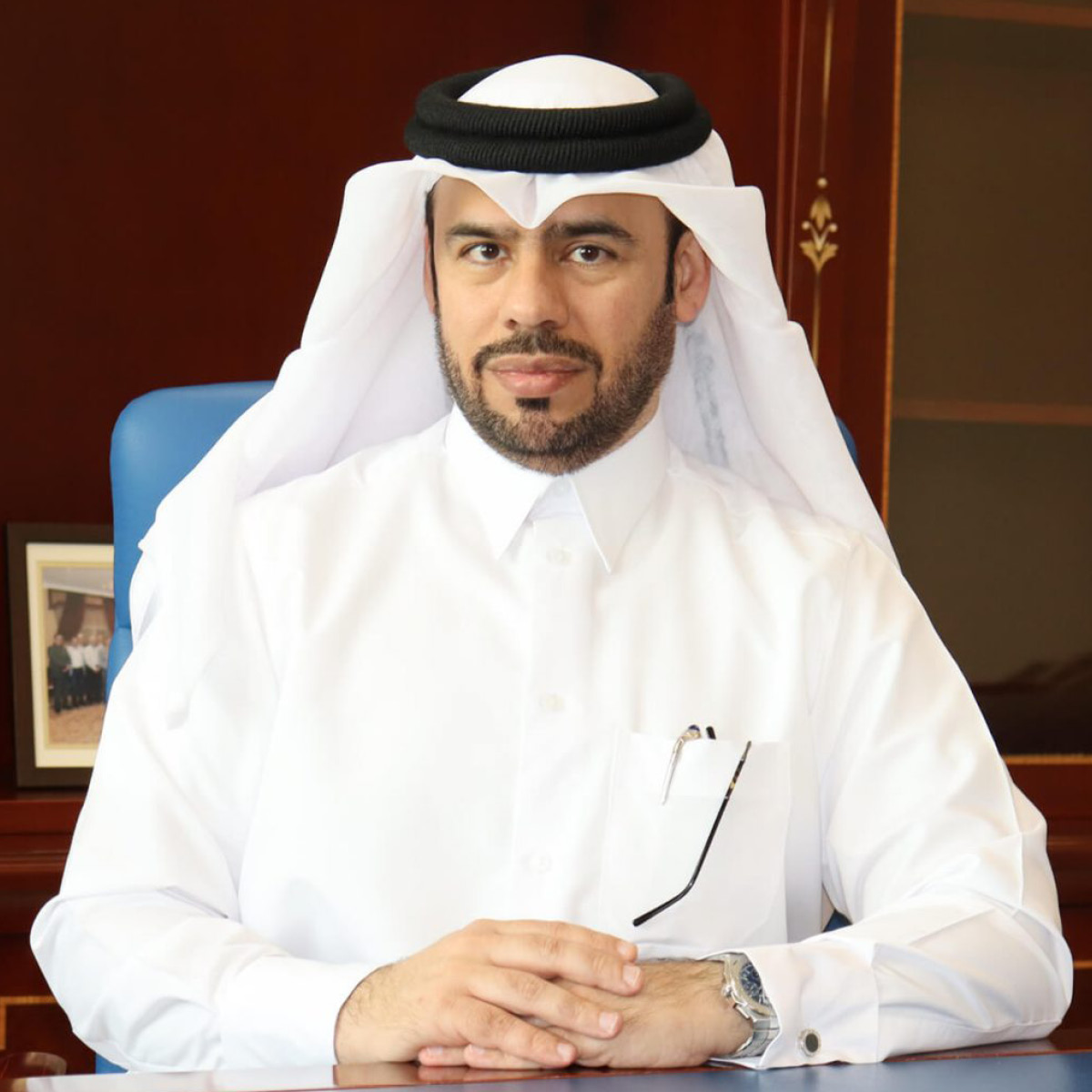
84. Khalid Al-Emadi
Medicare Group
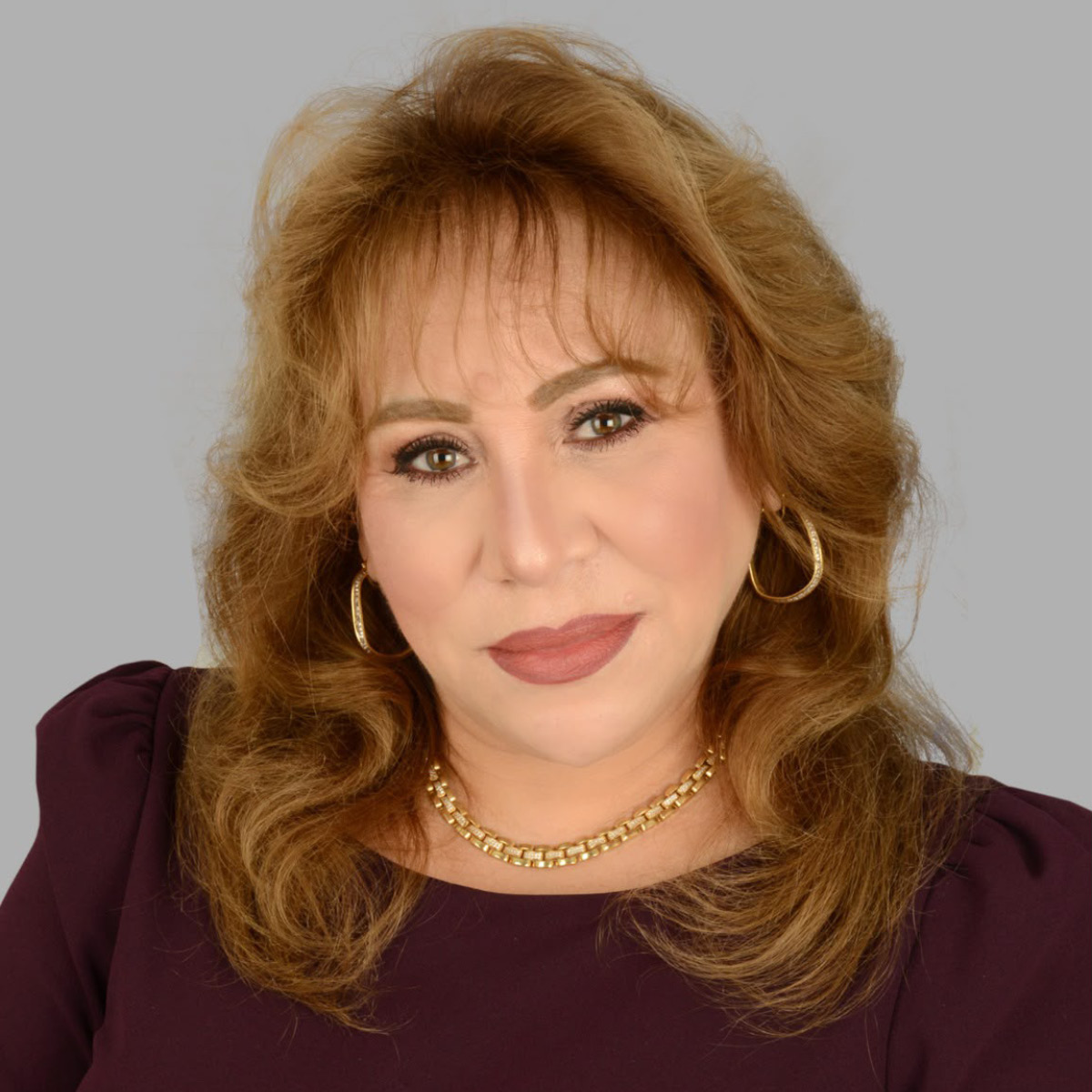
85. Maha Jubara
Gulf Healthcare International (GHI)
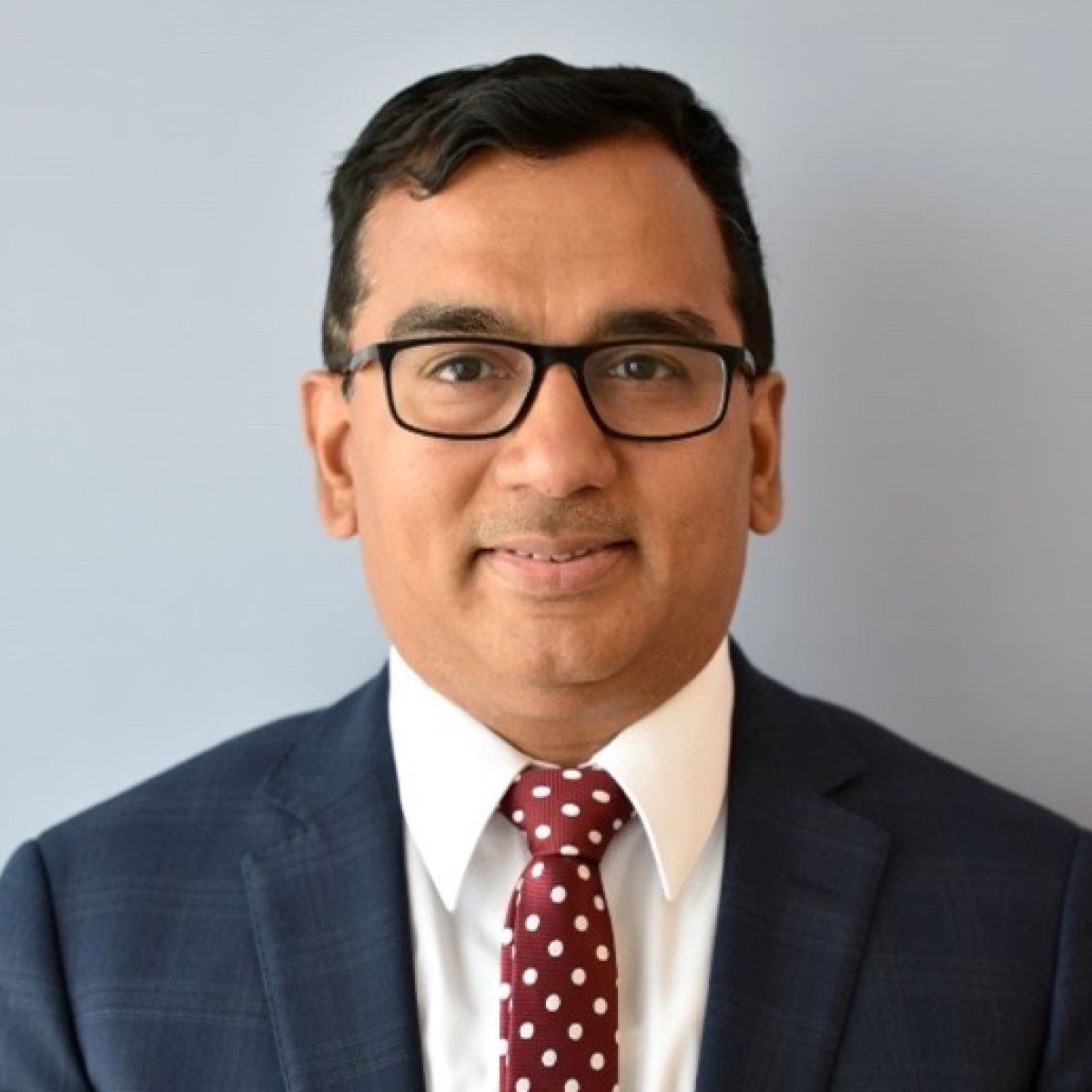
86. Venkat Kalyan
Novo Nordisk
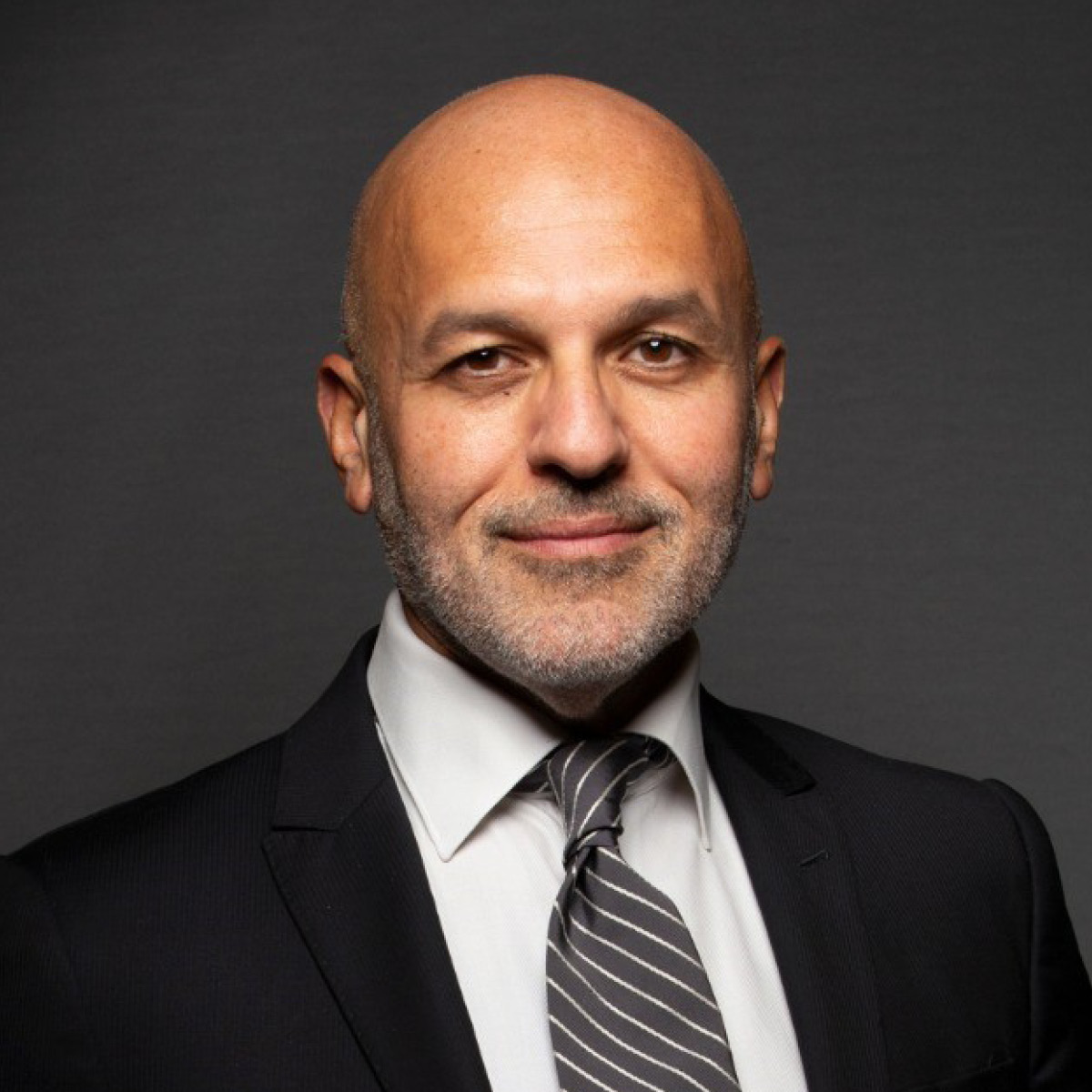
87. Ahmed Abo Al Fadl
Merck Serono Middle East
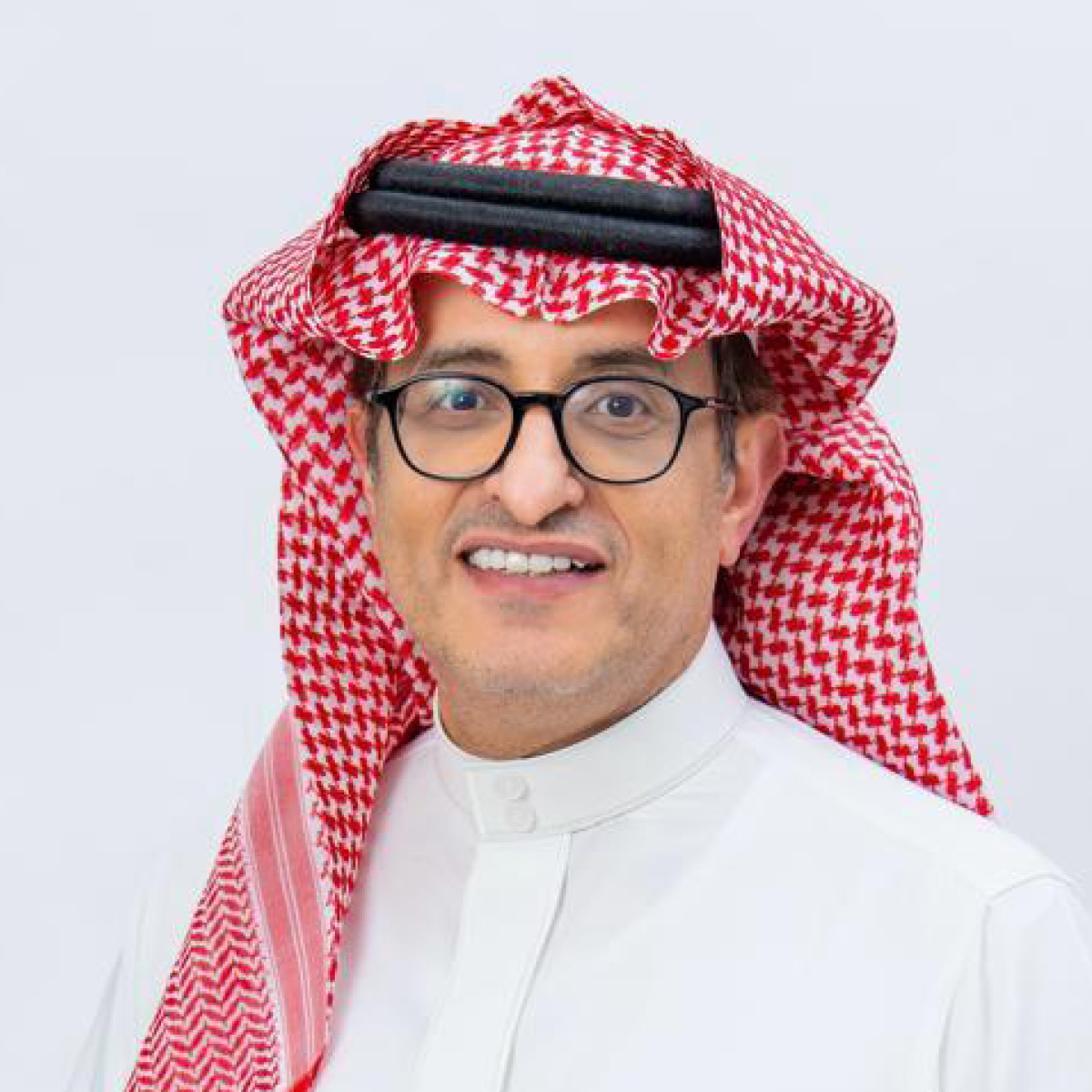
88. Khalid Ayed Assiri
Najran Health Cluster
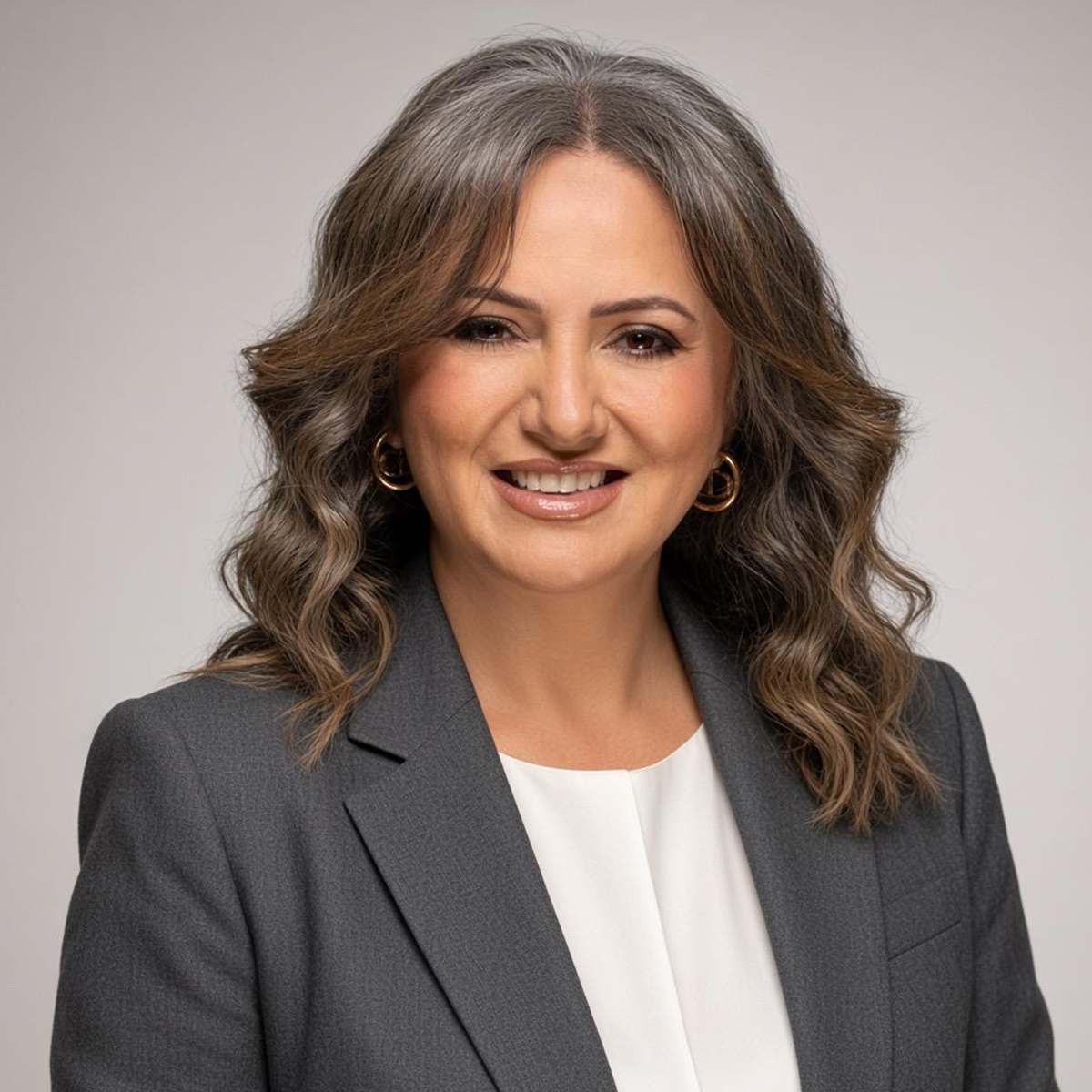
89. Wisam Haddadin
Abbott
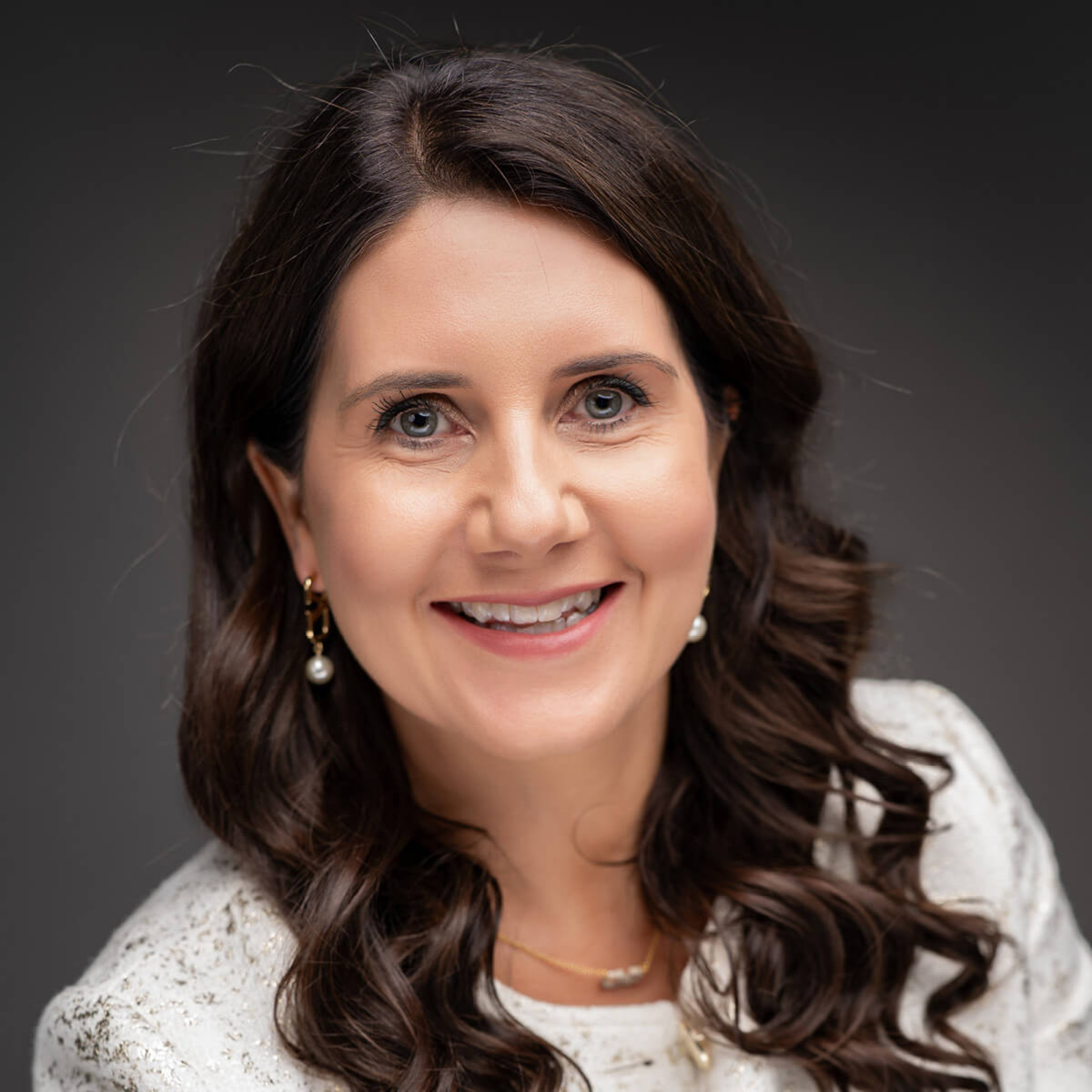
90. Leah Cotterill
Cigna Healthcare
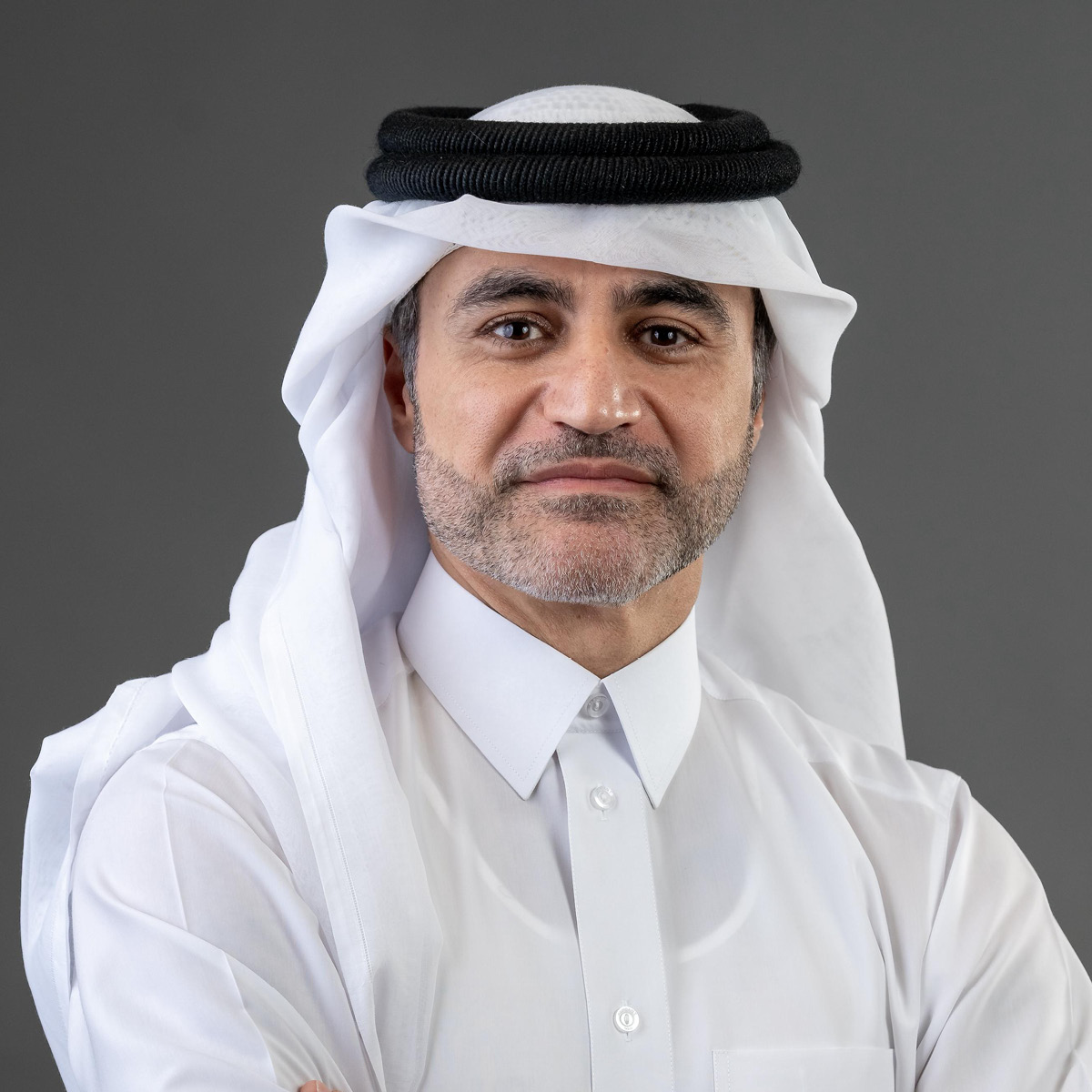
91. Khalid Ali Al-Mawlawi
Aspetar
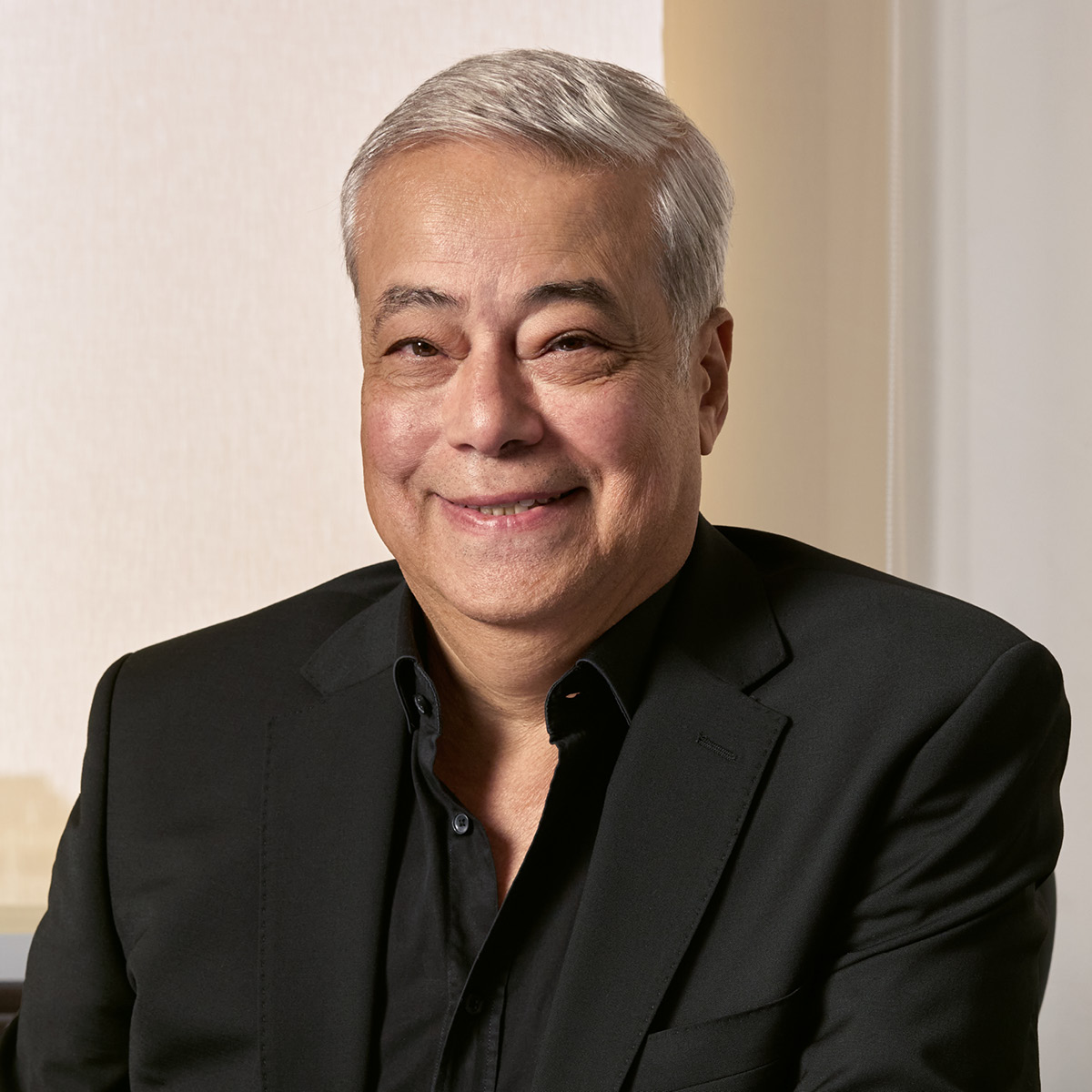
92. Amr Morsy
Rameda
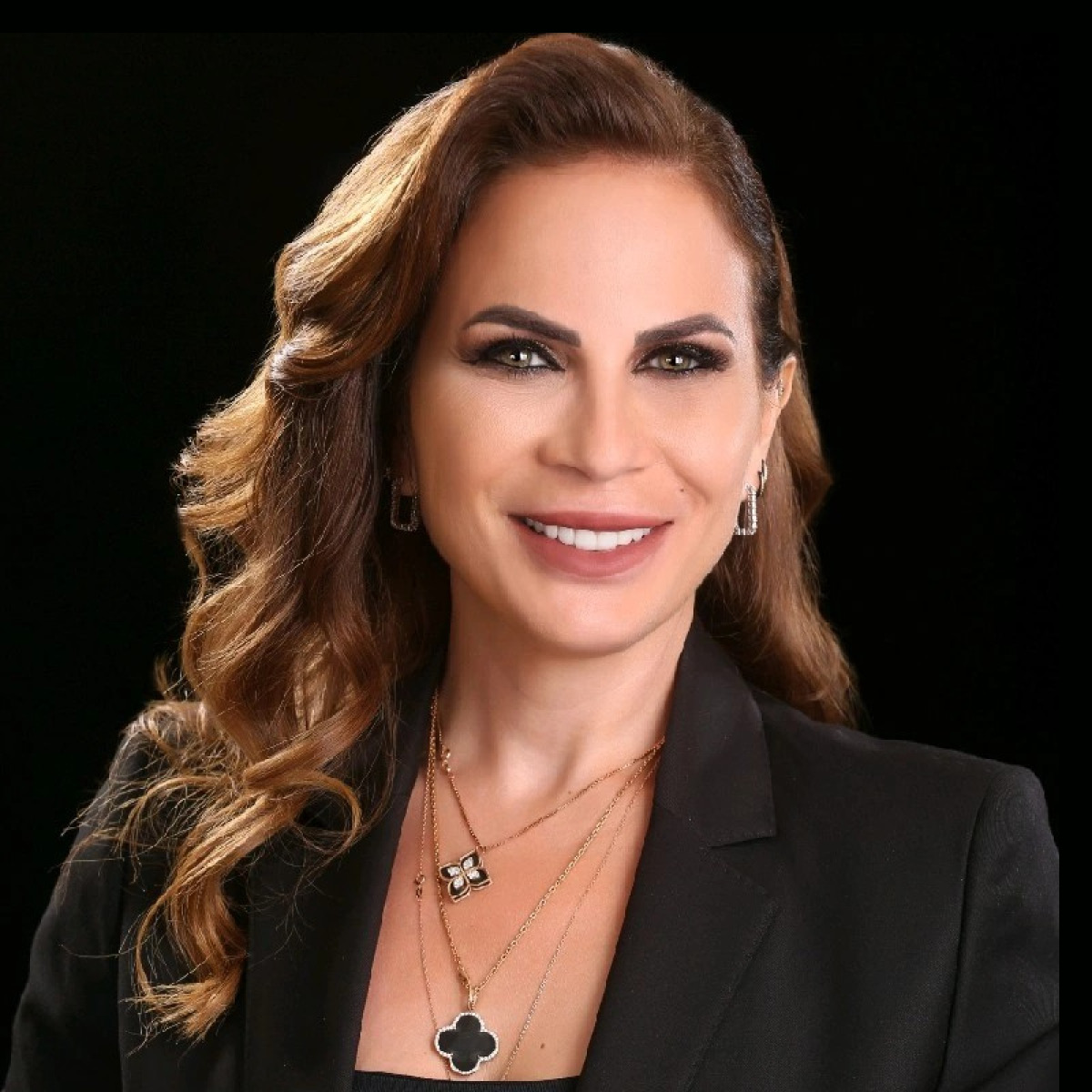
93. Farah Hamdan
Terumo
94. Abdullah Al Otaibi
Canadian Medical Center Co.
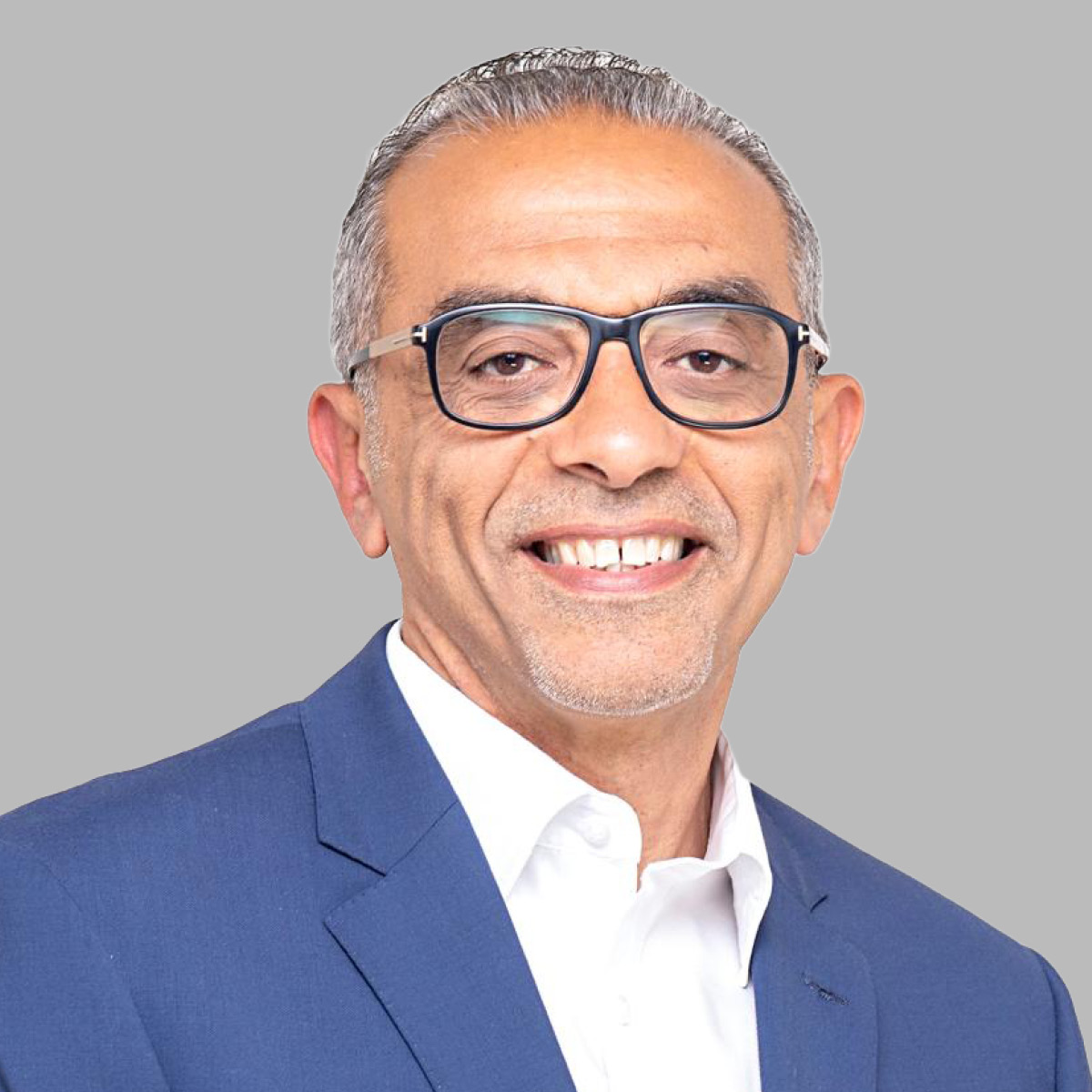
95. Mohamed Nasser
Amgen
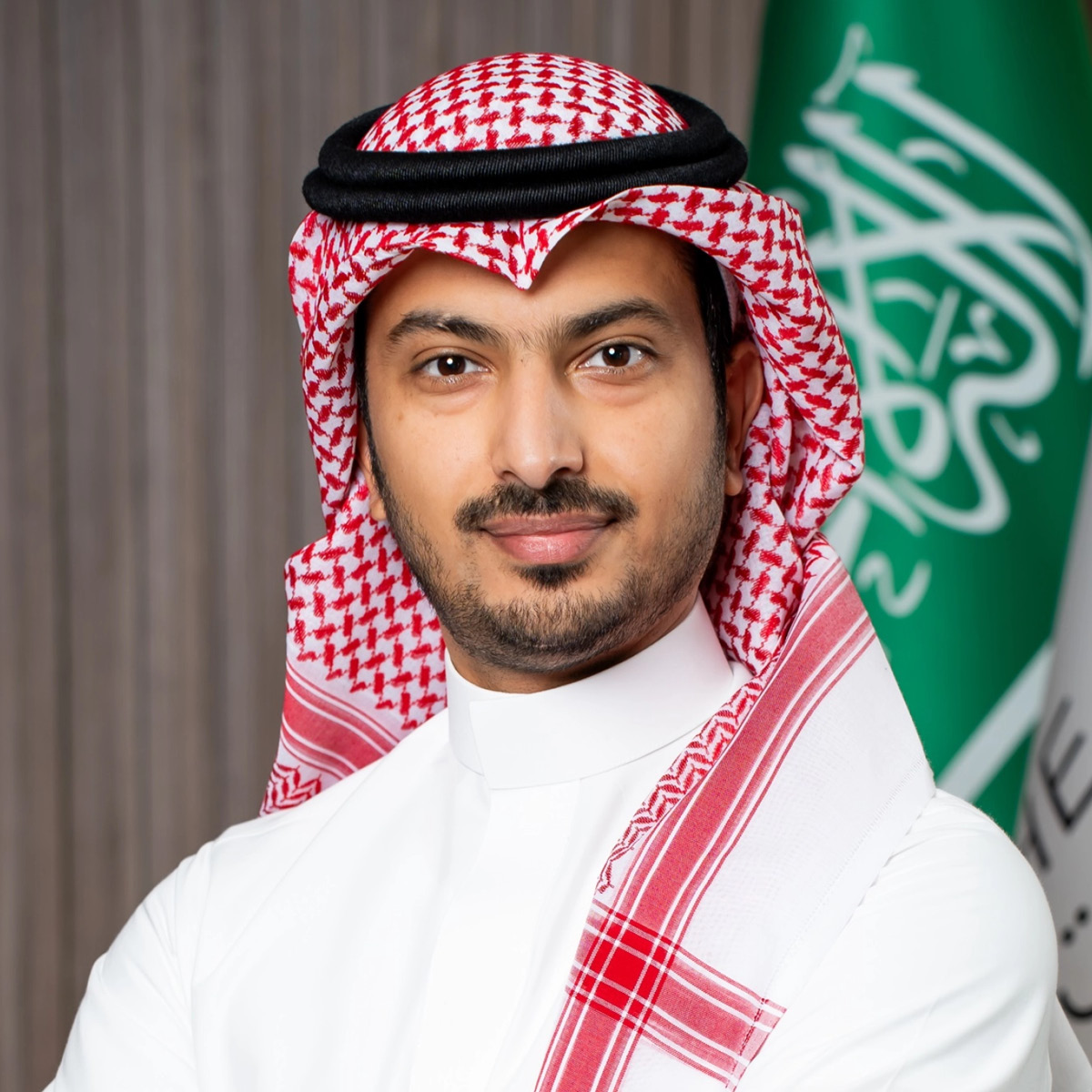
96. Khalid Al-Hamdan
Twareat Medical Care (TMC Health)
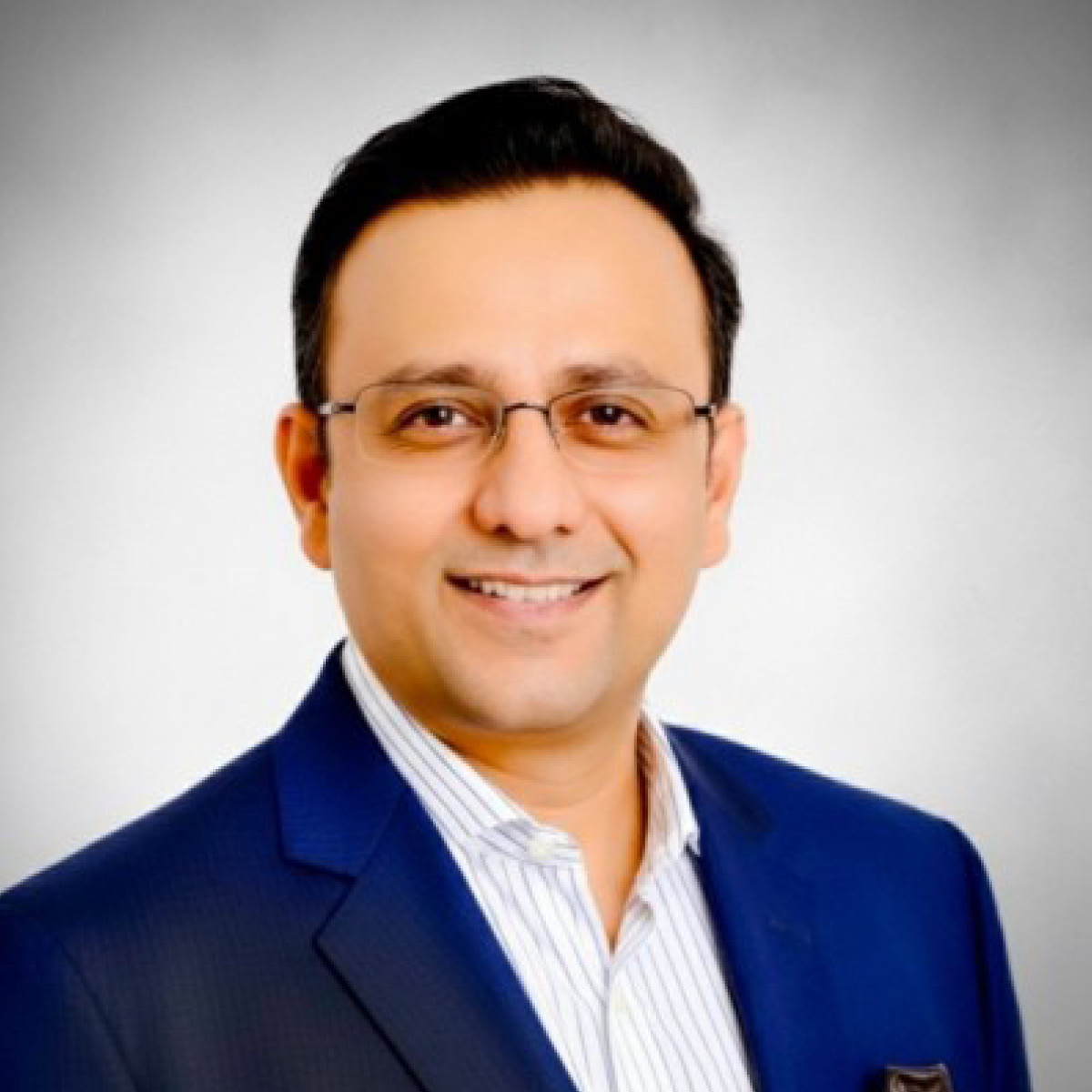
97. Sumit Bhanot
Atlas Medical
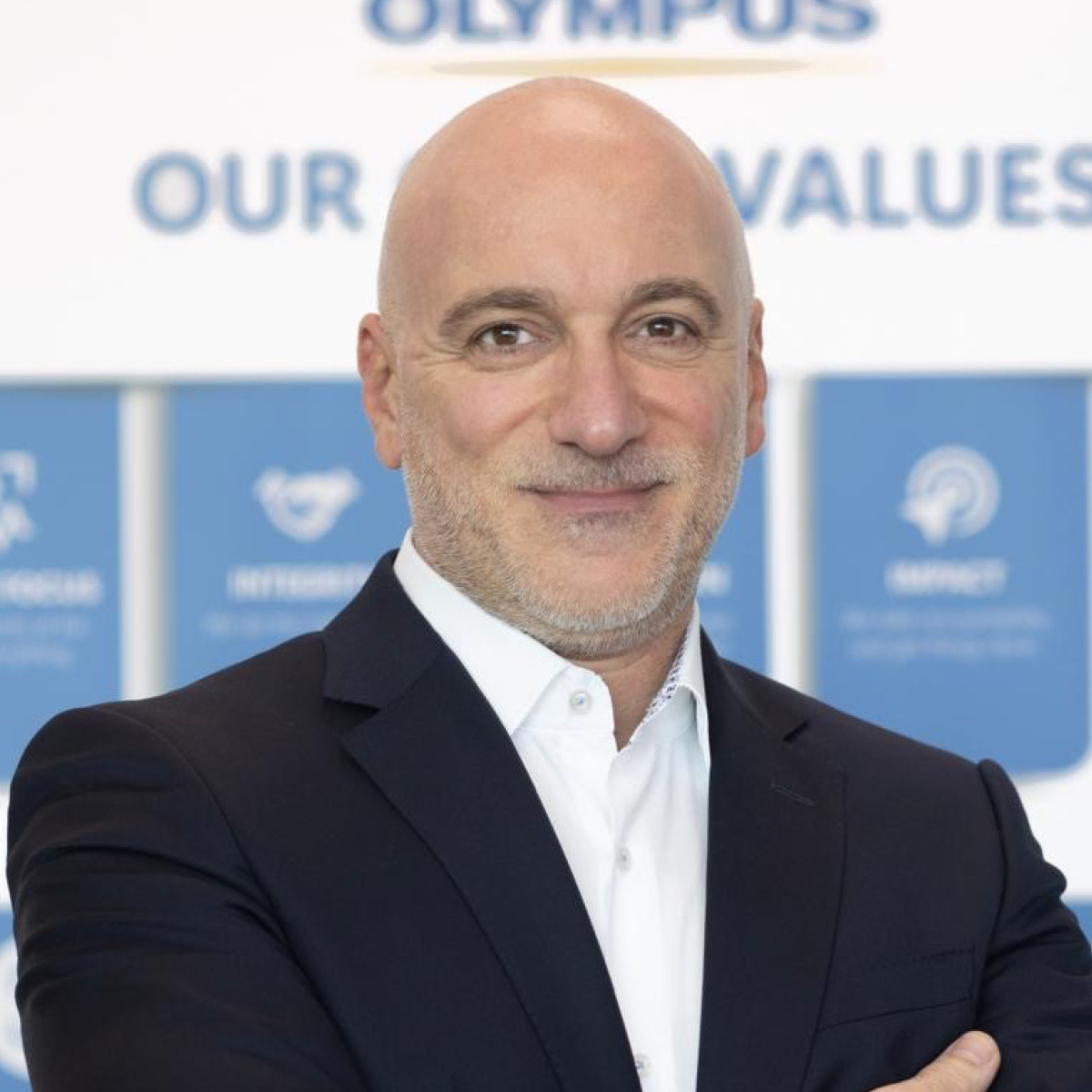
98. Ronald Boueri
Olympus META
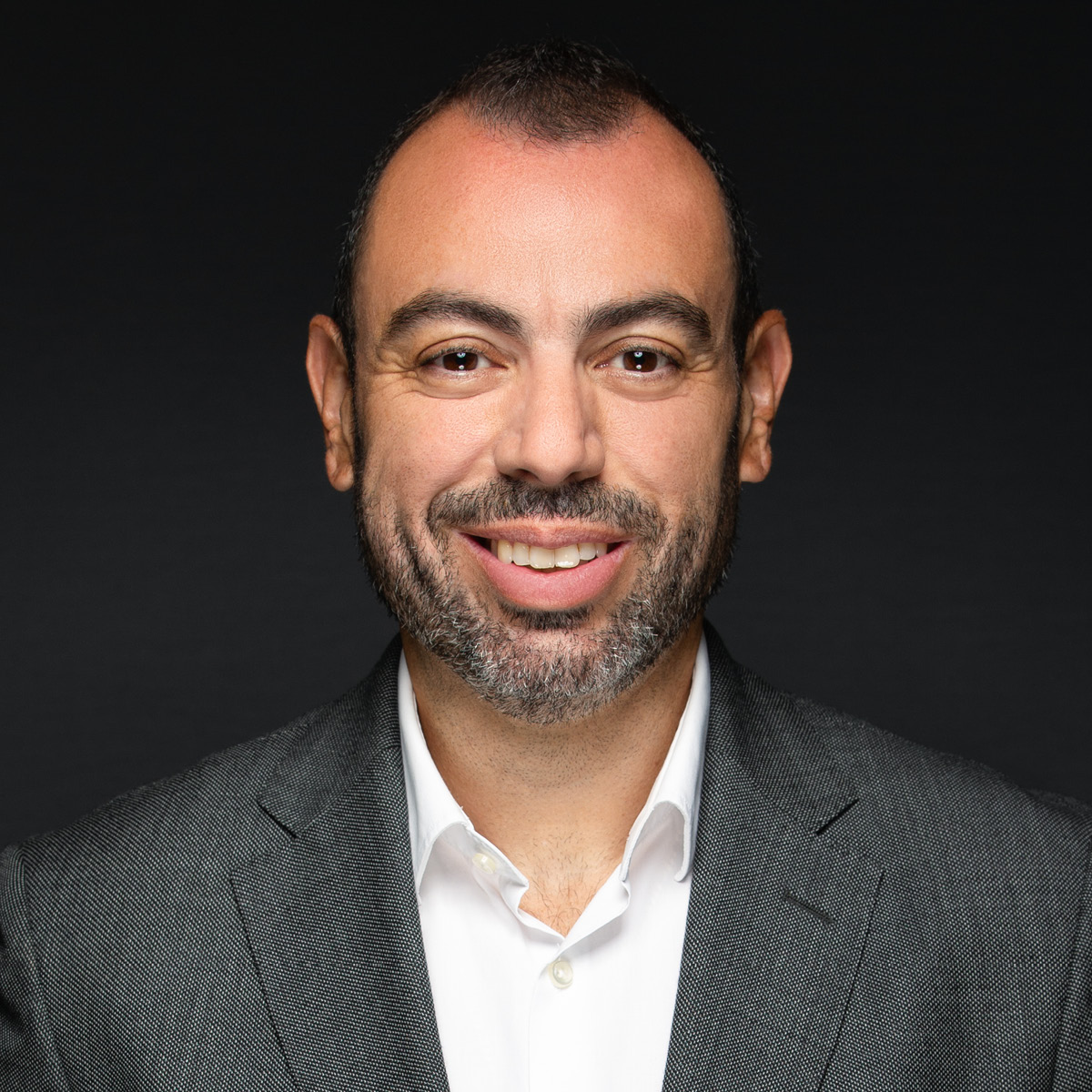
99. Joe Naoum
Stryker
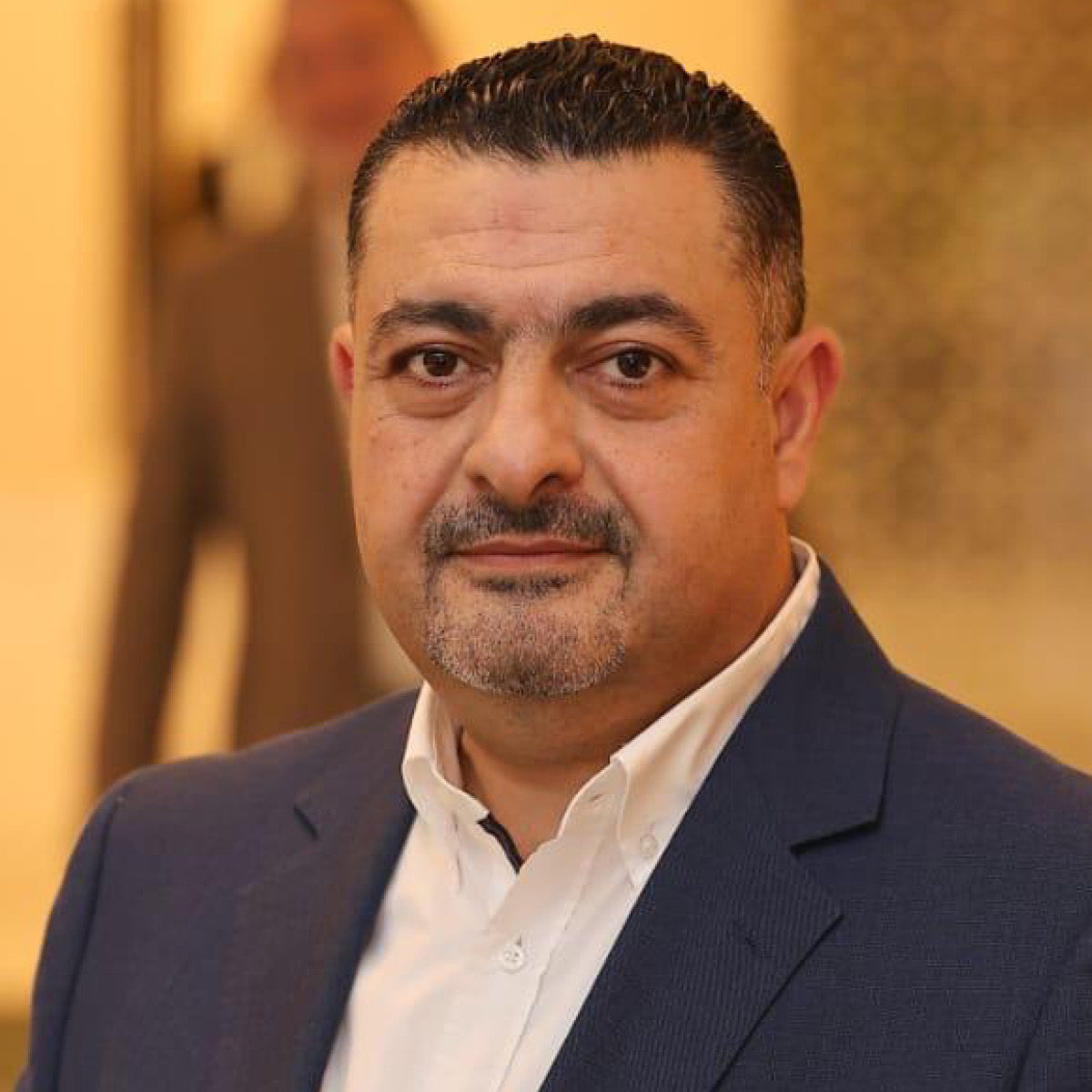
100. Mohd Kenanah
Emitac Healthcare Solutions (EHS)